The Role of 5-Axis CNC Machining in Creating Complex Designs

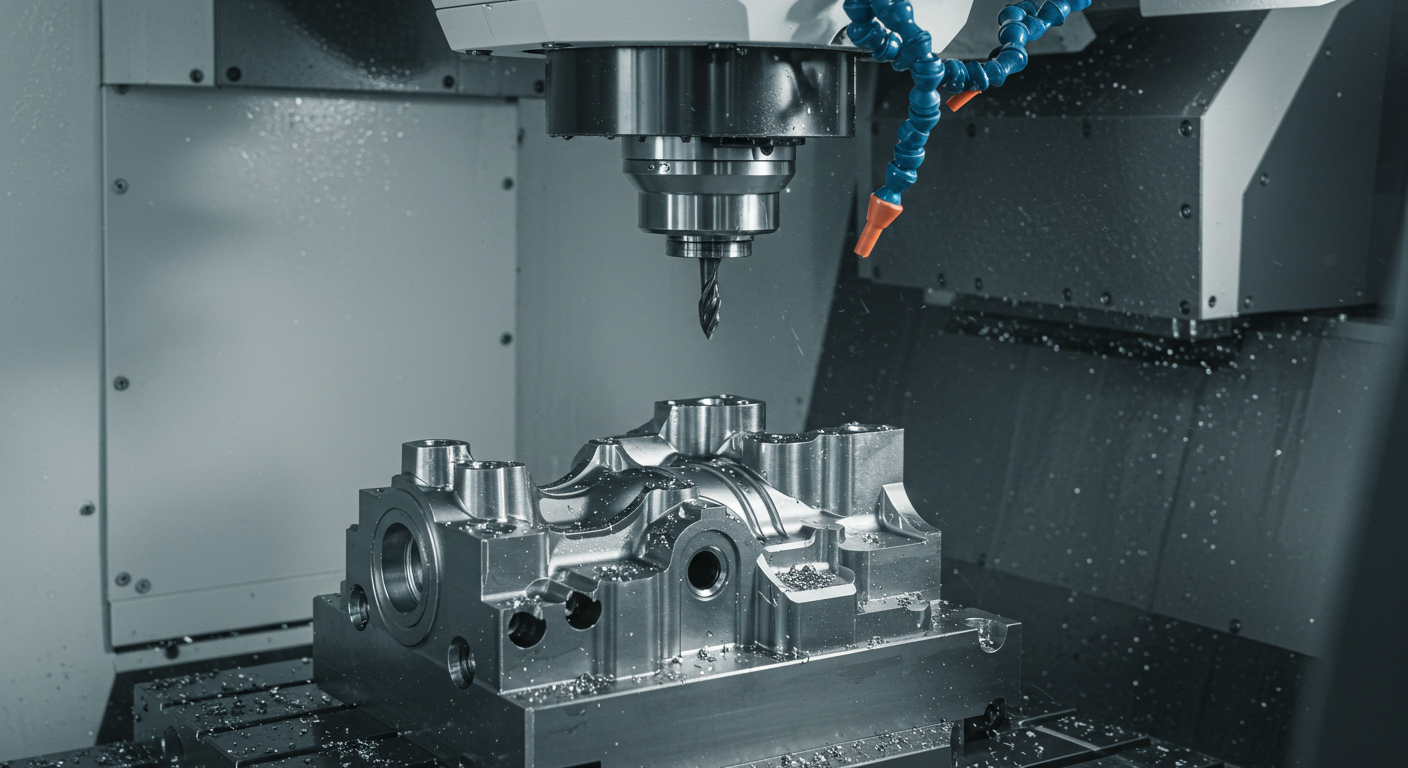
You’ve likely noticed how modern manufacturing demands precision and efficiency. This is where 5-axis CNC machining excels. By moving along five axes simultaneously, it enables you to create complex designs with unmatched accuracy. Industries like aerospace, medical, and automotive have embraced this technology, driving its market to $4.43 billion by 2023. Its adoption continues to grow, fueled by advancements in AI and self-optimized cutting systems.
Key Takeaways
5-axis CNC machines help make detailed designs and shapes. They improve accuracy and save time in manufacturing.
This method cuts setup time by working on parts from many angles at once. It makes production quicker and cheaper.
Fields like aerospace and medical use 5-axis machines a lot. They help create special parts that need to be very precise.
Understanding 5-Axis CNC Machining
What is 5-Axis CNC Machining?
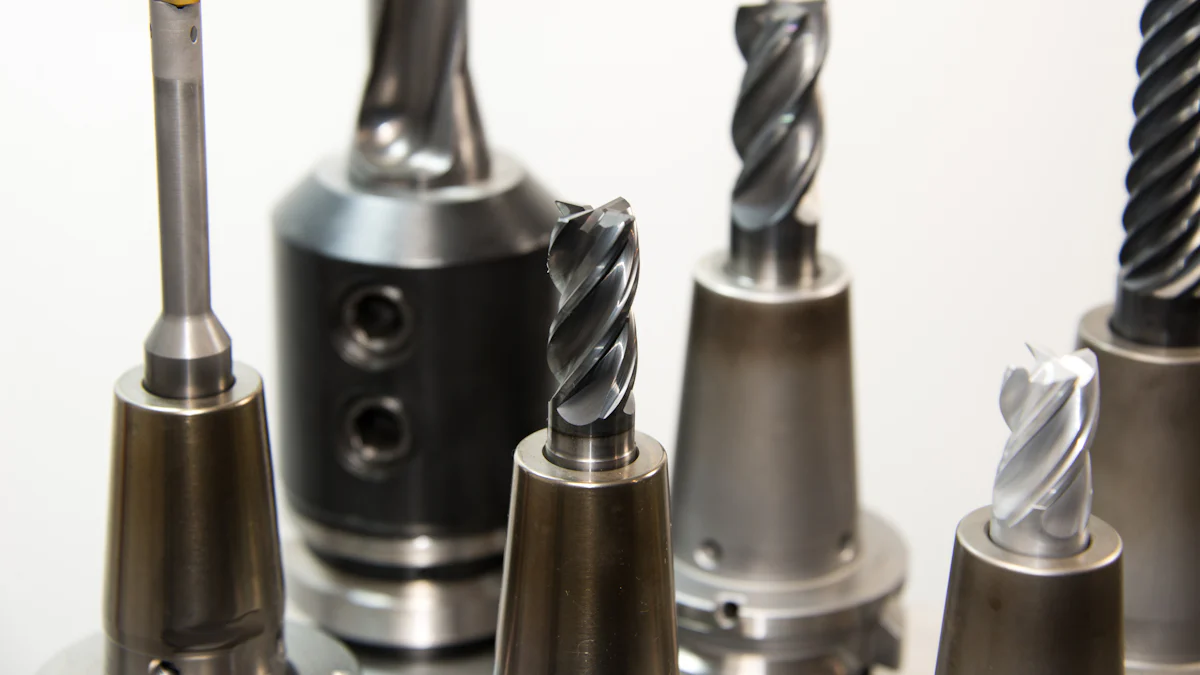
You might wonder what sets 5-axis CNC machining apart from traditional methods. This advanced technology allows the cutting tool to move along five different axes simultaneously. These include the standard X, Y, and Z linear axes, as well as the A and B rotational axes. This capability enables you to create intricate designs and complex geometries that would be impossible with 3-axis machines.
The process begins with a computer-aided design (CAD) model of the part you want to manufacture. This model is then translated into computer-aided manufacturing (CAM) software, which generates the G-code. The G-code acts as the machine's instructions, guiding it through the toolpath and machining operations. Once uploaded, the 5-axis CNC machine operates automatically, shaping the material with precision and efficiency. This automation reduces human intervention, saving you time and costs while ensuring faster delivery of products to the market.
Key Features of 5-Axis CNC Machines
5-axis CNC machines offer several features that make them indispensable in modern manufacturing. First, their ability to move along five axes eliminates the need for multiple setups. You can machine a part from different angles without repositioning it, which enhances efficiency and accuracy. This feature is especially useful for creating deep cuts and intricate shapes.
Another key feature is their versatility. These machines can work with a wide range of materials, including metals, plastics, and composites. Whether you're manufacturing aerospace components or medical implants, 5-axis machining provides the flexibility you need. Additionally, the integration of advanced CNC machining technology ensures high precision, even for the most complex designs.
When compared to 3-axis machines, 5-axis CNC machines stand out in terms of capabilities and efficiency. For example, while 3-axis machines require multiple setups for complex parts, 5-axis machines can complete the job in a single setup. This reduces tool changes and minimizes errors. However, these machines do require specialized training and regular maintenance due to their complexity.
Factor | 3-Axis | 5-Axis |
|---|---|---|
Cutting tool movement | Along X, Y, and Z axes | Along X, Y, Z, A, and B axes |
Efficiency | Good | Excellent |
Tool changes | Multiple setups needed | Minimal setups required |
Capabilities | Limited | Intricate shapes possible |
Accuracy | Good | Excellent |
Cost | $25,000–$50,000 | $80,000–$500,000+ |
These features make 5-axis CNC machines a powerful tool for industries that demand precision and efficiency.
How 5-Axis CNC Machining Works
Simultaneous Movement Across Five Axes
The hallmark of 5-axis machining is its ability to move the cutting tool along five axes simultaneously. This capability transforms the manufacturing process by enhancing precision and efficiency. Unlike traditional methods, 5-axis CNC machines allow you to machine parts from nearly any angle in a single setup. This eliminates the need for multiple setups, reducing downtime and labor costs.
Key benefits of simultaneous movement include:
Increased Accuracy and Precision: The additional rotational axes ensure tighter tolerances and reduce errors.
Reduced Cost and Time: Multi-plane machining lowers setup time and improves turnaround.
Complex Shapes and Geometries: You can create intricate designs, including complex 3D shapes, in one operation.
Improved Finish: Consistent tool contact results in smoother surfaces, minimizing secondary operations.
Additionally, 5-axis milling optimizes cutting paths, enabling faster material removal rates. This efficiency is especially valuable for industries requiring precision CNC machining, such as aerospace and medical manufacturing.
Integration of CAD/CAM Software
The integration of CAD (Computer-Aided Design) and CAM (Computer-Aided Manufacturing) software is essential for the operation of 5-axis CNC machines. CAD software allows you to design detailed 2D or 3D models, visualizing and refining components before production. CAM software then translates these designs into machine instructions, optimizing tool movements for precision and efficiency.
This software integration minimizes errors and ensures smooth operation. By simulating the machining process, you can identify potential collisions or inefficiencies before production begins. This capability is crucial for manufacturing complex parts, as it refines toolpaths and reduces lead times. The seamless connection between CAD/CAM software and computer numerical control systems ensures that 5-axis CNC machining delivers consistent, high-quality results.
Advantages of 5-Axis Machining
Precision in Complex Geometries
5-axis machining excels in creating intricate designs and complex geometries that traditional methods cannot achieve. By allowing the cutting tool to move along five axes, you can produce parts with exceptional precision and tight tolerances. This capability is essential for industries like aerospace, medical, and automotive, where accuracy is critical.
For example, in aerospace, 5-axis CNC machining enables the production of turbine blades and structural airframe parts. In the medical field, it allows for custom prosthetics and implants with intricate shapes. The table below highlights some real-world examples of complex geometries achieved using this technology:
Sector | Example of Complex Geometry |
|---|---|
Aerospace | Turbine blades, structural airframe parts, engine parts |
Automotive | Transmission and engine components with intricate designs |
Medical | Custom-made prosthetics and implants with intricate geometries |
Energy | Turbine blades, pump housings, complex brackets |
Military | Components for weapons systems, vehicles, and aircraft |
This level of precision ensures that your designs meet the highest standards of quality and functionality.
Efficiency and Reduced Setup Time
5-axis CNC machines significantly reduce setup time compared to traditional methods. They allow you to machine parts from nearly all angles in a single setup, eliminating the need for multiple reorientations. This minimizes manual intervention and reduces repositioning errors, leading to faster turnaround times.
For instance, these machines can perform all machining operations on five faces of a workpiece in one setup. This streamlined process saves manufacturing time and costs, helping you bring products to market faster. By reducing downtime and interruptions, 5-axis machining enhances operational efficiency and ensures consistent production quality.
Versatility in Material and Design Applications
The versatility of 5-axis CNC machining makes it suitable for a wide range of materials and design applications. You can machine lightweight metals like aluminum and magnesium for aerospace components, durable steels for automotive parts, and high-strength alloys like titanium for medical devices. Additionally, these machines handle thermoplastics and composites, offering flexibility across industries.
Common materials used in 5-axis machining include:
Metals: Aluminum, brass, copper, titanium, steel
Plastics: Polypropylene, ABS, PC, Nylon, POM
This adaptability allows you to create designs that meet specific industry requirements, whether you’re working on aerospace components, medical implants, or automotive parts. The ability to shape these materials into complex geometries ensures that 5-axis CNC machining remains a cornerstone of modern manufacturing.
Limitations of 5-Axis CNC Machining
High Costs and Investment
Investing in 5-axis machining comes with significant financial challenges. The initial purchase price of 5-axis CNC machines is much higher than that of 3-axis machines. This is due to the additional motors, encoders, and control systems required to coordinate movement across five axes.
At the top of the line, you’ll find industrial-grade CNC machines like the ones we have in our machine shop. These are 4-axis and 5-axis machining centers that start at around $500,000 and can go much higher than that.
The cost doesn’t stop at acquisition. Operating software for these machines also demands a higher investment. Maintenance costs are equally steep, as the complexity of 5-axis CNC machines makes them more difficult to service compared to simpler models.
The cost of acquiring a 5-axis CNC machine is quite higher than that needed to purchase a 3-axis machine. The same goes for the software needed for operating this machine. Also, maintaining 5-axis CNC machines is more difficult than maintaining CNC machines.
Complexity in Programming and Operation
Operating 5-axis machining systems requires advanced technical expertise. Programming these machines differs significantly from 3-axis systems due to the addition of two rotational motions. This complicates trajectory planning and demands precise coordination to avoid collisions.
Programming involves multiple coordinate transformations.
Complex spatial geometric operations must be considered.
Operators must ensure each axis moves in harmony to maintain precision.
The need for highly skilled operators increases labor costs. Without proper training, achieving the full potential of 5-axis CNC machining becomes challenging.
Maintenance and Skill Requirements
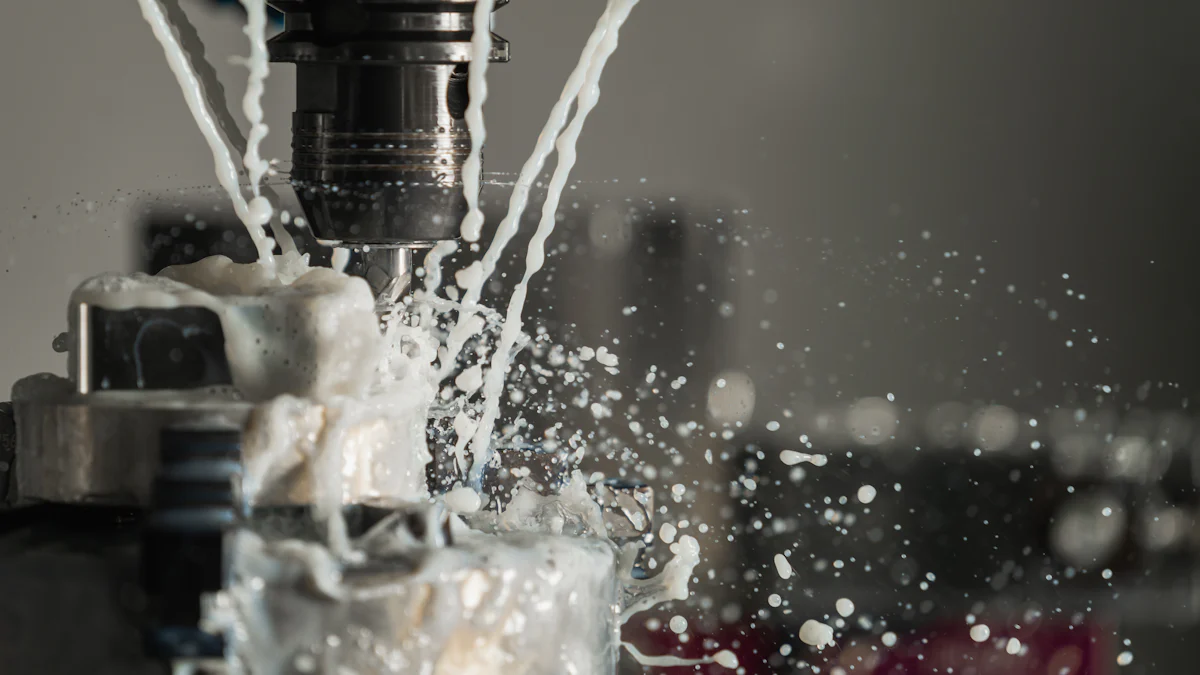
Maintaining 5-axis CNC machines presents unique challenges. Their complexity makes them prone to issues like tool wear, overheating, and misalignment. These problems can lead to inaccuracies and downtime if not addressed promptly.
Maintenance Issue | Description | Solution |
|---|---|---|
Tool Wear and Damage | Can cause inaccuracies in the machining process due to worn or damaged tools. | Choose the right tool, monitor wear, and adjust machine parameters to prolong tool life. |
Overheating and Thermal Expansion | Heat generated can lead to dimensional inaccuracies and damage to the machine. | Ensure proper cooling systems, use suitable coolants, and maintain ventilation. |
Misalignment of Parts | Can result in poor surface finish or incorrect hole placement. | Double-check setup, secure workpiece, and regularly inspect and recalibrate the machine. |
Material Issues | Variations in material properties can lead to poor machining outcomes. | Ensure material meets specifications, track batches, and adjust settings based on properties. |
Regular maintenance requires skilled technicians who understand the intricacies of 5-axis milling systems. This adds to operational costs and makes upkeep more demanding compared to simpler CNC machining systems.
Applications of 5-Axis CNC Machining
Aerospace: Lightweight and Complex Components
In the aerospace industry, precision and complexity are non-negotiable. You’ll find that 5-axis CNC machining is the go-to technology for manufacturing intricate components. Its ability to machine parts from multiple angles in a single setup ensures that aerospace components meet stringent industry standards. For example, NASA’s Orion bulkhead, a domed aluminum structure with intricate pockets, relies on this technology. Traditional methods cannot achieve the same level of detail or efficiency.
You can also use 5-axis machining to create essential aerospace tooling, such as layup molds, machining fixtures, and assembly jigs. These tools are critical for producing aircraft parts, including aluminum alloy components used in airframes and engines. By minimizing re-fixturing and ensuring tight tolerances, this technology enhances both accuracy and productivity in aerospace manufacturing.
Medical: Custom Implants and Surgical Tools
The medical field demands precision and customization, and 5-axis CNC machining delivers on both fronts. This technology allows you to produce implants tailored to a patient’s unique anatomy, improving compatibility and reducing recovery times. For instance, custom prosthetics and dental implants benefit from the precision and surface finish achieved through this method.
You’ll also find that 5-axis machining is indispensable for creating complex surgical tools. These instruments, designed for intricate procedures, require exceptional accuracy to ensure successful outcomes. By meeting the medical industry’s rigorous standards, CNC machining has become a cornerstone of modern healthcare manufacturing.
Energy: Turbine Blades and Critical Parts
In the energy sector, efficiency and reliability are paramount. 5-axis CNC machining excels in producing turbine blades, which require tolerances as tight as ±0.01 mm. This precision ensures optimal aerodynamic performance and reduces the risk of failure in critical systems. You can machine these components in a single setup, minimizing tool marks and eliminating the need for secondary finishing processes.
This technology also enhances productivity by allowing continuous operation through advanced programming and automation. Whether you’re manufacturing pump housings or other critical parts, 5-axis machining ensures high-quality standards, reducing downtime and maintenance issues. Its ability to handle complex geometries in fewer operations makes it a vital tool for meeting the energy sector’s demands.
5-axis CNC machining has revolutionized manufacturing by enabling you to create intricate designs with unmatched precision and efficiency. Its impact on industries like aerospace, medical, and energy remains profound. Future advancements, such as self-diagnosing machines and hybrid manufacturing, promise even greater innovation. As demand for complex parts grows, this technology will continue shaping the future of manufacturing.
FAQ
What industries benefit the most from 5-axis CNC machining?
Aerospace, medical, and energy industries benefit the most. These sectors require precision, efficiency, and the ability to create complex geometries that 5-axis machining delivers.
How does 5-axis CNC machining improve efficiency?
It reduces setup time by machining parts from multiple angles in one setup. This minimizes repositioning, lowers errors, and speeds up production.
Can beginners operate 5-axis CNC machines?
Operating these machines requires advanced training. Beginners need to learn programming, toolpath planning, and machine calibration to ensure proper operation and avoid errors.
See Also
Top 5 Skills Needed for CNC Drilling Precision Parts
A Deep Dive Into CNC Machining Services for Precision
The Impact of CNC Machining on Precision Manufacturing Today
Key Processes in CNC Precision Machining You Should Know
Exploring CNC Precision Machining Features: Insights on Turning
About US
Follow Us
Your prototype holds unparalleled significance, and we deeply value its uniqueness. Collaborating with you during the preparation phase for running your prototype or parts is a commitment we gladly embrace. Whether it's a single part or a complex assembly, we are dedicated to selecting the optimal tools and pathways to bring your envisioned product to life.
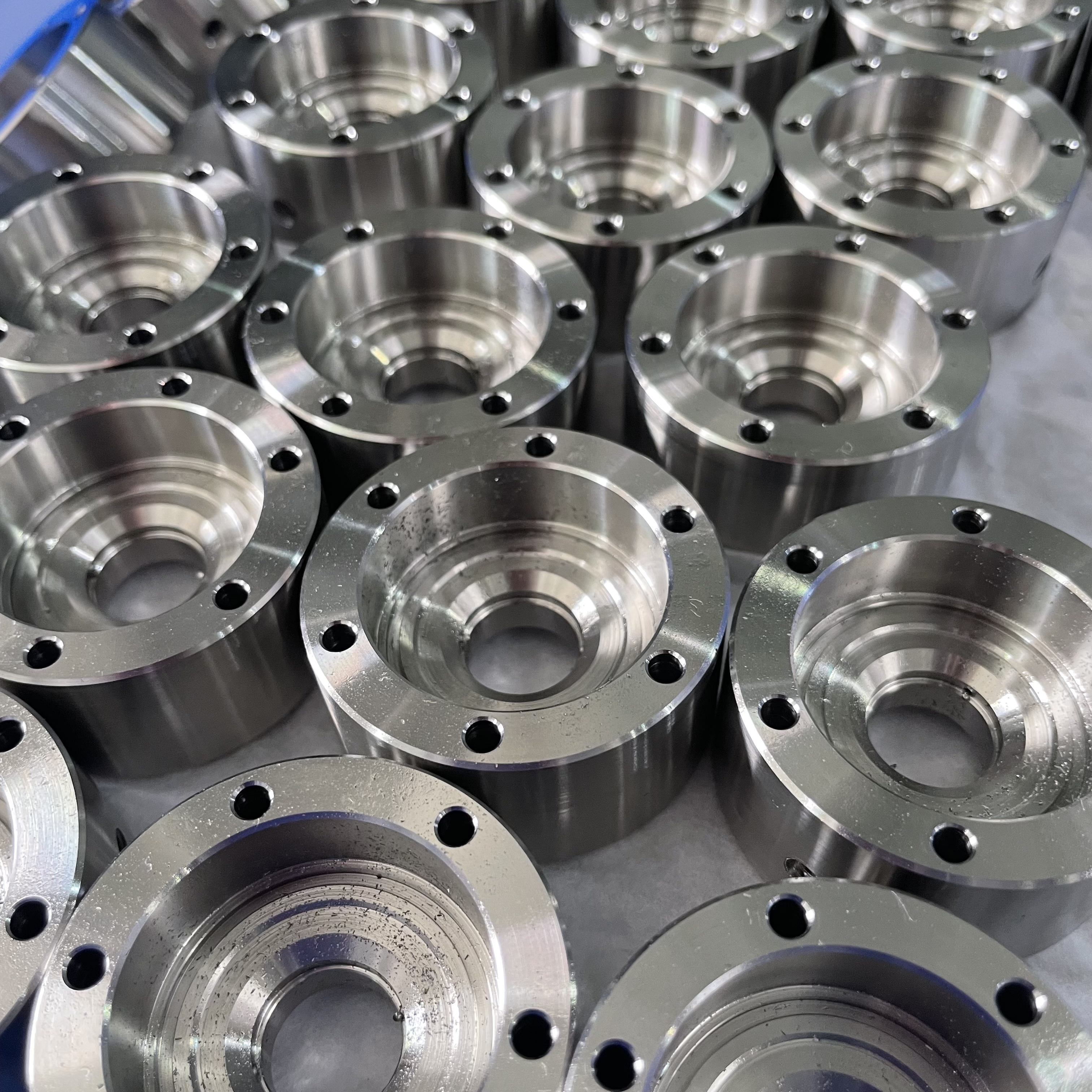
At Precision Fab CNC Machining, we specialize in producing parts for prototypes, short runs, and high-volume production. Our prototyping machine capabilities extend across metal, plastic, and wood machining, with welding fabrication services available to complement and finalize your prototype if required.
Address
Address: Room320 10F, Building A,Nanshan international building, Dayawan District, Huizhou, Guangdong, 516001 China
Contacts
billy@timaycnc.com