How to Address Material Limitations in CNC Machining

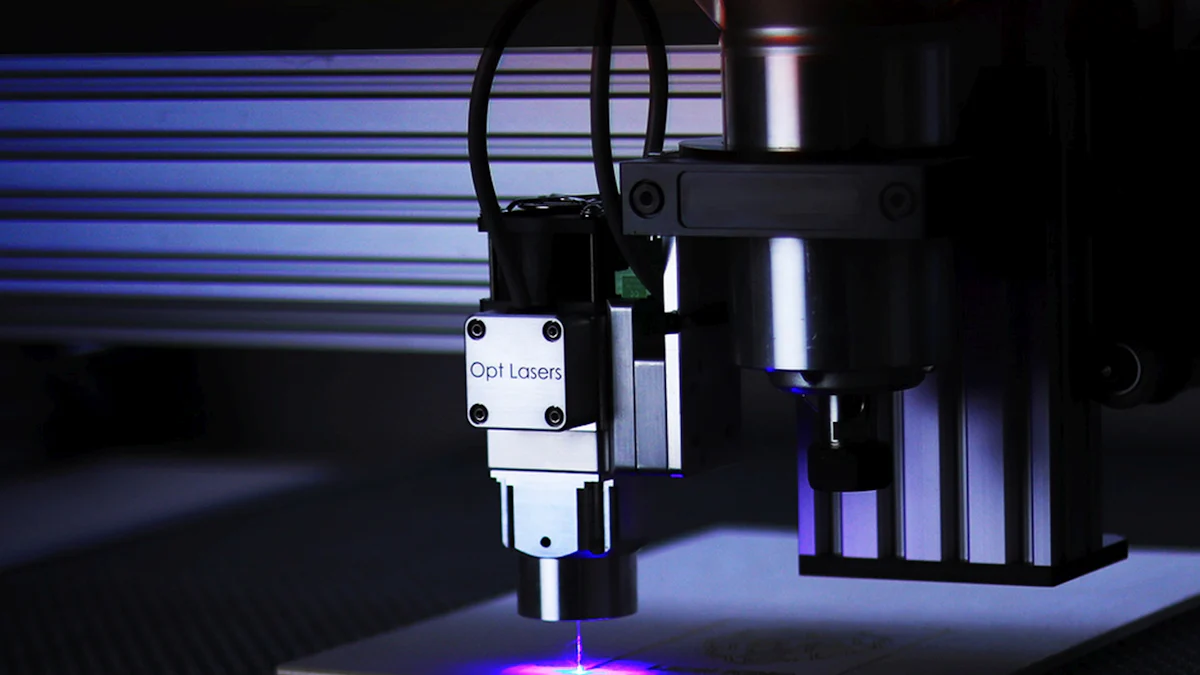
Material limitations in CNC machining present unique challenges. Complex geometries, tight tolerances, and thin walls often complicate production. Materials like titanium can reduce tool life and machining speed. These issues affect machining accuracy, machining quality, and cost-efficiency. Addressing these challenges through design optimization and proper material selection ensures better results in CNC processes.
Key Takeaways
Picking the right material is important for accurate machining. Think about how easy it is to cut, its strength, and how it handles heat to get better results.
Improving your design can make machining work better. Use the right tools, smart cutting paths, and keep machines well-tuned for better precision.
Check CNC service providers for their skill with materials and tools. Make sure they have proper equipment and quality checks for your project.
Identifying Common Material Limitations in CNC Machining
Machinability and Material Properties
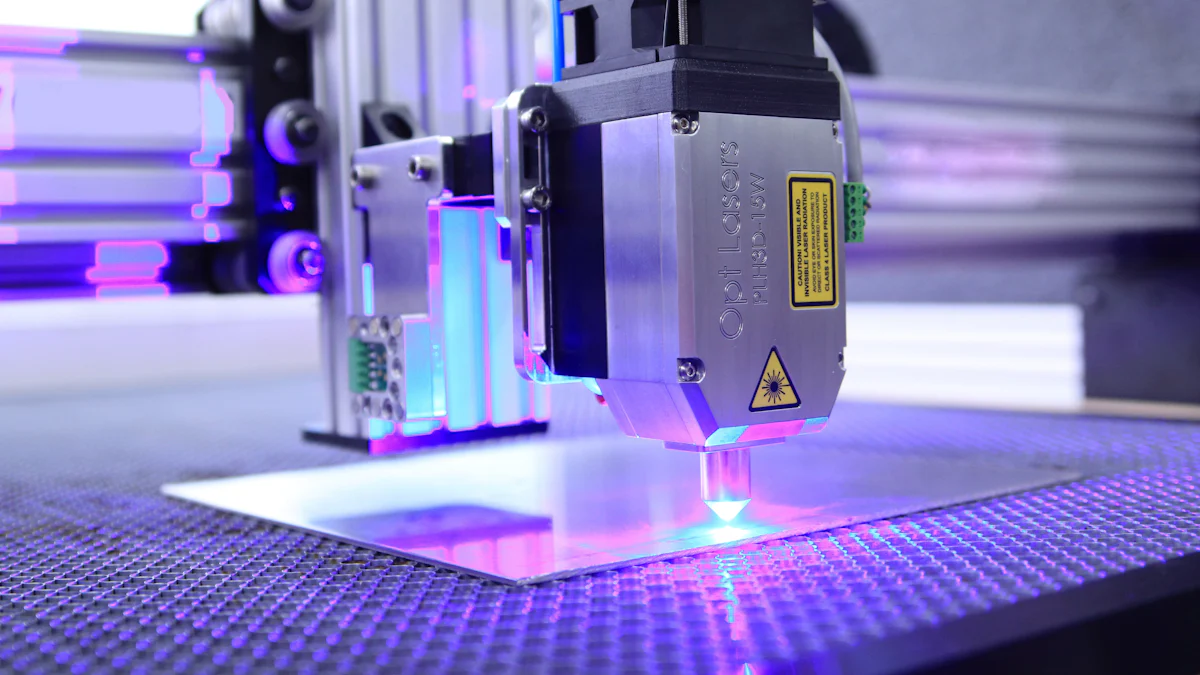
Machinability plays a critical role in CNC machining. Some materials, like aluminum, are easier to machine due to their softness, while others, such as titanium, pose challenges because of their hardness. Harder materials require more power to cut, which increases tool wear and machining time. Materials with low thermal conductivity, like stainless steel, retain heat at the cutting interface. This can soften tools and reduce their lifespan. On the other hand, materials with high thermal conductivity, such as copper, dissipate heat effectively, improving tool life. Managing heat during machining is essential to maintain machining accuracy and prevent tool deformation.
Strength, Durability, and Stress Load Considerations
Material strength and durability directly impact how well a part performs under stress. Tensile strength determines how much tension a material can handle before breaking. Wear resistance ensures the material can withstand friction and abrasion over time. Endurance strength measures how much stress a material can absorb without failing. For example, ultra-high molecular weight polyethylene offers excellent wear resistance, making it ideal for high-friction applications. Understanding these properties helps you select materials that meet the stress and durability requirements of your design.
Material Property | Description |
|---|---|
Tensile Strength | Resistance to breaking under tension. |
Endurance Strength | Overall stress absorption capacity of the material. |
Wear Resistance | Ability to handle friction; e.g., Ultra High Molecular Weight (UHMW) polyethylene is abrasion-resistant. |
Hardness | Ability to withstand pinpoint surface loads, indicated by hardness numbers like Brinell or Rockwell. |
Cost, Availability, and Size Limitations
Material costs significantly influence CNC machining projects. Rare or specialized materials often come with higher price tags, which can strain your budget. Availability also plays a role. Hard-to-obtain materials may delay production timelines and increase expenses. Additionally, material size can limit your design options. Large or irregularly shaped materials may require additional processing, increasing machining time and costs. Choosing materials that balance cost, availability, and machinability ensures better results while staying within budget.
Strategies to Address Material Limitations in CNC
Material Selection Tips for Machining Accuracy
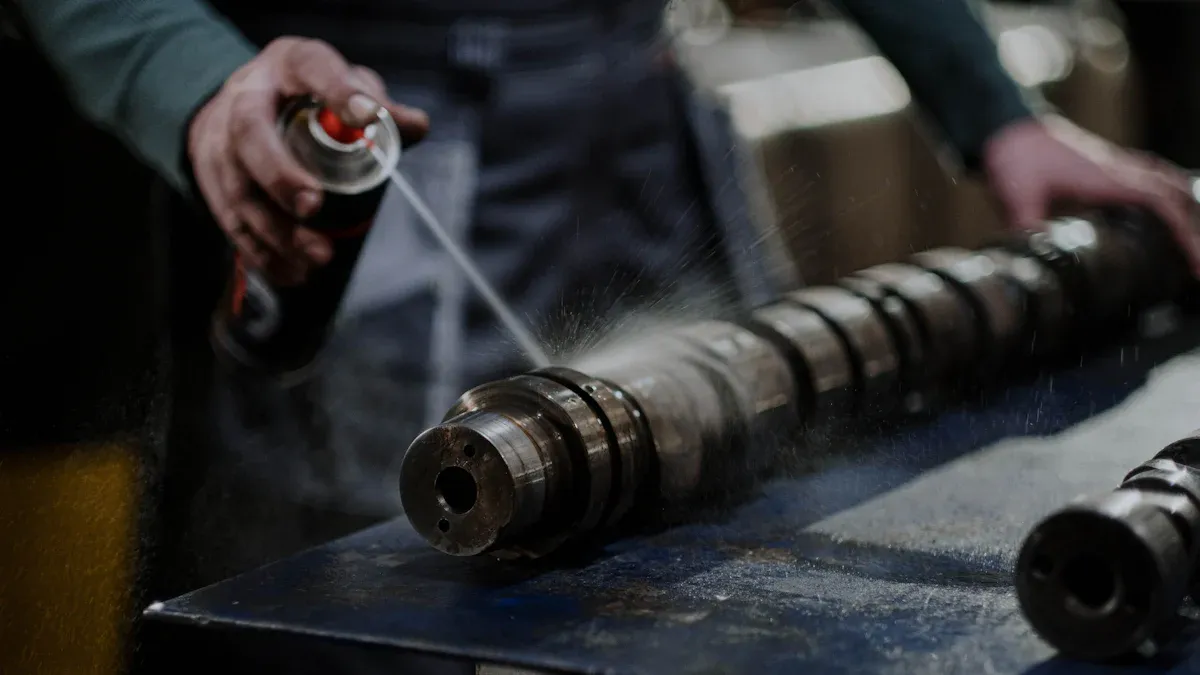
Choosing the right material is crucial for achieving machining accuracy and overcoming challenges in CNC machining. You should evaluate material properties like machinability, strength, and thermal conductivity. Materials with high machinability, such as aluminum, reduce machining time and tool wear. For applications requiring durability, consider materials with high tensile strength and corrosion resistance. Lightweight materials, like certain alloys, are ideal for designs where weight is a concern. Staying informed about material availability and market trends helps you manage material costs effectively. Simplifying part designs and using standardized components can also reduce machining complexity and costs.
Tip: Leverage economies of scale by producing larger quantities to lower material costs and improve efficiency.
Design Adjustments to Enhance Machining Quality
Optimizing your design can significantly improve machining quality. Start by selecting tools compatible with your material and machining conditions. Advanced toolpath strategies, such as those generated by CAM software, enhance precision and tolerances. Regular machine calibration ensures consistent accuracy. Avoid overly complex designs that increase machining time and reduce quality. Instead, focus on features that align with the work envelope and tool reach of your CNC machine. This approach minimizes errors and ensures better tolerances and surface finish.
Choose tools based on material compatibility and cutting conditions.
Use CAM software to optimize toolpaths and improve machining precision.
Maintain machine calibration for consistent results.
Simplify designs to reduce part complexity and machining challenges.
Process Optimizations to Overcome Size Limitations
Addressing size limitations in CNC machining requires effective planning and design. Prioritize essential features and avoid unnecessary complexity. Placing key features on the same side of the part reduces setups and machining time. Softer materials can simplify machining and improve efficiency. Ensure your design allows for effective coolant application and chip removal to prevent tool wear. Avoid deep features that exceed the maximum part dimensions of your CNC machine. These strategies help you work within the constraints of the work envelope while maintaining precision and tolerances.
Optimization Strategy | Description |
|---|---|
Effective Design and Planning | Focus on critical features and avoid non-essential components. |
Reducing Setups | Place key features on the same side to minimize errors and machining time. |
Material Selection | Use softer materials to simplify machining and reduce tool wear. |
Tool Access Considerations | Design parts to facilitate chip breaking and coolant application. |
Note: Always consider the work envelope and tool reach when designing parts to overcome size limitations effectively.
Choosing the Right CNC Machining Service Provider
Evaluating Expertise in Handling Material Challenges
Selecting a CNC machining service provider with proven expertise ensures your project meets its requirements. Look for providers experienced with a wide range of materials, including aluminum, stainless steel, titanium, and specialized alloys. Their ability to source materials quickly can help you avoid production delays. Providers skilled in handling complex designs and proficient in CAD/CAM software often deliver better results. Additionally, their expertise in various machining processes ensures they can adapt to your project’s unique needs.
Experience with diverse materials, including metals and specialized alloys.
Proficiency in CAD/CAM software for handling intricate designs.
Efficient material sourcing and handling to maintain quality standards.
Assessing Equipment for Size and Material Constraints
The right equipment plays a critical role in overcoming size limitations and material challenges. Providers offering advanced CNC machines, such as 4-axis and 5-axis configurations, can handle intricate designs while maintaining precision. However, consider the work envelope and maximum part dimensions of their machines to ensure compatibility with your design. Effective workholding and fixturing are also essential for stability during machining. Providers who understand material properties, such as thermal behavior, can implement measures to maintain accuracy during machining and post-processing.
Equipment Type | Description |
|---|---|
3-axis CNC | Suitable for simple parts with basic configurations. |
4-axis CNC | Adds rotational capability for more complex shapes. |
5-axis CNC | Handles intricate designs but may have smaller effective work envelopes. |
Tip: Ensure the provider’s equipment aligns with your design’s tool reach and machining tolerances.
Ensuring Quality Assurance for Machining Accuracy
Quality assurance practices are vital for achieving machining accuracy. Providers should operate in controlled environments to mitigate the effects of temperature and humidity on materials. Regular machine calibration ensures parts meet specified tolerances. Statistical process control (SPC) helps monitor machining trends and identify variations early. Scheduled maintenance and inspections further enhance accuracy and efficiency. Certifications like ISO 9001 and AS 9100D indicate a provider’s commitment to quality management and industry standards.
Certification | Description |
|---|---|
ISO 9001 | General quality management standard. |
AS 9100D | Aerospace industry standards. |
ISO 13485 | Medical device manufacturing standard. |
NIMS | Validates machinists’ skills in specific processes. |
ITAR | Relevant for defense work. |
Note: Always verify the provider’s certifications to ensure they meet your project’s quality and regulatory requirements.
Understanding material limitations in CNC machining is essential for achieving precision and efficiency. Material properties influence post-processing, tool wear, and cutting speeds. Selecting the right material ensures better tolerances and machining quality. To prioritize accuracy, you can optimize tool selection, implement advanced toolpath strategies, and maintain machine calibration. Collecting and analyzing production data also helps detect and correct variations. By consulting experienced CNC providers, you can overcome challenges and achieve superior results.
FAQ
What is the best material for CNC machining beginners?
Aluminum is ideal for beginners. It offers excellent machinability, low cost, and durability. Its forgiving nature makes it easier to achieve precision without excessive tool wear.
How can you reduce material costs in CNC machining?
Choose readily available materials and simplify your design. Bulk purchasing and using standard material sizes also help lower costs while maintaining machining efficiency.
Why is machinability important in CNC machining?
Machinability determines how easily a material can be cut. High machinability reduces tool wear, machining time, and costs, ensuring better accuracy and surface finish.
See Also
Grasping Material Needs for Precision CNC Machining Processes
Excelling in CNC Machining: Tolerances, Prototypes, and Materials
Clarifying Myths Surrounding CNC Milling and Design Feasibility
Resolving Machining Challenges: NC Milling and CNC Engraving Solutions
Achieving Precision Parts Production Through CNC Milling Mastery
About US
Follow Us
Your prototype holds unparalleled significance, and we deeply value its uniqueness. Collaborating with you during the preparation phase for running your prototype or parts is a commitment we gladly embrace. Whether it's a single part or a complex assembly, we are dedicated to selecting the optimal tools and pathways to bring your envisioned product to life.
At Precision Fab CNC Machining, we specialize in producing parts for prototypes, short runs, and high-volume production. Our prototyping machine capabilities extend across metal, plastic, and wood machining, with welding fabrication services available to complement and finalize your prototype if required.
Address
Address: Room320 10F, Building A,Nanshan international building, Dayawan District, Huizhou, Guangdong, 516001 China
Contacts
billy@timaycnc.com