The Advantages of CNC Machining Over Traditional Manufacturing Methods

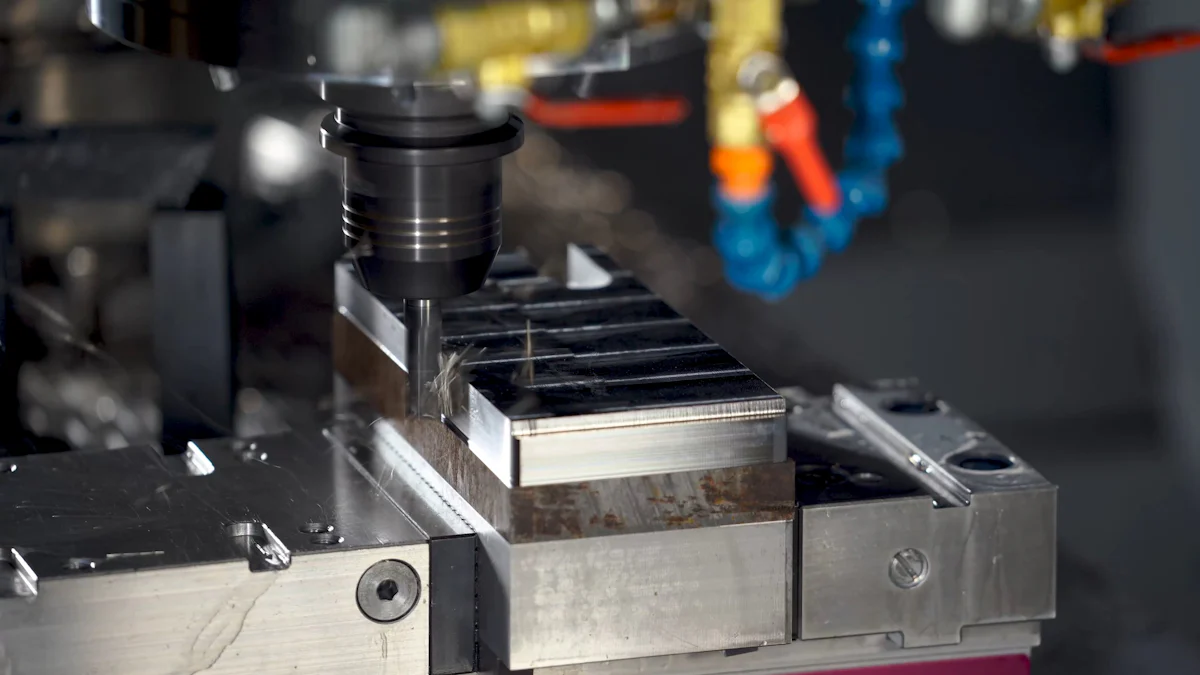
CNC machining revolutionizes manufacturing by delivering unmatched precision and efficiency. Unlike traditional methods, CNC machines achieve tolerances as tight as ±0.001 inches, ensuring every part meets exact specifications. You can rely on CNC to produce consistent results, even in mass production, where traditional manufacturing often struggles with variability. Automation in CNC eliminates manual steps, significantly reducing production time and errors. Additionally, CNC machining stores prototype designs for future use, guaranteeing uniformity across batches. By overcoming the inefficiencies of traditional methods, CNC machining enhances productivity and ensures reliable, high-quality output.
Key Takeaways
CNC machines are very accurate, with errors as small as ±0.001 inches. This makes them great for jobs needing exact measurements.
CNC machines use automation to work faster and need less human help. This reduces mistakes, saves money, and boosts efficiency.
These machines can handle many materials like metal and plastic. This makes them useful for different kinds of projects.
They can make detailed designs and tricky shapes in one go. This saves time and materials, helping work get done faster.
CNC machines keep the same quality for big batches of items. This makes them good for testing ideas or making lots of products.
Precision and Accuracy
Tight Tolerances for Complex Parts
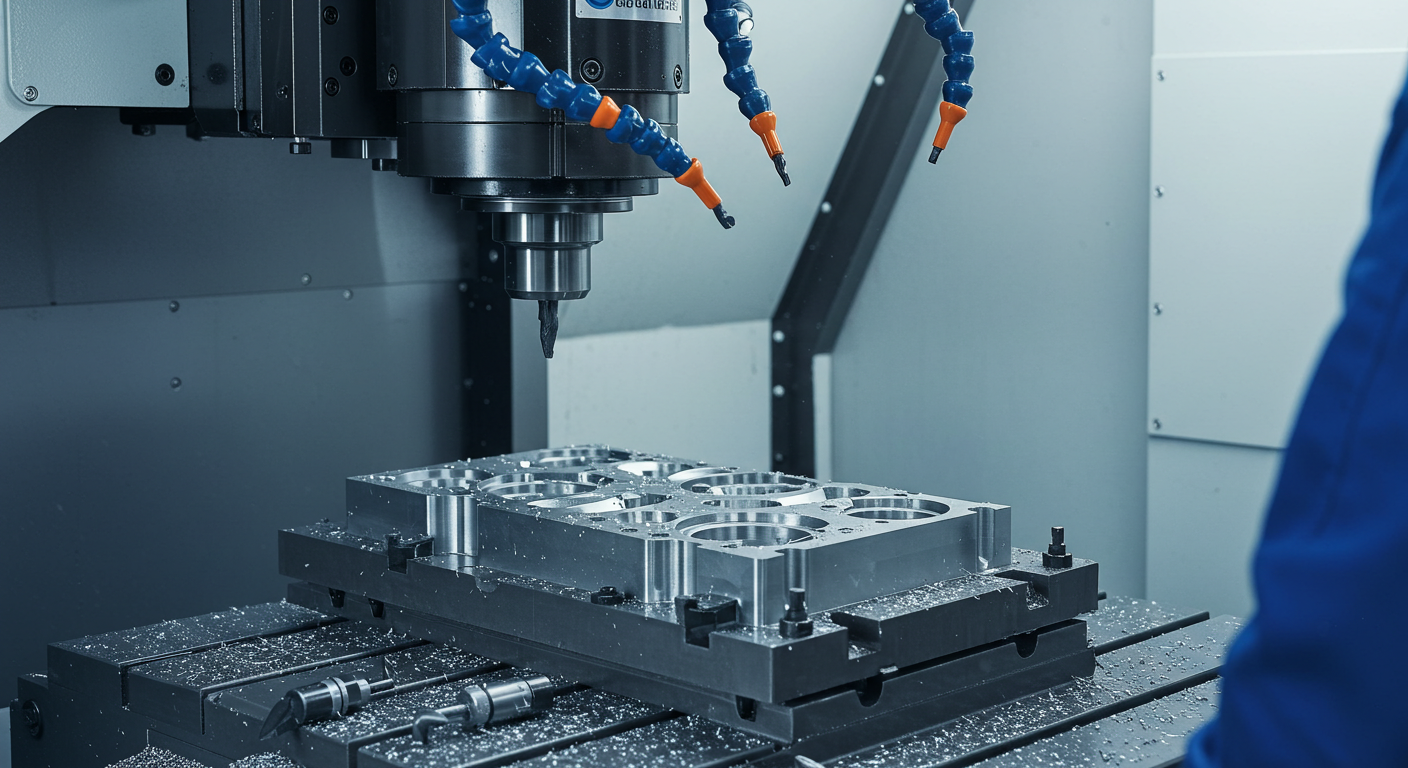
CNC machining delivers a high degree of accuracy, making it ideal for industries that demand tight tolerances. You can rely on CNC to achieve tolerances as precise as ±0.001 inches, ensuring every part meets exact specifications. This level of precision is critical for creating complex components where even the smallest deviation can lead to failure.
Many industries benefit from the tight tolerances provided by CNC machining:
Electronics: Small, intricate components in devices like smartphones require high precision.
Firearms: Parts and accessories demand ultra-tight tolerances to ensure accuracy and reliability.
Medical: Surgical instruments and implants must meet strict standards for safety and performance.
Aerospace: Aircraft components require tolerances as fine as ±0.0001 inches to ensure safety and functionality.
CNC milling, a popular CNC process, excels at producing these intricate parts. Its ability to handle complex geometries with high precision ensures you can meet the most demanding requirements.
Consistent Quality in Mass Production
CNC machining stands out for its repeatability, ensuring consistent quality across large production runs. Unlike traditional methods, CNC eliminates variability by automating the entire process. Every part produced matches the original design, reducing the chances of defects or errors.
CNC machines achieve tolerances as tight as ±0.001 inches, guaranteeing uniformity in every piece. This consistency is especially valuable in industries like automotive and aerospace, where reliability is non-negotiable. With CNC milling, you can produce identical parts repeatedly, saving time and maintaining quality.
By storing design files digitally, CNC machining ensures future production runs are just as accurate as the first. This capability allows you to scale production without compromising on quality. Whether you need a single prototype or thousands of units, CNC delivers consistent results every time.
Increased Efficiency in Manufacturing
Automation and Reduced Manual Labor
Automation in CNC machining transforms manufacturing by reducing the need for manual intervention. Machines handle repetitive tasks, allowing you to focus on more complex operations. This approach increases uptime and minimizes idle periods, enabling continuous production. With automated processes, CNC machines can operate for extended hours without human oversight, tripling production time compared to traditional methods.
Automation also enhances safety and job satisfaction. Operators no longer face physical strain from repetitive tasks. Instead, they can oversee multiple machines simultaneously, optimizing workflow and reducing labor costs. By minimizing human error, automation ensures high-quality components with consistent accuracy. This combination of efficiency and reliability makes CNC machining a cornerstone of modern manufacturing.
Key Benefits of Automation | Description |
|---|---|
Continuous Operation | Machines run without interruptions, maximizing productivity. |
Reduced Physical Strain | Operators focus on complex tasks, improving safety and job satisfaction. |
Lower Labor Costs | A single operator can manage multiple machines, reducing workforce needs. |
Enhanced Quality | Automated systems minimize errors, ensuring precise and reliable output. |
Faster Setup and Production Times
CNC machining significantly reduces setup and production times, giving you a competitive edge. Automated systems streamline fabrication processes, eliminating delays caused by human error or absenteeism. This ensures uninterrupted production of complex parts. Faster feed rates, exceeding 2,300 inches per minute, further boost productivity.
Automatic tool changers and pallet systems enhance efficiency by enabling simultaneous operations. These features reduce downtime, allowing you to complete projects faster. CNC milling achieves precise cutting with tolerances as tight as 0.001 inches, ensuring consistent quality. By optimizing cutting parameters and tool paths, CNC machining delivers both speed and precision, making it ideal for high-demand industries.
Simultaneous Multi-Axis Operations
Simultaneous multi-axis capabilities elevate CNC machining to new levels of efficiency. These operations allow you to create intricate geometries in a single setup, saving time and resources. Industries like aerospace and medical rely on this technology for its precision and versatility. For example, aerospace manufacturers use multi-axis machining to produce turbine blades and valves with complex geometries.
This capability also benefits automotive and energy sectors. Automotive manufacturers achieve high-volume production of engine components, while energy companies create durable parts for wind turbines. Multi-axis CNC milling supports mold making and electronics as well, enabling the production of intricate molds and connectors. By handling complex tasks in fewer steps, multi-axis machining ensures faster turnaround and consistent results.
Industry | Applications |
|---|---|
Aerospace | Produces turbine blades and valves with intricate geometries. |
Automotive | Enables high-volume production of engine and transmission components. |
Medical | Creates surgical instruments and implants with strict quality standards. |
Energy | Manufactures durable parts for wind turbines and compressors from hard materials. |
Versatility in Design and Materials
Compatibility with Diverse Materials
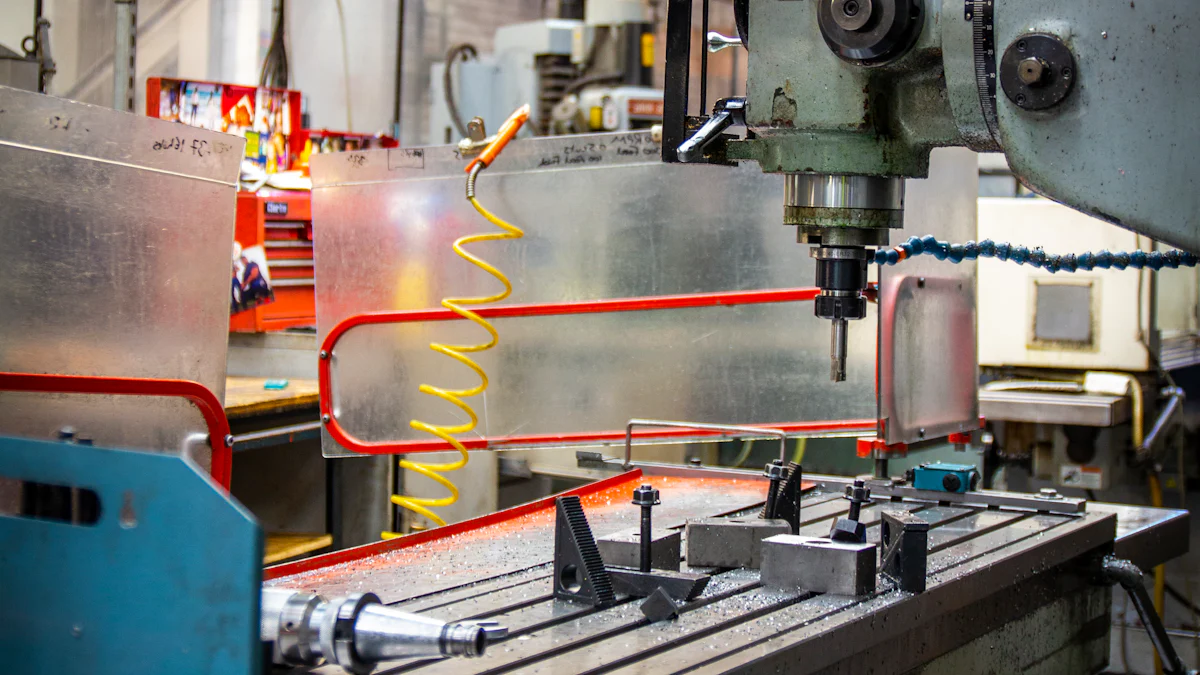
CNC machining offers unmatched flexibility when it comes to material compatibility. You can work with a wide range of materials, including metals, plastics, and composites. This versatility allows you to choose the best material for your project without limitations.
Metals: Aluminum, titanium, steel, and brass are commonly used for their strength and durability.
Plastics: Materials like ABS, nylon, and polycarbonate are ideal for lightweight and cost-effective parts.
Composites: Carbon fiber and fiberglass provide high strength-to-weight ratios for specialized applications.
CNC machining is noted for its ability to handle a wide range of materials, including metals, plastics, and composites, which allows for greater flexibility in manufacturing compared to traditional machining methods that are generally limited to softer materials.
Traditional methods often struggle with harder materials or require additional steps to achieve the same results. CNC machines, however, can process these materials with precision and efficiency. This capability ensures you can meet the demands of industries like aerospace, automotive, and medical, where material properties are critical.
Creating Intricate and Custom Designs
CNC machining excels at creating intricate and custom designs that would be impossible or highly time-consuming with traditional methods. You can achieve complex geometries, fine details, and unique patterns with ease.
For example, CNC machines can carve out intricate molds for the electronics industry or produce custom implants for the medical field. Multi-axis capabilities allow you to create parts with undercuts, curves, and other challenging features in a single setup. This reduces production time while maintaining accuracy.
Custom designs are not limited to small-scale projects. CNC machining ensures that even large-scale production maintains the same level of detail and precision. By using CAD/CAM software, you can translate your ideas into reality with minimal effort. This technology ensures every design meets your exact specifications, no matter how complex.
Whether you need a prototype or a final product, CNC machining provides the tools to bring your vision to life. Its ability to handle diverse materials and create intricate designs makes it an essential tool for modern manufacturing.
Cost-Effectiveness of CNC Machining
Lower Labor Costs Through Automation
CNC machining reduces labor costs by automating repetitive tasks. Once programmed, CNC machines operate independently, requiring minimal supervision. This allows a single operator to manage multiple machines at once, significantly lowering workforce requirements. Unlike traditional manufacturing, where skilled labor is essential for every step, CNC machining shifts the focus to programming and oversight.
Automation also eliminates the risk of human error, which can lead to costly mistakes. By relying on precise programming, you ensure consistent results without the need for constant adjustments. This approach not only saves money but also improves overall efficiency. Over time, the reduced reliance on manual labor makes CNC machining a cost-effective solution for both small and large-scale production.
Minimizing Material Waste
CNC machining excels at minimizing waste, making it an environmentally friendly and cost-efficient option. Several methods contribute to this:
Lean manufacturing principles align production with demand, reducing excess material usage.
Eco-friendly materials, such as recycled metals and biodegradable plastics, lower raw resource consumption.
Closed-loop systems allow you to reuse waste materials in future production cycles.
Optimizing cutting parameters and selecting the right materials also reduce unnecessary material removal. Efficient nesting and layout strategies maximize material utilization, while advanced toolpath optimization minimizes scrap and tool wear.
CNC machines, powered by CAD software, significantly reduce cutting errors. This precision ensures less material is scrapped, saving both resources and costs.
By adopting these practices, you achieve minimized waste and improve cost-effectiveness in the long run. This approach benefits both your budget and the environment.
Faster Turnaround for Projects
CNC machining offers faster turnaround times compared to traditional methods. Once programmed, CNC machines operate autonomously, completing tasks without constant supervision. Some machines can even perform multiple operations simultaneously, saving valuable time.
Reusable programs streamline the setup process, allowing you to start production quickly. For example, producing 100 complex parts manually might take 50 hours, but a CNC machine can complete the same job in under 17 hours. This efficiency stems from the machine's ability to run continuously with minimal downtime.
Faster turnaround ensures you meet tight deadlines without compromising quality. Whether you're working on prototypes or large-scale manufacturing, CNC machining delivers results quickly and reliably. This speed, combined with its precision, makes it an essential tool for modern production needs.
Safety and Reliability in CNC Operations
Enhanced Operator Safety
CNC machining prioritizes operator safety by integrating advanced protective features. These features minimize risks and create a safer working environment. Safety shields act as barriers, preventing chips and vapor from escaping the work area. You can observe the machining process safely without exposure to flying debris. Video cameras further enhance safety by allowing you to monitor operations from a distance, reducing the need to approach hazardous zones.
Emergency stop buttons provide an additional layer of protection. Positioned for quick access, these buttons let you halt operations immediately during emergencies. Presence-sensing devices also play a crucial role. These devices detect when someone is near hazardous areas and automatically slow down or stop the machine to prevent accidents. By combining these features, CNC machining ensures a safer workspace for operators.
Reduced Downtime and Maintenance Needs
CNC machining offers exceptional reliability, reducing downtime and maintenance requirements. These machines are designed to operate continuously with minimal disruptions. With proper care, you can rely on CNC machines to maintain consistent performance over extended periods. Unlike traditional methods, CNC machines require less frequent maintenance, saving you time and resources.
The reliability of CNC machining stems from its precision and automation. By eliminating manual errors, CNC machines reduce the likelihood of breakdowns. Regular maintenance schedules and advanced diagnostics further enhance their performance. You can identify potential issues early and address them before they cause significant downtime. This proactive approach ensures uninterrupted production and maximizes efficiency.
By combining safety features and reliability, CNC machining provides a dependable solution for modern manufacturing. You can achieve high-quality results while maintaining a safe and efficient work environment.
Scalability for Prototyping and Production
Seamless Transition from Prototyping to Mass Production
CNC machining offers a smooth transition from prototyping to mass production, making it a versatile solution for your manufacturing needs. Once you finalize a design, CNC machines use digital templates to replicate the prototype with precision. This eliminates the need for manual adjustments and ensures every part matches the original specifications.
Key benefits of this seamless transition include:
Precision Components: CNC machines operate autonomously, minimizing human error and delivering highly accurate results.
Scalability: Once you set the design parameters, CNC machines can adapt to varying production volumes, whether you need a few units or thousands.
Faster and Efficient Production: CNC machining accelerates the process, allowing you to meet tight deadlines without compromising quality.
This capability ensures you can move from concept to large-scale production effortlessly. Whether you are creating a single prototype or preparing for mass manufacturing, CNC machining provides the flexibility and efficiency you need.
Consistent Output for Large-Scale Manufacturing
CNC machining guarantees consistent output, even for large-scale manufacturing projects. Each part produced is identical to the last, maintaining a high standard of quality throughout the production run. This reliability is essential for industries where precision and uniformity are critical.
Automation plays a significant role in ensuring repeatability. Custom machining paths programmed into the CNC system allow the machine to replicate designs with unmatched accuracy. Advanced quality control systems further enhance consistency by monitoring each step of the process. These systems detect and correct deviations, ensuring every product meets your exact specifications.
With CNC machining, you can achieve scalability for any production volume. Whether you are manufacturing hundreds or thousands of components, the process remains efficient and reliable. This makes CNC an ideal choice for industries like automotive, aerospace, and medical, where large-scale production demands precision and consistency.
Advanced Technology in CNC Machining
CAD/CAM Software for Precision
CAD/CAM software plays a vital role in enhancing the precision of cnc machining. It bridges the gap between design and manufacturing by automating critical processes. With CAD software, you can create detailed 3D models of your designs. CAM software then translates these models into precise toolpaths for cnc machines. This ensures every detail of your design is accurately replicated in the final product.
Key benefits of CAD/CAM software include:
Toolpath generation optimizes milling, drilling, and turning operations, reducing waste and saving time.
It minimizes human error, ensuring high repeatability and consistent quality.
Multi-axis machining support allows you to create complex geometries that traditional methods cannot achieve.
By automating the design-to-production workflow, CAD/CAM software improves efficiency and reduces costs. It identifies potential issues early, helping you avoid rework and material waste. This technology ensures your cnc machining projects meet the highest standards of accuracy and precision.
Multi-Axis Capabilities for Complex Geometries
Multi-axis cnc machining takes manufacturing to the next level by enabling the creation of intricate geometries. Unlike traditional 3-axis machines, multi-axis systems can move workpieces across multiple dimensions. This allows tools to reach the material from various angles, making deep cuts and complex shapes possible.
With multi-axis capabilities, you can produce complex parts in a single setup. This reduces the need for multiple processes and machines, improving geometrical accuracy. Industries like aerospace and medical rely on this technology to manufacture components with intricate details and tight tolerances. For example, turbine blades and surgical implants require the precision and versatility that multi-axis cnc machining provides.
This advanced capability not only saves time but also ensures consistent results. By reducing manual intervention, multi-axis machining delivers high-quality parts with unmatched efficiency.
IoT Integration for Real-Time Monitoring
IoT integration has revolutionized cnc machining by enabling real-time monitoring and control. With IoT-enabled systems, you can track machine performance, detect errors, and make immediate adjustments. This improves output quality and reduces production errors.
Predictive maintenance is another advantage of IoT integration. By analyzing machine data, you can forecast maintenance needs and prevent unexpected downtime. This ensures smoother operations and extends the lifespan of your cnc machines.
IoT also enhances automation by allowing machines to self-regulate and adapt to new designs. This increases productivity and reduces operational costs. Real-time monitoring streamlines processes, helping you optimize resource management and meet tight deadlines.
By integrating IoT technology, cnc machining becomes more efficient, reliable, and cost-effective. This innovation ensures your manufacturing operations stay ahead in a competitive market.
CNC machining stands out as a transformative solution for modern manufacturing. It ensures precision, delivering uniform results consistently. You can rely on its efficiency to meet tight deadlines while maintaining quality. Unlike traditional methods, CNC supports high production volumes and handles complex designs with ease. Its versatility allows you to work with various materials, making it adaptable to diverse needs. Advanced technology integration enhances productivity and reduces errors, ensuring reliable performance.
By adopting CNC, you address modern production challenges effectively. It offers scalability, safety, and cost-effectiveness, making it ideal for both prototyping and mass production. Whether you need intricate components or large-scale output, CNC machining provides the tools to succeed in today’s competitive market.
FAQ
What industries benefit the most from CNC machining?
CNC machining supports industries like aerospace, automotive, medical, and electronics. You can rely on it for high-precision components, intricate designs, and large-scale production. Its versatility makes it ideal for any sector requiring consistent quality and efficiency.
How does CNC machining reduce material waste?
CNC machining uses CAD software to optimize cutting paths and material layouts. This precision minimizes scrap and ensures efficient material usage. You can also reuse leftover materials in future projects, reducing waste and saving costs.
Can CNC machines handle custom designs?
Yes, CNC machines excel at creating custom designs. You can use CAD software to develop intricate patterns and unique geometries. The machine replicates your design with high accuracy, making it perfect for prototypes and specialized components.
Is CNC machining suitable for small businesses?
Absolutely! CNC machining offers cost-effective solutions for small businesses. You can produce prototypes, small batches, or large orders without investing in extensive labor. Its automation and precision help you save time and resources.
What materials can CNC machines process?
CNC machines work with metals like aluminum, steel, and titanium, as well as plastics and composites. You can choose materials based on your project’s requirements, ensuring strength, durability, or lightweight properties.
Tip: Always consult with your CNC provider to select the best material for your specific application.
See Also
Discovering Seven Essential Advantages of CNC Machining Today
CNC Precision Machining: Benefits and Upcoming Trends Ahead
Understanding the Benefits of Aluminum CNC Machining Services
CNC Technology in Manufacturing: Advancements and Practical Uses
The Transformation of Precision Manufacturing Through CNC Machining
About US
Follow Us
Your prototype holds unparalleled significance, and we deeply value its uniqueness. Collaborating with you during the preparation phase for running your prototype or parts is a commitment we gladly embrace. Whether it's a single part or a complex assembly, we are dedicated to selecting the optimal tools and pathways to bring your envisioned product to life.
At Precision Fab CNC Machining, we specialize in producing parts for prototypes, short runs, and high-volume production. Our prototyping machine capabilities extend across metal, plastic, and wood machining, with welding fabrication services available to complement and finalize your prototype if required.
Address
Address: Room320 10F, Building A,Nanshan international building, Dayawan District, Huizhou, Guangdong, 516001 China
Contacts
billy@timaycnc.com