The Advantages of CNC Prototyping for Small-Batch Manufacturing

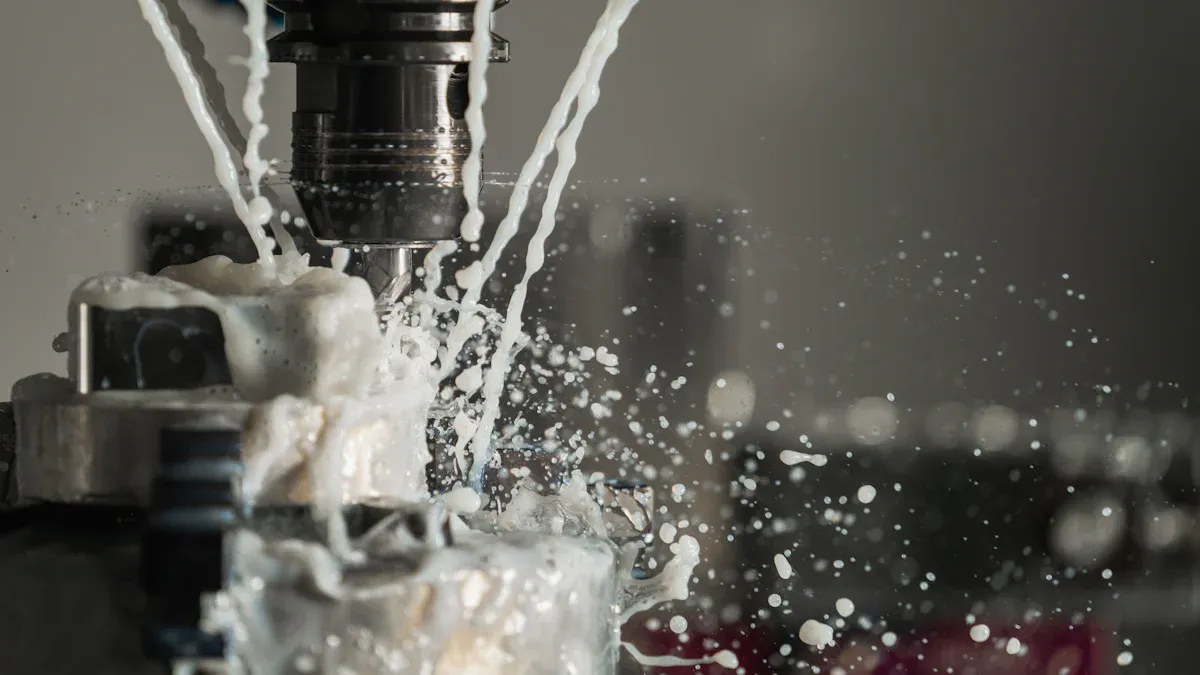
CNC prototyping empowers you to overcome manufacturing challenges with precision and efficiency. Its rapid prototyping capabilities meet the growing demand for customized products delivered faster. You can simplify complex designs, reduce costs, and achieve tight tolerances. This technology transforms small-batch production, making it accessible even for businesses facing high equipment costs.
Key Takeaways
CNC prototyping helps make custom products fast to meet needs.
It lowers setup costs and reduces wasted materials, saving money.
CNC machines are very accurate and consistent, making high-quality items.
Versatility of Small Batch CNC Prototyping
Wide Range of Materials
Small batch CNC prototyping offers you the freedom to work with a diverse range of materials. This flexibility ensures that your products meet specific requirements, whether they demand strength, durability, or lightweight properties. You can choose from:
Metals: Aluminum, stainless steel, and titanium are popular choices. Aluminum is lightweight and strong, making it ideal for aerospace and automotive applications. Stainless steel resists corrosion, which is perfect for medical devices. Titanium offers an excellent strength-to-weight ratio, often used in aerospace.
Plastics: Materials like ABS, nylon, and polycarbonate are versatile and corrosion-resistant. They are easy to machine and suitable for various industries.
Composites: Carbon fiber and fiberglass stand out for their strength and lightweight properties. These materials are excellent for applications requiring durability without added weight.
This wide selection allows you to tailor your CNC prototype machining process to your product's unique needs, ensuring high-quality results every time.
Handling Complex Geometries
CNC prototyping excels at creating intricate designs that might seem impossible with traditional methods. You can achieve precision and detail in components like turbine blades, molds, and medical implants. Automotive and aerospace parts, which often feature complex geometries, are also crafted with ease.
The advanced capabilities of CNC machines allow you to bring your most ambitious designs to life. Whether you're working on small batch production or a single prototype, the technology ensures accuracy and consistency. This ability to handle complexity empowers you to innovate without limitations.
Precision and Consistency in CNC Prototyping
High Accuracy for Tight Tolerances
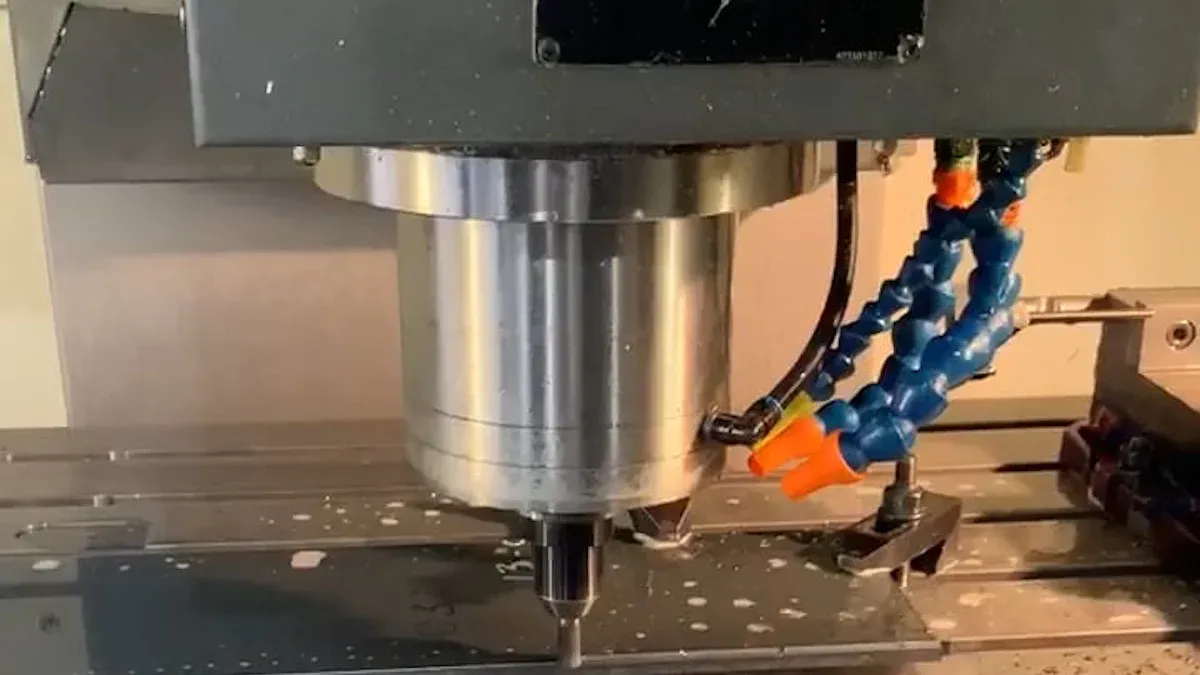
When you need parts with tight tolerances, CNC prototyping delivers unmatched precision. This level of accuracy is essential for components that must fit seamlessly into secondary assembly processes. Without it, assembly failures could occur, leading to costly delays. CNC prototype machining ensures your parts function just like the final product, making it ideal for innovative designs.
Standard machining tolerances typically fall within +/- 0.005 inches (0.13 mm). However, CNC machines can achieve even greater precision. For example:
Precision machining tolerances can reach +/- 0.002 inches (0.051 mm).
Reamed holes can be accurate to +/- 0.0005 inches (0.0127 mm).
Feature locations machined on the same side of a part can hold tolerances of +/- 0.002 inches (0.051 mm).
This level of detail ensures your prototypes meet the highest standards, whether you're creating medical devices, aerospace components, or automotive parts. With CNC prototyping, you can trust that every measurement aligns perfectly with your design.
Repeatability Across Small Batches
CNC prototype machining excels at producing consistent results across small batches. Once programmed, CNC machines follow instructions with incredible precision. This automation eliminates human error, ensuring each part matches the original design.
You can rely on CNC technology to deliver identical components, even in industries where minor deviations could lead to significant issues. For example:
Aerospace and medical sectors demand consistent quality to meet strict regulatory standards.
Automotive parts require uniformity to maintain safety and performance.
By minimizing errors and reducing material waste, CNC prototyping enhances productivity while maintaining high-quality specifications. Whether you're producing a single prototype or a small batch, you can count on CNC machines to deliver reliable, repeatable results every time.
Cost-Effectiveness of Small Batch CNC Prototyping
Reducing Setup Costs
Small batch CNC prototyping offers you a cost-effective solution by significantly reducing setup expenses. Traditional manufacturing methods often require physical tools like molds or dies, which can be expensive and time-consuming to produce. CNC prototype machining eliminates this need entirely. Instead, it relies on digital programming to create your designs, cutting down on upfront costs.
For small batch production, this approach is a game-changer. You can avoid the high initial investment associated with traditional methods, making it easier to bring your ideas to life without breaking the bank. Whether you're a small business or an entrepreneur, CNC prototyping empowers you to allocate resources more efficiently, focusing on innovation rather than setup costs.
Minimizing Material Waste
CNC prototype machining excels at minimizing material waste, aligning with both cost-saving and sustainability goals. Its precision ensures that every cut and carve is optimized, leaving little to no excess material. This is especially beneficial for small batch production, where efficiency matters most.
Here’s how CNC prototyping helps reduce waste:
It produces precise parts in low volumes, ensuring you only use what you need.
Its flexibility allows you to customize designs, leading to better material utilization.
It aligns production with actual demand, avoiding overproduction and excess material usage.
By reducing waste, you not only save money but also contribute to environmental responsibility. CNC machined parts reflect this commitment to sustainability, making your production process both efficient and eco-friendly.
Speed and Efficiency in CNC Prototyping
Faster Turnaround Times
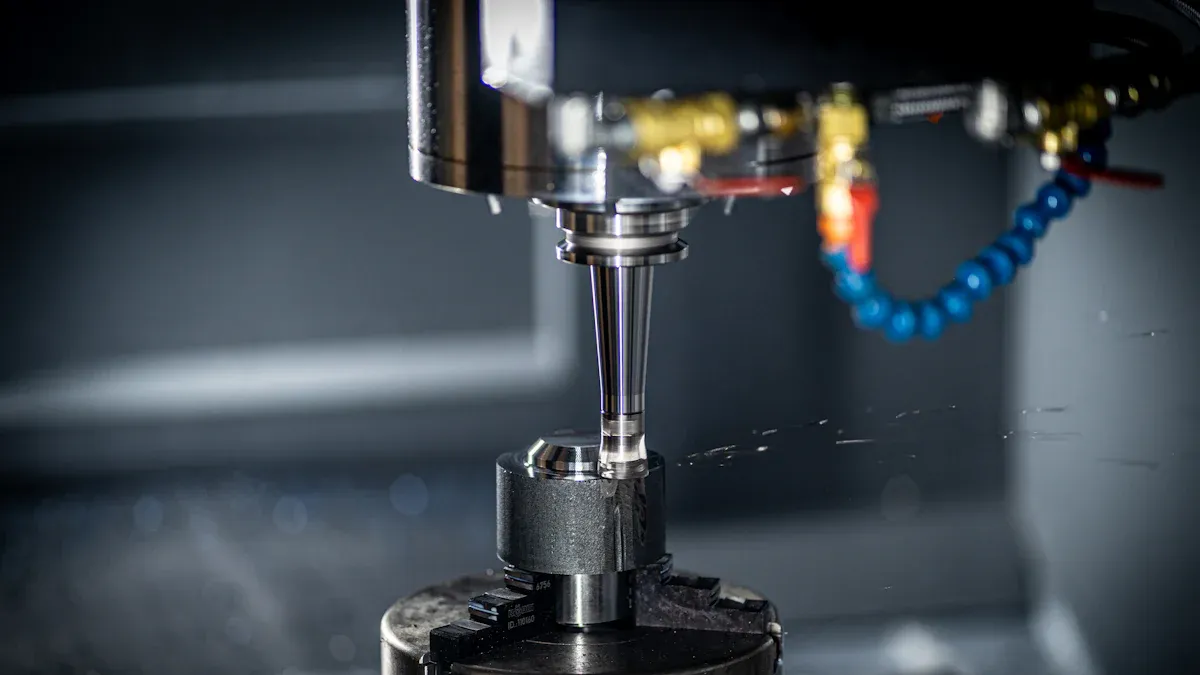
CNC prototyping transforms how quickly you can bring your ideas to life. Unlike traditional methods, which rely on tooling and molds, CNC machines produce parts directly from CAD models. This eliminates the need for lengthy setup processes, allowing you to move from design to production in record time.
The speed of CNC prototype machining means you can respond to market demands faster. Whether you're working on small batch production or a single prototype, the process ensures you meet tight deadlines without compromising quality. Digital designs also reduce human error, streamlining the entire workflow. This efficiency gives you more time to focus on refining your product, ensuring it meets your vision perfectly.
Tip: Faster turnaround times mean you can test and iterate your designs more frequently, leading to better results in less time.
Accelerating Product Development
Rapid prototyping with CNC technology plays a crucial role in new product development. By producing parts quickly and accurately, you can test your designs and make adjustments without delay. This iterative process is essential for creating innovative products that stand out in competitive markets.
CNC machining production cycles are faster because they eliminate the need for physical tooling. This allows you to focus on refining your designs rather than waiting for molds or dies to be created. The streamlined process supports iterative testing, helping you identify and resolve issues early. As a result, you can bring your products to market faster while maintaining high standards of quality.
With CNC prototyping, you gain the flexibility to adapt to changes and improve your designs efficiently. This advantage ensures your product development timeline stays on track, giving you a competitive edge in any industry.
Customization and Flexibility in CNC Prototyping
Adapting to Unique Product Designs
CNC prototyping empowers you to bring unique product designs to life with ease. Whether you're crafting intricate medical devices or robust aerospace components, this technology offers unmatched customization. It allows you to create prototypes tailored to specific needs, ensuring your designs stand out in competitive markets.
Here’s how CNC prototyping benefits various industries:
Industry | Product Examples |
|---|---|
Automotive | Precise parts for vehicles |
Aerospace | Robust components for aircraft |
Medical Devices | Detailed elements for medical apparatuses |
Consumer Electronics | Electronics and household items |
Industrial Machinery |
Additionally, CNC prototype machining supports the creation of:
Custom medical device prototypes, such as surgical instruments and dental appliances.
Consumer goods, including electronics, toys, and household items.
This flexibility ensures your small batch production meets the highest standards, no matter the complexity of your designs.
Quick Adjustments Between Runs
CNC prototyping gives you the ability to make quick adjustments between production runs. This capability is invaluable when refining designs or responding to market demands. Unlike traditional methods, CNC machining eliminates the need for molds or preliminary steps, allowing you to produce parts in hours or days.
Key advantages include:
Iterative design support, enabling you to modify and re-machine parts when flaws are identified.
The use of materials similar to final production, ensuring prototypes accurately reflect the finished product.
Reduced lead times, helping you stay ahead in fast-paced industries.
This adaptability makes CNC prototyping a powerful tool for small batch production. You can refine your designs quickly and efficiently, ensuring your products are always ready to meet customer expectations.
Reduced Labor Costs and Errors
Automation Minimizes Human Intervention
Automation in CNC prototyping transforms how you approach manufacturing. By reducing the need for manual labor, it allows you to focus on innovation and efficiency. Automated systems handle repetitive tasks like tool changes and part loading, saving you time and money. AI-powered software optimizes tool paths and machine settings, ensuring every process runs smoothly.
Here’s how automation reduces labor costs:
Automated systems manage routine functions, cutting down on manual work.
AI-enhanced tools improve machining time and material usage.
Standardized procedures ensure consistent quality, boosting productivity.
With these advancements, you can achieve more with fewer resources. This means you can allocate your workforce to higher-value tasks, driving growth and innovation in your business.
Lower Risk of Defects
CNC prototype machining ensures precision, which is critical for maintaining quality in small-batch production. Automated machines deliver consistent results, reducing the chances of errors. This is especially important for industries like medical devices, where safety and accuracy are non-negotiable.
Here’s why automation minimizes defects:
CNC machines maintain tight tolerances, ensuring components meet exact specifications.
Automated processes reduce material waste, even for complex designs.
Consistency across batches guarantees reliable results every time.
By leveraging automation, you can produce high-quality parts with confidence. This precision not only saves you money but also strengthens your reputation for delivering exceptional products.
When to Use Small Batch CNC Prototyping
Ideal for Niche Products
Small batch CNC prototyping is perfect for niche products that demand precision and customization. You can create specialized items like medical devices, aerospace components, or custom automotive parts. These products often require unique materials and intricate designs, which CNC prototype machining handles effortlessly.
For example, medical devices such as prosthetics benefit from precise measurements and tailored designs. Aerospace parts must meet strict regulatory standards while maintaining performance. Custom automotive components require durability and exact specifications.
Material Type | Characteristics |
|---|---|
Metals | Durable alloys like aluminum and titanium offer strength and wear resistance. |
Plastics | Lightweight and corrosion-resistant materials like ABS and nylon. |
Ceramics | Heat-resistant options like alumina. |
Composites | Carbon fiber-reinforced plastics for enhanced strength. |
This versatility ensures your small batch production meets the highest standards, no matter the industry.
On-Demand Production to Reduce Inventory
On-demand production with CNC prototyping helps you minimize inventory costs. By producing only what you need, you avoid overstocking and reduce waste. Standardized components can be stored and resupplied as necessary, streamlining your inventory management.
This approach also allows you to respond quickly to market demands. You can produce parts in smaller quantities, ensuring your inventory aligns with actual sales. Strong supplier relationships further enhance this process, uncovering cost-saving opportunities and ensuring timely deliveries.
Tip: On-demand production not only saves money but also keeps your operations lean and efficient.
Strengthening Supplier Relationships
CNC prototyping fosters collaboration with suppliers, leading to better outcomes for your projects. Partnering with experienced manufacturers optimizes your prototyping process, ensuring quality and speed. Skilled practitioners help you refine designs and improve functionality, increasing the likelihood of success.
Strong relationships also enhance communication. You can provide direct feedback on features, helping suppliers align with your needs. Reliable product delivery builds trust, while access to supplier networks opens doors to further collaboration.
By leveraging CNC technology, you strengthen these partnerships, ensuring your small batch production runs smoothly and efficiently.
CNC prototyping transforms small-batch manufacturing into a streamlined, efficient process. You gain unmatched precision, cost savings, and flexibility, making it ideal for industries like automotive, aerospace, and medical devices. Rapid prototyping accelerates design testing, while exceptional customization ensures tailored components meet strict standards. By embracing this technology, you can innovate confidently and achieve outstanding results.
FAQ
What industries benefit the most from CNC prototyping?
CNC prototyping supports industries like aerospace, automotive, and medical devices. Its precision and flexibility make it ideal for creating high-quality, customized components.
How does CNC prototyping reduce production costs?
It eliminates the need for molds and minimizes material waste. You save money by producing only what you need, avoiding unnecessary expenses.
Can CNC prototyping handle last-minute design changes?
Absolutely! CNC machines adapt quickly to new designs. You can make adjustments without delays, ensuring your product meets evolving requirements.
Tip: Embrace CNC prototyping to stay agile and competitive in fast-changing markets!
See Also
Overcoming Obstacles: Improving CNC Prototyping Precision And Productivity
Investigating CNC Machining Solutions For High-Precision Production
Streamlined CNC Machining Solutions For Accurate Manufacturing
Excelling In CNC Machining: Tolerances, Prototyping, And Material Choices
Discovering Seven Essential Advantages Of CNC Machining In Modern Manufacturing
About US
Follow Us
Your prototype holds unparalleled significance, and we deeply value its uniqueness. Collaborating with you during the preparation phase for running your prototype or parts is a commitment we gladly embrace. Whether it's a single part or a complex assembly, we are dedicated to selecting the optimal tools and pathways to bring your envisioned product to life.
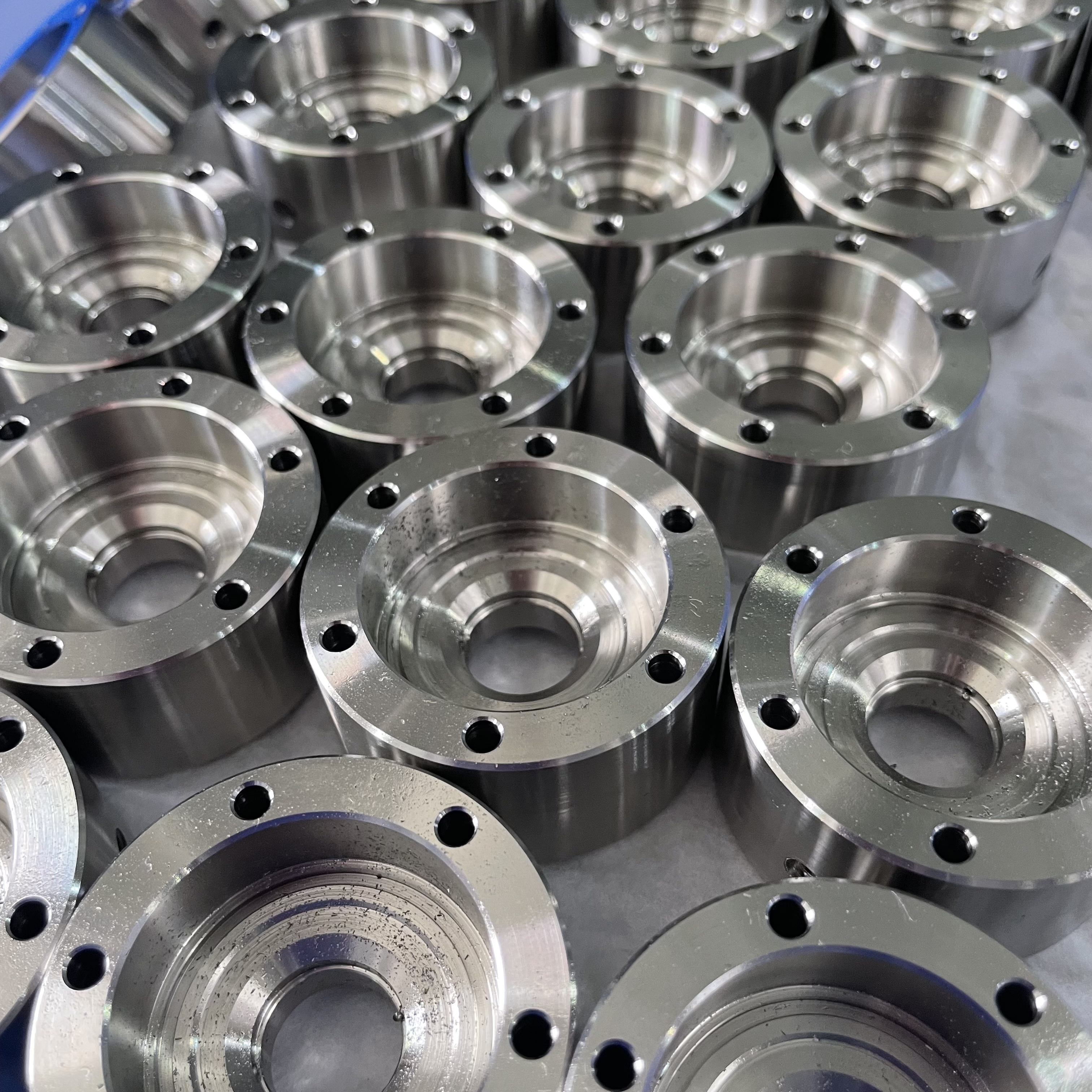
At Precision Fab CNC Machining, we specialize in producing parts for prototypes, short runs, and high-volume production. Our prototyping machine capabilities extend across metal, plastic, and wood machining, with welding fabrication services available to complement and finalize your prototype if required.
Address
Address: Room320 10F, Building A,Nanshan international building, Dayawan District, Huizhou, Guangdong, 516001 China
Contacts
billy@timaycnc.com