Exploring the Integration of AI and CNC for Smarter Manufacturing Solutions

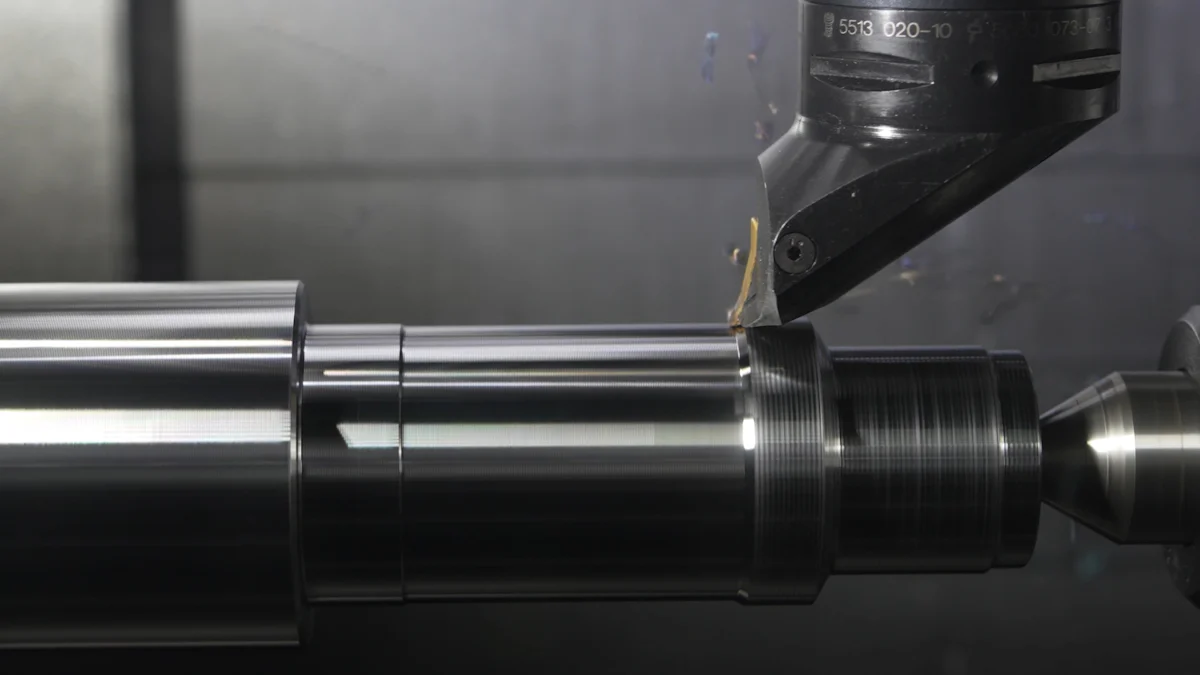
The integration of AI into CNC Machining has revolutionized manufacturing. AI enables smarter systems that boost productivity and precision. For example:
64% of businesses expect AI to enhance efficiency.
Bosch reduced energy use by 6% with AI.
Industries like automotive and aerospace increasingly adopt AI to stay competitive.
Key Takeaways
Combining AI with CNC machines increases speed and accuracy. This helps companies stay ahead in manufacturing.
AI helps predict machine problems, cutting unexpected stops by 40%. It also makes machines last longer, saving money.
AI tools check product quality better, cutting mistakes by 50%. This ensures products are made well every time.
Integrating AI with CNC Systems
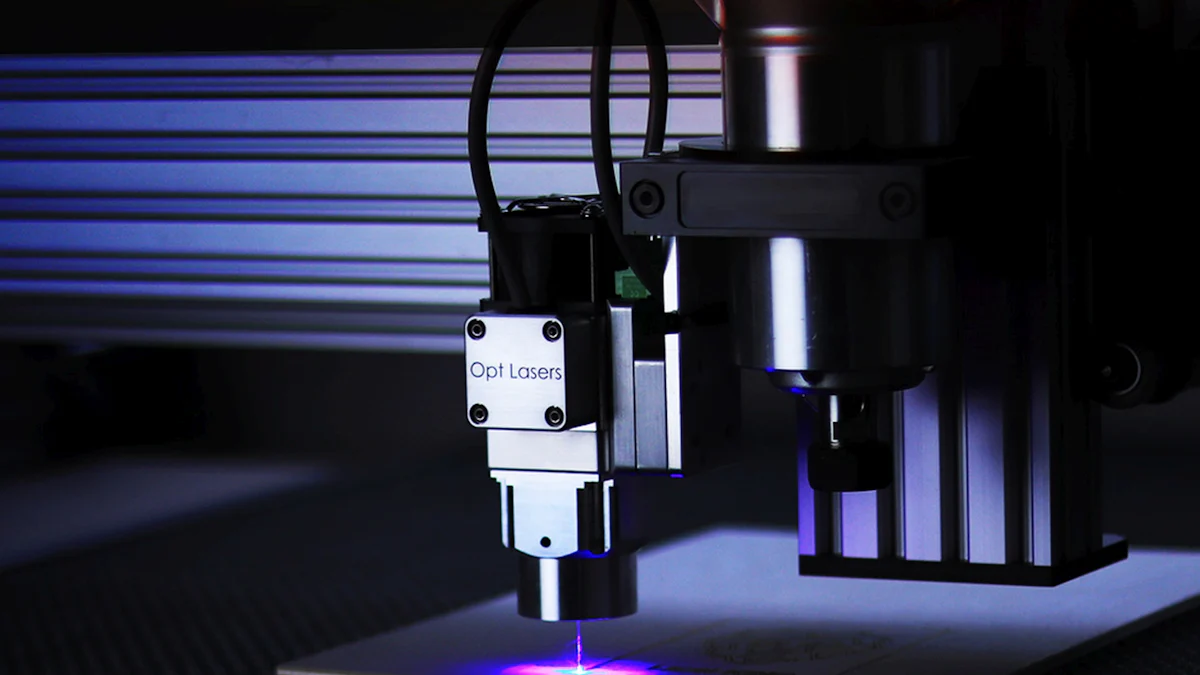
How AI Enhances CNC Operations
Integrating AI into CNC machining transforms how you approach manufacturing. AI systems analyze vast datasets to optimize operations, ensuring efficiency and precision. For instance:
AI algorithms predict tool wear, allowing timely replacements and maintaining consistent quality.
Real-time monitoring through embedded sensors enables immediate adjustments, preventing damage and ensuring smooth operations.
Autonomous CNC systems analyze CAD models and make real-time changes, reducing human intervention and maximizing productivity.
AI also enhances predictive maintenance. By analyzing historical and real-time data, it anticipates machine failures, reducing unplanned downtime and extending equipment lifespan. This approach not only saves costs but also ensures uninterrupted production cycles. Additionally, AI automates complex machining processes, minimizing errors and improving overall productivity.
Key Technologies Powering AI in CNC Machining
Several advanced technologies drive the integration of AI into CNC systems. Machine learning plays a pivotal role by analyzing historical data to optimize machining parameters like tool paths, feed rates, and spindle speeds. Predictive maintenance, powered by AI, reduces maintenance costs by up to 25% and minimizes unplanned downtime by 30-40%.
AI-powered sensors and computer vision systems inspect parts in real-time, catching defects early and ensuring high-quality output. These technologies also enable real-time adjustments to machining parameters, improving precision and adaptability to design changes. Furthermore, AI-driven quality control systems lower defect rates by up to 50%, significantly reducing material waste and labor costs.
The integration of AI with IoT enhances data exchange and monitoring across machines, creating a connected and efficient manufacturing environment. As AI continues to learn and improve, it drives innovation, making CNC machining smarter and more competitive.
Benefits of AI in CNC Manufacturing
Boosting Efficiency and Productivity
AI in CNC machining significantly enhances efficiency and productivity by automating repetitive tasks and optimizing processes. For example, AI automates setup procedures, tool selection, and maintenance schedules, reducing manual intervention. This streamlines operations and minimizes errors. Additionally, intelligent CNC optimization improves production timelines by reducing cycle times and enhancing overall equipment effectiveness (OEE).
Improvement Type | Measurable Impact |
|---|---|
Setup Procedure Automation | Boosted productivity |
Material Efficiency | Reduced scrap rates |
Production Efficiency Improvement | Up to 20% improvement |
By leveraging AI machining, you can achieve improved efficiency and maintain a competitive edge in manufacturing.
Predictive Maintenance and Downtime Reduction
Predictive maintenance powered by AI ensures machines are serviced only when necessary. Tools like vibration analysis and thermal imaging cameras detect potential issues early, preventing unexpected breakdowns. For instance, Scops.ai’s VS-23 vibration sensors reduce downtime by up to 40% through real-time monitoring. This proactive approach minimizes unplanned downtime and extends equipment lifespan.
Impact Area | Description |
|---|---|
Predictive Maintenance | Optimizes maintenance activities, ensuring machines are serviced only when necessary. |
Reduced Cycle Times | AI algorithms process data to reduce cycle times and improve overall equipment effectiveness. |
Cost Optimization in Manufacturing
AI in CNC manufacturing reduces costs by lowering maintenance expenses and minimizing material waste. Predictive maintenance cuts maintenance costs by up to 25%, while AI-driven quality control systems reduce defect rates by up to 50%. This leads to fewer rework cycles and decreased labor costs. Additionally, AI optimizes material usage, resulting in a 20% reduction in waste and more sustainable production processes.
Precision and Quality Improvements
AI ensures precision CNC machining by continuously monitoring and adjusting machining parameters. AI-powered sensors and computer vision systems inspect parts in real-time, catching defects early and ensuring high-quality output. These systems reduce defect rates by up to 50% and improve manufacturing accuracy and consistency. By adopting AI in CNC machining, you can meet stringent industry requirements and deliver superior products.
Real-World Applications of AI in CNC Machining
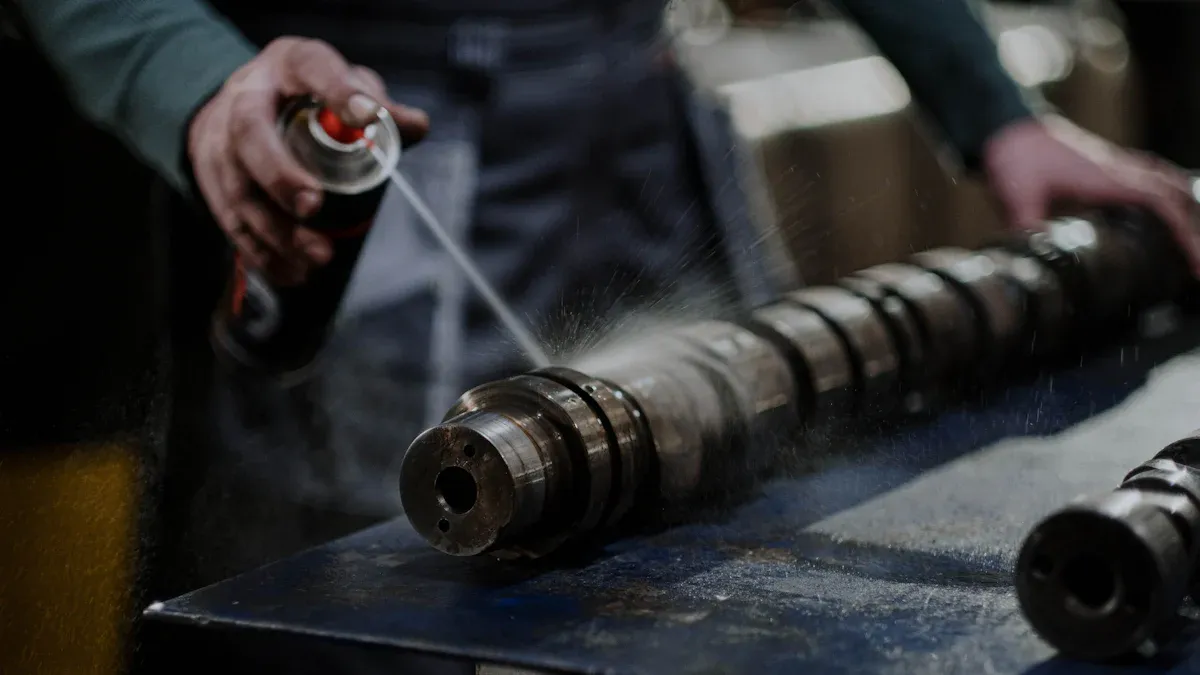
Case Studies of AI-Driven CNC Systems
AI has transformed CNC machining by enabling smarter, more efficient systems. Several companies have successfully implemented AI-driven CNC solutions, showcasing its potential. Here are some notable examples:
Case Study Title | Description |
|---|---|
FANUC CNCs Help MJC Engineering Build Hydrogen Equipment on Time | FANUC CNCs, motors, and drives supported MJC Engineering in delivering equipment critical for Japan’s hydrogen energy strategy. |
Modern CNC with User-Friendly Interface Helps Custom Dies Shop Succeed | A family-owned shop expanded its business using a Romi Machine Tool with upgraded FANUC controls. |
High-Mix, Low Volume Prototype Shop Achieves Lights-Out Manufacturing with Robotic Automation | KAD Models used automated CNC machine tending systems to ensure fast prototype manufacturing. |
Green Hydraulic Power Uses FANUC’s CNC and Servos for Eco-Friendly Manufacturing Solution | Green Hydraulic Power utilized FANUC’s CNC and servos to create an energy-efficient system, reducing energy use by up to 70%. |
These examples highlight how AI enhances CNC systems, improving efficiency, precision, and sustainability.
Applications in Automotive, Aerospace, and Medical Sectors
AI-powered CNC machining plays a vital role in various industries. In the automotive sector, it ensures the production of complex engine components with consistent quality and tight tolerances. This precision helps manufacturers meet safety and performance standards.
In aerospace, AI-driven CNC technology produces lightweight, high-strength components. These systems handle intricate geometries with precision, ensuring high-quality results. For the medical industry, AI enhances CNC machining to create high-tolerance components for robotic-assisted surgeries. This improves patient outcomes by enabling smaller incisions and faster recovery times. AI also ensures compliance with strict regulatory requirements for medical devices.
By adopting AI in CNC machining, you can achieve superior results across diverse applications, from automotive to medical innovations.
Challenges in AI Integration for CNC Machining
Overcoming Technological Barriers
Incorporating AI in CNC machining presents several technological challenges. High initial investment costs often deter small-scale manufacturers. Upgrading machinery and software requires significant financial resources. Additionally, integrating AI with legacy systems can be complex. Older CNC machines may lack compatibility with modern AI technologies, making retrofitting essential.
You may also face difficulties managing large volumes of data. AI systems rely on extensive data collection and analysis to optimize operations. Without proper infrastructure, handling this data becomes overwhelming. Furthermore, AI systems require specialized maintenance, which can increase operational costs.
To overcome these barriers, you can adopt strategic planning and phased implementation. Retrofitting older machines and ensuring seamless data exchange can simplify integration. Upskilling your workforce to handle AI technologies also ensures smoother transitions and long-term success.
Balancing Human Expertise with AI Systems
The integration of AI doesn’t eliminate the need for human expertise. While AI automates repetitive tasks and enhances operational efficiency, human oversight remains crucial. You play a vital role in addressing unexpected issues and refining AI parameters for optimal performance.
A hybrid approach works best. AI systems handle real-time adjustments and repetitive processes, while skilled professionals focus on complex decision-making. Upskilling your team to operate and maintain AI systems ensures a balanced and effective manufacturing environment. This collaboration between humans and AI fosters innovation and improves productivity.
Addressing Data Security and Privacy Issues
AI-driven CNC systems rely on interconnected networks, which increases vulnerability to cyber threats. Legacy software often lacks robust authentication measures, exposing your systems to risks like data breaches and remote code execution. These threats can lead to data manipulation or safety hazards.
To protect sensitive production data, you must implement strong cybersecurity measures. Regular software updates, encrypted communication, and multi-factor authentication can safeguard your systems. By prioritizing data security, you ensure the safe and efficient operation of AI-integrated CNC systems.
Future of AI in CNC Manufacturing
Emerging Trends in Smart Manufacturing
AI technology is driving a wave of innovation in smart manufacturing. You can expect to see several emerging trends that redefine how CNC systems operate. Predictive maintenance, for instance, uses real-time data to anticipate machine servicing needs, reducing downtime and extending equipment lifespan. Process optimization is another key trend, where advanced simulations refine production processes to enhance efficiency and product quality.
Reinforcement learning is also gaining traction. This approach allows CNC machines to learn from their actions and outcomes, fostering continuous improvement. Advanced machine learning for CNC systems provides deeper insights and precise control over machining processes. Additionally, the integration of AI with Industry 4.0 technologies, such as IIoT and digital twins, creates smarter manufacturing environments. These trends collectively enhance design processes, optimize operations, and enable predictive maintenance, leading to significant productivity gains.
AI as a Driver of Innovation and Competitiveness
AI technology is transforming CNC manufacturing into a hub of innovation. By automating complex machining processes, you can reduce human error and expedite production cycles. AI-powered CNC controls enable real-time monitoring and adjustments, ensuring consistent product quality. Predictive maintenance minimizes unplanned downtime by up to 40%, while maintenance costs drop by 25%.
AI-driven technologies also streamline CNC code generation, speeding up processes and reducing errors. This efficiency not only boosts productivity but also strengthens your competitive edge. As AI continues to evolve, it will drive advancements in process optimization, quality control, and sustainability, making CNC manufacturing more innovative and competitive.
Predictions for the Next Decade in CNC Machining
The next decade will witness AI technology reshaping CNC machining. AI and machine learning will enhance CNC systems, improving efficiency and precision. Fully autonomous factories may become a reality, with AI optimizing machining processes to reduce waste and energy use. These advancements align with global sustainability goals.
AI-powered data analytics will further enhance productivity and reduce costs by 5-10%. Challenges like workforce skills and data security will also see innovative solutions, ensuring seamless AI adoption. As AI-driven technologies evolve, you can expect smarter, more sustainable manufacturing processes that redefine the industry.
AI has revolutionized CNC machining, enabling you to achieve high levels of accuracy and efficiency. It enhances productivity, reduces costs, and ensures superior product quality. Real-world applications demonstrate its transformative impact across industries. Adopting AI prepares your manufacturing processes for the future, ensuring competitiveness in an evolving market.
FAQ
What is CNC process automation, and how does AI enhance it?
CNC process automation involves using technology to streamline machining tasks. AI optimizes this by automating tool paths, reducing errors, and improving production efficiency.
Can AI-powered CNC systems work without human intervention?
AI systems handle repetitive tasks autonomously. However, human oversight ensures optimal performance and addresses unexpected issues, creating a balanced and efficient manufacturing process.
How does AI improve the quality of CNC machining?
AI monitors machining parameters in real-time. It detects defects early and adjusts processes, ensuring precision and consistent quality in every manufactured part.
See Also
Discovering CNC Processing: The Realm of Smart Manufacturing
CNC Technology in Manufacturing: Exploring Innovations and Uses
Understanding CNC Machines and Precision in Electronics Production
Investigating CNC Machining Solutions for Accurate Manufacturing
About US
Follow Us
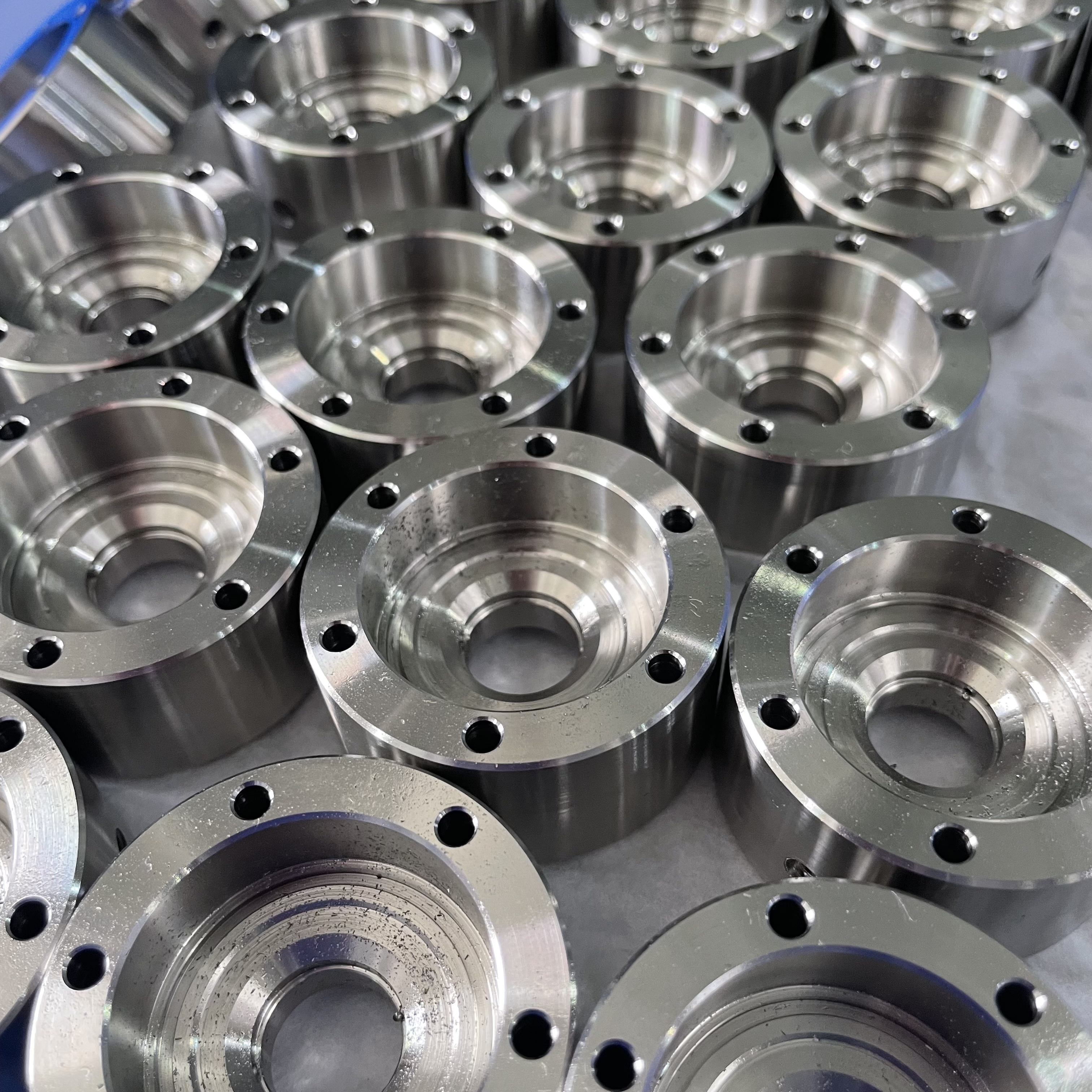
Your prototype holds unparalleled significance, and we deeply value its uniqueness. Collaborating with you during the preparation phase for running your prototype or parts is a commitment we gladly embrace. Whether it's a single part or a complex assembly, we are dedicated to selecting the optimal tools and pathways to bring your envisioned product to life.
At Precision Fab CNC Machining, we specialize in producing parts for prototypes, short runs, and high-volume production. Our prototyping machine capabilities extend across metal, plastic, and wood machining, with welding fabrication services available to complement and finalize your prototype if required.
Address
Address: Room320 10F, Building A,Nanshan international building, Dayawan District, Huizhou, Guangdong, 516001 China
Contacts
billy@timaycnc.com