Understanding the Different CNC Machines Used for Aluminium Machining

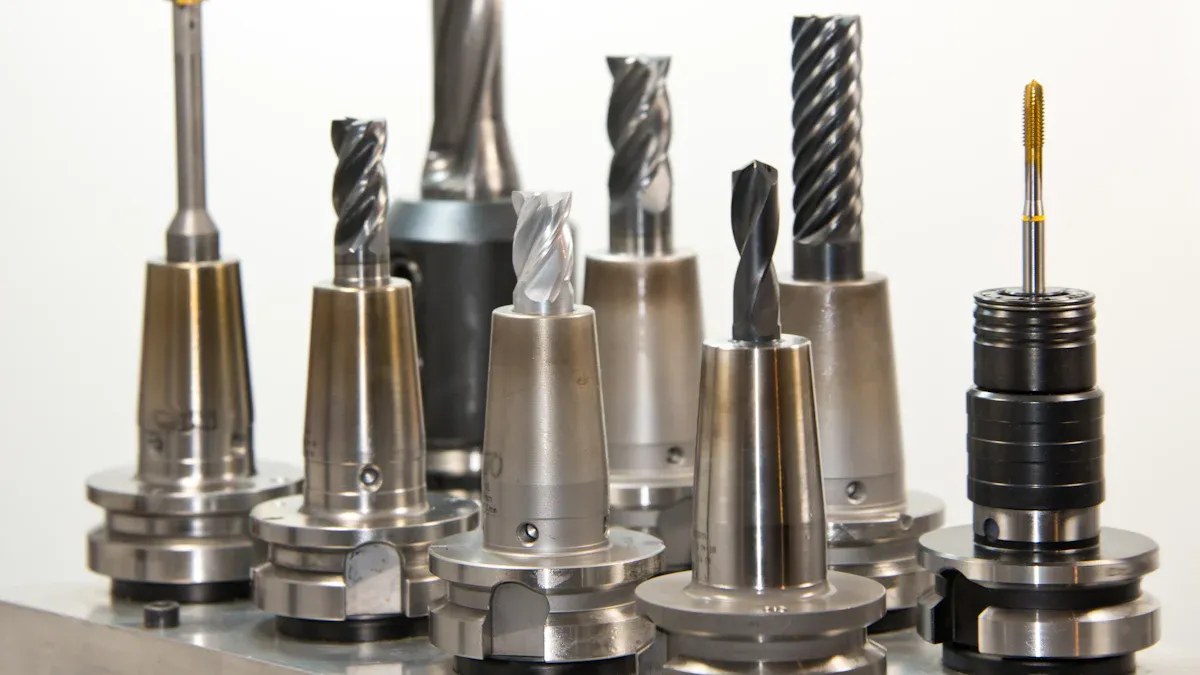
Choosing the right CNC machine is crucial for successful Aluminium CNC Machining. Aluminium heats up quickly, so machines with advanced cooling systems are essential. Precision controls ensure accuracy, while wide tooling compatibility adds flexibility. Features like automatic tool changers and adaptive feed rates improve efficiency. Skilled operators also play a key role in Aluminium CNC Machining.
Key Takeaways
Pick the right CNC machine for your project needs. CNC milling works well for detailed cuts, CNC turning is great for round parts, and CNC routers or laser cutters are best for fancy designs.
Use good cooling systems and remove chips to stop overheating when cutting aluminum. This helps the machine work well and last longer.
Choose strong cutting tools made for the aluminum type you use. This improves accuracy and makes smoother surfaces, giving better results.
CNC Milling Machines for Aluminum
Key Features of CNC Milling Machines
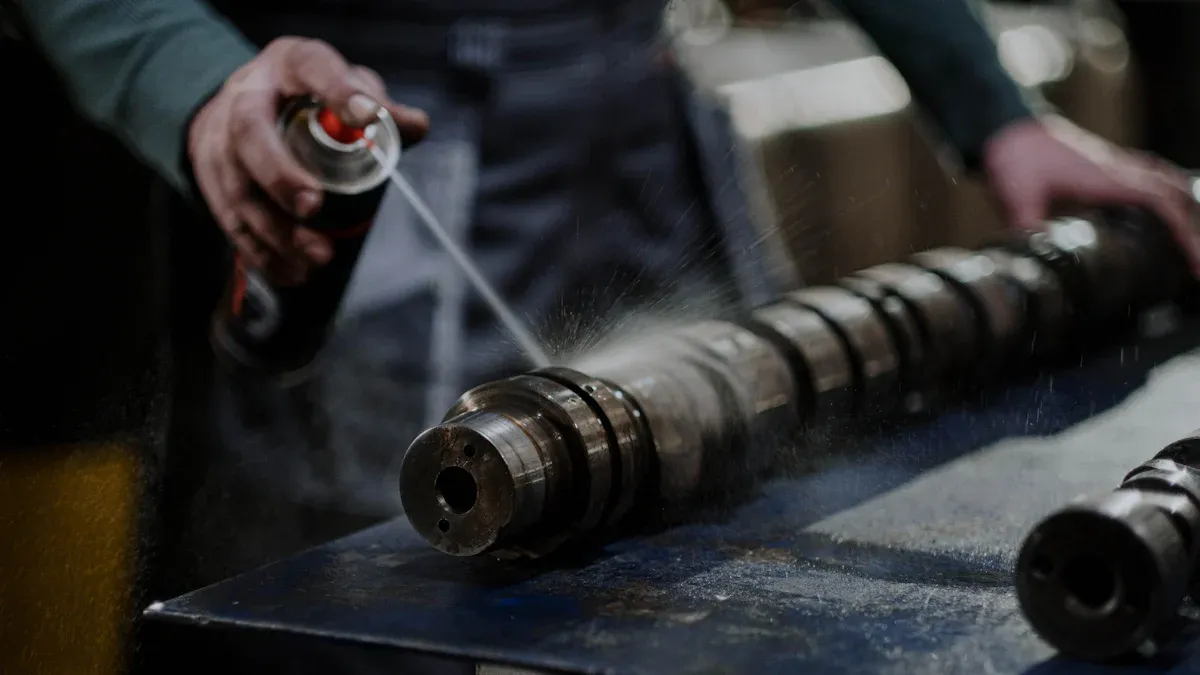
CNC milling machines are essential for aluminum machining due to their precision and versatility. These machines operate by rotating cutting tools against a stationary aluminum workpiece, allowing you to create intricate designs with high accuracy. Two main types of machines dominate the field:
Vertical Milling Machines: These have a vertical spindle axis, making them ideal for smaller aluminum parts.
Horizontal Milling Machines: With a horizontal spindle axis, these are better suited for larger components.
To achieve optimal results, you must select the right tools for machining aluminum. End mills, for example, are highly effective for handling aluminum's properties. Additionally, CNC milling machines excel at high cutting speeds, thanks to aluminum's low density and excellent heat conductivity. This combination ensures smooth finishes, particularly in industries like aerospace.
Advantages of CNC Milling for Aluminum
CNC milling offers numerous benefits for aluminum CNC machining. The process achieves tight tolerances, typically around ±0.001 inches (0.025 mm), and can reach ±0.0005 inches (0.013 mm) under specific conditions. This precision makes it ideal for creating complex shapes and achieving smooth surface finishes without requiring post-processing.
Modern CNC milling machines also enhance productivity. Features like advanced cooling systems prevent overheating, while automatic tool changers reduce downtime. Adaptive feed rates further optimize efficiency by adjusting to aluminum's properties. These advantages make CNC milling a preferred choice for aluminum machining processes.
Applications of CNC Milling in Aluminum Machining
CNC milling is widely used across industries for aluminum CNC machining. In aerospace, it produces critical components like structural brackets and landing gear. Automotive applications include engine blocks and chassis frameworks. Electronics benefit from CNC milling through the production of smartphone frames and heat sinks. Other industries, such as medical devices and marine applications, rely on CNC milling for its precision and ability to handle aluminum alloys.
The applications of CNC machined aluminum parts extend to consumer goods, construction, and even prototyping. This versatility highlights the importance of CNC milling in modern manufacturing.
CNC Turning Machines for Aluminum
Key Features of CNC Turning Machines
CNC turning machines are designed to handle aluminum with precision and efficiency. These machines rotate the aluminum workpiece at high speeds while a stationary cutting tool removes material to shape the part. Key features include:
Workpiece Rotation: The rotating aluminum workpiece allows for effective shaping and smooth finishes.
Precision Control: CNC turning achieves tight tolerances, essential for parts requiring strict dimensional accuracy.
Cutting Tools: Specialized tool geometries ensure high-quality surface finishes and accurate machining.
Surface Finishes: This process produces defect-free finishes, critical for demanding applications.
These features make CNC turning machines ideal for creating cylindrical, conical, and threaded aluminum components.
Benefits of CNC Turning for Aluminum Parts
CNC turning offers several advantages for aluminum CNC machining. The process minimizes material waste through precise tool paths and real-time adjustments. This reduces costs, especially when working with high-value aluminum alloys. Additionally, CNC turning ensures consistent quality, reducing the need for rework or scrapping defective parts.
Aluminum’s lightweight nature and thermal conductivity make it easier to machine, further enhancing efficiency. CNC turning also integrates multiple processes, improving productivity and lowering production costs. These benefits make it a preferred choice for industries requiring high-precision aluminum parts.
Tip: Using high-quality cutting tools and advanced CNC machines with vibration control can significantly improve accuracy and surface finishes.
Applications of CNC Turning in Aluminum Machining
CNC turning is widely used in aluminum CNC machining for various industries. Common applications include:
Aerospace: Structural brackets, body panels, and landing gear.
Automotive: Engine blocks, suspension components, and chassis frameworks.
Electronics: Smartphone frames, computer casings, and heat sinks.
Construction: Window frames, door frames, and siding.
Consumer Goods: Appliance housings, furniture, and sporting goods.
This process is particularly effective for producing complex rotational components, showcasing its versatility in CNC machining applications.
CNC Routers in Aluminum CNC Machining
Key Features of CNC Routers
CNC routers are versatile machines designed for cutting and engraving aluminum. They excel at handling aluminum sheet parts and intricate patterns due to their high-speed operation. Unlike other CNC machines, routers are best suited for lighter aluminum work, as they may struggle with thicker metals.
Key features include:
Large Cutting Area: CNC routers accommodate wide workpieces, making them ideal for large-scale projects.
High-Speed Machining: Their rapid operation reduces production time for shorter projects.
Control System: These machines use computer numerical control to guide the X, Y, and Z axes with precision.
Specialized Router Bits: Using bits designed for aluminum ensures effective machining and smooth finishes.
These features make CNC routers a valuable tool for aluminum CNC machining, especially when speed and versatility are priorities.
Advantages of CNC Routers for Aluminum Projects
CNC routers offer several benefits for aluminum machining. They handle intricate designs and patterns with ease, following G-code instructions to cut along precise tool paths. Their ability to operate at high speeds makes them efficient for large-scale projects.
Other advantages include:
Lightweight Material Compatibility: Aluminum alloys, known for their strength-to-weight ratio, are ideal for CNC routers.
Corrosion Resistance: Aluminum’s natural resistance to harsh conditions ensures durability.
Cost-Effectiveness: Aluminum is affordable and widely available, reducing overall manufacturing costs.
Thermal Conductivity: This property allows aluminum to dissipate heat efficiently, which is crucial for applications like heat sinks.
These benefits highlight why CNC routers are a preferred choice for aluminum CNC machining processes.
Applications of CNC Routers in Aluminum Machining
CNC routers play a significant role in various industries. In aerospace, they produce lightweight components like aircraft fittings and frames. Automotive manufacturers use them for engine components and chassis parts. Electronics benefit from CNC routers for creating housings for devices like smartphones and laptops.
Industry | Applications |
|---|---|
Aerospace | Aircraft fittings, frames, and critical components. |
Automotive | Engine components, chassis, and wheels. |
Electronics | Device housings for smartphones and laptops. |
Medical Devices | Surgical tools and diagnostic instrument components. |
Defense Industry | Lightweight parts for military vehicles and weapons systems. |
Marine Applications | Corrosion-resistant parts for ships and marine vessels. |
Food Industry | Hygienic machinery parts for food processing. |
Prototyping | Rapid prototyping for new designs. |
CNC routers also excel in prototyping due to their ability to quickly and accurately machine aluminum alloys. Their versatility makes them indispensable in aluminum CNC machining.
CNC Laser Cutters for Aluminum
Key Features of CNC Laser Cutters
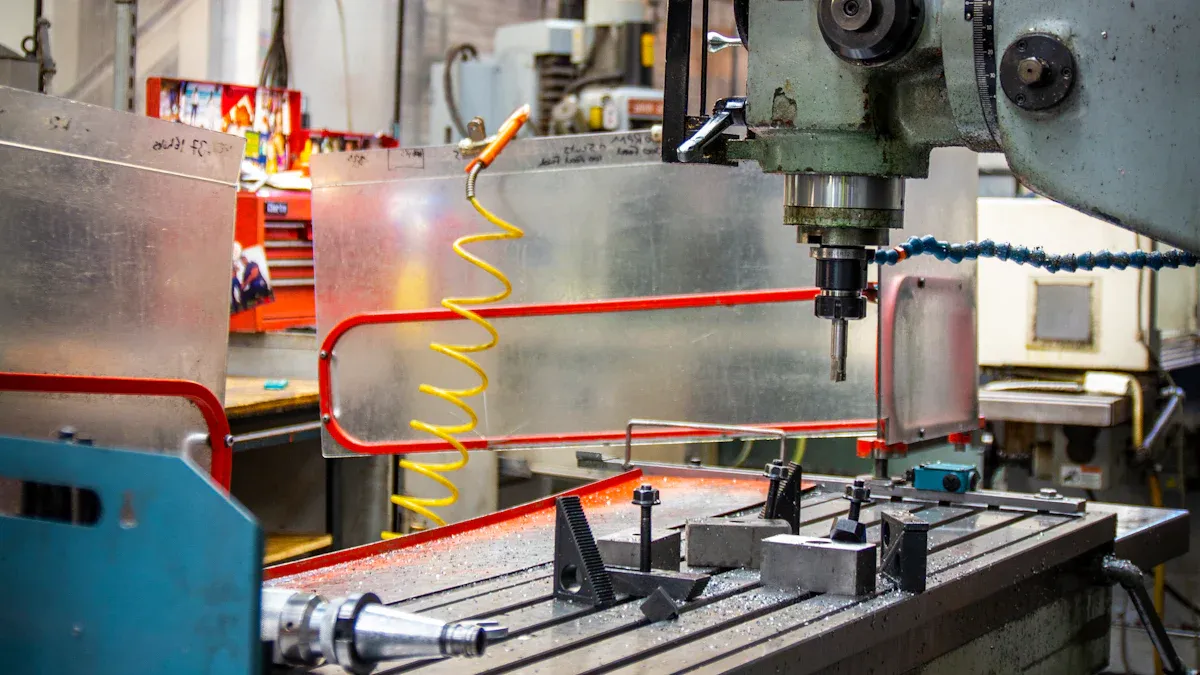
CNC laser cutters bring unmatched precision and efficiency to aluminum machining. These machines use advanced laser technology, such as fiber lasers, which excel at cutting reflective materials like aluminum. The laser beam focuses on a specific point, generating intense heat to melt or vaporize the material. Assist gas flows alongside the laser, clearing away molten aluminum and ensuring clean cuts.
Key features include:
High Precision: Laser cutters achieve sharp, intricate cuts with minimal errors.
Adaptability: They handle both thin and thick aluminum sheets effectively.
Speed: High-speed operation reduces production time significantly.
No Tool Wear: Unlike traditional tools, lasers maintain consistent quality without degradation.
These features make CNC laser cutters a vital tool for aluminum CNC machining processes.
Benefits of CNC Laser Cutting for Aluminum
CNC laser cutting offers several advantages over traditional methods. You can achieve burr-free edges, eliminating the need for secondary finishing. The process minimizes material waste through precise cuts, saving costs. Laser cutters also excel at creating complex shapes, making them ideal for custom designs.
Other benefits include:
Faster production speeds for both prototypes and large batches.
Consistent quality without tool replacement.
Flexibility to cut intricate patterns or simple designs.
By using CNC laser cutters, you can produce high-quality aluminum parts efficiently and affordably.
Applications of CNC Laser Cutters in Aluminum Fabrication
CNC laser cutters play a crucial role in aluminum fabrication across industries. They are widely used for precision cutting of aluminum parts, fast prototyping, and creating custom designs. These machines excel at reducing material waste while handling complex geometries.
Common applications include:
Aerospace: Lightweight components like brackets and panels.
Automotive: Intricate engine parts and body panels.
Electronics: Housings for devices such as laptops and smartphones.
Construction: Decorative aluminum panels and structural elements.
CNC laser cutters ensure clean, precise cuts, making them indispensable for aluminum machining.
Understanding the unique advantages of each CNC machine helps you make informed decisions for aluminum machining projects. CNC milling machines excel at creating precision aluminum parts with tight tolerances. CNC turning machines are ideal for cylindrical components, while CNC routers handle intricate patterns efficiently. CNC laser cutters offer unmatched precision for cutting aluminum alloys.
When selecting a machine, consider factors like material selection, tool geometry, and cutting speed. Aluminum’s machinability allows for high-speed operations, but proper coolant and chip evacuation are essential. For complex projects, prioritize machines that meet your precision and tolerance needs. Matching the machine to your project ensures optimal results and cost efficiency.
FAQ
What is the best CNC machine for aluminum machining?
The best CNC machine depends on your project. For precision, choose CNC milling. For cylindrical parts, use CNC turning. For intricate designs, CNC routers or laser cutters work best.
How do you prevent overheating during aluminum machining?
Use advanced cooling systems and proper chip evacuation. Aluminum’s thermal conductivity helps dissipate heat, but coolant ensures consistent performance and prevents overheating.
Can CNC machines handle all aluminum alloys?
Yes, CNC machines can handle most aluminum alloys. However, softer alloys require careful tool selection to avoid deformation, while harder alloys may need slower cutting speeds.
Tip: Always match the CNC machine and tools to the specific aluminum alloy for optimal results.
See Also
A Deep Dive Into CNC Precision Machining Processes
Benefits of Utilizing Aluminum CNC Machining Services
CNC Machining Services: A Key to Precision Manufacturing
About US
Follow Us
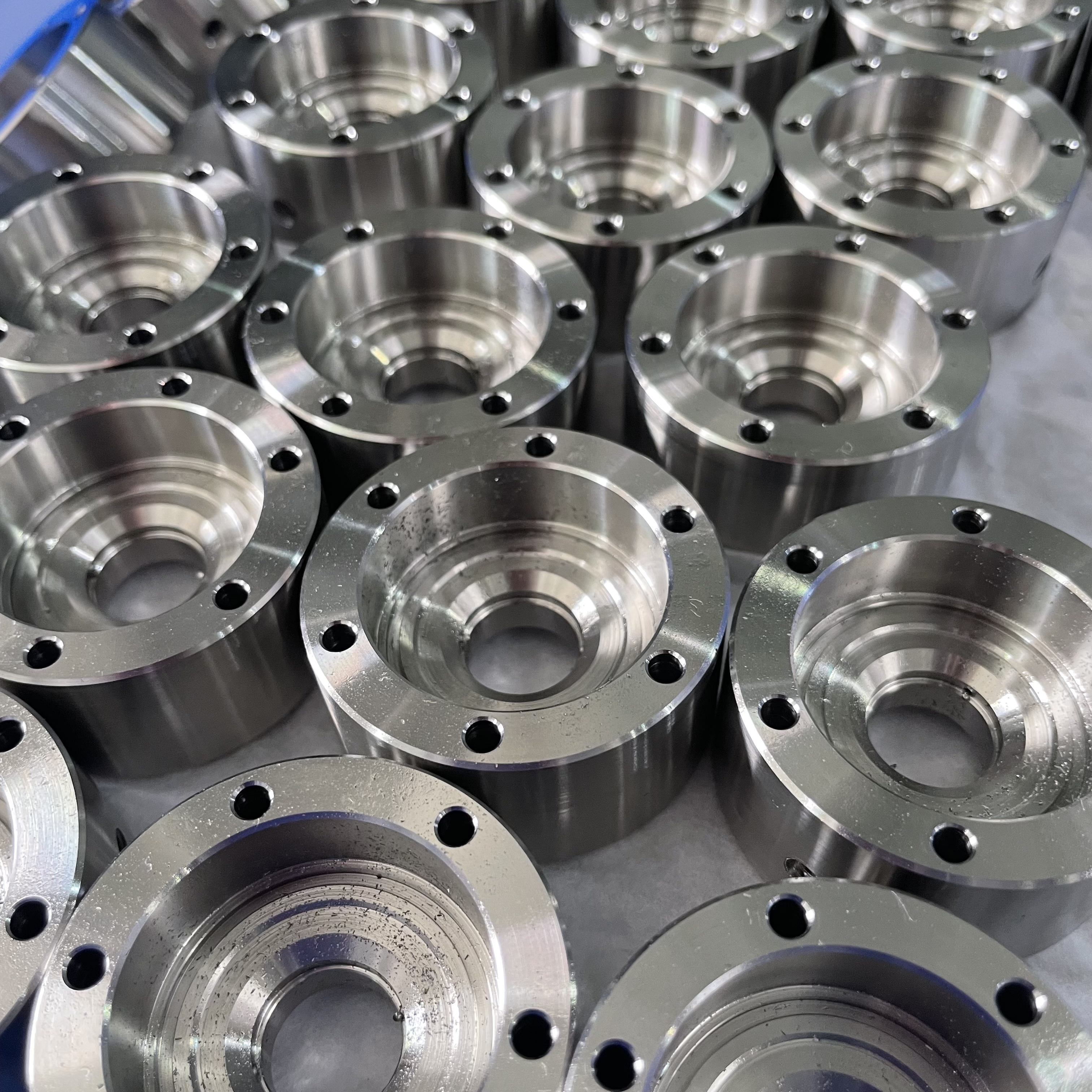
Your prototype holds unparalleled significance, and we deeply value its uniqueness. Collaborating with you during the preparation phase for running your prototype or parts is a commitment we gladly embrace. Whether it's a single part or a complex assembly, we are dedicated to selecting the optimal tools and pathways to bring your envisioned product to life.
At Precision Fab CNC Machining, we specialize in producing parts for prototypes, short runs, and high-volume production. Our prototyping machine capabilities extend across metal, plastic, and wood machining, with welding fabrication services available to complement and finalize your prototype if required.
Address
Address: Room320 10F, Building A,Nanshan international building, Dayawan District, Huizhou, Guangdong, 516001 China
Contacts
billy@timaycnc.com