How Aluminum Improves the Performance and Durability of CNC Machined Flashlights

Aluminum transforms flashlight design by combining lightweight strength, durability, and thermal efficiency. You can rely on its corrosion resistance to keep your tool functional in tough environments. Its high thermal conductivity prevents overheating, protecting internal components. The precision of CNC Machining enhances aluminum’s natural properties, ensuring superior tool performance.
Advantages of Aluminum in Flashlight Manufacturing:
Advantage
Description
Lightweight
Aluminum is a lightweight metal, making flashlights easier to carry and handle.
Durability
Despite its low weight, aluminum is remarkably durable, ensuring the casing can withstand harsh conditions and accidental drops.
Thermal Conductivity
Aluminum's high thermal conductivity helps dissipate heat efficiently, preventing damage to internal components.
Corrosion Resistance
Aluminum naturally forms a protective oxide layer, providing excellent corrosion resistance, ensuring the flashlight remains functional even in challenging environments.
Key Takeaways
Aluminum is light but strong, so flashlights are easy to carry and last long.
Aluminum spreads heat well, stopping flashlights from getting too hot and staying safe to use.
Aluminum does not rust easily, helping flashlights work in wet or salty places.
Aluminum's Key Material Properties
Lightweight Strength
Aluminum stands out for its exceptional strength-to-weight ratio, making it a preferred material for CNC machined flashlights. You benefit from its lightweight nature, which ensures portability without compromising durability. For example, aluminum alloys like 7075 offer a tensile strength of up to 572 MPa while maintaining a low density of approximately 2.81 g/cm³. This balance allows manufacturers to create robust flashlight casings that are easy to carry and handle.
Aluminum Alloy | Density (g/cm³) | Tensile Strength (MPa) |
|---|---|---|
Aluminum 2024 | 2.78 | 195–290 |
Aluminum 7075 | 2.81 | 572 |
Aluminum 6063 | 2.69 | 145–186 |
This combination of strength and lightness ensures your flashlight remains reliable during outdoor adventures or demanding tasks.
Corrosion Resistance
Aluminum naturally forms a protective oxide layer, giving it excellent resistance to corrosion. This property ensures your flashlight performs well in various environments. Whether exposed to acidic or basic conditions, aluminum alloys maintain their integrity. However, you should note that certain factors, like galvanic corrosion, can occur when aluminum comes into contact with more noble metals. Additionally, localized corrosion may develop in crevices where harmful chemicals accumulate. Despite these challenges, aluminum alloys remain highly durable, making them ideal for long-term use in harsh conditions.
Resists damage in acidic or basic environments.
Withstands localized corrosion in crevices and pits.
Maintains structural integrity even when exposed to moisture or chemicals.
Thermal Conductivity
Aluminum's high thermal conductivity plays a crucial role in flashlight performance. It efficiently dissipates heat generated by LED components, preventing overheating and extending the lifespan of internal parts. This property ensures your flashlight remains cool to the touch, even during prolonged use. Among aluminum alloys, 6063 is particularly effective for applications requiring excellent heat dissipation. By choosing aluminum, you gain a flashlight that stays functional and safe, even under intense conditions.
Performance Benefits of Aluminum in Flashlights
Portability and Ease of Use
Aluminum makes flashlights incredibly portable and user-friendly. Its lightweight nature ensures you can carry and handle your flashlight with ease, whether you're hiking, camping, or working in tight spaces. Despite being light, aluminum remains durable enough to withstand accidental drops and rough handling. This unique combination of portability and toughness sets aluminum flashlights apart from those made with heavier metals or less durable materials. You’ll find that this balance enhances your overall experience, especially during extended use.
Heat Dissipation for LED Flashlights
Efficient heat dissipation is critical in LED flashlight production, and aluminum excels in this area. It serves as a heat spreader in Metal Core PCBs (MCPCBs), which are commonly used in high-powered LED flashlights. These systems improve thermal management by incorporating a dielectric polymer layer with high thermal conductivity. This reduces thermal resistance and lowers the junction temperature of LEDs by up to 10 °C. With better thermal management, your flashlight can achieve optimal performance, longer runtime, and enhanced safety.
Insulated aluminum materials eliminate the need for additional thermal interface materials.
Lower junction temperatures allow for smaller designs or fewer LEDs, improving efficiency.
Aluminum ensures your flashlight remains cool to the touch, even during prolonged use.
Reliable Functionality in Harsh Conditions
Aluminum flashlights are built to perform reliably in challenging environments. Their heavy-duty construction resists wear and tear, making them suitable for rough use. Users often describe these flashlights as "workhorses" due to their excellent light output and runtime. Many models feature non-slip grips and water-resistant designs, ensuring dependable performance in wet or slippery conditions. Whether you're navigating a storm or working in a rugged outdoor setting, you can trust an aluminum flashlight to deliver consistent results.
Feature | Aluminum Flashlights | Plastic Flashlights |
|---|---|---|
Heat Dissipation | Excellent conductor of heat, can cause burns in high heat environments | Poor conductor of heat, safer to handle in high temperatures |
Safety Standards | Not suitable for environments with explosive gases due to safety regulations | Can be compliant with safety standards in hazardous environments |
Electrical Conductivity | Can cause shorts in hazardous environments | Less conductive, safer around electrical hazards |
Durability and Toughness of Aluminum
Resistance to Wear and Damage
Aluminum offers exceptional resistance to wear and damage, making it a reliable choice for flashlight construction. Its surface can be anodized to enhance durability further. Anodizing creates a protective layer that resists scratches and corrosion. Type III anodizing, also known as hard anodizing, provides a thicker and less porous coating. This increases the flashlight's toughness, ensuring it withstands chipping and peeling even in demanding conditions.
Anodized aluminum resists scratches and corrosion effectively.
Type III anodizing adds a robust layer for enhanced durability.
Lightweight yet tough, aluminum flashlights endure accidental drops and rough handling.
This combination of properties ensures your flashlight remains functional and visually appealing over time.
Protection Against Environmental Factors
Aluminum flashlights excel in harsh environments due to their natural protective oxide layer. This layer shields the material from moisture, chemicals, and extreme temperatures. Whether you're exploring humid jungles or working in freezing conditions, aluminum maintains its structural integrity. Additionally, anodized coatings provide extra protection against environmental wear, ensuring the flashlight meets durability standards for outdoor and industrial use.
You can rely on aluminum to resist rust and corrosion, even in wet or salty conditions. Its ability to endure environmental challenges makes it a preferred material for flashlights used in rugged settings.
Long-Term Structural Integrity
Aluminum's long-term structural integrity sets it apart from other materials. Its lightweight nature does not compromise its strength, allowing it to maintain durability over years of use. Unlike plastics, which may crack or degrade, aluminum retains its toughness under repeated stress. This ensures your flashlight remains dependable, even after prolonged exposure to challenging conditions.
By choosing aluminum, you invest in a flashlight that meets high durability standards. Its ability to resist wear, environmental damage, and structural fatigue guarantees long-lasting performance.
CNC Machining and Aluminum Flashlight Components
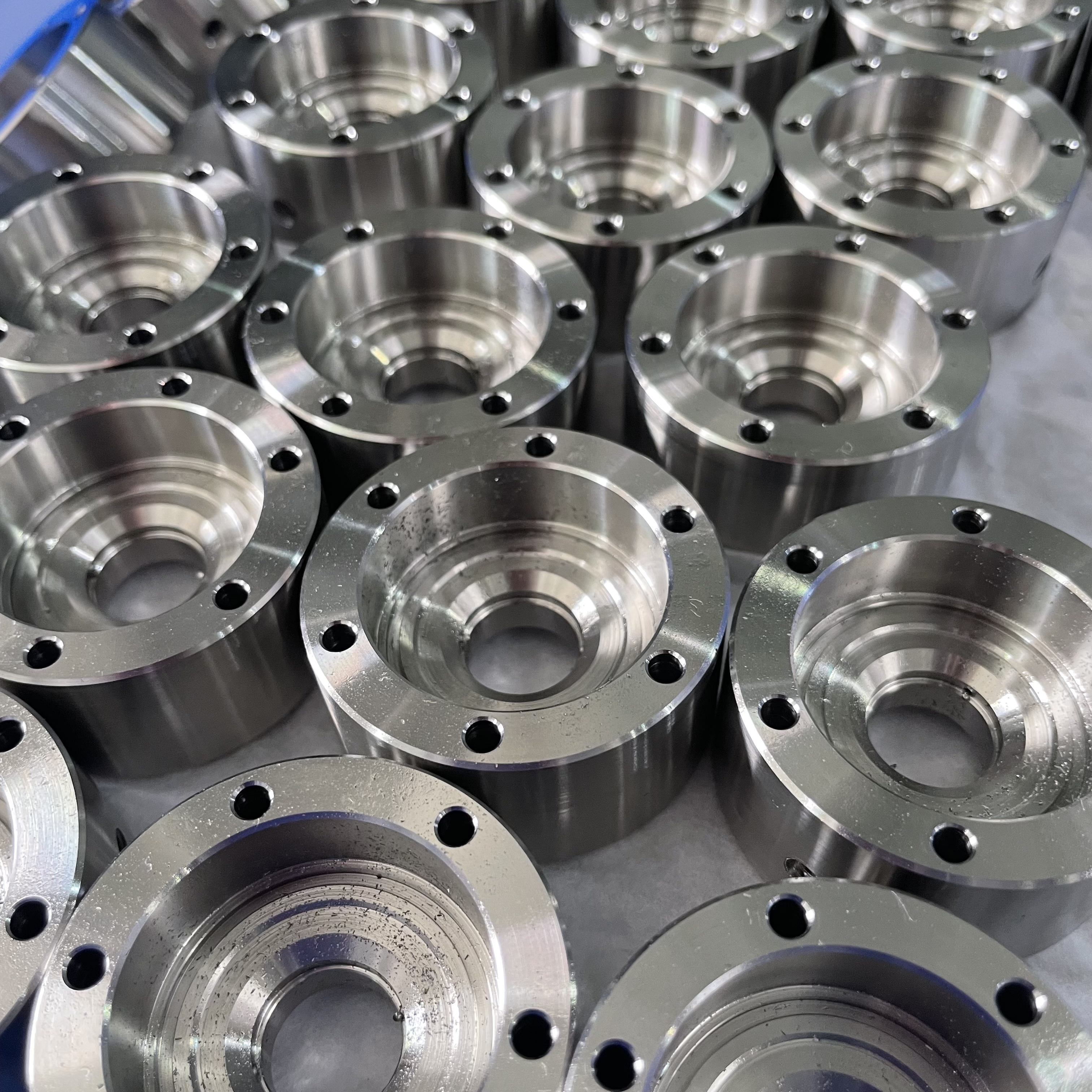
Precision in CNC Machined Parts
CNC machining ensures exceptional precision when crafting aluminum flashlight components. You can rely on this process to achieve tight tolerances, which are critical for meeting performance requirements. For instance, CNC machining can deliver tolerances as fine as ±0.001 inches (0.025 mm) under typical conditions and push the limits to ±0.0005 inches (0.013 mm) for specialized needs.
Precision Level | Tolerance |
|---|---|
Typical Tolerances | ±0.001 inches (0.025 mm) |
Pushing the Limits | ±0.0005 inches (0.013 mm) |
This level of accuracy ensures that each flashlight component fits perfectly, enhancing the overall functionality and durability of the outer casing.
High-Quality Finishes
CNC machining not only delivers precision but also enhances the surface quality of aluminum flashlights. Processes like anodization create a protective oxide layer on the casing, significantly improving corrosion resistance. This treatment also offers various color options, allowing you to choose a flashlight that matches your style. Additionally, anodized surfaces resist scratches, ensuring the flashlight maintains its appearance and performance over time.
Tip: Anodized finishes not only improve durability but also add a premium feel to the flashlight, increasing its brand value.
Optimizing Aluminum's Toughness
CNC machining addresses the challenges of working with aluminum, such as its low hardness and susceptibility to deformation. By carefully selecting materials and applying surface treatments like anodizing, manufacturers enhance the surface hardness and durability of the flashlight casing. Optimized machining parameters further reduce friction during the process, ensuring the components meet strict performance requirements.
Common challenges include low hardness, impact sensitivity, and deformation.
Solutions involve material selection, anodizing, and precise machining techniques.
These innovations ensure that CNC machined parts meet the demanding requirements of modern flashlights, providing long-lasting reliability and toughness.
Aluminum offers unmatched advantages for CNC machined flashlights. Its lightweight nature ensures portability, while its durability withstands harsh conditions. The material's high thermal conductivity prevents overheating, protecting internal components. Additionally, aluminum resists corrosion, maintaining functionality in challenging environments. These properties, combined with CNC machining precision, make aluminum the ideal choice for creating high-performance, long-lasting flashlights.
FAQ
What makes aluminum flashlights better for LED technology?
Aluminum flashlights excel with LED technology due to their superior heat dissipation. This prevents overheating, ensuring your LED flashlight performs efficiently and lasts longer.
How does CNC machining improve LED flashlight performance?
CNC machining ensures precise aluminum components for LED flashlights. This precision enhances heat management, structural integrity, and overall reliability, making your flashlight more durable and efficient.
Why is aluminum preferred over plastic for LED flashlights?
Aluminum offers better heat dissipation, durability, and corrosion resistance compared to plastic. These properties make it ideal for LED flashlights used in demanding environments.
See Also
Utilizing CNC Machining for Tactical and Outdoor Flashlight Parts
Benefits of Utilizing Aluminum CNC Machining Services Explored
CNC Machining Process and Uses of Aluminum Alloy 7075
Tips for Achieving Scratch-Free Precision Aluminum CNC Machining
Anodizing Process Explained for CNC Machined Aluminum Heat Sinks
About US
Follow Us
Your prototype holds unparalleled significance, and we deeply value its uniqueness. Collaborating with you during the preparation phase for running your prototype or parts is a commitment we gladly embrace. Whether it's a single part or a complex assembly, we are dedicated to selecting the optimal tools and pathways to bring your envisioned product to life.
At Precision Fab CNC Machining, we specialize in producing parts for prototypes, short runs, and high-volume production. Our prototyping machine capabilities extend across metal, plastic, and wood machining, with welding fabrication services available to complement and finalize your prototype if required.
Address
Address: Room320 10F, Building A,Nanshan international building, Dayawan District, Huizhou, Guangdong, 516001 China
Contacts
billy@timaycnc.com