Aluminum CNC Applications in Construction and Architecture

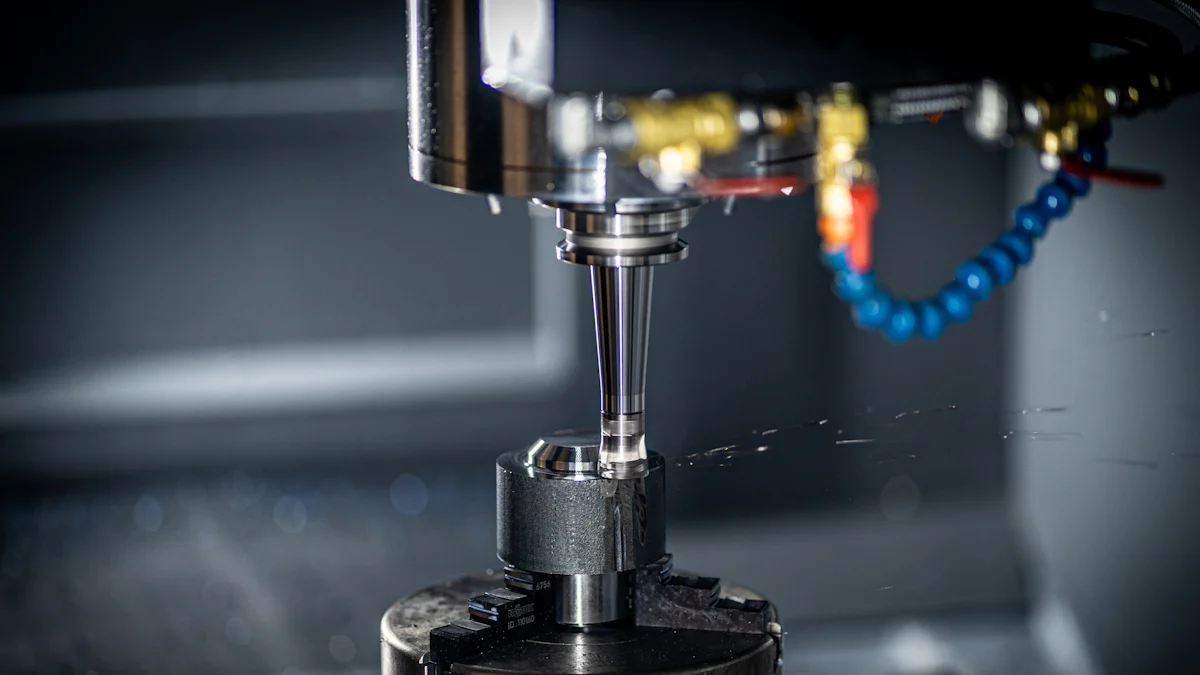
CNC machining has revolutionized construction and architecture by enabling precise designs and efficient production. You can now create intricate patterns and accurate models that were once impossible. Aluminum plays a key role in this transformation. Its machinability allows for quick processing, while its strength-to-weight ratio makes it ideal for structural applications. Architectural aluminum also resists corrosion, ensuring durability. CNC machining supports sustainable practices by minimizing material waste and integrating recycled aluminum. This technology empowers you to design eco-friendly structures with enhanced aesthetics and functionality.
Key Takeaways
CNC machines help make accurate designs and produce parts quickly.
Aluminum is strong but light, making it great for building.
CAD/CAM software with CNC makes designing easy and reduces mistakes.
CNC machining helps the environment by using recycled materials in designs.
Architects and CNC experts work together to create cool, useful designs.
Material Customization with CNC Machining
Precision Cutting and Shaping
Creating intricate geometries for architectural designs.
CNC machining allows you to bring complex architectural designs to life with unmatched precision. Using CAD/CAM software, you can create intricate 3D renderings that CNC machines translate into physical components. This process ensures that even the most detailed patterns and textures are fabricated with accuracy. Whether you are designing decorative facades or functional elements, CNC machining guarantees consistent quality across all projects.
Achieving tight tolerances for structural components.
In construction, precision is critical. CNC machining ensures that every component meets exact specifications, reducing the risk of errors during assembly. Pre-programmed software guides the machine to produce parts with tight tolerances, which is essential for structural integrity. This level of accuracy not only enhances safety but also streamlines the construction process by ensuring components fit perfectly.
Lightweight and Durable Aluminum Alloys
Customizing aluminum alloys for lightweight yet strong applications.
Aluminum alloys are ideal for construction due to their strength-to-weight ratio. They weigh only a third of steel but offer comparable strength, making them perfect for high-rise buildings and other demanding applications. By adjusting the composition of aluminum alloys, you can tailor their properties to meet specific needs, such as increased tensile strength or improved corrosion resistance.
Reducing material waste through CNC precision.
CNC machining minimizes waste by using only the material required for each component. Aluminum is highly recyclable, so any leftover material can be reused, further reducing waste. This efficiency not only supports sustainable practices but also lowers costs, making CNC machining an eco-friendly and economical choice for construction projects.
Surface Finishing and Texturing
Enhancing aesthetics with custom finishes.
Surface finishing techniques like anodizing and powder coating transform aluminum into visually stunning components. Anodizing creates a durable, corrosion-resistant oxide layer, while powder coating adds a decorative and protective finish. These treatments allow you to achieve a variety of colors and textures, enhancing the aesthetic appeal of architectural aluminum.
Preparing aluminum for coatings or treatments.
CNC machining prepares aluminum surfaces for additional treatments by ensuring smoothness and precision. Techniques like bead blasting and polishing improve surface quality, creating a perfect foundation for coatings. These processes not only enhance the material's appearance but also improve its durability and functionality in architectural design.
CNC Machining in Model Making and Prototyping
Architectural Models
Producing detailed scale models for design visualization.
CNC machining plays a vital role in creating precise architectural models. You can use this technology to produce down-to-scale representations of buildings and communities. These models help you visualize designs with intricate details, ensuring accuracy. By using CAD programs, you can translate digital designs into physical models that closely resemble the original concepts. This process enhances your ability to communicate ideas effectively to clients and stakeholders.
Accelerating the design approval process with accurate prototypes.
Prototypes created with CNC machining provide a tangible preview of your designs. This approach allows you to validate concepts quickly and cost-effectively. Physical models act as powerful tools during client presentations, offering hands-on engagement. Clients can provide immediate feedback, which accelerates the approval process and ensures alignment with their expectations.
Structural Prototypes
Testing load-bearing designs with CNC-machined aluminum.
CNC machining enables you to test structural prototypes with precision. Aluminum is an excellent material for these prototypes due to its strength and lightweight properties. By using CNC-machined components, you can evaluate load-bearing designs without outsourcing, saving costs. This flexibility allows you to make adjustments quickly, ensuring your designs meet safety and performance standards.
Iterating designs quickly with CNC efficiency.
The efficiency of CNC machining allows you to iterate designs rapidly. You can rework parts without creating entirely new components, reducing lead times. This capability fosters innovation by enabling you to experiment with multiple design variations. With CNC machining, you can refine your prototypes until they meet your exact requirements.
Integration with Digital Design Tools
Using CAD/CAM software for seamless CNC machining.
CAD and CAM software streamline the CNC machining process. CAD tools let you create detailed 3D models, helping you identify errors early. CAM software translates these designs into machining instructions, optimizing tool movements. This integration ensures precision and reduces production errors, making your workflow more efficient.
Bridging the gap between digital designs and physical models.
CNC machining bridges the gap between your digital designs and physical prototypes. This process translates virtual concepts into tangible components with microscopic accuracy. It minimizes material waste and reduces production times. By combining digital prototyping with CNC machining, you can identify and fix design flaws before production, saving time and resources.
Design Elements and Aesthetic Applications
Custom Facades and Panels
Creating intricate patterns for building exteriors.
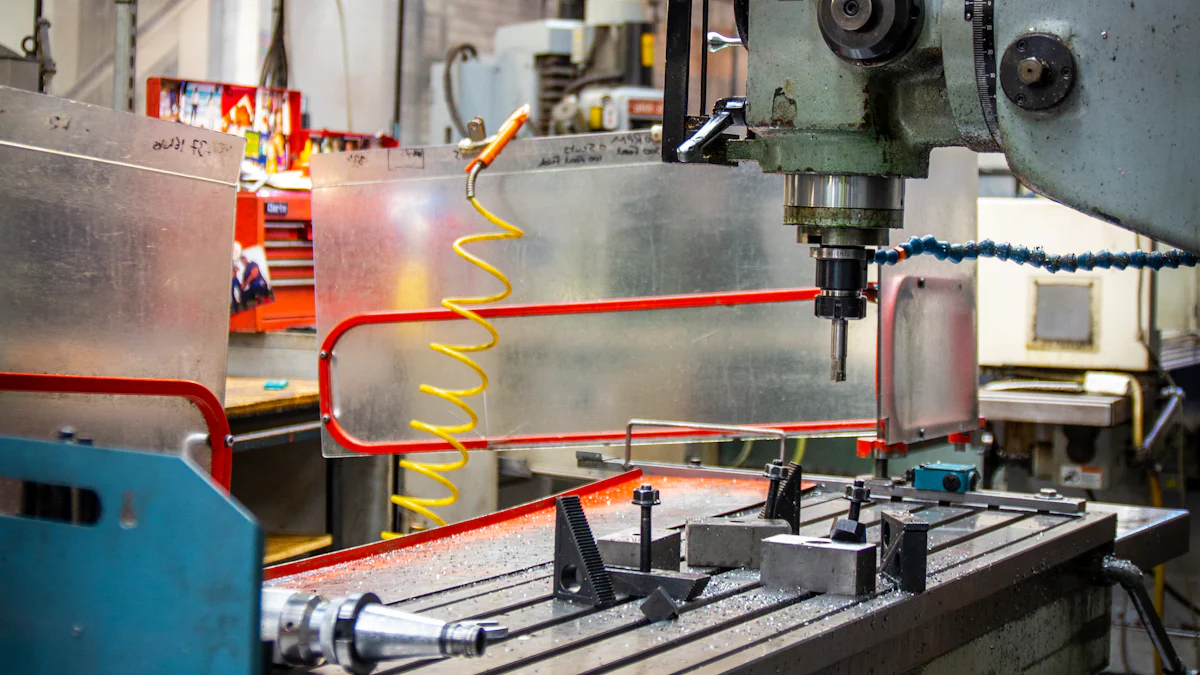
CNC machining allows you to create stunning facades and panels with intricate patterns and textures. Using materials like aluminum, wood, or composites, you can carve geometric designs or detailed textures with flawless precision. This process enhances the visual appeal of building exteriors, making them stand out.
Architects start by conceptualizing the design.
The design is rendered in a CAD/CAM program.
The machine translates the design into precise instructions.
The selected material, such as aluminum, is processed.
The CNC machine executes the design, producing a finished product.
This step-by-step approach ensures that your architectural vision becomes a reality with unmatched accuracy.
Enhancing energy efficiency with functional designs.
CNC-machined panels do more than just look good. You can design them to improve energy efficiency by incorporating functional elements like sunshades or ventilation patterns. Aluminum panels, for instance, can reflect heat while maintaining durability. These features help reduce energy consumption, making your building both stylish and sustainable.
Interior Design Features
Producing custom furniture and fixtures.
CNC machining is a game-changer for creating custom furniture and fixtures. You can use it to produce elegant metal accents or intricate wooden designs with remarkable precision. For example, aluminum can be shaped into sleek, modern furniture pieces, while CNC technology ensures every detail matches your vision. This process saves time and delivers high-quality results.
Adding unique design elements to interiors.
With CNC machining, you can add unique touches to your interiors. Whether it’s a decorative aluminum railing or a custom-designed wooden fixture, this technology brings your ideas to life. By translating your designs into machine language, CNC machining ensures that every element fits perfectly into your space, enhancing its overall aesthetic.
Artistic and Decorative Applications
CNC-machined sculptures and installations.
CNC machining enables you to create intricate sculptures and installations that combine art and architecture. From detailed silhouettes of natural elements to modern abstract designs, this technology allows you to craft unique pieces. Aluminum is often used for its versatility and durability, making it ideal for both indoor and outdoor installations.
Combining form and function in architectural art.
Architectural art installations can serve both aesthetic and functional purposes. CNC machining helps you develop dynamic artworks that interact with viewers or evolve over time. For example, you can create aluminum installations that double as functional structures, such as benches or partitions. This approach merges creativity with practicality, elevating your designs to a new level.
Real-World Applications of CNC Machining in Sustainable Architecture
Iconic Architectural Projects
Case studies of buildings using CNC-machined aluminum.
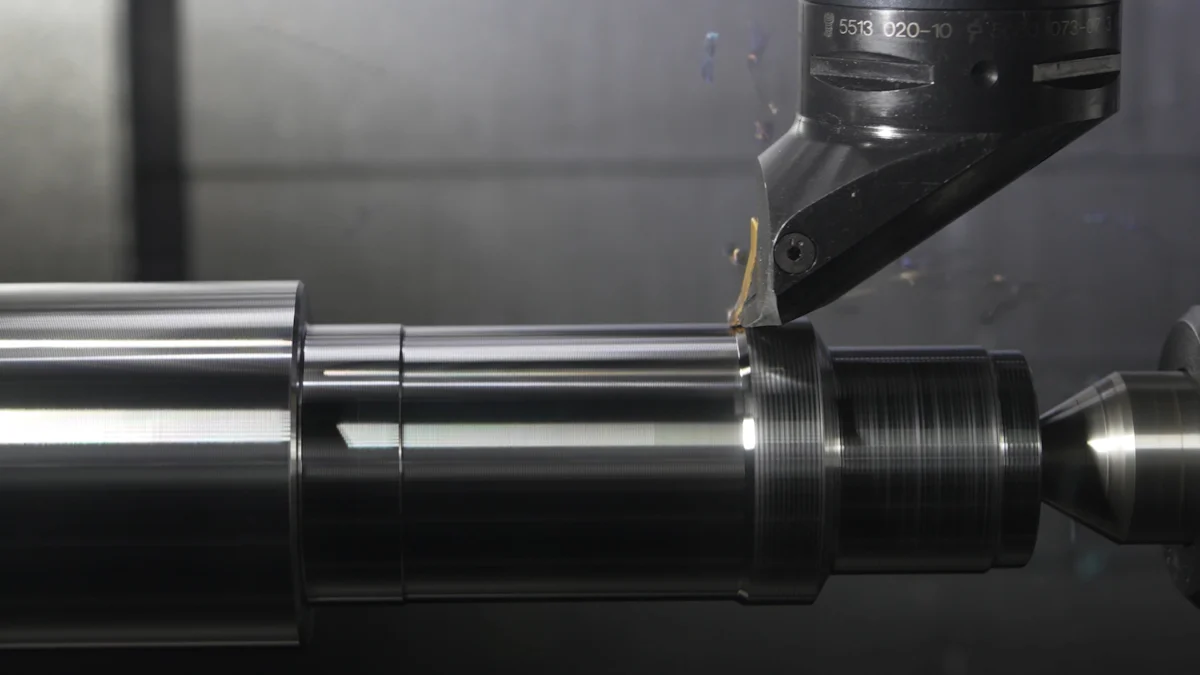
CNC machining has played a pivotal role in several iconic architectural projects. For example:
It provided unmatched precision and consistency in fabricating facade panels for modern skyscrapers.
Architects used CNC-machined prototypes to visualize intricate designs before construction.
Custom aluminum components enhanced both the aesthetics and functionality of these buildings.
These advancements allowed architects to push creative boundaries while maintaining structural integrity. CNC machining in sustainable architecture has become a cornerstone for achieving high strength and corrosion resistance in building materials.
How CNC machining contributed to their success.
CNC machining revolutionized the design process by enabling the creation of detailed scale models and efficient prototypes. This technology expedited construction timelines and ensured that every component met exact specifications. By combining high strength with corrosion resistance, CNC-machined aluminum components delivered durability and visual appeal. These contributions have made CNC machining indispensable in eco-friendly construction projects.
Innovations in Sustainable Architecture
Using aluminum CNC for eco-friendly building solutions.
CNC machining in sustainable architecture focuses on precision cutting, which minimizes material waste. Aluminum, known for its high strength and corrosion resistance, is ideal for creating durable components. These components reduce the need for frequent replacements, lowering environmental impact. Additionally, CNC technology supports designs that enhance natural light and ventilation, reducing reliance on energy-intensive systems.
Reducing carbon footprint with efficient material use.
CNC machining optimizes production workflows, reducing idle time and energy consumption. Many manufacturers now use renewable energy sources like solar and wind power, further lowering carbon emissions. By choosing recyclable materials like aluminum, you can significantly reduce waste and promote eco-friendly construction practices. This approach aligns with the goals of sustainable architecture by conserving resources and minimizing environmental harm.
Collaboration Between Architects and CNC Experts
Examples of successful partnerships in the industry.
Collaborations between architects and CNC experts have led to groundbreaking projects. For instance, architects have worked with CNC specialists to craft custom aluminum facades with intricate patterns. These partnerships have also produced innovative interior elements, such as decorative partitions and custom staircases. By combining expertise, these teams have achieved high strength and corrosion resistance in their designs.
The role of CNC machining in pushing design boundaries.
CNC machining empowers architects to explore complex and detailed designs. You can create intricate patterns, custom furniture, and functional art installations with precision. This technology supports a variety of materials, expanding your design possibilities. Faster manufacturing times also allow you to focus on innovation without compromising efficiency. CNC machining in sustainable architecture continues to redefine what’s possible in modern construction.
Benefits and Future Potential of CNC Machining in Construction
Advantages for the Industry
Improved efficiency and cost-effectiveness.
CNC machining offers unmatched precision, ensuring every component fits perfectly. This accuracy reduces errors and speeds up assembly, saving time and money. Automated machines work continuously, increasing productivity while lowering labor costs. By minimizing material waste, CNC machining also supports sustainable practices, making it an economical choice for construction projects.
Key Benefits:
Precise cuts eliminate inconsistencies.
Faster production reduces project timelines.
Automation enhances workplace safety by reducing manual handling.
Long-term cost savings offset initial investments.
Enhanced design flexibility and innovation.
CNC machining empowers you to explore creative designs that were once impossible. You can produce custom components tailored to specific architectural needs, enhancing the uniqueness of your projects. This flexibility allows you to experiment with intricate patterns, functional designs, and innovative materials like aluminum alloys, which combine strength and durability with a lightweight structure.
Emerging Trends in CNC Machining
Advances in CNC technology for construction and architecture.
Modern CNC machines integrate cutting-edge technologies like artificial intelligence (AI) and robotics. These advancements enable machines to operate autonomously, adapt to real-time project needs, and optimize performance. For example, AI-powered CNC systems analyze data during production, allowing you to adjust settings for peak efficiency. The rise of 3D printing also complements CNC machining, enabling the creation of entire structures with reduced costs and faster timelines.
The role of automation and AI in CNC machining.
Automation and AI are transforming CNC machining by streamlining repetitive tasks and improving consistency. AI-powered machines learn from data, enhancing their performance over time. This technology boosts productivity and reduces downtime by predicting maintenance needs. In construction, these innovations allow you to achieve greater efficiency while maintaining high-quality standards.
The Future of Aluminum in Sustainable Architecture
Expanding the use of recycled aluminum in CNC applications.
Recycled aluminum is becoming a cornerstone of sustainable architecture. Its strength, durability, and recyclability make it ideal for green building projects. CNC machining enhances this process by minimizing waste through precision cutting. By using recycled materials, you can create durable components that reduce environmental impact and align with eco-friendly goals.
Supporting green building initiatives with CNC precision.
CNC machining supports green building initiatives by promoting efficient resource usage. Precision cutting reduces material waste, while the use of eco-friendly materials like aluminum alloys contributes to sustainable practices. Additionally, CNC technology allows you to design components that enhance natural light and ventilation, reducing reliance on energy-intensive systems. This approach helps lower the environmental footprint of construction projects.
CNC machining offers unmatched precision and efficiency, making it a cornerstone of modern construction and architecture. You can create intricate designs, reduce material waste, and accelerate project timelines. Aluminum alloys enhance this process with their lightweight strength and recyclability, driving both innovation and sustainability.
Tip: By integrating CNC machining into your projects, you can achieve eco-friendly designs without compromising on aesthetics or functionality.
Explore this technology to push creative boundaries and deliver exceptional results. The future of architecture lies in combining advanced tools like CNC machining with sustainable materials like aluminum.
FAQ
What makes aluminum ideal for CNC machining in construction?
Aluminum offers a high strength-to-weight ratio, corrosion resistance, and excellent machinability. These properties make it perfect for creating durable, lightweight components. CNC machining enhances its potential by ensuring precision and reducing material waste, which supports sustainable construction practices.
How does CNC machining contribute to sustainable architecture?
CNC machining minimizes material waste through precision cutting. It also supports the use of recycled aluminum, reducing environmental impact. By enabling energy-efficient designs, such as sunshades or ventilation panels, CNC machining aligns with green building initiatives.
Can CNC machining handle complex architectural designs?
Yes, CNC machining excels at creating intricate patterns and geometries. Using CAD/CAM software, you can translate detailed digital designs into physical components with high accuracy. This capability allows architects to push creative boundaries while maintaining structural integrity.
Is CNC machining cost-effective for construction projects?
CNC machining reduces errors and speeds up production, saving time and money. Its precision minimizes material waste, and automation lowers labor costs. These factors make it an economical choice for both small-scale and large-scale construction projects.
How does CNC machining integrate with digital design tools?
CNC machining works seamlessly with CAD/CAM software. CAD tools let you create detailed 3D models, while CAM software converts these designs into machining instructions. This integration ensures accuracy and efficiency, bridging the gap between digital concepts and physical components.
Tip: Leverage CNC machining to enhance your construction projects with precision, sustainability, and innovative designs.
See Also
Benefits of Utilizing Aluminum CNC Machining Services Today
A Deep Dive into CNC Machining of Alloy 7075
Your 2024 Handbook for CNC Machining Aluminum Alloys
About US
Follow Us
Your prototype holds unparalleled significance, and we deeply value its uniqueness. Collaborating with you during the preparation phase for running your prototype or parts is a commitment we gladly embrace. Whether it's a single part or a complex assembly, we are dedicated to selecting the optimal tools and pathways to bring your envisioned product to life.
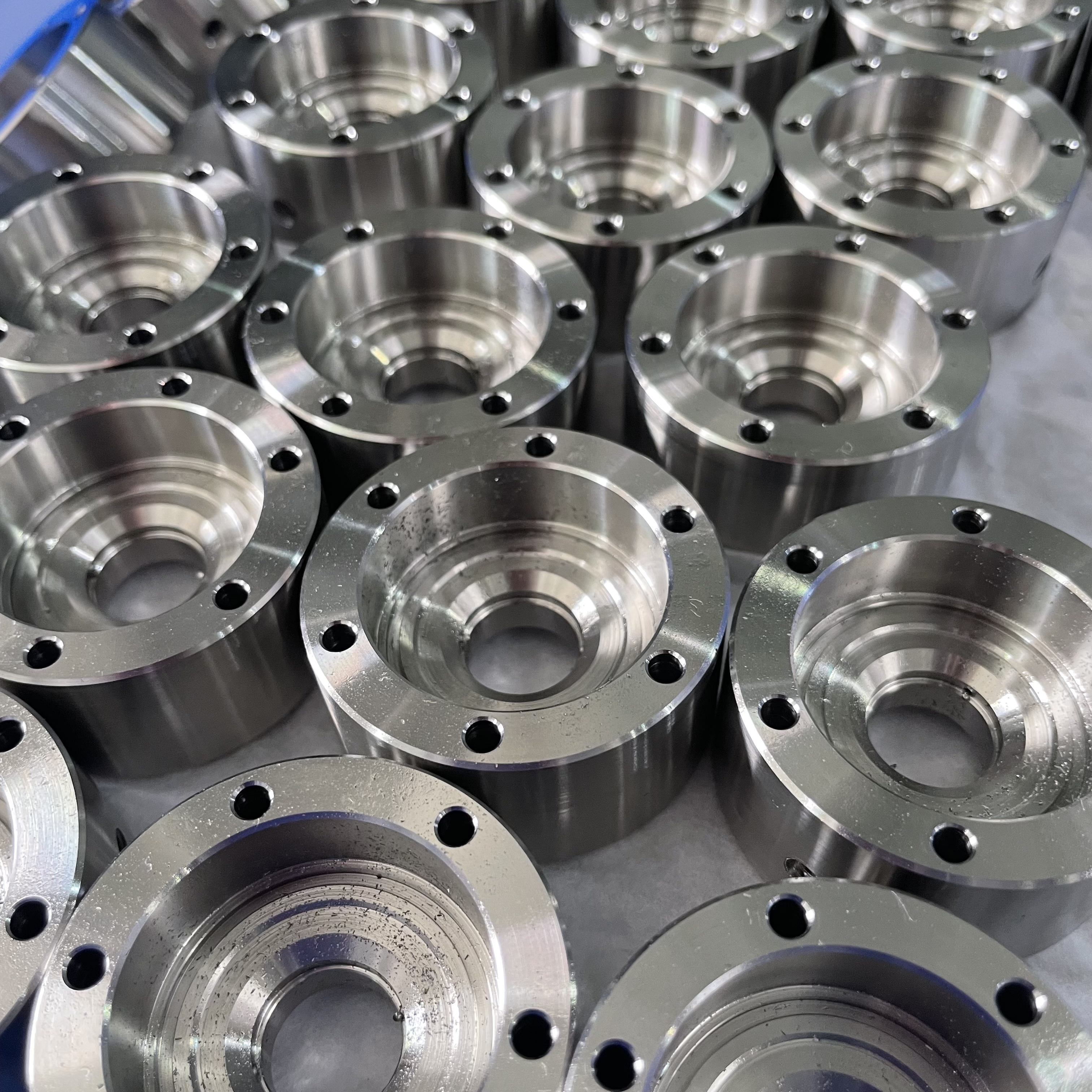
At Precision Fab CNC Machining, we specialize in producing parts for prototypes, short runs, and high-volume production. Our prototyping machine capabilities extend across metal, plastic, and wood machining, with welding fabrication services available to complement and finalize your prototype if required.
Address
Address: Room320 10F, Building A,Nanshan international building, Dayawan District, Huizhou, Guangdong, 516001 China
Contacts
billy@timaycnc.com