What to Expect During the Aluminium CNC Prototyping Process

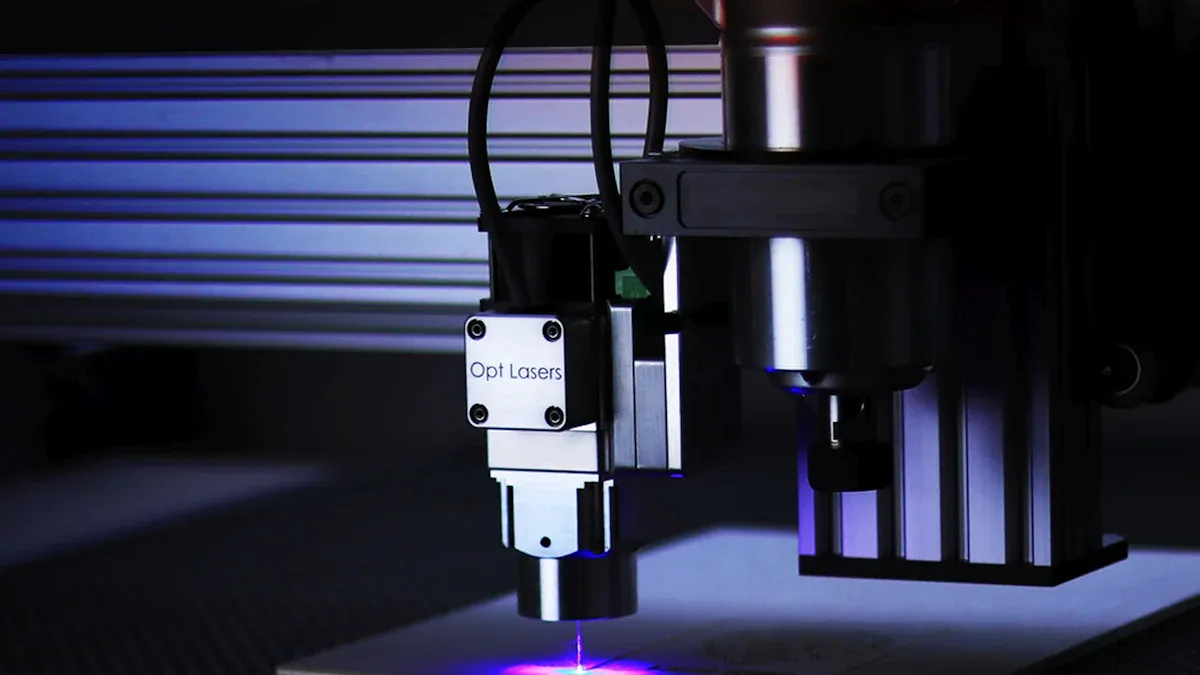
Aluminium CNC machining transforms raw aluminium into precise prototypes, essential for industries like aerospace and electronics. This method ensures tight tolerances, retaining aluminium's strength and durability. Its high-speed machining reduces production cycles, enabling rapid prototyping. Businesses benefit from cost efficiency, with single parts costing $30–$80 and bulk units as low as $5.
Key Takeaways
Aluminum CNC machining is affordable, with parts costing $30 to $80. This makes it great for low-cost prototyping.
The method is fast and accurate, helping create prototypes quickly. It also allows for fast design checks, which is important in fields like aerospace and cars.
Picking the right aluminum type, like 6061 for easy cutting or 7075 for strength, is key. This helps meet both how the prototype works and looks.
Overview of Aluminium CNC Machining
What is CNC Aluminum Machining?
CNC aluminum machining is a manufacturing process that uses computer-controlled tools to shape aluminum into precise parts. This process involves techniques like milling, turning, and drilling to create components with tight tolerances. Aluminum alloys are highly machinable, which reduces the risk of deformation during production. This ensures that you can achieve high precision when creating custom parts.
CNC Milling: Shapes aluminum using rotating cutting tools, ideal for complex designs.
CNC Turning: Produces cylindrical parts by rotating the material, perfect for shafts and bolts.
CNC Drilling: Creates holes in aluminum with a rotating drill bit.
These methods make aluminium cnc machining a versatile solution for various industries.
Why Choose Aluminum for Prototyping?
Aluminum offers several advantages that make it a preferred material for prototyping. Its cost-effectiveness allows you to create prototypes without exceeding your budget. The high strength-to-weight ratio ensures that your prototypes are both durable and lightweight. Aluminum’s excellent machinability speeds up the design verification process, helping you optimize your product quickly.
Cost-effective for budget-friendly prototyping.
Strong yet lightweight, making it easy to handle.
Corrosion-resistant, ensuring longevity.
High thermal conductivity for efficient heat management.
Aesthetic appeal for professional presentations.
These properties make aluminium cnc machining an excellent choice for rapid prototyping.
Key Applications of CNC Aluminum Prototyping
CNC aluminum prototyping plays a vital role in industries like aerospace, automotive, and electronics. In aerospace, aluminum is used for airframe components and landing gear prototypes. For example, the Boeing 787 Dreamliner incorporates aluminum in its fuselage and landing gear. Automotive manufacturers rely on aluminum for engine parts and suspension systems, which improve fuel efficiency and reduce weight.
Aerospace: Aircraft structural components, turbine parts, and landing gear.
Automotive: Chassis components, body panels, and engine parts.
Electronics: Heat sinks and casings for efficient heat dissipation.
These applications highlight the importance of aluminium cnc machining in modern manufacturing.
Step-by-Step Process of CNC Aluminum Prototyping
Design and CAD Modeling
The first step in aluminum prototype manufacturing involves creating a detailed design using CAD software. This ensures your prototype meets all functional and aesthetic requirements. Follow these essential steps to develop a CAD model:
Design: Create a 3D model with precise dimensions, tolerances, and features, keeping aluminum's properties in mind.
File Export and CAM Integration: Save the design in a format compatible with CAM software.
CAM Programming: Define machining operations and simulate the process to identify potential issues.
G-Code Generation: Convert the instructions into G-code, which CNC machines use to execute operations.
CNC Machine Setup: Secure the aluminum workpiece and calibrate the machine for optimal performance.
Machining Process: Shape the aluminum into the desired form using CNC tools.
Post-Machining Processes: Apply finishing techniques to enhance the prototype's surface quality.
This structured approach ensures your aluminum prototype is ready for the next stages of production.
CNC Programming and Toolpath Generation
Programming and toolpath generation are critical for achieving precision in your prototyping project. Best practices include:
Material Selection: Choose an aluminum alloy like 6061 or 7075 for its strength and machinability.
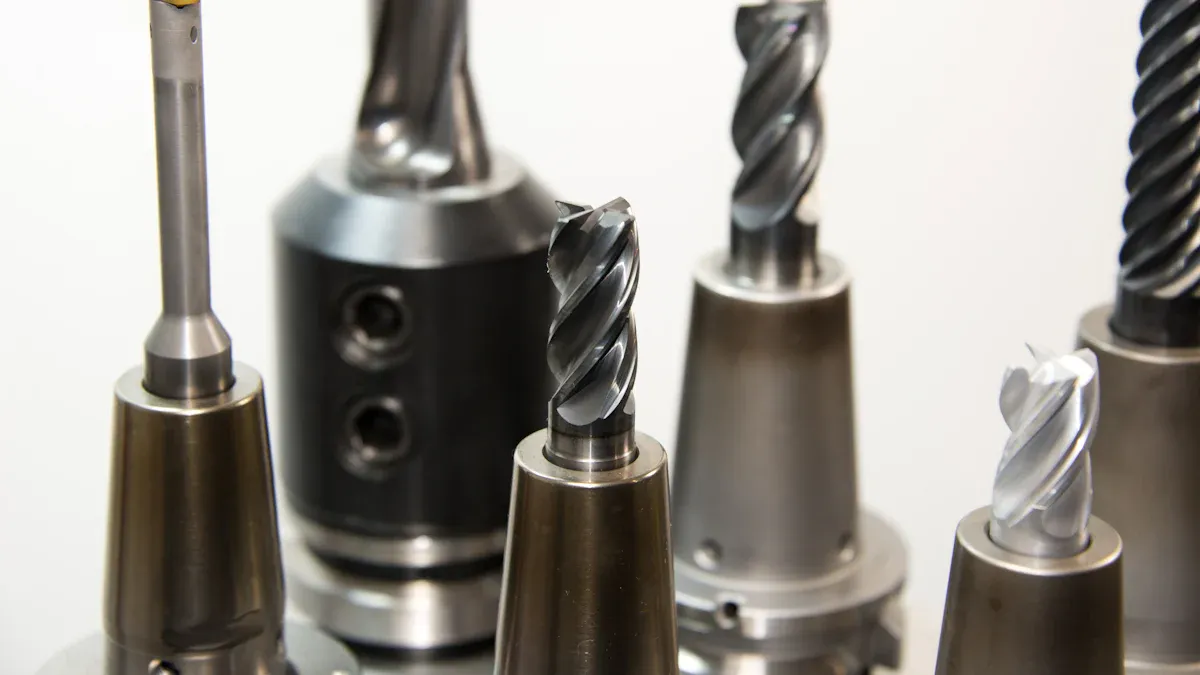
Tooling Selection: Use carbide end mills with AlTiN coating for better performance.
Machining Parameters: Optimize spindle speed and feed rates to maintain chip thickness between 0.1mm and 0.3mm per tooth.
Coolant and Lubrication: Apply flood cooling or MQL to extend tool life and improve chip evacuation.
Workholding: Secure the workpiece with vacuum chucks or clamps to prevent vibration.
Programming and Toolpath Generation: Use CAM software to create efficient toolpaths, minimizing tool deflection and optimizing cutting conditions.
These steps ensure the CNC machining process runs smoothly, producing high-quality cnc machined aluminum parts.
Machining and Fabrication
The machining and fabrication stage transforms your design into a functional prototype. Common techniques include:
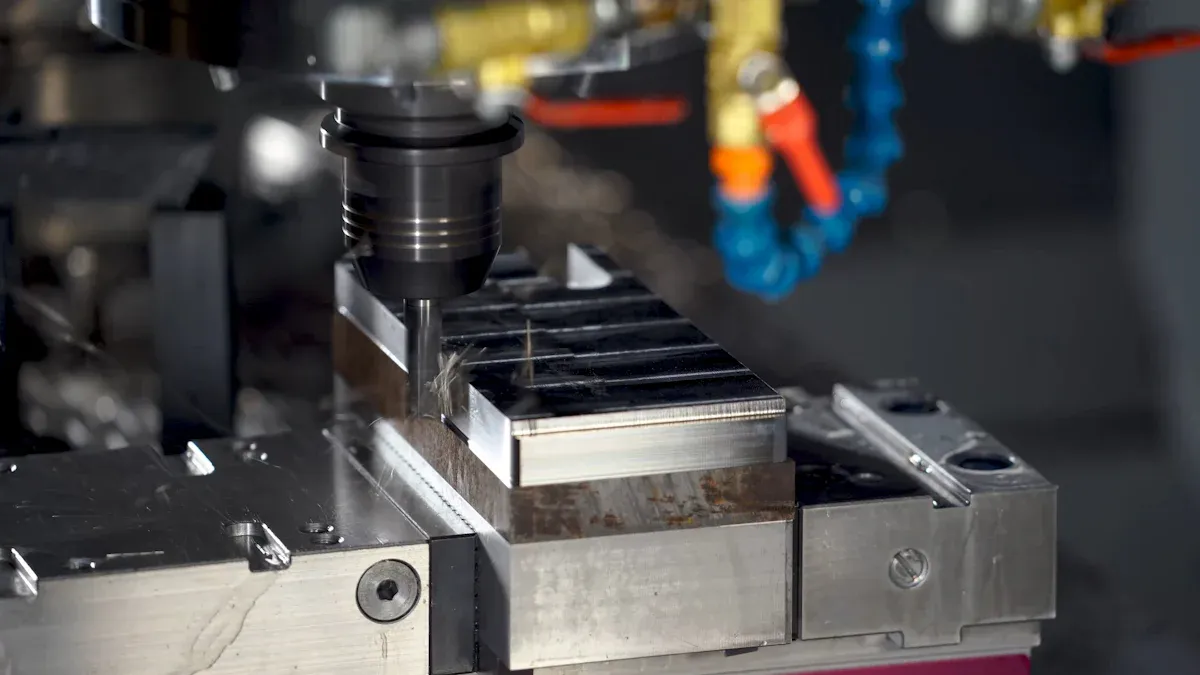
CNC Milling: Ideal for complex shapes, this method uses rotating cutting tools to remove material efficiently.
CNC Turning: Best for cylindrical parts, it rotates the workpiece to achieve tight tolerances.
CNC Drilling: Creates precise holes, ensuring consistency in mass production.
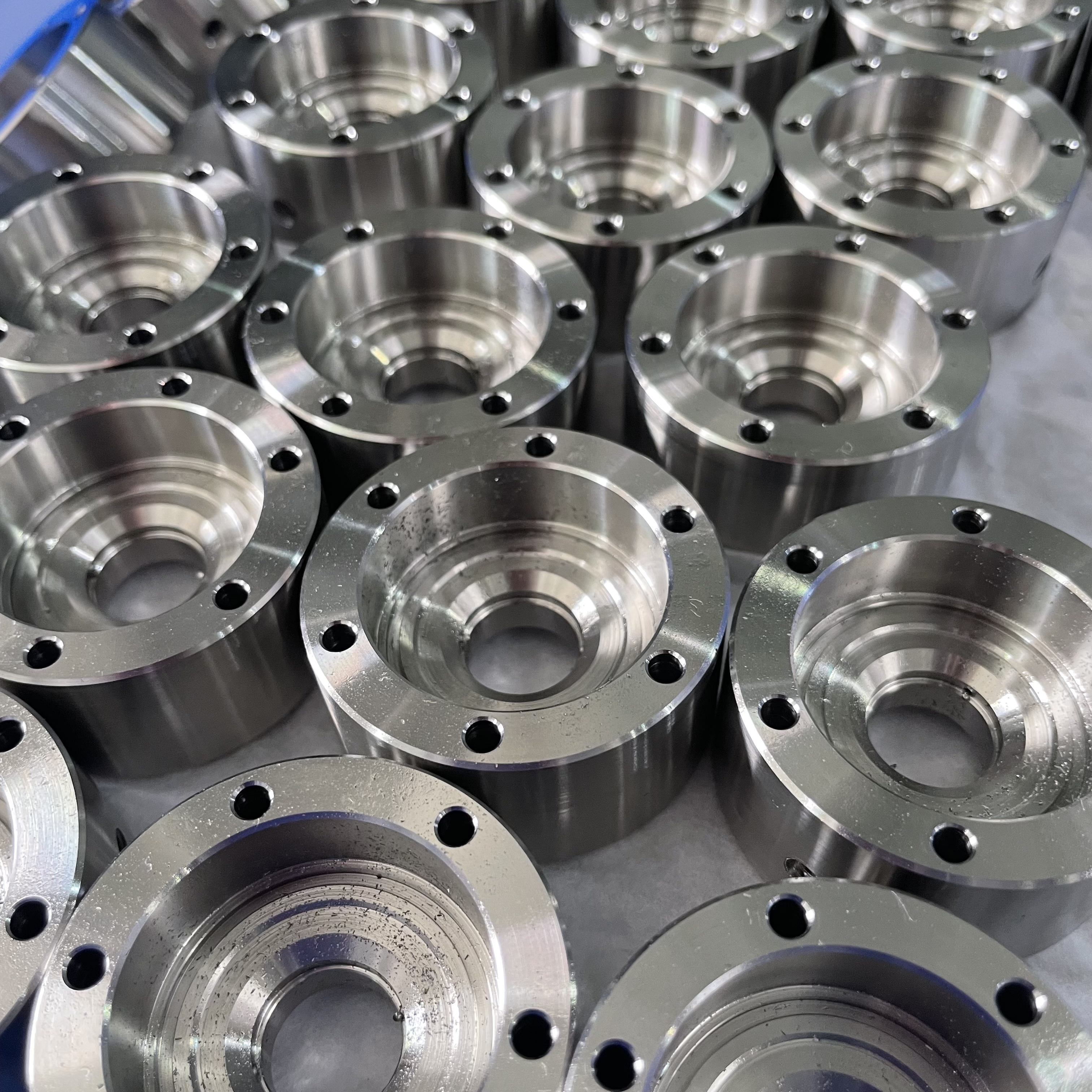
These methods allow you to produce cnc machined aluminum parts with exceptional precision and quality.
Surface Finishing and Quality Assurance
Surface finishing enhances the appearance and durability of your aluminum prototype. Popular techniques include:
Anodizing: Adds a corrosion-resistant oxide layer, improving lifespan and aesthetics.
Powder Coating: Provides a protective and decorative finish, requiring minimal maintenance.
Electroplating: Deposits a thin metal coating, boosting corrosion resistance and visual appeal.
Quality assurance involves inspecting the prototype for defects and ensuring it meets your specifications. This step guarantees your cnc machining prototypes are ready for functional testing or production.
Benefits and Challenges of CNC Aluminum Machining
Benefits: Precision, Speed, and Material Versatility
CNC aluminum machining offers unmatched precision, making it ideal for creating complex prototypes with tight tolerances. Advanced technology and skilled operators ensure minimal defects during the process. This level of accuracy is crucial when manufacturing components for industries like aerospace and electronics, where even minor errors can lead to significant issues. The process also supports rapid prototyping, allowing you to test and refine designs quickly.
Aluminum's versatility further enhances its appeal. Its strength-to-weight ratio and corrosion resistance make it suitable for various applications, from automotive parts to consumer electronics. Additionally, CNC machining accommodates a wide range of materials, including stainless steel and titanium, giving you flexibility in material selection for different projects.
Challenges: Cost, Geometrical Restrictions, and Material Waste
Despite its advantages, CNC aluminum machining comes with challenges. The cost of specialized tools and equipment can be high, especially for small-scale projects. The choice of aluminum alloy also impacts expenses. For instance, 6061-T6 is more affordable than 7075-T6, making it a better option for budget-conscious projects.
Material waste is another concern. The process involves removing excess material, which can lead to significant waste. However, aluminum's recyclability helps mitigate this issue, as machining shops can recycle chips and offcuts to reduce environmental impact. Geometrical restrictions also pose challenges. While CNC machines excel at creating intricate designs, certain shapes may require additional processes or adjustments to achieve the desired outcome.
By carefully selecting materials and optimizing machining parameters, you can address these challenges effectively and maximize the benefits of CNC aluminum machining.
Tips for Preparing Your Prototype
Optimizing CAD Models for CNC Machining
To ensure your prototype meets all requirements, optimizing your CAD models for prototype CNC machining is essential. Start by using reliable CAD software like AutoCAD or SolidWorks to create detailed designs. These tools allow you to define precise dimensions and tolerances. Once your design is ready, use CAM software such as Mastercam or Fusion 360 to convert it into machine-readable instructions. Simulation software like Vericut can help you test machining paths, reducing errors and material waste during the process.
When preparing your CAD models, consider the machining process. Select cutting tools designed for aluminum to improve chip evacuation and surface finish. Adjust cutting speed and feed rate based on the aluminum grade to enhance productivity. Implement adaptive toolpath strategies to minimize air cutting and reduce cycle times. Finally, ensure the workpiece is securely fixed to prevent vibrations that could affect the prototype's quality.
Selecting the Right Aluminum Alloy
Choosing the right aluminum alloy for your prototyping project depends on several factors. Evaluate the design complexity, required precision, production volume, and budget. For example, 6061 aluminum offers excellent machinability and corrosion resistance, making it ideal for rapid prototyping. On the other hand, 7075 aluminum provides superior strength, suitable for aerospace applications.
Factor | Description |
|---|---|
Strength and Durability | Alloys like 7075 offer high strength-to-weight ratios, suitable for aerospace and military uses. |
Corrosion Resistance | Alloys such as 6061 provide excellent corrosion resistance, vital for harsh environments. |
Machinability | Alloys like 6061 and 2024 are known for their superior machinability, affecting production time and cost. |
Selecting the right alloy ensures your working prototype meets both functional and aesthetic requirements.
Communicating Effectively with Your CNC Partner
Clear communication with your CNC machining partner is crucial for a successful prototyping project. Share your design requirements and align on quality standards, delivery timelines, and cost expectations. Work closely with your machinist to ensure your design is feasible and efficient to produce. Define specific inspection levels to maintain quality throughout the process.
Additionally, confirm that your CNC partner complies with industry standards and has strict quality control measures. Providing accurate demand forecasts can help your partner plan production effectively. Be prepared to adjust order quantities or delivery dates if necessary. Open communication ensures your aluminum prototyping process runs smoothly and delivers the desired results.
Applications of Aluminum CNC Prototyping
Aerospace and Automotive
Aluminum CNC prototyping plays a vital role in the aerospace and automotive industries. You can rely on aluminum's lightweight properties to reduce the overall weight of vehicles and aircraft, improving fuel efficiency and performance. In aerospace, CNC machining enables the creation of airframe components, turbine blades, and landing gear prototypes with exceptional precision. These parts must meet strict safety and performance standards, and CNC machining ensures they do.
In the automotive sector, aluminum prototypes are used for engine components, suspension systems, and body panels. These parts benefit from aluminum's strength-to-weight ratio, which enhances durability without adding unnecessary bulk. CNC machining also allows you to test and refine designs quickly, ensuring your final product meets both functional and aesthetic requirements.
Consumer Electronics
Aluminum CNC prototyping drives innovation in consumer electronics. You can take advantage of aluminum's strength-to-weight ratio to create lightweight yet durable devices. Its high thermal conductivity ensures effective heat dissipation, preventing overheating in components like laptops and smartphones. Additionally, aluminum's natural corrosion resistance guarantees long-lasting functionality.
Lightweight and durable designs for portable devices
Effective heat management for high-performance electronics
Corrosion resistance for extended product life
Precision machining for intricate components
Faster production cycles for cost-effective prototyping
Design flexibility for complex and innovative prototypes
These qualities make aluminum an ideal material for electronic devices, enabling you to develop cutting-edge products efficiently.
Medical Devices and Equipment
In the medical field, aluminum CNC prototyping supports the development of critical devices and equipment. Aluminum's biocompatibility and corrosion resistance make it a safe choice for surgical instruments, implants, and prosthetics. Its smooth finish allows for easy sterilization, reducing contamination risks. You can also create intricate designs that meet the healthcare industry's precise standards.
Surgical instruments
Implants
Prosthetics
Diagnostic devices
Aluminum's machinability ensures you can produce prototypes that meet both functional and regulatory requirements. This makes it an essential material for advancing medical technology.
Aluminum CNC prototyping offers a streamlined process to create precise, durable prototypes. You can benefit from its cost efficiency, rapid production cycles, and design flexibility. To maximize results, choose providers that ensure dimensional accuracy and offer post-processing services. Evaluate lead times and request detailed quotes to align with your project goals.
By focusing on preparation and partnering with experienced CNC professionals, you can unlock the full potential of aluminum CNC machining for your manufacturing needs.
FAQ
What is the typical lead time for aluminum CNC prototyping?
Lead times vary based on complexity and volume. Most projects take 1-2 weeks, but simpler designs may finish within a few days.
How do you ensure accuracy in CNC aluminum prototypes?
Accuracy depends on precise CAD models, optimized toolpaths, and quality control checks. These steps ensure your prototype meets all design specifications.
Can CNC machining handle complex aluminum designs?
Yes, CNC machining excels at creating intricate designs. Advanced tools and software allow you to achieve high precision, even for complex geometries.
See Also
Benefits of Utilizing Aluminum CNC Machining Services Effectively
Addressing Issues to Improve CNC Prototyping Precision and Speed
Achieving Excellence in CNC Machining: Tolerances and Materials
Understanding the Essentials of CNC Machining for Precision Parts
About US
Follow Us
Your prototype holds unparalleled significance, and we deeply value its uniqueness. Collaborating with you during the preparation phase for running your prototype or parts is a commitment we gladly embrace. Whether it's a single part or a complex assembly, we are dedicated to selecting the optimal tools and pathways to bring your envisioned product to life.
At Precision Fab CNC Machining, we specialize in producing parts for prototypes, short runs, and high-volume production. Our prototyping machine capabilities extend across metal, plastic, and wood machining, with welding fabrication services available to complement and finalize your prototype if required.
Address
Address: Room320 10F, Building A,Nanshan international building, Dayawan District, Huizhou, Guangdong, 516001 China
Contacts
billy@timaycnc.com