Why Aluminum is the Best Choice for Lightweight CNC Applications

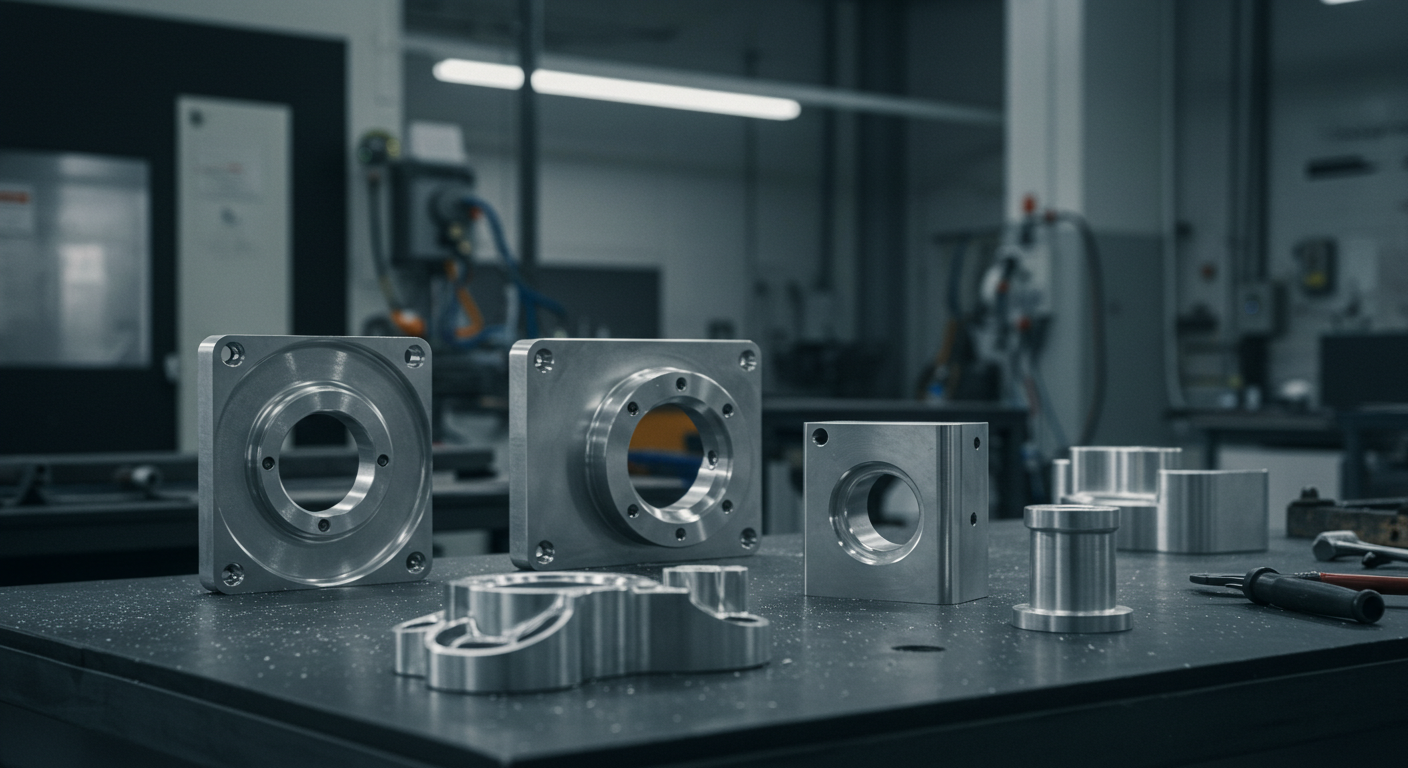
When you need a material that combines strength, durability, and efficiency, aluminum stands out as the ideal choice for CNC machining. Its lightweight nature makes it perfect for applications where reducing weight is critical. You’ll find that aluminum’s high strength-to-weight ratio ensures robust performance without adding bulk. Its exceptional machinability allows for precise shaping, cutting, and drilling, saving time and resources. Additionally, aluminum resists corrosion effectively, even in harsh environments. Industries like aerospace, automotive, and electronics rely on aluminum for creating reliable, high-performance components, from aircraft frames to electronic device housings.
Key Takeaways
Aluminum is light, helping vehicles use less fuel and save money.
It is easy to shape, allowing detailed designs and saving time.
Aluminum does not rust easily, lasting longer in tough conditions.
Different aluminum types can be picked for specific jobs to work better.
Recycling aluminum uses much less energy than making new, helping the planet.
Advantages of Aluminum for CNC Machined Parts
Lightweight and High Strength-to-Weight Ratio
Aluminum stands out as a material with a great strength to weight ratio, making it ideal for industries where reducing weight is critical. You’ll find that its density is significantly lower than steel, yet it maintains impressive strength. This combination is why the aerospace industry relies heavily on aluminum for aircraft components. It reduces the overall weight of planes, which improves fuel efficiency and lowers costs. Similarly, the automotive sector uses aluminum for engine blocks and body panels to enhance vehicle performance and fuel economy. Even in construction, aluminum’s lightweight nature allows for innovative designs without compromising durability.
Excellent Machinability
Aluminum machining is quick to machine and easy to machine, making it a favorite for CNC machining projects. Its excellent machinability allows you to create complex shapes with precision. Techniques like CNC milling and CNC turning work exceptionally well with aluminum. CNC milling removes material using rotating cutting tools, producing smooth finishes and intricate designs. CNC turning, on the other hand, is perfect for crafting symmetrical parts like shafts and bolts. These processes save time and reduce production costs, making aluminum a cost-effective choice for CNC machined parts.
Corrosion Resistance
Aluminum offers exceptional corrosion resistance, even in challenging environments. When exposed to air or water, it forms a thin layer of aluminum oxide that protects the underlying material from further damage. This natural barrier ensures high corrosion resistance, making aluminum suitable for marine, automotive, and aerospace applications. For example, marine-grade aluminum alloys like 5052 and 5083 are widely used in shipbuilding due to their ability to withstand saltwater corrosion. This durability ensures that your aluminum parts maintain their integrity over time, even in harsh conditions.
Thermal and Electrical Conductivity
Aluminum offers excellent thermal and electrical conductivity, making it a valuable material for many CNC applications. You can rely on aluminum to dissipate heat efficiently, which is why it is commonly used in heat sinks and cooling systems. Its ability to transfer heat helps prevent overheating in electronic devices, ensuring optimal performance. For example, aluminum heat sinks are widely used in computers, LED lights, and power electronics to manage temperature effectively.
In addition to thermal conductivity, aluminum also excels in electrical conductivity. It serves as a cost-effective alternative to copper in electrical applications. You’ll find aluminum in power transmission lines, where its lightweight nature and conductivity reduce the overall weight of the system while maintaining efficiency. This combination of properties makes aluminum a practical choice for industries that require both thermal and electrical performance.
Versatility of Aluminum Alloys
Aluminum’s versatility stems from its wide choice of alloys, each tailored to specific needs. You can select from a variety of aluminum alloys, each offering unique properties like enhanced strength, corrosion resistance, or machinability. For instance, 6061 aluminum is a popular choice for CNC machining due to its balanced strength and corrosion resistance. On the other hand, 7075 aluminum provides exceptional strength, making it ideal for aerospace and automotive applications.
This wide choice of alloys allows you to customize your material selection based on your project’s requirements. Whether you need lightweight components for drones or durable parts for industrial machinery, aluminum alloys provide the flexibility to meet your needs. Their adaptability ensures that you can achieve the desired balance of performance and cost-effectiveness in your CNC projects.
Cost and Environmental Benefits of Aluminum
Cost-Effectiveness in CNC Machining
Aluminum machining offers significant cost advantages compared to other materials. Its high machinability allows you to produce parts faster, reducing production time. This efficiency also minimizes tool wear, which lowers maintenance costs. While the initial cost of aluminum may be higher than some steels, the savings from reduced machining time often outweigh this difference. For CNC machining projects, aluminum proves to be less expensive to machine in the long run.
You can also benefit from aluminum’s lightweight nature, which reduces transportation costs for machined parts. This makes it an economical choice for industries like aerospace and automotive, where weight reduction is critical. By choosing aluminum, you achieve a balance between performance and cost-efficiency, making it an ideal material for CNC machining.
Recyclability and Sustainability
Aluminum stands out as one of the most recyclable materials available. It retains its properties even after repeated recycling, making it a sustainable choice for manufacturing. Recycling aluminum uses 95% less energy compared to producing new aluminum from raw materials. This energy efficiency translates to lower production costs and reduced environmental impact.
Benefit | Description |
|---|---|
Aluminum’s Recyclability | Aluminum can be recycled without losing its properties, making it sustainable for manufacturing. |
Energy Savings | Recycling aluminum uses 95% less energy than producing new aluminum from raw materials. |
CO₂ Emission Reduction | Recycling can lower greenhouse gas emissions by up to 90% compared to primary production. |
Reduced Solid Waste | Complete recyclability helps minimize landfill waste, supporting a circular economy. |
Resource Sustainability | Recycling reduces the need for bauxite extraction, preserving natural resources. |
By using recyclable aluminum in CNC machining, you contribute to a circular economy. This approach reduces landfill waste and conserves natural resources. Additionally, the lower energy requirements for recycling help decrease greenhouse gas emissions, making aluminum machining an environmentally responsible choice.
Applications of Aluminum in CNC Machining
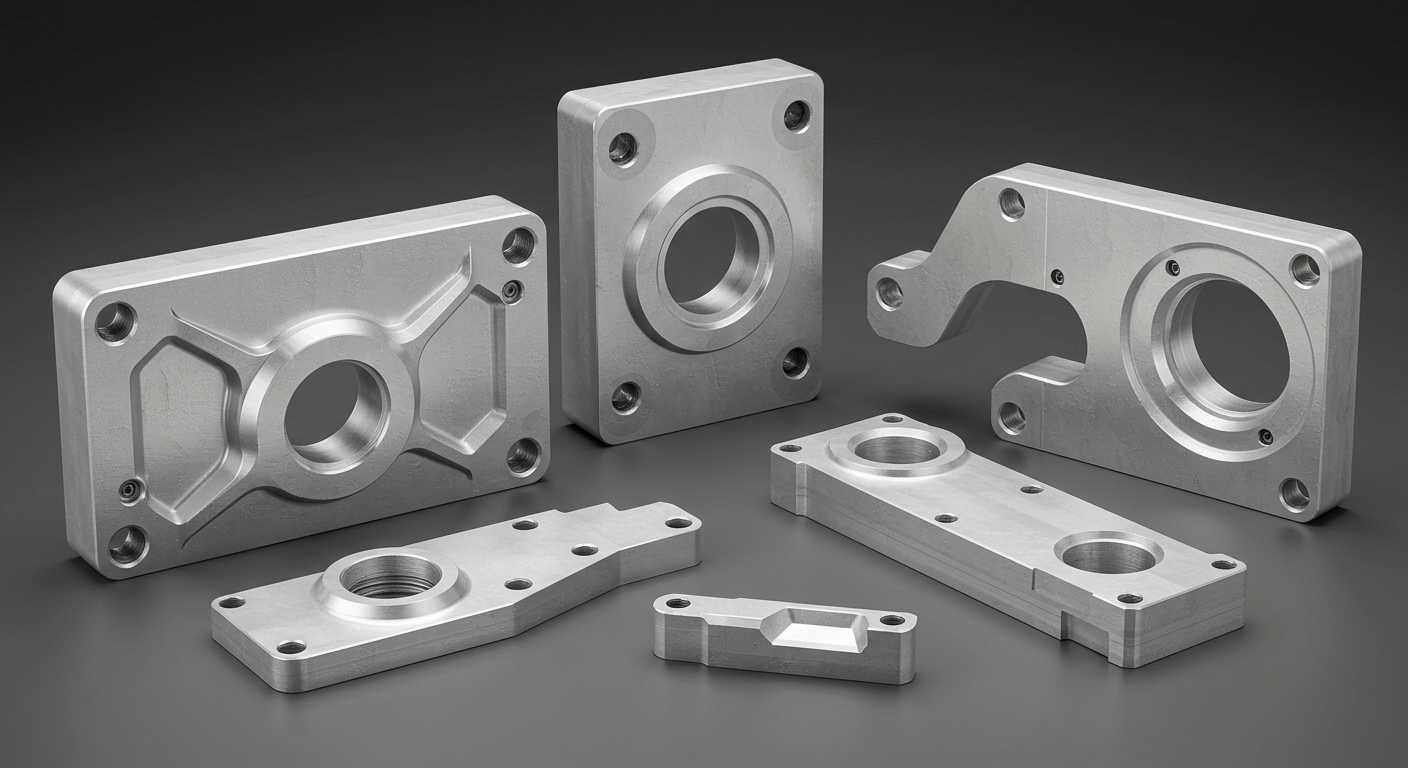
Aerospace Components
Aluminum plays a vital role in aerospace applications due to its unique properties. Its lightweight nature allows aircraft to operate with less fuel, improving fuel efficiency and reducing operational costs. This also minimizes the environmental impact of air travel. Aerospace-grade aluminum alloys, such as 7075, offer an excellent strength-to-weight ratio, ensuring structural integrity while keeping the aircraft light. These alloys also resist corrosion, making them suitable for harsh environments like high altitudes and coastal regions. You’ll find aluminum used in critical components like fuselage panels, wing structures, and landing gear parts. Its machinability enables the creation of complex shapes required for aerodynamic designs, ensuring optimal performance and safety.
Property | Description |
|---|---|
Strength-to-Weight Ratio | Provides high strength while remaining lightweight, crucial for fuel efficiency in aircraft. |
Corrosion Resistance | Ensures durability in harsh environments, such as high altitudes and coastal areas. |
Fatigue Resistance | Withstands cyclic loads, maintaining structural integrity over time. |
Malleability and Machinability | Allows for precise manufacturing of complex aerospace components. |
Automotive Parts
Aluminum machining has revolutionized the automotive industry by enabling the production of lightweight and energy-efficient vehicles. Key automotive parts manufactured using CNC machining include:
Chassis frameworks
Engine blocks
Suspension components
By using aluminum, automakers reduce vehicle weight, which enhances fuel efficiency and performance. For electric and hybrid vehicles, aluminum contributes to energy efficiency by requiring fewer or smaller batteries to achieve the same range. Its thermal management properties also help maintain optimal battery temperatures, preventing overheating and extending battery life. Additionally, aluminum’s corrosion resistance ensures durability, even in challenging environments. These benefits make aluminum an indispensable material for modern automotive applications.
Aluminum is lighter than steel, improving fuel efficiency and extending the range of electric vehicles.
Its corrosion-resistant properties enhance the lifespan of vehicles, especially in harsh conditions.
Aluminum is fully recyclable, aligning with sustainability goals in the automotive sector.
Electronics and Consumer Devices
Aluminum is a preferred material for electronics and consumer devices due to its lightweight, durable, and heat-dissipating properties. Its use in CNC machining allows manufacturers to create intricate designs with precision, ensuring both functionality and aesthetics. For example, laptops and smartphones often feature CNC-machined aluminum enclosures that protect internal components while offering a sleek, modern look. Aluminum’s ability to dissipate heat effectively prevents overheating in devices like gaming consoles and LED systems, enhancing performance and longevity.
Advantage | Description |
|---|---|
Lightweight | Enables thinner, more portable designs for electronics. |
Heat Dissipation | Prevents overheating, ensuring optimal device performance. |
Cost-Effective | Reduces production costs compared to other materials. |
Corrosion Resistance | Ensures durability, even in harsh environments. |
Recycling Efficiency | Promotes sustainability by using only 5% of the energy required for other materials. |
Device Type | Example Brands | Description |
|---|---|---|
Laptops | Apple, Samsung | CNC-machined aluminum enclosures protect internal components and provide a sleek design. |
Smartphones | Apple, Samsung | Aluminum housings enhance durability and aesthetics. |
Tablets | Apple, Samsung | Stylish aluminum designs improve user experience and device protection. |
Gaming Consoles | Various | Aluminum heat sinks dissipate heat effectively, improving performance. |
LED Systems | Various | Intricate designs for heat sinks enhance longevity and efficiency. |
Aluminum’s versatility and machinability make it an ideal choice for electronics and consumer devices, ensuring high-quality products that meet modern demands.
Medical and Robotics Applications
Aluminum plays a crucial role in medical and robotics applications due to its unique properties. Its lightweight nature allows you to design portable medical devices and robotic systems without compromising functionality. This material’s high machinability ensures precise manufacturing of intricate components, which is essential for advanced medical tools and robotic parts.
In the medical field, aluminum machining enables the production of surgical instruments, prosthetics, and diagnostic equipment. For example, CNC machining creates custom prosthetic limbs that are both durable and lightweight, improving patient comfort and mobility. Aluminum’s corrosion resistance ensures these devices remain reliable, even in environments where sterilization and hygiene are critical.
Robotics also benefits significantly from aluminum. Its strength and low weight make it ideal for robotic arms, joints, and frames. These components require precision and durability to handle repetitive tasks in industrial and medical settings. Aluminum’s thermal conductivity helps manage heat generated by robotic systems, ensuring consistent performance over time.
You can also rely on aluminum alloys to meet specific requirements in these applications. For instance, 6061 aluminum offers a balance of strength and corrosion resistance, making it suitable for medical implants and robotic structures. The versatility of aluminum machining allows you to create complex designs that meet the demands of cutting-edge technology.
By choosing aluminum for medical and robotics applications, you achieve a balance of performance, precision, and cost-effectiveness. Its recyclability further enhances its appeal, making it a sustainable choice for industries focused on innovation and efficiency.
Aluminum’s lightweight nature and exceptional machinability make it the ideal material for CNC machining. Its impressive strength-to-weight ratio ensures durability without adding unnecessary bulk, which is crucial for industries like aerospace and automotive. You’ll also benefit from its corrosion resistance, which extends the lifespan of machined parts.
Its versatility enhances its appeal across various applications. For example:
In aerospace, aluminum improves fuel efficiency due to its low density.
In construction, it reduces structural load while resisting corrosion.
In electronics, it dissipates heat effectively, ensuring device performance.
By choosing aluminum for your CNC projects, you achieve superior performance, cost-efficiency, and sustainability. Its recyclability and adaptability to future innovations, such as new alloys and energy-efficient machining systems, further solidify its position as the best material for lightweight applications.
FAQ
What makes aluminium better than steel for lightweight CNC applications?
Aluminium offers a superior strength-to-weight ratio compared to steel. It weighs significantly less while maintaining excellent durability. This makes it ideal for industries like aerospace and automotive, where reducing weight improves efficiency and performance.
Can aluminium be used for high-precision CNC machining?
Yes, aluminium is perfect for high-precision CNC machining. Its excellent machinability allows you to create intricate designs with tight tolerances. This makes it a preferred material for applications requiring accuracy, such as electronics and medical devices.
How does aluminium resist corrosion in harsh environments?
Aluminium forms a natural oxide layer when exposed to air. This layer protects it from further corrosion, even in challenging conditions like saltwater or high humidity. For added protection, you can use specific aluminium alloys designed for extreme environments.
Is aluminium environmentally friendly for CNC machining?
Absolutely. Aluminium is one of the most recyclable materials. Recycling it uses 95% less energy than producing new aluminium. This reduces greenhouse gas emissions and supports sustainable manufacturing practices.
Which aluminium alloy is best for CNC machining?
The choice depends on your project. For general use, 6061 aluminium offers a balance of strength, corrosion resistance, and machinability. If you need higher strength, 7075 aluminium is a great option, especially for aerospace and automotive applications.
See Also
Benefits of Utilizing Aluminum CNC Machining Services Today
A Deep Dive Into CNC Machining Aluminium Alloy 7075
Your 2024 Handbook for CNC Machining Aluminum Alloys
Key Strategies for Scratch-Free CNC Machining Aluminum Parts
About US
Follow Us
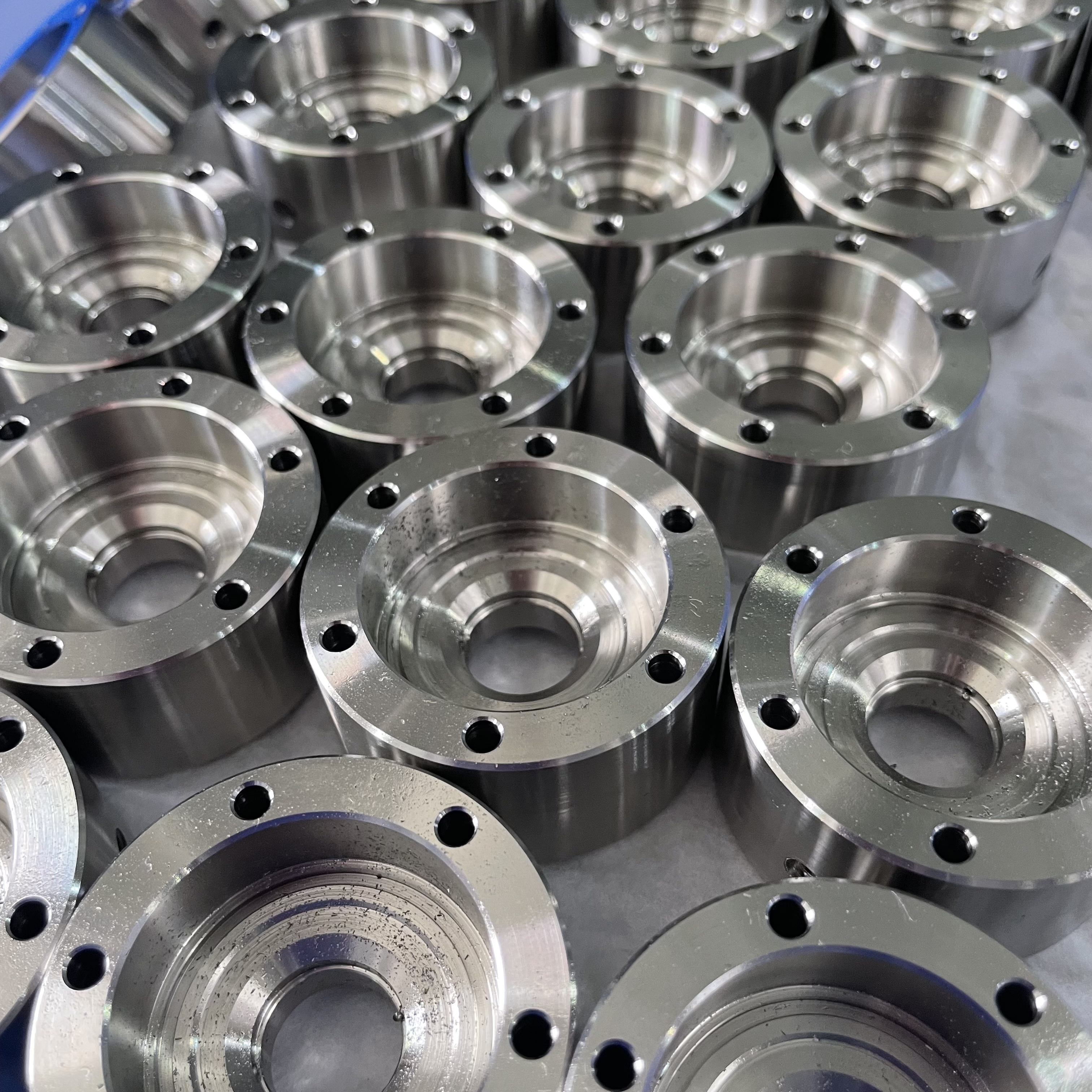
Your prototype holds unparalleled significance, and we deeply value its uniqueness. Collaborating with you during the preparation phase for running your prototype or parts is a commitment we gladly embrace. Whether it's a single part or a complex assembly, we are dedicated to selecting the optimal tools and pathways to bring your envisioned product to life.
At Precision Fab CNC Machining, we specialize in producing parts for prototypes, short runs, and high-volume production. Our prototyping machine capabilities extend across metal, plastic, and wood machining, with welding fabrication services available to complement and finalize your prototype if required.
Address
Address: Room320 10F, Building A,Nanshan international building, Dayawan District, Huizhou, Guangdong, 516001 China
Contacts
billy@timaycnc.com