Why Aluminum is Ideal for Lightweight and Durable Components in CNC Machining

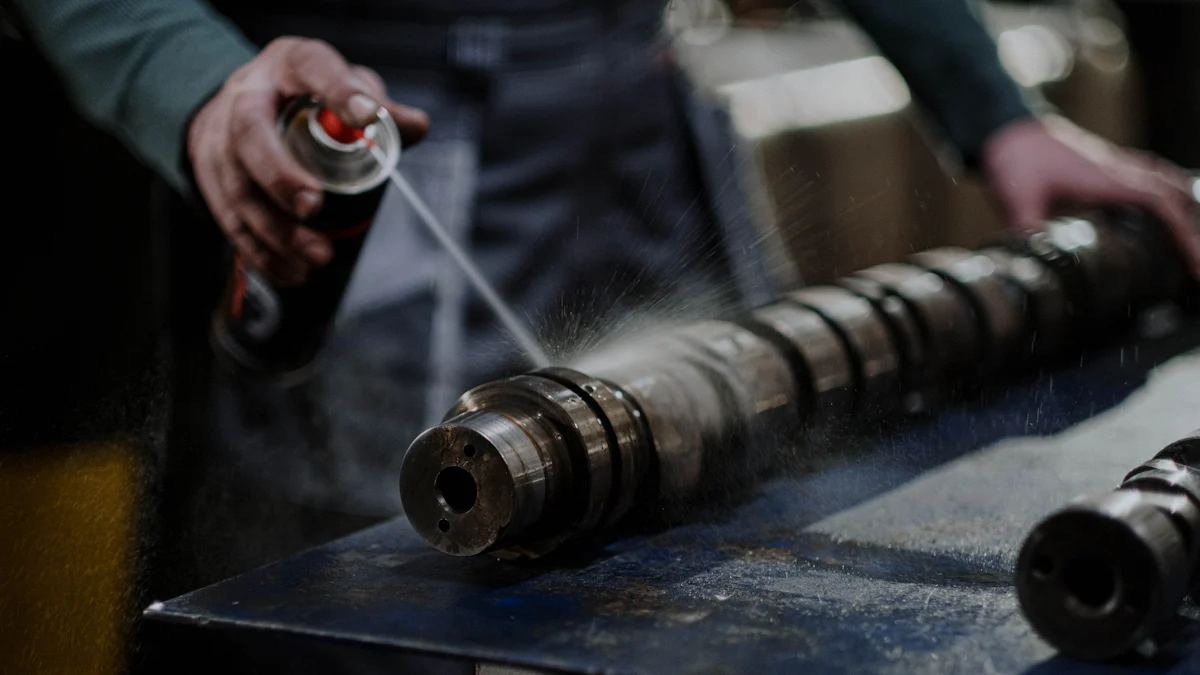
You’ll find aluminum to be an exceptional material for CNC machining due to its unique properties. Its lightweight nature and impressive strength-to-weight ratio make it ideal for creating durable components. Aluminum resists corrosion, ensuring long-lasting performance in various environments. Its recyclability also makes it cost-effective. Recycling aluminum uses only 5-10% of the energy required for primary production, saving manufacturers significant costs. For every ton recycled, around 14,000 kWh of energy is conserved. These benefits, combined with its machinability, make aluminum a top choice for high-quality CNC machined parts.
Key Takeaways
Aluminum is light and strong, making it great for parts needing less weight but staying tough.
It resists rust naturally, lasting longer and cutting repair costs in tough places like oceans or airplanes.
Aluminum is easy to shape, speeding up production and saving tools, which lowers costs in CNC machining.
Recycling aluminum uses less energy and cuts pollution, helping the environment.
Picking the right aluminum type, like 6061 or 7075, improves how it works for specific jobs, keeping it reliable and efficient.
Aluminum's Key Properties for CNC Machining
Lightweight and Great Strength to Weight Ratio
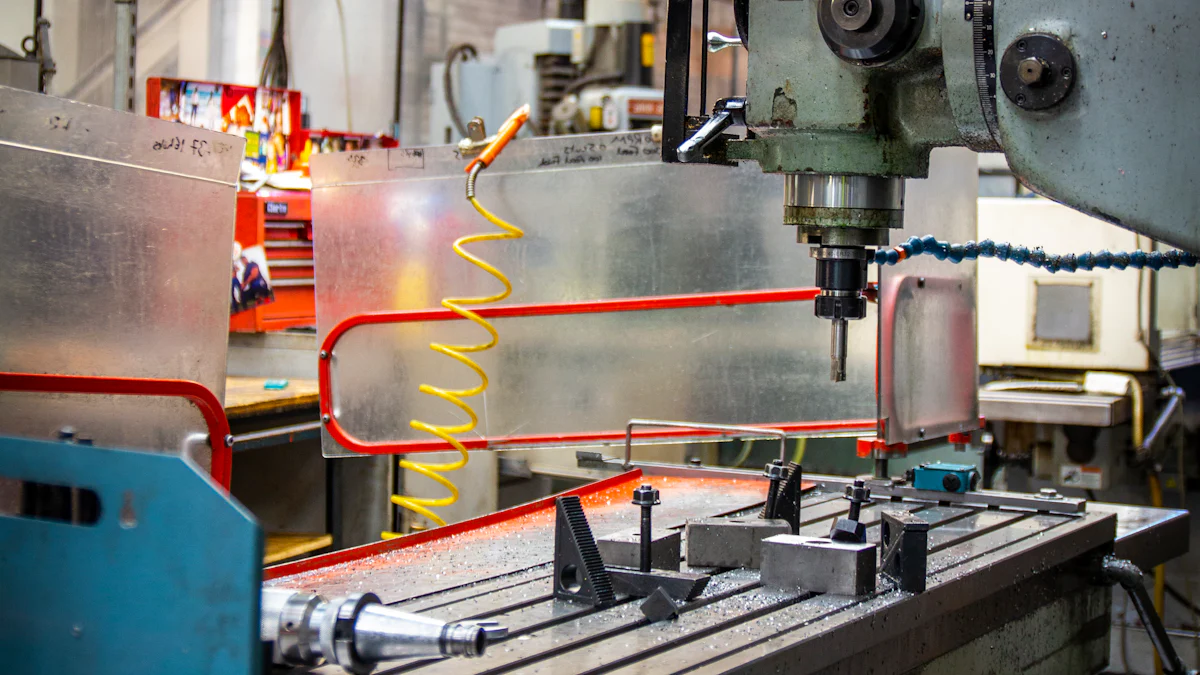
Aluminum stands out for its lightweight nature and exceptional strength-to-weight ratio. This property makes it a preferred material for applications where reducing weight is critical without compromising strength. For instance, 7075 aluminum offers the highest strength-to-weight ratio among aluminum alloys, making it twice as strong as 6061. Similarly, 2024-T4 aluminum is renowned for its fatigue resistance and strength, making it ideal for aerospace components. In fact, certain aluminum alloys can rival or even surpass steel in strength per unit mass. This unique combination of properties ensures that aluminum delivers both durability and efficiency in CNC machining projects.
Corrosion Resistance and Durability
Aluminum naturally forms a protective oxide layer, which shields it from corrosion. This makes it highly durable, even in harsh environments. Unlike steel, which often requires additional coatings to prevent rust, aluminum maintains its integrity over time. This corrosion resistance is particularly advantageous in industries like marine, automotive, and aerospace, where components are exposed to moisture or extreme conditions. By choosing aluminum for CNC machined parts, you ensure long-lasting performance and reduced maintenance costs.
High Machinability for Precision CNC Machined Parts
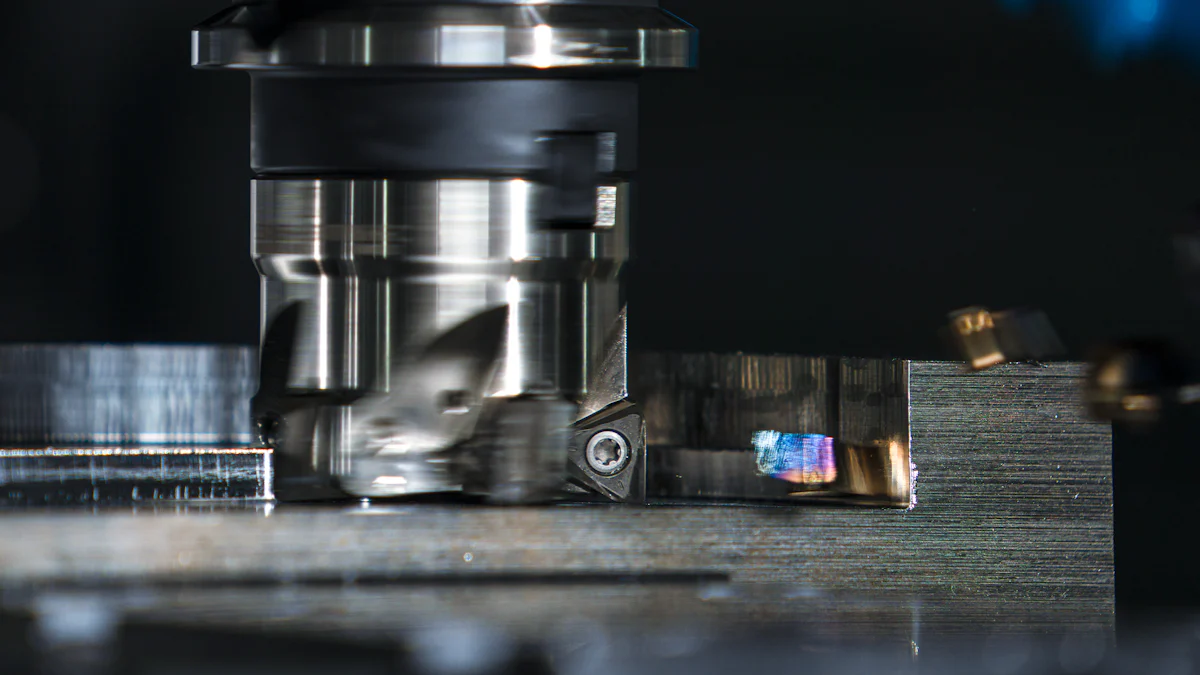
Aluminum's high machinability makes it an excellent choice for creating precise CNC machined parts. Its softness and low melting point allow for faster cutting speeds and reduced tool wear. Various machining techniques benefit from aluminum's properties. For example, CNC milling achieves precise cuts without deforming the material, while high-speed machining improves surface finishes and reduces production time. Ultrasonic machining is another technique that excels with aluminum, enabling intricate cuts with minimal heat generation. These advantages of aluminium machining ensure efficient production and high-quality results.
Thermal and Electrical Conductivity
Aluminum excels in thermal and electrical conductivity, making it a standout material for CNC machining. Its high thermal conductivity allows it to dissipate heat quickly and efficiently. This property is essential for applications like heat sinks, heat exchangers, and cooling systems. For example, aluminum components in electronic devices help prevent overheating by transferring heat away from sensitive parts. Compared to steel, aluminum is a more efficient thermal conductor. This advantage makes it ideal for engine components and other products requiring rapid heat dissipation.
In addition to thermal conductivity, aluminum offers excellent electrical conductivity. It is widely used in electrical applications, such as power transmission lines and connectors. Its lightweight nature further enhances its suitability for these uses, reducing the overall weight of electrical systems. When you choose aluminum for CNC machining, you benefit from its ability to handle both heat and electricity effectively. These properties ensure reliable performance in demanding environments.
Recyclability and Environmental Benefits
Aluminum's recyclability provides significant environmental and economic advantages. Recycling aluminum requires only 5-10% of the energy needed for primary production. This energy efficiency translates to lower production costs and reduced greenhouse gas emissions. For every ton of aluminum recycled, approximately 16.6 tons of CO2 emissions are avoided. This makes aluminum a sustainable choice for CNC machining.
Recycling also conserves natural resources. It reduces the need for mining bauxite ore, which helps protect ecosystems and preserves valuable materials. Additionally, recycling keeps about 1.3 million tons of aluminum out of landfills annually. This contributes to better waste management and a cleaner environment. By using recycled aluminum, you support sustainable manufacturing practices while enjoying cost savings.
Benefit | Description |
|---|---|
Energy Conservation | Producing aluminum from recycled material requires only about 5-10% of the energy needed for primary production. |
Resource Preservation | Reduces the need for mining new bauxite ore, protecting ecosystems and conserving natural resources. |
Reduction of Greenhouse Gas Emissions | Recycling aluminum avoids about 16.6 tons of CO2 emissions per ton recycled, crucial for climate change mitigation. |
By choosing aluminum and its alloys for CNC machining, you contribute to a greener future. Its recyclability ensures that it remains a sustainable and cost-effective material for various industries.
Comparison of Aluminum with Other Metals in CNC Machining
Aluminum vs. Steel: Weight and Durability
When comparing aluminum and steel, you’ll notice significant differences in weight and durability. Aluminum is about one-third the density of steel, making it much lighter. This lightweight property makes aluminum ideal for weight-sensitive applications like aerospace and automotive components. Steel, on the other hand, excels in durability, especially under repetitive stress. Its superior fatigue strength makes it a better choice for stationary equipment or applications requiring high wear resistance.
Aluminum also offers excellent corrosion resistance due to its natural oxide layer, reducing the need for additional coatings. Steel, while durable, often requires protective treatments to prevent rust. The table below highlights key differences:
Property | Aluminum | Steel |
|---|---|---|
Density | About one-third that of steel | Heavier than aluminum |
Weight | Advantageous for weight-sensitive applications | Beneficial for stability in stationary equipment |
Durability | Good for static loads, less so under repetitive stress | Excels under repetitive loading due to superior fatigue strength |
Aluminum vs. Titanium: Cost and Performance
Aluminum outshines titanium in cost-effectiveness for CNC machining projects. Titanium’s hardness requires slower machining speeds, increasing production time and costs. Aluminum, with its excellent machinability, allows faster cutting speeds and reduces tool wear. This results in lower operational costs.
Titanium’s toughness often necessitates additional post-processing, further driving up expenses. Aluminum, by contrast, typically requires less intensive finishing. While titanium offers unmatched strength and corrosion resistance, aluminum provides a balanced solution for projects where cost and performance are equally important.
Cost-Effectiveness of Aluminum in CNC Machining
Aluminum’s cost-effectiveness stems from its machinability and material properties. Its low density and high malleability reduce tool wear and energy consumption during machining. Alloys like 6061-T651 and 7075-T651 combine strength and affordability, making aluminum a practical choice for CNC machined parts. Compared to metals like titanium or stainless steel, aluminum machining delivers faster production times and lower costs without compromising quality.
Performance Advantages of Aluminum in CNC Machined Parts
Aluminum offers several performance advantages that make it a standout material for CNC machining. Its lightweight nature simplifies the machining process and reduces the overall weight of finished parts. This property is especially beneficial in industries like aerospace and automotive, where weight reduction improves efficiency and performance.
The high strength-to-weight ratio of aluminum ensures durability without adding unnecessary bulk. This makes it ideal for applications requiring robust components that remain lightweight. For example, aluminum alloys like 7075 are commonly used in structural parts due to their impressive strength and reliability.
You’ll also find aluminum highly machinable. Its softness and low melting point allow for faster cutting speeds and precise shaping. This machinability enables the creation of intricate designs and complex parts with minimal tool wear. As a result, you can achieve high-quality results while maintaining cost efficiency.
Another advantage is aluminum’s natural corrosion resistance. The protective oxide layer on its surface prevents rust and degradation, even in harsh environments. This durability reduces maintenance needs and extends the lifespan of machined components, making aluminum a practical choice for long-term use.
Aluminum also excels in thermal and electrical conductivity. Its ability to dissipate heat quickly makes it perfect for heat sinks and cooling systems. In electrical applications, aluminum’s conductivity ensures efficient power transmission and reliable performance.
By choosing aluminum for CNC machining, you gain a material that combines lightweight properties, strength, and versatility. These advantages make it a preferred option for creating durable, high-performance components across various industries.
Popular Aluminum Alloys for CNC Machining
6061 Aluminum: Versatility and Strength
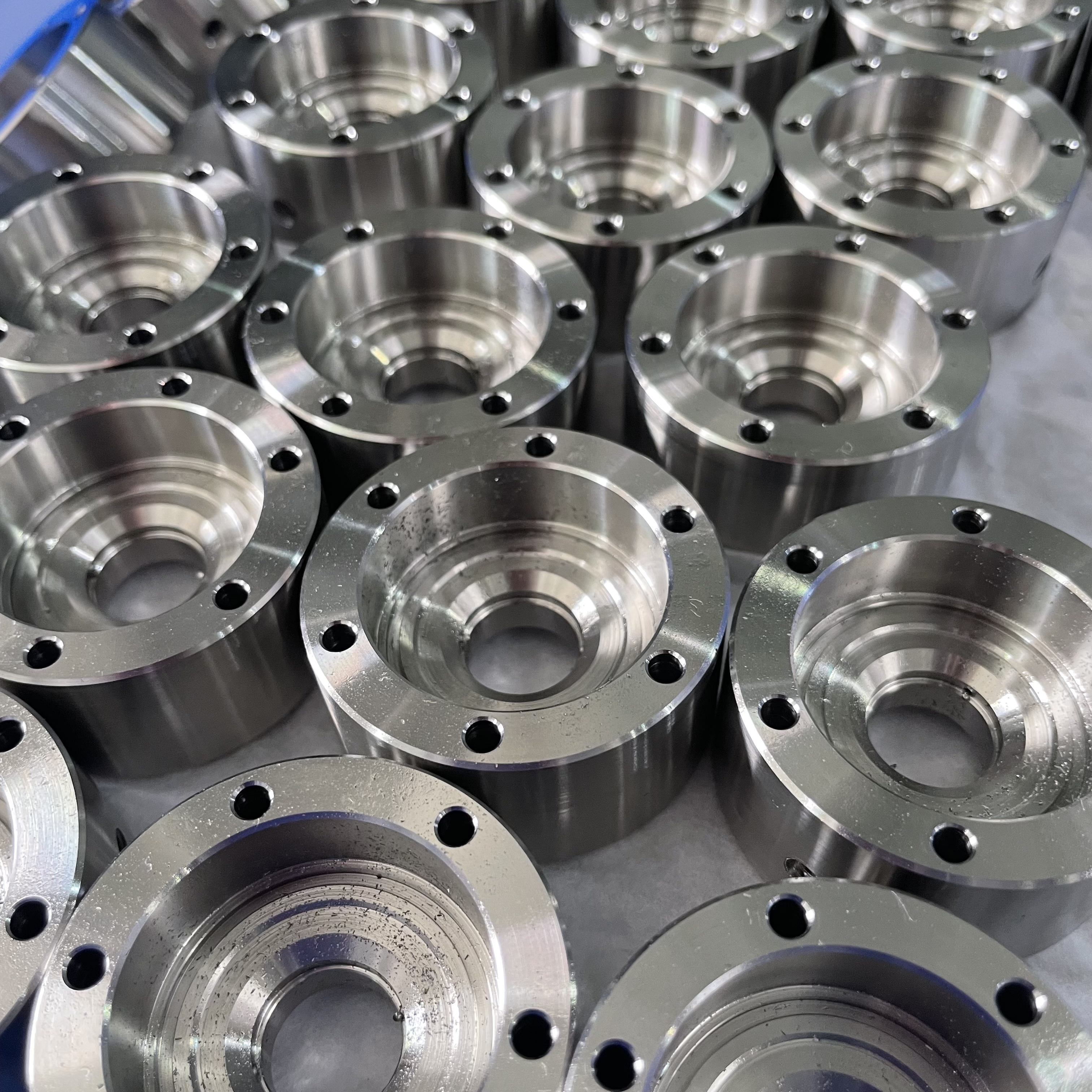
6061 aluminum is one of the most versatile alloys you can use in CNC machining. Its combination of strength, corrosion resistance, and excellent machinability makes it suitable for a wide range of applications. You’ll find this alloy particularly useful in industries like aerospace, automotive, and general manufacturing.
Some common uses of 6061 aluminum include:
Aircraft parts
Structural components
Cylinder heads and pipes
Electronics and computer parts
Recreation equipment like bicycle frames and valves
This alloy is easy to machine and quick to machine, allowing you to produce high-quality parts efficiently. Its high corrosion resistance ensures durability, even in challenging environments. Whether you need lightweight automotive parts or robust structural components, 6061 aluminum offers a reliable solution.
7075 Aluminum: High Strength Applications
When you need high strength, 7075 aluminum stands out as an excellent choice. This alloy is known for its superior strength-to-weight ratio, making it ideal for demanding applications. Industries like aerospace, defense, and automotive rely on 7075 aluminum for its exceptional performance.
You’ll often see 7075 aluminum used in:
Aircraft fittings and missile parts
Gears, shafts, and regulating valve parts
Bicycle chainrings and gearboxes
Archery equipment
The alloy’s first major use was in the Mitsubishi A6M Zero fighter aircraft, where its high strength contributed to the plane’s agility. Despite its strength, 7075 aluminum remains easy to machine, allowing you to create precise and durable components for high-performance applications.
2024 Aluminum: Aerospace and Automotive Uses
2024 aluminum is a top choice for aerospace and automotive industries due to its high strength-to-weight ratio and excellent fatigue resistance. These properties make it perfect for structural applications and components subjected to repeated stress.
You’ll find 2024 aluminum commonly used in:
Aircraft structural elements
Automotive parts requiring precision machining
Military applications
This alloy’s machinability allows you to create complex designs with ease. Its yield strength, approaching 50,000 psi, ensures reliability in demanding environments. By machining this material, you can produce lightweight yet durable parts that meet the rigorous standards of aerospace and automotive industries.
5052 Aluminum: Corrosion Resistance and Flexibility
5052 aluminum is a standout material when you need corrosion resistance and flexibility in your machining projects. Its unique properties make it highly durable in environments that challenge other materials. You’ll find this alloy particularly effective in applications exposed to moisture, chemicals, or saltwater.
Key features of 5052 aluminum include:
Exceptional resistance to atmospheric conditions.
High durability in harsh chemical environments, including saltwater.
Longevity in applications exposed to corrosive elements.
The absence of copper in 5052 aluminum enhances its resistance to saltwater corrosion. Its high magnesium content improves its ability to withstand chemical attacks, such as exposure to concentrated nitric acid or ammonia. Additionally, this alloy forms a protective oxide layer, which further boosts its durability in corrosive environments. These properties make 5052 aluminum a reliable choice for marine applications, chemical processing equipment, and outdoor structures.
Flexibility is another advantage of 5052 aluminum. Its excellent formability allows you to create complex shapes without compromising strength. This makes it ideal for components requiring intricate designs or frequent bending. Whether you’re machining parts for marine vessels or food processing machinery, 5052 aluminum delivers both performance and adaptability.
Applications of CNC Machined Aluminum Alloys
CNC machined aluminum alloys are widely used across industries due to their versatility and performance. You’ll see them in applications ranging from aerospace to electronics. Here are some common uses:
Aerospace Industry: Aircraft fittings, frames, and critical components.
Automotive Industry: Engine components, chassis, and wheels.
Electronics: Housings for devices like smartphones and laptops.
Medical Devices: Components for surgical tools and diagnostic instruments.
Defense Industry: Lightweight components for military applications.
Marine Applications: Parts for ships and marine vessels.
Food Industry: Machinery parts for food processing.
3D Printing Equipment: High-precision parts for 3D printers.
Prototyping: Rapid prototyping due to ease of machinability.
Different aluminum alloys excel in specific applications. For example, 6061 is perfect for structural parts and electronics, while 7075 is ideal for gears and missile components. In aerospace, 2024 aluminum is a top choice for its strength and fatigue resistance. Each alloy offers unique benefits, ensuring you can find the right material for your project.
By choosing CNC machined aluminum alloys, you gain access to materials that combine strength, corrosion resistance, and machinability. These qualities make them indispensable in industries requiring precision and durability.
Practical Benefits of Aluminum in CNC Machining
Faster Production Times with Aluminum
You can achieve faster production times when using aluminum in CNC machining. Its excellent machinability allows for higher cutting speeds, enabling quicker material removal. This reduces the overall machining time significantly. Aluminum also causes less wear on tools, which extends their lifespan and minimizes the need for frequent replacements. These factors not only speed up production but also lower operational costs.
For example:
Aluminum’s softness and low melting point make it easier to cut and shape.
Tools last longer due to reduced friction and heat generation.
Shorter machining cycles mean you can complete more projects in less time.
By choosing aluminum machining, you streamline your production process while maintaining high-quality results.
Versatile Finishing Options for CNC Machined Parts
Aluminum offers a wide range of finishing options, allowing you to customize the surface finish of your CNC machined parts. Whether you prioritize aesthetics or functionality, you’ll find a finishing method that meets your needs.
Here are some popular options:
As-Machined Finish: Retains visible tool marks, suitable for functional parts.
Bead Blasting: Creates a matte texture for a uniform appearance.
Anodizing: Adds a protective oxide layer, enhancing corrosion resistance.
Powder Coating: Provides a durable and colorful finish.
Electroplating: Deposits a metal layer for improved properties.
Brushing: Produces a textured, decorative look.
Polishing: Achieves a shiny, reflective surface.
Passivation: Improves corrosion resistance without altering the appearance.
Chemical Conversion Coating (Alodine): Prepares parts for painting while boosting corrosion resistance.
These options ensure that your aluminum components meet both functional and aesthetic requirements.
Reduced Tool Wear and Maintenance
Aluminum’s properties help reduce tool wear and maintenance during machining. Its softness generates less friction, which minimizes heat buildup and tool degradation. You can further enhance performance by using tools made from carbide or cobalt alloys, as they resist wear effectively.
To prevent chip accumulation, increase coolant flow and use tools with chip-breaking features. Advanced cooling systems also help manage heat, ensuring consistent machining performance. Regularly monitoring tool wear ensures accuracy and maintains the surface finish of your parts.
By machining aluminum, you reduce downtime for tool maintenance and extend the lifespan of your equipment. This improves efficiency and lowers long-term costs.
Applications in Key Industries (e.g., Aerospace, Automotive, Electronics)
Aluminum plays a vital role in several industries due to its unique properties and compatibility with CNC machining. Its lightweight nature, durability, and machinability make it indispensable for creating high-performance components.
Aerospace Industry: You’ll find aluminum alloys extensively used in aerospace applications. Aircraft fittings, frames, and structural components rely on aluminum for its high strength-to-weight ratio. This ensures safety and efficiency while reducing overall weight.
Automotive Industry: Aluminum components are essential in modern vehicles. Engine parts, chassis, and wheels benefit from the material’s durability and heat resistance. These properties improve vehicle performance and fuel efficiency.
Electronics: Aluminum is a popular choice for electronic device housings. CNC machining creates precise and protective enclosures for smartphones, laptops, and tablets. These housings not only safeguard internal components but also provide a sleek, professional finish.
Medical Devices: Precision machining of aluminum supports the production of surgical tools and diagnostic instruments. Its lightweight and corrosion-resistant properties ensure reliability in medical environments.
Defense Industry: Aluminum’s strength and lightweight nature make it ideal for military applications. CNC machining produces durable components for vehicles, weapons systems, and protective gear.
Marine Applications: Aluminum resists corrosion, even in saltwater environments. This makes it perfect for manufacturing ship parts and marine equipment.
Food Industry: Aluminum’s hygienic properties and resistance to corrosion make it suitable for food processing machinery. CNC machining ensures these parts meet strict safety and quality standards.
3D Printing Equipment: Aluminum components are crucial in 3D printing machines. CNC machining delivers the precision required for these high-tech devices.
Prototyping: Aluminum’s machinability makes it a top choice for rapid prototyping. You can quickly create accurate models and test designs before full-scale production.
Each of these industries benefits from aluminum’s versatility and the precision of CNC machining. Whether you’re designing aerospace components or electronic housings, aluminum ensures high-quality results.
Aluminum stands out as the ideal material for CNC machining due to its unique properties. You benefit from its lightweight nature, which reduces overall weight without sacrificing strength. Its high strength-to-weight ratio ensures durability in demanding applications. Aluminum’s excellent machinability allows you to create precise, intricate parts efficiently. Its natural corrosion resistance and high thermal conductivity further enhance its performance. By choosing aluminum, you achieve faster production, lower costs, and sustainable manufacturing. These advantages make it a preferred choice for industries seeking reliable and durable CNC machined components.
FAQ
What makes aluminum better than other metals for CNC machining?
Aluminum offers a unique combination of lightweight properties, high strength-to-weight ratio, and excellent machinability. These features allow you to produce precise parts quickly while reducing tool wear. Its corrosion resistance and thermal conductivity further enhance its performance compared to metals like steel or titanium.
Can aluminum alloys handle high-stress applications?
Yes, specific aluminum alloys like 7075 and 2024 excel in high-stress environments. These alloys provide exceptional strength and fatigue resistance, making them ideal for aerospace, automotive, and defense applications. You can rely on them for durability without adding unnecessary weight.
Is aluminum environmentally friendly for manufacturing?
Absolutely! Aluminum is highly recyclable, requiring only 5-10% of the energy used for primary production. Recycling aluminum reduces greenhouse gas emissions and conserves natural resources. By choosing aluminum, you support sustainable manufacturing practices while lowering production costs.
How does aluminum’s machinability benefit production?
Aluminum’s machinability allows faster cutting speeds and reduces tool wear. This means you can complete projects more quickly and with less maintenance. Its softness and low melting point also enable intricate designs, ensuring high-quality results for complex parts.
Which industries benefit most from CNC machined aluminum parts?
Industries like aerospace, automotive, electronics, and medical devices benefit significantly. Aluminum’s lightweight nature, corrosion resistance, and precision make it ideal for aircraft components, engine parts, electronic housings, and surgical tools. Its versatility ensures reliable performance across various applications.
💡 Tip: Choose the right aluminum alloy for your project to maximize performance and cost-efficiency.
See Also
Benefits of Utilizing CNC Machining Services for Aluminum
A Deep Dive into CNC Machining of Alloy 7075
How to Achieve Scratch-Free CNC Machining for Aluminum
CNC Machining Aluminum Alloys 6061 and 7075: A 2024 Overview
Comprehensive Guide to CNC Turning RC Car Aluminum Components
About US
Follow Us
Your prototype holds unparalleled significance, and we deeply value its uniqueness. Collaborating with you during the preparation phase for running your prototype or parts is a commitment we gladly embrace. Whether it's a single part or a complex assembly, we are dedicated to selecting the optimal tools and pathways to bring your envisioned product to life.
At Precision Fab CNC Machining, we specialize in producing parts for prototypes, short runs, and high-volume production. Our prototyping machine capabilities extend across metal, plastic, and wood machining, with welding fabrication services available to complement and finalize your prototype if required.
Address
Address: Room320 10F, Building A,Nanshan international building, Dayawan District, Huizhou, Guangdong, 516001 China
Contacts
billy@timaycnc.com