Bead Blasting Aluminum: Achieving a Matte Finish with CNC

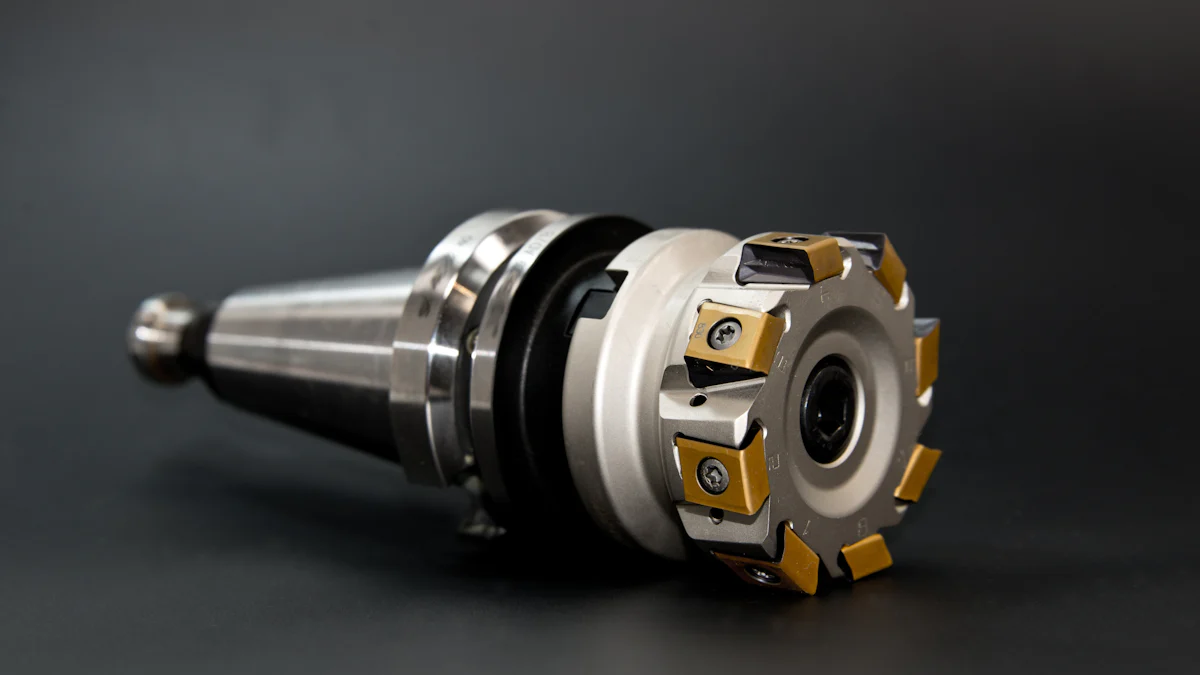
Bead blasting aluminum offers a precise way to achieve a matte finish. This process eliminates surface imperfections, creating a uniform and attractive appearance. It enhances mechanical strength without altering dimensions, making it ideal for delicate parts. Industries like aerospace and consumer electronics rely on CNC machining to ensure consistent, high-quality results.
Key Takeaways
Bead blasting aluminum makes a smooth, dull finish by fixing surface flaws without harming the metal.
Preparing the surface is important; clean the aluminum well for the best results during bead blasting.
CNC machines help make bead blasting more exact, giving even finishes on tricky shapes.
Understanding Bead Blasting Aluminum
What is Bead Blasting?
Bead blasting is a surface finishing process that cleans and smooths materials by propelling small glass or ceramic beads at high pressure. This technique removes rust, paint, and oxidation while creating a uniform texture. Unlike more abrasive methods, bead blasting is gentle, making it ideal for applications requiring precision. You’ll often find this process used in industries like automotive and aerospace to prepare surfaces for coatings or achieve a polished finish.
The process typically occurs in a controlled environment, such as a bead blasting cabinet. A high-pressure tool directs the bead-shaped media onto the surface, ensuring consistent results. Compared to sandblasting, bead blasting is less aggressive, preserving the integrity of delicate materials like aluminum.
Benefits of Bead Blasting Aluminum
Bead blasting aluminum offers several advantages over other surface finishing techniques. It provides a uniform finish by removing contaminants and imperfections without damaging the material. The non-abrasive nature of the process ensures that even delicate aluminum parts are cleaned and smoothed effectively.
This method also enhances the fatigue resistance of aluminum by inducing beneficial compressive stresses, which prolong the material’s lifespan. Additionally, bead blasting is environmentally friendly, as the media used can often be recycled, reducing waste and costs. Whether you need light deburring or a polished matte finish, bead blasting delivers consistent, high-quality results.
Why Use CNC Machining for Bead Blasting?
CNC machining enhances the precision and effectiveness of bead blasting. By integrating bead blasting into CNC workflows, you can achieve tight tolerances and consistent surface finishes, even on complex geometries. This level of precision is crucial for high-performance applications, such as aerospace components or medical devices.
Customizing bead blasting equipment allows you to control the angle and intensity of the blasting media. This ensures uniform finishes across all areas of the part, reducing the need for rework. CNC machining also helps mitigate surface imperfections that could affect the performance of aluminum parts, resulting in improved durability and overall quality.
Preparing for Bead Blasting Aluminum
Cleaning and Prepping the Surface
Proper preparation is essential for successful bead blasting. Start by ensuring the aluminum surface is free from contaminants like dirt, grease, or oils. Use a degreasing agent or an industrial cleaner to remove these impurities effectively. For more stubborn residues, mechanical cleaning methods such as wire brushing, grinding, or sanding can help. These techniques are particularly useful for eliminating loose rust or paint.
Chemical cleaning methods also play a vital role in surface preparation. Degreasing removes oils, while pickling and etching use chemical solutions to eliminate rust and oxides. These processes not only clean the surface but also enhance adhesion during bead blasting. Always ensure thorough cleaning to achieve optimal results.
Setting Up a Safe Workspace
A safe workspace is crucial for bead blasting. Choose a spacious, well-ventilated area to prevent the accumulation of dust particles. Proper ventilation reduces the risk of inhaling harmful substances. Equip yourself with protective gear, including gloves and safety eyewear, to shield against high-pressure beads.
To further enhance safety, use specialized equipment. An air-fed blast helmet provides clean air and protects your head. Safety goggles or glasses guard your eyes, while earplugs or helmets with integrated hearing protection minimize noise exposure. These measures create a secure environment for bead blasting.
Safety Guidelines for Bead Blasting
Following safety guidelines minimizes risks during bead blasting. Wear a fully enclosed helmet with an air supply to protect your head, neck, and shoulders. Thick, cut-resistant gloves safeguard your hands, while a blast suit or heavy clothing prevents abrasives from contacting your skin.
Eye protection is critical. Use safety glasses or a visor under your helmet for added security. Earplugs or noise-canceling headphones protect your hearing. Ensure proper ventilation by using exhaust fans or blasting respirators to remove dust particles. Clear the workspace of flammable materials and clutter to reduce fire and tripping hazards. Mark the area with visible signage to indicate restricted access and required personal protective equipment (PPE).
Equipment and Media for Bead Blasting
Essential Tools for Bead Blasting Aluminum
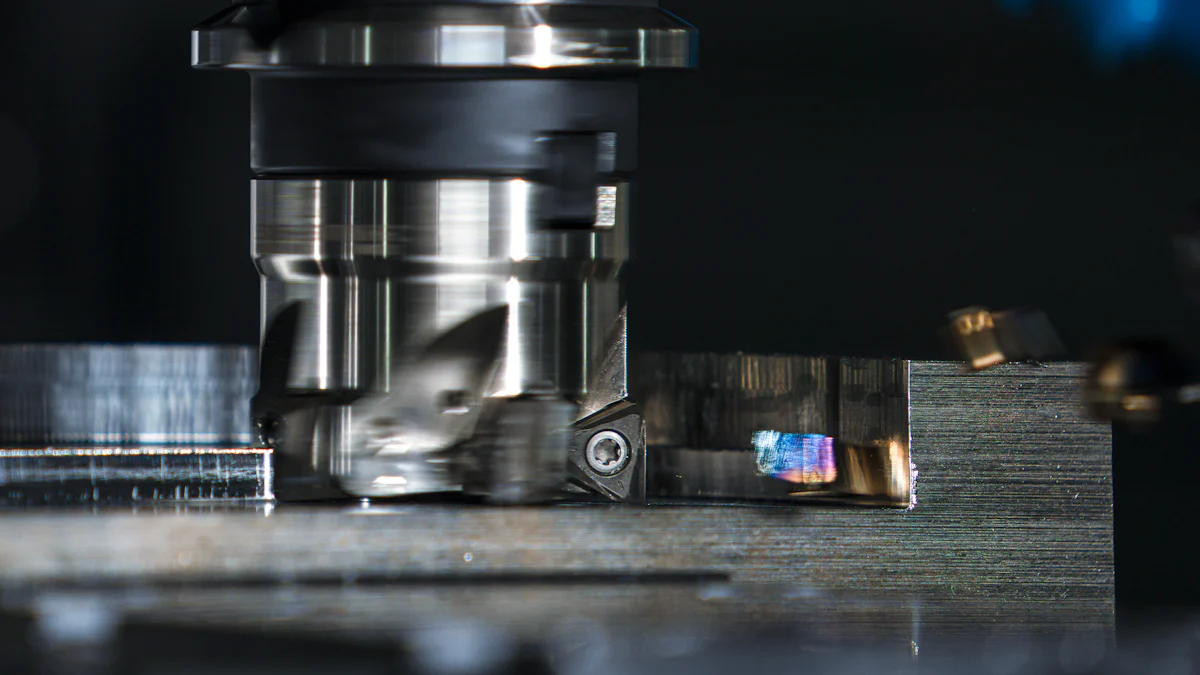
To achieve precise and consistent results, you need the right tools for bead blasting. A bead blaster gun is essential for propelling media, such as glass beads, onto the aluminum surface. This tool ensures a uniform finish by controlling the pressure and direction of the blast. A bead blasting cabinet is equally important. It contains the blasting process, keeping your workspace clean and safe. This cabinet also prevents media loss and protects you from exposure to dust and debris.
Nozzle precision plays a critical role in the process. Different nozzle sizes allow you to adjust the level of detail and speed during blasting. Smaller nozzles are ideal for intricate areas, while larger ones cover broader surfaces efficiently. By using these tools, you can maintain control and achieve the desired matte finish on aluminum parts.
Choosing the Right Blasting Media
Selecting the appropriate blasting media is crucial for effective bead blasting. Glass beads are a popular choice for aluminum. They provide a smooth finish without removing too much material, making them ideal for delicate surfaces. Ceramic beads are harder and more durable, suitable for tougher applications requiring a textured finish. Steel beads offer an aggressive approach for heavy-duty tasks, while plastic beads are non-abrasive and perfect for softer materials.
Each type of media serves a specific purpose. For example, glass beads polish while cleaning, and ceramic beads create a more pronounced texture. Understanding the properties of each media type helps you choose the best option for your project.
Factors to Consider for Media Selection
When selecting blasting media, consider several factors to ensure optimal results. The desired finish quality is a primary consideration. For a polished matte look, glass beads are often the best choice. Particle size and strength also matter. Smaller particles provide finer finishes, while stronger particles handle tougher jobs.
The shape of the media impacts the surface texture. Round particles, like glass beads, create smooth finishes, while angular particles, such as aluminum oxide, produce more aggressive results. Health and safety factors should not be overlooked. Non-toxic and recyclable media, like crushed glass or organic compounds, are safer for you and the environment. By evaluating these factors, you can select the most effective media for bead blasting aluminum.
The Bead Blasting Process with CNC
Step-by-Step Guide to Bead Blasting Aluminum
To achieve a high-quality bead blasted finish, follow these steps:
Clean the Aluminum Surface: Use a degreasing agent to remove contaminants like oil or dirt. This ensures the surface is ready for bead blasting.
Prepare the Workspace: Choose a spacious, well-ventilated area to minimize dust inhalation and maintain visibility.
Wear Protective Gear: Equip yourself with gloves, safety glasses, and an air-fed helmet for maximum safety.
Inspect the Bead Blaster Gun: Ensure the gun is calibrated and functioning properly for consistent results.
Set Up the Blasting Cabinet: Use a high-quality cabinet to contain the process and prevent media loss.
Select the Right Nozzle: Match the nozzle size to the workpiece for precision and efficiency.
Adjust the Pressure: Set the pressure to balance surface treatment and avoid damaging the aluminum.
Master the Technique: Hold the gun at the correct angle and use overlapping strokes for uniform surface roughness.
Inspect the Finish: After blasting, examine the surface for consistency and quality.
Post-Blasting Care: Clean the workpiece and apply a sealant to enhance durability.
Adjusting Pressure and Handling the Gun
Proper pressure adjustments and gun handling are critical for achieving a bead blast finish without compromising quality. Start by setting the blast pressure to match the desired finish. Lower pressure works well for delicate surfaces, while higher pressure suits tougher applications. Adjust the compressed air pressure based on the abrasive material and the aluminum's specifications.
Hold the bead blaster gun at a consistent angle, typically 45 degrees, to ensure even coverage. Maintain a steady distance from the surface, as this prevents uneven patterns. Calibrate the gun to control media flow and nozzle distance effectively. These adjustments allow you to achieve a matte finish while preserving the integrity of the aluminum.
Achieving a Uniform Matte Finish
Consistency is key to achieving a uniform matte finish. Begin by selecting the appropriate abrasive material, such as glass beads, to match the desired finish. Maintain a steady distance between the nozzle and the surface throughout the process. This ensures even coverage and prevents over-blasting in certain areas.
Move the nozzle in smooth, overlapping strokes to avoid streaks or uneven textures. Monitor the equipment regularly to ensure proper calibration and media delivery. Inspect the surface periodically during blasting to confirm uniformity. By following these techniques, you can achieve a high-quality bead blasted finish that enhances the aluminum's appearance and durability.
Post-Blasting Care and Maintenance
Cleaning and Inspecting the Surface
After bead blasting, cleaning the aluminum surface is essential to remove any residual media or debris. Use a soft brush or compressed air to clear away loose particles. For a more thorough clean, wipe the surface with a lint-free cloth dampened with a mild solvent. This step ensures the aluminum is free from contaminants that could affect its appearance or durability.
Inspect the surface carefully under good lighting. Look for inconsistencies in the finish, such as uneven textures or missed spots. Address these areas promptly by re-blasting or polishing as needed. Regular inspection helps maintain the quality of your work and ensures the aluminum meets the desired specifications.
Sealing Aluminum for Durability
Sealing the aluminum after bead blasting enhances its durability and protects the matte finish. Apply a clear anodizing layer or a protective coating to shield the surface from corrosion and wear. Choose a sealant compatible with the aluminum's intended use. For example, opt for UV-resistant coatings for outdoor applications.
Use a spray gun or brush to apply the sealant evenly. Allow it to dry completely before handling the part. This step not only preserves the finish but also extends the lifespan of the aluminum, making it suitable for demanding environments.
Maintaining Bead Blasting Equipment
Proper maintenance of your bead blasting equipment ensures consistent performance and extends its lifespan. Follow these steps:
Perform daily visual inspections of all components. Clean air prep unit filters and lubricate moving parts.
Conduct weekly detailed inspections. Replace worn parts and check pressure levels to maintain efficiency.
Disassemble the machine periodically for deep cleaning. Remove debris from internal components and reassemble securely.
Regular maintenance minimizes downtime and ensures your equipment delivers high-quality finishes every time. Neglecting these steps can lead to uneven results and costly repairs.
Achieving a matte finish on aluminum requires precision and attention to detail. Use low pressure to avoid altering the part's shape. Strip rust or oxides beforehand for a clean surface. CNC machining ensures consistent results by controlling pressure and media application. Follow these steps to create durable, uniform finishes that meet professional standards.
FAQ
What is the best blasting media for aluminum?
Glass beads work best for aluminum. They provide a smooth, matte finish without damaging the surface. Choose the particle size based on your desired texture.
Can bead blasting remove deep scratches from aluminum?
Bead blasting removes light scratches and imperfections. For deeper scratches, you should use sanding or grinding before bead blasting to achieve a uniform finish.
How do you maintain a bead-blasted aluminum finish?
Apply a protective sealant or anodizing layer after blasting. Regular cleaning with a mild solvent prevents dirt buildup and preserves the matte appearance.
💡 Tip: Always inspect your aluminum surface after blasting to ensure consistent results and address any missed spots promptly.
See Also
Top Strategies for Achieving Scratch-Free CNC Machining of Aluminum
Expert Insights on Surface Treatments for CNC Machined Parts
A Comprehensive Guide to Anodizing CNC Machined Aluminum Heat Sinks
Exploring Aluminium Alloy 7075: CNC Machining Techniques and Uses
Your 2024 Resource for CNC Machining Aluminum Alloys 6061 and 7075
About US
Follow Us
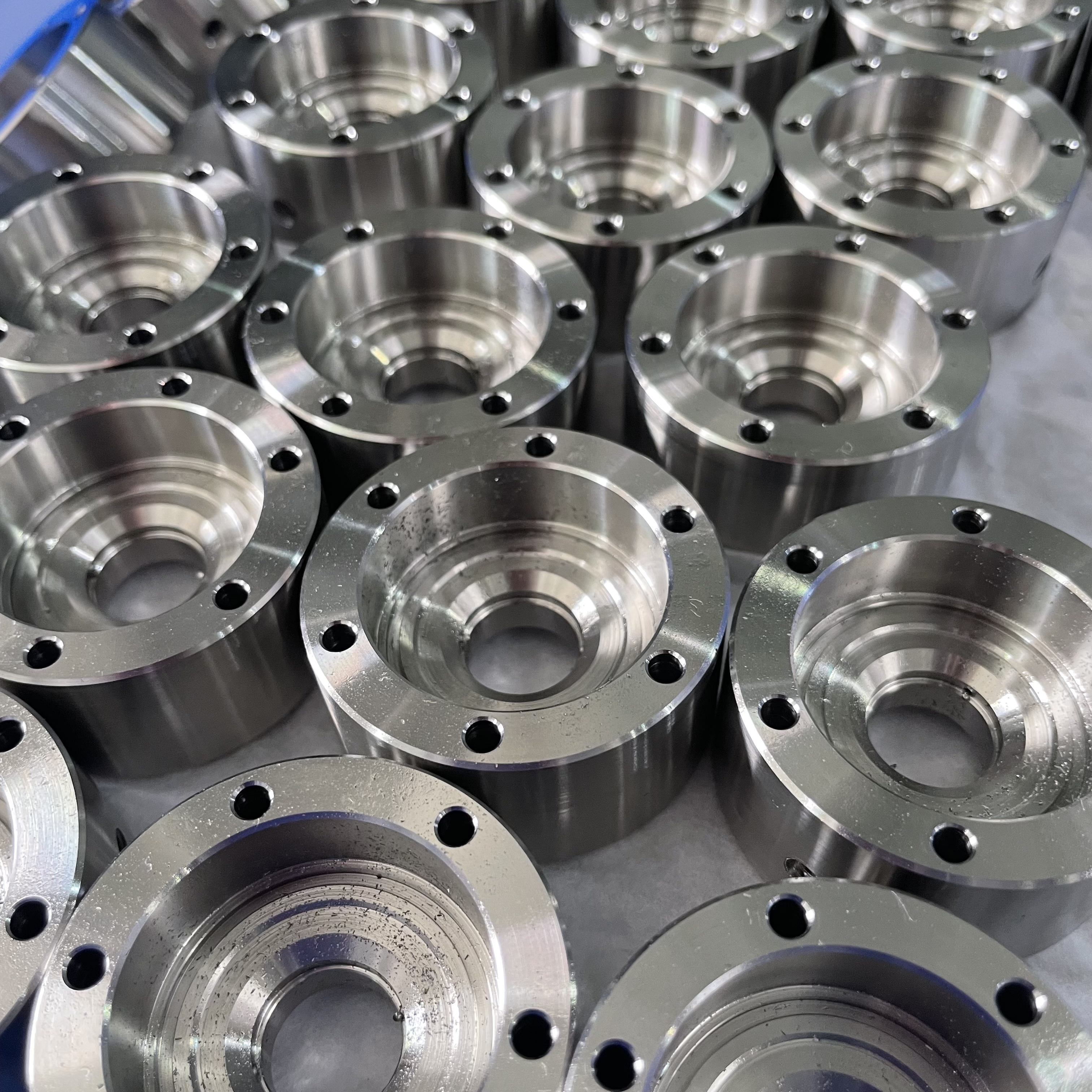
Your prototype holds unparalleled significance, and we deeply value its uniqueness. Collaborating with you during the preparation phase for running your prototype or parts is a commitment we gladly embrace. Whether it's a single part or a complex assembly, we are dedicated to selecting the optimal tools and pathways to bring your envisioned product to life.
At Precision Fab CNC Machining, we specialize in producing parts for prototypes, short runs, and high-volume production. Our prototyping machine capabilities extend across metal, plastic, and wood machining, with welding fabrication services available to complement and finalize your prototype if required.
Address
Address: Room320 10F, Building A,Nanshan international building, Dayawan District, Huizhou, Guangdong, 516001 China
Contacts
billy@timaycnc.com