The Benefits of CNC Machining Over Traditional Methods

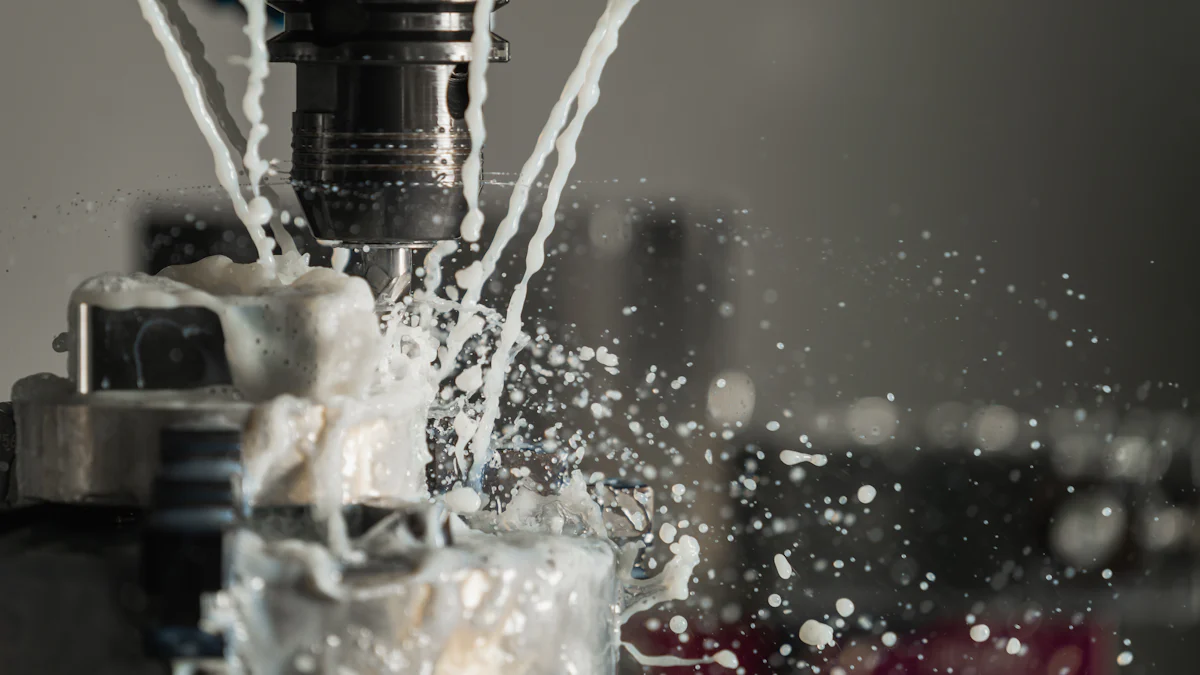
Choosing the right machining method plays a critical role in manufacturing success. It directly impacts the quality, efficiency, and cost of production. Traditional methods often struggle with maintaining precision and consistency, especially in complex designs. This is where CNC machining excels.
CNC machining offers unmatched precision and repeatability. Unlike conventional machining, it eliminates human error by relying on computer-controlled systems. The software-driven process also provides flexibility, allowing you to produce various parts with minimal setup time. Whether you need intricate geometries or consistent results across production runs, CNC machining ensures superior outcomes.
Key Takeaways
CNC machines are very precise, with errors as small as ±0.0025mm. This is important for industries like airplanes and medical tools.
CNC machines work automatically all day and night. This reduces delays and makes products faster.
CNC machines waste less material by cutting smartly. This saves money and helps the environment.
CNC machines can cut many materials like metal, plastic, and mixed materials. This makes them useful for many jobs.
CNC machines can quickly change designs and make small amounts of products. This helps create new ideas and meet special customer needs.
Precision in CNC Machining
Achieving Consistent Accuracy
Eliminating Human Error
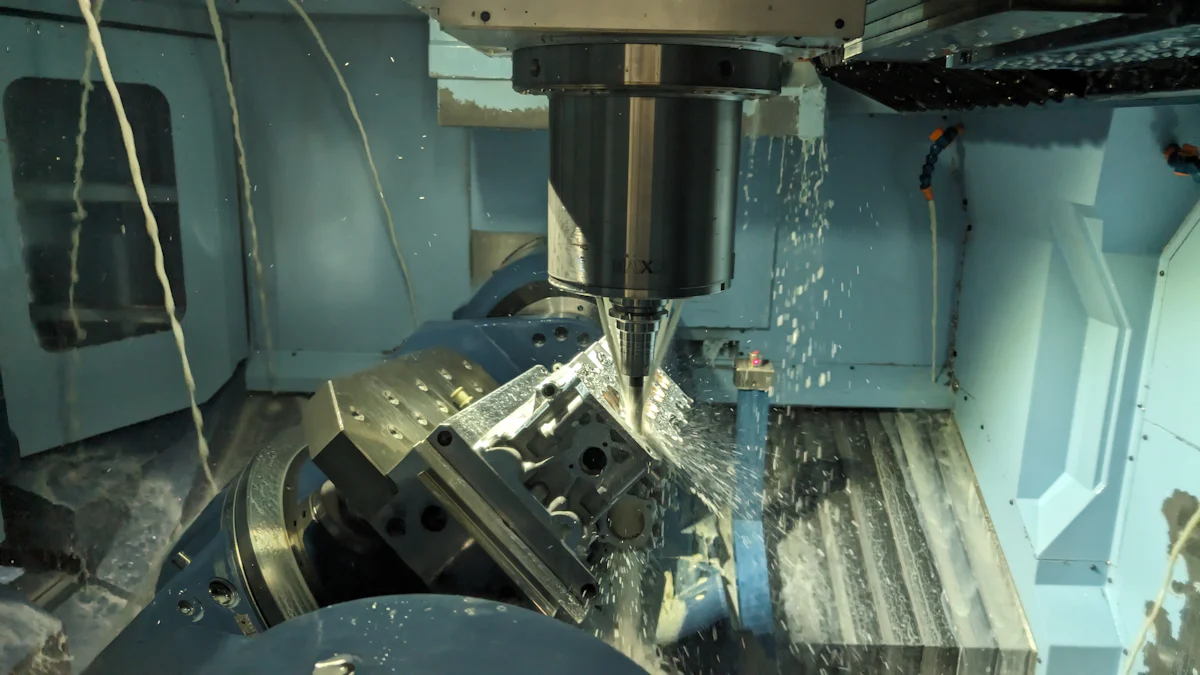
CNC machining eliminates the inconsistencies often seen in conventional machining. By relying on computer-controlled systems, you remove the variability introduced by manual operations. This digital approach ensures that each part meets exact specifications, reducing the risk of errors. CNC machines can achieve tolerances as tight as ±0.0025mm, a level of precision that traditional methods cannot match. This increased accuracy is critical for industries where even minor deviations can lead to significant issues, such as aerospace and medical manufacturing.
Maintaining Uniformity Across Production Runs
When you need consistent results across multiple production runs, CNC machining excels. The automated nature of the machining process ensures that every part produced is identical to the original design. This uniformity is especially valuable in high-volume manufacturing, where maintaining quality across thousands of units is essential. For example, commercial industries benefit from CNC machining's ability to produce custom parts with high intricacy, minimizing component failure and downtime.
Complex Designs Made Possible
Intricate Geometries with High Precision
CNC machining opens the door to creating complex designs that would be impossible with conventional machining. Advanced technologies like 5-axis machining allow you to produce intricate geometries with unmatched precision. For instance, CNC lathes can achieve surface finishes up to 32 micro-inches, comparable to post-processing methods like grinding. Additionally, techniques like Electrical Discharge Machining (EDM) enable the creation of highly detailed parts with tolerances as tight as ±0.0001 inches.
Applications in High-Precision Industries
Industries that demand high precision rely heavily on CNC machining. Aerospace manufacturers use CNC to fabricate materials for high-precision projects, ensuring repeatability and efficiency. The medical industry depends on CNC for developing specialized products, such as surgical instruments and implants, where precision directly impacts patient safety. Modern CNC machines can maintain tolerances within a few micrometers, making them indispensable for these applications.
CNC machining's ability to combine precision, accuracy, and versatility makes it a superior choice for producing both simple and complex parts. Whether you're working on a high-volume production run or a one-off prototype, CNC ensures the highest quality and consistency.
Efficiency of CNC Over Traditional Methods
Faster Production Cycles
24/7 Operation Capabilities
CNC machining allows you to achieve continuous production without interruptions. Unlike conventional machining, which depends on manual labor and operator availability, CNC machines can run 24/7 with minimal supervision. This capability significantly reduces production downtime and ensures faster turnaround times. For example, automated tool changes and self-monitoring systems enable CNC machines to operate efficiently even during non-working hours. This round-the-clock operation is ideal for meeting tight deadlines or handling large production volumes.
Multi-Axis Simultaneous Machining
CNC machines equipped with multi-axis capabilities can perform several operations simultaneously. This feature eliminates the need for multiple setups, which is common in traditional methods. By reducing setup time, you can complete complex machining tasks in a fraction of the time. Advanced features like toolpath optimization and adaptive control systems further enhance the speed of the machining process. These technologies ensure precise tool movements, minimizing non-cutting time and boosting overall productivity.
CNC machining offers faster production cycles by combining automation, precision programming, and simultaneous operations. This increased efficiency helps you meet production goals without compromising quality.
Reduced Waste and Costs
Optimized Material Usage
CNC machining minimizes material waste through precise control over the cutting tool path. Unlike conventional machining, which often results in excess material removal, CNC machines optimize material usage by following exact specifications. Features like nesting allow you to maximize the use of raw stock, reducing scrap. This precision not only saves material costs but also supports sustainable manufacturing practices by lowering waste sent to landfills.
Cost Savings from Streamlined Processes
Streamlined processes in CNC machining lead to significant cost savings. Automation reduces the need for manual labor, cutting down operational expenses. Additionally, predictive maintenance and data analytics help you identify inefficiencies and prevent costly downtime. For instance, increasing production volumes with CNC machines can lower the cost per unit. A part that costs $40 for a single unit can drop to $12.5 for 10 units and $8.79 for 100 units. These savings make CNC machining a cost-effective choice for both small and large-scale production.
By reducing waste and streamlining processes, CNC machining not only lowers costs but also enhances environmental sustainability. This approach ensures you achieve high-quality results while maintaining cost efficiency.
Versatility of CNC Machining
Material Compatibility
Metals, Plastics, and Composites
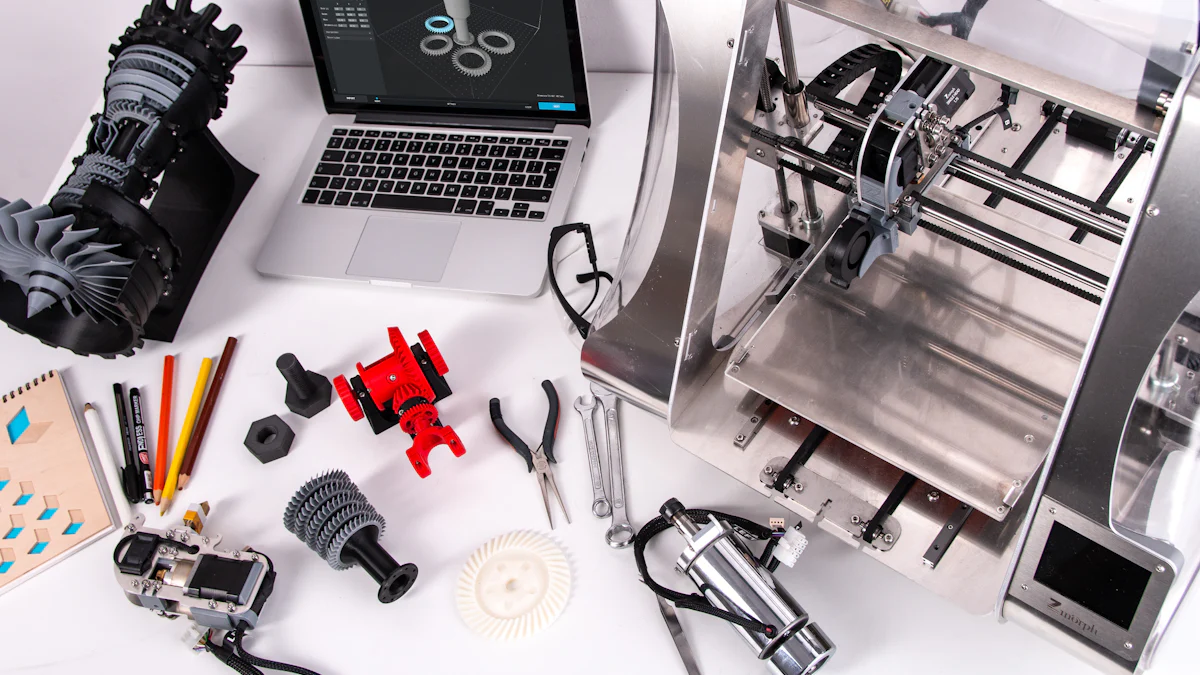
CNC machining supports a wide range of materials, making it a versatile choice for various industries. You can work with metals like aluminum, titanium, and stainless steel. Aluminum offers excellent machinability and lightweight properties, while stainless steel provides strength and durability. CNC also handles plastics such as PEEK, which is often used in medical and aerospace applications. Additionally, composites benefit from the precision of CNC machining, especially for complex designs and high production volumes. Unlike conventional machining, CNC ensures higher precision and reduces material waste, making it more efficient for handling diverse materials.
Materials compatible with CNC machining include:
Metals (e.g., titanium, aluminum)
Plastics (e.g., PEEK)
Composites
Adapting to Industry-Specific Requirements
CNC machining meets the unique demands of various industries by adhering to strict standards. For example, the medical field requires precision for implants and surgical instruments, often using biocompatible materials like titanium. The aerospace sector relies on CNC for high-accuracy components, while automotive manufacturers benefit from its versatility in producing custom parts. CNC machining also complies with globally recognized standards, ensuring quality and reliability.
Standard | Description |
|---|---|
ISO 9001 | Ensures quality and performance improvement. |
ASTM A36 | Defines structural steel specifications. |
ASTM D635 | Covers plastic specifications. |
ASME Y14.5 | Sets requirements for engineering documents. |
ASME B46.1 | Details surface texture for manufacturing. |
SAE J403 | Provides steel grades for automotive and aerospace. |
Customization and Prototyping
Rapid Prototyping for Innovation
CNC machining accelerates innovation by enabling rapid prototyping. You can quickly turn ideas into physical models with high accuracy and tight tolerances. This process is essential for industries like automotive and aerospace, where performance and safety are critical. CNC combines speed, precision, and flexibility, allowing you to test designs, make adjustments, and finalize products efficiently. By reducing waste, CNC machining aligns with sustainability goals, making it an ideal choice for innovation-driven industries.
Benefits of CNC machining for rapid prototyping:
High accuracy for tight tolerances.
Faster iterations for design testing.
Reduced waste for sustainable practices.
Small-Batch and One-Off Production Flexibility
CNC machining offers unmatched flexibility for small-batch and one-off production. Imagine a company producing custom car parts. If a customer requests a design change after the first batch, you can reprogram the CNC machine to accommodate the new specifications. This adaptability ensures you meet unique customer needs without compromising efficiency. Startups also benefit from this flexibility, allowing them to create prototypes, gather feedback, and refine designs until they achieve the desired quality.
CNC machining's ability to adapt to design changes and produce small quantities efficiently makes it a valuable tool for businesses of all sizes.
Cost-Effectiveness of CNC Machining
Lower Operational Costs
Automation Reducing Labor Needs
CNC machining significantly reduces labor costs by automating the production process. Unlike conventional machining, which relies heavily on skilled manual labor, CNC machines operate autonomously with minimal supervision. One operator can monitor multiple machines simultaneously, increasing productivity while lowering workforce requirements. Automation also minimizes human error, ensuring each part meets exact specifications. This precision reduces costly rework and saves both time and resources. By relying on CNC, you can achieve high-quality results without the need for a large team, making it a cost-effective solution for modern manufacturing.
Minimizing Rework Due to Errors
Rework caused by errors can inflate production costs and delay timelines. CNC machining eliminates these issues by integrating advanced software and quality control measures directly into the production process. Automated tool path generation and real-time monitoring ensure machining parameters stay within tolerance, reducing the likelihood of defects. For example, companies like CNCRUSH have demonstrated how CNC's precision improves system reliability in industries like robotics. By minimizing rework, you save on material costs and maintain production efficiency, further enhancing the cost-effectiveness of CNC machining.
Long-Term Financial Benefits
Durability and Longevity of CNC Machines
Investing in CNC machines offers long-term financial advantages. These machines are built to last, with proper maintenance reducing the frequency of repairs and replacements. Their durability minimizes downtime, ensuring consistent production and lower operating costs. While the initial investment may seem high, the savings from reduced labor costs, increased efficiency, and optimized material usage quickly offset the expense. Over time, CNC machines prove to be a reliable and cost-effective asset for your manufacturing operations.
Scalability Reducing Per-Unit Costs
CNC machining excels in scalability, allowing you to handle varying production volumes without compromising quality. As production increases, the cost per unit decreases, making it an economical choice for both small and large-scale manufacturing. For instance, producing a single unit may cost $40, but scaling up to 100 units can reduce the cost to $8.79 per unit. This scalability ensures you meet growing demands while maintaining cost-effectiveness in the long run. By leveraging CNC's efficiency and precision, you can achieve improved quality at a lower cost per unit.
CNC machining combines automation, durability, and scalability to deliver unmatched cost-effectiveness. Whether you're producing small batches or scaling up for mass production, CNC ensures financial and operational efficiency.
Safety and Scalability in CNC Machining
Enhanced Workplace Safety
Reduced Manual Interaction with Machinery
CNC machining enhances workplace safety by reducing the need for manual interaction with machinery. Automated chip removal systems eliminate the risks associated with manually clearing chips from the work area. Video monitoring systems allow you to observe the machining process from a safe distance, keeping you away from hazards like flying chips or coolant splashes. Emergency stop buttons provide an immediate way to halt operations during emergencies, ensuring quick responses to potential dangers. These features create a safer environment compared to conventional machining, where manual intervention is often required.
Advanced Safety Features in CNC Systems
Modern CNC systems come equipped with advanced safety features that prioritize operator well-being. Safety shields contain chips and vapor within the work area, preventing them from escaping and causing harm. Video cameras offer a clear view of the machining process, allowing you to monitor operations without direct exposure to risks. Emergency stop buttons ensure immediate shutdowns in critical situations. Automated chip removal conveyors further enhance safety by reducing the need for manual handling of sharp or hot materials. These innovations make CNC machining a safer alternative to traditional methods.
Seamless Scalability
Efficiently Handling Varying Production Volumes
CNC machining excels in handling varying production volumes with ease. Once you program and validate a design, the machine can replicate it with precision across thousands of units. This capability ensures consistent quality, even in high-volume production scenarios. For example, industries like machine building rely on CNC to produce identical components without defects, maintaining efficiency and reliability. The ability to adjust production volumes quickly makes CNC machining a versatile solution for businesses of all sizes.
Meeting Growing Demands Without Quality Loss
CNC machining supports scalability for any production volume while maintaining high quality. Machines can operate 24/7, producing precise parts consistently. The speed of production allows you to meet growing demands efficiently. Additionally, CNC systems adapt to design changes or volume adjustments without compromising accuracy. As CNCRUSH demonstrates, ultra-precise manufacturing improves system reliability in industries like robotics, where even minor deviations can impact performance. This combination of speed, precision, and adaptability ensures you meet increasing demands without sacrificing quality.
CNC machining offers unmatched scalability for any production volume. Whether you need small batches or mass production, it ensures consistent quality and efficiency.
CNC machining offers numerous advantages that make it a superior choice over traditional methods. You benefit from higher precision, faster production cycles, and reduced material waste. CNC machines handle complex geometries with ease, ensuring consistent results even in high-volume production. Automation reduces labor needs and errors, while versatility allows you to work with various materials and meet industry-specific requirements. Companies like TurboTech Machining and TAM International have already experienced significant efficiency gains by transitioning to CNC systems.
By adopting CNC machining, you can enhance production quality, lower costs, and scale operations seamlessly. Whether you aim to innovate with prototypes or meet growing market demands, CNC ensures reliable and efficient manufacturing. Explore CNC machining today to elevate your projects and stay ahead in modern manufacturing.
FAQ
What is CNC machining, and how does it work?
CNC machining uses a computer-controlled machine to automate manufacturing processes. You input a design into specialized software, which guides the machine to cut, drill, or shape materials with precision. This eliminates manual errors and ensures consistent results.
Can CNC machines handle all types of materials?
Yes, CNC machines work with metals, plastics, and composites. You can use them for materials like aluminum, titanium, and PEEK. Their versatility makes them suitable for various industries, including aerospace, automotive, and medical manufacturing.
How does CNC machining improve production efficiency?
CNC machines operate 24/7 with minimal supervision. They perform multiple tasks simultaneously, reducing setup time. This automation speeds up production cycles, allowing you to meet tight deadlines while maintaining high-quality standards.
Is CNC machining cost-effective for small businesses?
Yes, CNC machining reduces labor costs and material waste. Its scalability lowers per-unit costs as production increases. Small businesses benefit from its flexibility, enabling them to produce prototypes or small batches efficiently without sacrificing quality.
What industries benefit most from CNC machining?
Industries like aerospace, medical, and automotive rely heavily on CNC machining. You can use it to create high-precision components, such as surgical instruments, engine parts, or aerospace materials, where accuracy and consistency are critical.
See Also
Unveiling Seven Essential Advantages of CNC Machining Today
Discovering the Benefits of Aluminum CNC Machining Solutions
CNC Precision Machining: Benefits and Emerging Trends Ahead
The Role of CNC Machining in Precision Manufacturing Evolution
Investigating CNC Machining Services for Accurate Manufacturing Needs
About US
Follow Us
Your prototype holds unparalleled significance, and we deeply value its uniqueness. Collaborating with you during the preparation phase for running your prototype or parts is a commitment we gladly embrace. Whether it's a single part or a complex assembly, we are dedicated to selecting the optimal tools and pathways to bring your envisioned product to life.
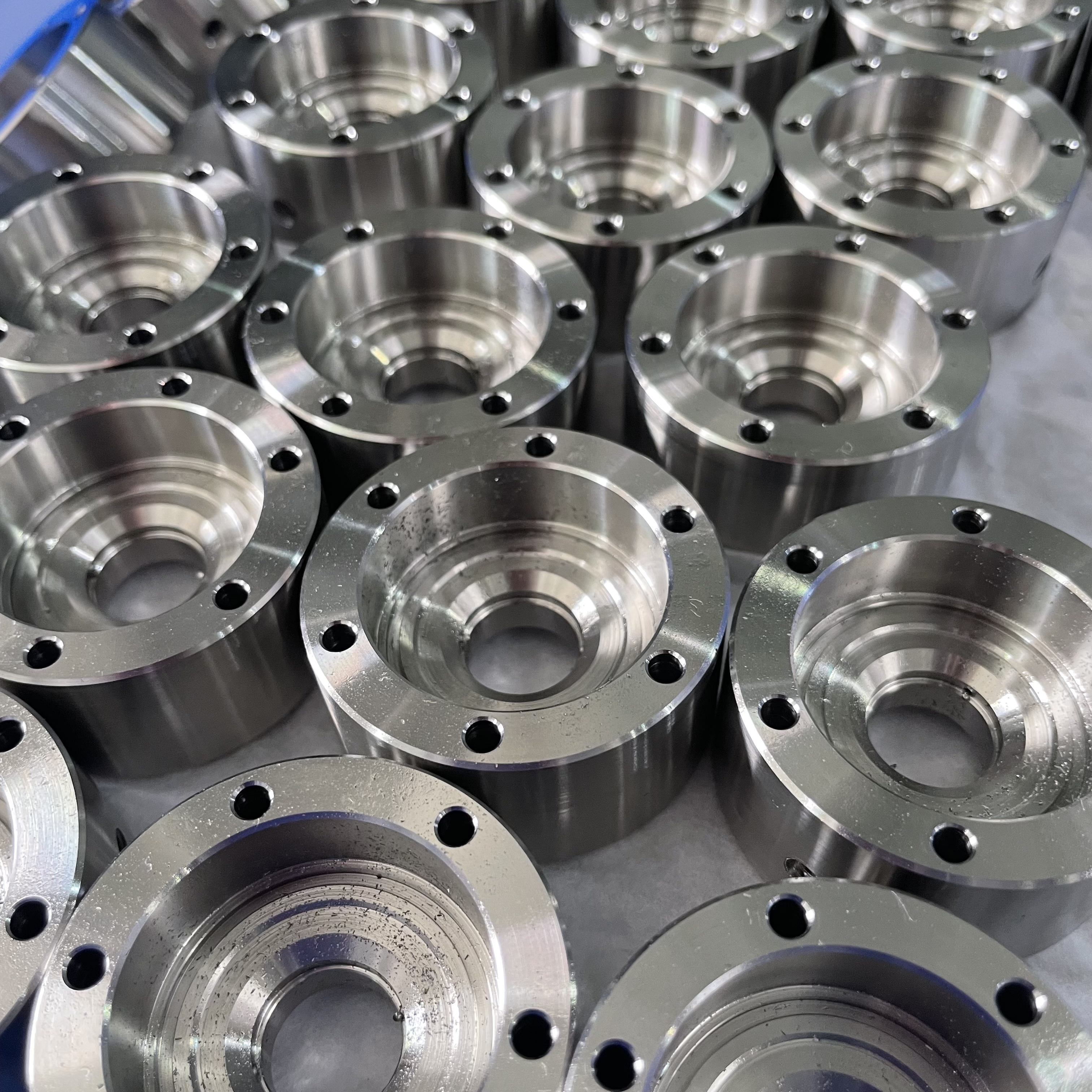
At Precision Fab CNC Machining, we specialize in producing parts for prototypes, short runs, and high-volume production. Our prototyping machine capabilities extend across metal, plastic, and wood machining, with welding fabrication services available to complement and finalize your prototype if required.
Address
Address: Room320 10F, Building A,Nanshan international building, Dayawan District, Huizhou, Guangdong, 516001 China
Contacts
billy@timaycnc.com