The Benefits of Smart CNC Machines in Manufacturing

Smart CNC machines are revolutionizing the manufacturing industry by combining traditional CNC machining with cutting-edge technologies like artificial intelligence (AI) and the Internet of Things (IoT). These machines offer unmatched precision and efficiency, enabling you to achieve higher productivity while reducing waste. For example, industries worldwide are adopting automation to improve precision and meet the growing demand for customized products, especially in sectors like aerospace and automotive. The CNC machining market is projected to grow from $83.68 billion in 2024 to $123.63 billion by 2032, reflecting the increasing reliance on these advanced systems. By embracing smart CNC machines, you can optimize production processes and stay competitive in today’s fast-evolving industrial landscape.
Key Takeaways
Smart CNC machines improve accuracy and speed, helping make better parts with less waste.
Watching machines in real-time and fixing problems early cuts delays and keeps work going.
Spending money on smart CNC machines can save a lot later, even if they cost more at first.
Teaching workers how to use advanced CNC tools is key to getting the most out of them and keeping things running well.
Using AI and IoT in CNC machines helps your business stay strong in a tough and changing market.
Understanding Smart CNC Machines
What Are Smart CNC Machines?
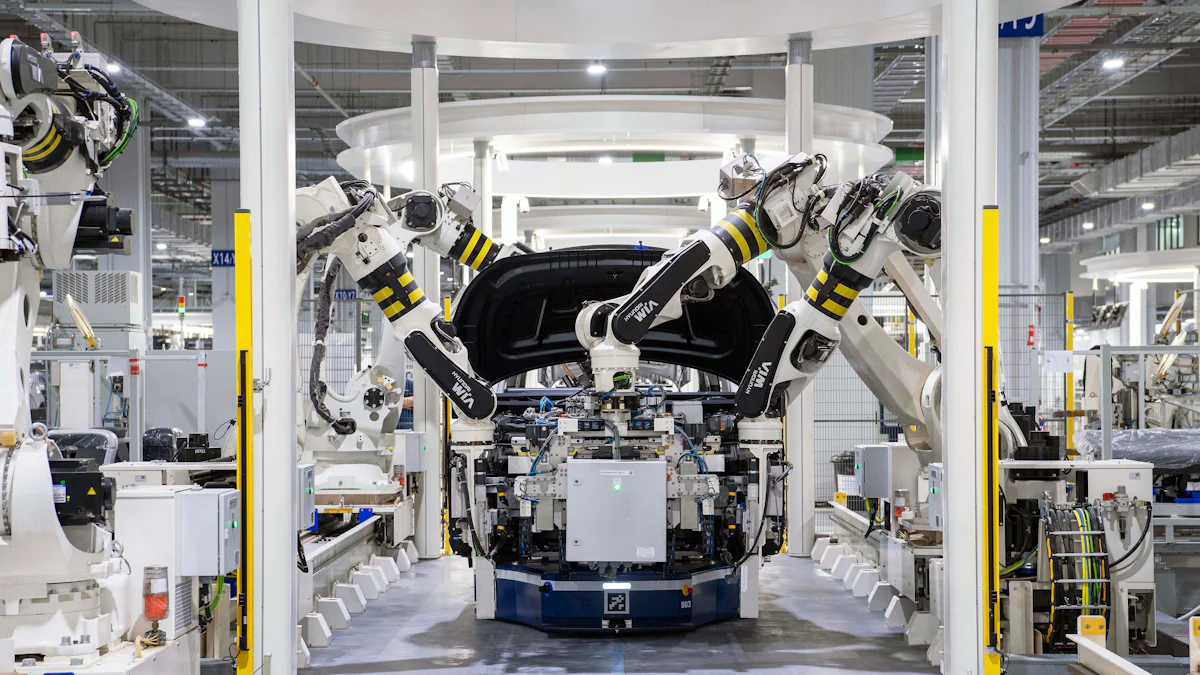
Smart CNC machines are advanced manufacturing tools that combine traditional CNC machining with modern technologies like artificial intelligence (AI) and the Internet of Things (IoT). These machines go beyond basic automation by using AI to analyze large data sets and identify patterns. IoT devices connect machines, tools, and systems, enabling seamless communication and optimizing workflows. This integration allows you to achieve higher precision, reduce waste, and improve overall efficiency.
Unlike traditional CNC machines, smart CNC systems can monitor their own performance in real time. Sensors and actuators collect data during operations, making adjustments instantly to maintain accuracy. With these capabilities, smart CNC machines are transforming manufacturing into a more intelligent and efficient process.
Key Features of Smart CNC Machines
Smart CNC machines come equipped with innovative features that enhance their functionality and performance. Some of the most notable features include:
Integration of additive manufacturing: This allows you to combine 3D printing with CNC machining for complex part production.
Real-time monitoring and predictive maintenance: IoT-enabled sensors track machine performance and material usage, reducing downtime.
'Done-in-one' processes: These machines can handle entire manufacturing sequences without human intervention.
Advanced cutting tools: New designs enable machining of intricate geometries with improved precision.
5-axis and 6-axis machining: These capabilities allow you to produce complex shapes and high-precision parts efficiently.
Enhanced connectivity: Software enables communication between multiple machines, streamlining production.
These features not only improve productivity but also reduce operational costs, making smart CNC machines a valuable asset for modern manufacturing.
How Smart CNC Machines Differ from Traditional CNC Machining
Smart CNC machines offer significant improvements over traditional CNC systems. Advanced robotic arms perform precise machining tasks autonomously, minimizing errors and boosting efficiency. Embedded intelligence detects errors instantly, allowing for quick troubleshooting and reduced downtime. Real-time monitoring through IoT connectivity ensures optimal resource utilization and predictive maintenance.
Traditional CNC machines rely heavily on manual programming and operator oversight. In contrast, smart CNC systems use AI and machine learning to optimize processes automatically. For example, AI analyzes real-time data to adjust machining parameters, ensuring consistent quality. This level of automation not only enhances precision but also reduces waste and operational costs. By adopting smart CNC machines, you can modernize your manufacturing processes and stay ahead in a competitive market.
Advantages of CNC Machines in Manufacturing
Enhanced Precision and Accuracy
Smart CNC machining systems deliver high precision and improved accuracy, making them indispensable in modern manufacturing. These machines integrate advanced CAD/CAM software, which bridges the gap between design and production. This seamless interaction enhances workflow and ensures consistent results.
In automotive part production, AI-powered CNC systems monitor cutting processes, predict tool wear, and adjust feed rates. This reduces waste and ensures precise machining.
A historical analysis highlights the evolution of CNC machining.
Year Range | Processing Time Reduction | Accuracy Improvement |
|---|---|---|
1960-2020 | Reduced to 16% of original processing time | Continuous improvement in processing accuracy |
These advancements allow you to achieve high precision in complex tasks, such as CNC milling intricate geometries. By adopting smart CNC machines, you can ensure consistent quality and reduce errors in your manufacturing processes.
Improved Efficiency and Productivity
Smart CNC machines significantly enhance production efficiency and overall productivity. Automation eliminates manual intervention, allowing you to complete tasks faster and with fewer errors. Real-time monitoring and predictive maintenance reduce downtime, ensuring uninterrupted operations.
In aerospace manufacturing, Advantech’s ECU-1000 series gateways connected over 200 machines. This centralized management system optimized production efficiency through real-time data visualization.
In the tobacco industry, smart factory solutions improved productivity by enabling modular and flexible manufacturing processes.
These examples demonstrate how CNC machining advantages extend across industries. By leveraging these technologies, you can streamline operations and meet production goals more effectively.
Cost Savings and Reduced Waste
Smart CNC machines offer substantial cost savings by optimizing material usage and reducing waste. Digital transformation in manufacturing enables data-driven decision-making, which minimizes energy consumption and operational costs.
Modern CNC machining technologies improve repeatability, conserving resources and reducing material waste.
Connected equipment monitors material usage, allowing you to take corrective actions and avoid unnecessary expenses.
Effective planning and precision in CNC milling further contribute to cost efficiency. By adopting these strategies, you can achieve sustainable manufacturing while maintaining profitability.
Real-Time Monitoring with AI in CNC Machining
Real-time monitoring has become a game-changer in modern manufacturing, thanks to the integration of AI in CNC machining. These systems allow you to track machine performance, detect errors, and optimize processes as they happen. AI-driven technologies provide several key benefits that enhance the efficiency and reliability of your operations:
Predictive maintenance helps you replace components before they fail, reducing downtime and maintenance costs.
Machine vision technology enables real-time inspection, identifying dimensional errors or surface imperfections immediately.
AI-powered scheduling systems analyze production factors to create optimal schedules, minimizing bottlenecks and idle time.
By leveraging AI in CNC machining, you can ensure that your equipment operates at peak performance. For example, sensors embedded in smart CNC machines collect data during operations. AI algorithms analyze this data to detect anomalies, such as tool wear or overheating, and recommend corrective actions. This proactive approach not only prevents costly breakdowns but also extends the lifespan of your equipment.
Real-time monitoring also improves product quality. AI systems continuously evaluate machining parameters, making adjustments to maintain precision. This ensures that every part meets your specifications, reducing waste and rework. With these capabilities, you can achieve higher productivity and maintain consistent quality across your manufacturing processes.
Flexibility and Scalability in Smart Manufacturing
Smart CNC machines offer unmatched flexibility and scalability, enabling you to adapt quickly to changing production demands. Their modular design and advanced features make them ideal for manufacturers seeking to stay competitive in dynamic markets.
Feature | Benefit |
|---|---|
Modular Components | Easily adapted for different applications, enhancing customization and scalability. |
Adaptive Machining | Automatically adjusts parameters for material variations, increasing responsiveness. |
IoT Integration | Enables real-time data monitoring for informed decision-making and process optimization. |
These features allow you to customize your production processes without significant downtime or reconfiguration. For instance, adaptive machining capabilities enable smart CNC machines to adjust parameters automatically based on material properties or tool wear. This ensures consistent quality and responsiveness, even when dealing with diverse materials or complex designs.
Additionally, IoT integration facilitates real-time data sharing between machines. This connectivity helps you monitor material usage, track machine performance, and optimize resource utilization. By reducing operational costs and improving efficiency, smart CNC machines empower you to scale your operations seamlessly. Whether you’re producing small batches or ramping up for mass production, these systems provide the flexibility you need to meet your goals.
Challenges and Considerations in Adopting Smart CNC Machines
High Initial Investment Costs
Adopting smart CNC machines requires a significant upfront investment. The costs include the purchase price, shipping, installation, and ongoing maintenance. These expenses often exceed those of traditional CNC systems. For many manufacturers, this high initial cost becomes a major barrier. While smart CNC machines improve efficiency and reduce operating costs over time, the financial commitment at the start can be daunting.
For example, the advanced technology in these machines demands specialized components and software, which increases their price. Maintenance costs also rise due to the complexity of the systems.
To justify this investment, you need to evaluate long-term benefits like cost savings and enhanced manufacturing efficiency. By planning strategically and considering financing options, you can overcome this challenge and unlock the potential of smart CNC technology.
Training and Workforce Development
Smart CNC machines introduce advanced technologies that require specialized skills. Your workforce must adapt to operate and maintain these systems effectively. Training programs become essential to bridge the knowledge gap. Employees need to learn how to use AI-driven interfaces, interpret real-time data, and perform predictive maintenance.
Without proper training, your team may struggle to maximize the capabilities of these machines. Investing in workforce development ensures smooth adoption and boosts productivity. Partnering with training providers or leveraging online resources can help you equip your team with the necessary skills.
A well-trained workforce not only improves operational efficiency but also reduces errors and downtime, making your manufacturing processes more reliable.
Integration with Existing Manufacturing Systems
Integrating smart CNC machines with your current systems presents unique challenges. The complexity of Industry 4.0 technologies adds new layers to your operations. You may need advanced resource management software to handle these complexities.
Common issues include software compatibility and environmental interference. For instance, factors like coolant, debris, and vibration can disrupt tool breakage detection systems. Additionally, outdated data transmission methods, such as G-Code, limit the effectiveness of smart CNC machines.
To address these challenges, you should assess your existing infrastructure and identify potential bottlenecks. Upgrading software and improving data transmission methods can streamline the integration process. By taking these steps, you can ensure that your smart CNC machines work seamlessly with your current setup.
Addressing Cybersecurity Risks
Smart CNC machines rely on interconnected systems, making them vulnerable to cybersecurity threats. Protecting these machines from cyberattacks is essential to ensure the safety of your operations and the integrity of your products. Understanding the most common risks can help you take proactive measures to safeguard your manufacturing processes.
Unsecured CNC Machines: Hackers can exploit unsecured machines to alter programming. This can lead to defective parts entering the market, damaging your reputation and causing financial losses.
Data Smuggling: Cybercriminals often use internal devices to steal sensitive data. This method, known as data smuggling, poses a significant threat to your intellectual property.
Poorly Managed Passwords: Many manufacturers still use plain-text passwords, which are easy targets for attackers. Weak password management increases the risk of unauthorized access.
No Top-Down Commitment to Cybersecurity: A lack of training and management involvement leaves your systems more vulnerable to attacks. Without a strong commitment to cybersecurity, your defenses may fail.
Tip: Regularly update your software and firmware to close security gaps. Outdated systems are easier for hackers to exploit.
To mitigate these risks, you should implement a multi-layered cybersecurity strategy. Start by securing your CNC machines with firewalls and encryption. Use strong, unique passwords and enforce regular password updates. Train your employees on cybersecurity best practices, such as recognizing phishing attempts and avoiding unsecured networks.
Additionally, invest in real-time monitoring tools to detect unusual activity. These tools can alert you to potential breaches before they cause significant damage. A top-down approach, where management prioritizes cybersecurity, ensures that everyone in your organization understands its importance. By taking these steps, you can protect your smart CNC machines and maintain the integrity of your manufacturing processes.
Note: Cybersecurity is not a one-time effort. Regular audits and updates are necessary to stay ahead of evolving threats.
The Future of Smart Manufacturing with CNC Machines
Trends in AI and IoT Integration
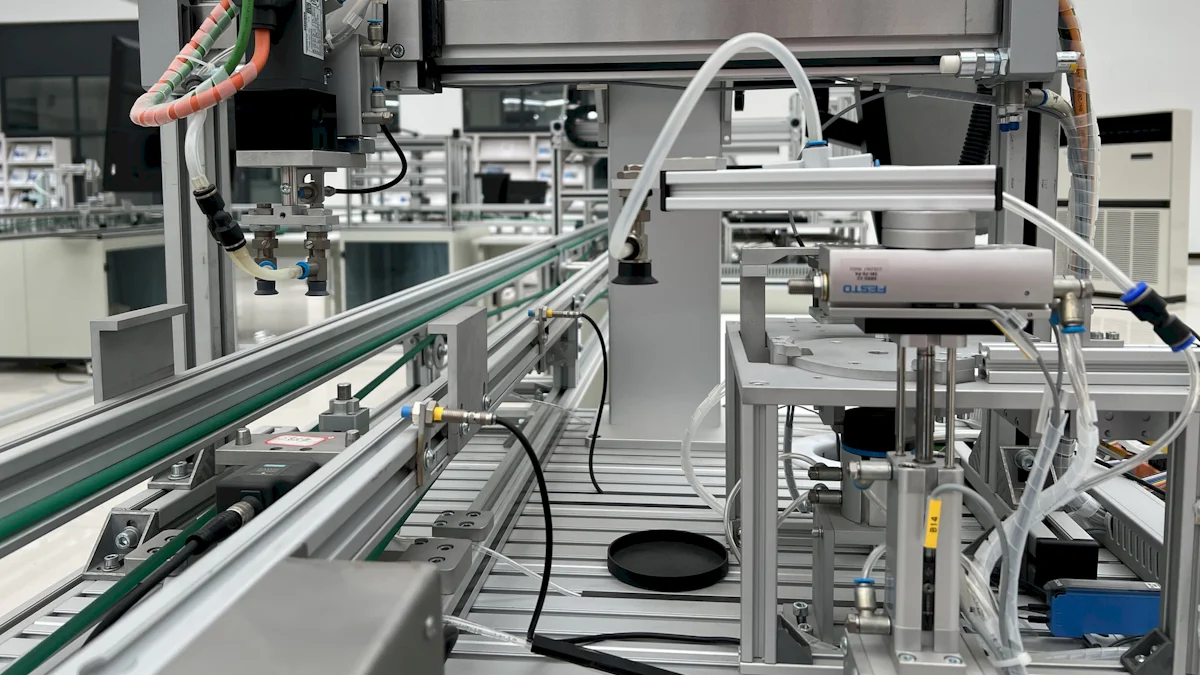
AI and IoT are reshaping modern manufacturing by introducing smarter, more connected systems. AI processes large data sets to identify patterns, enabling you to optimize workflows and reduce waste. IoT devices ensure seamless communication between machines, enhancing production control and efficiency. For example, sensors and actuators collect real-time data, while analytics platforms help you make informed decisions. Network connections and user-friendly interfaces further streamline operations, allowing you to achieve peak efficiency.
Predictive maintenance is another key trend. AI-driven systems monitor machinery in real time, predicting failures before they occur. This minimizes downtime and extends the lifespan of your CNC machines. As industries increasingly adopt AI and machine learning, automation continues to evolve, offering enhanced capabilities that improve productivity and reduce costs. IoT connectivity also supports real-time data sharing, ensuring every aspect of the machining process operates smoothly.
Role in Sustainable and Green Manufacturing
Smart CNC machines play a vital role in promoting sustainable practices. These machines enhance energy efficiency by using advanced motor systems and innovative technologies. They also reduce material waste through optimized processes and smart software solutions. Real-time monitoring allows you to quickly identify inefficiencies, enabling data-driven decisions that support green manufacturing.
For example, by minimizing waste and conserving resources, smart CNC machines help you lower your environmental impact. Their ability to operate with precision ensures that materials are used effectively, reducing excess consumption. These features make them an essential tool for building smart factories that prioritize sustainability.
Expanding Applications Across Industries
The applications of smart CNC machines are rapidly expanding across industries. Aerospace, automotive, healthcare, and defense sectors are leading the way in adopting these advanced systems. The demand for complex, high-precision parts continues to grow, and smart CNC machines meet this need efficiently.
Hybrid CNC machines, which combine traditional machining with additive manufacturing, are gaining popularity. These systems handle advanced materials like carbon composites, titanium, and Inconel®, offering versatility and reducing waste. IoT integration further enhances their functionality, making them suitable for diverse applications. Whether you’re producing intricate aerospace components or medical devices, smart CNC machines provide the flexibility and precision required in modern manufacturing.
Predictions for the Evolution of CNC Machining
The future of CNC machining promises exciting advancements that will transform manufacturing. Over the next decade, you can expect significant changes driven by Industry 4.0 technologies, artificial intelligence (AI), and automation. These innovations will make CNC machines smarter, faster, and more efficient.
Smarter Manufacturing Processes: Industry 4.0 technologies will enable CNC machines to integrate seamlessly with IoT devices. This connectivity will allow machines to share data in real time, improving decision-making and streamlining workflows. Smart factories will become the norm, where every machine works in harmony to optimize production.
Enhanced Precision and Efficiency: AI algorithms will play a key role in improving accuracy. CNC machines will self-optimize during operations, adjusting parameters in real time to maintain precision. Advanced data analytics will also help you identify inefficiencies and refine processes, boosting productivity.
Greater Autonomy: Technological advancements will lead to more autonomous CNC machines. By 2030, automation in CNC machining is expected to increase by 30%, potentially boosting global GDP by 5.3%. Machines will handle complex tasks with minimal human intervention, reducing errors and cycle times.
Predictive Maintenance: AI-driven systems will analyze data to predict equipment failures before they occur. This proactive approach will minimize disruptions and extend the lifespan of your machines. IoT sensors will collect performance data, ensuring optimal operation and reducing downtime.
Multi-Purpose Tools: CNC machines will adopt versatile tools capable of handling multiple tasks. This will enhance efficiency and reduce the need for frequent tool changes, saving you time and resources.
These advancements will not only improve production control but also enhance workplace safety. AI insights will help you identify potential hazards, creating a safer environment for your team. As CNC machining evolves, you’ll gain access to smarter, more connected systems that redefine manufacturing efficiency.
Smart CNC machines are transforming manufacturing by delivering unmatched precision, efficiency, and cost savings. Their ability to minimize human error and reduce material waste makes them indispensable for modern production. You can also benefit from faster product development cycles and the creation of complex designs with high repeatability. While the initial investment may seem significant, the long-term benefits, such as reduced labor costs and enhanced product quality, outweigh the challenges.
Advancements in AI and IoT will continue to shape the future of CNC machining. These technologies improve efficiency and flexibility by enabling real-time monitoring and predictive maintenance. As smart factories adopt interconnected systems, you can expect seamless communication between machines, leading to greater reliability and productivity. By embracing these key benefits, you position your business to thrive in the evolving manufacturing landscape.
FAQ
What industries benefit the most from smart CNC machines?
Smart CNC machines are widely used in aerospace, automotive, healthcare, and electronics. These industries require high-precision parts and efficient production processes. For example, aerospace manufacturers use them to create complex components, while healthcare relies on them for producing medical devices with intricate designs.
How do smart CNC machines reduce waste?
Smart CNC machines use AI to optimize material usage and minimize errors. Real-time monitoring ensures precise machining, reducing scrap and rework. For instance, sensors detect tool wear early, preventing defective parts. This efficiency helps you save resources and lower production costs.
Are smart CNC machines suitable for small businesses?
Yes, small businesses can benefit from smart CNC machines. Although the initial investment is high, these machines improve efficiency, reduce labor costs, and enhance product quality. Financing options and modular designs make them accessible for smaller operations aiming to scale production.
What skills are needed to operate smart CNC machines?
You need basic knowledge of CNC programming, AI interfaces, and IoT systems. Training programs teach you how to interpret real-time data, perform predictive maintenance, and troubleshoot issues. A skilled workforce ensures you maximize the machine's capabilities and maintain smooth operations.
How do smart CNC machines improve sustainability?
Smart CNC machines support green manufacturing by reducing energy consumption and material waste. Advanced software optimizes processes, while real-time monitoring identifies inefficiencies. These features help you lower your environmental impact and align with sustainability goals.
Tip: Use energy-efficient settings and monitor resource usage to further enhance sustainability.
See Also
Discovering 7 Essential Advantages of CNC Machining in Manufacturing
Understanding CNC Technology: Innovations and Uses in Manufacturing
Streamlined CNC Machining Solutions for Accurate Manufacturing Needs
CNC Precision Machining: Benefits and Emerging Trends to Watch
Exploring CNC Processing: The Future of Smart Manufacturing Technology
About US
Follow Us
Your prototype holds unparalleled significance, and we deeply value its uniqueness. Collaborating with you during the preparation phase for running your prototype or parts is a commitment we gladly embrace. Whether it's a single part or a complex assembly, we are dedicated to selecting the optimal tools and pathways to bring your envisioned product to life.
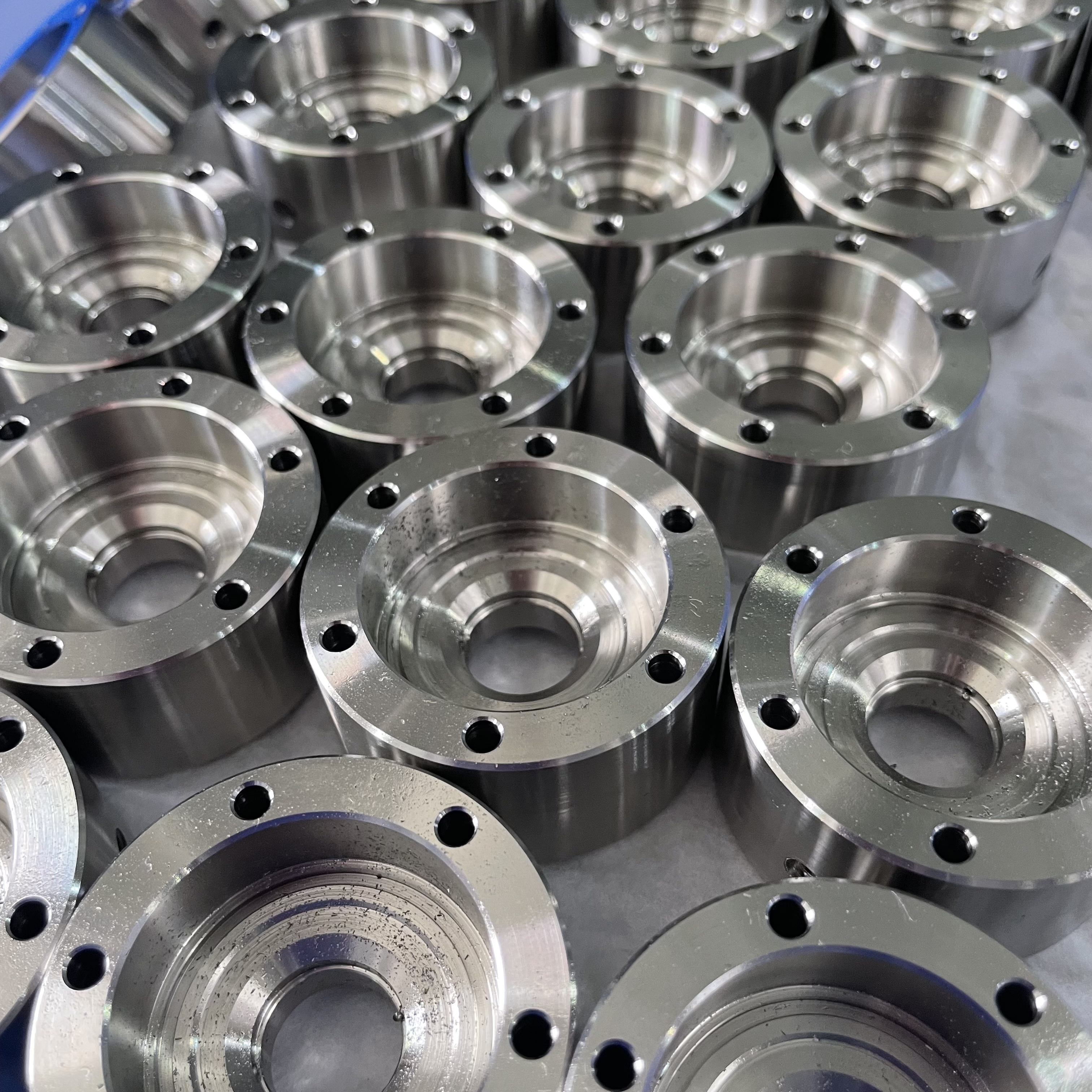
At Precision Fab CNC Machining, we specialize in producing parts for prototypes, short runs, and high-volume production. Our prototyping machine capabilities extend across metal, plastic, and wood machining, with welding fabrication services available to complement and finalize your prototype if required.
Address
Address: Room320 10F, Building A,Nanshan international building, Dayawan District, Huizhou, Guangdong, 516001 China
Contacts
billy@timaycnc.com