The Best CNC Materials for the Oil and Gas Industry

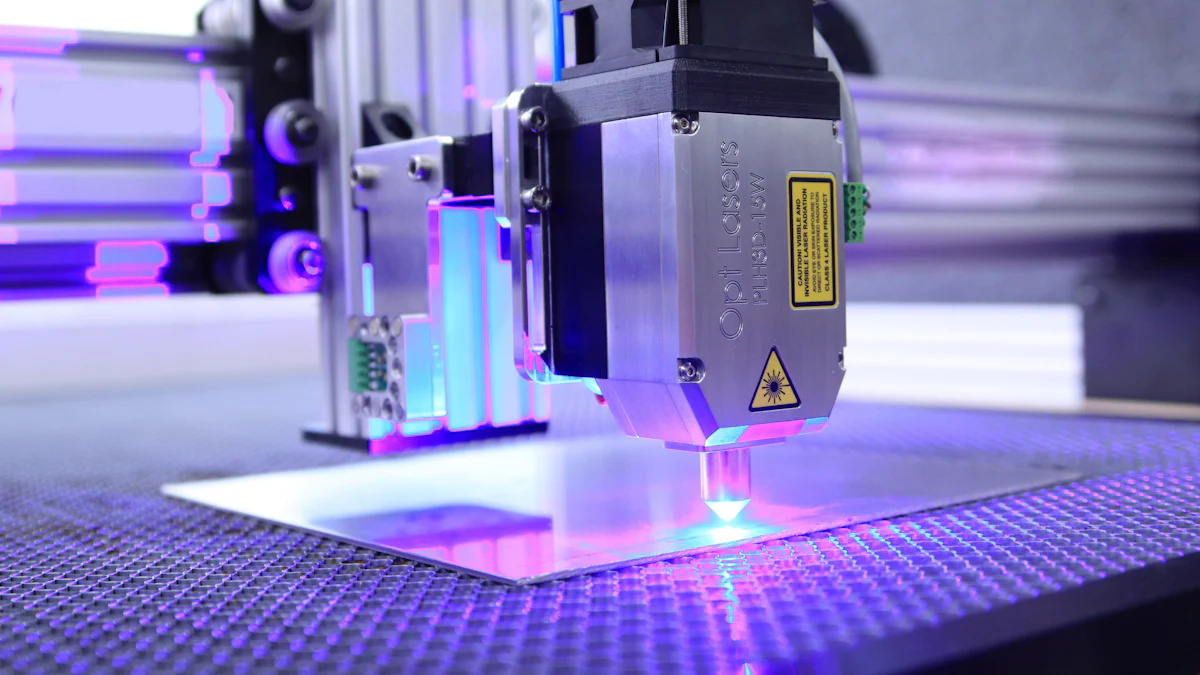
Selecting the right material for CNC machining is critical in the oil and gas industry. Components face extreme pressures, high temperatures, and corrosive environments during drilling operations. Materials must meet strict safety and performance standards, such as API and ISO specifications, to ensure durability and reliability. CNC machining technology excels at producing parts with precision and accuracy, often measured in fractions of a millimeter. This level of precision ensures a perfect fit and function, even in the harshest conditions. The benefits of CNC machining also include superior surface finishes, which reduce wear and extend the lifespan of components. By choosing the right materials, you can optimize manufacturing processes and enhance operational safety.
Key Takeaways
Picking the right materials is very important for CNC machining in oil and gas work. Strong materials like stainless steel and titanium help parts last in tough conditions.
Fighting rust is key. Materials like duplex stainless steel and heat-resistant alloys stop damage from harsh environments, lowering the chance of equipment breaking.
Handling heat is important. Heat-resistant alloys like Inconel work well in high heat, stopping bending and making equipment last longer.
Tough materials last longer. Using materials like UHMW-PE and nylon helps stop wear in rough conditions, cutting down repair costs.
Testing is a must. It finds problems early and makes sure materials are good enough before making lots of parts.
Key Properties of CNC Machining Materials
Strength and Durability
In the oil and gas industry, strength and durability are non-negotiable when selecting CNC machining materials. Components must endure extreme pressures and harsh environments without compromising performance. Materials like stainless steel, titanium, and carbon steel are excellent choices due to their ability to maintain structural integrity over time. For example, titanium offers a high strength-to-weight ratio, making it ideal for applications requiring both durability and reduced weight. Similarly, carbon steel provides superior machinability and cost-effectiveness, making it a popular option for structural components.
CNC machining ensures that these materials meet the industry's stringent quality standards. The precision of CNC allows for tight tolerances, ensuring that parts fit perfectly and function reliably. This precision, combined with the inherent durability of the materials, guarantees long-term performance even in the most demanding conditions.
Corrosion Resistance
Corrosion is a significant challenge in the oil and gas sector. Offshore platforms, pipelines, and drilling equipment often face exposure to saltwater, corrosive soils, and chemicals like hydrogen sulfide (H2S) and carbon dioxide (CO2). These factors accelerate corrosion, leading to potential equipment failure.
To combat this, you should prioritize materials with high corrosion resistance. Options like duplex stainless steel, titanium, and high-temperature alloys excel in harsh environments. For instance, titanium forms a regenerating oxide layer that protects it from corrosion, while duplex stainless steel combines excellent mechanical properties with superior resistance to corrosive elements. The right material choice ensures that your components remain reliable and safe, even under challenging conditions.
Material | Key Properties |
|---|---|
Duplex Stainless Steel | Excellent mechanical properties and corrosion resistance, suitable for harsh environments. |
High-Temperature Alloys | Maintain excellent mechanical properties and corrosion resistance in high-temperature environments. |
Titanium | High-strength metal with excellent corrosion resistance due to a regenerating oxide layer. |
Temperature Tolerance
Temperature extremes are common in oil and gas operations. Drilling equipment, pipelines, and valves often encounter high temperatures that can weaken materials over time. Selecting CNC machining materials with excellent temperature tolerance is essential to ensure safety and efficiency.
High-temperature alloys, such as Inconel, are specifically designed to withstand extreme heat without losing their mechanical properties. Titanium also performs well in high-temperature environments, making it a versatile choice for critical components. By choosing materials with high thermal stability, you can prevent deformation, maintain performance, and extend the lifespan of your equipment.
Wear Resistance
Wear resistance is a critical property for CNC-machined components in the oil and gas industry. Equipment like drill bits, valves, and bearings often operate under abrasive conditions, leading to material degradation over time. Choosing materials with superior wear resistance ensures that your components can withstand these challenges and maintain their performance.
Several factors contribute to wear in CNC-machined parts used in oil and gas operations:
Constant exposure to abrasive particles during drilling.
High-pressure environments that accelerate surface wear.
Friction between moving parts, which can erode material surfaces.
Materials like stainless steel, titanium, and Inconel are commonly used to combat wear in these demanding applications. These materials offer a combination of strength, toughness, and resistance to abrasion, making them ideal for CNC machining in the oil and gas sector.
For applications requiring even higher wear resistance, engineering plastics like UHMW-PE (Ultra-High-Molecular-Weight Polyethylene) and nylon are excellent choices. UHMW-PE provides exceptional toughness and abrasion resistance, making it suitable for sliding surfaces in bearings and rollers. Nylon, on the other hand, offers impact resistance and self-lubricating properties, making it ideal for gears and sprockets.
Material | Properties | Applications |
|---|---|---|
UHMW-PE | High toughness, abrasion and wear resistance, endurance | Sliding surfaces in bearings, gears, rollers |
Nylon | Strong, durable, impact-resistant, excellent surface lubricating properties | Sprockets, bearings, sliding surfaces, gears |
Stainless Steel | Great wear resistance, corrosion resistance, strength, toughness | Various CNC machining applications |
Selecting the right material for wear resistance not only extends the lifespan of your components but also reduces maintenance costs and downtime.
Machinability
Machinability plays a vital role in the efficiency and cost-effectiveness of CNC machining for the oil and gas industry. It refers to how easily a material can be cut, shaped, or finished using CNC processes. Materials with high machinability allow you to achieve tighter tolerances and superior surface finishes, which are essential for components operating in demanding conditions.
High machinability also enables the production of large volumes of parts without sacrificing quality. This is particularly important in the oil and gas sector, where precision and consistency are non-negotiable. CNC machining’s automated, high-precision processes make it well-suited to produce the high volumes cost-effectively needed without compromising quality or consistency.
Metals like aluminum and carbon steel are known for their excellent machinability. These materials allow for faster production times and lower tool wear, which translates to reduced manufacturing costs. However, materials like stainless steel and Inconel, while offering superior strength and corrosion resistance, can be more challenging to machine. Advanced CNC techniques and tools are often required to handle these tougher materials effectively.
When selecting materials, you should balance machinability with other critical properties like strength, wear resistance, and corrosion resistance. This ensures that your components meet both performance and cost requirements.
Best CNC Machining Materials for the Oil and Gas Industry
Stainless Steel
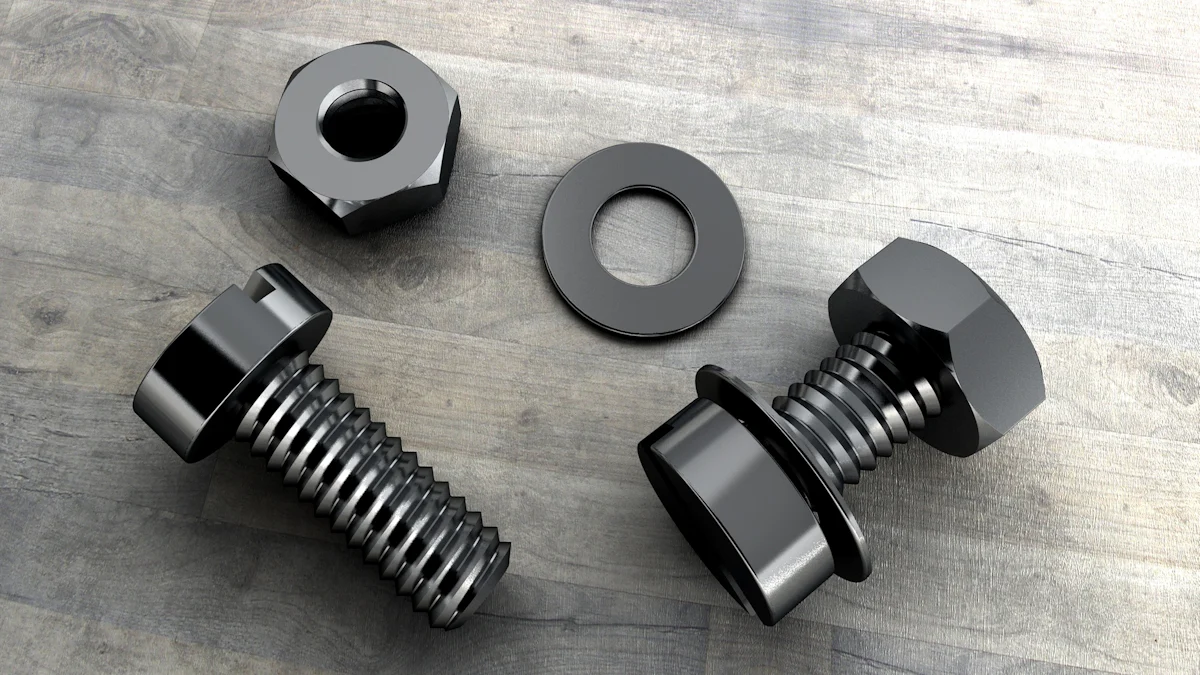
Stainless steel is one of the most reliable materials for CNC machining in the oil and gas industry. Its corrosion resistance makes it ideal for harsh environments, such as offshore platforms and pipelines exposed to saltwater and chemicals. The strength of stainless steel ensures durability under extreme conditions, making it a preferred choice for critical components like valves and pumps.
Certain grades, like SS 17-4PH, stand out for their high strength and toughness. This precipitation-hardening alloy combines approximately 17% chromium and 4% nickel, which enhances its durability and corrosion resistance. Heat treatment further boosts its strength, allowing it to perform exceptionally well in demanding applications. You can rely on stainless steel to maintain structural integrity and precision, even in the most challenging environments.
Titanium
Titanium offers a unique combination of toughness and lightweight properties, making it one of the best materials for CNC machining in oil and gas applications. Its exceptional strength-to-weight ratio ensures durability without adding unnecessary weight to components. Titanium also resists corrosion effectively, even in seawater, making it suitable for subsea structures and offshore drilling equipment.
Titanium Grade 5 is particularly notable for its ability to withstand adverse environmental factors. Its low thermal expansion minimizes thermal stresses, ensuring consistent performance in high-temperature and high-pressure conditions. Whether you need components for precision engineering or high-stress environments, titanium delivers unmatched reliability and longevity.
Inconel
Inconel is a high-performance alloy designed to endure extreme conditions. Its exceptional resistance to high temperatures, pressure, and corrosion makes it indispensable in the oil and gas industry. You’ll often find Inconel used in downhole equipment, tubing, casings, and valves. Its ability to resist sulfide stress cracking and hydrogen embrittlement ensures safety and reliability in sour gas environments.
However, Inconel does come with challenges. Its strength and hardness make machining more difficult, leading to rapid tool wear. Additionally, its high material costs and limited availability can impact manufacturing budgets. Despite these limitations, Inconel remains a top choice for applications requiring superior performance in harsh conditions.
Engineering Plastics
Engineering plastics offer unique advantages for CNC machining in the oil and gas industry. These materials are lightweight, durable, and resistant to chemicals, making them ideal for specific applications. You can use them for components like seals, bearings, and containers, where their properties excel in challenging environments.
Common engineering plastics used in CNC machining include:
PEEK
Acetal POM
Nylon
Polycarbonate
PET
HDPE
Among these, PEEK stands out as a high-performance thermoplastic. It withstands high temperatures and resists wear, making it suitable for demanding conditions. Its toughness and resistance to steam further enhance its reliability in oil and gas operations. Nylon, another popular choice, offers impact resistance and self-lubricating properties, making it ideal for gears and sprockets.
Tip: Engineering plastics are excellent for applications requiring chemical resistance. For example, they perform well in oil extraction and storage systems.
However, these materials have limitations. While they resist chemicals effectively, some may degrade under high heat. This makes them less suitable for applications involving extreme temperatures. Despite this, their versatility and cost-effectiveness make them a valuable option for many CNC machining projects.
Carbon Steel
Carbon steel is a staple material in CNC machining for the oil and gas industry. Its strength, hardness, and wear resistance make it ideal for components that endure high stress and harsh conditions. You’ll often find it used in drill bits, valves, and structural parts.
High carbon steel is particularly notable for its exceptional durability. It withstands intense pressures and temperatures, ensuring long-lasting performance. CNC machining enhances its precision, allowing you to create components with tight tolerances and consistent quality.
When compared to other materials, carbon steel offers a cost advantage. It is more affordable than stainless steel and easier to machine. However, it has higher maintenance costs due to its susceptibility to corrosion. The table below highlights the cost differences between carbon steel and stainless steel:
Cost Factor | Carbon Steel | Stainless Steel |
|---|---|---|
Material Cost | Lower | Higher |
Machining Cost | Lower | Higher |
Maintenance Cost | Higher | Lower |
Despite its limitations, carbon steel remains a reliable choice for many oil and gas applications. Its affordability and machinability make it a practical option for large-scale manufacturing projects.
Material Selection Guide for CNC in the Oil and Gas Industry
Assessing Environmental Conditions
When selecting materials for CNC in the oil and gas industry, you must evaluate the environmental conditions where the components will operate. Harsh environments demand specialized materials that can endure exposure to chemicals, extreme temperatures, and high pressures. For example, offshore drilling platforms expose components to saltwater, humidity, and corrosive chemicals like hydrogen sulfide.
Temperature fluctuations also play a significant role. Rapid changes in temperature can cause thermal expansion, leading to misalignment or assembly failures. Materials like stainless steel, titanium, and Inconel excel in such conditions due to their strength and corrosion resistance. Additionally, moisture resistance is critical for outdoor applications to prevent rust and degradation. By understanding these environmental factors, you can ensure the longevity and reliability of your CNC-machined components.
Comparing Material Properties
Comparing material properties helps you match the right material to your project’s requirements. High-strength alloys like titanium and Inconel are ideal for extreme conditions, offering durability and corrosion resistance. Engineering plastics, on the other hand, provide lightweight solutions for components like seals and bearings.
You should also consider stress load capacity and dimensional tolerances. Materials must withstand operational stresses without deforming or failing. For example, high-strength alloys resist wear and maintain precision under heavy loads. Meanwhile, plastics like PEEK offer excellent chemical resistance but may not perform well under high temperatures. Balancing these properties ensures your components meet both performance and cost objectives.
Adhering to Industry Standards
Adhering to industry standards ensures safety and compliance in manufacturing. Standards like API and ISO outline material requirements for CNC machining in the oil and gas industry. These guidelines specify properties like corrosion resistance, strength, and temperature tolerance.
Prototyping and testing are essential steps to verify compliance. CNC machining allows you to produce prototypes with exact specifications, ensuring they meet industry standards before full-scale production. By following these guidelines, you can reduce failure risks and enhance the reliability of your components.
Prototyping and Testing
Prototyping and testing play a crucial role in ensuring the success of CNC machining projects in the oil and gas industry. By creating prototypes, you can evaluate the performance of materials and designs before committing to full-scale production. This process helps you identify potential issues early, saving both time and money.
One of the key benefits of prototyping is the ability to produce high-quality, production-caliber prototypes quickly. CNC machining allows you to convert CAD files into precise prototypes without the need for expensive molds or casting tools. This rapid process not only speeds up manufacturing but also provides you with accurate parts for performance testing and certification. You can use these prototypes to fine-tune designs, ensuring they meet the demanding requirements of oil and gas applications.
Testing prototypes also allows you to optimize material selection. For example, you can experiment with less expensive materials during the initial stages to minimize costs. This approach helps you avoid waste and ensures that the final product meets both performance and budgetary goals. Additionally, CNC machining offers flexibility, enabling you to produce varying quantities of prototypes, from a single part to hundreds, depending on your needs.
Another advantage of prototyping is early issue detection. You can quickly identify design flaws or material weaknesses and make modifications before full-scale production begins. This reduces the risk of costly mistakes and ensures that your components perform reliably in harsh environments. By testing prototypes under real-world conditions, you can verify their durability, wear resistance, and temperature tolerance.
Incorporating prototyping and testing into your CNC machining workflow ensures that your materials and designs align with industry standards. This step not only enhances the quality of your components but also boosts confidence in their performance, making it an essential part of the manufacturing process.
Choosing the right material for CNC machining in the oil and gas industry is essential for ensuring safety, durability, and performance. You should always align material properties with the specific requirements of your project. This approach helps you achieve optimal results while minimizing risks. Consulting with experts can guide you in making informed decisions and adhering to industry standards. By doing so, you ensure that your CNC components perform reliably, even in the most challenging environments.
FAQ
What is the most durable material for CNC machining in the oil and gas industry?
Titanium and Inconel are among the most durable materials. Titanium offers a high strength-to-weight ratio, while Inconel withstands extreme temperatures and pressures. Both materials perform well in harsh environments, ensuring long-lasting components.
How do you choose the right material for CNC machining?
Evaluate the operating environment, including temperature, pressure, and exposure to corrosive elements. Compare material properties like strength, corrosion resistance, and machinability. Prototyping and testing help confirm the best choice for your application.
Can engineering plastics replace metals in oil and gas applications?
Yes, engineering plastics like PEEK and nylon can replace metals in specific applications. They are lightweight, chemical-resistant, and cost-effective. However, they may not perform well under extreme heat or pressure, limiting their use in certain conditions.
Why is corrosion resistance important in CNC machining materials?
Corrosion resistance ensures components remain functional and safe in environments with saltwater, chemicals, or moisture. Materials like stainless steel and titanium resist corrosion, reducing maintenance costs and extending equipment lifespan.
Is CNC machining suitable for high-volume production in the oil and gas industry?
Yes, CNC machining is ideal for high-volume production. It delivers precise, consistent components with tight tolerances. Its automation capabilities reduce production time and ensure quality, making it a reliable choice for large-scale manufacturing.
See Also
Exploring Eco-Friendly Approaches in CNC Cutting Fluid Filtration
Grasping Essential Material Needs for CNC Precision Machining
Streamlined CNC Machining Solutions for High-Quality Manufacturing
Become Proficient in CNC Machining: Technical Drawing and Material Guide
About US
Follow Us
Your prototype holds unparalleled significance, and we deeply value its uniqueness. Collaborating with you during the preparation phase for running your prototype or parts is a commitment we gladly embrace. Whether it's a single part or a complex assembly, we are dedicated to selecting the optimal tools and pathways to bring your envisioned product to life.
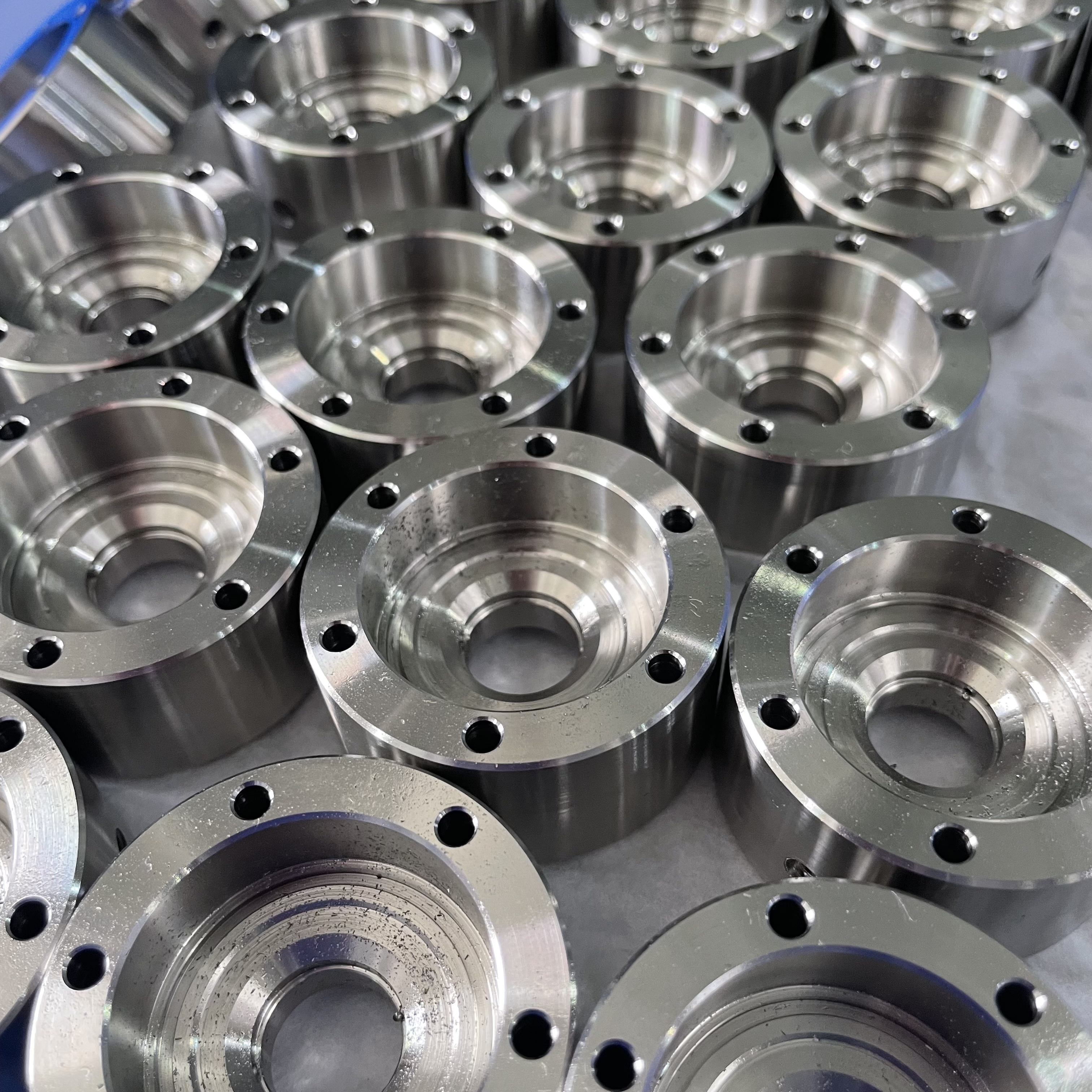
At Precision Fab CNC Machining, we specialize in producing parts for prototypes, short runs, and high-volume production. Our prototyping machine capabilities extend across metal, plastic, and wood machining, with welding fabrication services available to complement and finalize your prototype if required.
Address
Address: Room320 10F, Building A,Nanshan international building, Dayawan District, Huizhou, Guangdong, 516001 China
Contacts
billy@timaycnc.com