How to Decide on the Best Material for CNC Prototyping in 2025

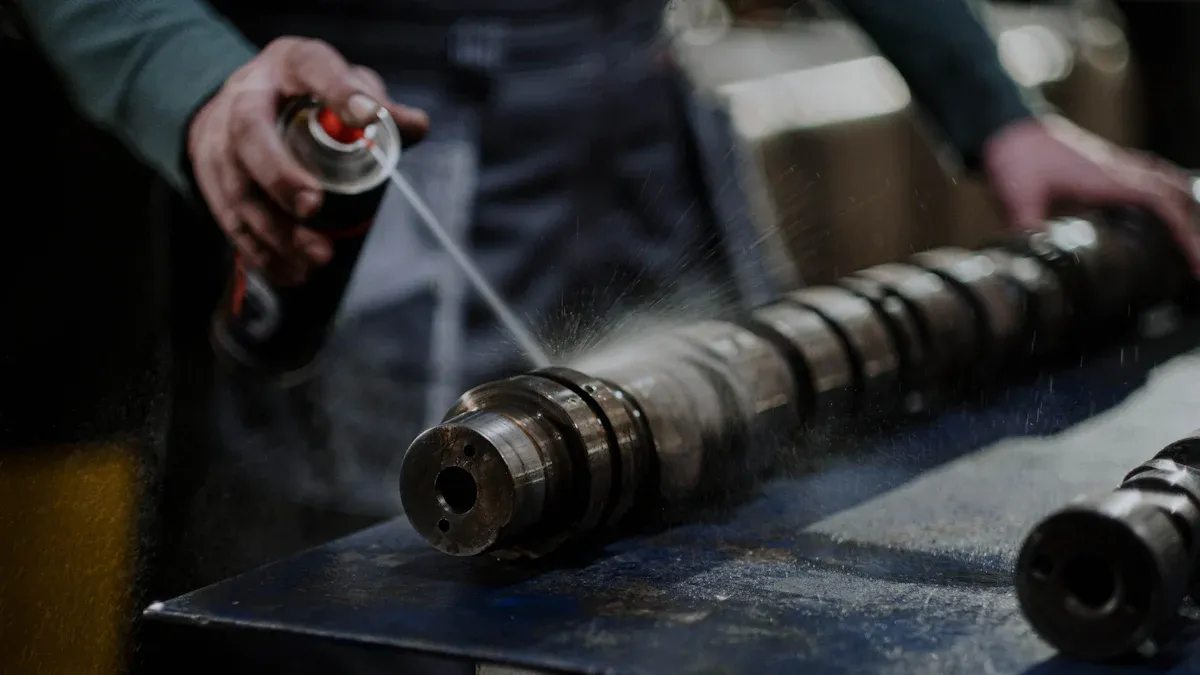
Choosing the right material determines the success of your CNC prototyping project. Materials like aluminum offer cost-efficiency and machinability, while stainless steel provides strength and corrosion resistance. Selecting the wrong option can increase costs and compromise functionality. By understanding material properties, you ensure prototypes meet performance, aesthetic, and budgetary goals effectively.
Key Takeaways
Picking the right material is key for CNC prototyping. Look at features like strength, toughness, and heat resistance for your project.
Check how easy it is to machine the material. Easier machining saves time and money. Aluminum is easy to machine and wears tools less.
Try out materials by making prototypes to test them. This helps find problems early and ensures the product works well.
Key Factors for Selecting the Right Material in CNC Prototyping
Physical Properties and Performance
When selecting a material for CNC prototyping, you must evaluate its physical properties to ensure it meets your project’s requirements. Key properties include strength, hardness, and thermal resistance. These factors determine how well the material performs under stress or heat. For example, aluminum offers a balance of strength and weight, making it ideal for lightweight applications. On the other hand, stainless steel provides excellent durability and corrosion resistance, suitable for harsh environments.
Other critical properties include:
Thermal conductivity and expansion
Chemical and corrosion resistance
Magnetic and optical properties
By understanding these characteristics, you can choose a material that aligns with your prototype's functional and aesthetic needs.
Machinability of CNC Machining Materials
Machinability directly affects the efficiency and precision of CNC prototyping. Materials with high machinability, like aluminum, reduce tool wear and production time. This leads to cost savings and high-quality prototypes. Factors influencing machinability include:
Tool wear rates
Surface finish quality
Cutting forces and temperatures
Chip formation and burr behavior
For complex designs requiring tight tolerances, machinable materials ensure accuracy and reduce waste.
Cost Considerations and Budgeting
Balancing cost and quality is crucial in material selection. Aluminum and ABS are cost-effective options for rapid prototyping, while titanium and stainless steel, though pricier, offer superior strength and durability. The table below highlights average costs for common materials:
Material | Average Cost ($) |
|---|---|
Stainless Steel 304 | 90 |
Aluminum 7075 | 80 |
Aluminum 6061 | 25 |
Choosing materials with minimal post-processing needs can further reduce expenses.
Application-Specific Needs and Environmental Factors
Your material choice should align with the prototype’s application and environment. For medical devices, materials must meet safety and hygiene standards. Environmental factors like UV exposure, moisture, and extreme temperatures also influence performance. Consider these aspects:
Heat and cold resistance
Flame retardance
Food-grade or medical-grade compliance
By addressing these needs, you ensure the material is suitable for its intended use.
Step-by-Step Guide to Select the Most Suitable Material
Define Functional and Aesthetic Requirements
Start by identifying what your CNC machined part needs to achieve. Consider both functional and aesthetic requirements. For functionality, focus on mechanical properties like strength, hardness, and durability. For example, gears in machinery require high hardness, while load-bearing structures demand high tensile strength. Aesthetics matter for consumer-facing products, where surface finish and texture play a role. If you’re designing medical devices, ensure the material complies with safety and hygiene standards. Defining these requirements early helps you narrow down candidate materials effectively.
Shortlist CNC Machining Materials Based on Criteria
Once you know your requirements, create a shortlist of CNC machining materials. Evaluate them based on:
Thermal Properties: Ensure the material can handle the required temperature range.
Surface Finish: Match the desired texture or smoothness.
Mechanical Properties: Check for strength, wear resistance, and machinability.
Cost: Compare options to fit your budget.
Environmental Factors: Consider exposure to chemicals, moisture, or UV light.
Analyze datasheets for each material to confirm they meet your specifications. Prioritize materials that balance cost, availability, and performance. This step simplifies the material selection process and ensures you focus on the most suitable options.
Test and Validate the Material's Suitability
Testing is essential to confirm material suitability. Use iterative prototyping to create basic models and refine your design. Perform functional validation to ensure the prototype replicates the mechanical properties and dimensions of the final product. Experiment with different materials to assess their strength, weight, and cost. Testing helps you identify potential issues and refine your choices before committing to a final material.
Make Final Decisions Considering Trade-Offs
When selecting the right material, you’ll need to balance trade-offs. For example, aluminum offers cost-effectiveness and machinability but lacks the strength of titanium. Consider the impact of post-processing requirements, as some materials need expensive finishing. Evaluate supply chain factors, such as availability and sourcing costs. Use a decision-making framework to weigh factors like cost, machinability, and material properties systematically. This approach ensures your final choice aligns with your project’s goals for quality, performance, and budget.
Material Comparison Guide for CNC Prototyping
Metals for CNC Prototyping (e.g., Aluminum, Steel, Titanium)
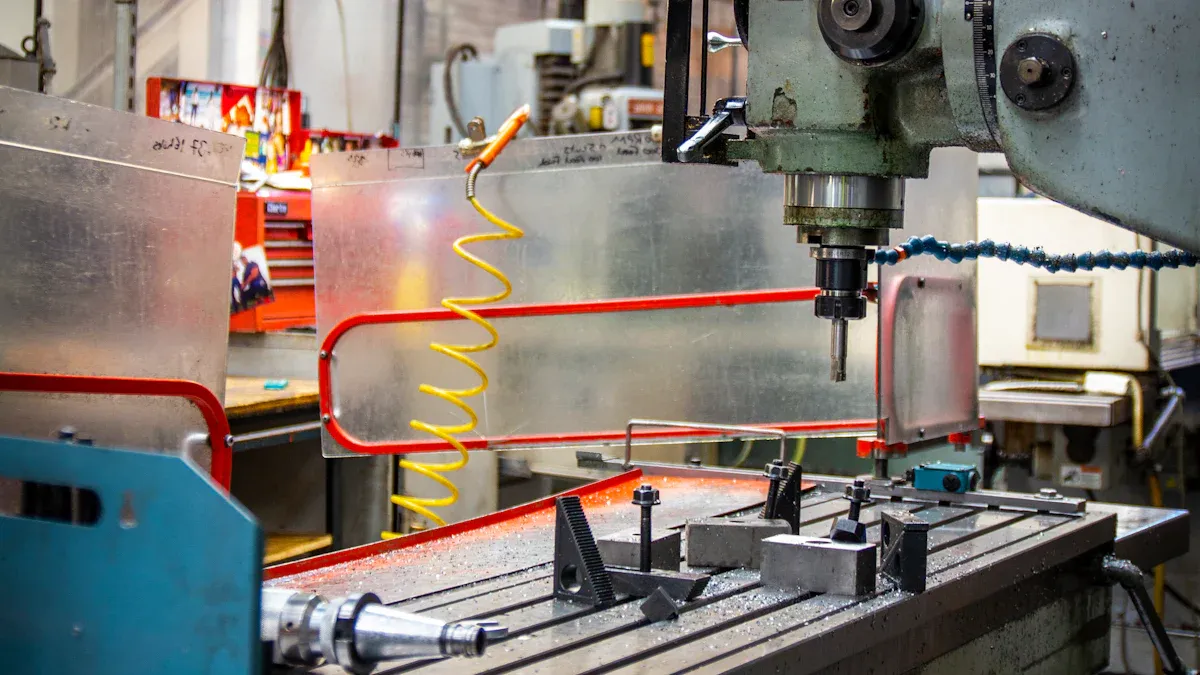
Metals are a popular choice for CNC prototyping due to their strength, durability, and versatility. Aluminum alloys stand out for their lightweight nature and high machinability. These properties make them ideal for automotive and aerospace applications. Stainless steel offers excellent corrosion resistance and strength, making it suitable for harsh environments. Carbon steel, known for its durability and affordability, is often used in structural and mechanical components.
However, not all metals are equally cost-effective. Aluminum and mild steel are generally more affordable than titanium and stainless steel. Titanium, while expensive, provides unmatched strength-to-weight ratio and corrosion resistance, making it indispensable for high-performance applications. When selecting a metal, consider its machinability. Aluminum, for instance, reduces production time and tool wear, while harder metals like stainless steel require more machining effort, increasing costs.
Plastics for CNC Prototyping (e.g., ABS, Nylon, Polycarbonate)
Plastics offer flexibility and cost-efficiency for rapid prototyping. ABS is a top choice due to its toughness, impact resistance, and chemical stability. It works well for protective enclosures and consumer products. Nylon, valued for its wear resistance and durability, is ideal for mechanical parts like gears and bearings. Polycarbonate, known for its high impact resistance, is often used in applications requiring flexibility and strength.
Each plastic has unique properties. For example, POM (Delrin) provides excellent dimensional stability, making it suitable for precise parts like water meters. PTFE (Teflon) resists chemicals and fatigue, though it has limitations in thickness. Nylon 66 offers high-impact strength but absorbs moisture, which can affect its stability. When choosing plastics, consider the specific requirements of your prototype, such as durability, machinability, and environmental factors.
Composites for CNC Prototyping (e.g., Carbon Fiber, Fiberglass)
Composites like carbon fiber and fiberglass combine strength, flexibility, and lightweight properties, making them ideal for CNC prototyping. Carbon fiber boasts a strength-to-weight ratio higher than steel and titanium. It excels in applications requiring high tensile strength and durability. Fiberglass, on the other hand, is cost-effective and offers exceptional stiffness and strength, making it suitable for factory tooling and high-strength prototypes.
These materials also provide excellent heat resistance and longevity, outperforming many pure materials. For instance, fiberglass parts are significantly stronger and stiffer than conventional ABS parts. Carbon fiber’s superior properties have revolutionized industries like automotive and medical devices. When selecting composites, evaluate their performance under stress and environmental conditions to ensure they meet your prototyping needs.
Selecting the right material is essential for CNC prototyping success. You must balance properties, cost, and application-specific needs to achieve optimal results.
To simplify your decision-making process:
Understand application requirements and critical material properties.
Assess machinability and cost-effectiveness.
Test and validate materials to ensure performance.
For complex projects, consult experts or explore resources on materials like aluminum, ABS, and carbon fiber. This approach ensures your prototypes meet functional, aesthetic, and budgetary goals.
FAQ
What is the most cost-effective material for CNC prototyping?
Aluminum and ABS are the most cost-effective options. Aluminum offers machinability and strength, while ABS provides durability and affordability for rapid prototyping.
How do I test a material’s suitability for my prototype?
Create a basic prototype using the material. Test its strength, weight, and performance under real-world conditions. Adjust your design based on the results.
Can CNC machines handle composite materials like carbon fiber?
Yes, CNC machines can process composites like carbon fiber. However, you may need specialized tools to handle their unique properties and avoid excessive tool wear.
See Also
CNC Machining Essentials: Selecting Materials and Prototyping Techniques
Improving CNC Prototyping: Strategies for Accuracy and Efficiency
CNC Machining Mastery: Technical Drawings and Material Choices Explained
Rapid Prototyping Insights: Key Materials and Quality Considerations
CNC Machining Aluminum Alloys: A 2024 Comprehensive Overview
About US
Follow Us
Your prototype holds unparalleled significance, and we deeply value its uniqueness. Collaborating with you during the preparation phase for running your prototype or parts is a commitment we gladly embrace. Whether it's a single part or a complex assembly, we are dedicated to selecting the optimal tools and pathways to bring your envisioned product to life.
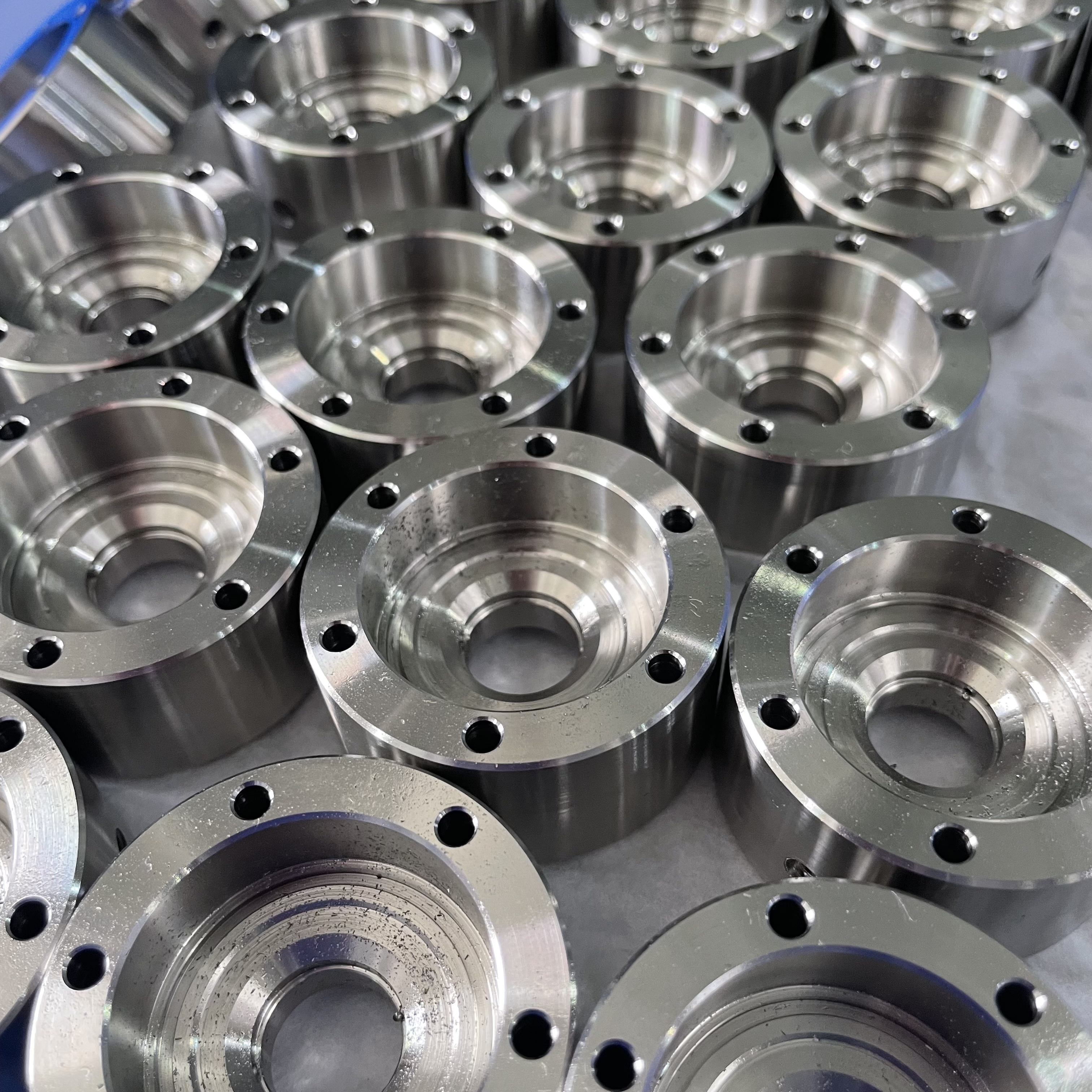
At Precision Fab CNC Machining, we specialize in producing parts for prototypes, short runs, and high-volume production. Our prototyping machine capabilities extend across metal, plastic, and wood machining, with welding fabrication services available to complement and finalize your prototype if required.
Address
Address: Room320 10F, Building A,Nanshan international building, Dayawan District, Huizhou, Guangdong, 516001 China
Contacts
billy@timaycnc.com