The Best Materials for CNC-Machined Flashlights: Aluminum, Titanium, and More

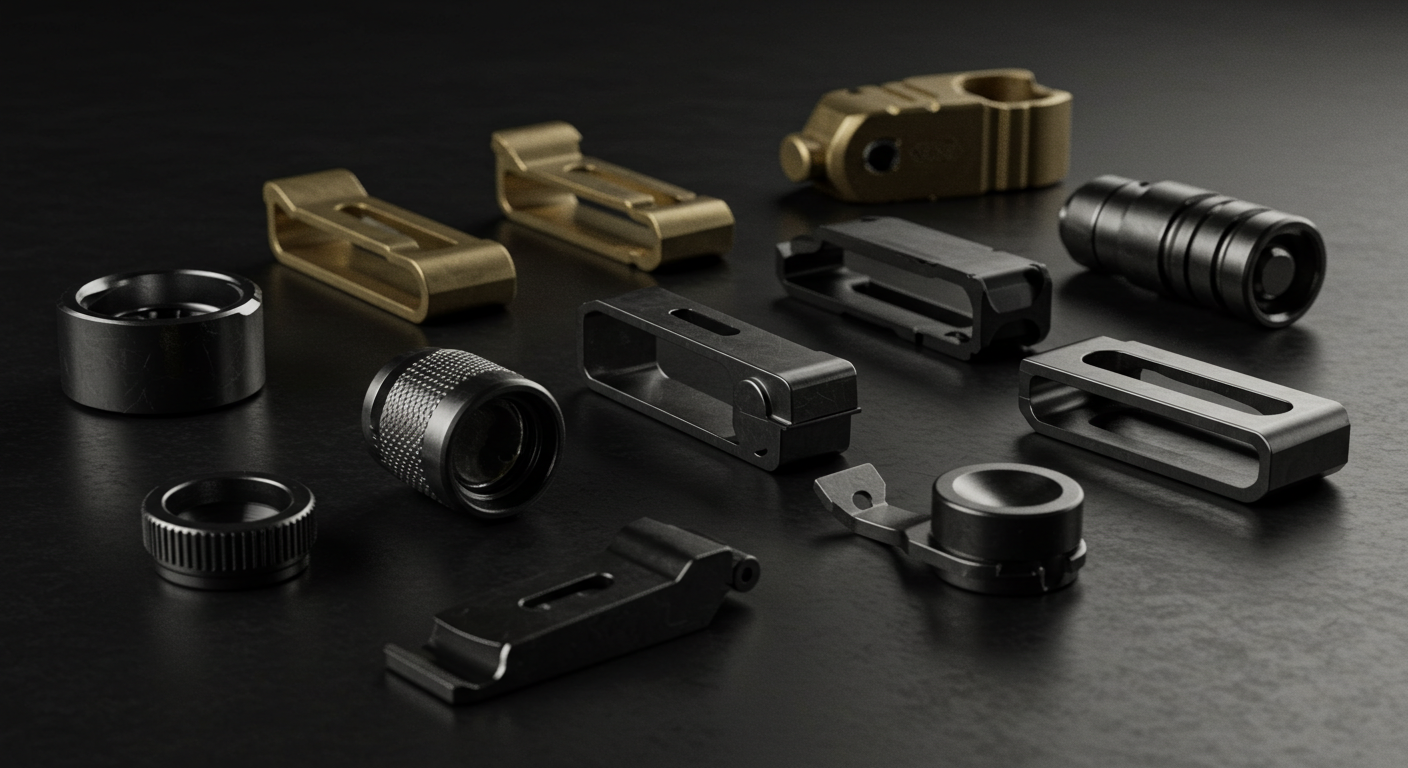
When making CNC-machined flashlights, aluminum and titanium are great picks. Aluminum is light and resists rust, perfect for daily use. Titanium is very strong and lasts long, great for tough jobs. For strength, titanium (Grade 5 Ti 6Al-4V) is 138 ksi. Aluminum 6061-T651, however, is only 40 ksi. Other materials like stainless steel and brass have good traits too. But they are often heavier or don’t last as long. Pick the material based on what you need most.
Key Takeaways
Aluminum is light and does not rust, great for daily flashlights. It is cheap and easy to shape, saving production time.
Titanium is very strong and lasts long, ideal for outdoor use. It does not rust and stays in good condition for years.
Stainless steel is tough and hard to damage, but it is heavy and harder to shape than aluminum or titanium. It works well in rough places but is less easy to carry.
Brass looks fancy and old-fashioned and carries electricity well. However, it is heavy and needs cleaning often to stay shiny.
Plastics are light and cheap, good for fun designs. But they are not strong enough for hard jobs.
Aluminum: A Great Option for CNC-Machined Flashlights
Features of Aluminum
Lightweight and resists rust
Aluminum is light, making it great for portable flashlights. It forms a protective layer that stops rust, even in tough conditions. This makes it a good pick for outdoor or water-related use.
Good at handling heat and electricity
Aluminum is excellent at moving heat and electricity. This helps flashlights stay cool during long use, which is important for high-power models.
Alloys like 6061 and 7075 are often used
Flashlight makers use aluminum alloys like 6061 and 7075. These alloys are strong, light, and resist rust. For example, 6061 is common in cars and planes, while 7075 is stronger for harder tasks.
Aluminum Alloy | Weight Strength | Rust Resistance | Uses |
|---|---|---|---|
6061 | Strong, flexible | Very good | Cars, airplanes |
7075 | Very strong | Moderate | Planes, military |
Benefits of CNC Machining Aluminum
Affordable and easy to find
Aluminum is cheap and widely available. This lowers costs, making it a budget-friendly choice for flashlight production.
Easy to shape, saving time
Aluminum is simple to machine, cutting down production time. Industries like aerospace and cars save up to 30% time by using CNC-machined aluminum.
Anodizing makes it tougher and colorful
Anodizing aluminum makes it stronger and adds color options. This process improves the look and wear resistance of flashlight shells.
Downsides of Aluminum
Not as tough as titanium in harsh conditions
Aluminum is strong but not as tough as titanium. It can bend under high stress or heat, so it’s not ideal for explosion-proof flashlights.
Scratches and dents more easily
Aluminum can scratch or dent faster than titanium or steel. This might make your flashlight look worn over time.
Doesn’t feel as fancy as titanium
Aluminum is useful but doesn’t feel as high-end as titanium. If you want a premium look, titanium is a better option.
Titanium: Strong and Long-Lasting for Fancy Flashlights
What Makes Titanium Special
Strong but not too heavy
Titanium is very strong and still lightweight. Its strength-to-weight ratio is better than most materials. Grade 5 Titanium, for example, has a strength of 138 ksi. This makes it tough without making flashlights too heavy.
Doesn’t rust in tough places
Titanium doesn’t rust, even in bad conditions. It can handle saltwater, humidity, and chemicals. This makes it great for outdoor or tactical flashlights. Your flashlight will last longer and work well in hard environments.
Stays strong over time
Titanium doesn’t wear out easily. Unlike aluminum, it stays strong under pressure. This makes it good for explosion-proof flashlights and other tough uses.
Feature | What It Means |
|---|---|
Rust Resistance | Very high |
Long-Lasting | Lasts longer because it resists damage |
Why Titanium is Great for Flashlights
Looks fancy and feels nice
Titanium flashlights look sleek and shiny. They feel high-end and stylish. People who want a fancy flashlight often pick titanium.
Hard to scratch or dent
Titanium is tough and doesn’t scratch or dent easily. This keeps your flashlight looking new for a long time. Titanium flashlights can survive drops without breaking.
Perfect for outdoor adventures
Titanium flashlights are great for outdoor and tactical use. They are waterproof, often rated IPX7 or IPX8. They can handle rough use, making them good for hiking, camping, or emergencies.
Material | Strength-to-Weight | Rust Resistance | Durability |
|---|---|---|---|
Titanium | High | Excellent | Best for fancy flashlights |
Aluminum Alloy | Medium | Good | Light but less strong |
Stainless Steel | Medium | Good | Strong but heavier |
Downsides of Titanium
Costs more than aluminum
Titanium is more expensive than aluminum. This makes it harder to afford for some people. But it’s worth it because it lasts longer and works better.
Harder to make, takes more time
Making things with titanium is tricky. It needs special tools and takes longer to machine. Cooling systems are needed to stop it from overheating. This makes it cost more and take longer to produce than aluminum.
Heavier than aluminum, but still light
Titanium is heavier than aluminum, though not by much. Some people might find it less portable. But the extra weight is worth it for its strength and durability.
Feature | Titanium | Aluminum |
|---|---|---|
Making Process | Needs special tools, costs more | Easier and cheaper to make |
Production | More complex, takes longer | Simple and faster |
Other Materials for CNC-Machined Flashlights
Stainless Steel
Very strong and hard to damage
Stainless steel is known for being tough and long-lasting. It doesn’t rust, making it great for strong flashlight cases. This material is often used in cars for parts like valves that face tough conditions. Its strength helps flashlights survive drops or rough use without breaking.
Main Advantages of Stainless Steel:
Doesn’t rust easily
Very strong under pressure
Works well for explosion-proof flashlights
But stainless steel is harder to shape than aluminum or titanium. This makes it take longer and cost more to produce.
Heavier than other materials, harder to carry
Stainless steel weighs more than aluminum or titanium. This makes it less portable. If you want a light flashlight for daily use, stainless steel might not be the best option.
Brass
Looks fancy and old-fashioned
Brass has a shiny, golden look that many people like. It can be polished to look even better, giving flashlights a stylish design. CNC machining can create detailed patterns on brass, making it stand out. Brass also conducts electricity well, which is useful for some flashlight parts.
Reasons to Pick Brass:
Fancy, vintage look
Can be shaped with detailed designs
Heavy and changes color over time
Brass is heavier than materials like aluminum. Over time, it can lose its shine and develop a dull layer called patina. Some people don’t like this look. You’ll need to clean it often to keep it shiny.
Plastics
Light and cheap
Plastics like ABS, nylon, and polycarbonate are lightweight and affordable. They can be molded into complex shapes, making them good for creative designs. Plastics like ABS and polycarbonate are also strong enough to handle daily use without breaking.
Plastic Type | Features | Cost Benefits |
|---|---|---|
ABS | Strong, handles impacts, flexible | Cheap for everyday use |
Nylon | Strong, smooth surface | Affordable for moving parts |
Polycarbonate | Clear, tough, resists scratches | Cheaper option than glass |
Not strong enough for tough jobs
Plastics are light and cheap but not as strong as metals. They can’t handle heavy-duty tasks or extreme conditions. For outdoor adventures or rugged use, plastics might not last long enough.
Picking the Best Material for Your Flashlight
Thinking About Budget
Aluminum is great for saving money
If you want to spend less, pick aluminum. It’s cheap and easy to work with, which lowers costs. Making aluminum flashlights is simple and saves time. Unlike titanium, aluminum costs less and doesn’t need special tools.
Factor | Aluminum | Titanium |
|---|---|---|
Machining Processes | Easy to shape, costs less | Harder to shape, costs more |
Initial Material Costs | Cheaper | 35% more expensive |
Maintenance | Needs coatings to last longer | Needs little upkeep |
Titanium is worth it for better quality
If you want something that lasts, titanium is a smart choice. It’s super strong and doesn’t wear out easily. This means you won’t need to replace it often. Even though it costs more, titanium saves money over time because it lasts longer.
How You’ll Use It
Aluminum is perfect for everyday flashlights
Aluminum is light, so it’s great for carrying around. It’s easy to shape into strong designs without adding weight. Many daily-use flashlights are made from aluminum because it’s tough and portable.
Material | Properties | Applications |
|---|---|---|
Aluminum Alloy | Light, strong, resists rust, easy to shape | Flashlights for daily use |
Titanium is best for outdoor or tough jobs
For camping or emergencies, titanium is the best pick. It’s super strong and doesn’t rust, even in bad weather. Titanium flashlights can handle rough conditions and are great for hiking or tactical use.
What You Like Matters
Looks and feel can help you decide
Your style might affect your choice. Titanium looks fancy and feels high-end. Aluminum can be colored in many ways, giving you more design options.
Weight and how it feels to carry
If you want something light, aluminum is a good option. But if you like a heavier, solid feel, titanium is better. Both materials work well, so pick what feels best to you.
When picking a CNC-machined flashlight, think about your needs. Aluminum is light and cheap, great for daily use. Titanium is strong and lasts long, perfect for tough tasks. Materials like stainless steel, brass, and plastic are good for certain uses. But they aren’t as flexible for all needs. Your choice depends on your budget, how you’ll use it, and what you like. Knowing what each material does well helps you choose the best flashlight.
FAQ
What material is best for a light flashlight?
Aluminum is great for light flashlights. It’s strong, light, and resists rust. This makes it perfect for daily use or carrying around.
Why does titanium cost more than aluminum?
Titanium is pricier because it’s harder to shape. It needs special tools and takes longer to make. Its strength and rust resistance also make it more valuable.
Can stainless steel flashlights get rusty?
Stainless steel doesn’t rust easily because of chromium. But in tough conditions or with poor care, small rust spots can appear. Cleaning it often keeps it strong.
Are plastic flashlights good for outdoor use?
Plastics like ABS or polycarbonate work for light outdoor use. But they’re not as strong as metals like aluminum or titanium. Metal flashlights are better for rough conditions.
How do I pick the right flashlight material?
Think about your needs. Aluminum is cheap and good for daily use. Titanium is strong and great for outdoor tasks. Stainless steel is tough but heavier. Plastics are light and cheap but less strong.
See Also
Utilizing CNC Machining for Tactical and Outdoor Flashlight Parts
CNC Machining Aluminum Alloys 6061 And 7075: A 2024 Overview
Benefits of Utilizing Aluminum CNC Machining Services Explained
CNC Machining Process and Uses of Aluminum Alloy 7075
CNC Machining Mastery: Understanding Tolerances, Prototyping, and Materials
About US
Follow Us
Your prototype holds unparalleled significance, and we deeply value its uniqueness. Collaborating with you during the preparation phase for running your prototype or parts is a commitment we gladly embrace. Whether it's a single part or a complex assembly, we are dedicated to selecting the optimal tools and pathways to bring your envisioned product to life.
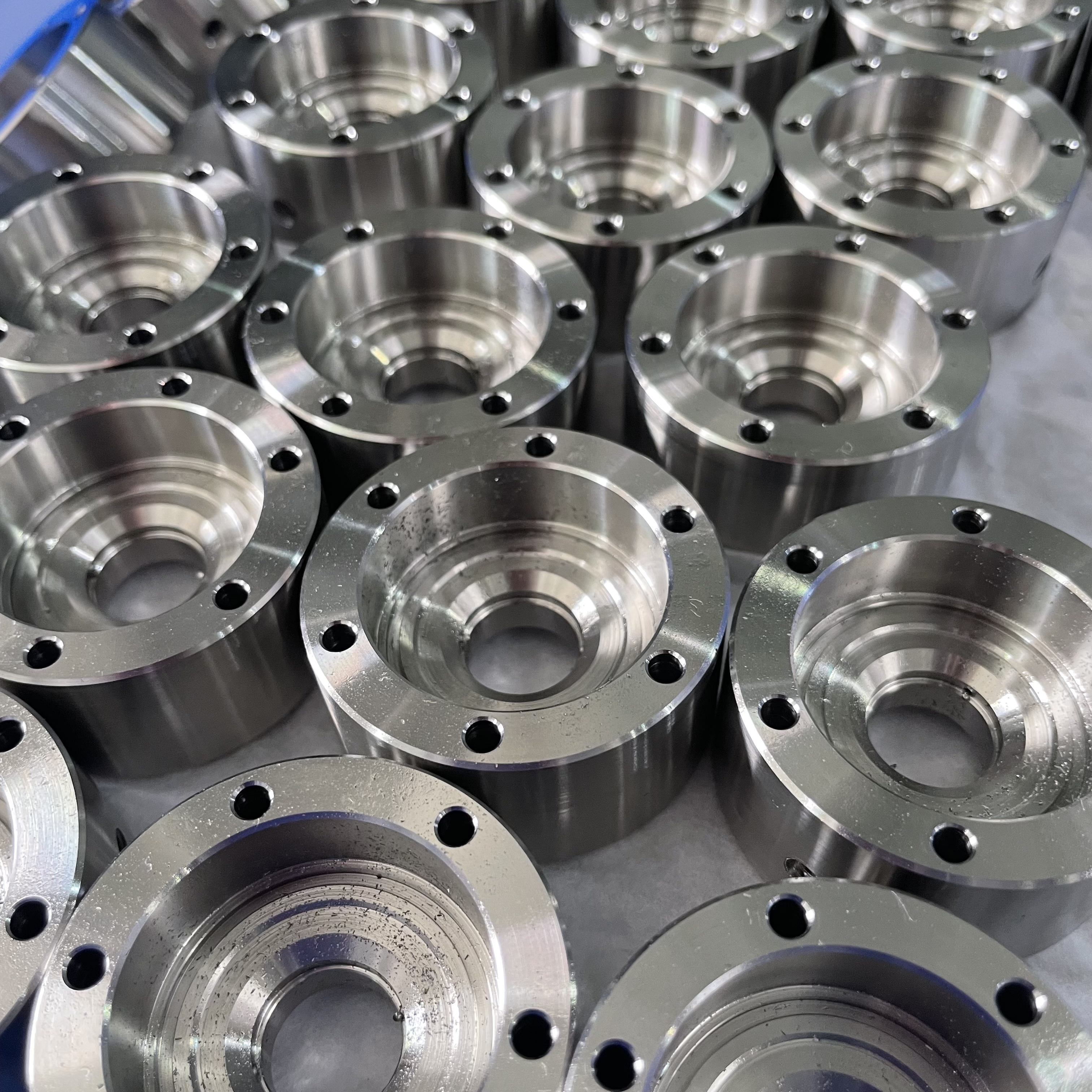
At Precision Fab CNC Machining, we specialize in producing parts for prototypes, short runs, and high-volume production. Our prototyping machine capabilities extend across metal, plastic, and wood machining, with welding fabrication services available to complement and finalize your prototype if required.
Address
Address: Room320 10F, Building A,Nanshan international building, Dayawan District, Huizhou, Guangdong, 516001 China
Contacts
billy@timaycnc.com