What Materials Are Best for CNC Precision Part Manufacturing

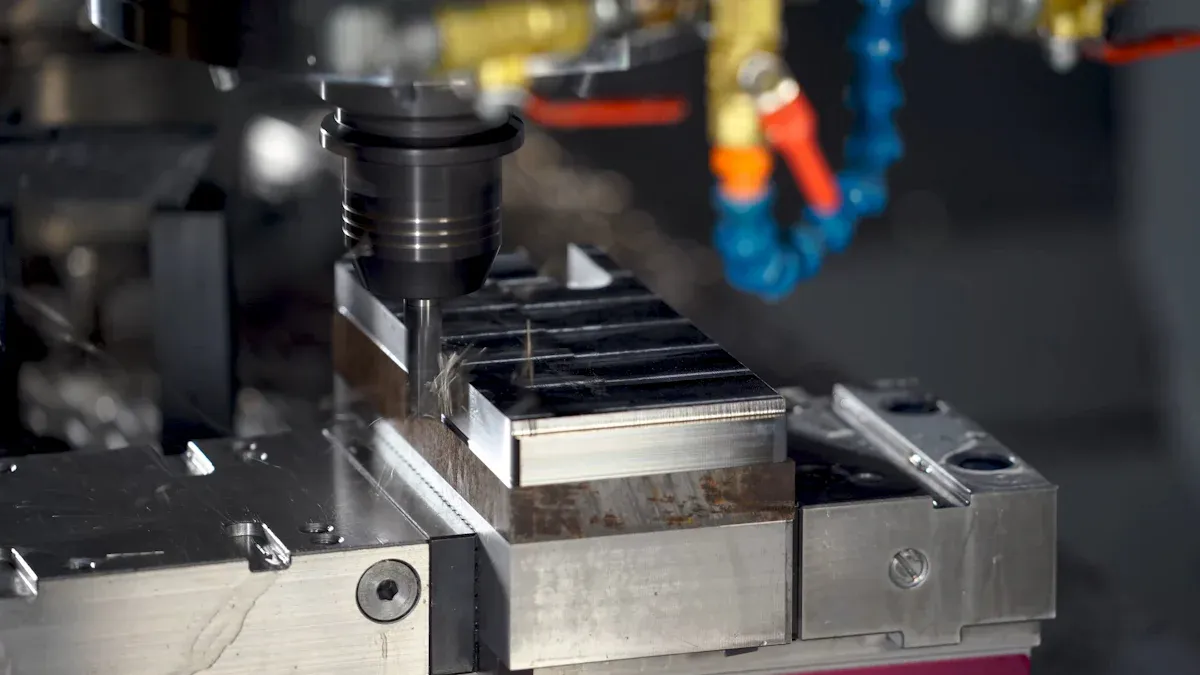
CNC machining supports a wide range of materials, making it versatile for manufacturing CNC precision parts. Common options include aluminum, stainless steel, brass, and titanium. Your material selection impacts precision, durability, and cost-effectiveness. Factors like machinability, strength, and thermal resistance determine how well a material suits precision CNC machining, ensuring a high level of accuracy in the production of CNC precision parts.
Key Takeaways
Pick materials based on what the project needs. Think about strength, weight, and weather conditions for the best results.
Aluminum is the cheapest option for CNC machining. It is easy to shape and recycle, making it a favorite for many tasks.
Learn how materials behave during machining. Hardness, toughness, and heat transfer impact how well tools work and last.
Metals for CNC Precision Part Manufacturing
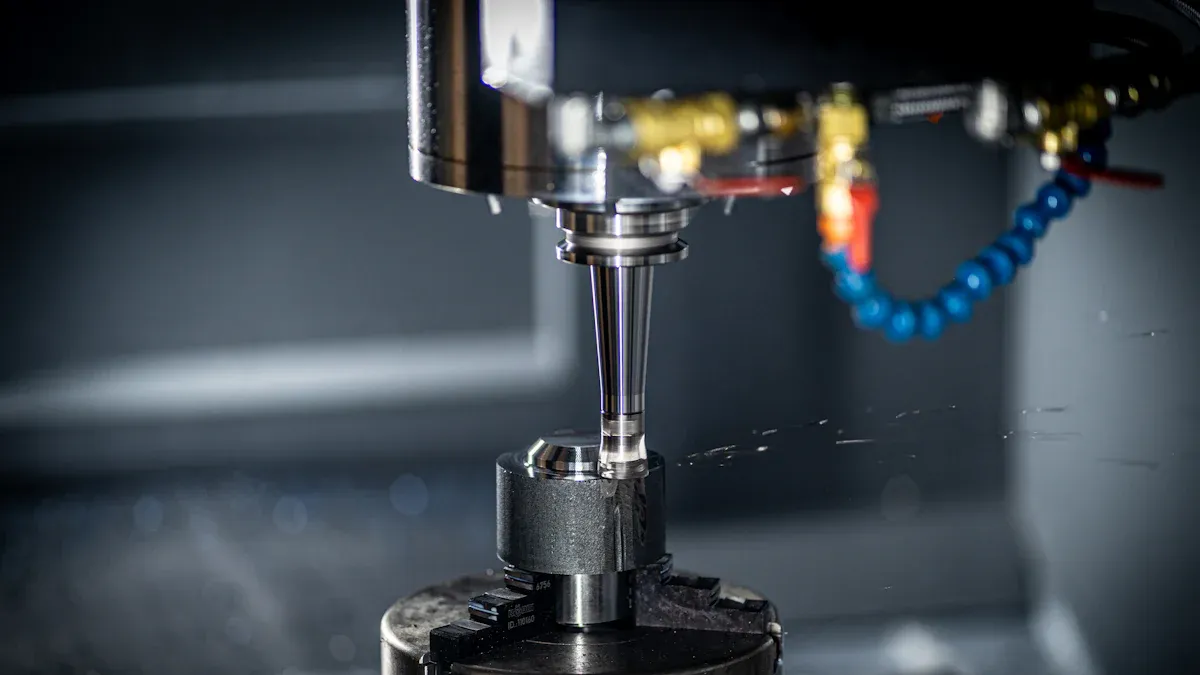
Aluminum: Lightweight and Machinable
Aluminum stands out as one of the most common CNC machining materials due to its versatility. Its excellent machinability allows you to achieve high precision in manufacturing CNC precision parts. Aluminum is lightweight yet strong, with tensile strengths reaching up to 700 MPa in certain alloys. Its natural oxide layer provides corrosion resistance, making it suitable for various environments. Additionally, aluminum is cost-effective and recyclable, which supports sustainable manufacturing practices. The table below highlights its key properties:
Property | Description |
|---|---|
Machinability | Aluminum is known for its excellent machinability, allowing for quick processing in CNC machines. |
Cost-effectiveness | Its abundance in nature ensures low cost and easy recycling, making it economically viable. |
High strength | Aluminum can achieve tensile strengths up to 700 MPa with different alloys, providing durability. |
Corrosion resistance | The oxide layer on aluminum enhances its resistance to corrosion, suitable for various environments. |
Suitability for anodizing | Aluminum is highly suitable for anodizing, which further increases its corrosion resistance. |
Stainless Steel: Strength and Corrosion Resistance
Stainless steel is a top choice for CNC precision machined parts when strength and corrosion resistance are critical. It performs well in harsh environments, including marine and aerospace applications. Industries like automotive, medical, and food processing rely on stainless steel for its durability and sanitary qualities. For example, it is used in surgical instruments, exhaust systems, and storage tanks. Its ability to withstand heat and wear makes it ideal for precision machining.
Industry | Usage Description |
|---|---|
Automotive | Used for exhaust systems, fuel lines, and other parts due to durability and corrosion resistance. |
Marine | Utilized for its excellent corrosion resistance in seawater and hostile environments. |
Medical | Required for precision in implants, surgical instruments, and other medical devices. |
Food and Beverage | Used in processing machinery and storage tanks for its sanitary qualities and corrosion resistance. |
Aerospace | Employed in aviation engines and landing gear for strength, corrosion resistance, and heat resistance. |
Brass: Machinability and Corrosion Resistance
Brass offers excellent machinability, making it a preferred material for precision machining. It reduces tool wear and extends tool life, which lowers production costs. Its corrosion resistance and thermal conductivity make it suitable for electrical and plumbing applications. Brass is also recyclable, contributing to sustainable practices. Its golden appearance adds aesthetic value, making it popular in decorative items.
Key advantages of brass:
Excellent machinability for efficient CNC machining.
Good corrosion resistance for challenging environments.
High thermal and electrical conductivity.
Cost-effective and widely available.
Titanium: High Strength and Low Weight
Titanium alloys combine high strength with low weight, making them ideal for aerospace and medical applications. You’ll find titanium in jet engine components, turbine blades, and airframe materials. Its biocompatibility makes it suitable for medical implants like pacemaker cases and dental screws. Titanium alloys also resist corrosion, even in extreme conditions, ensuring durability in CNC precision part manufacturing.
Common applications of titanium:
Jet engine components and structural frames.
Medical implants, including screws and pacemaker cases.
Aircraft airframes and aeronautical items where weight is a priority.
Plastics for Precision CNC Machining
ABS: Versatile and Cost-Effective
ABS plastic is a popular choice for precision CNC machining due to its versatility and affordability. You can use it to create durable, impact-resistant parts that maintain their integrity under stress. Its thermal stability ensures reliable performance during heat-generating machining processes. ABS also resists many chemicals, enhancing the longevity of your components. Additionally, it allows for high-quality surface finishes, making it suitable for both functional and aesthetic applications.
Feature | Description |
|---|---|
Mechanical Strength | ABS plastic offers a strong yet flexible material, ideal for impact-resistant parts. |
Thermal Stability | It withstands higher temperatures, beneficial during heat-generating machining. |
Chemical Resistance | ABS is durable against various chemicals, enhancing product longevity. |
Surface Finish | Capable of achieving high-quality finishes for both aesthetic and functional uses. |
Nylon: Durable and Wear-Resistant
Nylon is a lightweight yet strong material, making it a cost-effective option for various applications. Its excellent resistance to wear, abrasion, and impact ensures durability in demanding environments. You’ll find nylon particularly useful for parts that endure dynamic loads, as it balances flexibility and toughness. Compared to other plastics like Delrin, nylon offers superior wear resistance, though Delrin excels in dimensional stability and low friction.
Key benefits of nylon:
Outstanding wear and abrasion resistance.
High impact strength for long-lasting performance.
Cost-effective and versatile for multiple industries.
PEEK: High-Performance and Heat-Resistant
PEEK is a high-performance thermoplastic known for its exceptional thermal stability and chemical resistance. It withstands temperatures up to 250°C (482°F), making it ideal for extreme environments. You can rely on PEEK for its strength, stiffness, and wear resistance, ensuring durability in demanding applications. Industries like aerospace, automotive, and medical use PEEK for components such as engine parts, implants, and electrical insulators. Its ability to maintain integrity under stress makes it a top choice for precision CNC machining.
Common applications of PEEK:
Aerospace: Components resistant to radiation and chemicals.
Automotive: Engine parts and fuel systems.
Medical: Biocompatible implants and devices.
Polycarbonate: Impact Resistance and Transparency
Polycarbonate offers a unique combination of impact resistance and transparency, making it a versatile material for CNC machining. You can machine it into intricate shapes and sizes while maintaining tight tolerances. Its smooth surface finish enhances both aesthetics and functionality. Polycarbonate is also highly durable, withstanding impacts and chemical exposure. This makes it suitable for rapid prototyping and small production runs, where customization and precision are essential.
Advantages of polycarbonate:
High impact strength and toughness.
Dimensional accuracy for perfect-fitting components.
Smooth surface finish for polished, professional results.
Specialized Materials in CNC Machining
Composites: Lightweight and Strong
Composites offer a unique combination of strength and low weight, making them ideal for CNC machining. These materials consist of a matrix reinforced with fibers, providing excellent durability and flexibility. Common composite options include carbon fiber reinforced polymer (CFRP), glass fiber reinforced polymer (GFRP), and aramid fiber reinforced polymer (AFRP). Each type delivers specific benefits, such as high tensile strength, impact resistance, or thermal stability.
Benefits of machining composites:
Reduced material wastage.
High precision for complex designs.
Improved safety during manufacturing.
You can use composites in aerospace, automotive, and sporting goods industries, where lightweight and strong components are essential.
Ceramics: Heat Resistance and Hardness
Ceramics stand out for their exceptional heat resistance and hardness, making them suitable for high-temperature applications. Materials like silicon carbide and alumina ceramics excel in wear resistance and thermal stability. Zirconia ceramics offer toughness and mechanical strength, while mullite is perfect for environments requiring extreme heat resistance.
Compared to metals, ceramics provide superior thermal stability but lack ductility. Plastics are easier to machine but cannot match ceramics in heat resistance. You’ll find ceramics in industries like aerospace, electronics, and medical devices, where precision and durability are critical.
High-Performance Alloys: Extreme Durability
High-performance alloys combine strength, corrosion resistance, and wear resistance, making them a top choice for demanding applications. Examples include titanium alloys, Inconel, and Hastelloy. These materials excel in aerospace and medical fields due to their high strength-to-weight ratio and biocompatibility.
You can rely on high-performance alloys for components like airframes, engine parts, and medical implants. Their durability ensures long-lasting performance, even in extreme conditions.
Material Selection for CNC Precision Part Manufacturing
Application-Specific Requirements
When choosing the right material for CNC precision part manufacturing, you must consider the specific requirements of your application. Different materials excel in different environments and uses:
Stainless steel works well for marine components due to its corrosion resistance.
Carbon steel offers strength, making it ideal for dry environments.
Aerospace applications often rely on aluminum for its lightweight and strong properties.
Acrylic suits projects requiring clarity and aesthetic appeal, such as signage.
By aligning material selection with your application, you ensure optimal performance and durability in your precision machining services.
Cost and Budget Considerations
Material selection directly impacts the cost of CNC machining. Aluminum, for example, is relatively inexpensive, costing just over $1 per pound. Copper, on the other hand, can cost more than three times as much. Additionally, harder metals may have higher upfront costs but could save money in the long run due to reduced machining difficulties. Recyclability also plays a role. Materials like titanium, though initially expensive, can be recycled effectively, potentially lowering future expenses. By carefully evaluating these factors, you can balance cost and performance in your manufacturing process.
Machinability and Performance Factors
The machinability of a material determines how efficiently it can be processed during precision CNC machining. Key factors include:
Hardness: Harder materials require more power and cause quicker tool wear.
Toughness: High toughness materials absorb cutting forces but may produce long chips, slowing the process.
Thermal Conductivity: Low thermal conductivity can lead to overheating, affecting tool life and workpiece quality.
Cutting Parameters: Optimizing speed, feed, and depth of cut improves machining efficiency.
Cutting Tool: Proper tool geometry reduces cutting loads and enhances tool strength.
Cooling and Lubrication: Effective cooling minimizes friction and heat, extending tool life.
By understanding these factors, you can optimize the performance of your precision machining services and achieve high-quality results.
Choosing the right material is essential for successful CNC machining. Metals, plastics, and specialized materials each offer unique benefits for manufacturing. Align material selection with your application by considering factors like environment, stress load, and dimensional stability. Consult CNC machining experts to ensure cost-efficient, high-quality materials that meet your project’s needs.
FAQ
What is the most cost-effective material for CNC machining?
Aluminum is the most cost-effective option. It offers excellent machinability, durability, and corrosion resistance. Its abundance and recyclability make it an economical choice for many applications.
How do you choose the right material for your project?
Consider your application’s requirements. Focus on factors like strength, weight, thermal resistance, and cost. Consulting CNC machining experts ensures the best material choice for your needs.
Can plastics match metals in durability for CNC parts?
Certain plastics, like PEEK and nylon, can match metals in durability. They offer wear resistance, thermal stability, and lightweight properties, making them suitable for specific applications.
See Also
Achieving Precision in CNC Machining for Part Production
Grasping Material Needs for CNC Precision Machining
Streamlined CNC Machining Solutions for Accurate Manufacturing
Investigating CNC Machining Options for Precision Production
About US
Follow Us
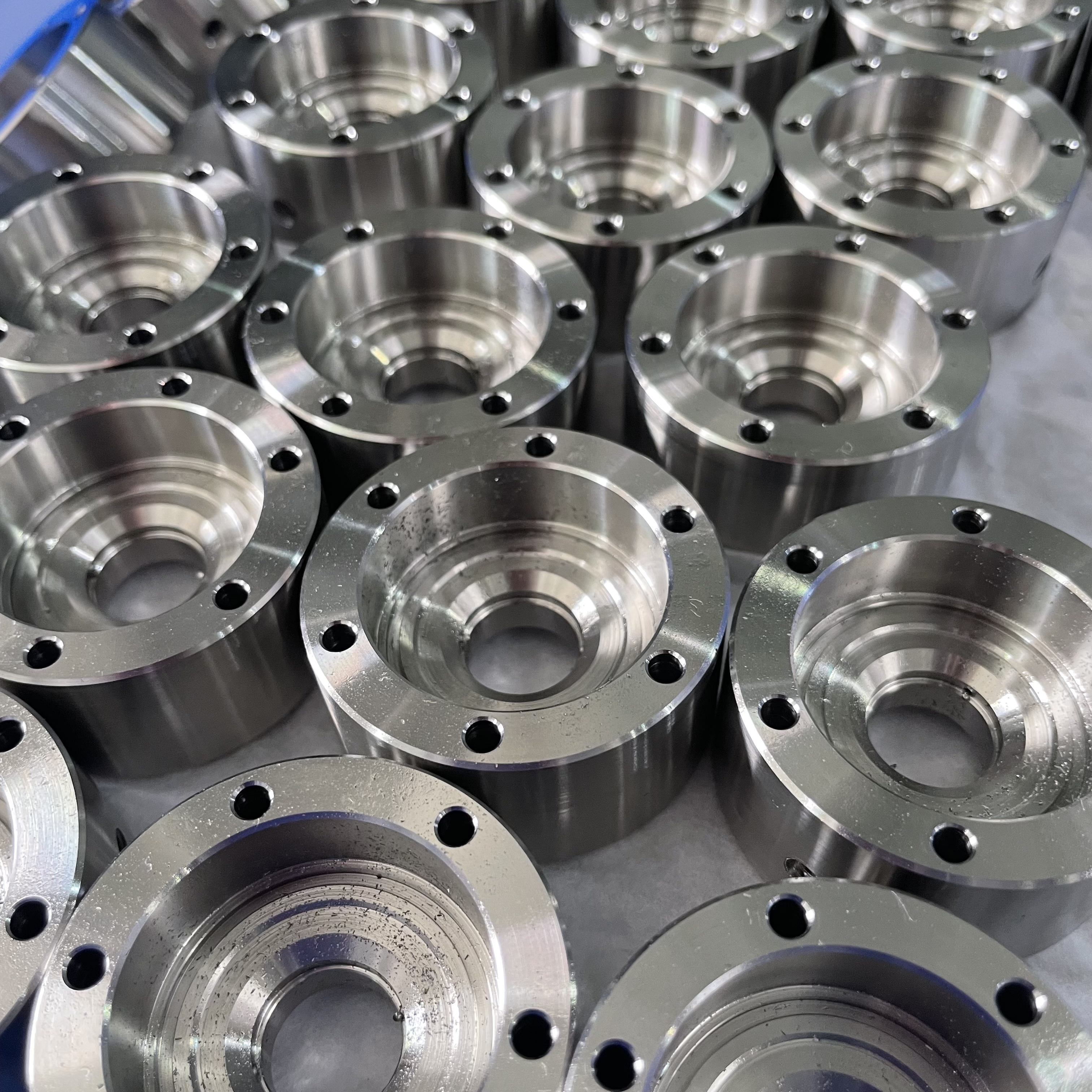
Your prototype holds unparalleled significance, and we deeply value its uniqueness. Collaborating with you during the preparation phase for running your prototype or parts is a commitment we gladly embrace. Whether it's a single part or a complex assembly, we are dedicated to selecting the optimal tools and pathways to bring your envisioned product to life.
At Precision Fab CNC Machining, we specialize in producing parts for prototypes, short runs, and high-volume production. Our prototyping machine capabilities extend across metal, plastic, and wood machining, with welding fabrication services available to complement and finalize your prototype if required.
Address
Address: Room320 10F, Building A,Nanshan international building, Dayawan District, Huizhou, Guangdong, 516001 China
Contacts
billy@timaycnc.com