Choosing the Best Materials for CNC-Machined RC Parts

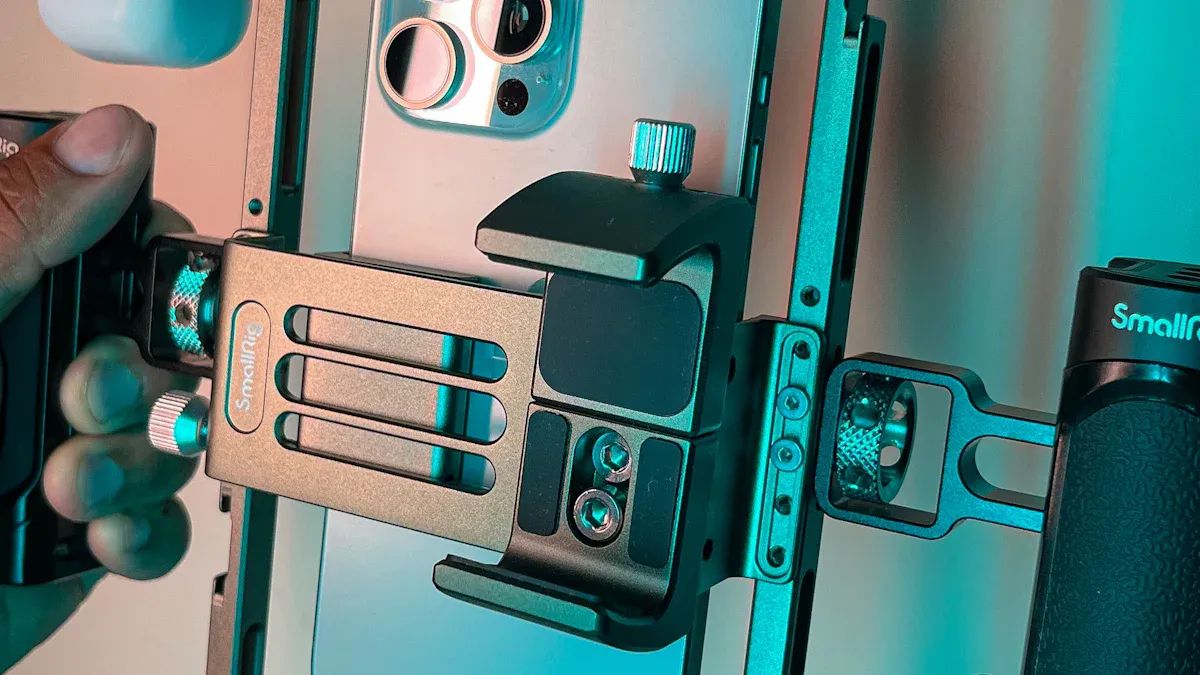
Material selection plays a vital role in crafting high-performing RC hobby parts. For remote controlled vehicles, choosing the right CNC materials ensures durability and precision. For example, lightweight plastics enhance speed, while aluminum offers strength. Proper material selection prevents deformation under stress and ensures CNC machined parts meet dimensional tolerances for optimal performance.
Key Takeaways
Pick materials that are strong and tough to handle crashes and bumpy surfaces. Metals such as aluminum and titanium work well for main parts.
Think about weight when picking materials. Light materials like aluminum make RC cars faster, while heavier ones like steel keep them steady. Find a good mix of speed and control for the best results.
Check how easy it is to shape the material. Materials like aluminum and ABS are simple to work with, making it quicker and cheaper to customize.
Key Factors for Selecting CNC Machining Materials
Strength and Durability for RC Hobby Parts
Strength and durability are critical when choosing materials for RC parts. You need materials that can withstand the mechanical stress of high-speed impacts and rough terrain. Metals like aluminum and titanium offer excellent mechanical properties, making them ideal for structural components. Plastics such as PEEK and Delrin provide a balance of strength and flexibility, which is perfect for parts requiring some give under pressure. Selecting durable materials ensures your RC vehicle performs reliably over time, even in demanding conditions.
Weight and Its Impact on Performance
Weight plays a significant role in the performance of RC vehicles. Lightweight materials improve agility and handling, while heavier ones enhance stability but may reduce speed. For example:
Lighter materials like aluminum or carbon fiber increase maneuverability.
Heavier options, such as steel, provide better traction and balance.
CNC machining allows you to create lightweight and tough chassis designs that optimize both speed and control. This customization ensures your RC vehicle performs at its best.
Machinability and Processing Efficiency
Machinability affects production time and cost. Materials like aluminum, brass, and ABS are easier to machine, reducing tool wear and speeding up production. Harder materials, such as titanium, require more time and skilled labor, increasing expenses. By selecting candidate materials with good machinability, you can streamline the customization process and achieve cost-effective results.
Cost Considerations for CNC Machined Parts
Material costs vary widely. For example:
Material | Unit Price (Estimated) | Lead Time (Estimated) |
|---|---|---|
Aluminum | $15 – $50 | 20 – 40 days |
ABS | $5 – $10 | 15 – 20 days |
Titanium | $50 – $100 | 30 – 60 days |
Balancing cost and performance is essential. Prioritize materials that meet your RC part's mechanical properties without exceeding your budget. |
Environmental and Use-Case Factors
Consider the environment where your RC vehicle will operate. For outdoor use, materials resistant to moisture and UV exposure, like POM or stainless steel, are ideal. Indoor RC vehicles may benefit from lightweight plastics. Matching material properties to the use case ensures optimal performance and longevity for your custom parts.
Comparing CNC Materials for RC Hobby Parts
Metals: Aluminum, Titanium, and Steel
Metals are a popular choice for CNC machining RC parts due to their strength and durability. Aluminum stands out for its low density, corrosion resistance, and machinability. It is ideal for lightweight components like chassis and suspension arms. Titanium offers a higher strength-to-weight ratio and excellent corrosion resistance, making it suitable for demanding applications. Steel, while heavier, provides unmatched strength and durability, making it perfect for gears and axles.
Metal | Advantages | Disadvantages |
|---|---|---|
Aluminum | - Low density and strength-to-weight ratio. | - Lacks the strength-to-weight ratio of titanium. |
- Malleable and easy to machine. | - May not offer the same longevity as titanium in certain applications. | |
- Corrosion-resistant properties. | ||
- Lower cost compared to titanium. | ||
Titanium | - High strength-to-weight ratio. | - Higher cost compared to aluminum. |
- Excellent corrosion resistance. | - More difficult and time-consuming to machine. | |
- Suitable for demanding applications (e.g., aerospace, medical). |
Plastics: ABS, PEEK, and POM (Delrin)
Plastics offer versatility and cost-effectiveness for CNC machining RC parts. ABS is a common choice due to its impact strength, heat resistance, and machinability. PEEK provides excellent mechanical properties and thermal stability, making it suitable for high-performance parts. POM, also known as Delrin, is highly processable and ideal for precision components like gears and bushings.
Material | Properties |
|---|---|
ABS | Good mechanical properties, excellent impact strength, high heat resistance, good machinability. |
PEEK | Excellent mechanical properties, thermal stability, excellent chemical resistance. |
POM (Delrin) | Highest processability among plastics. |
Pros and Cons of Metals vs. Plastics for RC Parts
Choosing between metals and plastics depends on your RC part's requirements. Metals like aluminum provide durability and tuning capabilities, while plastics like ABS offer flexibility and lightweight properties.
Aspect | Metals (Aluminum) | Plastics |
|---|---|---|
Weight | Lighter, allowing for higher speed | |
Durability | More durable but can transfer impact force | Less durable but can be reinforced |
Flexibility | Offers tuning capabilities | Flexible structure but less tunable |
Metals are better for structural components, while plastics excel in lightweight and flexible designs. Evaluate your RC vehicle's needs to make the best choice.
Finishing Options for CNC Machined Parts
Surface Treatments for Metal RC Parts
Surface treatments improve the performance and longevity of metal RC parts. These treatments protect against wear, corrosion, and environmental damage. For example, passivation enhances corrosion resistance by creating a protective oxide layer. Black oxide coating reduces reflectivity and adds a layer of corrosion protection. Electropolishing smooths the surface, increasing fatigue strength and reducing roughness. Nickel plating provides resistance to corrosive elements, while galvanizing shields parts from moisture, extending their service life.
These treatments are essential for RC vehicles exposed to harsh conditions. They ensure your metal parts remain functional and durable over time. CNC machining allows precise customization, making it easier to apply these treatments effectively. By choosing the right surface treatment, you can enhance the reliability and lifespan of your RC components.
Coatings and Polishing for Plastic RC Parts
Plastic RC parts benefit from coatings and polishing to improve their appearance and functionality. Coatings like UV-resistant sprays protect against sunlight damage, while anti-static coatings reduce dust accumulation. Polishing smooths the surface, giving parts a sleek finish and reducing friction during operation.
These finishing options are especially useful for lightweight plastic components. They help maintain the integrity of your RC vehicle's parts, even with frequent use. Proper finishing ensures your plastic parts perform well and look great, adding value to your RC projects.
Enhancing Aesthetics and Performance with Finishing
Finishing options do more than protect your RC parts. They also enhance aesthetics and performance. A polished metal chassis or a coated plastic body can make your RC vehicle stand out. Finishing reduces friction, improves aerodynamics, and ensures smoother operation.
By investing in the right finishing techniques, you can elevate your RC vehicle's performance and appearance. Whether you prioritize durability or style, finishing plays a key role in achieving your goals.
Step-by-Step Guide to Choosing CNC Machining Materials
Define the Function and Requirements of the RC Part
Start by identifying the purpose of the RC part you want to create. Consider how it will interact with other components and the stresses it will endure. For example, a chassis must handle impacts and support the vehicle's weight, while gears require precision and wear resistance. Think about environmental factors like exposure to moisture, heat, or UV light. These details help you narrow down the most suitable material for your custom parts. Always prioritize functionality when making material selection decisions.
Evaluate Material Properties for CNC Machining
Once you define the part's requirements, evaluate the material properties to ensure compatibility with CNC machining. Use tools like Rockwell or Brinell hardness testers to measure hardness, especially for metals. Non-destructive testing methods, such as ultrasonic or X-ray inspections, can detect flaws without damaging the material. Spectrometers help verify the material's composition, while microstructure analysis tools assess grain structure and predict performance under stress. These evaluations ensure you choose a material that meets your RC part's mechanical and environmental needs.
Balance Performance, Durability, and Cost
Balancing performance, durability, and cost is essential for creating effective RC parts. Lightweight materials like aluminum or carbon fiber improve speed and agility, while steel or titanium offer unmatched strength for high-stress components. Plastics like Delrin provide low friction and flexibility at a lower cost. Consider the part's size, environmental exposure, and mechanical demands. Focus on performance first, then weigh durability and cost to find the most practical option for your project.
Prototype and Test CNC Machined Parts
Prototyping allows you to test your material choice before full-scale production. Use advanced equipment and systematic inspection procedures to verify that the CNC-machined parts meet your specifications. For example, test aluminum for its lightweight strength or Delrin for its low friction in moving parts. Evaluate environmental factors like heat resistance or chemical tolerance. Prototyping ensures your material selection aligns with the part's requirements and guarantees optimal performance for your RC vehicle.
Material selection plays a vital role in creating high-quality CNC-machined RC parts. You should prioritize part requirements, including environmental factors, mechanical strength, and cost. For example, aluminum offers a balance of strength and weight, while Delrin excels in low-friction applications. By following a systematic approach, you can ensure optimal performance for your rc hobby parts.
Tip: Always prototype and test your material choices to avoid common mistakes like ignoring operating conditions or dimensional stability.
FAQ
What is the best material for lightweight RC parts?
Aluminum is the best choice. It combines low weight with excellent strength and corrosion resistance, making it ideal for lightweight RC components like chassis and suspension arms.
How do you test CNC-machined RC parts for durability?
You can test durability by simulating real-world conditions. Apply mechanical stress, check for wear, and evaluate performance under heat, moisture, or impact to ensure reliability.
Can you mix metals and plastics in one RC part?
Yes, you can combine metals and plastics. This approach balances strength and flexibility, creating hybrid parts that optimize performance for specific RC applications.
See Also
Benefits of Utilizing Aluminum CNC Machining Services Effectively
Comprehensive Insights on CNC Milling for Copper and Brass
A Novice's Guide to Understanding CNC Turning Techniques
About US
Follow Us
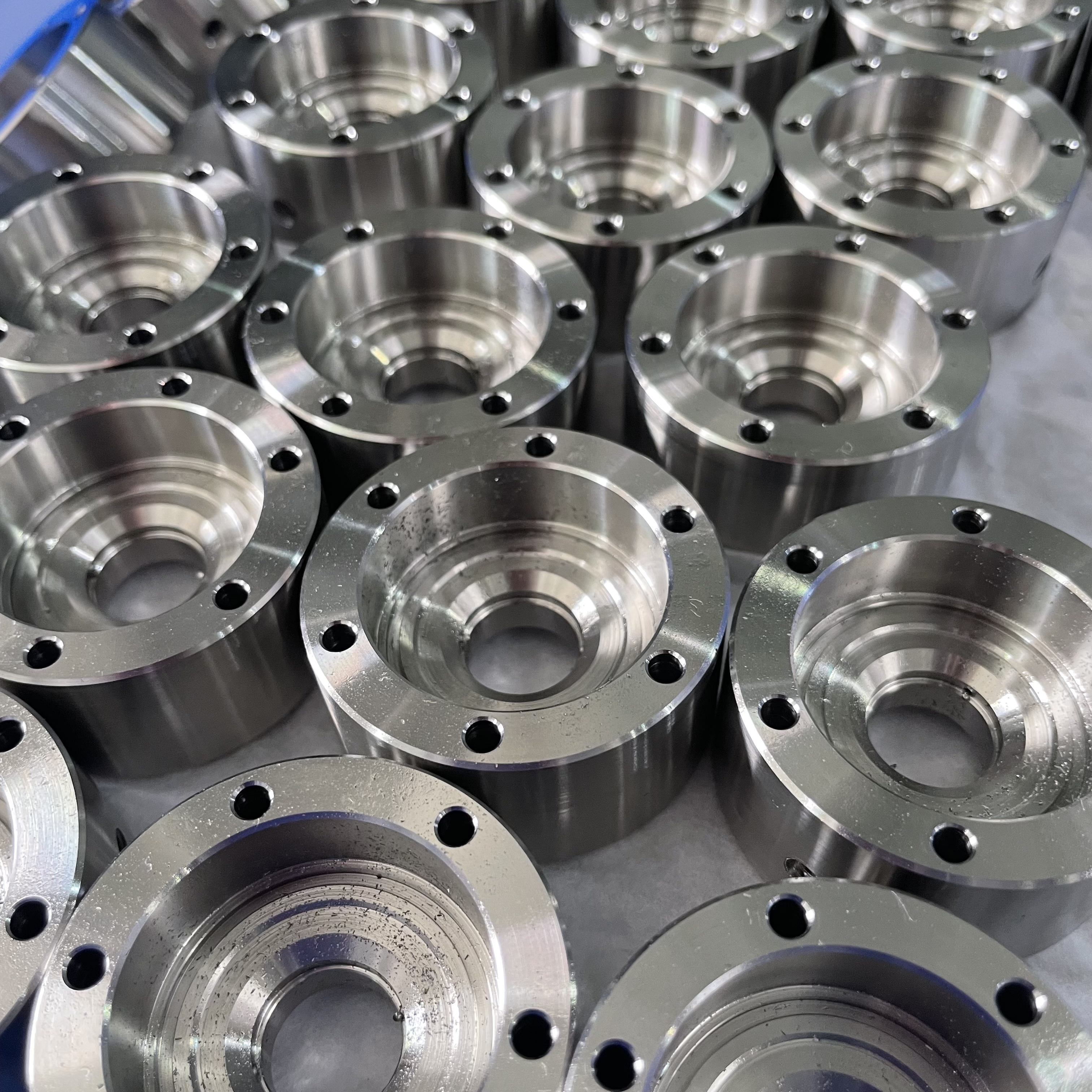
Your prototype holds unparalleled significance, and we deeply value its uniqueness. Collaborating with you during the preparation phase for running your prototype or parts is a commitment we gladly embrace. Whether it's a single part or a complex assembly, we are dedicated to selecting the optimal tools and pathways to bring your envisioned product to life.
At Precision Fab CNC Machining, we specialize in producing parts for prototypes, short runs, and high-volume production. Our prototyping machine capabilities extend across metal, plastic, and wood machining, with welding fabrication services available to complement and finalize your prototype if required.
Address
Address: Room320 10F, Building A,Nanshan international building, Dayawan District, Huizhou, Guangdong, 516001 China
Contacts
billy@timaycnc.com