How CAD/CAM Integration with CNC Machines Streamlines the Manufacturing Process

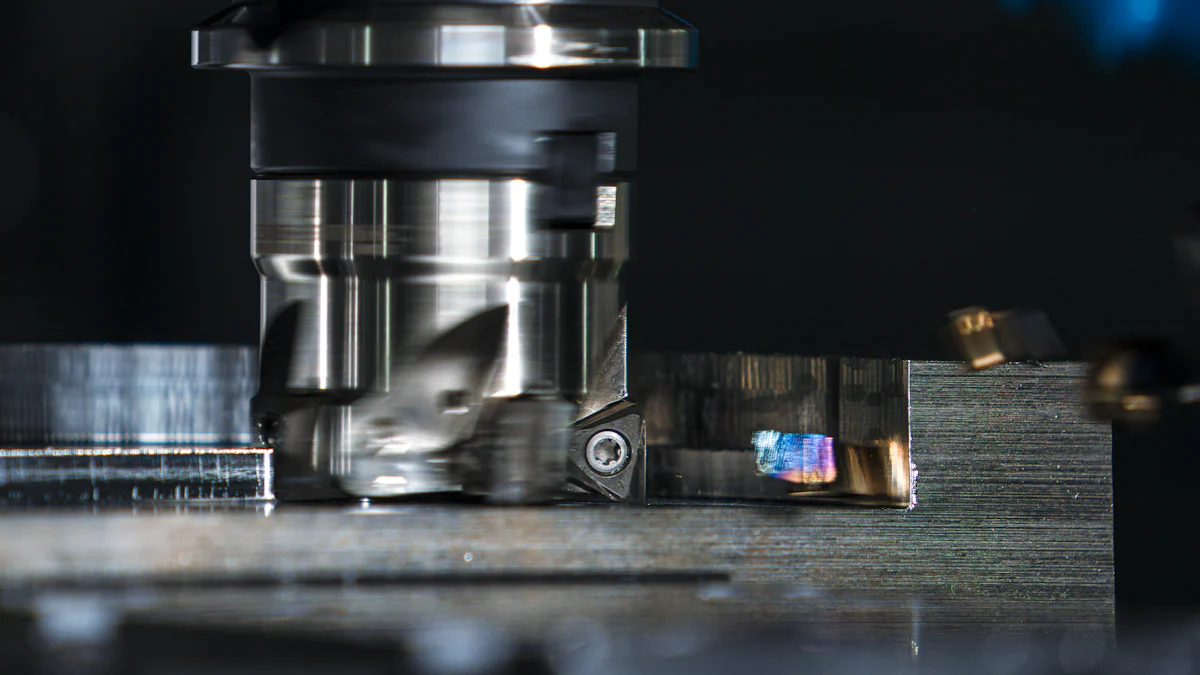
You can revolutionize manufacturing by integrating CAD/CAM systems with computer numerical control machines. This integration streamlines workflows, reduces errors, and enhances precision. Industries like aerospace and automotive benefit from optimized material use and waste reduction. By automating design-to-production, you save time, cut costs, and ensure consistent quality in CNC machining processes.
Key Takeaways
Combining CAD/CAM with CNC machines makes work faster and easier.
Automated design-to-production saves time, lowers costs, and keeps quality steady.
Watching in real-time and better tool paths boost speed and cut waste.
Understanding CAD/CAM and CNC Machining
Overview of CAD/CAM
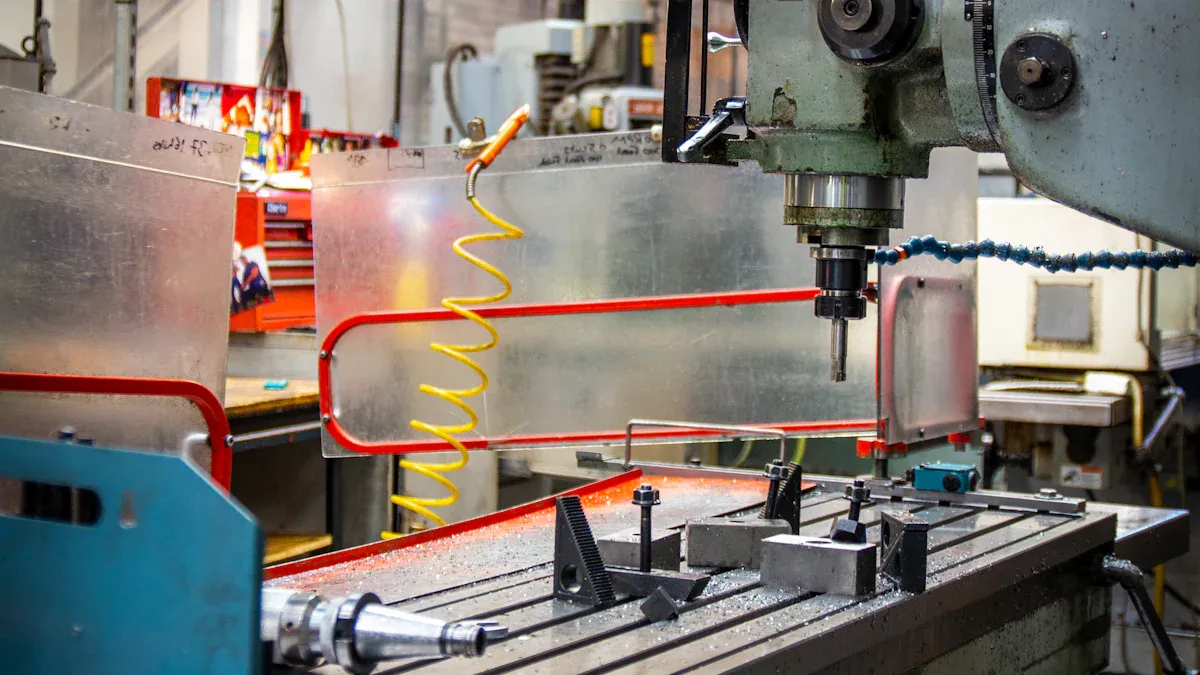
CAD/CAM systems play a vital role in modern manufacturing. Computer-aided design (CAD) allows you to create detailed 2D or 3D models of parts or products. This step ensures that designs are optimized before production begins. Computer-aided manufacturing (CAM) takes these designs and translates them into machine-readable instructions, such as G-code, which CNC machines use to operate. Together, CAD/CAM software streamlines the design to production process by integrating tasks like milling, turning, and even 3D printing into a single workflow.
The primary functions of CAD/CAM systems include designing parts, exporting designs in compatible formats, generating tool paths, and converting them into G-code. These systems also ensure consistency in production, allowing you to create intricate designs with precision and efficiency.
Basics of CNC Machining
CNC machining refers to the use of computer-controlled machines to manufacture parts. These machines follow pre-programmed instructions to cut, shape, or mill materials with high accuracy. CNC machines are versatile and can handle a variety of tasks, from simple drilling to complex 5-axis machining. By automating the manufacturing process, CNC machining reduces human error and ensures consistent quality.
Unlike CAD/CAM systems, which focus on design and programming, CNC machines execute the physical production of parts. This distinction highlights the importance of integrating CAD/CAM with CNC to achieve seamless workflows.
How CAD/CAM Integration Enhances CNC Operations
CAD/CAM integration with CNC machines transforms the design to production process. By combining design, programming, and machining into one system, you can eliminate manual data transfers and reduce errors. This integration also speeds up production, enabling you to move from concept to finished product more quickly.
Toolpath optimization is another key benefit of CAD/CAM integration. CAM software generates precise tool paths that maximize efficiency and minimize material waste. Additionally, integrated systems allow for real-time monitoring and adjustments, ensuring that CNC machines operate at peak performance. Whether you're creating prototypes or scaling up for mass production, CAD/CAM integration enhances every aspect of the manufacturing process.
The Integration Process in Manufacturing
Key Steps in CAD/CAM and CNC Integration
Integrating CAD/CAM systems with CNC machines involves several key steps. First, you create a detailed 3D model using CAD software. This model serves as the foundation for the entire process. Next, simulations assess the design for potential issues, ensuring it meets manufacturing requirements. Once finalized, CAM software generates precise toolpaths and machining instructions. Finally, these instructions are fed into the CNC machine, which executes the design to production process with high accuracy. This streamlined workflow minimizes errors and ensures consistency in cnc machining processes.
Essential Software and Hardware Components
Successful cad cam integration relies on robust software and hardware. Common CAD/CAM software tools include:
SOLIDWORKS® – A versatile CAD tool for 3D modeling and CAM integration.
Fusion 360® – Combines CAD, CAM, and CAE capabilities in one platform.
Mastercam® – Specializes in advanced toolpath generation for CNC machining.
On the hardware side, reliable components are essential. You need systems capable of handling complex computations for toolpath optimization. High-performance CNC machines and controllers ensure precision. Additionally, hardware that supports seamless collaboration between design and manufacturing teams enhances efficiency.
Features of Integrated CAD/CAM Systems
Modern integrated CAD/CAM systems offer innovative features that revolutionize manufacturing. These systems automate processes by using 3D model data to generate CNC programs, including tool selection and toolpath optimization. Advanced simulation capabilities allow you to test designs under real-world conditions. Cloud-based platforms enable remote collaboration, while AI-driven algorithms improve efficiency. Additive manufacturing integration even supports 3D printing for rapid prototyping. These features make cad cam integration a cornerstone of smart manufacturing.
Automation and Efficiency in CNC Machining
Streamlining Design-to-Production Workflows
Automation plays a crucial role in streamlining design-to-production workflows. By integrating cad/cam software with cnc machines, you can eliminate manual tasks and reduce errors. This integration ensures that designs flow seamlessly into production, saving time and improving accuracy and efficiency. Automated systems handle tasks like material loading and unloading, which increases uptime and minimizes idle periods. You can also rely on automation to maintain consistency in manufacturing, ensuring that every part meets exact specifications.
Here’s how automation enhances workflows:
It improves efficiency by reducing manual labor and speeding up processes.
It ensures precision, minimizing errors and maintaining part quality.
It reduces costs by lowering labor expenses and material waste.
It offers flexibility, allowing quick adaptation to changing production needs.
It enhances operator safety by reducing physical strain and enabling focus on skilled tasks.
By streamlining design processes, automation transforms manufacturing into a faster, more reliable operation.
Toolpath Optimization for CNC Machines
Toolpath optimization is a critical feature of cad cam integration. It ensures that cnc machines operate efficiently while maintaining high-quality output. Optimized toolpaths reduce machining time, extend tool life, and improve surface finishes. For example, dynamic toolpaths distribute cutting forces evenly, which enhances spindle life and reduces wear on tools.
Benefit | Description |
|---|---|
Improved Tool Life | Dynamic toolpaths help to extend tool life, reducing consumable costs and environmental impact. |
Enhanced Spindle Life | Optimized toolpaths contribute to longer spindle life, leading to less frequent replacements. |
Better Surface Finish | Improved toolpath strategies result in superior surface finishes on machined parts. |
Increased Efficiency | Dynamic strategies maximize efficiency, reducing overall machining time. |
Cost Efficiency | Overall cycle time and cost efficiency are improved with optimized toolpaths. |
By improving accuracy and efficiency, toolpath optimization ensures that your cnc machining processes remain cost-effective and productive.
Real-Time Monitoring and Adjustments
Real-time monitoring enhances the performance of cnc machines by providing immediate insights into operations. Dashboards display critical data, such as feed rates and tool integrity, allowing you to make timely adjustments. Custom alerts notify you of potential issues, preventing minor problems from escalating. Predictive maintenance features also help you avoid unexpected machine failures, reducing downtime and maintaining production consistency.
Key benefits of real-time monitoring include:
Continuous data collection for proactive adjustments.
Alerts that improve response times and prevent costly errors.
Predictive maintenance to avoid unplanned downtime.
Performance analysis to optimize resource use and reduce costs.
By integrating real-time monitoring with cad/cam software, you can ensure that your manufacturing processes remain efficient and reliable.
Benefits of CAD CAM Integration
Enhanced Manufacturing Efficiency
CAD CAM integration significantly boosts efficiency in the manufacturing process. Automated toolpath generation reduces human error and optimizes machining sequences. This automation ensures that CNC machines operate with minimal downtime. Simulation and prototyping allow you to identify potential issues before production begins, saving time and resources. Real-time feedback and adjustments further enhance efficiency by enabling immediate corrections during production.
For example, American Micro Industries reported an 80% reduction in machining time after adopting integrated CAD/CAM software. This demonstrates how streamlined workflows can transform your design to production process. You also benefit from improved collaboration between design and manufacturing teams, ensuring smoother operations and faster project completion.
Improved Precision and Consistency
Integrating CAD/CAM software with CNC machines ensures unparalleled precision and consistency in manufacturing. Advanced algorithms and simulation tools analyze and optimize toolpaths, resulting in highly accurate machining. This integration eliminates errors that often occur during manual data transfers between systems. By working from a single model, you can maintain consistency across all production stages.
The combination of CAD, CAPP, and CAM technologies represents a major leap in manufacturing precision. Streamlined workflows reduce variability, ensuring that every part meets exact specifications. Whether you’re producing prototypes or scaling up for mass production, this integration guarantees consistent quality.
Cost Reduction and Waste Minimization
CAD CAM integration reduces costs and minimizes waste in the manufacturing process. Automating the translation of design data into manufacturing instructions saves on labor costs and accelerates time-to-market. Optimized toolpaths and material usage reduce scrap, making your operations more sustainable and cost-effective.
For instance, American Micro Industries achieved significant cost savings by cutting machining time by 80%. Integrated CAM software also uses advanced nesting algorithms to maximize material yield. This approach not only lowers production costs but also supports environmentally friendly practices. By adopting lean manufacturing principles, you can reduce energy consumption and minimize your carbon footprint.
Challenges and Solutions in CAD/CAM and CNC Integration
Addressing Implementation Challenges
Implementing CAD CAM integration in manufacturing often presents several challenges. You may encounter issues like software compatibility, where design and manufacturing tools fail to communicate effectively. This can lead to delays, increased costs, and errors. Additionally, adapting workflows to accommodate new designs requires updating machines, calibrating equipment, and training staff. Poor communication across teams can further complicate the process, resulting in scrapped material and lost time.
To address these challenges, start by ensuring software compatibility. Use tools that support seamless data exchange, such as STEP files. Standardizing workflows and fostering collaboration between design and production teams can also reduce errors. Regular machine maintenance and calibration ensure that equipment meets design specifications. By tackling these issues proactively, you can streamline the design to production process and improve efficiency.
Overcoming Technical Barriers
Technical barriers often hinder the integration of CAD/CAM with CNC machines. Compatibility issues between CAD and CAM systems can disrupt workflows. Complex software requires significant training, and hardware reliability becomes critical for maintaining precision. Without addressing these barriers, you risk delayed production and increased costs.
You can overcome these obstacles by selecting compatible software that facilitates smooth data exchange. Automating repetitive tasks reduces errors and saves time. Real-time collaboration tools help resolve issues early, while parametric modeling ensures toolpaths update automatically with design changes. Regular training and education for your team also play a vital role in overcoming technical challenges. These strategies ensure that your manufacturing processes remain efficient and reliable.
Training and Upskilling for Success
Effective training programs are essential for successful CAD/CAM integration. Complex systems require skilled operators who understand both design and manufacturing processes. Without proper training, you may face increased errors and inefficiencies.
To upskill your team, choose training methods like online courses, webinars, and certification programs. Foster a learning culture by encouraging continuous improvement and implementing a feedback system. Integrating Product Lifecycle Management (PLM) tools into your processes can streamline activities and enhance outcomes. Regularly updating training plans ensures your team stays ahead of technological advancements. By investing in education, you can build a skilled workforce capable of maximizing the benefits of CAD CAM integration.
Future Trends in CAD/CAM and CNC Technologies
AI and Machine Learning in Manufacturing
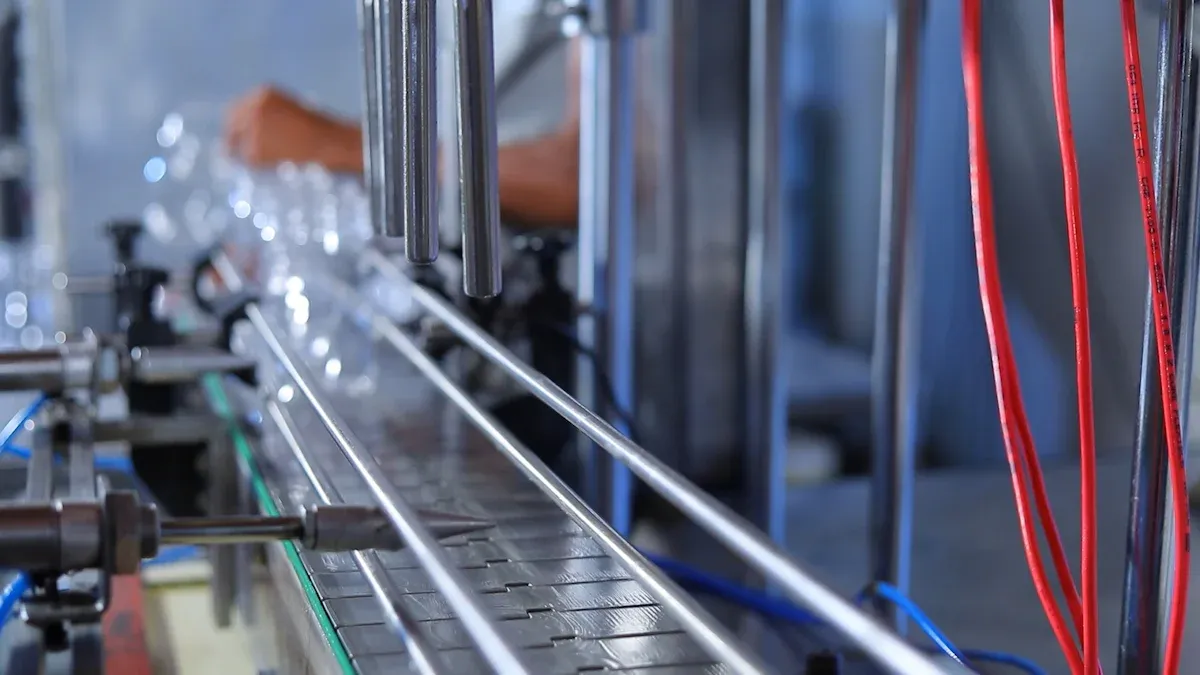
Artificial intelligence (AI) and machine learning are transforming how you approach manufacturing. These technologies analyze vast amounts of data to optimize processes and predict potential issues. For example:
AI identifies patterns in sensor data, helping you improve designs and manufacturing parameters.
It suggests design modifications to enhance manufacturability and predicts tool wear for proactive maintenance.
AI acts like a GPS for cnc machining, recommending optimal toolpaths based on real-time data analysis.
By automating programming tasks, AI reduces manual input and minimizes errors. This efficiency allows you to focus on innovation while maintaining consistent quality. AI-driven insights also enable you to capitalize on knowledge, tailoring toolpaths to specific tasks and improving overall workflow efficiency.
IoT and Smart Manufacturing Integration
The Internet of Things (IoT) is revolutionizing manufacturing by connecting devices and systems for seamless communication. IoT devices collect real-time data from your manufacturing environment, enabling you to optimize designs and processes. Key benefits include:
Real-time monitoring and predictive maintenance to reduce downtime.
Automation through robotics and AI to minimize human error and boost production efficiency.
Integration with cloud platforms to enhance product quality and accelerate innovation.
IoT ensures that your manufacturing operations remain agile and efficient. By leveraging this technology, you can achieve smarter workflows and maintain a competitive edge in the industry.
Cloud-Based CAD/CAM Solutions
Cloud-based CAD/CAM solutions offer unparalleled flexibility and efficiency for modern manufacturing. These platforms centralize file management, ensuring all toolpaths and design updates remain in one secure location. Benefits include:
Real-time sharing, allowing your team to access and modify data simultaneously.
Scalable subscription models that adapt to your workload.
Live machine metrics and predictive maintenance to enhance decision-making.
Optimized workflows that reduce material waste and energy consumption.
By adopting cloud-based solutions, you can streamline collaboration, improve productivity, and support sustainable manufacturing practices.
CAD/CAM integration with CNC machines is reshaping manufacturing by enhancing efficiency, precision, and cost-effectiveness. Industries like aerospace and automotive have seen remarkable improvements.
Industry | Example | Key Takeaway |
|---|---|---|
Aerospace | Boeing's 777 Aircraft | Early detection of design issues reduced the need for prototypes, accelerating time-to-market. |
Automotive | General Motors' Rapid Prototyping | Quick testing and refinement of designs shortened development cycles and improved product quality. |
Medical Devices | Customized Prosthetics | Patient-specific data enables superior fit and function of prosthetics compared to traditional methods. |
Dental Industry | Invisalign Braces | CAD/CAM allows for precise adjustments, leading to improved patient outcomes. |
Future advancements promise even greater innovation:
AI will automate tasks and optimize processes, improving precision.
IoT will enable real-time monitoring and smarter manufacturing.
Cloud platforms will support adaptive systems, driving Industry 4.0 forward.
By embracing these technologies, you can unlock new possibilities and stay ahead in a competitive market.
FAQ
What industries benefit the most from CAD/CAM integration with CNC machines?
Industries like aerospace, automotive, medical devices, and dental manufacturing benefit greatly. You can achieve higher precision, faster production, and reduced costs in these fields.
Tip: Explore case studies in your industry to see how CAD/CAM integration can enhance your processes.
How does CAD/CAM integration reduce manufacturing waste?
CAD/CAM systems optimize material usage by generating efficient toolpaths. You can minimize scrap and improve sustainability through advanced nesting algorithms and precise machining.
Is CAD/CAM integration suitable for small-scale manufacturers?
Yes, small-scale manufacturers can benefit from CAD/CAM integration. It improves efficiency, reduces errors, and enables you to compete with larger companies by automating workflows and enhancing precision.
Note: Scalable software options like Fusion 360® make CAD/CAM integration accessible for smaller operations.
See Also
Advancements In CNC Technology For Modern Manufacturing Solutions
Key Processes In CNC Precision Machining Explained Clearly
CNC Machining Services: A Guide To Precision Manufacturing
Seven Significant Advantages Of CNC Machining In Manufacturing
The Impact Of CNC Machining On Precision Manufacturing Advances
About US
Follow Us
Your prototype holds unparalleled significance, and we deeply value its uniqueness. Collaborating with you during the preparation phase for running your prototype or parts is a commitment we gladly embrace. Whether it's a single part or a complex assembly, we are dedicated to selecting the optimal tools and pathways to bring your envisioned product to life.
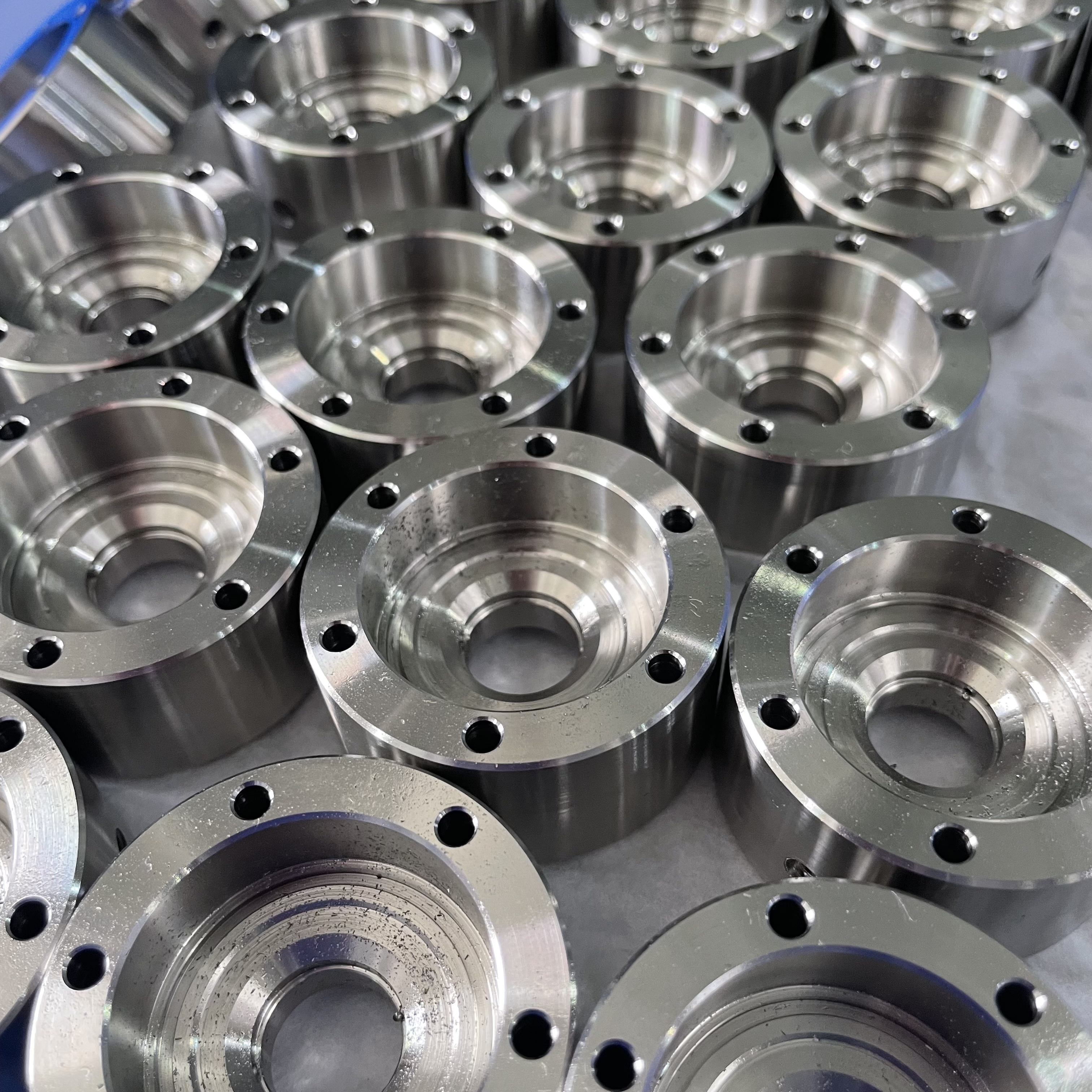
At Precision Fab CNC Machining, we specialize in producing parts for prototypes, short runs, and high-volume production. Our prototyping machine capabilities extend across metal, plastic, and wood machining, with welding fabrication services available to complement and finalize your prototype if required.
Address
Address: Room320 10F, Building A,Nanshan international building, Dayawan District, Huizhou, Guangdong, 516001 China
Contacts
billy@timaycnc.com