Why Carbon Fiber Is the Ultimate Material for RC Hobbyists Seeking Strength and Lightness


When it comes to RC hobby parts, carbon fiber stands out as the ultimate material. Its incredible lightness and unmatched strength make it perfect for enhancing your RC model's performance. Did you know carbon fiber can be 42% lighter than aluminum while offering up to four times the rigidity? That’s a game-changer for durability and speed.
Key Takeaways
Carbon fiber is 42% lighter than aluminum and 60% stronger. This makes it perfect for improving RC model performance.
Carbon fiber parts make RC models faster and easier to control. They are lighter and stronger, helping with sharp turns and high speeds.
Carbon fiber lasts longer and is very tough. It saves money by needing fewer repairs and replacements for RC models.
What Makes Carbon Fiber the Best Choice for RC Hobby Parts?
High Strength-to-Weight Ratio
When it comes to RC hobby parts, the strength-to-weight ratio is a game-changer. Carbon fiber excels here, offering a unique combination of rigidity and lightness. Imagine this: a carbon fiber component of the same thickness as an aluminum one is 42% lighter, yet it provides 31% more rigidity and 60% more strength. This means your RC models can handle stress without bending or breaking while staying incredibly lightweight. Whether you're building model airplanes or upgrading your RC car, this property ensures better performance without adding unnecessary bulk.
Lightweight Yet Durable
One of the biggest advantages of carbon fiber is how lightweight it is without sacrificing durability. With a density of just 1.5 g/cm³, it significantly reduces the overall weight of your RC vehicles. This is especially important for parts like chassis, shock towers, and steering components, where every gram counts. Lighter parts mean faster speeds and improved handling. Plus, carbon fiber's durability ensures these parts can withstand the wear and tear of intense use. For example, replacing aluminum with carbon fiber in a diving backplate reduced its weight by 55%, showing how effective this material is for weight reduction.
Resistance to Wear and Tear
RC hobbyists know their models face tough conditions, from rough terrains to high-speed crashes. Carbon fiber stands out because it resists environmental factors like moisture and temperature changes. It also has a high Young’s Modulus, meaning it can endure stress without deforming. While it may crack under extreme impact, its flexibility helps absorb shocks during crashes, protecting other parts of your RC model. This makes it a reliable choice for long-term durability, whether you're flying model airplanes or racing RC cars.
Tip: If you're serious about improving your RC models, investing in carbon fiber parts can save you from frequent replacements and repairs.
How Carbon Fiber Enhances RC Car Chassis and Performance

Improved Speed and Efficiency
When you’re looking to boost your RC car’s performance, weight and rigidity play a huge role. Carbon fiber excels in both areas. It’s three times stronger than aluminum in certain applications, yet much lighter. This combination allows your RC car chassis to stay rigid while shedding unnecessary weight. A lighter chassis means your car can accelerate faster and maintain higher speeds with less strain on the motor. You’ll notice smoother rides and better fuel efficiency, whether you’re racing on a track or cruising through your backyard.
However, carbon fiber isn’t perfect for every part of your RC car. It’s brittle, so it’s not ideal for high-impact components like suspension arms. But when used in non-impact areas, such as the chassis plates, it truly shines. You’ll get the speed and efficiency you crave without compromising the overall structure of your car.
Enhanced Handling and Maneuverability
A lightweight RC car isn’t just faster—it’s also easier to control. Carbon fiber’s low weight improves your car’s handling, making it more responsive to your inputs. Imagine taking sharp turns or navigating tight corners with precision. The reduced weight of the rc car chassis lowers the center of gravity, which enhances stability during high-speed maneuvers. This means you can push your car to its limits without worrying about losing control. Whether you’re racing competitively or just having fun, you’ll feel the difference in every turn.
Increased Longevity of RC Models
Durability is key when it comes to high-performance RC cars. Carbon fiber not only improves performance but also extends the lifespan of your model. Its resistance to wear and tear ensures that your rc car chassis can withstand the demands of intense use. Unlike materials like plastic, which can warp or crack over time, carbon fiber maintains its integrity. This means fewer repairs and replacements, saving you time and money in the long run. If you’re serious about your RC hobby, investing in carbon fiber parts is a smart move for both performance and durability.
Why Carbon Fiber Outperforms Other Materials
Carbon Fiber vs. Aluminum
When comparing carbon fiber to aluminum, the differences are striking. Carbon fiber is about 42% lighter than aluminum, which makes it ideal for RC hobbyists who want to reduce weight without sacrificing performance. It also offers 60% more strength, giving your RC models the durability they need to handle stress and impact.
Take a look at this comparison:
Material | Stiffness (GPa) | Ultimate Strength (kN·m/kg) |
|---|---|---|
Aluminum | 69 | 500 |
One-direction carbon fiber (common modulus) | 181 | 800 |
One-direction carbon fiber (highest modulus) | 380 | 1600 |
While aluminum is more affordable, carbon fiber’s superior stiffness and strength make it worth the investment for serious enthusiasts. You’ll notice the difference in performance, especially in parts like chassis plates, where rigidity and lightness are key.
Carbon Fiber vs. Plastic
Plastic might seem like a budget-friendly option, but it falls short in performance. Carbon fiber is lighter than plastic, which helps reduce the overall weight of your RC vehicle. It also maintains greater stiffness and rigidity, giving you better handling and control.
Plastic tends to warp or crack under stress, while carbon fiber can flex slightly during impacts without losing its shape. However, keep in mind that carbon fiber is brittle and may crack under extreme conditions. For non-impact parts like chassis plates, though, it’s a clear winner. You’ll get a material that enhances performance and lasts longer than plastic.
Carbon Fiber vs. Fiberglass
Fiberglass is another popular material, but it doesn’t match carbon fiber’s strength and stiffness. Carbon fiber has a higher ultimate strength, meaning it can withstand greater forces before breaking. It’s also significantly stiffer, which means less bending or stretching under pressure.
For RC hobbyists, this translates to better durability and performance. Fiberglass might be cheaper, but it’s heavier and less rigid. If you’re looking to build strong, lightweight structures, carbon fiber is the superior choice. You’ll appreciate the difference in how your RC model handles and performs.
Is Carbon Fiber Worth the Investment for RC Hobbyists?
Balancing Cost with Long-Term Benefits
You might wonder if carbon fiber is worth the higher price tag compared to other materials. While it’s true that carbon fiber parts cost more upfront, their long-term benefits often outweigh the initial expense. Here’s why:
Carbon fiber is lighter than plastic, which reduces the overall weight of your RC vehicles.
It’s stiffer and more rigid than plastic, improving performance and handling.
Although not as rigid as aluminum, carbon fiber’s strength varies based on its thickness and grade, making it versatile for different RC applications.
By investing in carbon fiber, you save money on frequent replacements. Its durability ensures your RC models last longer, even under intense use. For hobby builders who value quality and performance, this material is a smart choice.
Tip: Think of carbon fiber as an investment in your RC hobby. It pays off in better performance and fewer repairs over time.
Why Serious Enthusiasts Choose Carbon Fiber
If you’re serious about RC racing or building high-performance drones, carbon fiber is a no-brainer. Here’s why enthusiasts prioritize it:
Its lightweight nature reduces the overall weight of RC vehicles, enhancing speed and efficiency.
Increased stiffness improves performance, especially in competitive racing scenarios.
Lowering the center of gravity with carbon fiber parts, like shock towers, boosts stability during high-speed maneuvers.
While it’s pricier than plastic, the performance gains justify the cost for those who demand the best.
For competitive racing or advanced drone frames, carbon fiber delivers unmatched results. You’ll notice the difference in how your models handle and perform.
The Value of Lightweight and Durable Materials
Lightweight materials like carbon fiber transform your RC experience. They reduce weight, improve durability, and enhance performance. For example:
Carbon fiber’s lightweight properties make it ideal for drones and RC cars, allowing for faster speeds and better control.
Its stiffness and rigidity outperform plastic, giving you more precise handling.
Using carbon fiber parts, such as drone frames or chassis plates, lowers the center of gravity, improving stability.
While it can flex slightly during impacts, it’s durable enough to withstand regular wear and tear.
Whether you’re building drones or racing RC cars, lightweight materials like carbon fiber give you the edge you need. They combine strength, durability, and performance in a way no other material can.
Carbon fiber offers everything you need to take your RC hobby to the next level. Its lightweight design reduces the overall weight of your vehicles, while its rigidity enhances the structural integrity of key parts like chassis and shock towers. You’ll also enjoy improved stability and handling, thanks to its ability to lower the center of gravity.
This material doesn’t just perform well—it lasts. Its durability ensures fewer replacements, saving you time and money in the long run. While it may not suit high-impact areas, its unmatched durability and strength in other applications make it worth every penny. Plus, its sleek woven look adds a touch of style to your models.
If you’re serious about performance, carbon fiber is the ultimate choice. It combines strength, lightness, and durability to deliver an unparalleled RC experience.
FAQ
What makes carbon fiber so lightweight yet strong?
Carbon fiber’s structure consists of tightly packed carbon atoms. This unique arrangement gives it incredible strength while keeping its weight remarkably low. It’s perfect for RC models.
Can carbon fiber parts handle crashes?
Yes, to an extent. Carbon fiber absorbs shocks well but may crack under extreme impacts. Use it for non-impact areas like chassis plates for the best results.
Tip: Pair carbon fiber with flexible materials for high-impact zones to maximize durability.
Is carbon fiber hard to work with for DIY RC projects?
Not really! You can cut and shape carbon fiber with the right tools. Just wear protective gear since cutting releases fine dust particles.
Note: Always use a mask and gloves when handling carbon fiber to stay safe.
See Also
How Small Parts CNC Revolutionizes Custom R/C Hobby Products
A Comprehensive Overview of CNC Turning for RC Car Parts
Perfecting CNC Turning Techniques for Precision RC Upgrade Components
Expert CNC Machining: Understanding Tolerances and Material Choices
Exploring Rapid Prototyping: Key Materials and Quality Considerations
About US
Follow Us
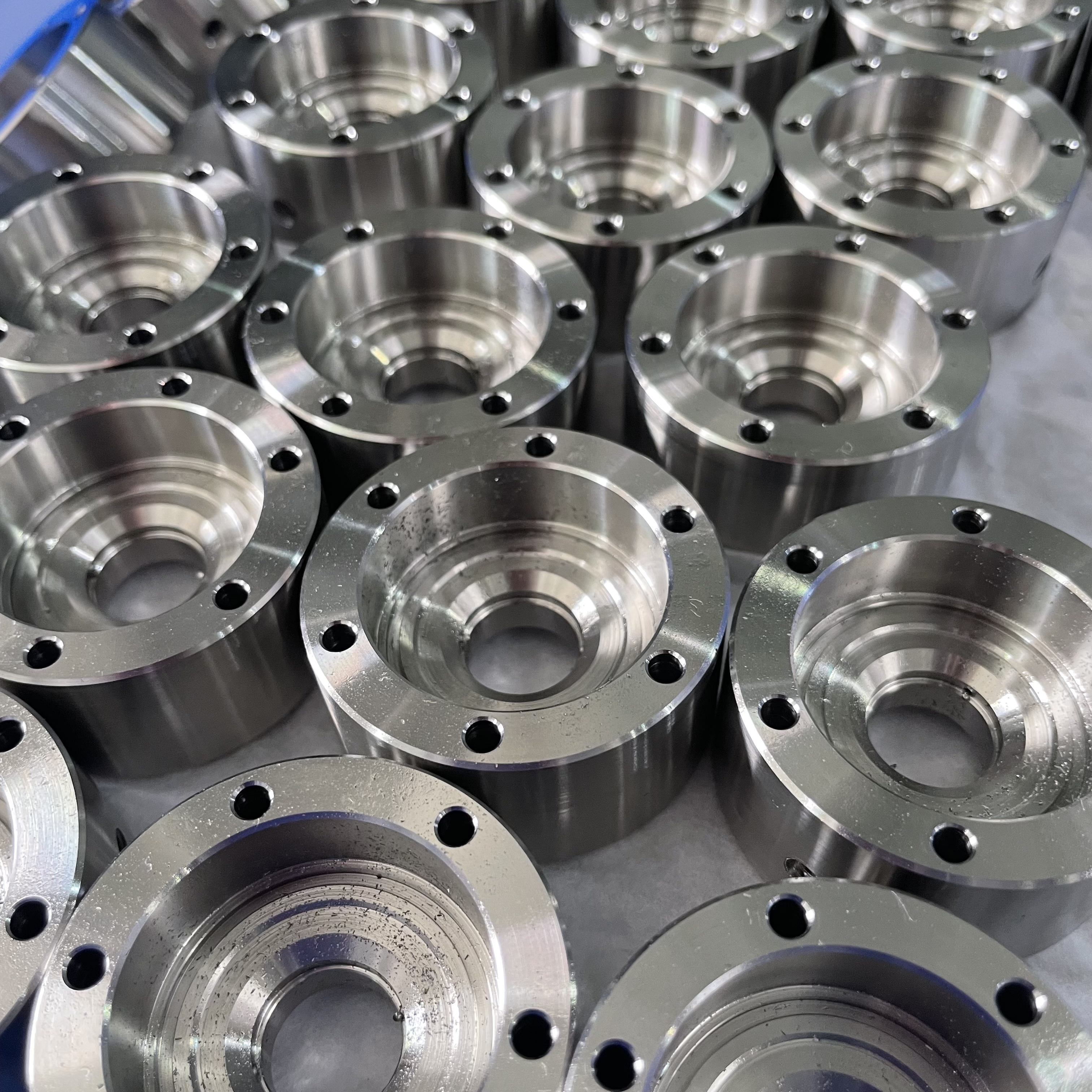
Your prototype holds unparalleled significance, and we deeply value its uniqueness. Collaborating with you during the preparation phase for running your prototype or parts is a commitment we gladly embrace. Whether it's a single part or a complex assembly, we are dedicated to selecting the optimal tools and pathways to bring your envisioned product to life.
At Precision Fab CNC Machining, we specialize in producing parts for prototypes, short runs, and high-volume production. Our prototyping machine capabilities extend across metal, plastic, and wood machining, with welding fabrication services available to complement and finalize your prototype if required.
Address
Address: Room320 10F, Building A,Nanshan international building, Dayawan District, Huizhou, Guangdong, 516001 China
Contacts
billy@timaycnc.com