Ceramic Composites in CNC: High-Temperature Applications

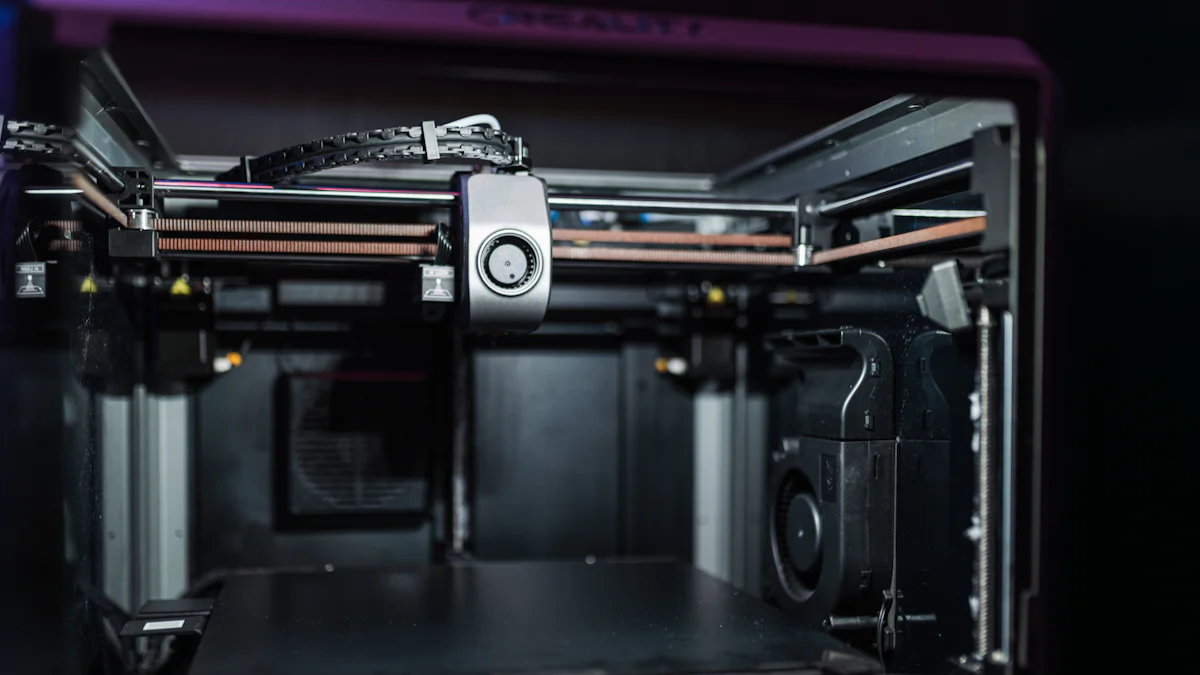
Ceramic composites are advanced materials engineered by combining ceramics with other substances. These composites play a vital role in CNC machining due to their ability to withstand extreme temperatures. Their exceptional heat resistance and thermal stability make them superior to traditional materials like metal alloys. For instance, ceramic composites exhibit low thermal expansion and high durability under intense heat, ensuring precision and longevity in machining processes. The table below highlights their advantages over other materials:
Advantage | Ceramic Composites | Other Materials (e.g., Metal Alloys) |
|---|---|---|
Heat Resistance | Exceptional heat resistance and thermal stability | May deform or degrade at high temperatures |
Strength-to-Weight Ratio | High strength-to-weight ratios, lightweight solutions | Heavier, less efficient solutions |
Wear Resistance | Excellent wear resistance | Generally lower wear resistance |
Thermal Expansion | Low thermal expansion | Higher thermal expansion |
Durability | Increased durability under extreme conditions | Less durable under high temperatures |
Fuel Efficiency | Reduces overall weight, increasing fuel efficiency | Heavier, leading to higher fuel consumption |
These properties enable ceramic composites to meet the demanding requirements of CNC machining in high-temperature environments.
Key Takeaways
Ceramic composites can handle high heat, perfect for CNC machining.
They last longer by wearing less and staying precise in heat.
These materials are light, helping save fuel in planes and cars.
But, they are costly to make and can break easily, causing issues.
Scientists are working to make them cheaper and stronger for more use.
Overview of Ceramic Composites
What Are Ceramic Composites?
Ceramic composites are materials created by combining ceramics with other substances to enhance their properties. These composites are engineered to address the limitations of traditional ceramics, such as brittleness, while retaining their desirable characteristics like heat resistance and durability. By blending ceramics with metals, polymers, or other materials, manufacturers produce composites that meet the demands of high-performance applications, including CNC machining. Their unique composition allows them to withstand extreme conditions, making them indispensable in industries like aerospace and automotive.
Key Properties of Ceramic Composites
Thermal Stability
Ceramic composites excel in environments with extreme temperature fluctuations. Their ability to resist thermal shock ensures they maintain structural integrity even when exposed to rapid heating or cooling. This property is critical in CNC machining, where tools and components often face intense heat during operation.
Wear and Corrosion Resistance
These composites offer exceptional resistance to wear and corrosion. This makes them ideal for applications where components are exposed to abrasive materials or harsh chemical environments. For instance, ceramic composites used in aircraft engine turbines endure prolonged exposure to high temperatures and corrosive gases without degrading.
Mechanical Strength
Ceramic composites combine high compressive strength with lightweight properties. While they may have lower tensile strength compared to metals, their overall mechanical performance makes them suitable for demanding applications. Their strength-to-weight ratio contributes to improved efficiency in sectors like aviation, where reducing weight is a priority.
Types of Ceramic Composites
Ceramic-Metal Composites
Ceramic-metal composites, also known as cermets, blend ceramics with metals to achieve a balance between toughness and heat resistance. These materials are commonly used in cutting tools for CNC machining due to their ability to maintain sharpness and precision under high temperatures.
Ceramic-Polymer Composites
Ceramic-polymer composites combine ceramics with polymers to create lightweight, flexible materials. These composites are often used in applications requiring electrical insulation or impact resistance. Their versatility makes them valuable in both industrial and medical fields.
High-Temperature Applications in CNC Machining

Importance of High-Temperature Resistance
Managing Thermal Stress in CNC Processes
CNC machining often involves materials that generate significant heat during cutting or shaping. High temperatures can lead to several challenges, including rapid tool wear, inefficient heat dissipation, and potential damage to both the workpiece and the tool. Ceramic composites address these issues by offering superior thermal stability. Their ability to resist thermal stress ensures that tools maintain their structural integrity even under extreme conditions. This property is especially critical when machining tough materials like Inconel, which demand higher machining forces and generate more heat.
Key challenges faced in high-temperature CNC machining include:
Tool Wear: Cutting tools experience accelerated wear due to the hardness of high-temperature materials.
Material Toughness: Tough materials require greater machining forces, increasing the risk of inaccuracies.
Heat Management: Inefficient heat dissipation can damage tools and workpieces.
Surface Finish and Precision: Maintaining precision becomes harder due to tool stresses and material properties.
Enhancing Tool Longevity and Precision
Ceramic composites improve tool longevity by reducing wear and tear caused by high temperatures. Their low thermal expansion minimizes dimensional changes, ensuring consistent precision during machining. This stability allows CNC machining processes to achieve high-quality surface finishes, even when working with abrasive or heat-resistant materials. By enhancing both durability and accuracy, ceramic composites contribute to more efficient and reliable machining operations.
Performance of Ceramic Composites in Extreme Heat
Resistance to Thermal Shock
Thermal shock occurs when materials experience rapid temperature changes, leading to cracks or fractures. Ceramic composites excel in resisting thermal shock due to their unique composition. This property makes them ideal for CNC machining applications where tools and components are exposed to sudden heating or cooling cycles.
Low Thermal Expansion
Low thermal expansion is another critical advantage of ceramic composites. Unlike metals, which expand significantly under heat, ceramic composites maintain their dimensions. This stability ensures that CNC machining processes remain precise, even in high-temperature environments. The reduced risk of thermal deformation enhances the overall quality of the final product.
Examples of High-Temperature CNC Applications
Aerospace Components
The aerospace industry relies heavily on ceramic composites for high-temperature applications. These materials are used in aircraft engine turbines and exhaust nozzles, where extreme heat and wear resistance are essential. For instance, Rolls-Royce’s Advance3 demonstrator validated the use of ceramic-matrix composites in high-pressure turbines, showcasing their effectiveness in demanding environments.
Automotive Engine Parts
Ceramic composites also play a vital role in the automotive sector. Engine components, such as pistons and exhaust systems, benefit from their heat resistance and durability. These properties help improve engine efficiency and reduce wear, making ceramic composites a preferred choice for high-performance vehicles.
Benefits of Ceramic Composites in CNC Machining
Superior Heat Resistance
Ceramic composites excel in high-temperature environments due to their exceptional heat resistance. This property makes them ideal for CNC machining, where tools and components often face extreme heat. These materials maintain structural integrity under intense conditions, outperforming traditional metals that may deform or degrade. Their thermal stability ensures consistent performance, even in applications like aerospace components, where temperatures can reach several thousand degrees Fahrenheit.
Ceramic composites resist thermal shock, preventing cracks or fractures during rapid temperature changes.
Their durability under extreme heat extends the lifespan of tools and components.
These materials ensure reliable performance in high-pressure environments, reducing the risk of failure.
By resisting heat-related damage, ceramic composites enhance the efficiency and reliability of CNC machining processes.
Enhanced Wear and Corrosion Resistance
Ceramic composites offer superior wear and corrosion resistance compared to traditional materials. Their hardness protects tools and components from abrasive forces, while their chemical stability prevents degradation in harsh environments. These properties make them suitable for applications involving prolonged exposure to friction or corrosive substances.
Benefit | Ceramic Composites | Traditional Materials |
|---|---|---|
Durability | Increased durability under extreme conditions due to superior hardness and wear-resistance. | Lower durability in high-temperature and pressure environments. |
Lightweight | Lower density reduces overall weight, increasing fuel efficiency. | Heavier, leading to higher operational costs. |
Thermal Resistance | Excellent thermal shock resistance ensures long-life service. | Prone to deformation or degradation at high temperatures. |
This combination of wear and corrosion resistance ensures that ceramic composites perform reliably in demanding CNC machining applications.
Dimensional Stability and Precision
Dimensional stability is critical in CNC machining, where precision determines the quality of the final product. Ceramic composites maintain their dimensions under varying temperature conditions due to their low thermal expansion. This stability ensures that tools and components retain their shape, even during rapid heating or cooling cycles.
The thermal stability of ceramic composites prevents deformation caused by thermal shocks. Their ability to withstand extreme conditions without compromising dimensional integrity makes them indispensable for high-precision machining. By ensuring consistent dimensions, ceramic composites contribute to the production of accurate and high-quality components.
Extended Tool Lifespan
Ceramic composites significantly extend the lifespan of tools used in CNC machining. Their unique properties, such as heat resistance and wear resistance, play a critical role in maintaining tool performance under demanding conditions. Tools in CNC machining often face extreme temperatures due to the friction generated during high-speed operations. Ceramic composites resist heat effectively, preventing thermal degradation that can weaken tools over time.
Wear resistance is another key factor contributing to tool longevity. Ceramic composites possess exceptional hardness, which protects tools from abrasive forces encountered during machining. This durability ensures that tools retain their cutting edges for longer periods, reducing the need for frequent replacements. Additionally, their resistance to corrosion safeguards tools from chemical damage, especially in environments involving harsh substances.
Low thermal expansion further enhances the reliability of ceramic composite tools. Unlike metals, which expand significantly when exposed to heat, ceramic composites maintain their dimensions. This stability minimizes the risk of deformation, ensuring consistent precision throughout the machining process. Tools made from these materials deliver reliable performance, even in applications requiring tight tolerances.
By combining these properties, ceramic composites reduce wear and tear, extend operational lifespans, and lower maintenance costs. Industries such as aerospace and automotive benefit greatly from these advantages, as they rely on CNC machining to produce high-performance components. The extended lifespan of ceramic composite tools not only improves efficiency but also supports sustainable manufacturing practices by reducing material waste.
Tools made with ceramic composites offer unmatched durability, making them a valuable asset in high-temperature machining environments.
Challenges and Limitations
High Production Costs
The production of ceramic composites involves several cost-intensive factors. Manufacturers face high expenses due to the price of ceramic fibers, which are essential for creating these advanced materials. The manufacturing process itself is energy-intensive, requiring significant power for sintering and other post-processing steps. Additionally, raw materials used in ceramic composites are expensive, further driving up costs. Lengthy production times also contribute to the overall expense, as creating these materials demands precision and careful handling.
These high costs make ceramic composites less accessible for smaller industries or applications with limited budgets. Despite their superior properties, the financial barrier often limits their widespread adoption. However, ongoing research aims to develop more cost-effective production methods, which could make these materials more affordable in the future.
Brittleness and Fracture Risks
Ceramic composites, while strong under compression, remain brittle. This brittleness increases the risk of fractures, especially when subjected to sudden impacts or high tensile forces. During machining, improper handling or excessive force can lead to cracks or chipping. These fractures compromise the structural integrity of the material, reducing its effectiveness in demanding applications.
The brittleness of ceramic composites also poses challenges in design and application. Engineers must carefully consider load distribution and stress points to prevent material failure. While advancements in composite engineering have improved toughness, brittleness remains a significant limitation compared to metals or polymers.
Machining and Manufacturing Difficulties
Machining ceramic composites presents unique challenges due to their hardness and brittleness. Conventional methods like turning and milling often result in cracks, edge chipping, or uneven cuts. High material removal rates can weaken the structure, while improper machining techniques may damage the surface integrity. Specialized tooling is essential to address these issues, but it increases production costs.
The low thermal conductivity of ceramic composites complicates machining further. Advanced cooling techniques are necessary to prevent overheating, adding complexity to the process. Additionally, the abrasiveness of these materials accelerates tool wear, requiring frequent replacements. The lengthy production process, including sintering and post-processing, also contributes to higher costs and longer lead times. These factors make manufacturing ceramic composites a demanding and resource-intensive task.
Despite these challenges, ceramic composites remain indispensable in high-performance applications. Their unique properties often outweigh the difficulties associated with their production and machining.
Limited Material Availability
Ceramic composites face limited availability in the market due to several factors. These materials require intricate manufacturing processes that demand specialized tools and expertise. The production of ceramic matrix composites involves high energy consumption, which increases costs significantly. Manufacturers also encounter lengthy production times, as creating these materials requires precision and careful handling.
The cost of raw materials further restricts their availability. Ceramic fibers, a key component in these composites, are expensive to produce. Unlike metals and alloys, which are widely available, ceramic fibers are not as easily sourced. This scarcity makes it challenging for manufacturers to meet growing demand. Additionally, the limited supply of raw materials contributes to higher prices, making ceramic composites less accessible for industries with budget constraints.
Several challenges in reparability and recyclability also affect their adoption. Ceramic composites are difficult to repair once damaged, which increases maintenance costs. Recycling these materials poses additional difficulties due to their complex composition. These issues discourage widespread use, especially in applications where cost-effectiveness is a priority.
High production costs arise from intricate manufacturing processes and specialized tools.
Ceramic fibers significantly influence the overall price due to their expense.
Energy-intensive production and lengthy processing times elevate costs further.
Raw material scarcity limits availability compared to traditional materials like metals.
Reparability and recyclability challenges increase maintenance and disposal issues.
These factors collectively restrict the availability of ceramic composites. Despite their superior properties, their high costs and production challenges make them less accessible for many industries. Researchers continue to explore ways to reduce costs and improve production efficiency, aiming to make these materials more widely available in the future.
Real-World Applications of Ceramic Composites
Aerospace Industry
Turbine Blades
Ceramic composites have revolutionized turbine blade design in the aerospace industry. These blades, crafted from advanced ceramics, endure extreme heat and pressure during operation. Their thermal resistance and low thermal expansion reduce deformation risks, ensuring consistent performance. Additionally, their lightweight nature enhances fuel efficiency by lowering the overall weight of aircraft engines. These properties make ceramic composites indispensable for improving engine efficiency and reliability.
Heat Shields
Heat shields made from ceramic composites protect spacecraft during re-entry into Earth’s atmosphere. These shields, often constructed from silica or carbon-fiber-reinforced ceramics, withstand the intense heat generated by friction. Their thermal shock resistance prevents cracking, ensuring the safety of the spacecraft and its occupants. Ceramic composites also find use in high-temperature sensors and rocket thrust chambers, showcasing their versatility in aerospace applications.
Automotive Industry
Engine Components
Ceramic composites improve the performance of engine components by offering exceptional heat resistance and wear resistance. These materials maintain their structural integrity under extreme temperatures, ensuring reliable operation. Their lightweight design reduces the overall weight of engines, enhancing fuel efficiency and vehicle handling. Ceramic composites also excel in turbocharger components, where they endure high temperatures and mechanical stress, boosting engine efficiency.
Exhaust Systems
Exhaust systems benefit significantly from ceramic composites. These materials manage heat effectively, preventing damage to surrounding components. Their corrosion resistance ensures durability, even in harsh environments. Ceramic composites also play a role in catalytic converters, aiding in the conversion of harmful exhaust gases into less harmful emissions. This application highlights their contribution to both performance and environmental sustainability.
Energy Sector
Power Plant Turbines
Ceramic matrix composites (CMCs) enhance the efficiency of power plant turbines by allowing higher operating temperatures. This capability improves energy output while reducing fuel consumption. CMCs also exhibit excellent thermal shock resistance, ensuring reliability in demanding conditions. Their lightweight nature further contributes to operational efficiency, making them a preferred choice for modern power plants.
Heat Exchangers
Heat exchangers in geothermal energy systems and industrial processes rely on ceramic composites for their high-temperature resilience. These materials maintain performance in harsh environments, reducing downtime and repair costs. CMCs are also integrated into high-pressure heat exchangers and carburizing furnaces, where their durability and thermal stability ensure long-term reliability.
Ceramic composites continue to transform industries by offering unmatched performance in high-temperature applications. From aerospace to energy, their unique properties drive innovation and efficiency.
Medical and Industrial Applications
Cutting Tools
Ceramic composites have transformed the performance of cutting tools in industrial applications. These tools, designed for CNC Machining and other precision processes, benefit from the exceptional hardness and wear resistance of ceramic composites. Their durability allows them to maintain sharp edges even when cutting through tough materials like hardened steel or titanium. This property reduces the frequency of tool replacements, saving time and costs for manufacturers.
The lightweight nature of ceramic composites enhances the efficiency of cutting tools. Operators experience less strain during prolonged use, and automated systems benefit from reduced energy consumption. Additionally, the thermal resistance of ceramic composites ensures that cutting tools perform reliably under high temperatures generated during machining. This resistance prevents thermal deformation, maintaining the accuracy of cuts and the quality of finished products.
Advantage | Description |
|---|---|
Durability | Increased durability under extreme conditions due to superior hardness and wear-resistance. |
Lightweight | Lower density than metals, reducing overall weight and increasing fuel efficiency. |
Thermal Resistance | Excellent thermal shock resistance ensures long-life service in high-temperature applications. |
These advantages make ceramic composite cutting tools indispensable in industries requiring precision and reliability.
High-Temperature Sensors
High-temperature sensors made from ceramic composites play a critical role in monitoring and controlling industrial processes. These sensors operate in extreme environments, such as furnaces or power plants, where conventional materials fail. The thermal resistance of ceramic composites ensures that sensors remain functional at temperatures exceeding 1,000°F. This capability allows industries to maintain safety and efficiency in their operations.
The lightweight design of ceramic composite sensors simplifies their integration into complex systems. Their durability ensures long-term performance, reducing the need for frequent replacements. These sensors also resist corrosion, making them suitable for harsh chemical environments. For example, ceramic composite sensors are used in gas turbines to monitor exhaust temperatures, ensuring optimal performance and preventing overheating.
By combining durability, thermal resistance, and lightweight properties, ceramic composites enable sensors to deliver accurate readings in challenging conditions. Their reliability supports advancements in industrial automation and safety.
Ceramic composites continue to enhance medical and industrial tools, offering unmatched performance in demanding environments.
Ceramic composites have transformed CNC machining by enabling operations in extreme heat environments. Their exceptional heat resistance, lightweight design, and durability make them indispensable for industries like aerospace and automotive. These materials ensure precision and reliability, even under intense thermal stress.
Despite their benefits, challenges such as high production costs and machining difficulties persist. Specialized tooling and advanced cooling techniques remain essential for their effective use. However, ongoing research continues to improve their properties and manufacturing processes, paving the way for broader adoption.
Ceramic composites represent a balance of innovation and complexity, driving advancements in high-temperature applications while addressing modern manufacturing challenges.
FAQ
What makes ceramic composites suitable for high-temperature CNC machining?
Ceramic composites resist extreme heat due to their thermal stability and low thermal expansion. These properties prevent deformation and cracking during machining. Their durability ensures consistent performance, even in environments exceeding 1,000°F. This makes them ideal for aerospace and automotive applications.
How do ceramic composites improve tool lifespan in CNC machining?
Ceramic composites resist wear and thermal degradation, which extends tool life. Their hardness protects cutting edges from abrasion, while their heat resistance prevents weakening under high temperatures. These features reduce the need for frequent tool replacements, saving time and costs.
Are ceramic composites environmentally friendly?
Ceramic composites contribute to sustainability by improving fuel efficiency and reducing material waste. Their lightweight nature lowers energy consumption in vehicles and aircraft. However, challenges in recycling and reparability limit their environmental benefits compared to metals.
What industries benefit most from ceramic composites?
Industries like aerospace, automotive, and energy rely heavily on ceramic composites. These materials enhance turbine blades, engine components, and heat exchangers. Their ability to withstand extreme conditions makes them indispensable for high-performance applications.
Can ceramic composites replace metals in all CNC applications?
Ceramic composites excel in high-temperature and wear-resistant applications but cannot replace metals entirely. Their brittleness and high production costs limit their use in some areas. Metals remain preferable for applications requiring high tensile strength or cost efficiency.
Ceramic composites offer unique advantages but require careful consideration of their limitations for specific applications.
See Also
Addressing Temperature Issues in CNC Precision Part Production
Your 2024 Handbook for CNC Machining Aluminum Alloys
Creative CNC Jewelry Projects to Spark Your Imagination
CNC Milling's Importance in Producing Effective Heat Sinks
Exploring Eco-Friendly Cutting Fluid Filtration in CNC Machining
About US
Follow Us
Your prototype holds unparalleled significance, and we deeply value its uniqueness. Collaborating with you during the preparation phase for running your prototype or parts is a commitment we gladly embrace. Whether it's a single part or a complex assembly, we are dedicated to selecting the optimal tools and pathways to bring your envisioned product to life.
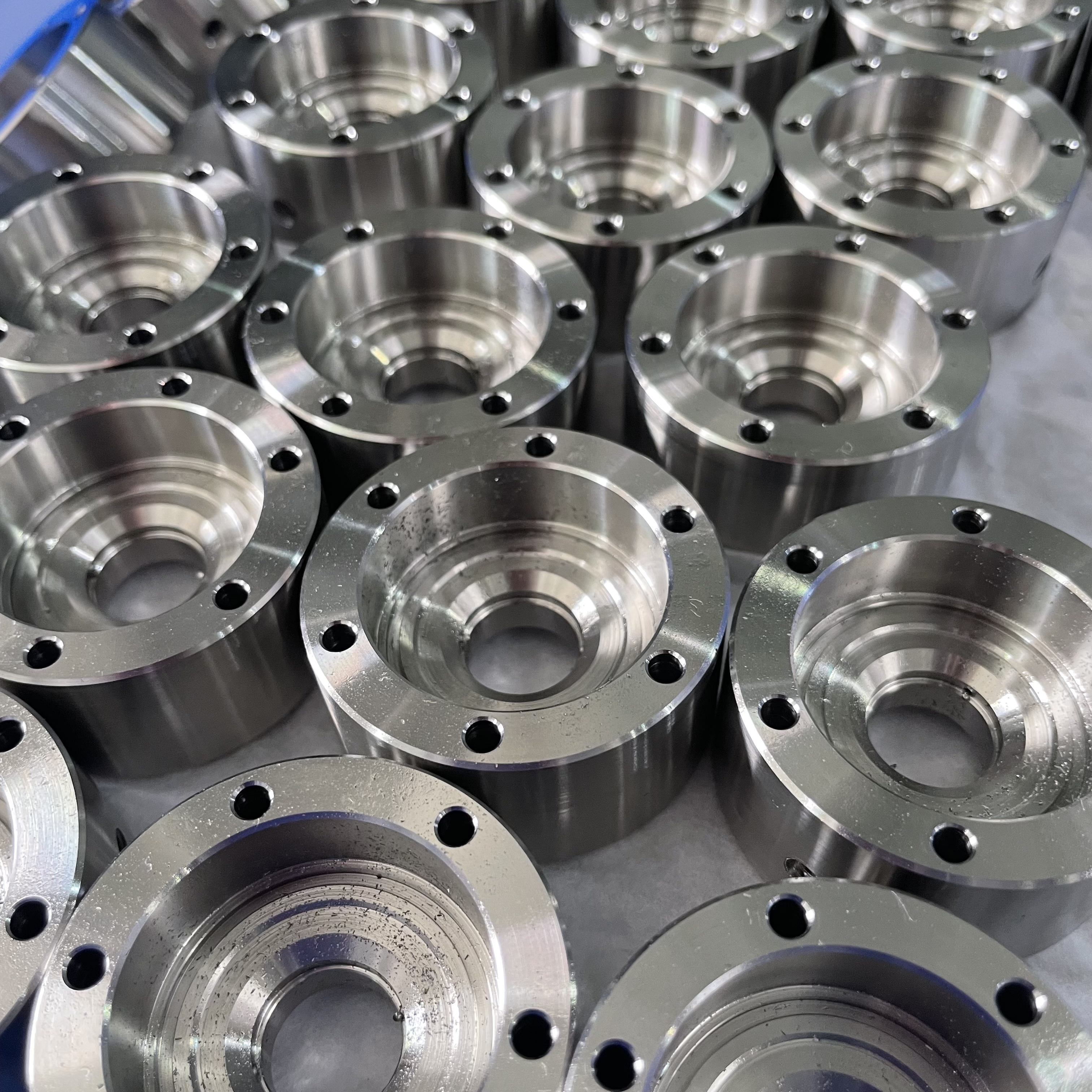
At Precision Fab CNC Machining, we specialize in producing parts for prototypes, short runs, and high-volume production. Our prototyping machine capabilities extend across metal, plastic, and wood machining, with welding fabrication services available to complement and finalize your prototype if required.
Address
Address: Room320 10F, Building A,Nanshan international building, Dayawan District, Huizhou, Guangdong, 516001 China
Contacts
billy@timaycnc.com