What certifications or industry standards do you adhere to in your CNC machining processes?

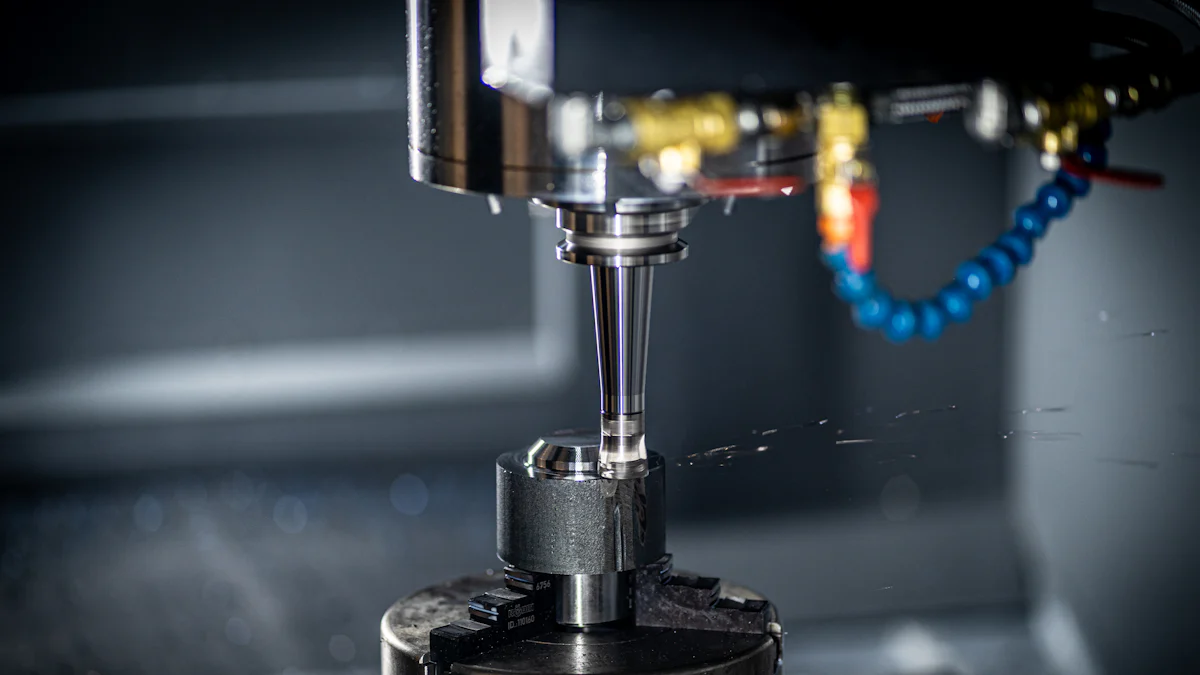
In CNC machining processes, adhering to certifications and industry standards is paramount. Ensuring compliance with these benchmarks guarantees quality and precision in every step of the CNC manufactury journey. This blog post delves into the significance of certifications, highlighting their role in elevating customer trust and meeting regulatory requirements. By exploring the benefits of adherence, companies can grasp the competitive edge that comes with embracing these standards in CNC Hardware.
Importance of Certifications in CNC Machining
Enhancing Quality and Precision
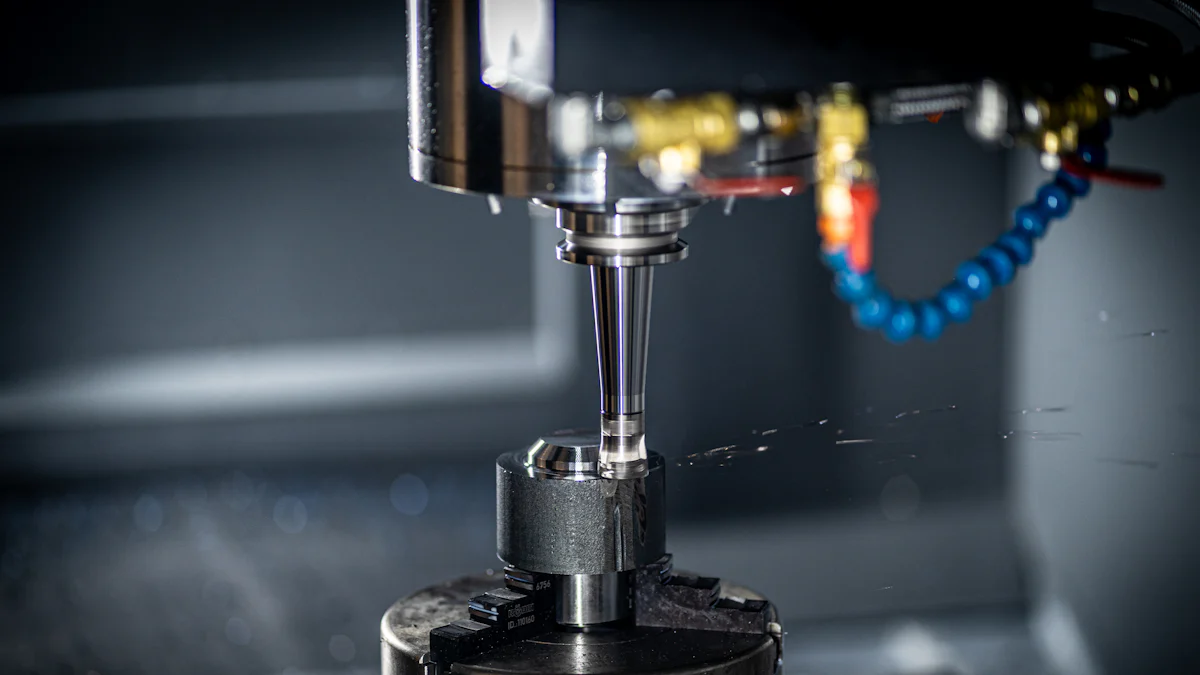
Maintaining high-quality standards in CNC machining processes is crucial for ensuring precision and reliability in every component produced. By adhering to certifications like ISO 9001:2015, companies demonstrate their commitment to excellence, setting a benchmark for quality that resonates throughout the industry.
Building Customer Trust
Certifications play a pivotal role in instilling confidence in customers regarding the products they receive. The influence of certifications on customer trust cannot be overstated, as it signifies a dedication to meeting stringent quality standards. Case studies from leading technology product manufacturers showcase how adherence to certifications has not only enhanced trust but also led to significant cost savings.
Compliance with Regulations
In the realm of CNC hardware, regulatory requirements are stringent and demand meticulous attention to detail. Certifications such as the CE marking ensure that products meet essential health, safety, and environmental protection standards. Understanding and adhering to these regulations are paramount for CNC machine shops aiming to deliver compliant and top-notch products.
Key Industry Standards in CNC Machining
ISO Standards
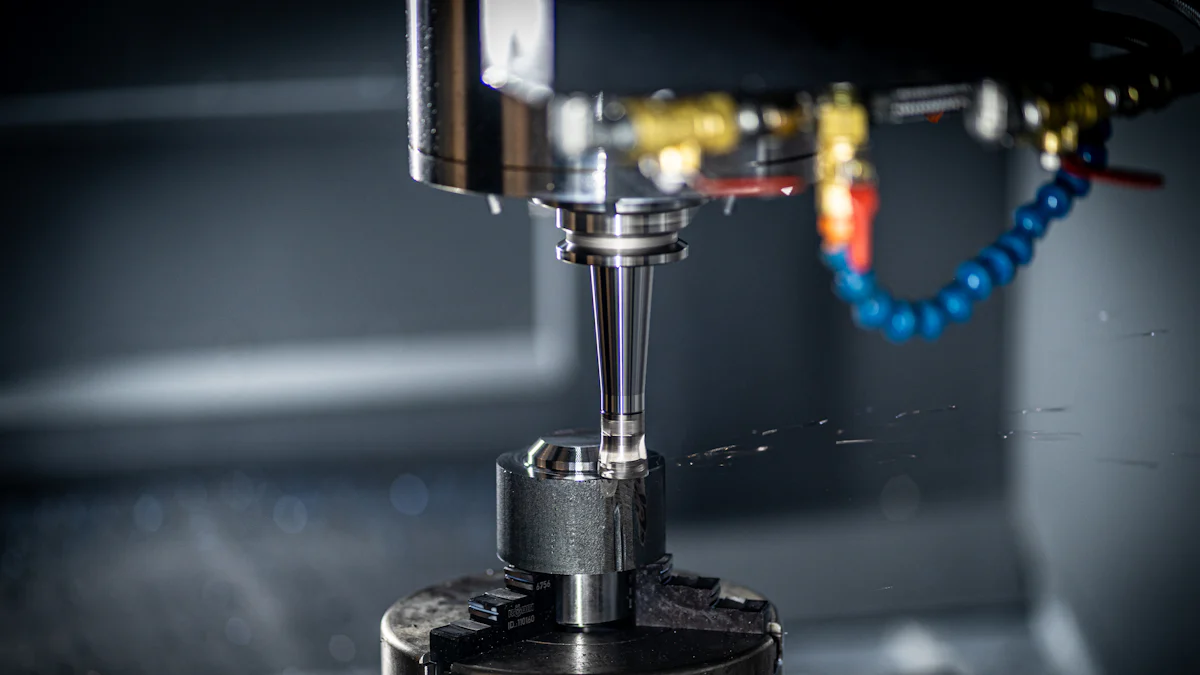
ISO 9001: Quality Management Systems
Implementing ISO 9001 ensures that CNC machining processes adhere to stringent quality control measures, enhancing operational efficiency and customer satisfaction.
The certification signifies a commitment to excellence, setting a benchmark for quality that resonates throughout the industry.
ISO 13485: Medical Devices Quality Management Systems
Adhering to ISO 13485 is crucial for CNC machining processes related to medical devices, ensuring precision and compliance with industry-specific regulations.
This standard emphasizes the importance of maintaining top-notch quality in every component produced for medical applications.
ISO 14001: Environmental Management Systems
ISO 14001 focuses on environmental sustainability in CNC manufacturing, promoting responsible practices that reduce waste and energy consumption.
By aligning with this standard, companies showcase their dedication to eco-friendly operations and contribute to a greener future.
ASME Standards
ASME Y14.5: Geometric Dimensioning and Tolerancing
The ASME Y14.5 standard enhances the understanding of geometric tolerancing in CNC machining, ensuring precise communication of design requirements.
Compliance with this standard streamlines production processes, leading to improved accuracy and reduced errors.
ASME B5.54: Performance Evaluation of CNC Machining Centers
Adhering to ASME B5.54 guarantees optimal performance evaluation of CNC machining centers, fostering reliability and consistency in manufacturing operations.
This standard sets clear guidelines for assessing the efficiency and effectiveness of machining equipment.
Other Relevant Standards
NIST standards for measurement and calibration
Following NIST standards is essential for accurate measurement and calibration processes in CNC machining, maintaining consistency and reliability in part production.
These standards provide a framework for precise measurements, ensuring that components meet required specifications.
Industry-specific standards (e.g., aerospace, automotive)
Industry-specific standards cater to unique requirements in sectors like aerospace and automotive, emphasizing safety, performance, and regulatory compliance.
Adhering to these specialized standards showcases expertise and capability in delivering precision-engineered components for diverse applications.
Implementing Certifications and Standards in CNC Machining Processes
To achieve certification in CNC machining processes, companies must undergo a rigorous process. The initial step involves conducting an assessment to identify areas that require improvement. Subsequently, the necessary processes and documentation should be implemented to align with the standards set forth by various certifications.
When striving to maintain compliance, regular audits and reviews are essential. These evaluations ensure that the established processes continue to meet the required criteria. Additionally, embracing continuous improvement practices is crucial for staying ahead of evolving industry standards and enhancing overall operational efficiency.
The benefits of adhering to certifications and standards are manifold. Improved operational efficiency leads to streamlined processes, reduced errors, and enhanced productivity. Moreover, companies that prioritize compliance gain a competitive edge in the market by showcasing their commitment to quality and precision.
Highlighting the significance of certifications and standards ensures operational excellence.
Embracing these benchmarks elevates business credibility and customer trust.
Companies are urged to pursue relevant certifications for sustained success.
See Also
Achieving CNC Precision Machining Requirements for Parts
Exploring Key Processes in CNC Precision Machining
Grasping Material Needs for CNC Precision Machining
Perfecting CNC Machining for Precise Parts Production
Comprehending Eco-Friendly Needs in CNC Ultra-Precision Machining
About US
Follow Us
Your prototype holds unparalleled significance, and we deeply value its uniqueness. Collaborating with you during the preparation phase for running your prototype or parts is a commitment we gladly embrace. Whether it's a single part or a complex assembly, we are dedicated to selecting the optimal tools and pathways to bring your envisioned product to life.
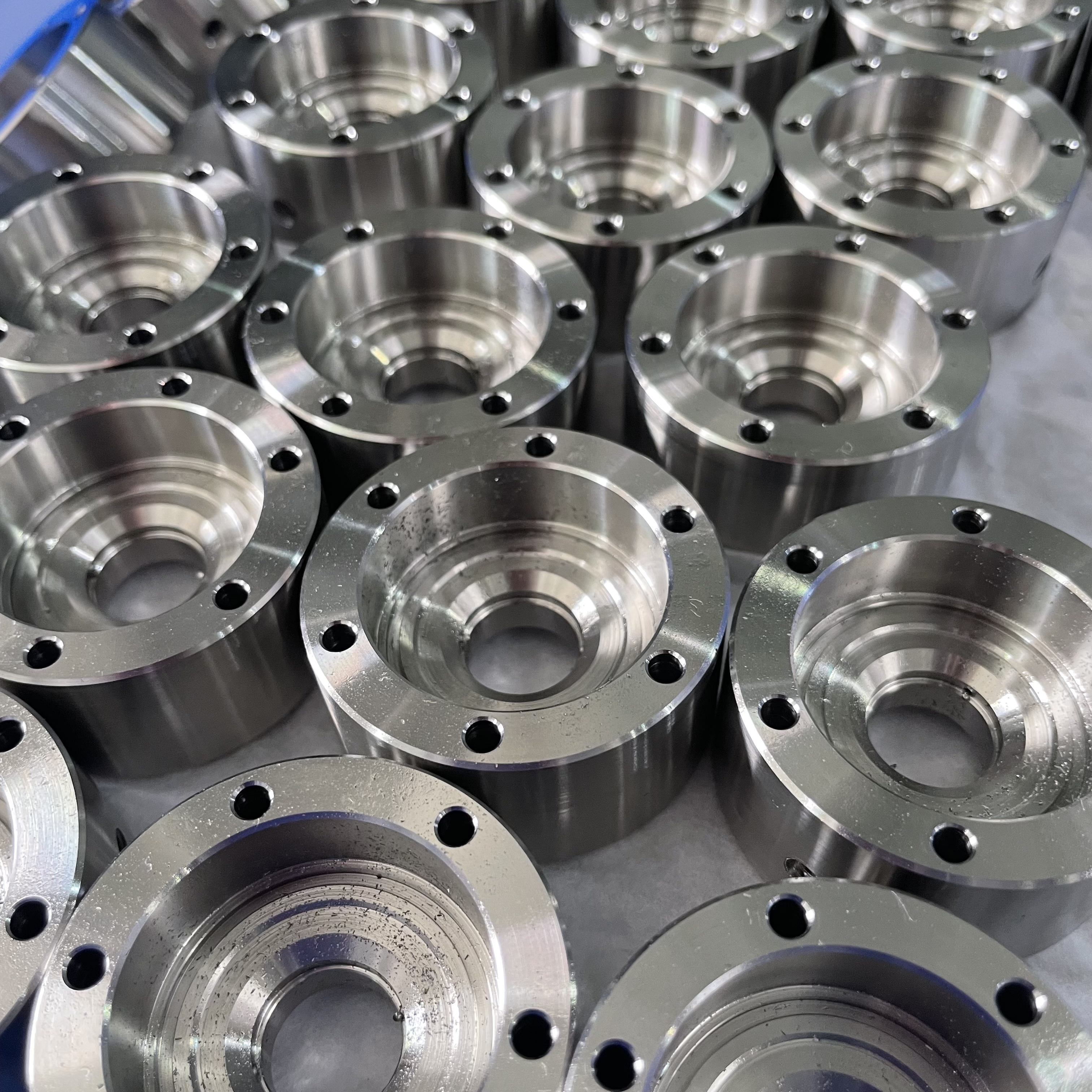
At Precision Fab CNC Machining, we specialize in producing parts for prototypes, short runs, and high-volume production. Our prototyping machine capabilities extend across metal, plastic, and wood machining, with welding fabrication services available to complement and finalize your prototype if required.
Address
Address: Room320 10F, Building A,Nanshan international building, Dayawan District, Huizhou, Guangdong, 516001 China
Contacts
billy@timaycnc.com