How to Choose Materials for CNC Application Material Based on Durability and Weight

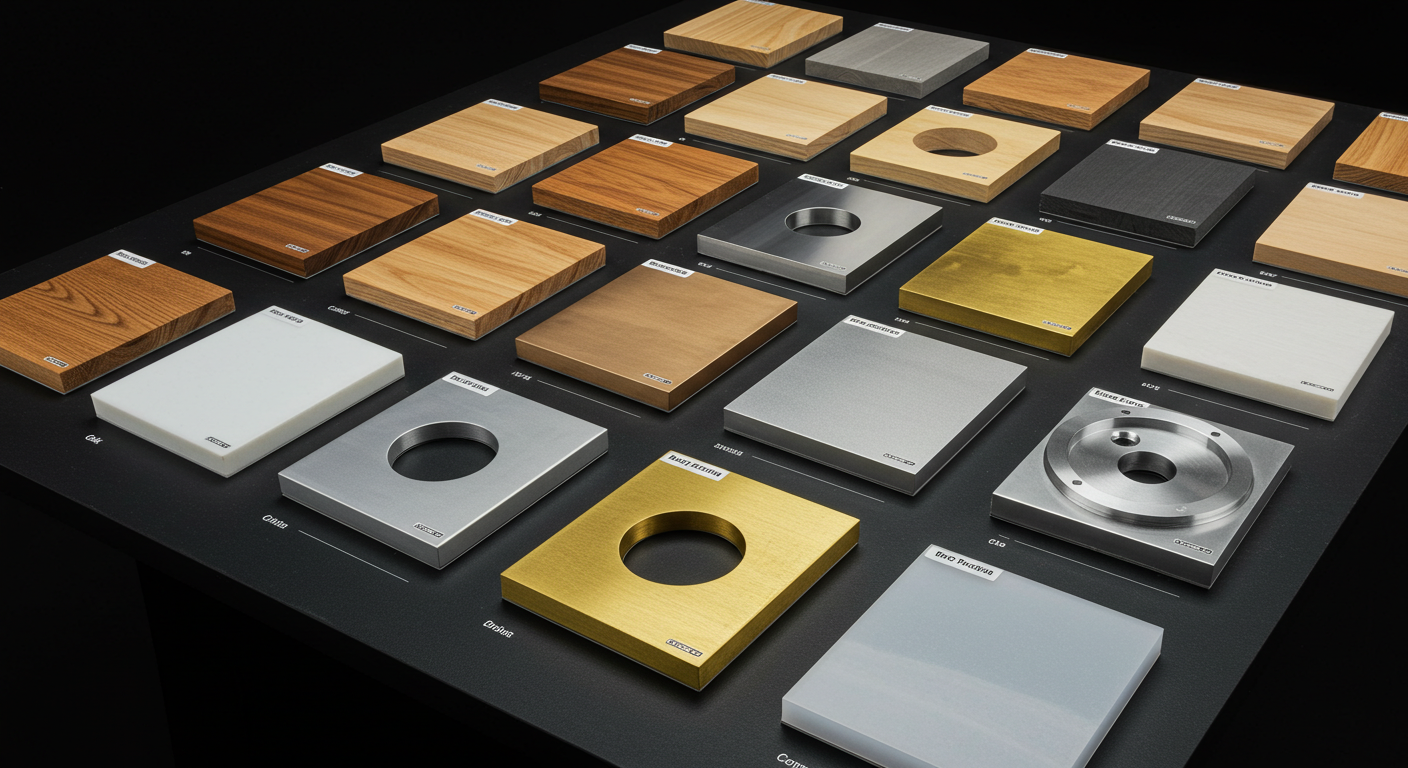
Choosing the right CNC application material directly impacts performance, cost, and efficiency. Durable materials reduce maintenance and replacement costs, while lightweight options enhance application-specific performance. For example:
Aluminum costs about $1 per pound, making it affordable and machinable.
Titanium, though pricier, offers unmatched strength for high-performance needs.
Balancing these factors ensures optimal results.
Key Takeaways
Strong materials are important for CNC use. Pick tough ones like stainless steel or titanium to save on repairs and make parts last longer.
Weight matters a lot for how things work. Use light materials like aluminum to save fuel and move better, especially in planes.
Think about cost and quality together. Titanium is strong but pricey, while aluminum is cheaper and still works well over time.
Key Factors in Choosing the Right CNC Application Material
Durability and its importance in CNC machining materials
Durability plays a critical role in ensuring the longevity and reliability of CNC application material. High-quality materials with excellent durability and strength reduce maintenance costs and extend the lifespan of components. For example:
Extended Lifespan: Durable materials like stainless steel and titanium withstand stress and wear, making them ideal for demanding applications.
Lower Maintenance Costs: Materials with high hardness, such as tool steels, resist deformation and wear, saving you money on replacements.
High Performance: Durable CNC components maintain their functionality under extreme conditions, such as in automotive or medical applications.
Property | Description | Examples |
|---|---|---|
Tensile Strength | Maximum stress a material can withstand before failing. | Stainless steel, titanium |
Hardness | Resistance to deformation, affecting wear resistance. | Tool steels |
Machinability | Ease of cutting and shaping a material, impacting machining efficiency. | Aluminum, brass |
Density | Mass per unit volume, important for weight considerations in applications. | Aluminum, steel |
Thermal Expansion | Material's response to temperature changes, affecting dimensional stability. | Ceramics, specialized alloys |
Weight and its role in application-specific performance
Weight significantly impacts the performance of CNC machined parts, especially in industries like aerospace and automotive. Lightweight materials such as aluminum and certain plastics offer a high strength-to-weight ratio, ensuring structural integrity while reducing overall weight. This balance enhances fuel efficiency and maneuverability in vehicles and aircraft. You should always consider the density of materials when weight is a critical factor.
Machinability and its influence on production efficiency
Materials with excellent machinability, such as ABS and nylon, simplify the CNC machining process. These materials reduce cutting forces, shorten cycle times, and lower production costs. For instance, ABS is tough and easy to machine, making it suitable for prototypes, while nylon offers high strength and wear resistance for engineering applications.
Material | Properties | Applications |
|---|---|---|
ABS | Good physical properties, easy to machine, low cost | Pipes, fittings, electronics housing, prototypes |
Nylon | High strength, wear resistance | Gears, bushings, engineering applications |
Cost considerations and budget alignment
Your budget heavily influences material selection. While high-strength materials like titanium offer superior durability, they can be expensive. Balancing cost and quality is essential. Opting for cost-effective materials like aluminum can lead to long-term savings without compromising performance. Always assess your financial plan and material requirements before finalizing your choice.
Application-specific needs (e.g., environmental conditions, load requirements)
Environmental conditions and load requirements dictate the suitability of CNC machining materials. For example, components exposed to harsh chemicals or UV radiation require materials with specific mechanical properties, such as corrosion resistance and thermal stability. Similarly, high-load applications demand materials with high strength and hardness, like tool steel or specialized alloys.
Tip: Evaluate the operating environment and stress loads to ensure the material meets all functional and mechanical requirements.
Categories of CNC Machining Materials
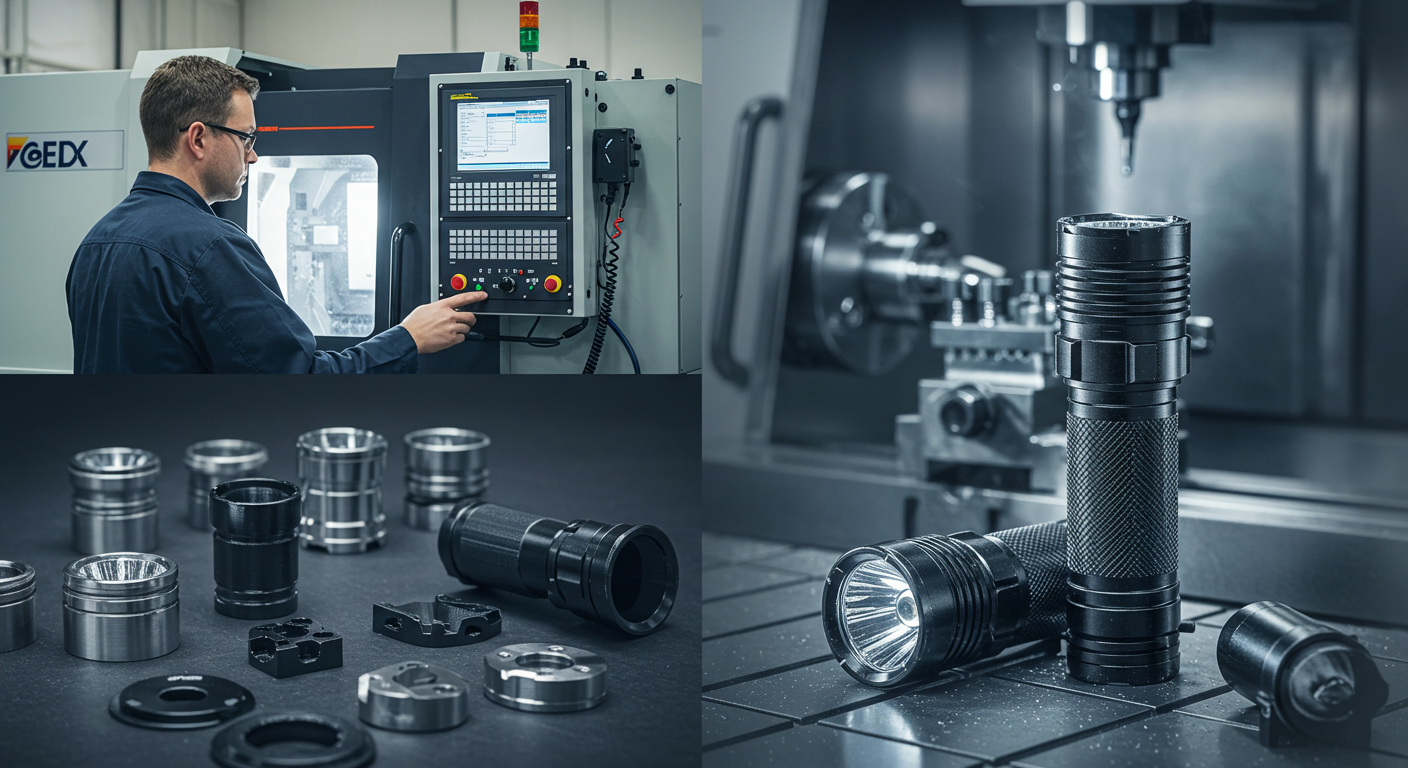
Metals (e.g., aluminum, steel, titanium) and their durability
Metals are among the most durable options for CNC machining materials. They offer high strength, excellent machinability, and resistance to wear. For example:
Aluminum Alloys: Lightweight, strong, and corrosion-resistant. Common grades like 6061-T6 and 7075 are widely used in aerospace and automotive industries.
Stainless Steel: Known for its corrosion resistance and toughness. Grades like 303 and 316 are ideal for harsh environments.
Titanium: Offers unmatched strength and toughness. It is suitable for demanding applications like aerospace and medical devices.
Metals also maintain stability during machining, ensuring precise results. While titanium requires advanced techniques due to its hardness, aluminum allows faster processing with reduced tool wear.
Plastics (e.g., ABS, nylon, PEEK) and their lightweight advantages
Plastics are lightweight materials that excel in applications requiring reduced weight without compromising strength. They are easy to machine and transport, making them a practical choice for prototypes and engineering parts. Key examples include:
ABS: Affordable, lightweight, and impact-resistant. It is commonly used for rapid prototyping.
Nylon: Strong with low friction, making it suitable for gears and bushings.
PEEK: Lightweight yet durable, resistant to chemicals and high temperatures. It performs well in harsh environments.
These materials also exhibit excellent machinability, reducing production time and costs.
Composites (e.g., carbon fiber, fiberglass) and their unique properties
Composites combine strength and lightweight properties, making them ideal for CNC applications. Carbon fiber, for instance, has one of the highest strength-to-weight ratios, surpassing metals like steel and titanium. Fiberglass offers similar benefits, with added flexibility. These materials are commonly used in aerospace and automotive industries for components like frames and chassis. CNC machining enhances their precision, ensuring reliable performance in demanding applications.
Comparing material categories for durability and weight balance
Each material category offers unique advantages. Metals provide the most durable material for CNC machining, while plastics and composites excel in weight-sensitive applications. For high-load scenarios, combining composites with metals like steel achieves a balance between durability and weight. Evaluating mechanical properties, density, and material requirements helps you select the best material for CNC machining. This approach ensures optimal performance and cost-effectiveness.
Step-by-Step Guide to Choose the Right Material
Define project requirements (e.g., strength, weight, environment)
Start by identifying your project’s specific needs. This step ensures you choose the right material for your CNC application. Consider the following factors:
Material properties: Evaluate strength, hardness, and electrical conductivity.
Application area: Determine the physical and mechanical properties required.
Operating environment: Assess exposure to chemicals, temperature, or moisture.
Dimensional stability: Ensure the material can meet precise tolerances.
Weight capacity: Account for load-bearing requirements.
Surface finishing: Decide if aesthetics are important.
For instance, aluminum 3.3211 is ideal for aerospace due to its strength-to-weight ratio, while stainless steel suits corrosive environments.
Research and compare CNC machining materials
Researching CNC machining materials helps you find the best material for CNC machining. Follow these steps:
Assess thermal properties for temperature resistance.
Compare mechanical properties like strength and durability.
Evaluate cost-effectiveness and environmental impact.
Consider surface finish and machinability.
For example, aluminum offers excellent machinability, while titanium provides high strength for demanding applications.
Evaluate trade-offs between durability, weight, and cost
Balancing durability, weight, and cost is crucial. Lightweight materials like plastics reduce weight but may lack durability. Metals like titanium offer high strength but come at a higher cost. Conduct a cost-benefit analysis to align material selection with your project goals.
Finalize the material choice based on application goals
After evaluating all factors, finalize a suitable material that meets your application’s requirements. Prioritize strength, density, and mechanical properties while staying within budget. Collaborate with suppliers or use online tools to refine your decision.
Practical Tips for Optimizing Material Selection
Consult with material suppliers or CNC experts
Collaborating with material suppliers or CNC experts can significantly improve your material selection process. Their expertise helps you identify materials that meet your project’s strength, hardness, and density requirements. Early involvement during the design phase ensures that your material choice aligns with manufacturability and application needs.
Early Involvement: Engage suppliers early to leverage their knowledge of suitable materials and machining techniques.
Clear Communication: Share detailed specifications, including tolerances and deadlines, to ensure alignment with your goals.
Long-Term Relationships: Building partnerships with reliable suppliers can lead to faster turnaround times and access to advanced capabilities.
For instance, if your project involves outdoor components, experts may recommend metals with high corrosion resistance. Similarly, medical applications may require materials with antimicrobial properties. Consulting professionals ensures your material choice balances performance and cost.
Test materials for specific use cases
Testing materials under real-world conditions helps you determine their suitability for your CNC project. This process reveals how materials perform in terms of machinability, strength, and durability.
Testing ensures parts meet environmental and mechanical requirements.
It helps you understand the distinct characteristics of materials, such as density and hardness.
Testing also influences cost-effectiveness by identifying the most efficient options.
For example, testing a material like aluminum in high-stress environments can confirm its strength-to-weight ratio. This step ensures your final product performs reliably in its intended application.
Plan for scalability and future-proofing
Scalability and future-proofing are essential for long-term success. Lightweight alloys and composites, such as carbon fiber, enhance performance while reducing density. These materials maintain structural integrity without adding unnecessary weight, making them ideal for industries like aerospace.
Future-proofing involves adopting eco-friendly materials to align with sustainable practices. As demand for greener alternatives grows, choosing materials with low environmental impact ensures your project remains relevant. Planning for scalability also allows you to adapt to evolving industry trends without compromising mechanical performance.
Balancing durability and weight is essential when selecting CNC machining materials. Choosing the right material improves performance, reduces costs, and ensures efficiency. Align your material choice with project goals and application-specific needs for the best results.
Tip: Use a systematic approach to evaluate materials. This ensures your final choice meets all functional and budgetary requirements.
FAQ
What is the best material for lightweight CNC applications?
Aluminum is an excellent choice. It offers a high strength-to-weight ratio, corrosion resistance, and easy machinability, making it ideal for aerospace and automotive projects.
How do you balance cost and performance when selecting materials?
Compare material properties like strength, weight, and machinability. Choose a material that meets your project’s needs while staying within your budget.
Can CNC materials withstand extreme environmental conditions?
Yes, many materials can. Stainless steel resists corrosion, while PEEK and titanium handle high temperatures and harsh chemicals effectively. Always match the material to the environment.
See Also
Grasping Material Needs for CNC Precision Machining Success
Become Proficient in CNC Machining: Drawing and Material Insights
Excelling in CNC Machining: Tolerances, Prototypes, and Material Choices
Essential Tips for Flawless CNC Machining of Aluminum Components
About US
Follow Us
Your prototype holds unparalleled significance, and we deeply value its uniqueness. Collaborating with you during the preparation phase for running your prototype or parts is a commitment we gladly embrace. Whether it's a single part or a complex assembly, we are dedicated to selecting the optimal tools and pathways to bring your envisioned product to life.
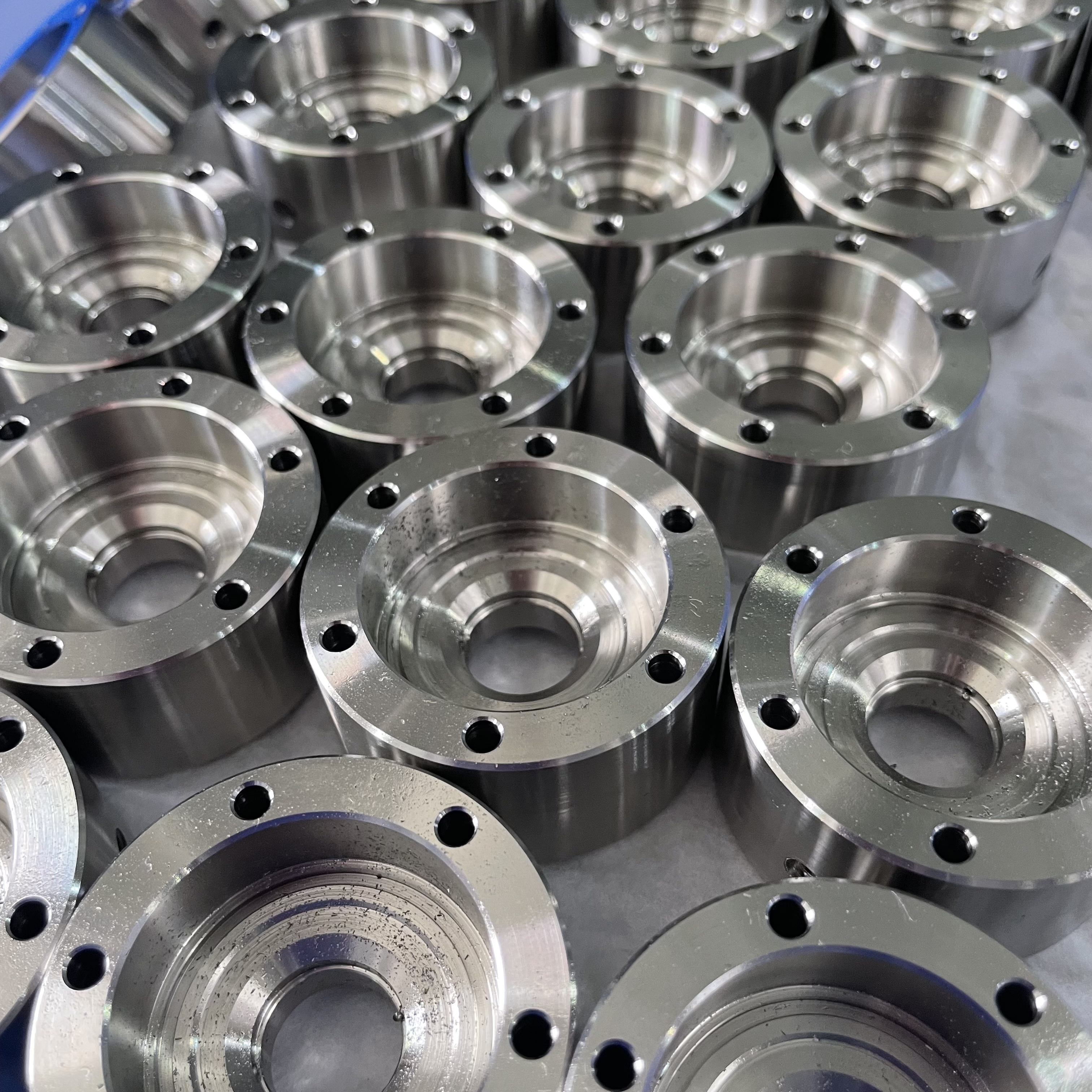
At Precision Fab CNC Machining, we specialize in producing parts for prototypes, short runs, and high-volume production. Our prototyping machine capabilities extend across metal, plastic, and wood machining, with welding fabrication services available to complement and finalize your prototype if required.
Address
Address: Room320 10F, Building A,Nanshan international building, Dayawan District, Huizhou, Guangdong, 516001 China
Contacts
billy@timaycnc.com