What You Need to Know About Material Cost and CNC Machining for Precision Parts

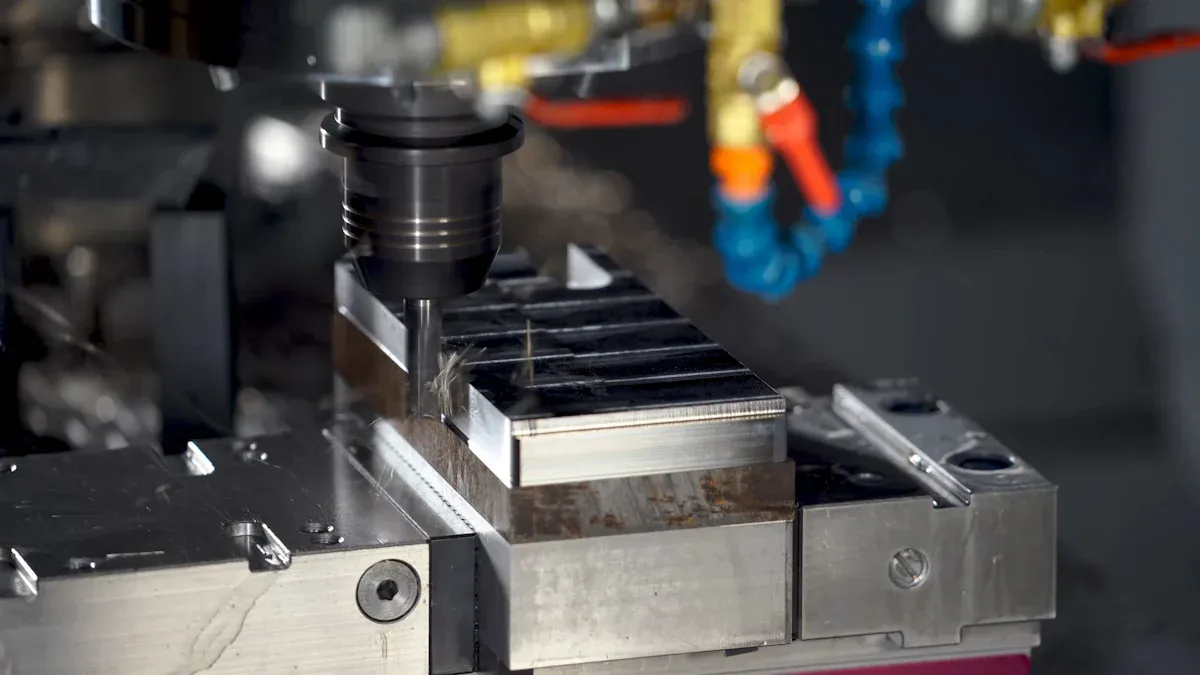
Material costs significantly impact CNC machining, shaping both the price and quality of precision parts. Choosing the right CNC application material ensures cost efficiency and performance. Common materials include:
Aluminum: $1–$5 per pound, ideal for aerospace and electronics.
Steel: $0.50–$5 per pound, versatile for tools and machinery.
Plastics: $1–$10 per pound, lightweight for automotive and electronics.
Understanding these options helps you balance cost and precision effectively.
Key Takeaways
Pick materials carefully to balance price and quality. Aluminum is cheap and easy to shape, but titanium is strong and costs more.
Make part designs simple to save time and money. Skip tricky features that need special tools and take longer to make.
Produce in bigger batches to cut costs per piece. Larger groups share fixed costs and work faster, saving money.
Key Factors Influencing CNC Machining Cost
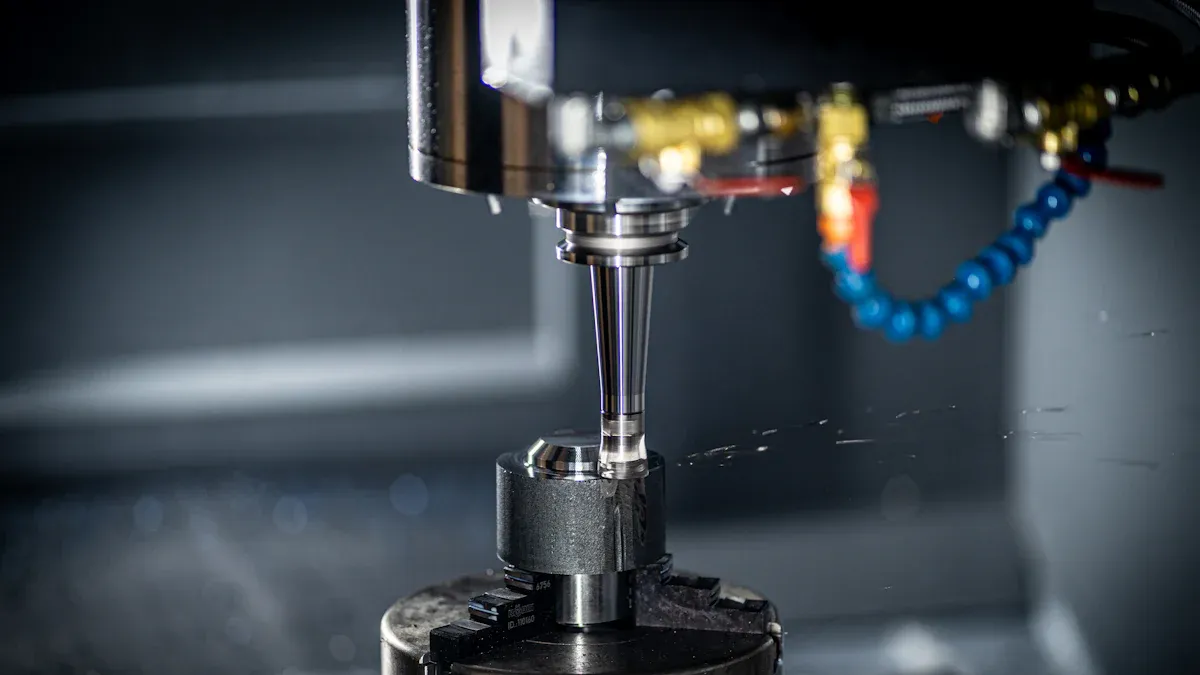
Material Type and CNC Application Material
The type of material you choose plays a major role in determining CNC machining costs. Harder materials like stainless steel or titanium are more expensive than softer options like aluminum or plastics. These materials also wear down tools faster, increasing operational expenses. Additionally, raw material prices fluctuate based on market demand, which can directly impact your project budget.
Here’s a quick comparison of material costs:
Material | Approx. Cost (USD/kg) |
|---|---|
Aluminum | $5–$15 |
Stainless steel | $15–$25 |
Carbon steel | $2–$5 |
Titanium | $30–$50 |
Machinability also matters. Low machinability materials require more time and resources, raising costs. For example, titanium’s strength makes it harder to machine, while aluminum’s softness allows for faster processing. Selecting the right cnc application material can help you balance cost and performance effectively.
Design Complexity and Its Impact on Machining Time
Part design complexity directly affects machining time and cost. Intricate designs with tight tolerances often require specialized tools and custom fixtures. Features like deep cavities or thin walls complicate the machining process, increasing the time needed to complete the part.
Complex geometries also demand more hours of programming and setup. For instance, a simple rectangular block takes less time to machine compared to a part with multiple curves and angles. By simplifying your design, you can reduce machining time and lower costs without sacrificing functionality.
Efficiency and Machining Time in Cost Calculation
Machining time is one of the most significant factors affecting cnc machining costs. Longer machining times lead to higher energy consumption and labor expenses. Inefficient designs can further extend this time, increasing overall costs.
For example, high-performance alloys like titanium require specialized coatings and longer machining times, which add to the expense. Opting for materials with faster processing times, such as aluminum, can help you save on costs. Efficient designs and material choices ensure that your project stays within budget while maintaining precision.
How Material Costs Impact Precision Parts

Material Selection and Its Role in Precision
Choosing the right material is essential for achieving precision in CNC machining. Each material behaves differently under cutting tools, which directly affects the quality of the final product. For example:
Softer materials like aluminum allow for faster machining and smoother finishes.
Harder materials, such as stainless steel, require more effort but deliver exceptional durability.
Plastics, while lightweight, may deform under high temperatures, impacting precision.
Understanding material properties helps you optimize your design for better results. Materials with high machinability reduce machining time and tool wear, ensuring consistent precision. By selecting the right material, you can balance quality and feasibility effectively.
Durability and Performance of CNC Application Materials
Durability plays a critical role in the performance of CNC machined parts. Materials like stainless steel and brass offer excellent corrosion resistance, making them ideal for demanding environments. Aluminum, known for its strength-to-weight ratio, is both durable and cost-effective.
Durable materials also enhance the lifespan of your parts. For instance:
Stainless Steel: Strong and resistant to wear, suitable for high-stress applications.
Brass: Easy to machine and corrosion-resistant, perfect for decorative and functional uses.
Copper: Excellent for thermal and electrical conductivity, used in specialized industries.
Selecting durable materials ensures your parts perform reliably, even under challenging conditions.
Balancing Material Costs and CNC Machining Cost for High Precision
Balancing material costs with machining expenses is key to achieving high precision without overspending. Some strategies include:
Simplifying part designs to reduce machining time.
Using standardized components to avoid custom tooling.
Selecting cost-effective materials like aluminum or mild steel for projects requiring precision.
For example, aluminum is lightweight, easy to machine, and affordable, making it a popular choice for precision parts. On the other hand, titanium offers unmatched strength but increases machining time and costs. By aligning material selection with your budget and performance needs, you can achieve precision while controlling expenses.
Strategies to Optimize Material Costs
Selecting Cost-Effective CNC Application Materials
Choosing the right material is one of the most effective ways to control cnc machining cost. Materials like aluminum, steel alloys, brass, and copper offer cost-effective cnc machining solutions for various applications.
Aluminum: Affordable, lightweight, and easy to machine, making it ideal for many industries.
Steel Alloys: Durable and readily available, balancing strength and cost.
Brass: Known for its machinability and aesthetic appeal, often used in decorative parts.
Copper: A cost-effective choice for applications requiring high conductivity.
To further reduce costs, focus on materials with high machinability. These materials reduce tool wear and machining time. Additionally, staying informed about market trends and material availability helps you avoid price spikes. Bulk purchasing can also lower costs, especially for larger production batch sizes.
Simplifying Design to Reduce Machining Time
Simplifying your design is a practical way to reduce cnc machining cost. Complex designs with intricate features increase machining equipment cost and processing time. By optimizing your design, you can achieve precision while minimizing expenses.
Here are some tips to optimize design:
Simplify geometry by reducing shape complexity and dimensions.
Maintain suitable wall thickness to prevent tool damage.
Round off inside corners to match tool shapes and improve efficiency.
Use standardized components to avoid custom tooling.
For example, reducing the depth of slots or minimizing unnecessary features can significantly cut machining time. Simplified designs also reduce the need for repositioning workpieces, enhancing production efficiency.
Scaling Production to Calculate CNC Machining Cost Effectively
Scaling production is another strategy for reducing cnc machining costs. Larger production batch sizes distribute fixed costs, such as setup and tooling, across more units. This reduces the cost per part.
Production Volume | Cost per Part | Benefit |
|---|---|---|
Low | High | Higher fixed costs per unit |
Medium | Moderate | Balanced cost distribution |
High | Low | Economies of scale reduce costs |
Automation also plays a key role in scaling production. It minimizes manual labor, reduces human error, and optimizes material usage. By increasing production efficiency, you can lower machining equipment cost and achieve consistent precision.
Scaling production not only reduces costs but also ensures sustainable manufacturing practices. Bulk purchasing of raw materials further decreases expenses, making it a cost-effective approach for high-volume projects.
Material costs significantly influence CNC machining. You can optimize costs by selecting materials that balance machinability, durability, and price. Simplifying designs and scaling production further reduces labor cost and machining time. Regularly refining processes ensures efficiency. These strategies help you achieve precision and quality while maintaining cost-effective production.
💡 Tip: Prioritize materials with high machinability to minimize tool wear and reduce labor cost.
FAQ
What factors influence CNC machining prices the most?
Material type, design complexity, and machining time are the primary factors. Harder materials and intricate designs increase costs due to longer machining times and tool wear.
How can you calculate CNC machining cost effectively?
Focus on material cost, machining time, and production volume. Simplify designs and choose cost-effective materials to reduce expenses while maintaining precision and quality.
Why does material cost vary so much?
Material cost depends on availability, demand, and properties like machinability and durability. High-performance materials like titanium cost more due to their strength and processing difficulty.
See Also
Grasping Material Needs for CNC Precision Machining Success
Excelling in CNC Machining for High-Quality Parts Production
Key Elements Influencing CNC Precision Parts Processing Costs
A Comprehensive Look at CNC Precision Parts Production
Achieving Excellence in CNC Milling for Precision Manufacturing
About US
Follow Us
Your prototype holds unparalleled significance, and we deeply value its uniqueness. Collaborating with you during the preparation phase for running your prototype or parts is a commitment we gladly embrace. Whether it's a single part or a complex assembly, we are dedicated to selecting the optimal tools and pathways to bring your envisioned product to life.
At Precision Fab CNC Machining, we specialize in producing parts for prototypes, short runs, and high-volume production. Our prototyping machine capabilities extend across metal, plastic, and wood machining, with welding fabrication services available to complement and finalize your prototype if required.
Address
Address: Room320 10F, Building A,Nanshan international building, Dayawan District, Huizhou, Guangdong, 516001 China
Contacts
billy@timaycnc.com