How CNC Customization Enhances the Engineering Design Process

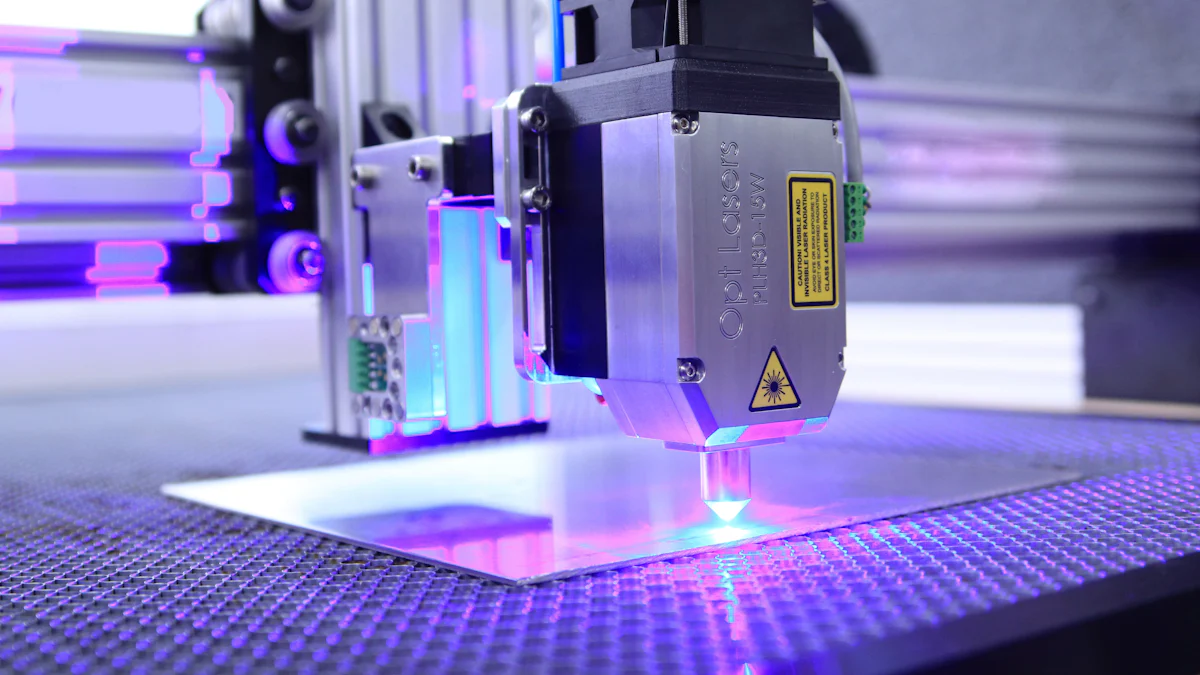
CNC customization revolutionizes how you approach engineering design. It automates processes, reducing manual adjustments and enabling rapid prototyping. With CNC machining, you can produce parts in as little as one day, accelerating product development. This precision-driven technology bridges the gap between concept and production, ensuring functional prototypes align with final product quality.
Key Takeaways
CNC customization lets you adjust machines for specific project needs. This boosts efficiency and cuts down on waste.
Custom CNC tools improve accuracy and help solve tough engineering problems. They also encourage new ideas in design.
CNC customization speeds up making prototypes and small batches. It allows quick changes and creates high-quality products for customers.
Understanding CNC Customization and Its Role in Engineering
What is CNC Customization?
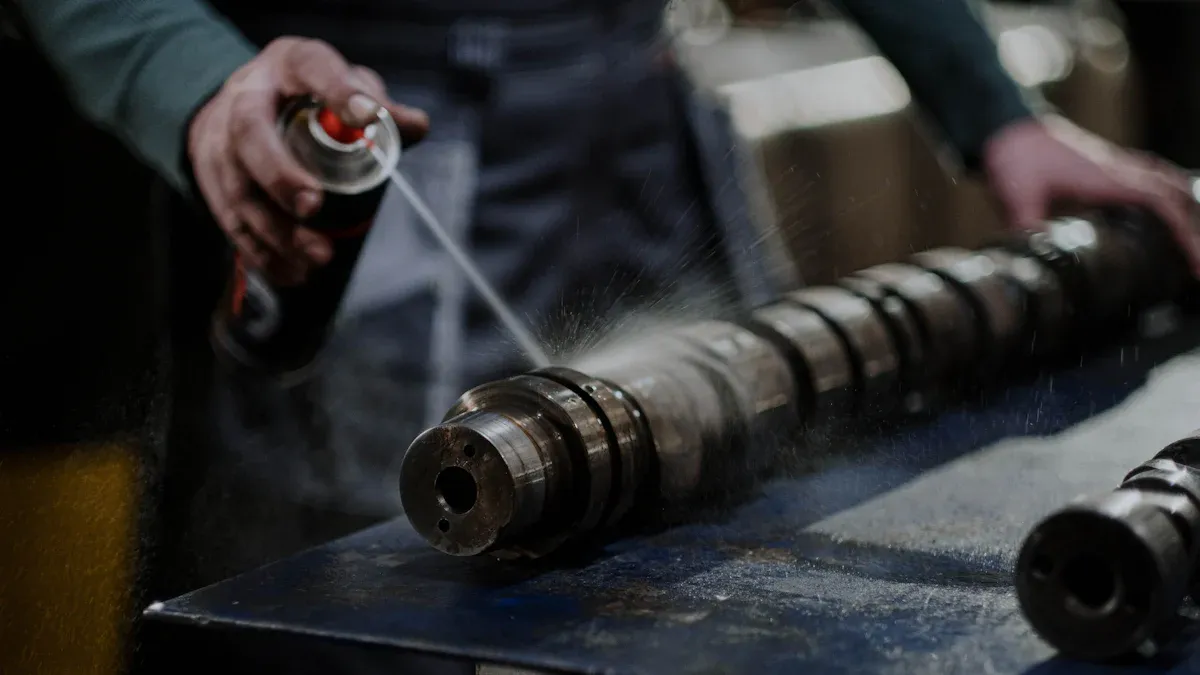
CNC customization allows you to tailor CNC machines and tools to meet specific design and production needs. It focuses on adapting the machine’s capabilities to align with your project requirements. This process involves selecting or modifying tools, programming unique machining paths, and optimizing settings for precision and efficiency. By customizing CNC machines, you can achieve better results, reduce waste, and improve production speed.
The principles of CNC customization, such as Design for CNC Machining (DFM), guide you in creating parts that match the machine's capabilities. For example, you can design components with appropriate wall thickness, ensure proper tool access, and adhere to standard tolerances. These practices enhance manufacturability, reduce costs, and improve lead times. When you apply DFM early in the design process, you can optimize both the functionality and production of your components.
The Role of CNC Custom Tools in Engineering Design
Custom CNC tools play a vital role in engineering design by enabling you to handle complex tasks with precision. These tools are designed to perform specific functions, ensuring that your designs meet exact specifications. For instance, turning tools shape materials with a single cutting edge, while milling tools use multiple edges for rotary action. Drilling tools create holes, and boring tools refine them for accuracy. Each tool serves a unique purpose, allowing you to tackle diverse engineering challenges.
By using custom CNC tools, you can innovate and adapt to specialized projects. Whether you need threading tools for screw threads or deburring tools to remove excess material, these tools enhance your ability to create high-quality designs. The role of CNC custom tools extends beyond production; it empowers you to push the boundaries of engineering design.
Key Benefits of CNC Customization
Enhancing CNC Efficiency Through Customization
Customizing CNC machines significantly improves their efficiency, allowing you to streamline engineering processes. By tailoring tools and settings, you can reduce the need for multiple tools and simplify workflows. This approach minimizes downtime and accelerates production.
CNC machines cut with a precision of 0.001 inches, ensuring high accuracy in every operation.
Automation enables continuous operation, reducing human error and increasing productivity.
Customization optimizes tool paths, saving time and material.
These benefits make enhancing CNC efficiency a cornerstone of modern engineering. You can achieve faster turnaround times and better resource utilization, giving your projects a competitive edge.
Precision and Accuracy in CNC Machining Performance
CNC customization ensures unparalleled precision and accuracy in machining performance. Regular calibration and alignment of machines maintain consistent output. Using high-quality cutting tools and holders minimizes vibrations, resulting in more stable and precise cuts.
Temperature control also plays a crucial role. By maintaining a stable environment, you can prevent material distortions and ensure accurate machining. These practices allow you to achieve exceptional results, even in complex designs.
Flexibility and Innovation with Custom Tools for CNC Machines
Custom tools unlock new possibilities in CNC machining. They allow you to adapt to unique project requirements and explore innovative applications. For example:
In aerospace, CNC machining produces intricate parts like turbine blades and landing gear.
In healthcare, it facilitates rapid prototyping of medical devices, driving innovation.
Application Area | Description |
|---|---|
Aerospace | Producing intricate parts like turbine blades and component housings for aircraft. |
Automotive | Rapid prototyping of vehicle components to reduce time-to-market. |
Healthcare | Manufacturing of medical implants and surgical instruments. |
This flexibility empowers you to tackle specialized projects with confidence, pushing the boundaries of engineering design.
Applications of CNC Customization in Engineering
Prototyping and Iterative Design
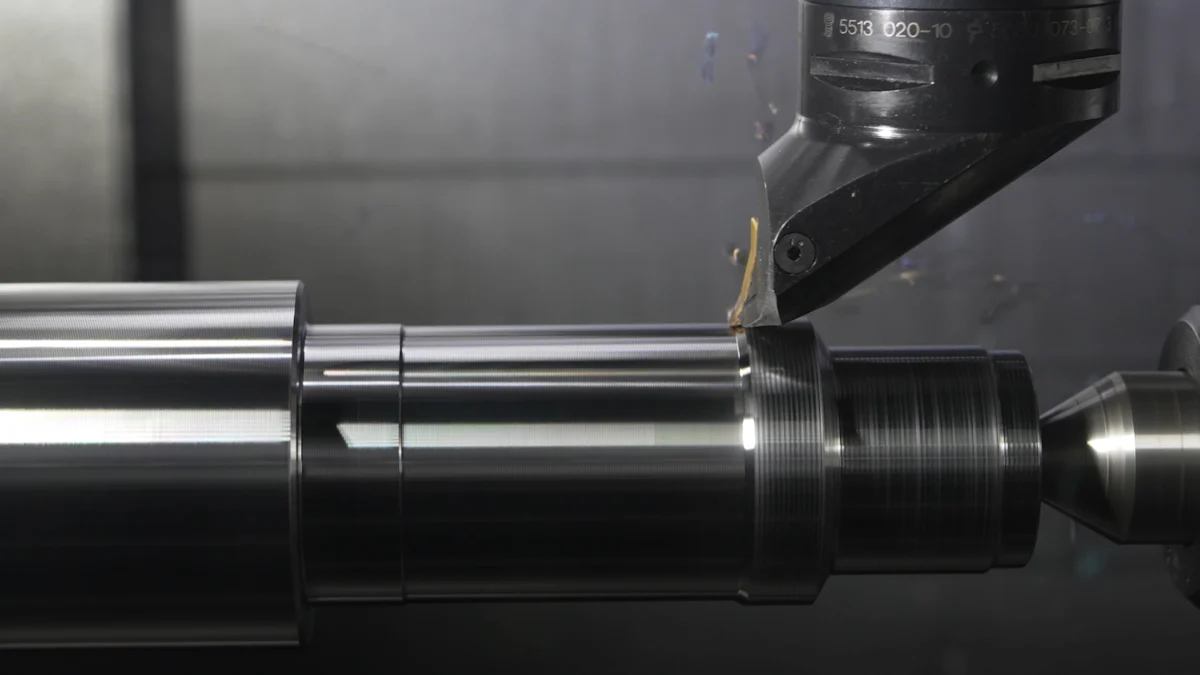
CNC customization plays a critical role in prototyping and iterative design. It allows you to create functional prototypes that match the precision of final products. This capability is essential when testing designs or making improvements. With CNC machining, you can quickly transform ideas into tangible parts, enabling faster feedback and refinement cycles.
Industries that rely heavily on CNC customization for prototyping include:
Medical: Produces high-quality prototypes for testing medical devices.
Aerospace: Requires precise tolerances for components like turbine blades.
Automotive: Develops prototypes for vehicle parts to ensure functionality.
Electronics: Creates small, lightweight parts with exact dimensions.
Marine: Crafts unique shapes and materials for specialized components.
Semiconductors: Produces molds and components with high precision.
By leveraging CNC customization, you can iterate designs efficiently, reducing time-to-market and improving product quality.
Small-Batch Manufacturing and On-Demand Production
CNC customization excels in small-batch manufacturing and on-demand production. It provides the flexibility to tailor each batch to specific customer needs. This approach minimizes waste and reduces inventory costs, making it ideal for businesses that prioritize efficiency.
Key advantages include:
High levels of customization for unique product requirements.
Rapid prototyping to adapt quickly to market changes.
Reduced waste and inventory costs through smaller production runs.
Enhanced flexibility to meet diverse customer demands.
This adaptability ensures you can respond to shifting market trends while maintaining cost-effectiveness.
Specialized Projects Requiring Custom CNC Solutions
Specialized engineering projects often demand custom CNC solutions. These projects benefit from the precision and versatility of CNC machining, allowing you to handle complex designs and materials. For example, industries like electronics frequently require rapid prototyping to test and refine concepts.
Project | Industry | Materials Used | Machine Required |
|---|---|---|---|
Turbine Blade | Aerospace | Titanium, Inconel | 5-axis CNC mill |
Custom Tooling | Manufacturing | Hardened Steel | 3-axis CNC router |
Robotic Arm Component | Automation | Aluminum, Carbon Fiber | 4-axis CNC machine |
Medical Implant | Healthcare | Titanium, PEEK | High-precision CNC |
Luxury Furniture Piece | Home Décor | Wood, Brass | Multi-material CNC |
These examples highlight how CNC customization empowers you to tackle unique challenges across industries. By tailoring tools and processes, you can achieve exceptional results in even the most demanding projects.
Integrating Custom Tools and Accessories into the Design Process
Tailoring CNC Machines for Specific Materials
When tailoring CNC machines for specific materials, you must consider several factors to ensure optimal performance. Start by assessing the functional requirements of your project. For example, determine if the material needs to withstand high temperatures or resist corrosion. Evaluate the material's properties, such as strength, hardness, and flexibility, to match them with your design goals.
Material selection also impacts tool life and cutting speed. Poor machinability can lead to excessive tool wear or even machine damage. To avoid these issues, choose tools designed for the material you are working with. This approach improves surface finish quality and enhances productivity.
Additionally, aesthetics play a role in material selection. Consider how the material's appearance aligns with the final product's visual appeal. By addressing these factors, you can optimize the integration of custom tools into CNC operations and achieve superior results.
Leveraging CAD and CAM Software for CNC Customization
CAD and CAM software are essential for designing custom tools and enhancing CNC customization. CAD software allows you to create detailed 2D or 3D models, enabling you to visualize and refine your designs. Once finalized, CAM software translates these designs into precise instructions for CNC machines.
This integration minimizes errors and improves efficiency. Virtual simulations help you identify potential issues before production begins, reducing material waste and downtime. Advanced machining techniques supported by CAD/CAM software also allow you to produce complex geometries that meet industry demands.
For example, CAM software automates manufacturing by converting CAD designs into geometric code. This process reduces production time and ensures consistent results. By leveraging these tools, you can streamline workflows and improve the quality of your custom tools for CNC machines.
Collaboration Between Engineers and CNC Operators
Effective collaboration between engineers and CNC operators is crucial for producing CNC custom tools. Engineers focus on designing custom tools that meet project requirements, while operators ensure the tools function correctly during machining. Open communication between these roles helps identify potential challenges early in the process.
For instance, engineers can share design specifications with operators, who can then provide feedback on tool compatibility and machine settings. This collaboration ensures the seamless integration of custom tools into CNC operations. It also enhances the benefits of custom tools by improving efficiency and reducing errors.
By fostering teamwork, you can create a more efficient design process and achieve better results in your projects.
Challenges and Solutions in CNC Customization
Common Challenges in Enhancing CNC Efficiency
You may encounter several challenges when working to enhance CNC machining efficiency. Material selection often becomes a critical issue. The wrong material can lead to poor machinability, tool wear, or even machine damage. Tool wear and maintenance also require constant attention. Without regular monitoring, tools may lose their precision, affecting production efficiency.
Programming and simulation present another hurdle. Complex designs demand accurate programming, which can be time-consuming and prone to errors. Quality control adds to the challenge. Maintaining precision and ensuring conformity in every part requires rigorous inspection. Lastly, creativity and innovation are essential. To stay competitive, you must continuously develop unique solutions that push the boundaries of advanced manufacturing.
Strategies to Overcome Implementation Barriers
To overcome these barriers, you can adopt several effective strategies. Collaborating with clients helps you understand their specific needs and tailor solutions accordingly. This approach ensures that your CNC customization aligns with customer expectations. Investing in advanced CAD/CAM software and simulation tools also proves invaluable. These tools allow you to design, simulate, and optimize machining processes, improving production efficiency.
Continuous innovation is another key strategy. Staying updated on technological advancements and market trends enables you to offer high-performance options that meet evolving demands. By embracing these strategies, you can expand machining capabilities and achieve cost reduction via automation.
The Role of Training in Optimizing CNC Machining Performance
Training plays a vital role in optimizing CNC machining performance. By equipping operators with the necessary skills, you can improve productivity and minimize errors. Training programs should focus on advanced manufacturing techniques, tool maintenance, and programming best practices. Hands-on experience with CAD/CAM software enhances operators' ability to handle complex designs efficiently.
Regular training sessions also foster a culture of continuous learning. This approach ensures that your team stays proficient in the latest technologies, enabling them to maximize speed and efficiency in production. With a well-trained workforce, you can achieve superior results and maintain a competitive edge in the industry.
CNC customization transforms engineering by enhancing precision and quality while enabling job customization for diverse needs. It optimizes efficiency, prolongs tool life, and ensures process reliability. With advancements like AI and IoT, CNC machining continues to evolve, driving innovation and creating complex parts with minimal waste. This adaptability secures its role in future engineering excellence.
FAQ
What are the benefits of using custom tools and accessories in CNC machines?
Custom tools and accessories improve precision, reduce waste, and enhance efficiency. They allow you to tailor CNC machines for specific materials and unique project requirements.
How does CNC customization impact small-batch manufacturing?
CNC customization enables you to produce small batches efficiently. It reduces setup time, minimizes waste, and ensures high-quality results tailored to customer needs.
Can custom CNC solutions handle complex materials?
Yes, custom CNC solutions adapt to challenging materials like titanium or carbon fiber. They optimize machining processes, ensuring durability and precision in every project.
See Also
The Impact of CNC Machining on Precision Manufacturing Excellence
A Deep Dive into CNC Machining for Precision Needs
Addressing Challenges in CNC Prototyping for Better Accuracy
Innovations in CNC Machining and Their Role in Precision Engineering
Understanding CNC Technology Advancements in Modern Manufacturing Processes
About US
Follow Us
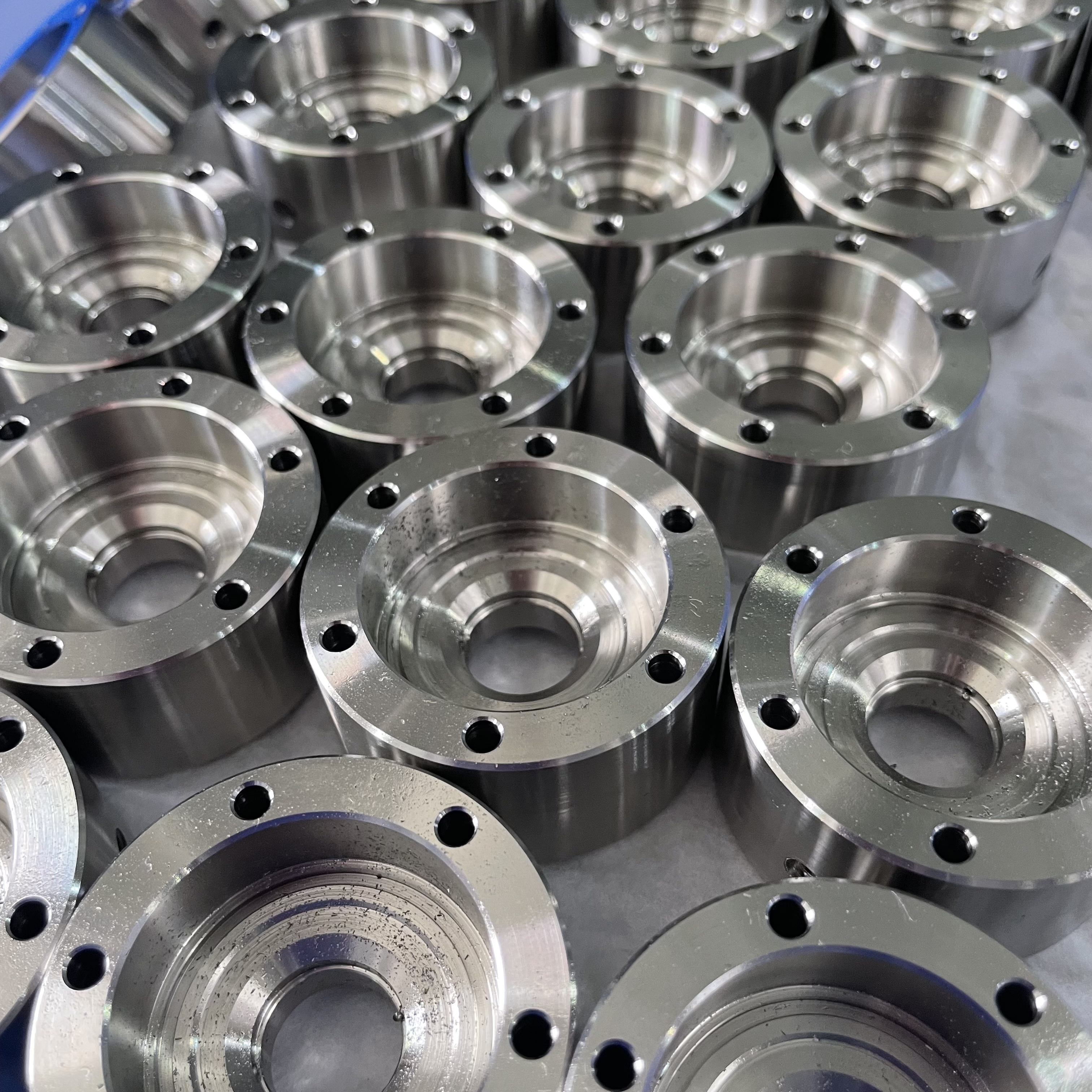
Your prototype holds unparalleled significance, and we deeply value its uniqueness. Collaborating with you during the preparation phase for running your prototype or parts is a commitment we gladly embrace. Whether it's a single part or a complex assembly, we are dedicated to selecting the optimal tools and pathways to bring your envisioned product to life.
At Precision Fab CNC Machining, we specialize in producing parts for prototypes, short runs, and high-volume production. Our prototyping machine capabilities extend across metal, plastic, and wood machining, with welding fabrication services available to complement and finalize your prototype if required.
Address
Address: Room320 10F, Building A,Nanshan international building, Dayawan District, Huizhou, Guangdong, 516001 China
Contacts
billy@timaycnc.com