Understanding CNC’s Role in Achieving High-Quality, Consistent Results

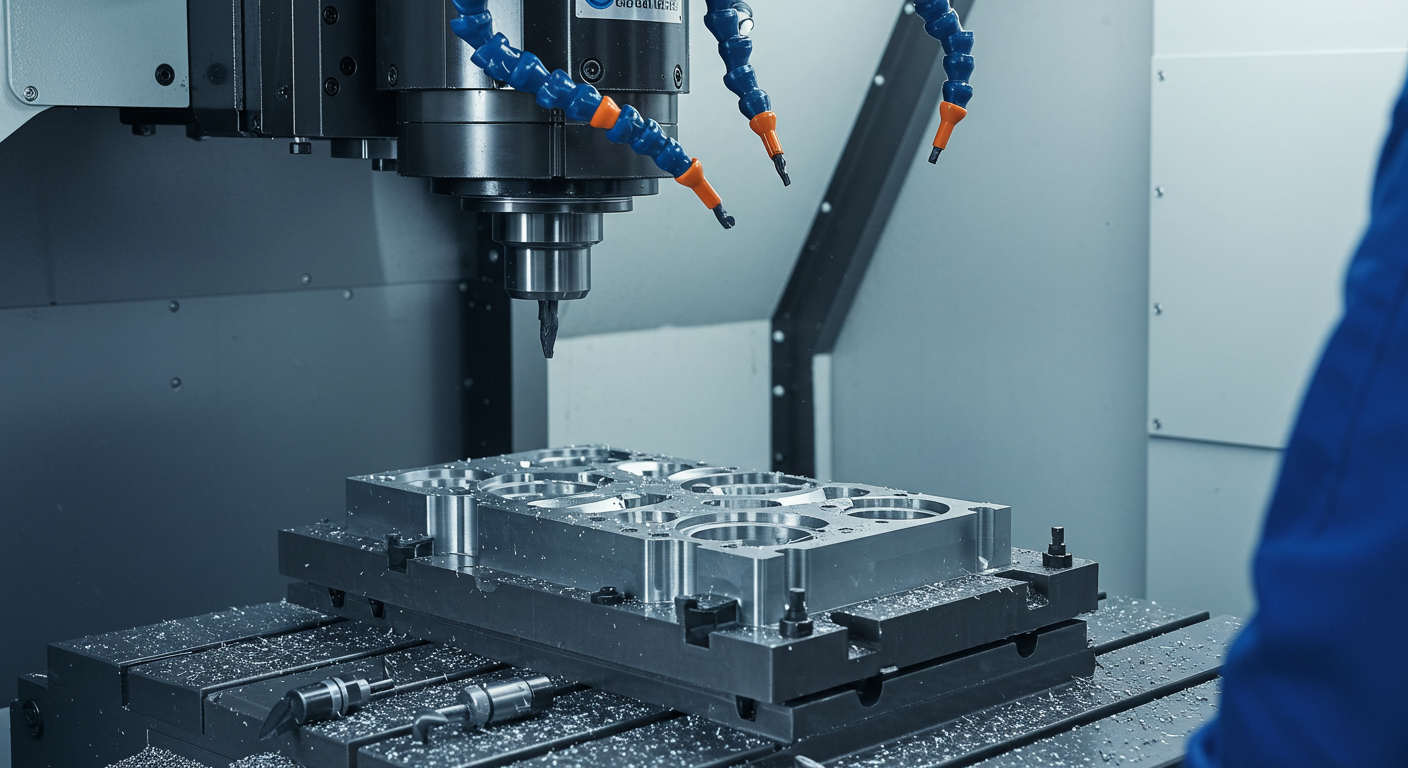
CNC machining has revolutionized modern manufacturing by delivering unmatched precision and accuracy. You can rely on this technology to produce high-quality CNC results with consistent outcomes. CNC machines execute cuts with incredible precision, ensuring tighter tolerances and superior quality in every part. The automated nature of CNC minimizes human error, allowing manufacturers to achieve consistent results across large production runs.
Professional manufacturers invest in advanced CNC machinery and CAD/CAM software to meet industry standards. This combination enables the creation of intricate components with micron-level accuracy. By reducing production errors to nearly zero, CNC machining not only improves quality but also enhances efficiency and reduces waste.
Key Takeaways
CNC machines provide excellent precision, making high-quality parts with exact sizes.
Automation in CNC lowers mistakes, giving steady results in big batches.
Using modern CNC tools and trained workers improves quality and speed.
Keeping CNC machines clean and adjusted helps them stay accurate and waste less.
CNC machines work well for small or big jobs, helping many industries.
What is CNC Machining and Its Importance in Manufacturing?
Definition and Core Principles of CNC
CNC, or Computer Numerical Control, refers to the automated control of machining tools through computer systems. These machines follow pre-programmed instructions, often written in G-code, to perform precise operations. The core principles of CNC include computerized control, precision, automation, and versatility. You can rely on CNC machines to produce high-quality parts with exceptional accuracy and repeatability. The automated nature of CNC minimizes human error, ensuring consistent results across production runs. Additionally, CNC machining services can handle various materials and perform multiple operations, making them adaptable for diverse manufacturing needs.
The Role of CNC in Modern Manufacturing
CNC machining has become a cornerstone of modern manufacturing. Its ability to execute complex designs with tight tolerances has transformed industries like aerospace, automotive, and medical device production. Historically, CNC technology evolved from the 1940s when John T. Parsons introduced the concept of coded instructions for machine tools. By the 1980s, the integration of CAD/CAM systems into CNC machines revolutionized precision and efficiency. Today, CNC machining manufacturers use advanced control systems and sensors to monitor operations, ensuring high-quality CNC results. This technology allows you to achieve faster production times and maintain consistent quality, even in large-scale manufacturing.
Why CNC is Essential for High-Quality Results
CNC machining stands out for its ability to deliver high-quality parts with unmatched precision. Features like advanced control systems, high-precision cutting tools, and real-time sensors ensure accurate and repeatable movements. For example, CNC machines achieve an accuracy of +/-0.05 mm and a repeatability of +/-0.01 mm, making them ideal for intricate designs. These capabilities reduce waste and improve quality standards, which is why CNC machining manufacturers prioritize this technology. Whether you need small-scale customization or mass production, CNC ensures superior results every time.
Factors Ensuring High Precision CNC Machining
Advanced Machinery and Tools for Precision
Advanced machinery plays a critical role in achieving high precision CNC machining. Modern CNC machines, such as 5-axis and 6-axis machining centers, allow you to create intricate parts with tight tolerances. These machines excel in applications like turbine blades and medical implants, where a high degree of accuracy is essential. Multi-axis capabilities enhance precision by enabling complex movements and reducing the need for repositioning parts during machining.
Automation further improves precision and repeatability. Machines can operate continuously, minimizing downtime and ensuring consistent results. Cutting-edge tools also contribute significantly. High-performance cutting tools made from advanced materials increase durability and cutting speeds. Techniques like cryogenic machining reduce heat, extending tool life and maintaining tight tolerances. Micromachining, on the other hand, allows you to produce miniature components with exceptional accuracy. These advancements ensure that CNC machining manufacturers deliver high-quality CNC results with unmatched precision.
The Role of CNC Software in Accuracy
CNC software is the backbone of precision CNC machining. It enables you to create detailed 3D models using CAD, which are then converted into precise G-code instructions for CNC machines. This process ensures accurate movements and cuts, resulting in parts with tight tolerances. The automated nature of CNC software eliminates human error, enhancing consistency and repeatability in production.
By using advanced software, CNC machining manufacturers achieve zero defects in final products. The software also supports real-time monitoring, allowing you to make adjustments during machining to maintain accuracy. This combination of automation and precision ensures that every part meets the required quality standards.
Quality Control Measures for Consistent Results
Tight quality control is essential for maintaining consistency in CNC machining. Statistical process control (SPC) helps you monitor production data to identify trends and variations. Regular machine maintenance, including cleaning and component inspections, ensures optimal performance and reduces rework. Accurate tool calibration is another critical factor. It ensures that parts are produced within specified tolerances, directly impacting quality.
Quality control software enhances assurance by providing real-time monitoring and automating inspections. Techniques like Coordinate Measuring Machines (CMMs) and Non-Destructive Testing (NDT) ensure precise measurements and structural integrity. Investing in operator training further strengthens quality assurance, enabling skilled personnel to inspect parts effectively. These measures guarantee consistent results and uphold the high standards expected in precision CNC machining.
The Role of Skilled Operators in Achieving Quality
Expertise in CNC Machine Setup and Operation
Skilled operators are essential for ensuring high-quality results in CNC machining. Their expertise in machine setup and operation directly impacts the precision and accuracy of the final product. Operators must possess several critical skills, including the ability to set up jobs, interpret G-code programs, and adjust tool length offsets. They also need to deburr and inspect parts, prove programs to prevent crashes, and operate multiple machines simultaneously. These tasks require a deep understanding of machining processes and a proactive approach to problem-solving.
An agile mind is crucial for CNC operators. You must be able to identify and resolve issues intuitively, as few jobs proceed exactly as planned. Experience plays a significant role in honing these skills. Additionally, understanding G-code programming, interpreting technical drawings, and performing creative math for setups are vital abilities. These skills enable you to envision machine actions and their effects, ensuring precise and consistent results.
Importance of Ongoing Training and Skill Development
Continuous training is vital for CNC operators to maintain high-quality production standards. As technology evolves, you must stay updated on the latest advancements in CNC machining. Training programs help you adapt to new techniques, such as 3D printing and CAD, which are becoming increasingly important in modern manufacturing. This ongoing education ensures you remain proficient in operating advanced machinery and producing parts with exceptional accuracy.
A desire to learn and improve is equally important. This mindset drives you to embrace challenges and refine your skills, ultimately enhancing the quality of your work. By investing in training, CNC machining manufacturers ensure their workforce remains capable of meeting strict quality check requirements and delivering high-quality CNC results.
Collaboration Between Operators and CNC Technology
The synergy between skilled operators and CNC technology significantly improves manufacturing outcomes. CNC machines automate processes, resulting in faster production cycles, lower labor costs, and enhanced part quality. When combined with CAM software, this technology streamlines programming and boosts efficiency.
Collaboration with technology providers allows you to customize solutions that enhance precision and product quality. Partnerships with educational institutions ensure operators receive training in the latest CNC processes. Engaging with other manufacturers fosters innovation and resource sharing, reducing costs and accelerating product development. This collaboration ensures that CNC machining manufacturers consistently achieve superior results while maintaining high standards of quality.
Benefits of CNC Machining for Consistent Results
Accuracy and Repeatability in Production
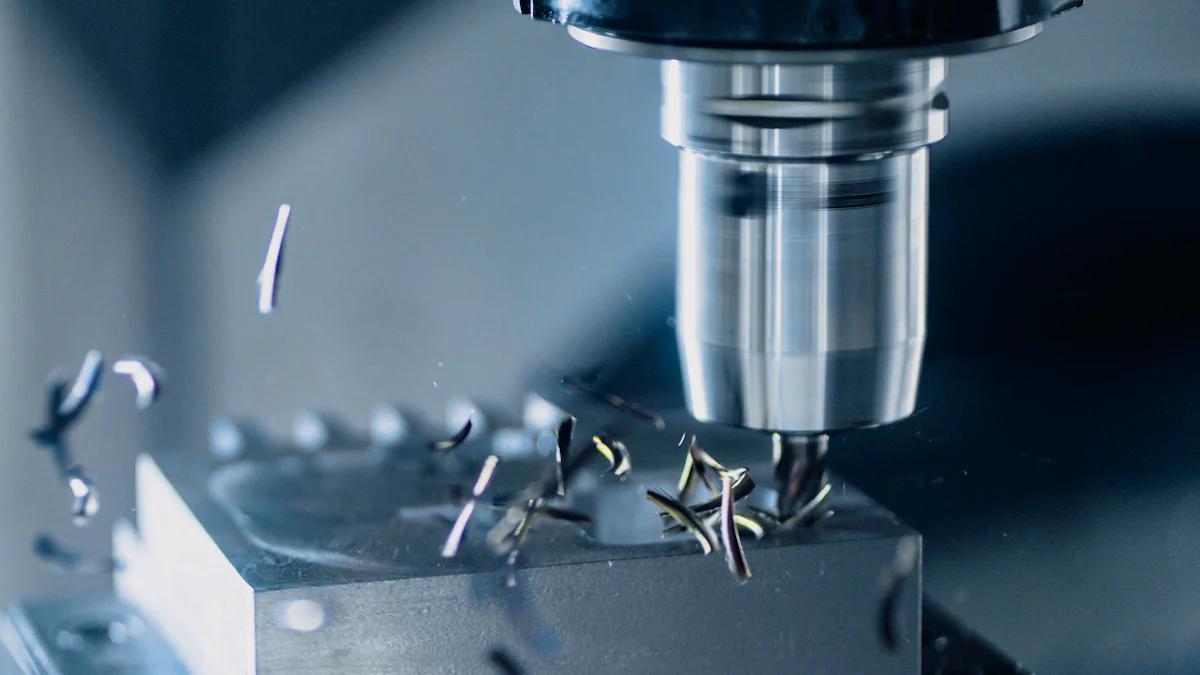
CNC machining ensures high accuracy and repeatability, making it ideal for producing high-quality parts. Several factors contribute to this precision, including machine construction, feedback systems, and calibration. You can rely on CNC machines to maintain tight tolerances, ensuring that every part meets exact specifications. For example, geometrical accuracy and positioning accuracy play a critical role in achieving consistent results. Tools like Coordinate Measuring Machines (CMMs) assess these parameters by gathering precise data from the workpiece.
High precision CNC machining also minimizes errors caused by environmental conditions, such as temperature fluctuations. This level of control allows you to produce complex parts with a high degree of surface finish. By maintaining high accuracy and consistency, CNC machining services deliver high-quality output that meets even the most demanding industry standards.
Tip: Regular calibration and maintenance of CNC machines help sustain their accuracy and repeatability over time.
Cost-Effectiveness and Efficiency in Manufacturing
CNC machining offers significant cost savings by automating processes and reducing the need for manual labor. The streamlined setup process organizes tools and materials efficiently, minimizing non-productive time. This increases machine availability and reduces labor costs. Additionally, CNC machines operate continuously without human intervention, eliminating downtime and boosting production efficiency.
The precision of CNC technology ensures that parts are made with minimal errors, reducing the need for rework. You can also optimize cutting paths to reduce material waste, maximizing resource utilization. These efficiencies make CNC machining an excellent choice for producing high-quality products at a lower cost.
Note: CNC machining manufacturers often invest in advanced software to further enhance efficiency and reduce production times.
Reduction of Waste and Improved Quality Standards
CNC machining reduces waste by integrating CAD/CAM systems, which allow you to visualize and optimize designs before production. This approach minimizes material usage and ensures that parts are manufactured with tight tolerances. Design for Manufacturability (DFM) principles also help select materials and shapes that reduce waste during machining.
Sustainability is another benefit of precision CNC techniques. By reducing energy consumption and waste sent to landfills, CNC machining supports environmentally friendly manufacturing practices. High accuracy and repeatability in production minimize the need for rework, further reducing waste. These practices not only save costs but also enhance your company’s reputation by meeting modern quality and sustainability standards.
Callout: Implementing sustainable CNC machining practices can attract environmentally conscious customers while improving your bottom line.
CNC’s Adaptability Across Industries
Applications in Aerospace and Automotive Manufacturing
CNC machining plays a vital role in aerospace and automotive manufacturing. You can rely on CNC technology to meet the high standards of performance and safety required in these industries. In aerospace, CNC machining ensures precision manufacturing of complex parts, such as turbine blades and structural components. It also works with lightweight materials like aluminum and titanium, which are essential for reducing aircraft weight and improving fuel efficiency.
In the automotive sector, CNC machining supports rapid prototyping and customization. This allows manufacturers to create specialized parts for performance and luxury vehicles. The high accuracy and repeatability of CNC machines ensure that every component meets exact specifications, contributing to the overall quality and reliability of vehicles.
Tip: CNC machining’s ability to handle intricate designs and advanced materials makes it indispensable for aerospace and automotive applications.
Use in Medical Device and Precision Engineering
CNC machining is crucial for producing medical devices and precision engineering components. You can depend on CNC machines to create surgical tools, orthopedic implants, and other precision instruments with tight tolerances. This level of accuracy is essential for patient safety and device effectiveness.
The process also supports design for manufacturability feedback, enabling you to refine designs before production. CNC machining allows prototyping in production-grade materials, ensuring that prototypes closely match the final product. Additionally, it provides low-volume production of precise parts quickly, which is critical for medical applications.
Note: The high accuracy and repeatability of CNC machining ensure that every medical device meets the stringent standards required for healthcare.
Customization for Small-Scale and Large-Scale Production
CNC machining adapts seamlessly to both small-scale and large-scale production needs. For small batches, you can use CNC machines to create precise parts in quantities ranging from one to several hundred units. This is ideal for prototypes, custom orders, or specialized production runs where precision is essential.
For larger-scale production, CNC machining offers cost-effective solutions. Rapid prototyping allows you to test and refine designs before full-scale manufacturing. Easy program adjustments let you incorporate design changes quickly, minimizing downtime. Whether you need a single custom part or thousands of identical components, CNC machining delivers consistency and efficiency.
Callout: CNC machining’s flexibility makes it a valuable tool for manufacturers of all sizes, ensuring high accuracy and repeatability in every production run.
CNC machining has become essential for achieving high-quality CNC results in modern manufacturing. Its precision and adaptability allow you to produce parts with consistent results across industries. Automation reduces errors and waste, while rapid prototyping ensures efficient design adjustments. Investing in advanced CNC technology and skilled operators enhances production quality and resilience. The integration of IoT and data analytics further improves efficiency and real-time control. By embracing these advancements, you can ensure manufacturing excellence and meet the demands of today’s competitive markets.
FAQ
1. What materials can CNC machines work with?
CNC machines handle a wide range of materials, including metals like aluminum and steel, plastics, wood, and composites. You can also use them for advanced materials like titanium and carbon fiber, depending on the application and machine capabilities.
2. How does CNC machining ensure precision?
CNC machining uses pre-programmed instructions and advanced software to control movements. This ensures tight tolerances and repeatability. Real-time monitoring and feedback systems further enhance accuracy, allowing you to produce parts that meet exact specifications.
3. Is CNC machining suitable for small production runs?
Yes, CNC machining is ideal for small production runs. You can create prototypes or custom parts with high precision. The ability to quickly adjust programs makes it cost-effective for low-volume manufacturing without compromising quality.
4. How long does it take to program a CNC machine?
Programming time depends on the complexity of the design. Simple parts may take a few hours, while intricate designs could require several days. Using advanced CAD/CAM software can speed up the process and improve efficiency.
5. Can CNC machining reduce manufacturing waste?
Yes, CNC machining minimizes waste by optimizing material usage and ensuring precise cuts. You can rely on CAD/CAM systems to refine designs before production, reducing errors and rework. This approach supports sustainable manufacturing practices.
Tip: Regular maintenance of CNC machines helps sustain efficiency and further reduces waste.
See Also
Why CNC Cutting Accuracy Is Crucial In Precision Engineering
The Role of Precision CNC Machining in Modern Manufacturing
Key Processes Involved In CNC Precision Machining Explained
Exploring CNC Turning: Key Features of Precision Machining
Enhancing Quality Through Advanced CNC Precision Machining Techniques
About US
Follow Us
Your prototype holds unparalleled significance, and we deeply value its uniqueness. Collaborating with you during the preparation phase for running your prototype or parts is a commitment we gladly embrace. Whether it's a single part or a complex assembly, we are dedicated to selecting the optimal tools and pathways to bring your envisioned product to life.
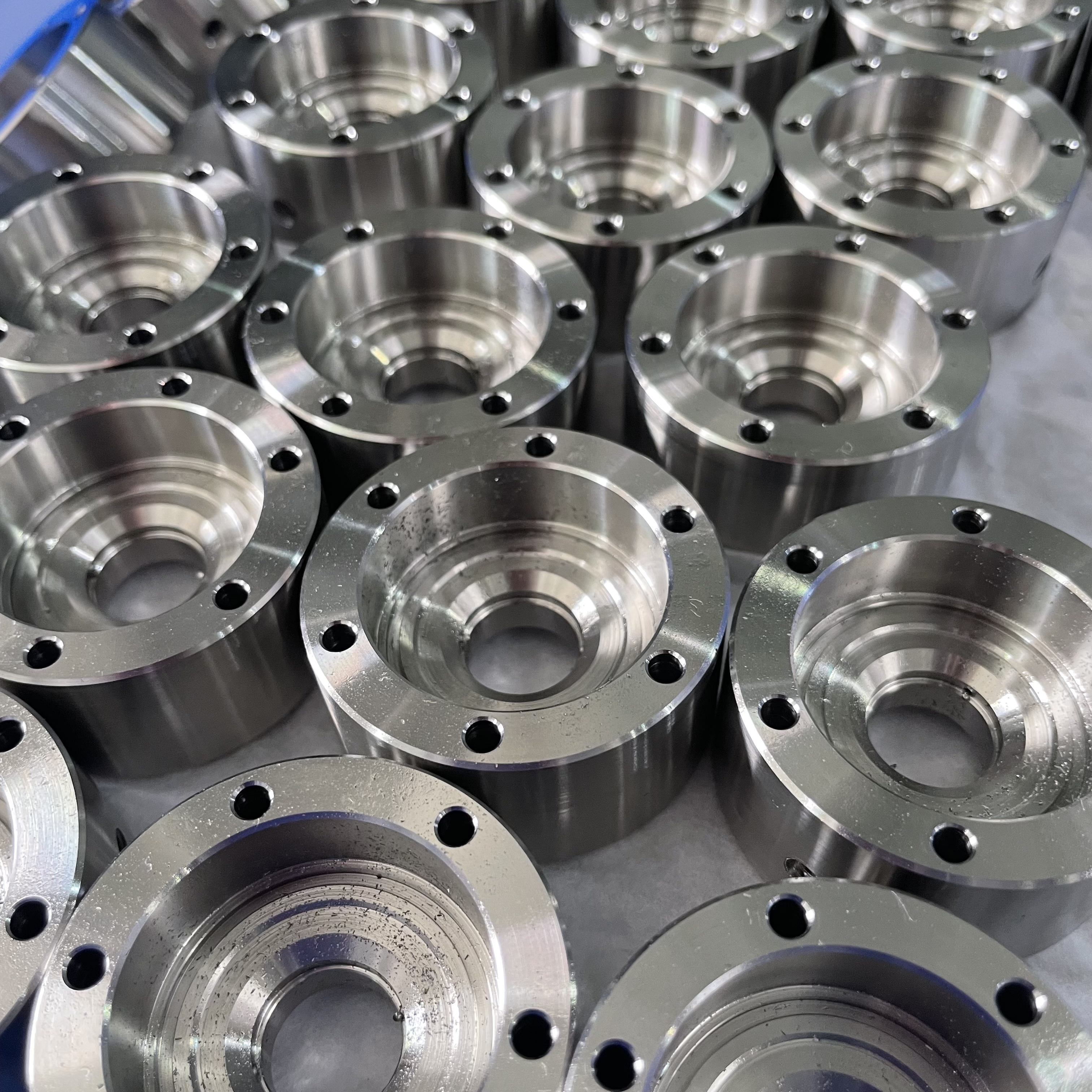
At Precision Fab CNC Machining, we specialize in producing parts for prototypes, short runs, and high-volume production. Our prototyping machine capabilities extend across metal, plastic, and wood machining, with welding fabrication services available to complement and finalize your prototype if required.
Address
Address: Room320 10F, Building A,Nanshan international building, Dayawan District, Huizhou, Guangdong, 516001 China
Contacts
billy@timaycnc.com