How many method of the CNC machined aluminum parts CNC surface treatment

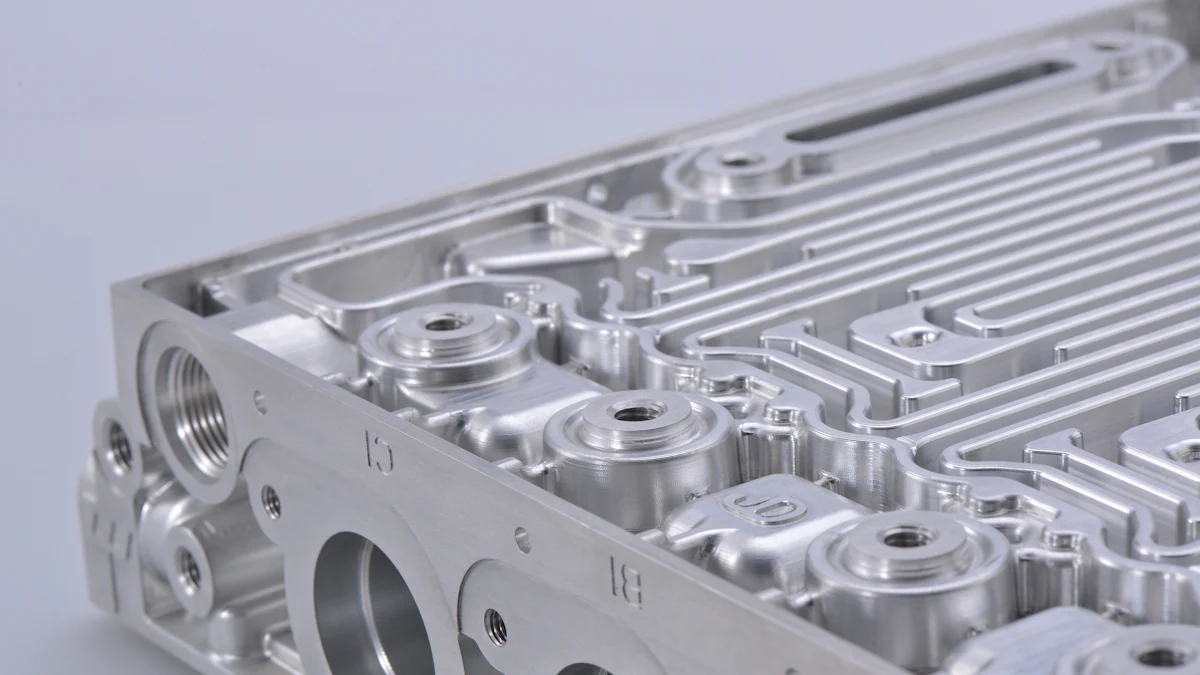
In the realm of manufacturing, CNC machined aluminum parts stand as a pivotal technology driving significant advancements. The precision and efficiency it offers have led to remarkable productivity gains, with operators experiencing up to 50% increased output. Particularly noteworthy is the burgeoning adoption of CNC machined aluminum parts in medical device manufacturing, projected to grow at an annual rate of 7%. Furthermore, the aerospace industry is poised for substantial growth in embracing CNC machined aluminum parts, with an expected compound annual growth rate (CAGR) of 8.5%. These trends underscore the indispensable role of CNC surface treatment in modern production processes.
Anodizing
Anodizing is an electrolytic passivation process that enhances the thickness of the natural oxide film on the surface of a part. This controlled oxidation process involves using an acidic electrolyte bath with direct electrical current supplied to anodes and cathodes.
Characteristics of Anodized Aluminum
Corrosion resistance: Anodized aluminum exhibits improved resistance to corrosion, making it ideal for applications requiring durability.
Aesthetic appeal: The process provides the opportunity for aluminum to acquire various attractive colors while retaining its unique metal appearance.
Advantages and Disadvantages
Pros: Anodizing enhances wear and corrosion resistance, improves heat dissipation, and allows for dye coloring.
Cons: The process requires careful application in a chemical bath with an electrical current, which may pose challenges in certain manufacturing environments.
Powder Coating
What is Powder Coating?
Polyester powder coating
Polyester powder coating, a ground plastic mixture of color pigments, additives, resin, and flow agents, enhances aluminum projects with corrosion resistance and aesthetic appeal.
Epoxy powder coating
Epoxy powder coating provides durability to aluminum projects by melting and cross-linking the coating with the surface, offering toughness similar to standard polyester or epoxy coatings.
Characteristics of Powder Coated Aluminum
Durability
Powder coating on aluminum ensures a tough and long-lasting protective layer that withstands environmental elements and maintains its appearance over time.
Color variety
The versatility of powder coatings allows for a wide range of color options to suit different design preferences and project requirements.
Advantages and Disadvantages
Pros
Provides a decorative finish that protects aluminum parts from corrosion.
Offers uniform coverage for a smooth surface appearance.
Environmentally friendly application process without the use of solvents.
Cons
Requires specialized equipment for electrostatic application.
Initial setup costs can be higher compared to traditional painting methods.
Repairs can be challenging if the coating is damaged.
Electroplating
Electroplating stands as a fundamental method in the realm of CNC machined aluminum parts CNC surface treatment, offering a versatile approach to enhancing the properties of aluminum components. This process involves depositing a thin metal coating on the surface of another metal, such as aluminum, through electrolysis.
What is Electroplating?
Definition and Process
The process of electroplating involves immersing the aluminum part in an electrolyte solution and applying an electrical current to trigger the deposition of metal ions onto its surface. This results in a uniform and protective layer that enhances the durability and functionality of the component.
Common Metals Used for Plating
Various metals can be utilized for electroplating aluminum parts, including nickel, tin, copper, silver, gold, titanium, zinc, and chromium. Each metal brings unique characteristics and benefits to the surface treatment process.
Characteristics of Electroplated Aluminum
Enhanced Conductivity
When aluminum parts undergo electroplating, they acquire improved conductivity properties due to the deposited metal layer. This enhancement is particularly beneficial for applications requiring efficient electrical conduction.
Improved Wear Resistance
The electroplated layer adds a protective barrier to the aluminum surface, increasing its resistance to wear and corrosion. This improvement extends the lifespan of CNC machined aluminum parts in demanding operational environments.
Advantages and Disadvantages
Pros
Enhances corrosion protection by providing a barrier against environmental factors.
Improves wear resistance, ensuring longevity and durability for aluminum components.
Offers customization options with various metals for specific functional requirements.
Cons
Requires careful monitoring during the plating process to ensure uniform coverage.
Initial setup costs may be higher compared to other surface treatment methods.
Maintenance of plated surfaces may necessitate specialized care to preserve their integrity.
Bead Blasting
What is Bead Blasting?
Definition and process
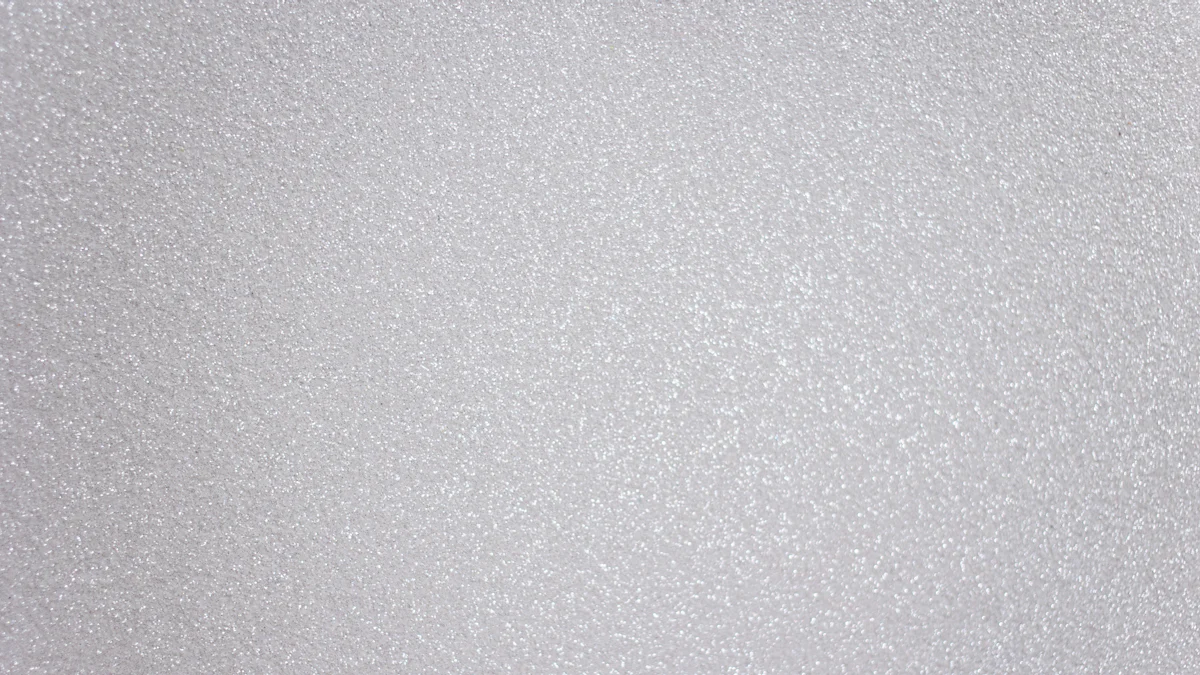
Bead blasting, a mechanical finishing technique, involves propelling spherical media like glass beads or steel at high velocity onto aluminum surfaces. This process eliminates impurities and imperfections, creating a smooth and uniform finish.
Types of media used
Glass Beads: Made from lead-free soda-lime glass, these environmentally friendly beads are chemically inert and create a bright satin-like appearance on aluminum parts.
Steel Beads: These abrasive media are effective in removing surface contaminants and providing a clean finish to aluminum components.
Characteristics of Bead Blasted Aluminum
Surface texture
Bead blasted aluminum exhibits a textured surface with small dimples created by the impact of the spherical media. This unique texture enhances the visual appeal of the parts while maintaining their dimensional accuracy.
Matte finish
The bead blasting process results in a matte finish on aluminum surfaces, giving them a semi-polished appearance that is both aesthetically pleasing and functional.
Advantages and Disadvantages
Pros
Provides a smooth and uniform finish to aluminum parts.
Enhances the aesthetic appeal with a satin-like texture.
Removes impurities without compromising dimensional accuracy.
Cons
Requires specialized equipment for precise control over the blasting process.
May result in variations in surface texture based on the type of media used.
Proper cleaning after bead blasting is essential to remove any residual media from the parts.
Brushing
What is Brushing?
Definition and process
Brushing surface finish, also known as mechanical polishing, involves the use of an abrasive brush on aluminum surfaces. This method effectively removes stains, oxidation, and discoloration by scrubbing away surface defects. The brushing action creates unidirectional lines that run parallel to the brushing direction, enhancing the overall appearance of the material.
Tools and techniques used
Abrasive Brushes: These tools are essential for mechanically polishing aluminum surfaces to achieve a smooth and uniform finish.
Polishing Machines: Specialized equipment is utilized to ensure precise brushing techniques are applied consistently across the surface.
Characteristics of Brushed Aluminum
Linear texture
Brushed aluminum showcases a distinctive linear texture created by the brushing process. The unidirectional lines give the material a sleek and modern aesthetic appeal, adding depth and visual interest to the surface.
Aesthetic appeal
The brushed finish not only enhances the appearance of aluminum parts but also provides a unique tactile experience. The linear texture adds sophistication and elegance to the material, making it suitable for various applications where both style and functionality are paramount.
Advantages and Disadvantages
Pros
Offers a refined finish that eliminates imperfections on aluminum surfaces.
Enhances the visual appeal with its distinct linear texture, adding a touch of sophistication to products.
Provides durability by improving resistance against stains and corrosion.
Cons
Requires specialized tools and equipment for precise application, which may increase production costs.
The brushing process can be time-consuming for intricate designs or complex shapes.
Maintenance of brushed aluminum parts may involve specific cleaning methods to preserve their appearance over time.
Electrophoretic Coating
What is Electrophoretic Coating?
Definition and Process
Electrophoretic coating, commonly known as e-coating or electrolytic coating, plays a vital role in the automotive industry for protecting various automobile parts. It offers exceptional corrosion resistance, durability, scratch resistance, and cost-effective production capabilities. This process involves applying a protective coating through an electro-deposition method that ensures precise thickness and uniform coverage.
Applications in Various Industries
Automotive Industry: Electrophoretic coating is extensively utilized in the automotive sector to protect vehicle components from harsh environmental conditions and wear. It serves as an effective primer before painting, providing long-term weather resistance.
General Manufacturing: Beyond automotive applications, electrophoretic coating finds widespread use in general manufacturing industries due to its ability to coat complex shapes with high precision. It is favored for its versatility and durability across various product types.
Characteristics of Electrophoretic Coated Aluminum
Uniform Coating
Electrophoretic coated aluminum surfaces exhibit a uniform layer that adheres seamlessly to the substrate. This uniformity ensures consistent protection against corrosion and environmental factors, enhancing the longevity of the coated parts.
Enhanced Durability
The application of electrophoretic coating significantly enhances the durability of aluminum components by providing a robust barrier against abrasion, chemicals, and mechanical stress. This added layer of protection prolongs the lifespan of the parts under challenging operating conditions.
Advantages and Disadvantages
Pros
Offers high corrosion resistance and durability for aluminum parts.
Provides precise thickness control with uniform coverage.
Enhances scratch resistance and protects against environmental factors effectively.
Cons
Requires specialized equipment for electro-deposition processes.
Initial setup costs may be higher compared to traditional surface treatments.
Repairs can be challenging if the coating is damaged during operation.
Polishing
What is Polishing?
Definition and process
Polishing aluminum involves using buffing compounds and sanding steps to achieve a smooth and shiny surface. The process utilizes tools like buffing wheels and metal polishes to enhance the appearance of the material.
Tools and techniques used
Buffing Compounds: These compounds aid in removing imperfections from the aluminum surface, ensuring a mirror-like finish.
Sanding Steps: By progressing through finer grit compounds, smoother surfaces can be achieved, enhancing the overall shine of the material.
Buffing Wheels: These tools are essential for mechanically polishing aluminum surfaces, providing a uniform and glossy appearance.
Metal Polishes: Specialized polishes are applied to aluminum parts to improve their luster and create a visually appealing finish.
Characteristics of Polished Aluminum
High gloss finish
Polished aluminum exhibits a high gloss finish that reflects light beautifully, giving the material a luxurious and sophisticated appearance. The mirror-like quality enhances the aesthetic appeal of the parts, making them visually striking.
Smooth surface
After polishing, aluminum surfaces become exceptionally smooth to the touch. The removal of imperfections and scratches results in a sleek texture that not only looks elegant but also feels refined when handled.
Advantages and Disadvantages
Pros
Achieves a mirror-like finish that enhances the visual appeal of aluminum parts.
Provides a smooth surface that feels luxurious to the touch.
Enhances the overall aesthetics of products by adding a glossy sheen.
Improves corrosion resistance by sealing the surface with a protective layer.
Cons
Requires precision and attention to detail during the polishing process.
May involve multiple steps to achieve the desired level of shine.
Maintenance is necessary to preserve the polished finish over time.
Can be time-consuming for intricate designs or complex shapes due to meticulous polishing requirements.
Alodine Coating
What is Alodine Coating?
Definition and Process
Alodine coating, also known as chromate conversion coating, is a surface treatment method that protects aluminum surfaces from corrosion. This process involves applying a thin conversion coating layer to the metal, enhancing its resistance to environmental factors. The passivation process allows for improved adhesion properties when painting over aluminum parts.
Steps Involved
Dipping: Aluminum parts are submerged in an alodine chemical bath for a specific duration.
Rinsing: The parts are then rinsed thoroughly to remove any excess chemicals.
Treatment: The treated aluminum surface develops a protective alodine film that enhances its durability and corrosion resistance.
Characteristics of Alodine Coated Aluminum
Corrosion Resistance
Alodine coated aluminum exhibits exceptional resistance to corrosion, making it an ideal choice for applications exposed to harsh environments. The protective layer formed through the alodining process ensures longevity and reliability in challenging conditions.
Electrical Conductivity
Apart from corrosion protection, alodine coatings maintain high electrical conductivity in aluminum parts. This characteristic is crucial for applications where electrical conduction is required alongside corrosion resistance.
Advantages and Disadvantages
Pros
Enhances corrosion resistance, prolonging the lifespan of aluminum components.
Maintains high electrical conductivity for applications requiring efficient conduction.
Improves adhesion properties for subsequent painting processes.
Cons
Requires careful handling due to the hazardous nature of some alodine coatings.
Environmental considerations may necessitate specific disposal methods for used chemicals.
Initial setup costs can be higher compared to alternative surface treatment methods.
Ultrasonic Cleaning
What is Ultrasonic Cleaning?
Definition and process
Ultrasonic cleaning involves using high-frequency sound waves to agitate a liquid cleaning solution. This agitation creates millions of tiny bubbles that implode, releasing high energy and dislodging contaminants from aluminum surfaces.
Types of cleaning liquids used
Alkaline Cleaners: These solutions are effective for removing oils, greases, and other organic residues from aluminum parts without causing oxidation.
Solvent-Based Cleaners: Designed to dissolve tough stains and contaminants, solvent-based cleaners are suitable for intricate aluminum components that require precision cleaning.
Characteristics of Ultrasonically Cleaned Aluminum
Removal of tough stains
The ultrasonic cleaning process effectively eliminates stubborn stains, oils, and residues from aluminum surfaces, restoring them to a pristine condition. This thorough cleansing ensures the removal of even the most persistent contaminants.
Enhanced cleanliness
After undergoing ultrasonic cleaning, aluminum parts exhibit a level of cleanliness that surpasses traditional cleaning methods. The meticulous removal of impurities results in surfaces that are free from residue and ready for further processing or application.
Advantages and Disadvantages
Pros
Ensures thorough cleaning by reaching intricate areas that are challenging to clean manually.
Minimizes the risk of damage to delicate aluminum components during the cleaning process.
Improves efficiency by reducing manual labor requirements for cleaning tasks.
Enhances the overall quality of aluminum parts by achieving a high level of cleanliness.
Cons
Requires careful selection of ultrasonic cleaner fluids to prevent damage or oxidation on aluminum surfaces.
Initial setup costs may be higher due to the investment in specialized ultrasonic equipment.
Proper disposal methods must be followed for used cleaning solutions to adhere to environmental regulations.
Monitoring and maintenance of ultrasonic equipment are essential to ensure consistent performance over time.
Selecting the appropriate surface treatment method is paramount in enhancing a part's durability, minimizing downtime, and optimizing operational costs. Factors such as material reactivity levels and part design intricacies play a crucial role in determining the most effective treatment. By understanding these considerations early in the design phase, manufacturers can ensure optimal performance and longevity for CNC machined aluminum parts. The impact of surface treatment extends beyond aesthetics, directly influencing the functionality and reliability of components across various industries. Making informed decisions based on these factors is key to achieving superior results in CNC machining applications.
See Also
Expert Insights: Enhancing Surface Finish in CNC Machined Parts
Key Strategies for Flawless CNC Machining of Aluminum Parts
Decoding Aluminum Alloy 7075: CNC Machining Techniques and Uses
About US
Follow Us
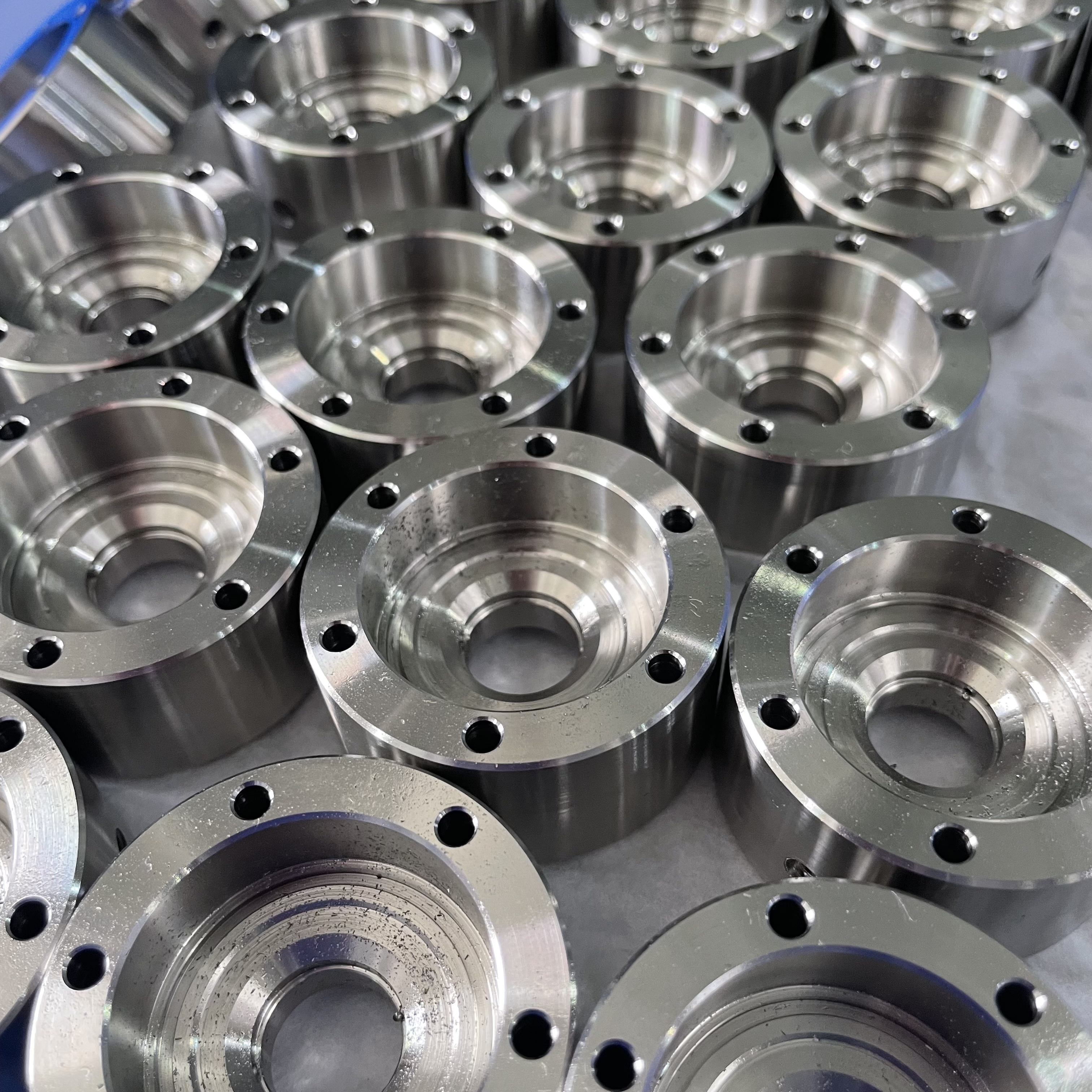
Your prototype holds unparalleled significance, and we deeply value its uniqueness. Collaborating with you during the preparation phase for running your prototype or parts is a commitment we gladly embrace. Whether it's a single part or a complex assembly, we are dedicated to selecting the optimal tools and pathways to bring your envisioned product to life.
At Precision Fab CNC Machining, we specialize in producing parts for prototypes, short runs, and high-volume production. Our prototyping machine capabilities extend across metal, plastic, and wood machining, with welding fabrication services available to complement and finalize your prototype if required.
Address
Address: Room320 10F, Building A,Nanshan international building, Dayawan District, Huizhou, Guangdong, 516001 China
Contacts
billy@timaycnc.com