Why CNC Machines Are Perfect for Aluminum Manufacturing

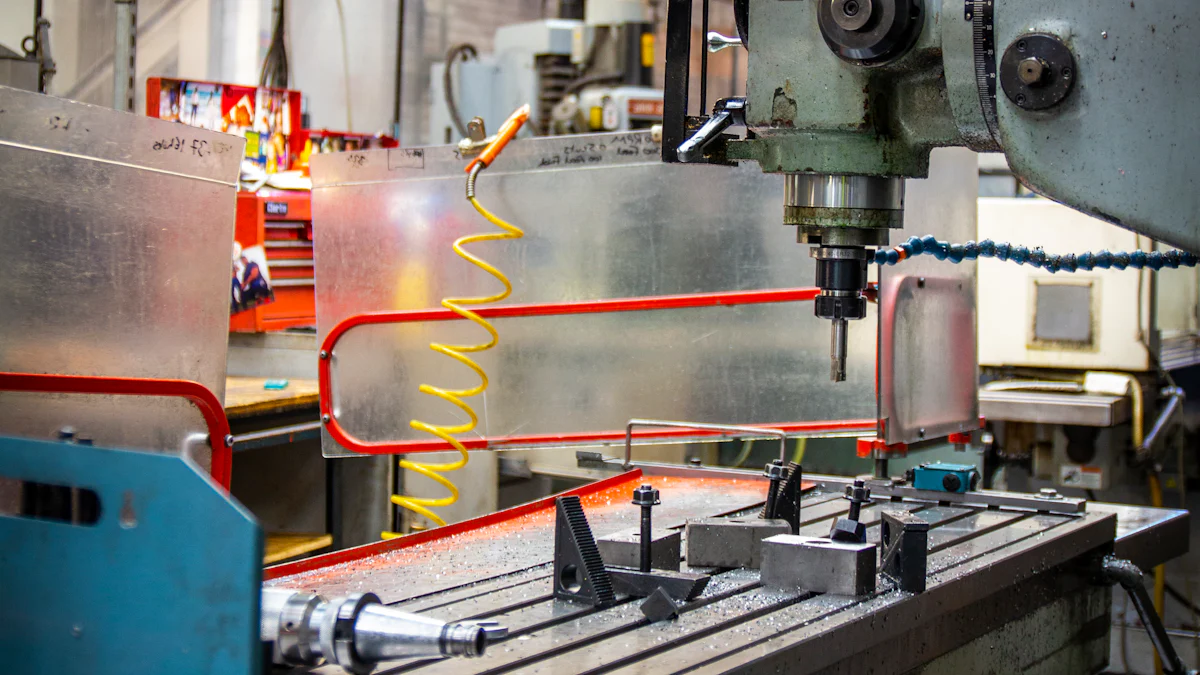
CNC machines have revolutionized aluminum manufacturing by offering unmatched precision and efficiency. These machines achieve extremely accurate cuts, even on thin or thick aluminum plates, without causing material deformation. You can rely on CNC machining to maintain the material's properties because the process generates minimal heat. High-speed machining also reduces production time while delivering smooth surface finishes, minimizing the need for post-processing. Additionally, advancements like automation, AI, and IoT technologies are enhancing performance tracking and sustainability. With these capabilities, CNC machines ensure consistent quality and versatility across industries.
Key Takeaways
CNC machines are very precise and work quickly, perfect for aluminum.
Aluminum is light but strong, helping planes and cars work better and cost less.
New CNC tech, like AI and IoT, makes work faster and more accurate.
Eco-friendly practices, like recycling and saving energy, help protect the planet.
CNC machines make detailed shapes, creating top-quality parts for tough rules.
The Unique Properties of Aluminum
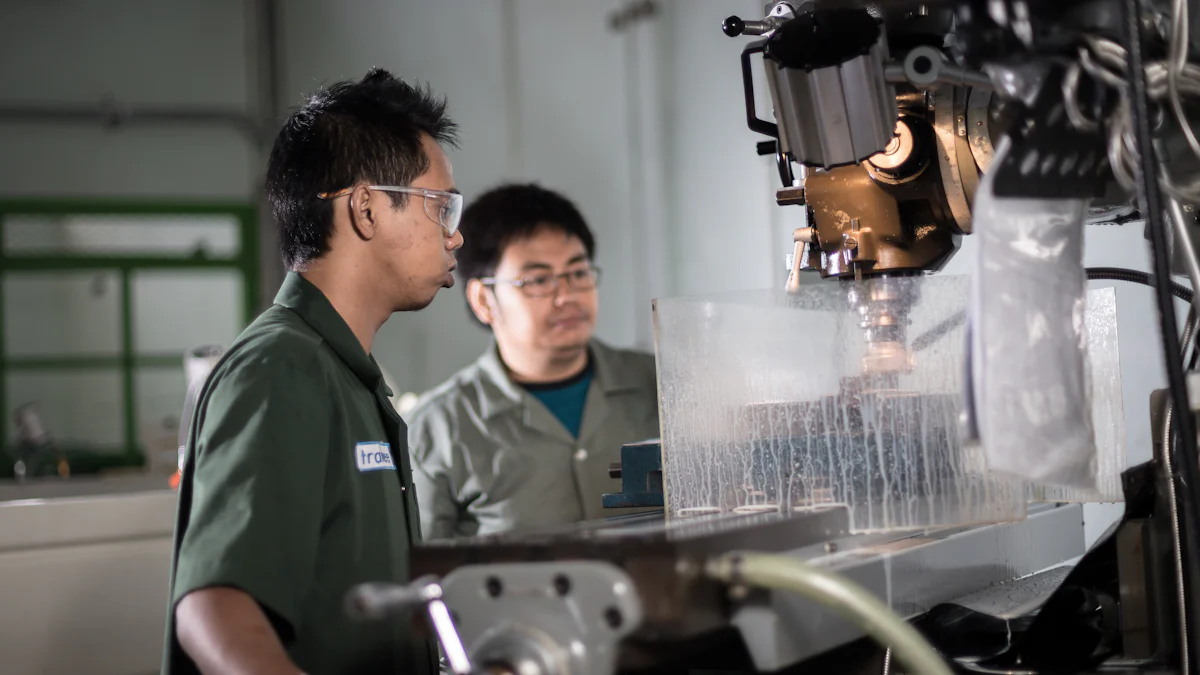
Aluminum stands out as a versatile material in manufacturing due to its unique physical and chemical properties. These characteristics make it an excellent choice for CNC machining, enabling you to achieve precision and efficiency in your projects.
Lightweight and Strength
Aluminum combines low density with impressive strength, making it ideal for applications where weight reduction is critical. Its lightweight nature benefits industries like renewable energy, consumer electronics, and sporting goods.
In renewable energy, aluminum improves the efficiency of solar panels and wind turbines.
In electronics, it enhances the performance of devices like smartphones and laptops.
In sports, it provides strength while remaining easy to handle, perfect for bicycles and lacrosse sticks.
Additionally, aluminum packaging reduces transportation costs and environmental impact, promoting sustainability. Its strength-to-weight ratio ensures durability without compromising on performance.
Thermal and Electrical Conductivity
Aluminum’s excellent thermal and electrical conductivity makes it a preferred material for CNC machining. During machining, its ability to dissipate heat efficiently protects cutting tools and ensures accuracy. This property also supports its use in applications requiring heat management, such as electronics and automotive components. For example, aluminum is often used in heat sinks and engine parts, where thermal conductivity is essential for performance and safety.
Property | Description |
|---|---|
Low Density | Aluminum has a low density, about one-third that of steel, making it lightweight and easier to machine. |
Melting Point | With a melting point of approximately 660.32 degrees Celsius, aluminum can be efficiently melted for intricate designs. |
Conductivity | Excellent thermal and electrical conductivity aids in heat dissipation during machining, enhancing tool life and accuracy. |
Challenges in Machining Aluminum
Despite its advantages, machining aluminum presents unique challenges. CNC machines address these issues effectively, ensuring high-quality results.
Cutting Tool Adhesion
Aluminum’s malleability can cause it to stick to cutting tools, leading to poor surface finishes. Using carbide or diamond-coated tools prevents adhesion and ensures smooth machining.
High-Speed Machining Requirements
Aluminum requires high-speed machining to maintain efficiency. CNC machines equipped with high-speed spindles and optimized toolpaths handle this demand, reducing production time while maintaining precision.
Surface Finish Demands
Achieving a flawless surface finish is crucial for aluminum components. CNC machines use advanced cutting tools and vibration-damping holders to meet these demands. High-pressure coolant systems also help by minimizing thermal issues during machining.
Challenge | Solution |
|---|---|
Surface Oxidation | Use carbide or diamond-coated tools to efficiently cut through the oxide layer. |
Tool Vibration and Chatter | Optimize cutting parameters and use vibration-damping tool holders. |
Aluminum’s Malleability | Use cutting tools designed for aluminum and appropriate cutting fluids. |
Thermal Issues During Machining | Use high-pressure coolant systems and reduce cutting speeds. |
Maintaining Tight Tolerances | Employ precise temperature control and utilize advanced CNC machines with high precision. |
By understanding these challenges and leveraging CNC technology, you can maximize the potential of aluminum in your manufacturing processes.
Precision and Efficiency of CNC Machines
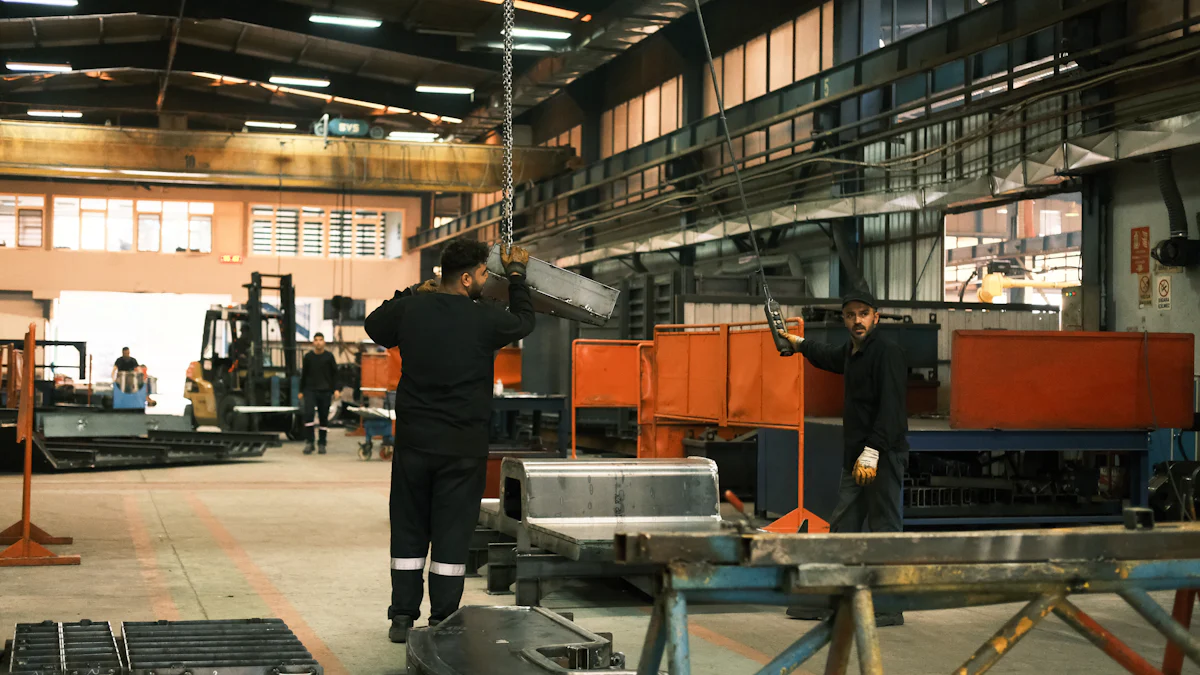
CNC machines excel in aluminum manufacturing due to their ability to deliver precision and efficiency. These qualities are essential for meeting the high standards required in industries like aerospace, automotive, and electronics.
Achieving Tight Tolerances
Sub-Micron Accuracy
CNC machines achieve sub-micron accuracy, making them ideal for aluminum parts requiring high precision. Processes like CNC grinding and turning ensure components meet strict dimensional standards. For example, CNC reaming guarantees exact hole diameters, while CNC drilling ensures consistent hole sizes and placements. These capabilities are critical for applications where tight tolerances are non-negotiable.
Process | Benefit Description |
|---|---|
CNC Grinding | Achieves very tight tolerances, essential for parts meeting strict dimensional standards. |
CNC Turning | Allows for tight tolerances, preferred for parts requiring strict dimensional accuracy. |
CNC Reaming | Ensures exact hole diameters, meeting specifications for assembly or fastening. |
CNC Drilling | Guarantees consistent hole sizes and placements, critical for mass production accuracy. |
Consistency in Mass Production
CNC machines ensure consistency in mass production by maintaining precision across every part. Processes like CNC turning produce parts with high-quality surface finishes, free from defects like scratches or burrs. CNC drilling ensures repeatability, which is vital for industries like aerospace and automotive. You can rely on these machines to deliver consistent results, even in large-scale production.
Precision control ensures parts meet strict dimensional accuracy.
High-quality surface finishes enhance performance in demanding environments.
Repeatability guarantees consistent hole sizes and placements.
Speed and Waste Reduction
High-Speed Spindles
High-speed spindles improve machining efficiency by reducing tool contact time with aluminum. This minimizes heat generation, resulting in smoother surface finishes. Optimized feed rates enhance chip removal, preventing excessive heat and tool wear. Shallower depths of cut in high-speed settings also reduce tool load, improving surface quality.
High spindle speeds create smoother finishes by minimizing heat.
Optimized feed rates enhance chip removal efficiency.
Shallower cuts reduce tool load and improve surface quality.
Optimized Toolpaths
Optimized toolpaths in CNC machining reduce material waste and improve efficiency. By minimizing non-cutting movements, these paths shorten machining time. Efficient roughing and finishing strategies remove material effectively while maintaining surface quality. Adaptive toolpaths adjust in real-time based on material conditions, ensuring precise cuts and reducing waste.
Evidence Type | Description |
|---|---|
Reducing Non-Cutting Movements | Minimizing the time the tool spends moving without cutting reduces overall machining time. |
Efficient Roughing and Finishing | Different tool paths for roughing and finishing optimize material removal and surface quality. |
Adaptive Tool Paths | Real-time adjustments to tool paths based on material conditions enhance cutting efficiency. |
Customization for Aluminum Parts
Complex Geometries
CNC machines allow you to create complex geometries with high precision. Aluminum’s malleability complements CNC machining, enabling intricate designs. Processes like CNC Electrical Discharge Machining (EDM) are particularly effective for parts with tight tolerances and fine details. This capability is invaluable for industries requiring custom CNC machining of aluminum parts.
CAD/CAM Integration
CAD/CAM integration enhances customization by streamlining the design and machining process. CAD software, such as AutoCAD and SolidWorks, helps you create detailed 3D models. CAM software, like Mastercam and Fusion 360, converts these designs into executable instructions for CNC machines. This integration ensures precise toolpaths and efficient machining of aluminum parts.
Software Type | Description |
|---|---|
CAD Software | Essential for creating detailed 3D models and technical drawings. Examples include AutoCAD and SolidWorks, which facilitate precise designs for CNC machining. |
CAM Software | Converts CAD designs into executable instructions (G-code) for CNC machines. Examples include Mastercam and Fusion 360, which help in programming complex tool paths for aluminum parts. |
Industries Leveraging CNC Machining for Aluminum
CNC machining plays a vital role in various industries by enabling the production of high-quality aluminum components. Its precision and adaptability make it indispensable for sectors like aerospace, automotive, and electronics.
Aerospace Applications
Lightweight Aircraft Components
In aerospace, reducing weight is critical for improving fuel efficiency and performance. CNC milling machines allow you to create lightweight aluminum components like wing ribs, fuselage parts, and cabin structures. These parts maintain strength while minimizing overall aircraft weight. Aluminum alloys, such as the 7000 and 2000 series, offer an excellent balance of lightness and mechanical strength, making them ideal for aerospace manufacturing. The precision of CNC machining ensures these components meet the stringent tolerances required for safe and efficient operation.
Common CNC-machined aluminum parts in aerospace include:
Wing ribs
Fuselage components
Cabin parts
Engine housings
High-Precision Safety Parts
Safety is paramount in aerospace. CNC machining produces high-precision safety parts like landing gear components and actuators. These parts require micrometer accuracy to prevent failures during operation. CNC milling machines excel in creating intricate designs and maintaining tight tolerances, ensuring compliance with strict safety standards. This process also minimizes dimensional errors, reducing the risk of part malfunctions.
CNC machining supports the production of complex geometries with tight tolerances.
It ensures high accuracy for critical parts like engine housings and motion controls.
Automated systems enhance quality control, ensuring consistent performance.
Automotive Manufacturing
Engine and Structural Components
CNC machining enables you to produce durable and corrosion-resistant aluminum components for automotive engines and structures. Aluminum’s machinability allows for efficient production of parts like cylinder heads and transmission housings. These components enhance vehicle performance while reducing long-term maintenance costs. CNC milling machines also support rapid prototyping, helping manufacturers test and refine designs before mass production.
Key advantages of CNC-machined aluminum in automotive manufacturing:
Lightweight material improves fuel efficiency.
Corrosion resistance ensures durability.
High-speed machining reduces production costs.
Lightweight, Durable Materials
CNC machining helps you create lightweight yet durable materials for automotive applications. Suspension components, such as springs and shock absorbers, benefit from aluminum’s strength and flexibility. CNC milling machines also allow for intricate designs, improving both functionality and aesthetics. Additionally, aluminum’s recyclability aligns with sustainable manufacturing practices, making it an eco-friendly choice for the automotive industry.
Electronics and Consumer Goods
Device Housings
Aluminum is widely used for protective housings in electronic devices like smartphones, laptops, and tablets. CNC machining ensures precise dimensions and appealing surface finishes, making aluminum a preferred choice over plastic. Processes like anodizing further enhance the aesthetic appeal of these housings. You can rely on CNC milling machines to produce durable and lightweight parts that protect sensitive electronic components.
Thermal Management Solutions
Aluminum’s excellent thermal conductivity makes it ideal for heat sinks and other thermal management solutions. CNC machining allows you to create intricate designs that optimize heat dissipation in devices. This capability is crucial for electronics and consumer goods requiring efficient cooling systems. The lightweight nature of aluminum also reduces the overall weight of these products, enhancing portability.
Common applications of CNC-machined aluminum in electronics:
Heat sinks for laptops and tablets
Protective housings for smartphones
Surface finishes for consumer goods
Future Trends in CNC Machining for Aluminum
Advancements in CNC Technology
AI and Machine Learning
AI and machine learning are transforming aluminum CNC machines by enhancing precision and efficiency. These technologies automate repetitive tasks, reducing human error and improving consistency. Predictive algorithms optimize tool paths and minimize setup times, allowing you to achieve faster and more accurate machining. Real-time quality control, powered by AI-driven analytics, ensures that every part meets your specifications. Additionally, AI predicts maintenance needs, preventing unexpected downtime and extending machine life. These advancements streamline production and reduce waste, making them essential for modern manufacturing.
Aluminum-Specific Tooling
Recent innovations in tooling have improved the performance of aluminum CNC machines. Advanced materials and coatings, such as diamond-like carbon, enhance cutting efficiency and tool life. Automatic tool changers allow quick transitions between tools, reducing downtime during production. Adaptive feed rates adjust in real-time based on aluminum’s properties, ensuring smooth machining and minimizing material waste. These tools make it easier for you to handle the unique challenges of aluminum machining, such as adhesion and thermal issues.
Feature | Benefit |
|---|---|
Advanced Cooling Systems | Prevent overheating during machining. |
Precision Controls | Ensure accuracy and repeatability. |
Wide Tooling Compatibility | Provide flexibility in cutting options. |
Automatic Tool Changers | Reduce downtime with quick tool changes. |
Adaptive Feed Rates | Adjust feed rates for efficient machining. |
Automation and Efficiency
Lights-Out Manufacturing
Lights-out manufacturing allows aluminum CNC machines to operate autonomously without human supervision. This approach increases productivity by enabling continuous operation, even during off-hours. Automated systems, such as tool changers and robotic arms, handle tasks like material loading and unloading. You can rely on these systems to maintain consistent quality while reducing labor costs. This level of automation ensures efficient production and maximizes machine utilization.
IoT Integration
IoT integration enhances the efficiency of aluminum CNC machines by enabling real-time monitoring and data sharing. You can track machine performance, part quality, and resource usage through connected devices. This connectivity allows for predictive maintenance, reducing downtime and extending machine life. IoT also optimizes production processes by providing insights into operational efficiency. By adopting IoT, you can improve resource utilization and lower operational costs.
Sustainability in Aluminum Machining
Recycling and Waste Reduction
Sustainability is a growing focus in aluminum machining. Aluminum’s recyclability significantly reduces material waste, making it an eco-friendly choice. Many companies now use recycled aluminum to lower costs and minimize environmental impact. Recyclable coolants and energy-efficient machines further enhance sustainability. By adopting these practices, you can reduce waste and improve your reputation among environmentally conscious customers.
Energy-Efficient CNC Machines
Energy-efficient aluminum CNC machines optimize processes to reduce electricity consumption. Advanced motor systems and smart software minimize energy use while maintaining high performance. These machines also support lean manufacturing practices, creating a resource-efficient production environment. By investing in energy-efficient technology, you can lower energy bills and contribute to sustainable manufacturing.
Benefit Type | Description |
|---|---|
Energy Efficiency Measures | Reduce energy bills and environmental impact. |
Resource Optimization | Lower procurement costs by optimizing raw material usage. |
Waste Reduction and Recycling | Promote a circular economy by minimizing waste. |
CNC machines offer unmatched precision and efficiency, making them indispensable for aluminum manufacturing. You can achieve high-quality surface finishes, tight tolerances, and precise hole sizing, which are critical for industries like aerospace and automotive. Processes like CNC grinding and reaming ensure exact dimensions and smooth finishes, while broaching creates essential internal shapes for mechanical connections.
Advancements in CNC technology continue to push the boundaries of aluminum machining. Modern equipment enhances speed and accuracy, while tools like diamond-coated cutters improve efficiency. By adopting these innovations, you can meet growing demands and maintain competitiveness in the evolving manufacturing landscape.
FAQ
What makes CNC machines ideal for aluminum manufacturing?
CNC machines provide unmatched precision and efficiency. They handle aluminum’s unique properties, such as its malleability and thermal conductivity, with ease. These machines also ensure tight tolerances, smooth finishes, and reduced waste, making them perfect for aluminum manufacturing.
How do CNC machines achieve high precision?
CNC machines use advanced software and high-speed spindles to achieve sub-micron accuracy. They follow programmed toolpaths to ensure consistent results. This precision is essential for industries like aerospace and automotive, where even minor errors can lead to failures.
Can CNC machines handle complex aluminum designs?
Yes, CNC machines excel at creating intricate aluminum parts. They use CAD/CAM software to translate complex designs into precise toolpaths. This capability allows you to produce parts with tight tolerances and detailed geometries, even for challenging applications.
Are CNC machines suitable for mass production?
CNC machines are highly efficient for mass production. They maintain consistency across large batches by following programmed instructions. This ensures every part meets the same high-quality standards, making them ideal for industries requiring large-scale manufacturing.
How do CNC machines contribute to sustainability?
CNC machines support sustainability by reducing material waste and energy consumption. They optimize toolpaths to minimize scrap and use recyclable aluminum. Energy-efficient models further lower electricity usage, helping you adopt eco-friendly manufacturing practices.
See Also
Unveiling The Benefits Of Aluminum CNC Machining Solutions
Streamlined CNC Machining Solutions For Accurate Production
Investigating CNC Machining Options For Precision Production
The Impact Of CNC Machining On Precision Manufacturing
2024 Overview: CNC Machining Of Aluminum Alloys 6061 And 7075
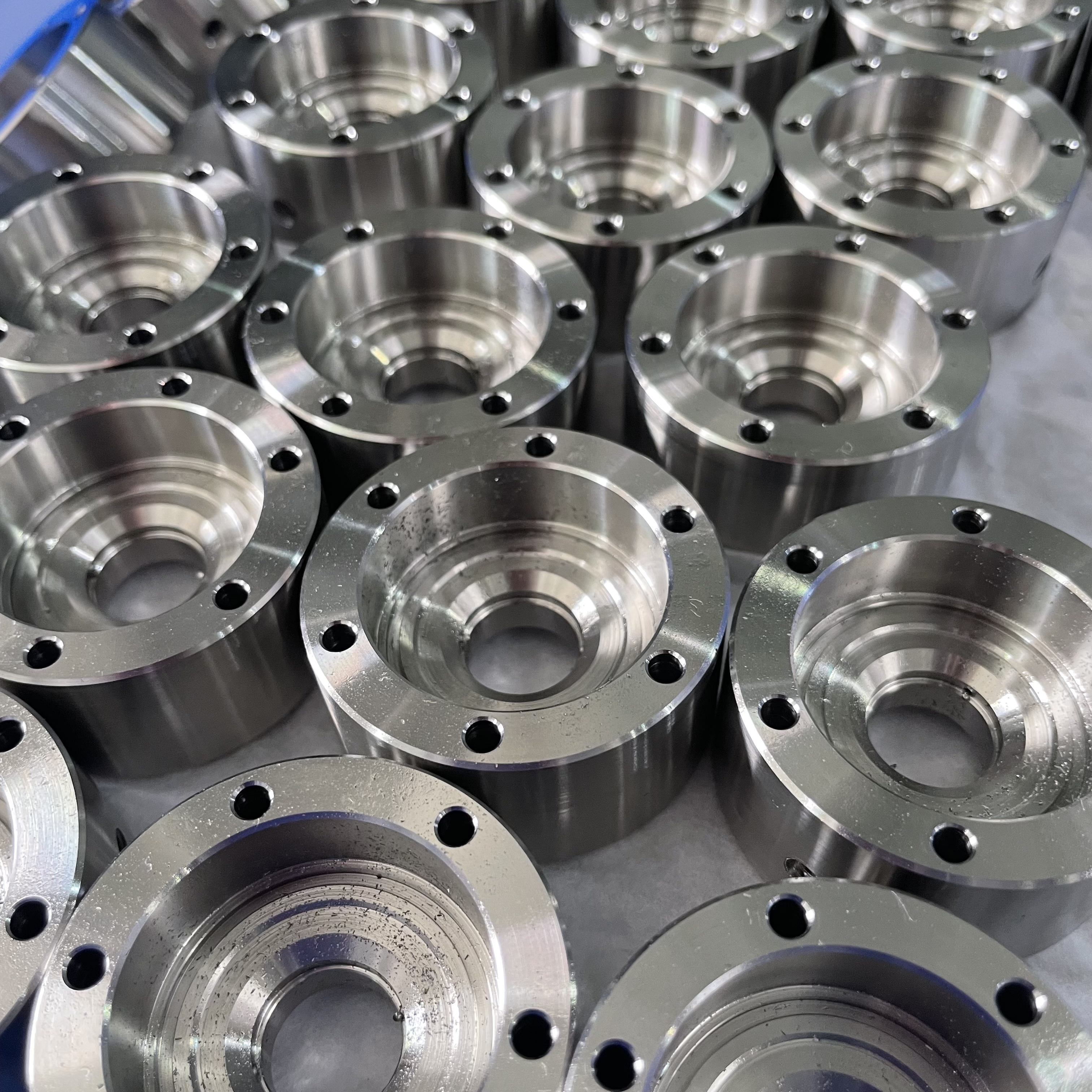
About US
Follow Us
Your prototype holds unparalleled significance, and we deeply value its uniqueness. Collaborating with you during the preparation phase for running your prototype or parts is a commitment we gladly embrace. Whether it's a single part or a complex assembly, we are dedicated to selecting the optimal tools and pathways to bring your envisioned product to life.
At Precision Fab CNC Machining, we specialize in producing parts for prototypes, short runs, and high-volume production. Our prototyping machine capabilities extend across metal, plastic, and wood machining, with welding fabrication services available to complement and finalize your prototype if required.
Address
Address: Room320 10F, Building A,Nanshan international building, Dayawan District, Huizhou, Guangdong, 516001 China
Contacts
billy@timaycnc.com