CNC for 3D-Printed Hybrid Materials

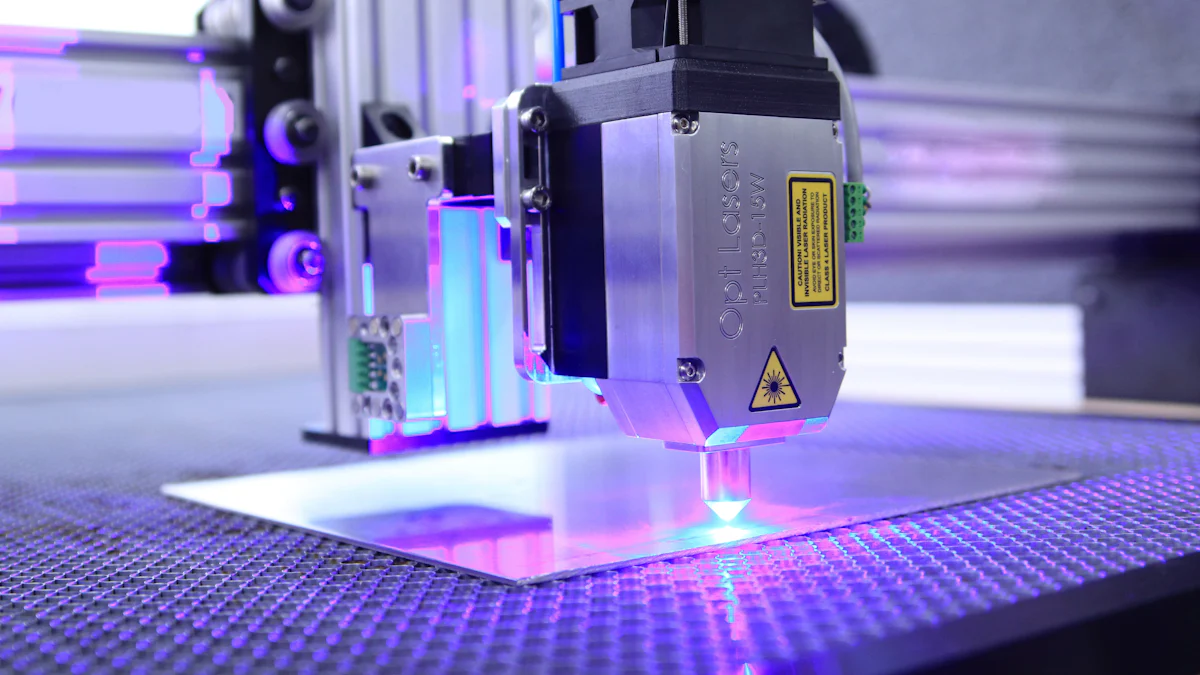
CNC Machining uses computer-controlled tools to shape materials with precision. Hybrid printing combines additive manufacturing, like 3D printing, with subtractive methods, such as CNC machining. This integration enhances production by merging the strengths of both techniques.
You can achieve faster production and cost savings with hybrid printing. Advanced CNC machines, like 5-axis models, improve efficiency by up to 50%. Industries such as aerospace and medical devices rely on this technology for creating complex parts, from turbine blades to surgical tools. Hybrid printing is transforming manufacturing by reducing design timelines and boosting competitiveness.
Key Takeaways
Hybrid printing mixes 3D printing with CNC machining for faster work and lower costs.
CNC machining improves the accuracy and smoothness of 3D-printed parts, making them stronger and longer-lasting.
Hybrid manufacturing helps industries like aerospace and healthcare make detailed parts that follow strict rules.
Choosing the right materials is important to keep hybrid manufacturing stable and working well.
New tools like AI and automation are changing hybrid printing, making it faster and cutting down on waste.
Understanding Hybrid Printing
What Is Hybrid Printing?
Hybrid printing combines additive and subtractive manufacturing techniques within a single system. You can use this approach to create intricate designs with unmatched precision. Additive manufacturing, like 3D printing, builds objects layer by layer. Subtractive methods, such as CNC machining, remove material to refine shapes and surfaces. By merging these processes, hybrid printing allows you to produce complex geometries while maintaining high-quality finishes. This integration streamlines production and expands the possibilities for manufacturing.
In addition to manufacturing, hybrid printing also plays a role in industries like packaging. For example, it integrates offset and flexographic printing to enhance product quality. This process uses special inks and coatings, ensuring better adhesion and durability. Whether you're creating industrial parts or consumer goods, hybrid printing offers a versatile solution.
Advantages of Combining Additive and Subtractive Manufacturing
You gain several benefits by combining additive and subtractive methods:
Hybrid manufacturing overcomes the limitations of traditional 3D printing, such as weak material support and rough surface finishes.
CNC machining enhances the precision of complex features, improving the performance of components.
This approach leverages the strengths of both techniques, ensuring better design and functionality.
It helps future-proof innovative products by enhancing their durability and adaptability.
By using hybrid printing, you can achieve higher efficiency and superior results compared to standalone methods.
Key Technologies in Hybrid Printing
Hybrid printing systems use advanced technologies to improve productivity. For instance:
Hybrid printing integrates roll-to-roll digital printing with flexographic printing and finishing on a single platform. This combination reduces lead time and boosts efficiency.
These systems combine the reliability of flexographic printing with the flexibility of digital printing. You can achieve high-quality results at a lower cost while enjoying faster turnaround times. Additionally, hybrid printing works well with various materials, making it suitable for diverse applications. Whether you're working with metals, plastics, or composites, these technologies adapt to your needs.
CNC Machining in Hybrid Manufacturing
How CNC Enhances 3D-Printed Parts
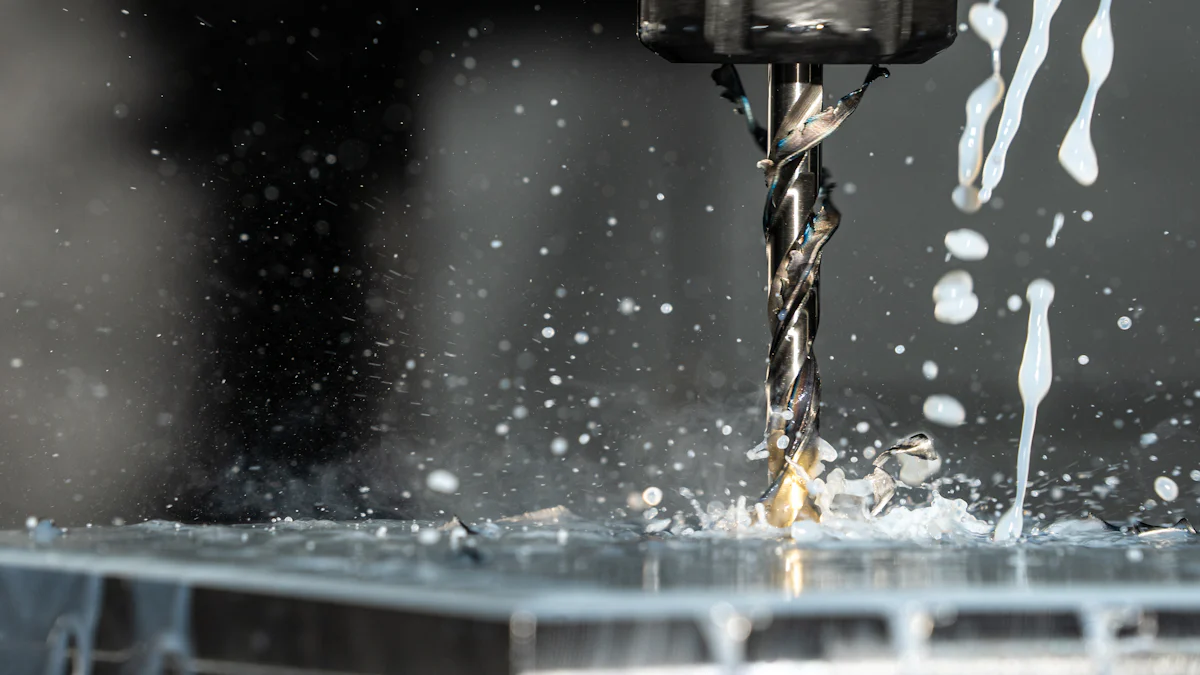
CNC machining plays a vital role in improving the quality of 3D-printed parts. You can achieve exceptional precision with tolerances as close as ±0.005 mm. This level of accuracy ensures that your parts maintain their structural integrity. CNC machining also minimizes errors during production, which enhances the mechanical properties of the final product.
The subtractive nature of CNC machining allows you to refine 3D-printed parts with excellent surface finishes. These smooth surfaces not only improve the appearance but also contribute to the durability of the components. By combining CNC machining with 3D printing, you can create parts that are both functional and reliable.
Achieving Precision and Surface Quality
When you need high precision and superior surface quality, CNC machining is indispensable. It eliminates the rough textures often associated with 3D-printed parts. The process removes excess material, leaving behind a polished and refined surface. This is especially important for industries like aerospace and medical devices, where even minor imperfections can affect performance.
CNC machining also ensures positional accuracy, which is critical for complex geometries. You can rely on this technology to produce parts that meet strict design specifications. Whether you're working on prototypes or final products, CNC machining guarantees consistent results.
Material Compatibility in Hybrid Manufacturing
Material compatibility is essential in hybrid manufacturing. You must ensure that the materials used in both 3D printing and CNC machining work well together. This compatibility helps maintain the stability of the material properties during the machining process. Metals, plastics, and composites are commonly used in hybrid manufacturing due to their adaptability.
By selecting the right materials, you can optimize the performance of your hybrid printing projects. This approach allows you to take full advantage of the strengths of both additive and subtractive manufacturing techniques.
Applications of CNC Machining in Hybrid Printing
Aerospace and Automotive Innovations
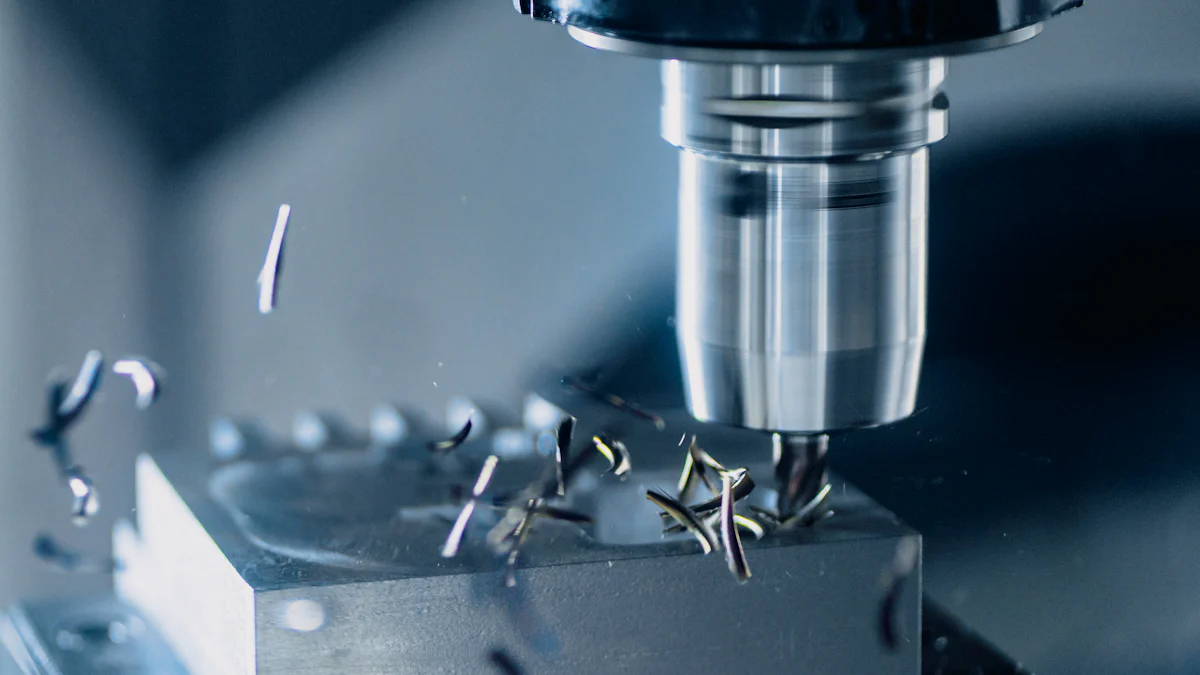
CNC machining has revolutionized hybrid printing in aerospace and automotive industries. You can now create components that are lightweight yet incredibly durable, meeting the demanding requirements of these fields. For instance, CNC machining refines 3D-printed parts like engine nozzles and custom brackets, ensuring they meet precise specifications.
Lightweight aerospace parts improve fuel efficiency and reduce costs.
High-performance automotive components enhance vehicle reliability and safety.
Intricate designs, such as turbine blades, become achievable with hybrid manufacturing.
By combining additive and subtractive techniques, you can produce parts with complex geometries and superior surface finishes. This approach not only boosts performance but also reduces production time, giving you a competitive edge in these industries.
Medical and Dental Applications
In healthcare, precision is non-negotiable. CNC machining ensures that medical implants and surgical instruments meet the highest standards of accuracy and reliability. You can use this technology to create complex shapes that traditional methods cannot achieve.
CNC machining maintains tight tolerances, ensuring the safety and quality of medical devices.
It reduces material waste, making the production process more cost-effective.
The technology extends the lifespan of medical equipment, enhancing its durability.
For dental applications, hybrid printing allows you to produce custom crowns, bridges, and orthodontic devices. These components fit perfectly, improving patient outcomes. By integrating CNC machining, you can ensure that every piece meets the exact needs of the individual.
Prototyping and Custom Manufacturing
CNC machining plays a critical role in prototyping and custom manufacturing. You can achieve exceptional precision, with tolerances as tight as ±0.001 inches, ensuring your prototypes meet exact specifications.
Automation reduces production time, allowing you to iterate designs quickly.
CNC machines work with a wide range of materials, from metals to plastics, enabling realistic prototypes.
The process minimizes material waste, saving costs in the long run.
Consistency ensures that every prototype or custom part matches the original design.
This technology also supports innovation. You can experiment with complex shapes and features, pushing the boundaries of design. Whether you're developing a new product or customizing an existing one, CNC machining ensures reliable and efficient results.
Challenges in CNC for Hybrid Printing
Material and Process Limitations
Hybrid manufacturing combines additive and subtractive processes, but it comes with unique challenges. One major limitation is that hybrid machines can only perform one process at a time. This restriction can lead to inefficiencies, especially when machining time is much shorter than additive manufacturing time. In such cases, using separate machines for each process might be more practical.
You may also encounter difficulties with new capabilities like laser metal deposition. Traditional machine shops often lack experience with these advanced techniques, which can slow down adoption. Additionally, the use of powder metal as a material stock introduces safety concerns. Machine shops must implement strict protocols to handle these materials safely.
Tip: Training your team on new technologies and safety measures can help overcome these challenges and improve efficiency.
Balancing Cost and Efficiency
Balancing cost and efficiency in hybrid manufacturing requires strategic planning. Tailoring production methods to match order volumes can help you optimize resources. For example, small-batch production may benefit from hybrid manufacturing, while large-scale orders might be better suited for combining CNC machining with injection molding.
Automation plays a key role in reducing costs. By integrating automated systems, you can minimize labor expenses and reduce human error. This approach not only improves efficiency but also ensures consistent quality across all production levels.
Note: Investing in automation may seem costly upfront, but it pays off by streamlining operations and boosting long-term productivity.
Addressing Precision and Tolerance Issues
Achieving precision and maintaining tight tolerances in hybrid manufacturing can be challenging. Material compatibility and process optimization are critical factors. You need to ensure that the materials used in both additive and subtractive processes work seamlessly together. Continued research into new materials and refining existing processes can help address these issues.
High initial costs for hybrid manufacturing platforms can also pose a barrier, especially for smaller businesses. Technological advancements are essential to make these systems more affordable. Implementing advanced monitoring techniques, such as real-time feedback systems, can further enhance precision. These systems help you identify inefficiencies and optimize resource utilization during production.
Tip: Regularly evaluate your processes and invest in monitoring tools to maintain high-quality outcomes in hybrid manufacturing.
Future of CNC in Hybrid Printing
Emerging Technologies and Materials
Emerging technologies are reshaping CNC in hybrid printing. You can now leverage Industry 4.0 advancements, such as the Internet of Things (IoT), to create smarter production environments. These technologies improve product quality and help you adapt to changing customer demands.
Hybrid CNC machines combine additive and subtractive processes, reducing material waste and enhancing versatility.
Robotic arms automate tasks like material loading and unloading, boosting efficiency and reducing manual labor.
New materials are also expanding the possibilities of hybrid manufacturing. Advanced composites and high-performance alloys allow you to create parts with superior strength and durability. These innovations open doors to applications in industries like aerospace, automotive, and healthcare.
Tip: Stay updated on emerging materials and technologies to remain competitive in the evolving manufacturing landscape.
Integration with AI and Automation
AI and automation are transforming CNC machining in hybrid manufacturing. These tools enhance efficiency, precision, and flexibility, enabling you to produce complex parts with minimal waste.
AI-driven systems optimize machining processes by analyzing data and fine-tuning operations for higher accuracy.
Predictive maintenance uses AI to monitor machine performance in real time, preventing unexpected downtime.
IoT integration facilitates real-time data sharing between machines, improving production control and consistency.
Predictive maintenance ensures your machines stay operational, reducing costly delays.
AI enhances process optimization, helping you achieve better results with fewer resources.
IoT enables seamless communication between systems, streamlining your workflow.
By adopting AI and automation, you can future-proof your operations and stay ahead in a competitive market.
Expanding Industrial Applications
CNC in hybrid printing is unlocking new possibilities across industries. In aerospace, you can create lightweight yet durable components, such as turbine blades and airfoil parts. Automotive applications include intricate, high-performance parts that improve vehicle reliability.
Medical manufacturing benefits from custom implants and devices tailored to individual patients.
Power generation relies on hybrid machines for maintaining compressor blades.
Oil and gas industries use this technology for repairing super-hard materials.
Hybrid machines also eliminate the need for casting and assembly by machining precise internal features during part production. This capability is especially useful for low-quantity manufacturing, where traditional methods may be inefficient.
Note: Exploring these applications can help you identify new opportunities for growth and innovation in your business.
CNC machining plays a crucial role in hybrid printing, combining the flexibility of 3D printing with the precision of subtractive manufacturing. You can efficiently produce complex parts with intricate geometries and high-quality finishes. This integration enhances design flexibility and customization, making it ideal for industries like aerospace, healthcare, and automotive. By leveraging these strengths, you gain the ability to create innovative products faster and more efficiently. Hybrid manufacturing is revolutionizing production processes, offering unmatched versatility and precision. Its transformative potential continues to shape the future of modern manufacturing.
FAQ
What is the main benefit of hybrid manufacturing?
Hybrid manufacturing combines additive and subtractive technologies to create complex parts with high precision. This approach reduces production time and improves material efficiency. You can achieve intricate designs while maintaining excellent surface quality, making it ideal for industries requiring precision and durability.
Can hybrid printing work with all materials?
Hybrid printing supports a wide range of materials, including metals, plastics, and composites. However, you must ensure compatibility between the materials used in additive and subtractive processes to maintain structural integrity and performance during production.
How does CNC machining improve 3D-printed parts?
CNC machining refines 3D-printed parts by removing excess material and achieving smooth surfaces. It enhances precision, ensuring tight tolerances and better mechanical properties. This process also improves the durability and functionality of the final product.
Is hybrid manufacturing cost-effective?
Hybrid manufacturing can be cost-effective for small-batch production or custom parts. It reduces material waste and shortens production timelines. Automation further lowers labor costs. However, initial investments in hybrid systems may be high, so careful planning is essential.
What industries benefit most from hybrid printing?
Industries like aerospace, automotive, and healthcare benefit significantly from hybrid printing. You can create lightweight aerospace components, high-performance automotive parts, and custom medical devices. This technology also supports prototyping and low-volume manufacturing across various sectors.
See Also
Grasping Material Needs for CNC Precision Machining
Excelling in CNC Machining: Tolerances and Material Choices
Addressing Issues: Improving CNC Prototyping Precision and Speed
2024 Overview: CNC Machining Aluminum Alloys 6061 and 7075
Clarifying Myths Surrounding CNC Milling and Design Feasibility
About US
Follow Us
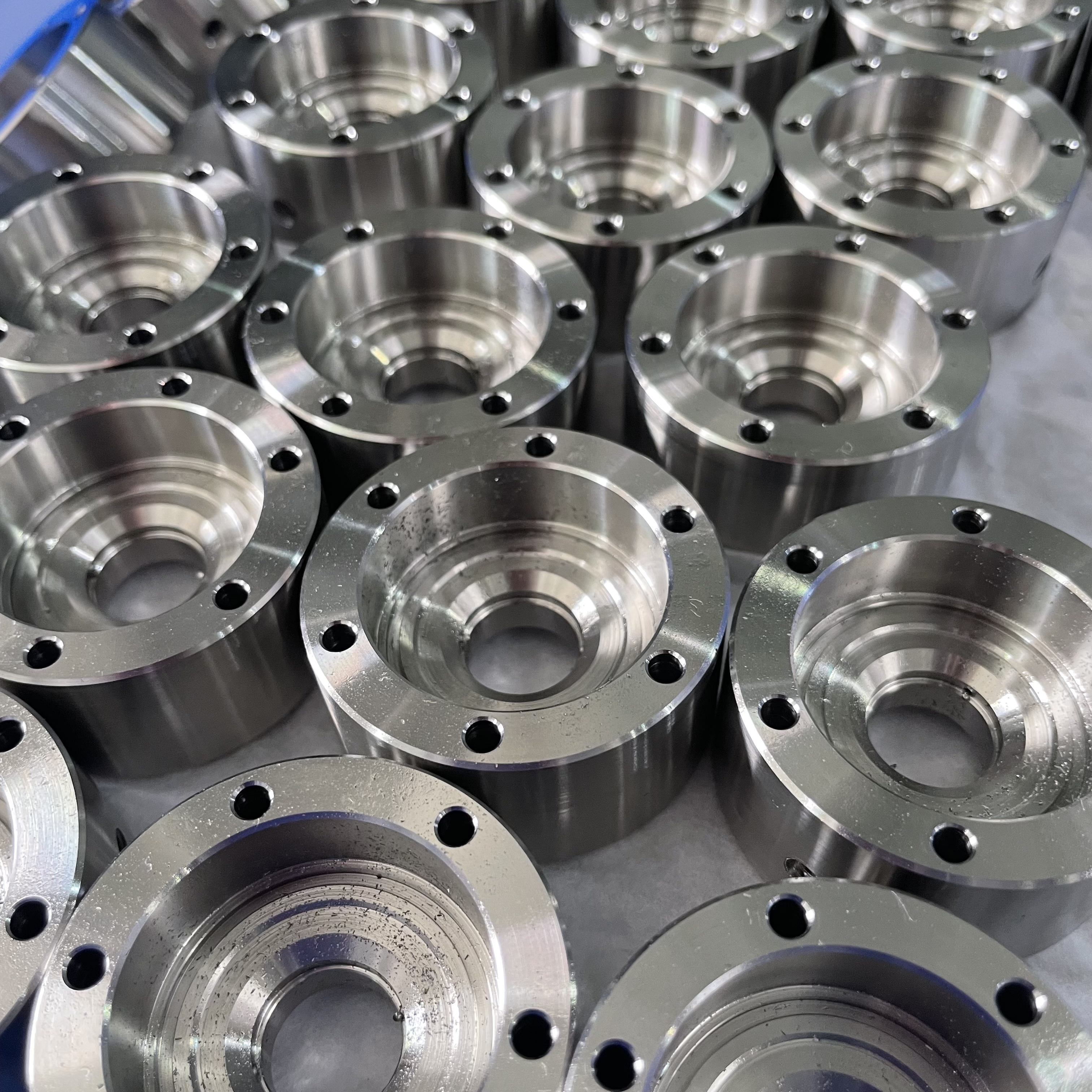
Your prototype holds unparalleled significance, and we deeply value its uniqueness. Collaborating with you during the preparation phase for running your prototype or parts is a commitment we gladly embrace. Whether it's a single part or a complex assembly, we are dedicated to selecting the optimal tools and pathways to bring your envisioned product to life.
At Precision Fab CNC Machining, we specialize in producing parts for prototypes, short runs, and high-volume production. Our prototyping machine capabilities extend across metal, plastic, and wood machining, with welding fabrication services available to complement and finalize your prototype if required.
Address
Address: Room320 10F, Building A,Nanshan international building, Dayawan District, Huizhou, Guangdong, 516001 China
Contacts
billy@timaycnc.com