How CNC Machining Drives Innovation in Aerospace Aluminum Parts

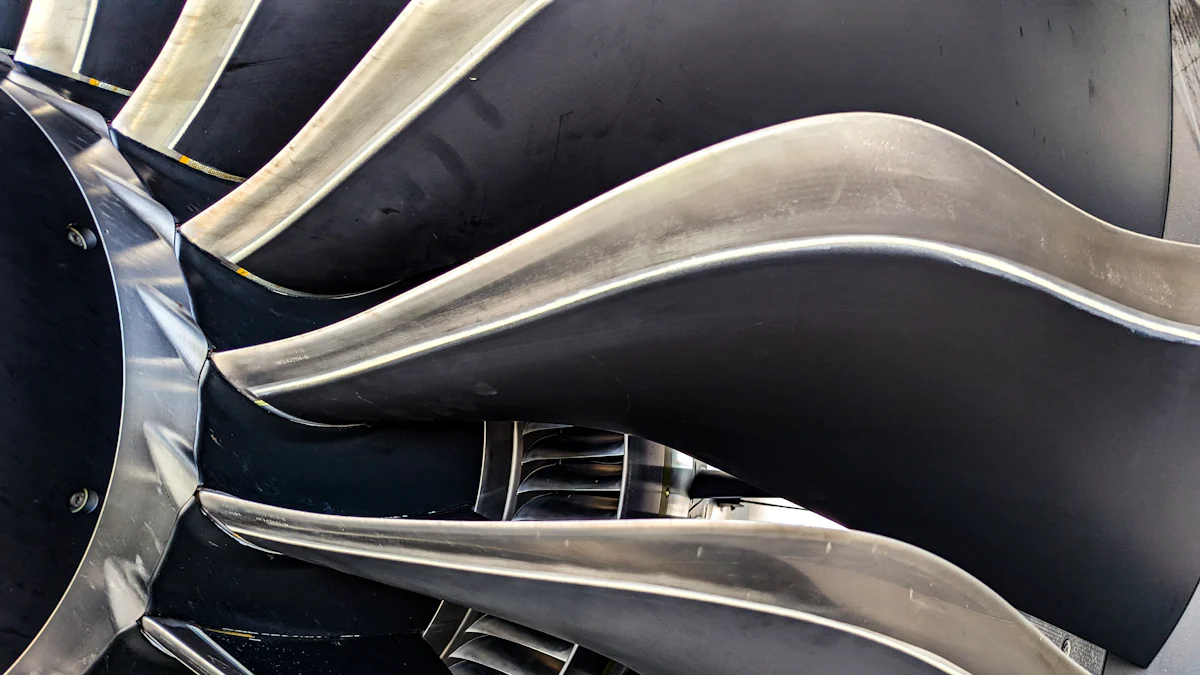
CNC machining transforms how you manufacture aerospace components. It delivers unmatched precision, ensuring parts meet exact dimensions and tolerances. This accuracy is vital for maintaining structural integrity and operational safety. Unlike traditional methods, CNC machining minimizes errors, producing aluminum parts that perform reliably under extreme conditions. Automation enhances efficiency by speeding up production and reducing material waste. These capabilities allow you to create lightweight, durable components that comply with strict aerospace standards. With CNC machining, you can achieve the intricate geometries required for high-performance aerospace applications.
Key Takeaways
CNC machining provides very accurate results in aerospace manufacturing. This is important for safety and performance. It reduces mistakes made by people and creates parts that fit exact measurements.
CNC machines work automatically, making production faster and more efficient. They can run all the time, lowering labor costs and speeding up the process. This helps deliver high-quality parts quickly.
Aluminum is light and strong, making it great for airplanes. Using aluminum parts saves fuel and lowers pollution, helping the environment.
CNC machining, like 5-axis machining, makes complex shapes possible. This is needed to create detailed airplane parts that meet special designs.
CNC machining works with many materials used in aerospace. This helps manufacturers handle different projects while keeping quality and safety high.
The Importance of CNC Machining in Aerospace
Precision and Accuracy in Manufacturing
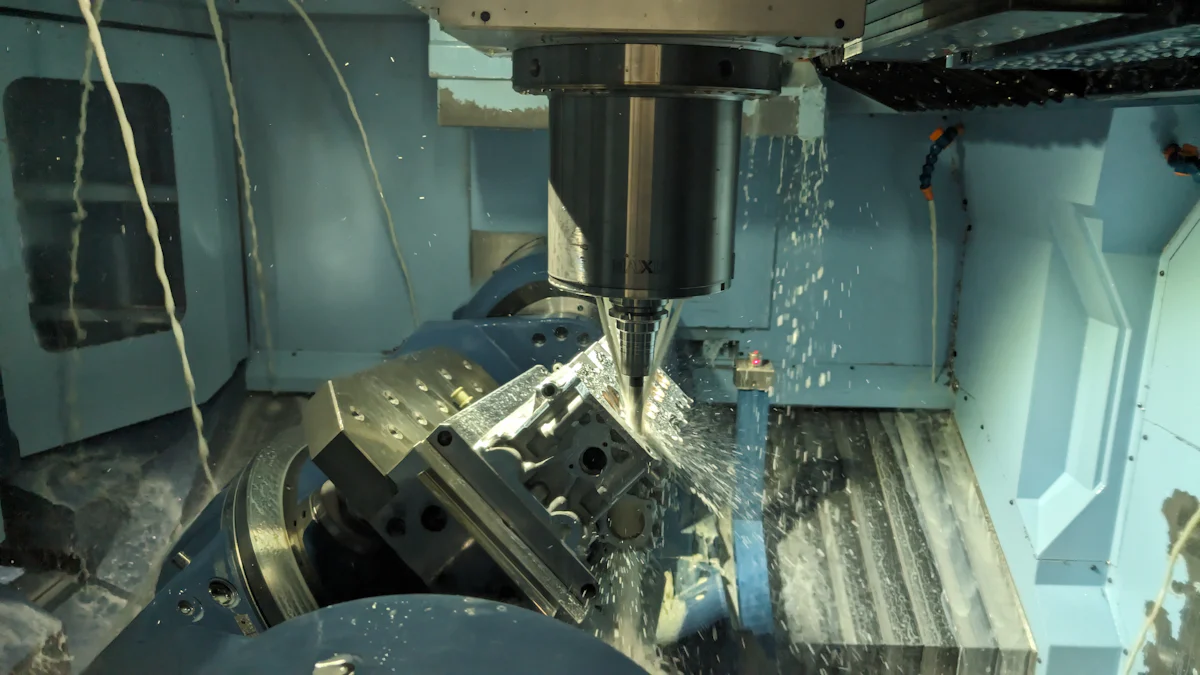
You rely on CNC machining to achieve the precision required in aerospace manufacturing. Computer-controlled operations ensure parts meet exact dimensions, reducing human error. This level of accuracy is critical for safety and performance. Even minor deviations from design tolerances can lead to catastrophic failures. For example, fuselage frames and wing spars demand machining tolerances within microns to maintain structural integrity. CNC machining ensures these components perform reliably under extreme conditions, such as high altitudes and rapid temperature changes.
Aerospace standards are stringent, and CNC machining helps you meet these requirements. By producing parts with consistent quality, you enhance the overall safety and efficiency of aircraft. Whether it’s landing gear parts or engine components, precision machining ensures every piece fits perfectly into the larger system.
Efficiency and Automation in Production
CNC machining revolutionizes production efficiency through automation. Automated processes minimize manual intervention, reducing the risk of human error. You can program CNC machines to operate continuously, even without supervision, enabling lights-out production. This capability significantly increases output while lowering labor costs.
Advanced software controls the machine’s movements with incredible precision, allowing you to replicate part designs exactly. This repeatability is essential for aerospace manufacturing, where thousands of identical parts must meet strict quality standards. For instance, computer-directed cutting operations allow multiple machines to produce the same part simultaneously, speeding up production. By embracing automation, you streamline manufacturing and reduce lead times.
Versatility with Aerospace Materials
CNC machining offers unmatched versatility when working with aerospace materials. You can machine a wide range of materials, including aluminum alloys, titanium, and composites. Aluminum alloys, such as 2024 and 7075, are popular for their lightweight and durable properties. These materials are ideal for critical structural components like fuselage frames and wing spars.
Titanium and superalloys provide high strength-to-weight ratios and excellent corrosion resistance, making them suitable for airframes and engine parts. Composite materials, used in modern aircraft like the Boeing 787, offer high strength and low weight. CNC machining adapts to these diverse materials, ensuring you can meet the unique demands of aerospace applications.
Benefits of Aluminum Parts in Aerospace
Lightweight and Durable Properties
You benefit significantly from the lightweight and durable properties of aluminum parts in aerospace applications. Aluminum’s low density reduces the overall weight of aircraft, which directly impacts fuel efficiency. For instance, eliminating just one kilogram of material from an airplane can save 106 kilograms of jet fuel annually. This weight reduction also lowers greenhouse gas emissions, making aluminum a sustainable choice.
Durability is another advantage. Aluminum alloys resist wear and tear, ensuring components withstand the stresses of high-speed flight and extreme environmental conditions. These properties allow you to design aircraft that are both efficient and long-lasting. Additionally, aluminum’s ease of machining simplifies manufacturing processes, reducing production time and costs.
High Strength-to-Weight Ratio
Aluminum’s high strength-to-weight ratio makes it indispensable in aerospace design. This property allows you to create lightweight structures without compromising strength. Improved fuel economy is one of the key benefits, as lighter aircraft require less fuel to operate. This not only reduces operational costs but also enhances environmental sustainability.
The strength of aluminum ensures the safety of passengers and cargo. It protects critical components from damage during operation. Furthermore, the high strength-to-weight ratio increases payload capacity, enabling you to carry more freight while adhering to safety regulations. These advantages make aluminum parts a cornerstone of modern aerospace engineering.
Corrosion Resistance for Longevity
Aluminum’s natural corrosion resistance enhances the longevity of aerospace components. Its tight chemical oxide bond protects it from environmental exposure, preventing degradation caused by moisture, salt, and other corrosive elements. This resistance is crucial for maintaining the structural integrity of aircraft over time.
By using aluminum parts, you reduce maintenance requirements and extend the lifespan of critical components. This durability translates to lower long-term costs and improved reliability. Whether it’s fuselage panels or wing structures, aluminum ensures your aircraft remains operational and safe for years to come.
Thermal Conductivity for Effective Heat Management
Thermal conductivity plays a critical role in aerospace engineering. You need materials that can effectively manage heat to ensure the safety and performance of aircraft systems. Aluminum parts excel in this area due to their high thermal conductivity. This property allows aluminum to dissipate heat quickly, preventing overheating in critical components.
In aerospace applications, heat management is essential for systems like engines, avionics, and thermal shields. For example, engine components generate intense heat during operation. Aluminum parts help transfer this heat away, maintaining optimal temperatures and preventing damage. Similarly, avionics systems rely on aluminum to keep sensitive electronics cool, ensuring consistent performance during long flights.
You also benefit from aluminum’s ability to maintain its thermal properties in extreme conditions. Aircraft often operate in environments with rapid temperature changes, such as transitioning from ground-level heat to freezing altitudes. Aluminum’s thermal stability ensures that components perform reliably, even under these challenging conditions.
Another advantage of aluminum’s thermal conductivity is its contribution to fuel efficiency. By managing heat effectively, aluminum parts reduce the need for additional cooling systems. This reduction lowers the overall weight of the aircraft, improving fuel economy and reducing operational costs.
When designing aerospace systems, you must prioritize materials that balance thermal performance with other essential properties. Aluminum offers this balance, making it a preferred choice for heat management in modern aircraft. Its combination of lightweight durability and thermal efficiency ensures that your designs meet the highest standards of safety and performance.
CNC Machining Techniques for Aluminum Parts
5-Axis Machining for Complex Geometries
You can rely on 5-axis CNC machining to create intricate aerospace components with unmatched precision. This technique allows the cutting tool to move along five axes simultaneously, enabling you to produce complex geometries that would be impossible with traditional methods.
It simplifies the production of intricate designs, making it ideal for aerospace applications.
You save time by reducing the number of setups required, which minimizes errors.
The process delivers higher precision and better surface finishes by reducing machining vibrations.
It enhances drilling capabilities, allowing you to machine tighter angles with ease.
For example, you can use 5-axis machining to craft aerodynamic wing components or engine parts with complex internal channels. These capabilities make it a cornerstone of modern aerospace manufacturing.
High-Speed Machining for Faster Production
High-speed machining transforms how you produce aluminum parts by significantly reducing production timelines. This technique uses advanced cutting tools and high-speed spindles to accelerate the cutting process.
Faster cutting speeds lead to higher production rates.
Reduced cycle times improve overall productivity.
Enhanced surface finishes meet the stringent quality standards of aerospace applications.
When you need to manufacture large quantities of identical parts, high-speed machining ensures efficiency without compromising quality. For instance, it’s particularly beneficial for producing lightweight aluminum components that require precision and smooth finishes.
Surface Finishing for Enhanced Performance
Surface finishing plays a vital role in improving the performance and lifespan of aerospace components. You can choose from several techniques to protect aluminum parts from environmental and operational hazards.
Anodizing forms a protective oxide layer, offering corrosion resistance and electrical insulation.
Electroplating enhances mechanical properties like hardness and wear resistance.
Powder Coating provides a durable and aesthetically pleasing finish.
Painting adds a decorative and protective liquid coating.
These finishing methods ensure your components withstand harsh conditions while maintaining their structural integrity. For example, anodized aluminum parts resist corrosion during long flights, ensuring reliability and safety.
Tip: Selecting the right surface finishing technique can optimize the durability and performance of your aerospace designs.
Multi-Tool Operations for Efficiency
You can significantly enhance efficiency in aerospace manufacturing by using multi-tool operations in CNC machining. These operations combine multiple machining processes, such as milling, turning, and drilling, into a single setup. This integration eliminates the need to transfer parts between different machines, saving time and reducing the risk of errors caused by manual handling.
Multi-tasking machines streamline production by performing several operations simultaneously. For example, while one tool mills a component, another can drill precise holes or shape intricate features. This capability ensures that you complete complex parts faster without compromising quality. By reducing the number of setups, you also minimize downtime, which boosts overall productivity.
In aerospace applications, precision is non-negotiable. Multi-tool operations help you maintain tight tolerances by reducing the chances of misalignment during part transfers. When you machine a component entirely on one machine, you ensure that every feature aligns perfectly with the design specifications. This precision is critical for parts like engine mounts or wing brackets, where even minor deviations can affect performance.
Another advantage of multi-tool operations is their ability to handle diverse materials efficiently. Whether you work with lightweight aluminum alloys or tougher materials like titanium, these machines adapt to your needs. You can program them to switch between tools seamlessly, ensuring smooth transitions between different machining processes.
Tip: Multi-tool operations not only save time but also reduce material waste. By consolidating processes, you optimize resource usage and lower production costs.
When you adopt multi-tool operations, you gain a competitive edge in aerospace manufacturing. This approach allows you to produce high-quality components faster, meeting the industry's demanding standards while staying cost-effective.
Applications of CNC-Machined Aluminum Parts in Aerospace
Fuselage and Wing Components
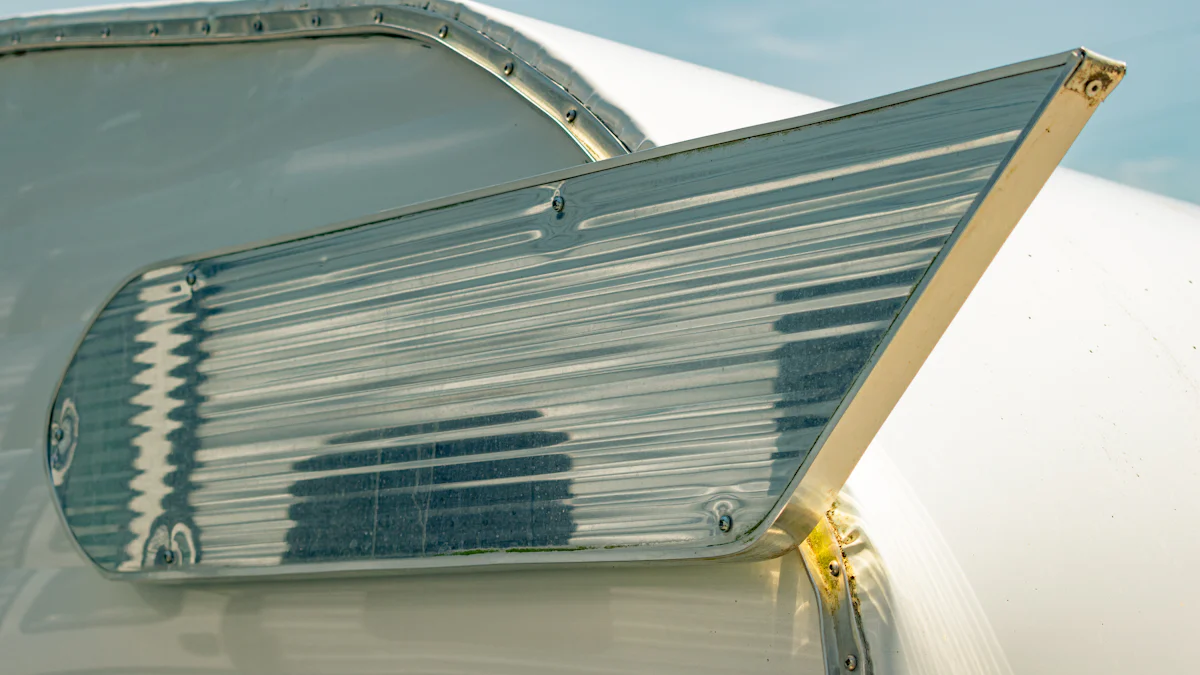
You rely on CNC machining to produce fuselage and wing components with exceptional precision. These parts form the backbone of an aircraft, requiring materials that balance strength, weight, and durability. Aluminum alloys like 2024, 6061, and 7075 are commonly used for these applications.
Aluminum Alloy | Properties | Applications |
|---|---|---|
2024 | High strength, excellent machinability, low density, good fatigue resistance | Thermal management, structural components |
6061 | Moderately strong, corrosion resistant | Structural components, hydraulic systems, engine parts |
7075 | Strong and durable | Aircraft wings, fuselage bulkheads, structural parts |
CNC machining ensures these alloys meet the tight tolerances required for safety and performance. For example, you can use CNC-machined aluminum to create wing ribs, fuselage bulkheads, and internal stabilizer structures. These components must withstand significant stress during flight while maintaining lightweight properties for fuel efficiency.
Engine and Thermal Management Systems
CNC-machined aluminum parts play a vital role in engine and thermal management systems. You need lightweight, durable materials to ensure efficient engine performance and heat dissipation. Aluminum’s high thermal conductivity makes it ideal for managing heat in critical systems.
Role of CNC-Machined Aluminum Parts | Description |
|---|---|
Lightweight Properties | Essential for efficient engine performance and thermal management. |
Strength | Provides durability and reliability in critical components. |
Corrosion Resistance | Ensures longevity and performance in engine systems. |
You can use CNC machining to produce turbine blades, engine housings, and filter bodies for liquid and air filtration systems. These components help maintain optimal engine temperatures and prevent overheating. By using CNC machining, you achieve the precision needed to ensure these parts perform reliably under extreme conditions.
Brackets, Mounting Systems, and Structural Supports
Brackets, mounting systems, and structural supports are essential for maintaining the mechanical strength of aircraft. CNC machining allows you to manufacture these components with intricate geometries and tight tolerances. For example, 5-axis CNC machining enables you to create complex shapes in a single setup, reducing production time and improving accuracy.
These parts must endure significant forces during operation. CNC machining ensures they meet the required strength and rigidity standards. You can use this technology to produce engine mounts, control surface supports, and other structural elements. By consolidating multiple machining processes, you enhance efficiency and reduce material waste while maintaining high-quality standards.
Tip: Using CNC machining for structural components ensures your aircraft remains safe and reliable, even under extreme conditions.
Prototyping and Custom Aerospace Solutions
Prototyping plays a critical role in aerospace innovation. You need precise and reliable methods to test new designs and ensure they meet performance standards. CNC machining excels in this area by delivering high dimensional accuracy and consistency. These qualities allow you to create prototypes that fit seamlessly into aerospace assemblies, reducing the risk of part failure during testing.
When developing custom aerospace solutions, CNC machining offers unmatched flexibility. You can produce components with intricate geometries and tight tolerances, which are essential for advanced aerospace designs. This capability enables you to explore innovative concepts without compromising quality or safety.
Note: High precision machining is vital in aerospace, where even minor errors can lead to catastrophic outcomes.
Here are some key benefits of CNC machining for prototyping and custom solutions:
High Dimensional Accuracy: Ensures parts integrate perfectly into assemblies.
Complex Geometries: Allows you to create intricate shapes and designs.
Consistency: Guarantees uniformity across production batches, critical for safety.
Material Versatility: Handles a wide range of aerospace materials, including aluminum and titanium.
Reduced Production Time: Speeds up the prototyping process, enabling faster innovation.
CNC machining also supports the creation of lightweight components, which is crucial in aerospace technology. By minimizing part errors and ensuring high accuracy, it helps you meet strict performance standards. This precision reduces the need for post-processing, saving time and resources while enhancing overall efficiency.
When you use CNC machining for prototyping and custom solutions, you gain the ability to test and refine designs quickly. This process accelerates research and development, allowing you to bring innovative aerospace technologies to market faster. With CNC machining, you can push the boundaries of what’s possible in aerospace engineering.
Advantages of CNC Machining for Aluminum Parts
Achieving Tight Tolerances for Safety and Performance
You depend on CNC machining to achieve the tight tolerances required for aerospace safety and performance. This technology produces parts with precision down to a few microns, ensuring every component fits perfectly within assemblies. For example, 5-axis CNC machining allows you to create complex geometries like aerodynamic surfaces or intricate engine components with unmatched accuracy.
Tight tolerances are critical in aerospace because even minor deviations can compromise safety. CNC machining minimizes human error by using computer-controlled movements, which replicate designs exactly. This consistency ensures that structural components, such as fuselage frames or wing spars, perform reliably under extreme conditions like high pressure or rapid temperature changes.
Note: Precision in CNC machining directly impacts the reliability and safety of aerospace vehicles, making it an indispensable tool for manufacturing aluminum parts.
Reducing Lead Times and Production Costs
CNC machining helps you save time and reduce costs in aerospace production. Automated processes allow machines to operate continuously, increasing throughput and reducing production time. High-speed machining techniques further accelerate the process, enabling you to produce large quantities of parts quickly.
This efficiency lowers labor costs and minimizes material waste. CNC machines cut materials with precision, ensuring minimal errors and reducing the need for post-processing. For example, when producing lightweight aluminum components, CNC machining ensures compliance with strict performance standards while keeping costs under control.
Key Benefits of CNC Machining for Cost and Time Savings:
Reduces production time and increases throughput.
Minimizes material waste and post-processing needs.
Ensures consistent results, lowering the risk of defects.
By streamlining production, CNC machining allows you to meet tight deadlines without compromising quality.
Customization and Scalability for Diverse Needs
CNC machining offers you the flexibility to customize parts for diverse aerospace applications. Whether you need prototypes or high-volume production, this technology adapts to your requirements. For instance, 5-axis CNC machining enables the creation of intricate geometries essential for advanced aerospace designs.
You can also scale production efficiently. CNC machines handle lightweight materials like aluminum with ease, allowing you to produce thin-walled structures that enhance fuel efficiency. Additionally, integrating CNC machining with additive manufacturing (3D printing) expands your customization options, enabling you to explore innovative designs.
Advantages of CNC Machining for Customization and Scalability:
Produces precision parts consistently for both prototypes and mass production.
Handles a wide range of materials, including aluminum.
Supports the creation of intricate designs and lightweight components.
Tip: By leveraging CNC machining, you can meet the unique demands of aerospace projects while maintaining high accuracy and efficiency.
Minimizing Human Error with Automation
Automation in CNC machining helps you eliminate human error, ensuring higher precision and reliability in aerospace manufacturing. CNC machines follow programmed instructions to execute complex operations with remarkable accuracy. This precision ensures that every part meets exact specifications, reducing the risk of defects.
CNC machines are designed to execute complex operations with a high degree of precision, helping to bypass human errors and ensuring greater accuracy in the production process.
By automating machining processes, you achieve consistent results across production batches. Manual operations often lead to variations, but CNC automation ensures uniformity. This consistency is critical in aerospace, where even minor deviations can compromise safety. For example, automated systems produce identical components for fuselage frames or engine mounts, ensuring they fit seamlessly into assemblies.
Automation also boosts productivity. Machines operate continuously without breaks, unlike human workers. This capability allows you to meet tight deadlines and increase production rates. Automated systems also reduce downtime by performing tasks faster and more efficiently.
Key Benefits of Automation in CNC Machining:
Increased productivity through continuous operation.
Significant reduction in labor costs.
Enhanced quality control with consistent performance.
Faster production rates and minimized downtime.
Reduced need for rework or scrap due to error elimination.
Another advantage of automation is cost savings. By minimizing errors, you reduce material waste and avoid costly rework. Automated systems also require fewer operators, lowering labor expenses. These savings make CNC machining a cost-effective solution for aerospace manufacturing.
When you rely on automation, you enhance both efficiency and quality. This approach ensures that your aerospace components meet the highest standards of safety and performance. By reducing human error, you create reliable parts that perform flawlessly under extreme conditions.
CNC machining remains a cornerstone of aerospace innovation, enabling you to produce aluminum parts with unmatched precision and efficiency. Its ability to meet stringent industry standards ensures the safety and performance of modern aircraft.
Emerging technologies promise to elevate CNC machining even further:
Additive manufacturing allows you to create intricate parts that were once too complex or costly to produce.
Smart manufacturing integrates IoT devices for real-time process optimization.
Digital twins provide virtual replicas of machines, enhancing performance analysis and reducing downtime.
AI-powered CNC machines are transforming the industry by automating repetitive tasks and optimizing tool paths. These advancements improve accuracy, reduce waste, and enhance productivity.
As sustainability becomes a priority, you can expect CNC machining to adopt eco-friendly materials and energy-efficient practices. By embracing these innovations, you ensure aerospace manufacturing continues to push boundaries while minimizing environmental impact.
FAQ
What makes CNC machining ideal for aerospace aluminum parts?
CNC machining provides unmatched precision and consistency. You can achieve tight tolerances, ensuring parts meet strict aerospace standards. Its automation reduces errors and speeds up production. These features make it perfect for creating lightweight, durable aluminum components essential for aircraft performance.
How does CNC machining improve production efficiency?
CNC machining automates processes, allowing machines to operate continuously. You save time by reducing manual intervention and eliminating errors. High-speed machining and multi-tool operations further enhance productivity, enabling you to produce high-quality parts faster and at lower costs.
Why is aluminum a preferred material in aerospace?
Aluminum offers a high strength-to-weight ratio, corrosion resistance, and excellent thermal conductivity. These properties make it ideal for lightweight, durable components. You also benefit from its machinability, which simplifies manufacturing and reduces production time.
Can CNC machining handle complex aerospace designs?
Yes, CNC machining excels at creating intricate geometries. Techniques like 5-axis machining allow you to produce complex shapes with precision. This capability ensures you can meet the demanding requirements of advanced aerospace designs, such as aerodynamic surfaces and internal engine components.
How does CNC machining ensure safety in aerospace parts?
CNC machining achieves tight tolerances, ensuring parts fit perfectly into assemblies. This precision minimizes the risk of failure during operation. Automated processes reduce human error, guaranteeing consistent quality. These factors help you meet the stringent safety standards required in aerospace manufacturing.
Tip: Always choose experienced CNC machining providers to ensure your aerospace components meet the highest quality and safety standards.
See Also
Discovering CNC Machining's Accuracy in Aerospace Applications
Understanding Benefits of CNC Machining for Aluminum Parts
The Impact of CNC Machining on Precision Manufacturing Excellence
Achieving Mastery in CNC Machining for Precision Components
Investigating CNC Machining Solutions for Precision Production
About US
Follow Us
Your prototype holds unparalleled significance, and we deeply value its uniqueness. Collaborating with you during the preparation phase for running your prototype or parts is a commitment we gladly embrace. Whether it's a single part or a complex assembly, we are dedicated to selecting the optimal tools and pathways to bring your envisioned product to life.
At Precision Fab CNC Machining, we specialize in producing parts for prototypes, short runs, and high-volume production. Our prototyping machine capabilities extend across metal, plastic, and wood machining, with welding fabrication services available to complement and finalize your prototype if required.
Address
Address: Room320 10F, Building A,Nanshan international building, Dayawan District, Huizhou, Guangdong, 516001 China
Contacts
billy@timaycnc.com