CNC Machining for Advanced Aerospace Applications

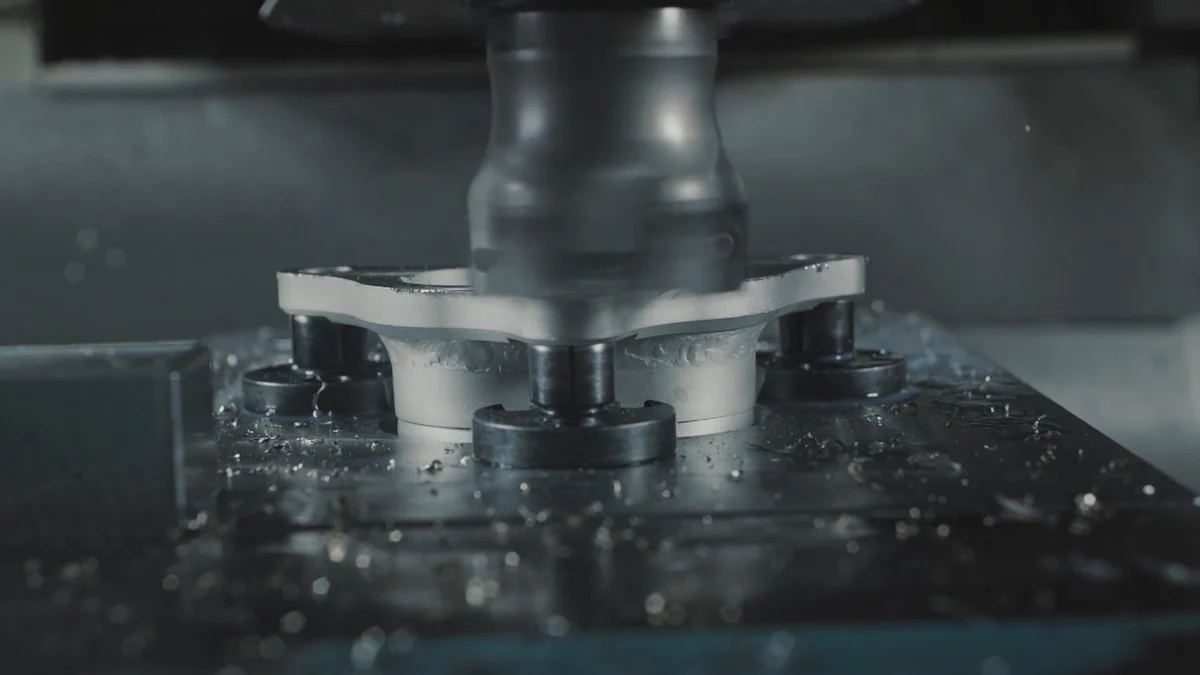
The aerospace industry relies on manufacturing processes that deliver unmatched precision and reliability. CNC machining plays a pivotal role in addressing the sector's unique challenges. Aerospace components often feature intricate geometries that demand advanced machining techniques. Exotic materials like titanium and composites, essential for lightweight and durable designs, require specialized handling. Additionally, strict regulatory standards necessitate rigorous quality control and traceability. CNC machining excels in meeting these demands, ensuring the production of high-quality, complex parts with exceptional consistency.
Key Takeaways
CNC machining is important in aerospace because it makes precise parts. This helps keep systems safe and working well.
It works with many strong materials like titanium and composites. These materials make parts that are light and tough.
CNC machining can make one part or many parts easily. It keeps the same high quality every time.
New tools like 5-axis machines and AI make it better. They save time and improve how parts are made.
Smart machines adjust tools while working to stay accurate. This reduces mistakes and waste when making aerospace parts.
The Demand for Precision in Aerospace Manufacturing
Accuracy and Tight Tolerances
Importance of precision in aerospace safety and performance
Precision is a non-negotiable requirement in aerospace manufacturing. Achieving tight tolerances ensures the safety and performance of critical systems. Dimensional inaccuracies can lead to catastrophic failures, compromising both safety and mission success. High precision is vital because even minor deviations in tolerances can result in significant consequences. For example:
Tight tolerances prevent safety hazards by ensuring components fit and function as intended.
Precision manufacturing reduces the risk of project delays caused by part failures.
Accurate dimensions enhance the overall reliability of aerospace systems.
CNC machining's ability to achieve micron-level tolerances
CNC machining excels in delivering the precision required for aerospace applications. Advanced CNC machines can achieve tolerances as tight as a few microns, ensuring components meet exact specifications. This capability is essential for manufacturing parts like turbine blades and engine housings, where even the smallest deviation can impact performance. CNC machining's ability to maintain consistent accuracy across production runs makes it indispensable for aerospace manufacturing.
Material Versatility
Working with aerospace-grade materials like titanium, aluminum, and composites
Aerospace components demand materials that combine strength, durability, and lightweight properties. CNC machining supports a wide range of aerospace-grade materials, including:
Titanium and its alloys: Known for their strength-to-weight ratio and heat resistance, ideal for airframes and jet engines.
Aluminum and its alloys: Lightweight and corrosion-resistant, commonly used in fuselage and wing structures.
Inconel superalloys: Heat-resistant materials used in high-stress applications like jet engines.
High-performance plastics: Lightweight and flexible, suitable for interior components.
Adapting to new materials for lightweight and durable components
CNC machining adapts seamlessly to emerging materials, enabling the production of lightweight yet robust components. This adaptability enhances fuel efficiency and reduces overall weight. Materials like composite polymers and advanced alloys allow manufacturers to create complex geometries without compromising strength. CNC machining ensures these materials are processed with precision, meeting the stringent demands of aerospace applications.
Scalability and Efficiency
Meeting production demands for both prototypes and mass production
CNC machining offers unmatched scalability, making it suitable for both prototyping and large-scale production. Manufacturers can quickly produce prototypes to test designs and validate performance. Once approved, the same CNC systems can transition to mass production, maintaining consistency and quality. This flexibility ensures aerospace manufacturers can meet varying production demands efficiently.
Reducing lead times with automated processes
Automation in CNC machining significantly reduces lead times in aerospace manufacturing. Advanced technologies like robotics and machine learning enable high-speed machining and multi-axis capabilities, accelerating production. Automated systems handle routine tasks, allowing skilled personnel to focus on complex operations. This optimization not only shortens production cycles but also ensures precision and adherence to strict aerospace standards.
Applications of CNC Machining in Aerospace
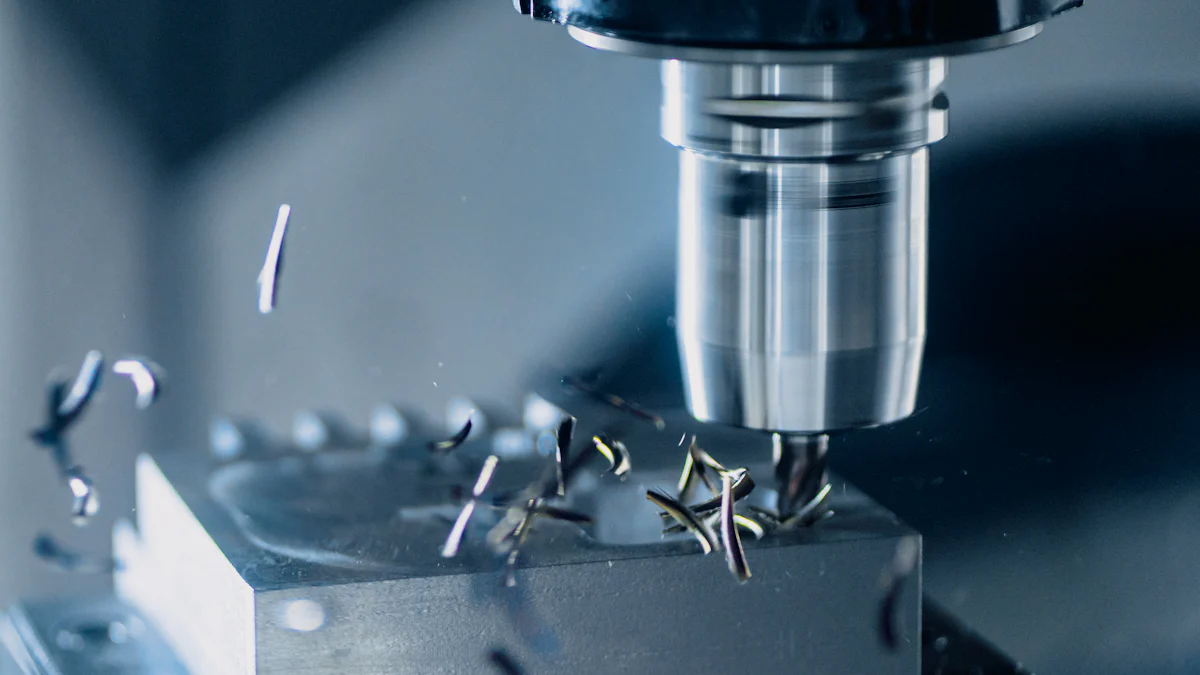
Engine Components
Manufacturing turbine blades and engine housings
CNC machining plays a critical role in producing engine components that demand exceptional precision and durability. Turbine blades, engine mounts, and pylons are among the most commonly manufactured parts. These components require intricate geometries to optimize performance and efficiency. CNC machining ensures that each part meets exact specifications, enabling engines to operate at peak performance. The technology also supports the production of other essential parts, such as engine blocks, cylinder heads, and transmission gears, which are vital for the overall functionality of aerospace engines.
Ensuring thermal and mechanical durability
Engine components must endure extreme thermal and mechanical stresses during operation. CNC machining ensures their durability by delivering precise contours and tight tolerances. For example:
Component | Description |
|---|---|
Cylinder heads | Complex contours and precise coolant passages enhance thermal performance. |
Crankshafts | High precision ensures proper balancing to withstand mechanical stresses. |
Gears | Accurate tooth profiles improve durability and reduce noise. |
Drive axles | Precision machining ensures smooth operation under high stress. |
Valve retainers | Tight tolerances maintain effective engine performance. |
By leveraging advanced CNC techniques, manufacturers produce components capable of withstanding the harsh conditions of aerospace environments.
Landing Gear Systems
Producing high-strength, wear-resistant parts
Landing gear systems require materials that combine strength, wear resistance, and lightweight properties. CNC machining supports the use of materials like aluminum alloys, titanium, and composite materials. Aluminum alloys, such as 7075, offer excellent strength-to-weight ratios, while titanium provides superior corrosion resistance. High-performance polymers like PEEK are also used for specific applications. These materials, when machined with precision, ensure the reliability of landing gear systems.
CNC machining's role in ensuring structural integrity
Landing gear components must endure significant stresses during takeoff and landing. CNC machining ensures these parts meet the highest standards of precision and robustness. Advanced machining equipment creates components that maintain structural integrity while optimizing weight efficiency. This precision is vital for safety and performance, as even minor defects can compromise the system's reliability.
Satellite and Spacecraft Parts
Precision machining for lightweight and complex geometries
Satellite and spacecraft components often feature intricate geometries and lightweight designs. CNC machining excels in crafting these parts with high precision. Tiny components, such as fuel injection nozzles, require micron-level tolerances to function correctly. The technology also supports the use of exotic materials like titanium-aluminide, which offers excellent strength-to-weight ratios. By reducing material waste, CNC machining ensures cost-effective production of these critical parts.
CNC's role in manufacturing components for extreme environments
Spacecraft components must withstand extreme conditions, including severe temperature fluctuations and cosmic radiation. CNC machining enables the precise shaping of materials designed for these challenges. For instance, titanium-aluminide components are engineered to optimize thermal properties, ensuring durability in space. Additionally, CNC techniques ensure that parts meet strict aerospace quality standards, providing the reliability needed for successful missions.
Structural Parts
Fabricating aircraft frames, wing spars, and bulkheads
CNC machining plays a vital role in the production of structural components for aircraft. These parts form the backbone of an aircraft, ensuring its strength and stability during operation. Commonly fabricated structural parts include:
Aircraft frames: The primary skeleton that supports the fuselage and other components.
Wing spars: Longitudinal beams that provide strength and rigidity to the wings.
Bulkheads: Internal partitions that enhance structural integrity and compartmentalization.
Tail section components: Internal structures for stabilizers, elevators, and rudders.
Doors and hatches: Landing gear doors and access panels.
CNC machining enables the creation of these parts with exceptional precision, ensuring they meet the stringent requirements of aerospace engineering. By leveraging advanced techniques, manufacturers can produce lightweight yet robust components that withstand the stresses of flight. This capability is crucial for maintaining the safety and performance of modern aircraft.
Ensuring proper alignment and high-quality surface finishes
Proper alignment and surface finishes are critical for the functionality and durability of structural parts. CNC machining achieves these standards through meticulous practices, such as:
Incorporating radii at corners to reduce stress concentrations.
Avoiding deep, narrow slots to prevent tool deflection.
Ensuring feature alignment with machine axes for optimal tool access.
These practices enhance the structural integrity of components by minimizing weak points and ensuring precise dimensions. For example, incorporating radii at corners reduces the likelihood of cracks forming under stress, while proper alignment ensures seamless assembly and operation. Additionally, CNC machining delivers high-quality surface finishes, which improve aerodynamics and reduce wear over time. This level of precision and attention to detail makes CNC machining indispensable for fabricating structural parts in aerospace applications.
Advancements in CNC Machining for Aerospace
5-Axis CNC Machining
Enhanced capability for complex geometries
5-axis CNC machining revolutionizes aerospace manufacturing by enabling the creation of intricate geometries with unmatched precision. This technology allows machines to rotate on two additional axes, providing access to parts from multiple angles. As a result, manufacturers can produce components with tight tolerances and complex designs in a single setup. This capability reduces production time while ensuring high accuracy, which is critical for aerospace applications. Additionally, 5-axis machining ensures precise tool paths from all angles, delivering superior surface finishes ideal for components like turbine blades and wing spars.
Key advantages of 5-axis CNC machining include:
Simplified production of intricate parts.
High accuracy and efficiency for tight tolerances.
Significant improvements in surface quality.
Reducing the need for multiple setups
The ability of 5-axis machines to approach parts from various angles minimizes the need for multiple setups. This feature eliminates the need for special fixtures and reduces alignment errors caused by repositioning. For example:
Complex shapes can be machined in a single setup, saving time and resources.
Reduced part movement ensures consistent accuracy across production runs.
This streamlined process enhances productivity and reduces the risk of errors, making 5-axis CNC machining indispensable for aerospace manufacturing.
Integration of AI and Automation
Improving efficiency and reducing human error
Artificial intelligence (AI) plays a transformative role in CNC machining by optimizing processes through real-time data analysis. AI-powered systems learn from past performance and make adjustments during machining, improving precision and reducing downtime. These systems also enhance efficiency by automating routine tasks, allowing operators to focus on more complex operations. By minimizing human error, AI ensures consistent quality in aerospace components.
Benefits of AI in CNC machining include:
Process optimization through machine learning.
Reduced equipment failures and production interruptions.
Lower costs while maintaining high-quality standards.
Predictive maintenance and real-time monitoring
Predictive maintenance leverages sensors and data analytics to monitor CNC machines proactively. This approach identifies issues like tool wear or spindle misalignment before they disrupt production. By ensuring optimal machine performance, predictive maintenance reduces unplanned downtime and enhances reliability. In aerospace manufacturing, where precision and safety are paramount, this capability is invaluable.
Additive and Hybrid Manufacturing
Combining CNC machining with 3D printing for innovative designs
The integration of CNC machining with additive manufacturing, such as 3D printing, unlocks new possibilities for aerospace design. Hybrid machines alternate between additive and subtractive processes, combining the design flexibility of 3D printing with the precision of CNC machining. This combination allows manufacturers to create parts with intricate internal structures that traditional methods cannot achieve. For instance, lightweight components with complex geometries can be produced efficiently, enhancing design freedom in aerospace applications.
Reducing material waste and production costs
Hybrid manufacturing minimizes material waste by reducing reliance on support structures and post-processing. This method integrates additive and subtractive processes, optimizing material usage and energy consumption. The result is lightweight yet strong aerospace components that improve performance while lowering production costs. By combining the strengths of both technologies, hybrid manufacturing offers a sustainable and cost-effective solution for the aerospace industry.
Adaptive Machining Technologies
Real-time optimization of tool paths using sensor feedback
Adaptive machining technologies leverage real-time sensor feedback to optimize tool paths dynamically. This approach ensures that machining processes adjust to variations in material properties, tool wear, or environmental conditions. Sensors embedded in CNC machines collect data during operations, enabling automated systems to refine tool movements for maximum precision.
For aerospace manufacturing, where tolerances are exceptionally tight, this capability is transformative. Advanced algorithms analyze sensor data to balance competing objectives, such as maintaining dimensional accuracy and minimizing tool wear. By dynamically adjusting tool paths, manufacturers achieve consistent quality across production runs.
Aspect | Explanation |
|---|---|
Precision and Complexity | Advanced toolpath optimization ensures parts meet stringent specifications. |
Quality and Performance | Focuses on reducing tool wear, improving surface finishes, and maintaining accuracy. |
Dynamic Balancing of Objectives | Algorithms adapt to machining contexts, optimizing outcomes for unique challenges. |
This real-time adaptability reduces the need for manual intervention, enhancing both efficiency and reliability. Aerospace components, such as turbine blades and structural parts, benefit significantly from these advancements, as they demand flawless execution.
Enhancing precision and efficiency in aerospace manufacturing
Adaptive machining technologies improve production efficiency and precision by integrating advanced tools like machine vision and LiDAR. These systems provide detailed feedback, enabling CNC machines to make automated adjustments during operations. This eliminates the need for dedicated part fixtures, saving costs and reducing cycle times.
Key Features and Benefits |
|---|
Improve production efficiency |
Reduce or eliminate the need for dedicated part fixtures |
Save costs by shortening cycle times and reducing re-work |
Improve production safety and quality conditions |
Achieve challenging tolerances and more consistent products |
Use of sensors and real-time data for automated adjustments |
Configurable robotic fixtures for flexibility and efficiency |
Integration of advanced technologies like machine vision and LiDAR |
By achieving challenging tolerances, adaptive machining ensures aerospace components meet rigorous standards. Configurable robotic fixtures further enhance flexibility, allowing manufacturers to handle complex geometries with ease. These technologies also improve safety by reducing manual handling and ensuring consistent product quality.
CNC machining, when combined with adaptive technologies, transforms aerospace manufacturing. It delivers unparalleled precision, reduces waste, and enhances overall efficiency, making it indispensable for producing high-performance components.
Case Study: CNC Machining in the SpaceX Falcon 9 Rocket
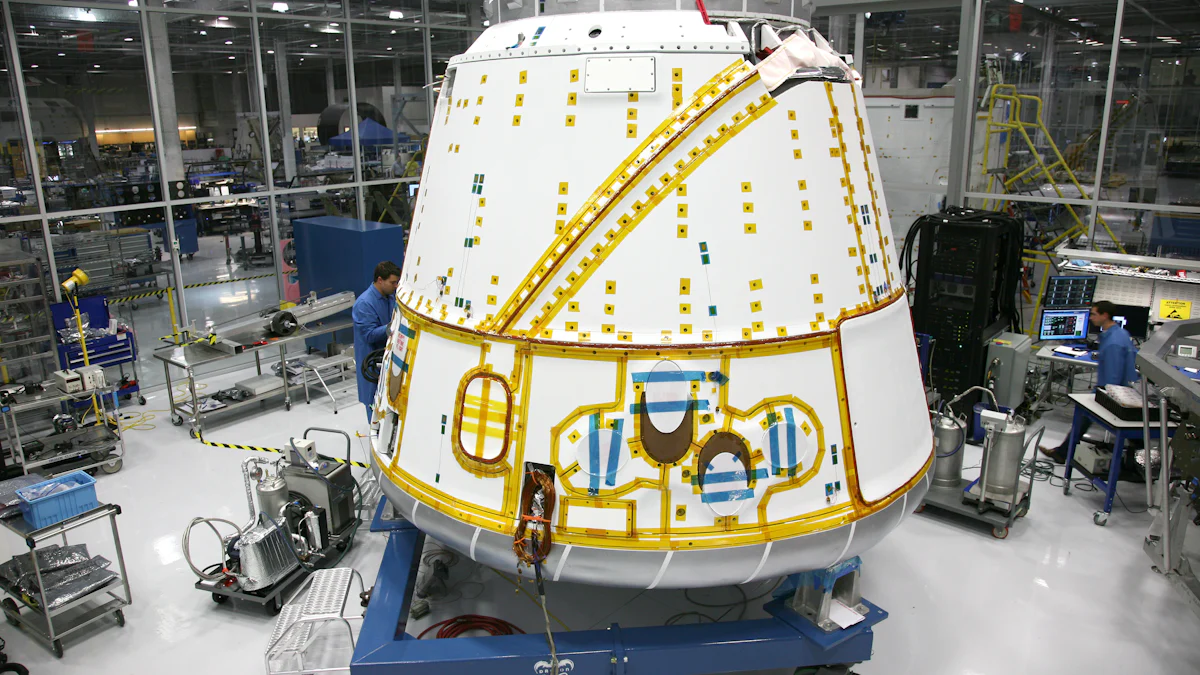
Overview of the Project
Manufacturing critical components for the Falcon 9 rocket
SpaceX's Falcon 9 rocket represents a milestone in aerospace engineering, combining innovation with precision manufacturing. CNC machining played a pivotal role in producing critical components for this launch vehicle. The Merlin engine, a key part of the Falcon 9, incorporates Inconel 718 in its engine manifold. This aerospace-grade alloy offers exceptional weldability and durability, making it ideal for withstanding the extreme stress and temperature fluctuations experienced during rocket launches. CNC machining ensured the precise fabrication of these components, meeting the stringent requirements of space exploration.
Role of CNC Machining
CNC machining's contribution to producing high-precision engine parts and structural supports
CNC machining enabled SpaceX to achieve the high precision necessary for the Falcon 9's engine parts and structural supports. Aerospace components often demand tolerances of just a few microns, and CNC machines consistently met these exacting standards. This precision ensured that every part performed reliably under the intense heat and pressure of rocket launches.
Key contributions of CNC machining included:
Manufacturing engine parts capable of withstanding extreme conditions, such as high temperatures and mechanical stress.
Producing structural supports with exacting specifications to maintain the rocket's integrity during flight.
Ensuring consistent quality across production runs, critical for the rocket's performance and safety.
By leveraging CNC machining, SpaceX produced components that met the rigorous demands of spaceflight, ensuring both efficiency and reliability.
Results and Impact
Achieving exceptional performance and reliability in space missions
CNC machining proved instrumental in the Falcon 9's success, enabling the creation of highly accurate and durable components. The precision achieved in manufacturing engine parts enhanced the rocket's performance, allowing it to endure the harsh conditions of space travel. This reliability contributed to the Falcon 9's reputation for successful missions, including satellite deployments and crewed spaceflights.
The use of CNC machining also supported SpaceX's goal of reusability. By producing components with exceptional durability, the company reduced costs and improved turnaround times for subsequent launches. This innovation has set a new standard in the aerospace industry, demonstrating the transformative potential of CNC machining in advancing space exploration.
CNC machining remains a cornerstone of aerospace manufacturing, addressing the industry's demand for precision, material versatility, and scalability. Its applications span critical areas, including engine components, landing gear systems, spacecraft parts, and structural assemblies. Advancements like AI integration, adaptive machining, and 5-axis technology continue to drive innovation, enabling faster production and enhanced accuracy.
Future challenges in aerospace manufacturing highlight the need for CNC machining to evolve further. These include managing increasing complexity, addressing skilled labor shortages, and mitigating cybersecurity risks. By integrating robotics, machine learning, and real-time data collection, CNC machining ensures consistent quality while reducing waste. As aerospace demands grow, this technology will remain pivotal in shaping the industry's future.
FAQ
What makes CNC machining essential for aerospace manufacturing?
CNC machining ensures precision, scalability, and material versatility. It produces components with tight tolerances and complex geometries, meeting aerospace safety and performance standards. Its ability to handle advanced materials like titanium and composites makes it indispensable for creating lightweight, durable parts.
How does CNC machining achieve tight tolerances?
CNC machines use advanced software and high-precision tools to maintain micron-level tolerances. Real-time monitoring and adaptive technologies optimize tool paths, ensuring consistent accuracy. This precision is critical for aerospace components like turbine blades and engine housings.
Can CNC machining handle new aerospace materials?
Yes, CNC machining adapts to emerging materials like composite polymers and advanced alloys. These materials enhance fuel efficiency and reduce weight. CNC systems ensure precise processing, enabling manufacturers to meet the stringent demands of aerospace applications.
What role does 5-axis CNC machining play in aerospace?
5-axis CNC machining simplifies the production of intricate geometries by allowing access to parts from multiple angles. It reduces the need for multiple setups, improves surface finishes, and ensures high accuracy, making it ideal for complex aerospace components.
How does AI improve CNC machining for aerospace?
AI optimizes machining processes through real-time data analysis. It reduces human error, enhances efficiency, and enables predictive maintenance. These advancements ensure consistent quality and reliability, which are crucial for aerospace manufacturing.
See Also
Discovering CNC Machining's Role in Aerospace Precision Engineering
Streamlined CNC Machining Solutions for High-Precision Production
Expert CNC Machining Techniques for Precision Component Fabrication
Investigating CNC Machining Options for Accurate Manufacturing Needs
Fulfilling CNC Machining Standards for Precision Part Production
About US
Follow Us
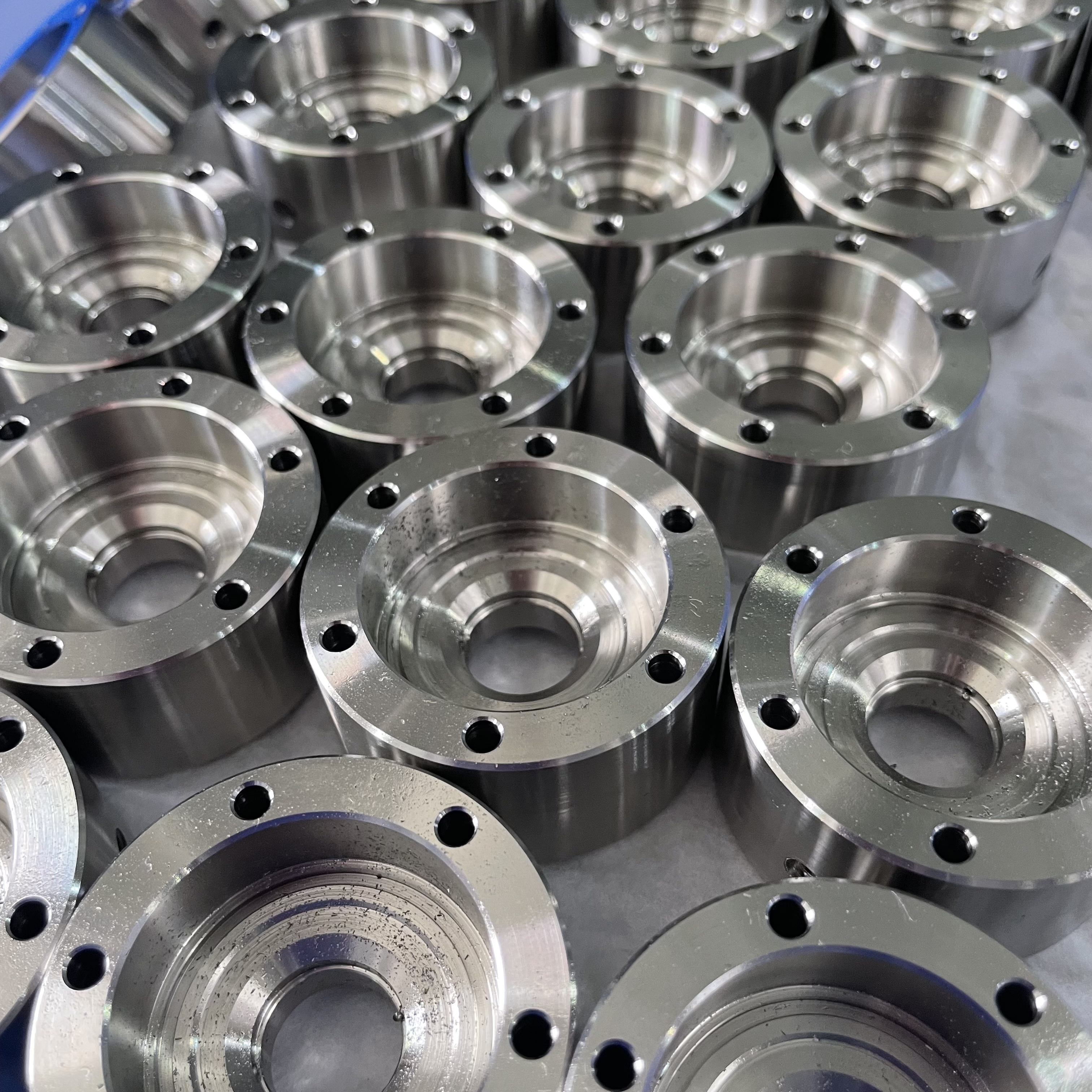
Your prototype holds unparalleled significance, and we deeply value its uniqueness. Collaborating with you during the preparation phase for running your prototype or parts is a commitment we gladly embrace. Whether it's a single part or a complex assembly, we are dedicated to selecting the optimal tools and pathways to bring your envisioned product to life.
At Precision Fab CNC Machining, we specialize in producing parts for prototypes, short runs, and high-volume production. Our prototyping machine capabilities extend across metal, plastic, and wood machining, with welding fabrication services available to complement and finalize your prototype if required.
Address
Address: Room320 10F, Building A,Nanshan international building, Dayawan District, Huizhou, Guangdong, 516001 China
Contacts
billy@timaycnc.com