Why CNC Prototyping Is Crucial for Industries like Aerospace, Automotive, and Medical Devices

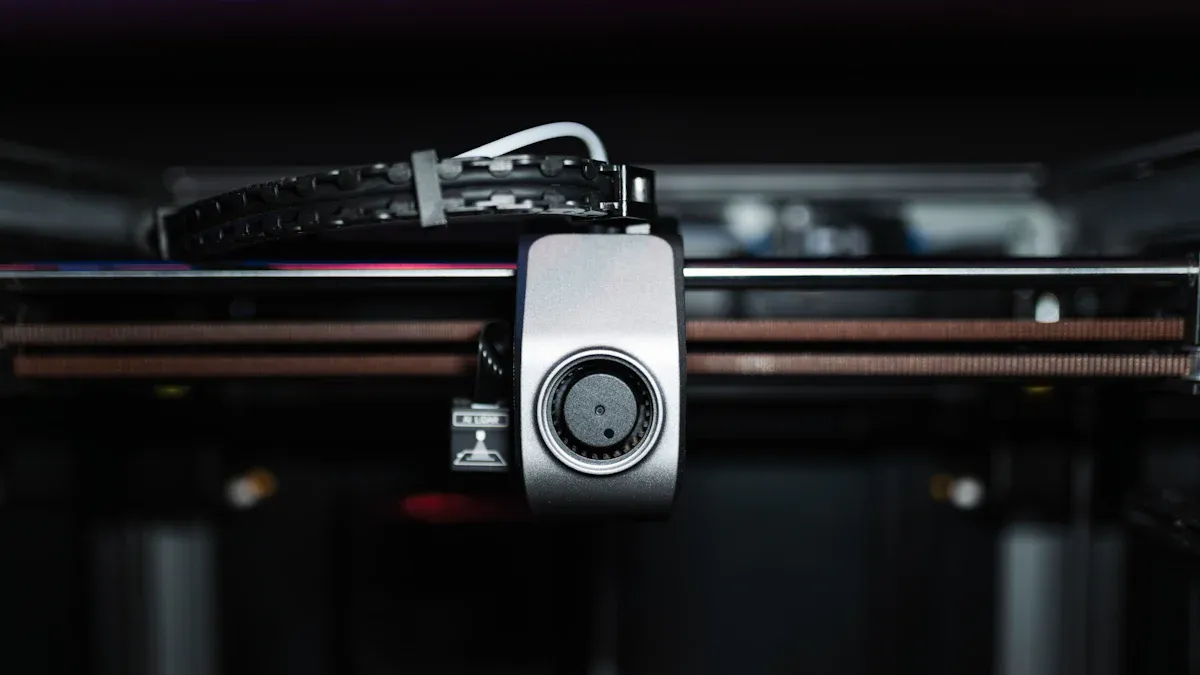
CNC machining plays a vital role in modern industries by delivering unmatched precision and efficiency. In 2023, the automotive sector led the CNC machining market, revolutionizing manufacturing processes with enhanced accuracy and reliability. Aerospace applications rely on CNC for producing critical components from materials like titanium, ensuring safety and reliability. This technology minimizes errors, meeting strict industry standards and improving safety across sectors.
Key Takeaways
CNC prototyping provides high accuracy, with tolerances as small as 50 microns. This is very important for fields like aerospace and medical devices.
CNC machines work fast, allowing quick design changes. This helps improve prototypes and meet strict deadlines.
CNC tools can use many materials, like metals and plastics. This makes them useful for many different industries.
What Makes CNC Prototyping Essential?
Overview of CNC Machining and Prototyping
CNC machining is a subtractive manufacturing process that removes material from a solid block to create precise parts. It begins with design ideations, where you develop multiple CAD models to define dimensions and features. Once a design is approved, it is converted into a 3D file for the CNC machine. The next step involves identifying the manufacturing sequence, followed by CNC programming to automate tool commands. Finally, the machine creates the prototype, which undergoes testing to ensure functionality and detect defects.
This process offers high precision and repeatability, making it ideal for industries requiring exact specifications. Unlike traditional methods, CNC machining automates complex tasks, reducing human error and ensuring consistent results. Its ability to operate continuously enhances production efficiency, allowing you to meet tight deadlines without compromising quality.
Key Benefits: Precision, Speed, and Material Versatility
CNC machining delivers unmatched precision, achieving tolerances as tight as 50 microns. This level of accuracy ensures that prototypes meet exact design requirements, which is critical for industries like aerospace and medical devices. The automated nature of CNC eliminates variability, providing consistent results across multiple iterations.
Speed is another significant advantage. CNC machines operate continuously, reducing downtime and accelerating production timelines. Unlike traditional methods, CNC machining allows for rapid design modifications without the need for new molds or tools. This time-saving process enables you to iterate quickly and refine your designs efficiently.
Material versatility further enhances the appeal of CNC prototyping. You can work with a wide range of materials, including metals like aluminum and stainless steel, as well as plastics such as PEEK and polycarbonate. These materials offer unique properties like durability, impact resistance, and heat tolerance, making them suitable for diverse applications.
By combining precision, speed, and material versatility, CNC machining ensures reliability and efficiency in prototyping, helping you bring innovative products to market faster.
CNC Prototyping in Aerospace and Defense Industries
Precision and Safety in Aerospace Applications
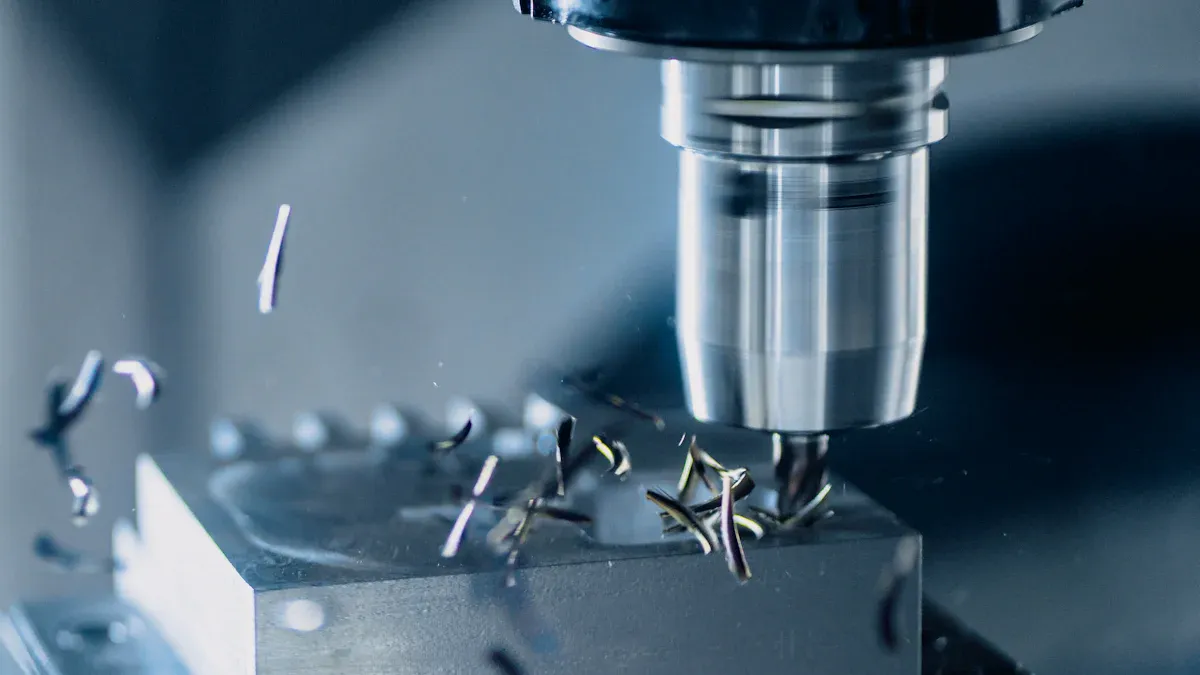
CNC prototyping plays a vital role in ensuring precision and safety in the aerospace and defense industries. You rely on CNC machining to manufacture critical structural components like engine parts, cockpit elements, and fuselage sections. These components must meet tight tolerances to ensure high accuracy and operational safety. For example, the Boeing 787 Dreamliner demonstrates how CNC machining achieves precision in complex designs and advanced materials, enhancing both safety and performance. Leading companies like Boeing and Airbus use CNC prototyping to develop and test aerospace engines and other essential parts, ensuring reliability and efficiency in production.
Material Compatibility for Advanced Aerospace Components
The aerospace industry demands materials that can withstand extreme conditions. CNC machining accommodates advanced materials like titanium alloys, aluminum alloys, and Inconel. Titanium offers a high strength-to-weight ratio and corrosion resistance, making it ideal for aerospace engines and structural parts. Aluminum provides excellent machinability and lightweight properties, while Inconel excels in high-temperature environments. CNC machining ensures precision and reliability when working with these challenging materials, using specialized tooling and techniques to maintain tight tolerances. This capability makes CNC indispensable for manufacturing in the aerospace and defense industries.
Reducing Development Time for Complex Aerospace Designs
CNC prototyping accelerates the development of complex designs and advanced materials in aerospace. You can quickly translate ideas into prototypes using CNC's integration with CAD/CAM systems. This process minimizes errors, reduces rework, and ensures high accuracy. Early testing and refinement streamline production timelines, saving time and costs. By enabling localized manufacturing, CNC prototyping further enhances efficiency, making it a cornerstone of innovation in the aerospace and defense industry.
CNC Prototyping in the Automotive Industry
Rapid Iteration and Design Optimization
CNC machining allows you to quickly refine automotive designs through rapid iteration. By using computer-controlled machines, you can precisely shape materials like metal or plastic based on digital designs. This process ensures that parts meet your preferred requirements and optimizes them before production begins. For example, CNC machining is widely used to develop critical suspension components such as springs and shock absorbers. These parts must perform reliably under various driving conditions, and CNC technology ensures their accuracy and repeatability.
With CNC prototyping, you can streamline designs and reduce machining costs. The ability to make quick adjustments to prototypes helps you identify flaws early and refine designs efficiently. This approach minimizes delays and ensures that your automotive components are ready for production faster.
Ensuring Durability and Performance Standards
Durability and performance are critical in the automotive industry. CNC machining helps you meet these standards by enabling precise prototyping of essential components. For instance, starter motor parts require high reliability and durability. CNC machining ensures consistent performance under various conditions. Similarly, crankshafts benefit from precise machining, which optimizes engine performance and longevity.
Other components, such as chassis parts and drive axles, also rely on CNC technology. Chassis components gain strength and lightweight properties, enhancing vehicle stability. Drive axles are machined for robust power transmission, ensuring reliable performance. Even intricate parts like gearboxes and electrical housings are prototyped with CNC machining to ensure efficiency and durability.
By testing prototypes under real-world conditions, you can identify potential issues early. This process ensures that your components meet performance standards when scaled for mass production.
Cost-Effective Prototyping for Automotive Components
CNC prototyping offers significant cost advantages for automotive manufacturing. Its high accuracy and repeatability reduce the risk of errors, saving you money during production. By identifying design flaws early, CNC machining minimizes costly corrections in later stages.
The efficiency of CNC technology also contributes to cost savings. Faster cycle times allow you to produce prototypes quickly, reducing overall development costs. Additionally, CNC machines can work with a variety of materials, making them ideal for diverse automotive applications. This versatility ensures that you can prototype components efficiently without compromising quality.
CNC prototyping helps you balance cost, quality, and speed, making it an indispensable tool in automotive manufacturing.
CNC Prototyping in Medical Devices
Compliance with Strict Regulatory Standards
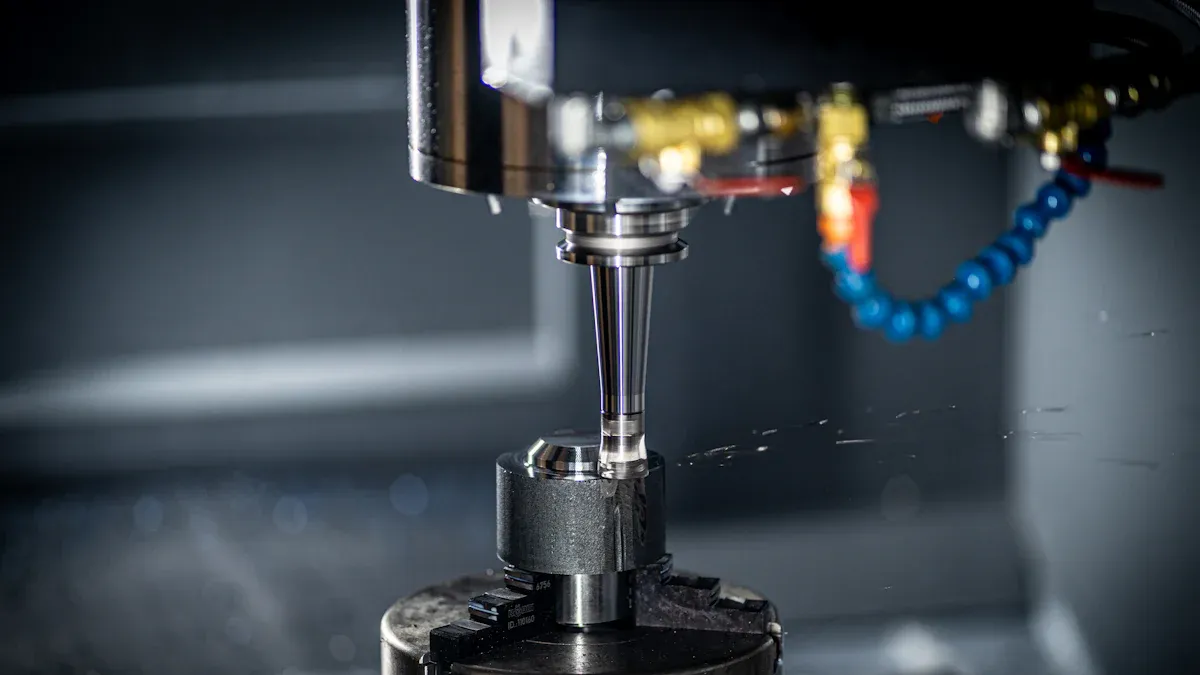
In the medical industry, meeting regulatory standards is non-negotiable. CNC machining helps you comply with these stringent requirements by ensuring precision and quality control. Regulatory frameworks like ISO 13485 and ISO 14971 guide manufacturers in maintaining consistent design and safety while managing risks effectively. CNC prototyping plays a pivotal role in adhering to these standards by delivering accurate and reliable prototypes.
Key regulatory requirements include:
Establishment Registration
Investigational Device Exemption (IDE) for clinical studies
Quality System (QS) Regulation
Medical Device Listing
Labeling Requirements
Medical Device Reporting (MDR)
Premarket Notification 510(k) or Premarket Approval (PMA)
By leveraging CNC machining, you can meet these requirements efficiently, ensuring your medical devices are safe and compliant.
Precision for Complex and Custom Medical Designs
CNC machining enables you to create intricate and custom designs essential for the medical industry. From surgical tools like scalpels and robotic arms to patient-specific implants, CNC prototyping ensures unmatched precision. For example, orthopedic hardware such as plates, screws, and rods benefits from CNC's ability to achieve tight tolerances. Dental tools and implants, including titanium rods and custom bodily implants, also rely on CNC for their accuracy and durability.
This technology allows you to tailor designs to individual patients, ensuring a perfect fit and optimal functionality. Whether you're developing small orthopedic components or advanced surgical instruments, CNC machining ensures your designs meet the highest standards of quality and performance.
Accelerating Time-to-Market for Medical Innovations
CNC prototyping significantly reduces the time it takes to bring medical innovations to market. By facilitating rapid iteration and early validation, CNC machining allows you to refine prototypes quickly. This process helps identify design flaws early, minimizing costly modifications during later stages.
For example, CNC machining enables you to produce and test prototypes for dental implants or medical device components in-house. This approach streamlines development, allowing you to respond swiftly to market demands. Compared to traditional manufacturing methods, CNC prototyping shortens setup times and eliminates the need for extensive tooling. As a result, you can accelerate your production timelines and deliver innovative medical solutions faster.
CNC Prototyping vs. Other Methods
Comparing CNC Machining with 3D Printing
When comparing CNC machining with 3D printing, you notice distinct differences in their applications and outcomes. CNC machining excels in precision, material versatility, and surface finish, while 3D printing offers design flexibility and lower initial setup costs. The table below highlights key attributes of both methods:
Attribute | 3D Printing | CNC Machining |
|---|---|---|
Material Availability | Limited | Unlimited |
Part Design | Unrestricted by process constraints | Limited by tool path and type |
Precision | Varies from 0.016 mm to 1 mm+ | Typically 0.005 mm |
Operator Skill | Usually low | Very high |
Speed of Build | Low setup time, longer build time | Fast cutting after setup |
Surface Finish | Grained and rough | High-quality surfaces |
Strength | 10-20% of native material | 100% of native material |
Cost Example | $50 per part for simple design | $250-$500 per part for the same design |
CNC machining proves ideal for industries like aerospace and medical devices, where precision and material strength are critical. On the other hand, 3D printing works well for prototyping complex geometries with fewer material constraints.
Unique Advantages of CNC Prototyping
CNC prototyping offers several unique advantages over other manufacturing methods:
It ensures high accuracy and consistency, reducing errors and meeting strict industry standards, especially in aerospace and medical applications.
CNC machining supports a wide range of materials, including metals and plastics, making it versatile for diverse industries.
The short lead time allows you to test and modify designs quickly, helping you stay competitive in fast-paced markets.
By creating precise prototypes, CNC machining prevents long-term manufacturing challenges, saving time and costs during production.
Industries like aerospace and automotive have successfully leveraged CNC technology to improve part quality, reduce defects, and increase production capacity.
For example, a leading aerospace manufacturer reduced production time by 30% using CNC machines for complex engine components. Similarly, an automotive supplier increased capacity by 40% by automating gearbox component production. These examples demonstrate how CNC machining drives innovation and efficiency across industries.
CNC machining empowers industries like aerospace, automotive, and medical devices to overcome critical challenges. You can reduce costs by improving efficiency, minimizing scrap, and automating processes. CNC prototyping accelerates product development by enabling rapid iterations and reducing errors. Its precision, speed, and material versatility ensure you deliver high-quality products to market faster.
FAQ
What industries benefit the most from CNC prototyping?
CNC prototyping benefits industries like aerospace, automotive, and medical devices. These sectors demand precision, material versatility, and compliance with strict safety and performance standards.
How does CNC prototyping save time during product development?
CNC prototyping accelerates development by enabling rapid iterations. You can test and refine designs quickly without creating new molds or tools, reducing delays.
Can CNC machines handle complex designs?
Yes, CNC machines excel at creating intricate designs. They use advanced programming to produce detailed prototypes with tight tolerances, ensuring accuracy for even the most complex components.
💡 Tip: Always consult with CNC experts to optimize your designs for manufacturability and efficiency.
See Also
Discovering CNC Machining's Role in Aerospace Precision Engineering
Addressing Issues: Improving CNC Prototyping Precision and Speed
Investigating CNC Machining Solutions for Accurate Manufacturing Processes
Streamlined CNC Machining Solutions for High-Quality Manufacturing
The Impact of CNC Machining on Advanced Precision Manufacturing
About US
Follow Us
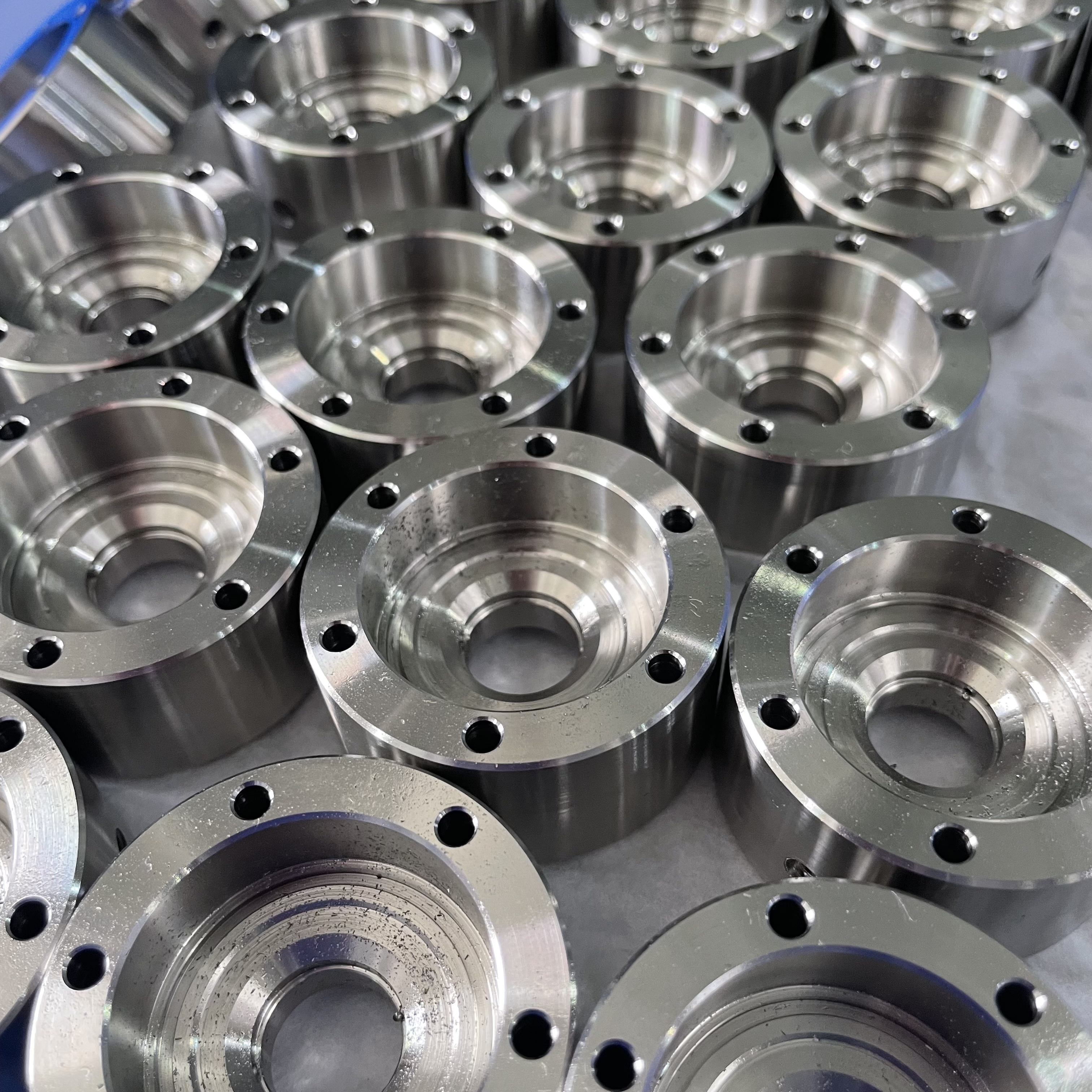
Your prototype holds unparalleled significance, and we deeply value its uniqueness. Collaborating with you during the preparation phase for running your prototype or parts is a commitment we gladly embrace. Whether it's a single part or a complex assembly, we are dedicated to selecting the optimal tools and pathways to bring your envisioned product to life.
At Precision Fab CNC Machining, we specialize in producing parts for prototypes, short runs, and high-volume production. Our prototyping machine capabilities extend across metal, plastic, and wood machining, with welding fabrication services available to complement and finalize your prototype if required.
Address
Address: Room320 10F, Building A,Nanshan international building, Dayawan District, Huizhou, Guangdong, 516001 China
Contacts
billy@timaycnc.com