Exploring CNC Machining for Advanced Aerospace Material Solutions

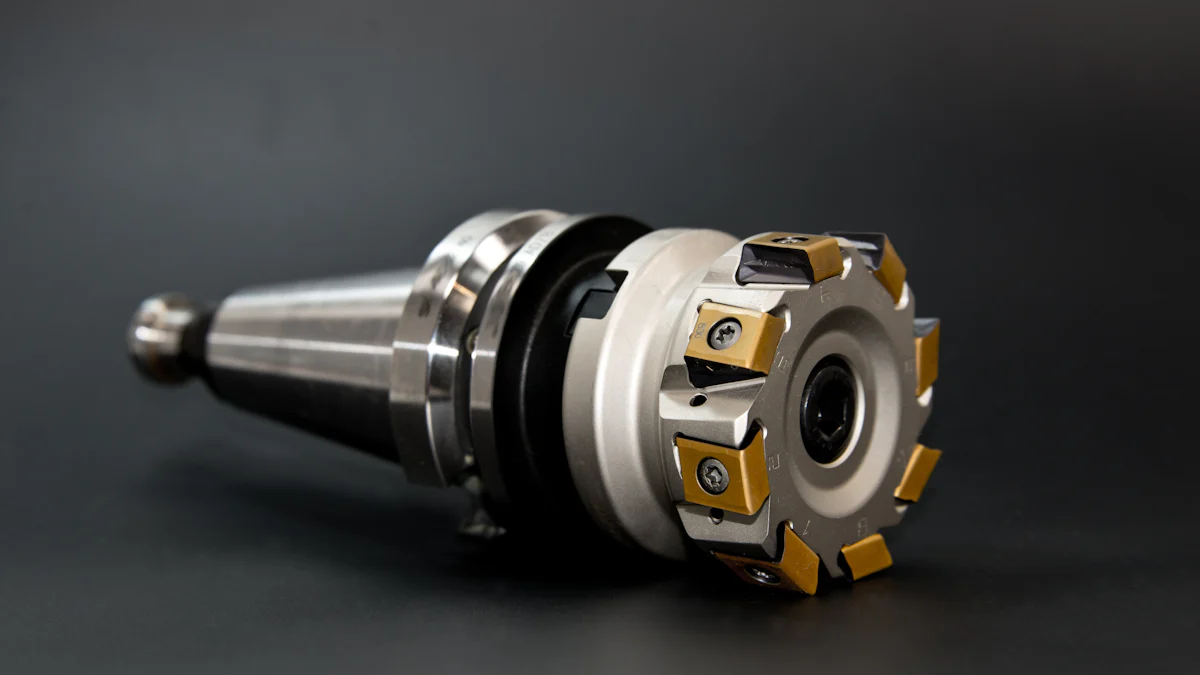
The aerospace industry demands exceptional precision and reliability in manufacturing. CNC machining plays a pivotal role in meeting these requirements by addressing critical challenges. It ensures unmatched accuracy, achieving tolerances within microns, which is vital for safety-critical components like engine parts and landing gear. Its ability to handle advanced materials, such as titanium and composites, preserves material integrity while minimizing waste. Additionally, CNC machining supports the production of intricate geometries, enhancing the functionality and aerodynamics of modern aircraft. By adhering to rigorous standards like AS9100 and ISO 9001, it guarantees compliance, ensuring safety and performance benchmarks are consistently met.
Key Takeaways
CNC machining is very accurate, making parts with tiny errors.
It works well with strong materials like titanium and composites.
This process keeps materials strong and reduces leftover waste.
CNC machines can make tricky shapes to improve how planes work.
Following rules like AS9100 and ISO 9001 ensures parts are safe.
CNC machining saves money by cutting labor and material waste.
It is useful for testing ideas and making many parts quickly.
CNC Machining and Its Role in Aerospace
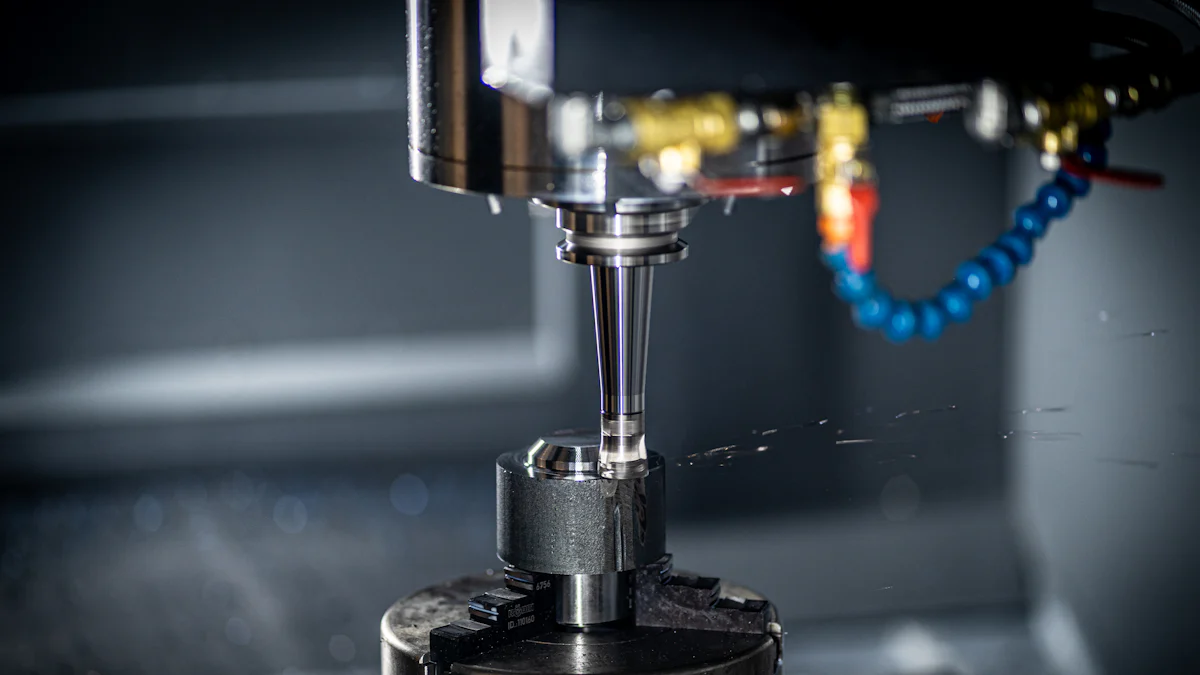
What is CNC Machining?
CNC machining, or Computer Numerical Control machining, is a manufacturing process that uses computer-controlled tools to produce precise components. This technology employs pre-programmed software to control machinery such as lathes, mills, and grinders. By automating the cutting and shaping of materials, CNC machining achieves exceptional accuracy and repeatability. It is particularly effective for creating intricate designs and maintaining tight tolerances, making it indispensable in industries like aerospace.
Importance of CNC Machining for Aerospace Components
The aerospace industry relies heavily on CNC machining for its ability to meet stringent requirements. This process ensures the production of aerospace components with high precision, which is critical for safety and performance. For example, CNC machining produces engine parts and landing gear with tolerances as tight as a few microns. Such precision reduces the risk of component failure, enhancing the reliability of aircraft and spacecraft. Additionally, the use of advanced technologies, such as 5-axis CNC machines, allows for the creation of complex geometries that traditional methods cannot achieve. By minimizing human error and enabling high-speed production, CNC machining for aerospace components ensures consistency and efficiency, making it a preferred choice in the aerospace industry.
Key Features of Aerospace CNC Machining
Aerospace CNC machining offers several unique features that make it suitable for the production of critical aerospace components:
Precision and Accuracy: It achieves tolerances within microns, ensuring components meet exact specifications.
Material Versatility: It works with materials like titanium and aluminum, essential for lightweight and durable aerospace components.
Complex Geometries: The technology creates intricate shapes required for advanced designs.
Consistency and Efficiency: Automation ensures uniformity across all parts, reducing waste and improving production speed.
Scalability: It supports both low-volume prototyping and high-volume production.
Cost-Effectiveness: Automation reduces labor costs and material waste, making it an economical solution for aerospace manufacturing.
These features enable aerospace CNC machining to meet the demanding standards of the aerospace industry while maintaining efficiency and reliability.
Challenges in Aerospace CNC Machining
Material Complexity and Durability
The aerospace industry often relies on difficult-to-machine materials like titanium alloys, superalloys, and carbon fiber composites. These materials are essential for creating aerospace components that are lightweight yet durable enough to withstand extreme conditions. However, machining these materials presents significant challenges. Achieving close tolerances while preserving material integrity requires advanced techniques. Multi-axis CNC machining plays a critical role in addressing these challenges by enabling precise and efficient processing of these materials. This ensures that components meet the stringent durability and performance standards required in aerospace applications.
Additionally, selecting the right material involves balancing mechanical, thermal, and electrical properties. For example, titanium alloys offer an excellent strength-to-weight ratio, while composites provide superior resistance to fatigue and corrosion. CNC machining ensures that these materials are processed with minimal waste, making it an indispensable tool for crafting high-performance aerospace components.
Precision in Complex Aerospace Geometries
Aerospace components often feature complex designs that demand exceptional precision. These intricate geometries are essential for optimizing aerodynamics, reducing weight, and enhancing functionality. Traditional manufacturing methods struggle to achieve the required accuracy, but CNC machining excels in this area. Techniques like 5-axis CNC machining allow for the creation of complex geometries in a single setup. This method reduces production time and ensures unparalleled accuracy.
The ability to rotate on two additional axes enables CNC machines to produce components with tight tolerances that meet the aerospace industry's exacting standards. For example, engine parts and turbine blades require precise contours to function efficiently. By leveraging advanced machining techniques, manufacturers can produce these components with the precision necessary for reliable performance.
Meeting Aerospace Industry Standards
Compliance with industry standards is non-negotiable in aerospace manufacturing. Certifications like AS9100 and ISO 9001 ensure that every component meets rigorous safety and quality benchmarks. AS9100, specifically tailored for the aerospace industry, expands on ISO 9001 by addressing additional requirements for reliability and traceability. Other certifications, such as NADCAP and FAA approvals, further validate the quality of specialized processes and materials.
CNC machining supports compliance by delivering consistent results and enabling thorough quality control. Automated processes reduce variability, ensuring that each component adheres to the required specifications. This level of precision and reliability is critical for maintaining the safety and performance of aircraft and spacecraft.
Balancing Costs and Efficiency
Balancing costs and efficiency in aerospace CNC machining requires a strategic approach. Manufacturers face the challenge of producing high-precision components while managing expenses. Several factors, including material selection, part complexity, and production volumes, significantly influence costs. Lightweight composites, for instance, may have higher upfront costs but contribute to long-term savings by reducing aircraft fuel consumption. Similarly, choosing between in-house machining and outsourcing can impact cost efficiency, particularly when working with challenging materials like titanium alloys.
To optimize production, companies employ various strategies. Lean production techniques help minimize delays and maximize output. Cellular manufacturing streamlines workflows, improving product flow and reducing waste. Visual management tools allow teams to quickly identify and address bottlenecks, ensuring smoother operations. These methods collectively enhance efficiency without compromising quality.
Simplifying part designs also plays a critical role in reducing machining time and costs. By eliminating unnecessary complexities, manufacturers can shorten production cycles and improve overall efficiency. Standardized components further reduce design complexity and enable faster assembly. Selecting cost-effective materials that meet performance requirements ensures a balance between affordability and functionality. Additionally, using the appropriate CNC machine type for each project prevents unnecessary wear and optimizes machining processes.
Efficient tooling strategies contribute to cost management. High-quality tools reduce wear on machinery and minimize downtime for replacements. This approach not only extends the lifespan of equipment but also ensures consistent performance. By integrating these practices, aerospace manufacturers achieve a delicate balance between maintaining precision and controlling costs, enabling them to meet industry demands effectively.
Achieving cost-efficiency in aerospace CNC machining requires a combination of smart design choices, streamlined workflows, and strategic material selection. These efforts ensure that manufacturers deliver high-quality components while staying competitive in a demanding industry.
Benefits of CNC Machining for Aerospace Applications
Precision and Accuracy in Aerospace Manufacturing
CNC machining delivers unparalleled precision, making it indispensable for the aerospace industry. Its automated processes ensure consistent quality, reducing the risk of human error. This consistency is critical for aerospace components, where even minor deviations can compromise safety and performance. CNC machines operate with micrometer-level accuracy, enabling the production of parts that meet the strict tolerances required in aerospace applications. These tolerances, often within a few microns, are essential for components that must endure extreme conditions, such as high temperatures and pressures.
The technology also supports the fabrication of lightweight yet robust parts, enhancing fuel efficiency and overall performance. By enabling the creation of complex geometries, CNC machining allows manufacturers to optimize designs for aerodynamics and functionality. This capability ensures that aerospace components meet both structural and operational demands without compromising reliability. The precision and repeatability of CNC machining make it a cornerstone of modern aerospace manufacturing.
Efficiency and Reduced Production Times
CNC machining significantly enhances efficiency in aerospace manufacturing. Its automated nature allows for continuous operation, reducing lead times and accelerating production cycles. By minimizing human intervention, CNC machining ensures consistent quality while optimizing resource utilization. This automation streamlines workflows, enabling manufacturers to meet tight deadlines without sacrificing precision.
The ability to produce complex parts in a single setup further reduces production times. Techniques like 5-axis machining eliminate the need for multiple setups, which shortens manufacturing cycles and improves overall efficiency. Faster production not only meets the high demands of the aerospace industry but also allows manufacturers to respond quickly to design changes or urgent requirements. This efficiency makes CNC machining a vital tool for maintaining competitiveness in aerospace manufacturing.
Cost-Effectiveness for Prototyping and Production
CNC machining offers significant cost advantages for both prototyping and production in the aerospace industry. Rapid prototyping capabilities allow manufacturers to produce custom machined parts quickly after design approval, reducing time to market. This speed translates to cost savings, as shorter development cycles minimize expenses associated with delays. The high precision of CNC machining also reduces material waste, further contributing to cost efficiency.
For production, CNC machining provides excellent scalability. It accommodates both low-volume prototyping and high-volume production runs, making it suitable for diverse aerospace applications. By automating traditionally manual processes, CNC machining lowers labor costs while maintaining consistent quality. This combination of speed, precision, and scalability ensures that manufacturers can deliver high-quality aerospace components at competitive prices.
Scalability for Custom and Mass Production
CNC machining offers unmatched scalability, making it a cornerstone of aerospace manufacturing. Its ability to seamlessly transition between custom prototyping and mass production ensures that manufacturers can meet diverse production demands without compromising quality or efficiency. This versatility is particularly valuable in the aerospace sector, where both unique, low-volume components and large-scale production runs are essential.
For custom production, CNC machining enables rapid prototyping and on-demand manufacturing. Engineers can quickly iterate and refine designs, reducing lead times and overall development costs. Turnaround times for prototypes often range from hours to days, allowing manufacturers to respond swiftly to design changes or specific client requirements. This capability ensures that aerospace companies can innovate without delays, maintaining a competitive edge.
In mass production, CNC machining excels in delivering consistent quality across high volumes. Once programmed, CNC machines operate with precision and repeatability, producing intricate parts that meet strict aerospace specifications. This consistency is critical for components like turbine blades and structural elements, where even minor deviations can impact performance. By automating production processes, CNC machining minimizes human error and ensures uniformity across all parts.
Key advantages of CNC machining for scalability:
Rapid prototyping and quick design refinements reduce lead times.
Efficient handling of both low-volume and high-volume production.
Consistent quality ensures compliance with aerospace standards.
On-demand production supports flexibility in meeting varying demands.
CNC machining’s scalability empowers aerospace manufacturers to adapt to evolving needs, whether producing a single prototype or thousands of identical components. This adaptability ensures that the industry can meet stringent requirements while maintaining efficiency and cost-effectiveness.
Materials and Processes in Aerospace CNC Machining
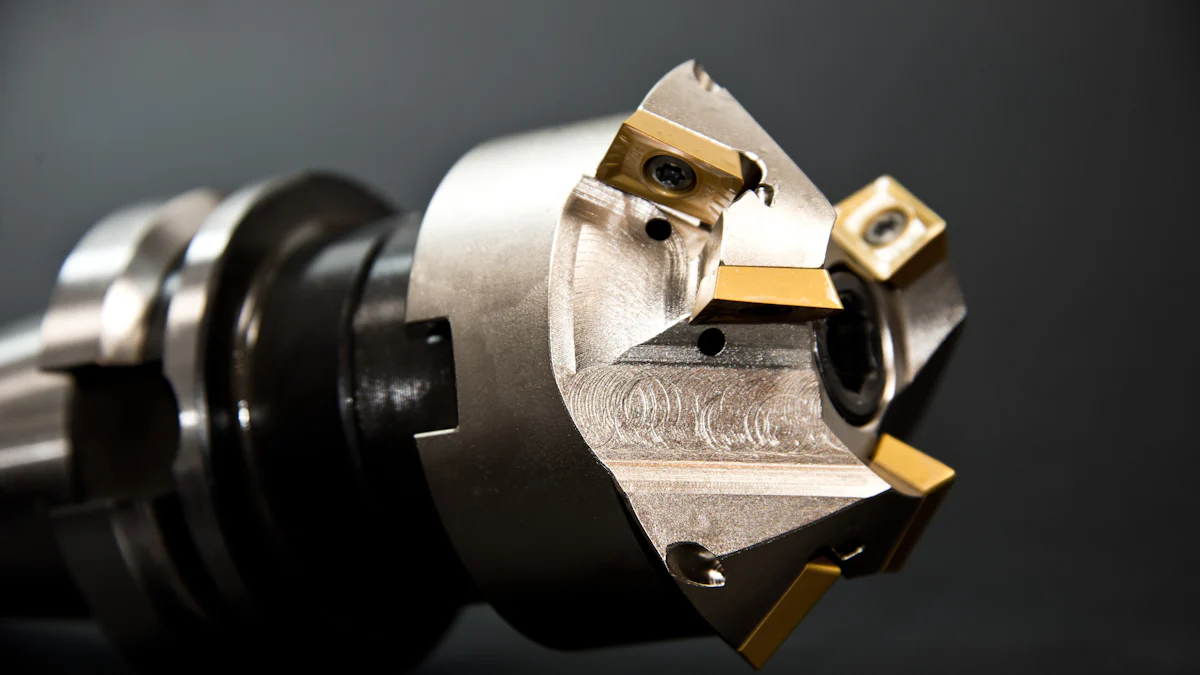
Common Materials in Aerospace CNC Machining
Titanium Alloys
Titanium alloys are a cornerstone of aerospace manufacturing due to their exceptional strength-to-weight ratio. These materials resist corrosion and endure extreme temperatures, making them ideal for airframes and jet engine components. CNC machining ensures precise shaping of titanium alloys, preserving their structural integrity while minimizing waste. Their application in critical areas like landing gear and engine mounts highlights their importance in aerospace engineering.
Aluminum Alloys
Aluminum alloys are widely used in aerospace for their lightweight properties and high tensile strength. These materials also offer excellent corrosion resistance, making them suitable for structural components such as fuselage panels and wing structures. CNC machining enables the creation of intricate designs with aluminum alloys, ensuring components meet strict aerospace tolerances. Their versatility and cost-effectiveness make them a preferred choice for both commercial and military aircraft.
Composites and Superalloys
Exotic metals and composites, including carbon fiber and Inconel superalloys, play a vital role in aerospace applications. Composites provide superior fatigue resistance and reduced weight, enhancing fuel efficiency and performance. Superalloys like Inconel exhibit exceptional heat resistance, making them indispensable for jet engine components. CNC machining processes, such as 5-axis machining, allow for precise fabrication of these advanced materials, ensuring they meet the rigorous demands of aerospace environments.
Note: Other materials like carbon steel, brass, bronze, and copper also contribute to aerospace manufacturing. Their unique properties, such as corrosion resistance and thermal conductivity, make them suitable for specialized applications like electrical connectors and cooling systems.
CNC Machining Processes for Aerospace Components
5-axis Machining
5-axis machining is a critical process in aerospace manufacturing. It allows for the creation of complex geometries in a single setup, reducing production time and improving accuracy. This process is essential for components like turbine blades and impellers, where precision is paramount. By enabling simultaneous movement along five axes, this method ensures optimal material utilization and consistent quality.
Electrical Discharge Machining (EDM)
EDM is a specialized process used for machining hard-to-cut materials like advanced engineering plastics and superalloys. It employs electrical discharges to shape components with extreme precision. This technique is particularly effective for intricate parts, such as fuel injector nozzles and cooling channels, where traditional methods fall short. EDM ensures high-quality finishes and maintains the integrity of exotic materials.
High-Speed Machining (HSM)
High-speed machining enhances efficiency by increasing cutting speeds and reducing cycle times. This process is ideal for lightweight materials like aluminum alloys, enabling rapid production of structural components. HSM also minimizes thermal distortion, ensuring parts retain their dimensional accuracy. Its ability to handle both prototyping and mass production makes it a versatile tool in aerospace CNC machining.
Tip: Combining these processes with real-time monitoring and optimized CNC programs ensures consistent quality and compliance with aerospace standards.
Ensuring Precision and Compliance in Aerospace CNC Machining
Certifications for Aerospace CNC Machining
AS9100 Certification
AS9100 certification is a cornerstone of aerospace manufacturing. It builds upon ISO 9001 by incorporating aerospace-specific requirements, such as risk management and product traceability. This certification ensures that manufacturers meet the stringent safety and quality standards demanded by the aerospace industry. By adhering to AS9100, companies demonstrate their commitment to delivering reliable and compliant components. This certification also facilitates seamless collaboration with aerospace clients, as it validates the quality management systems in place.
ISO 9001 Standards
ISO 9001 provides a foundational framework for quality management in aerospace CNC machining. It emphasizes customer satisfaction, continuous improvement, and process efficiency. While ISO 9001 is not exclusive to aerospace, it serves as a prerequisite for AS9100 certification. Together, these certifications ensure that manufacturers meet both general and aerospace-specific regulatory and documentation standards. Achieving ISO 9001 certification involves developing a robust quality management system, conducting internal audits, and addressing compliance gaps.
Quality Control in Aerospace CNC Machining
Quality control plays a pivotal role in maintaining precision and reliability in aerospace CNC machining. Advanced inspection techniques ensure that every component meets exact specifications, reducing the risk of part failure. Processes mandated by the AS9100 quality system, such as comprehensive inspections, help maintain high standards of precision. By minimizing errors and addressing potential issues early, quality control enhances the safety and reliability of aerospace systems. Without rigorous quality control, manufacturers risk financial losses and reputational damage due to defective parts.
Inspection and Testing of Aerospace Components
Inspection and testing are critical for ensuring that aerospace components meet regulatory and documentation standards. First article inspections verify that the initial component in a production run adheres to design specifications. In-process inspections monitor quality throughout the machining process, ensuring consistency. Final inspections provide a comprehensive evaluation of all parts before dispatch or assembly. Statistical Process Control (SPC) further enhances quality by using data-driven methods to identify and address potential issues. These practices ensure that components comply with the strict safety and quality standards set by organizations like the FAA and EASA.
Inspection Method | Description |
|---|---|
First Article Inspection | Thorough inspection of the first component in a production run to ensure specifications are met. |
In-Process Inspection | Evaluation of components throughout the machining process to maintain quality standards. |
Final Inspection | Comprehensive inspection of all parts after production before dispatch or assembly. |
SPC (Statistical Process Control) | Continuous monitoring of the production process using statistical tools to identify quality issues. |
Effective inspection and testing processes are essential for preventing in-flight failures and ensuring passenger safety. These methods uphold the integrity of aerospace components, safeguarding both manufacturers and end-users.
The Future of Aerospace CNC Machining
Innovations in CNC Technology
The aerospace industry continues to benefit from advancements in CNC machining technology, which enhance precision, efficiency, and flexibility. Multi-axis machining, for instance, allows simultaneous movement in multiple dimensions, enabling the production of intricate aerospace components with reduced lead times. High-speed machining further improves efficiency by accelerating cutting speeds while maintaining accuracy. These innovations ensure that manufacturers can meet the stringent demands of aerospace applications.
The integration of AI-driven design software and IoT-enabled machinery has revolutionized CNC machining processes. These technologies optimize workflows, reduce errors, and improve overall productivity. Additionally, hybrid systems combining additive manufacturing with CNC machining have emerged as a game-changer. This approach enables the creation of lightweight, complex parts while minimizing material waste and production costs. Together, these advancements position CNC machining as a cornerstone of modern aerospace manufacturing.
AI and Automation in Aerospace CNC Machining
Artificial intelligence is transforming CNC machining in the aerospace industry by enhancing precision and efficiency. AI technologies enable real-time data monitoring, allowing manufacturers to identify and address potential issues during production. Predictive maintenance, powered by AI, reduces downtime by anticipating equipment failures before they occur. This proactive approach ensures uninterrupted operations and consistent quality.
Adaptive machining processes, driven by AI, adjust cutting parameters dynamically to accommodate material variations. This capability is crucial for machining advanced aerospace components, where precision is paramount. As AI and machine learning continue to evolve, their integration into CNC machining will further improve cost-effectiveness and quality. These advancements align with the aerospace industry's commitment to innovation and reliability.
Advancements in Aerospace Materials
The development of advanced materials has significantly influenced the future of CNC machining in aerospace. Composite alloys and titanium have become essential for creating lightweight, high-strength aerospace components. These materials enhance performance while reducing fuel consumption, making them ideal for modern aircraft designs. For example, the Boeing 787 Dreamliner and Airbus A350 XWB extensively use composites to improve efficiency.
CNC machining technology has adapted to handle these advanced materials with precision. Hybrid systems combining additive manufacturing and CNC machining enable the production of intricate, lightweight parts. This approach supports the aerospace industry's demand for complex designs and high-performance components. Additionally, materials like aluminum alloys, superalloys, and high-performance polymers achieve the required strength-to-weight ratios, ensuring reliability in extreme conditions.
Advancement Type | Description | Impact on CNC Machining |
|---|---|---|
Hard Materials | Development of composite alloys and titanium for lighter, stronger parts. | Enhances capability to produce high-performance components. |
Additive Manufacturing | Integration with CNC processes for intricate, lightweight parts. | Allows for more complex designs and features. |
Advanced Materials | Use of aluminum alloys, superalloys, and high-performance polymers. | Achieves required strength-to-weight ratios. |
The aerospace industry's focus on lightweight, durable materials continues to drive innovation in CNC machining, ensuring that manufacturers can meet evolving demands.
Sustainability in Aerospace Manufacturing
Sustainability has become a critical focus in aerospace manufacturing, with CNC machining playing a pivotal role in reducing environmental impact. Manufacturers are adopting innovative practices to minimize waste, conserve energy, and promote eco-friendly production processes.
Lean manufacturing principles have gained traction in aerospace CNC machining. These principles prioritize efficiency by reducing material usage and energy consumption. By optimizing workflows and eliminating unnecessary steps, manufacturers achieve higher productivity while lowering their environmental footprint. Multi-axis CNC technology further supports sustainability by minimizing material waste during machining operations. This approach ensures that raw materials are utilized effectively, reducing scrap and conserving resources.
The use of eco-friendly materials has also transformed aerospace manufacturing. Recycled metals and biodegradable plastics are increasingly replacing traditional materials. These alternatives not only reduce the carbon footprint but also align with global efforts to promote circular economies. For instance, recycled aluminum alloys maintain their strength and durability while requiring less energy to produce compared to virgin materials.
Renewable energy sources are another cornerstone of sustainable aerospace manufacturing. Many facilities now integrate solar and wind power into their operations, significantly decreasing electricity consumption from non-renewable sources. This shift not only reduces greenhouse gas emissions but also lowers operational costs over time.
Industry 4.0 technologies have further enhanced sustainability in CNC machining. Advanced systems powered by AI and machine learning optimize energy usage through predictive maintenance. By identifying potential equipment failures early, these technologies prevent unnecessary downtime and reduce energy waste. Additionally, real-time monitoring ensures that machines operate at peak efficiency, further conserving resources.
Note: Sustainable practices in aerospace CNC machining not only benefit the environment but also enhance operational efficiency. These advancements position the aerospace industry as a leader in adopting green manufacturing technologies.
CNC machining remains a cornerstone of innovation and precision in the aerospace industry. Its ability to produce intricate aerospace components with exceptional accuracy ensures compliance with stringent industry standards. By reducing human error and enhancing productivity, CNC machining supports the efficient production of critical parts. Recent advancements, such as robotics and machine learning, further enhance its capabilities, enabling faster and more cost-effective manufacturing processes.
Future advancements promise to transform aerospace manufacturing. Additive manufacturing allows for the creation of complex geometries, while smart manufacturing integrates IoT devices for real-time monitoring. Technologies like digital twins and data analytics optimize machine performance and improve predictive maintenance. These innovations position CNC machining as an essential tool for meeting the evolving demands of the aerospace industry.
FAQ
What makes CNC machining essential for the aerospace industry?
CNC machining ensures precision, consistency, and efficiency in manufacturing aerospace components. It meets the industry's strict tolerances and quality standards, enabling the production of lightweight, durable parts. Its ability to handle advanced materials and complex geometries makes it indispensable for modern aerospace applications.
How does CNC machining handle advanced aerospace materials?
CNC machining uses specialized tools and techniques to process materials like titanium alloys, composites, and superalloys. Multi-axis machining and high-speed cutting ensure precision while preserving material integrity. These methods optimize performance and reduce waste, meeting the aerospace industry's demanding requirements.
What role does 5-axis machining play in aerospace manufacturing?
5-axis machining enables the creation of intricate aerospace components in a single setup. It reduces production time and enhances accuracy by allowing simultaneous movement along five axes. This capability is critical for producing complex parts like turbine blades and impellers with tight tolerances.
How does CNC machining ensure compliance with aerospace standards?
CNC machining incorporates rigorous quality control measures, including inspections and certifications like AS9100 and ISO 9001. Automated processes ensure consistency, while advanced monitoring systems verify that components meet the aerospace industry's strict safety and performance benchmarks.
Can CNC machining support both prototyping and mass production?
CNC machining offers scalability, making it suitable for both custom prototyping and large-scale production. Rapid prototyping accelerates design iterations, while automated processes ensure consistent quality in mass production. This versatility supports the diverse needs of the aerospace industry.
See Also
Discovering CNC Machining's Role in Aerospace Precision Engineering
Investigating CNC Machining Solutions for Accurate Manufacturing Processes
Delving into CNC Machining for Precision and Metal Fabrication
Achieving Excellence in CNC Machining: Tolerances and Prototyping Insights
Perfecting CNC Machining: Essential Guide to Drawings and Material Choices
About US
Follow Us
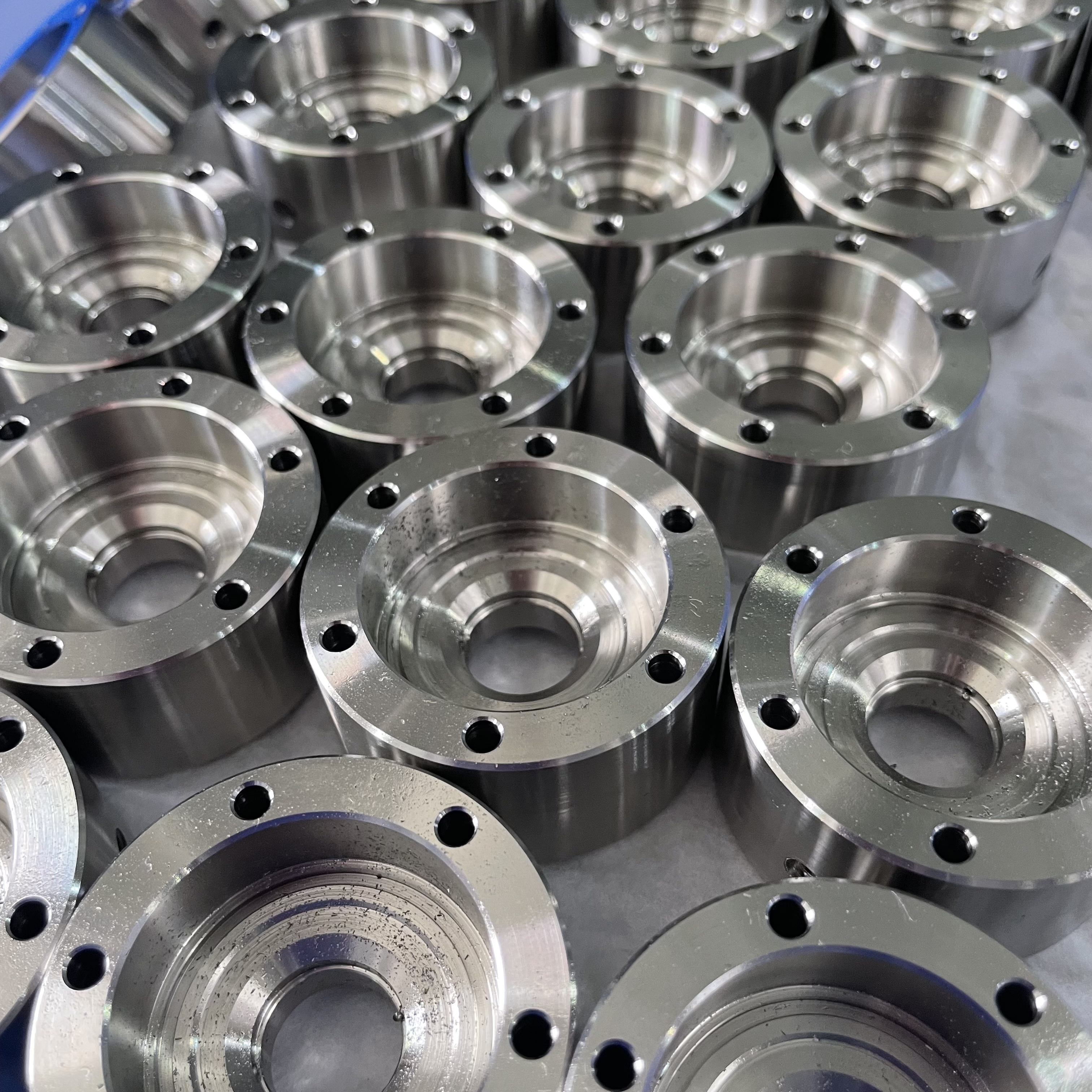
Your prototype holds unparalleled significance, and we deeply value its uniqueness. Collaborating with you during the preparation phase for running your prototype or parts is a commitment we gladly embrace. Whether it's a single part or a complex assembly, we are dedicated to selecting the optimal tools and pathways to bring your envisioned product to life.
At Precision Fab CNC Machining, we specialize in producing parts for prototypes, short runs, and high-volume production. Our prototyping machine capabilities extend across metal, plastic, and wood machining, with welding fabrication services available to complement and finalize your prototype if required.
Address
Address: Room320 10F, Building A,Nanshan international building, Dayawan District, Huizhou, Guangdong, 516001 China
Contacts
billy@timaycnc.com