How CNC Machining Powers the Aerospace Industry in 2025

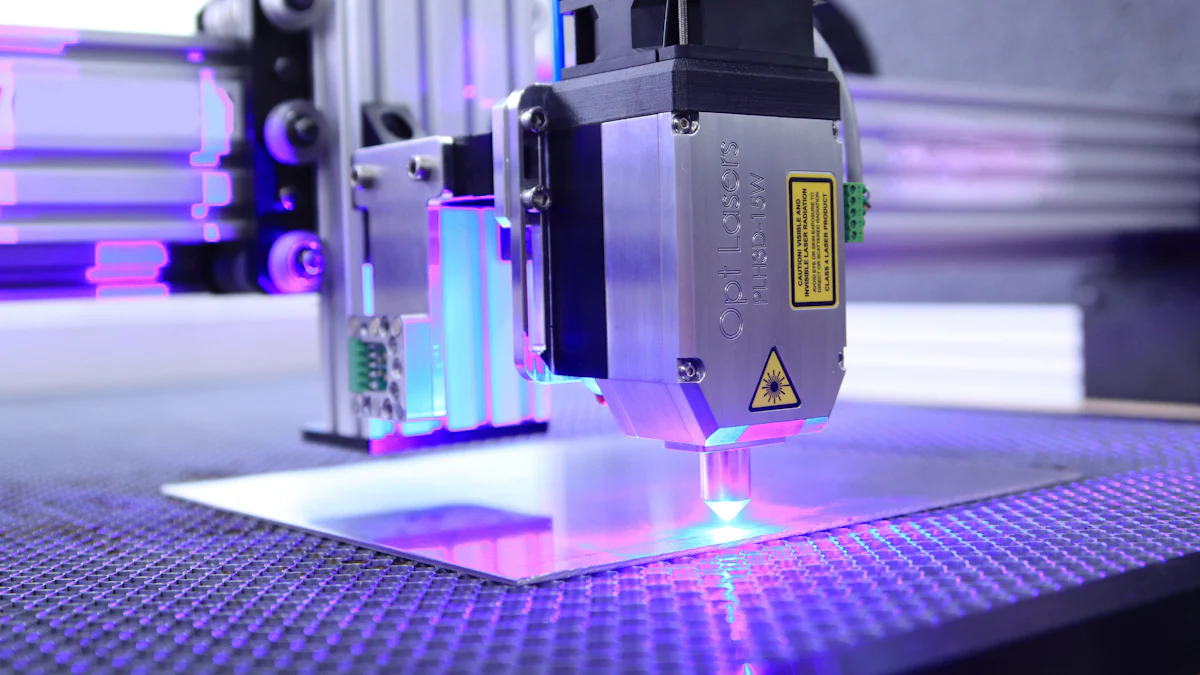
CNC machining drives innovation in the aerospace industry by delivering unmatched precision and efficiency. You can rely on CNC systems to produce lightweight, error-free components, from turbine blades to structural parts. Advanced technologies like AI and multi-axis machining ensure consistent quality, enabling manufacturers to meet strict safety standards while reducing waste and production costs.
Key Takeaways
CNC machining provides high accuracy and speed, important for making safe airplane parts.
Adding AI to CNC machines improves work by making processes faster and cutting delays.
5-axis machining helps make detailed shapes, saves time, and keeps parts more exact for airplanes.
The Importance of Precision in Aerospace
Why Precision is Critical in Aerospace Manufacturing
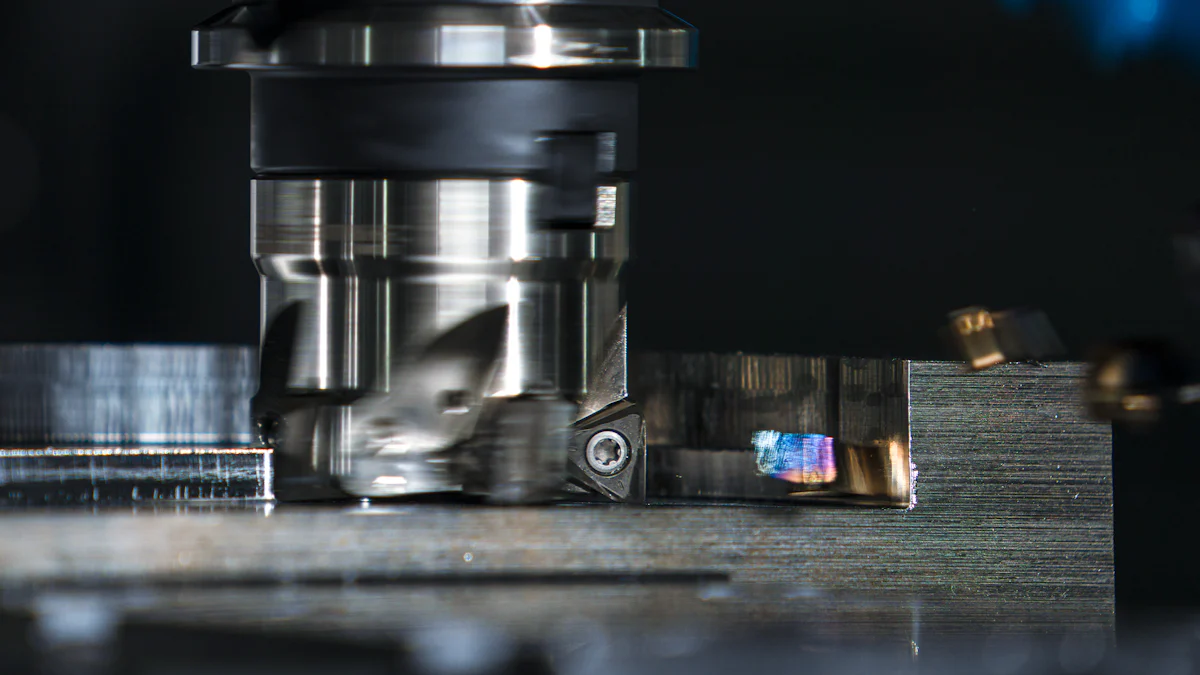
Precision is the backbone of the aerospace industry. You cannot afford even the smallest errors when manufacturing components for aircraft or spacecraft. Minor inaccuracies can lead to catastrophic failures, risking the safety of passengers, crew, and equipment. For example:
Tight tolerances are essential to ensure components fit and function perfectly.
Without reliable measurement tools, deviations can occur, leading to costly mistakes or safety issues.
The industry’s strict standards demand exacting tolerances to maintain safety and performance.
Precision also impacts costs. Tighter tolerances increase manufacturing expenses, but they are necessary to meet the high safety and reliability standards of aerospace. Efficiently managing these costs is crucial for staying competitive.
Challenges in Producing Complex Aerospace Components
Creating aerospace components is no easy task. You face challenges like:
Complex designs that traditional machining methods cannot handle.
Achieving near-zero tolerances as designs grow more intricate.
For instance, machining large parts with thin walls can cause residual stresses, leading to deformation. Additionally, research and development uncertainties often delay progress and increase costs. These challenges highlight the need for advanced solutions like CNC machining.
How CNC Machining Ensures Accuracy and Consistency
CNC machining addresses these challenges with its unmatched precision and efficiency. It allows you to produce intricate designs with tight tolerances, ensuring safety and performance. Technologies like Computer-Aided Manufacturing (CAM) optimize operations, while automated quality control systems monitor dimensions in real time.
Here’s how specific CNC technologies ensure accuracy:
Technology/Process | Description |
|---|---|
Carbide and Ceramic Tools | Maintain sharp edges at high temperatures for consistent results. |
Digital Twin Technology | Creates virtual models for real-time monitoring, reducing defects. |
Automated Quality Control | Uses sensors to ensure dimensions and surface quality meet exacting standards. |
By leveraging these technologies, you can produce reliable CNC machined parts for critical aerospace applications like landing gear and engine components.
Key Advancements in CNC Machining for Aerospace in 2025
AI Integration and Smart CNC Systems
Artificial Intelligence (AI) is revolutionizing CNC machining in the aerospace industry. You can now rely on AI-powered systems to enhance precision and efficiency. These systems analyze vast datasets to optimize machining processes, reducing cycle times and improving product quality.
AI also enables real-time monitoring through digital twins. By predicting maintenance needs, you can minimize downtime and avoid costly equipment failures. Additionally, AI-driven path optimization reduces unnecessary tool movements, cutting machining time and conserving energy. This not only boosts productivity but also supports sustainable manufacturing practices.
With AI, CNC machining achieves higher accuracy and consistency, ensuring that aerospace components meet strict safety and performance standards. As AI technologies like machine learning evolve, you can expect even greater automation and optimization in CNC processes.
The Role of 5-Axis Machining in Complex Part Production
5-axis machining has become indispensable for producing complex aerospace components. This advanced technology allows cutting operations along multiple axes simultaneously, enabling you to create intricate geometries on a single machine. By reducing the need for reconfiguration, 5-axis machining saves time and ensures tighter tolerances.
You can also achieve premium finishes and precise angles that were previously impossible with traditional 3-axis machining. This capability is especially valuable for manufacturing engine components and structural parts, where high precision is critical. While integrating 5-axis machining may require specialized tooling and programming, its benefits far outweigh the challenges.
Material Innovations for Aerospace Applications
The aerospace industry continues to adopt advanced materials to improve performance and efficiency. Aluminum alloys are widely used for their cost-effectiveness and mechanical properties, making them ideal for fuselage parts. Titanium, known for its strength and low density, is perfect for engine components. Stainless steel alloys provide durability in high-stress applications, while high-performance plastics offer lightweight and corrosion-resistant solutions for cabin interiors.
CNC machining excels at working with these materials, allowing you to create robust yet lightweight components. By leveraging CNC technology, you can produce parts with complex geometries that optimize strength-to-weight ratios. This ensures that aerospace components deliver high performance without compromising durability.
Real-World Applications of CNC Machining in Aerospace
CNC-Machined Engine Components
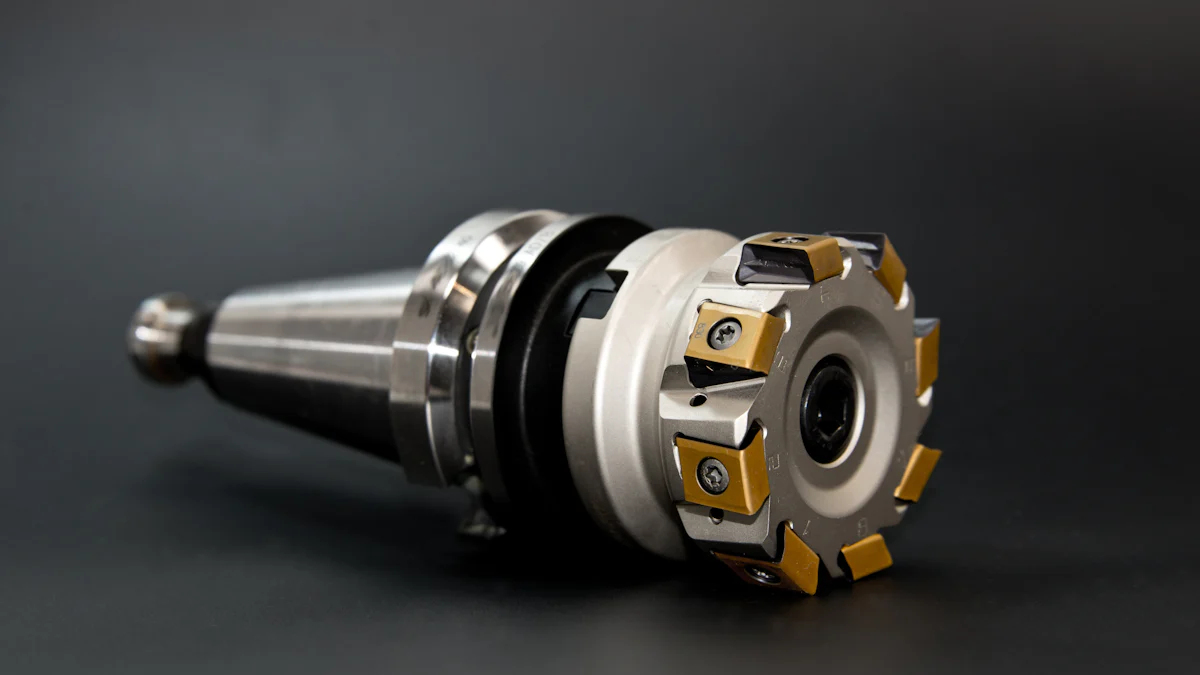
CNC machining plays a vital role in producing engine components that meet the aerospace industry's stringent standards. You can rely on CNC systems to manufacture parts like turbine blades, combustion chambers, engine mounts, and engine pylons. These components demand extreme precision to ensure optimal performance and safety. For example:
Turbine blades require tight tolerances to maintain efficiency under high temperatures and pressures.
Combustion chambers must be crafted with accuracy to handle intense heat during operation.
By using CNC machining, you can achieve the intricate geometries and surface finishes necessary for these critical parts, ensuring reliability and durability.
Landing Gear and Structural Parts
Landing gear must endure immense stress during takeoff and landing while maintaining weight efficiency. CNC machining allows you to create robust yet lightweight components using materials like titanium and aluminum. This technology ensures precision and reliability, producing parts with tight tolerances and high repeatability. Complex geometries, essential for structural integrity, are easily achieved with CNC systems. By minimizing defects, CNC machining enhances the durability and performance of landing gear and structural parts, making them ideal for aerospace applications.
Satellite and Rocket Components
CNC machining is indispensable for manufacturing satellite and rocket components. You can use it to craft propulsion system elements, nozzles, and thrust chambers with ultra-fine tolerances. The technology handles advanced materials like titanium and aerospace-grade aluminum, ensuring strength without adding unnecessary weight. CNC machining also enables the creation of intricate designs required for advanced aerospace components, from life support systems to engine parts. Its scalability supports both prototyping and mass production, making it a versatile solution for space missions.
Case Study: CNC Machining in SpaceX's Rocket Engine Production
SpaceX relies heavily on CNC machining to produce its rocket engines. Techniques like 5-axis machining allow you to create complex geometries in a single setup, reducing production time and improving accuracy. CNC systems handle heat-resistant alloys, ensuring components withstand the extreme conditions of rocket launches. By achieving tight tolerances and intricate designs, CNC machining supports SpaceX's mission to innovate and lead in aerospace manufacturing.
CNC machining remains a cornerstone of aerospace manufacturing in 2025. Its ability to produce high-precision, lightweight, and durable components ensures safety and performance.
The integration of additive manufacturing with CNC machining enables the creation of intricate parts, reducing waste and production time.
To stay competitive, you must explore CNC solutions that align with evolving aerospace demands.
FAQ
What makes CNC machining essential for aerospace manufacturing?
CNC machining ensures precision, reliability, and efficiency. You can produce complex, lightweight components with tight tolerances, meeting the aerospace industry's strict safety and performance standards.
Can CNC machining handle advanced aerospace materials?
Yes, CNC machining works with materials like titanium, aluminum alloys, and high-performance plastics. It allows you to create durable, lightweight parts optimized for aerospace applications.
How does 5-axis machining benefit aerospace production?
5-axis machining creates intricate geometries in a single setup. You save time, reduce errors, and achieve the precision needed for critical aerospace components like turbine blades and structural parts.
💡 Tip: Explore CNC solutions with AI integration to further enhance your aerospace manufacturing capabilities.
See Also
Discovering CNC Machining's Role in Aerospace Precision Engineering
CNC Precision Machining: Benefits and Emerging Trends Ahead
Streamlined CNC Machining Solutions for Accurate Manufacturing Needs
CNC Machining Innovations Revolutionizing High-Quality Manufacturing Processes
Investigating CNC Machining Offerings for Precision Production
About US
Follow Us
Your prototype holds unparalleled significance, and we deeply value its uniqueness. Collaborating with you during the preparation phase for running your prototype or parts is a commitment we gladly embrace. Whether it's a single part or a complex assembly, we are dedicated to selecting the optimal tools and pathways to bring your envisioned product to life.
At Precision Fab CNC Machining, we specialize in producing parts for prototypes, short runs, and high-volume production. Our prototyping machine capabilities extend across metal, plastic, and wood machining, with welding fabrication services available to complement and finalize your prototype if required.
Address
Address: Room320 10F, Building A,Nanshan international building, Dayawan District, Huizhou, Guangdong, 516001 China
Contacts
billy@timaycnc.com