CNC Machining for Aluminum Parts That Meet Industry Standards

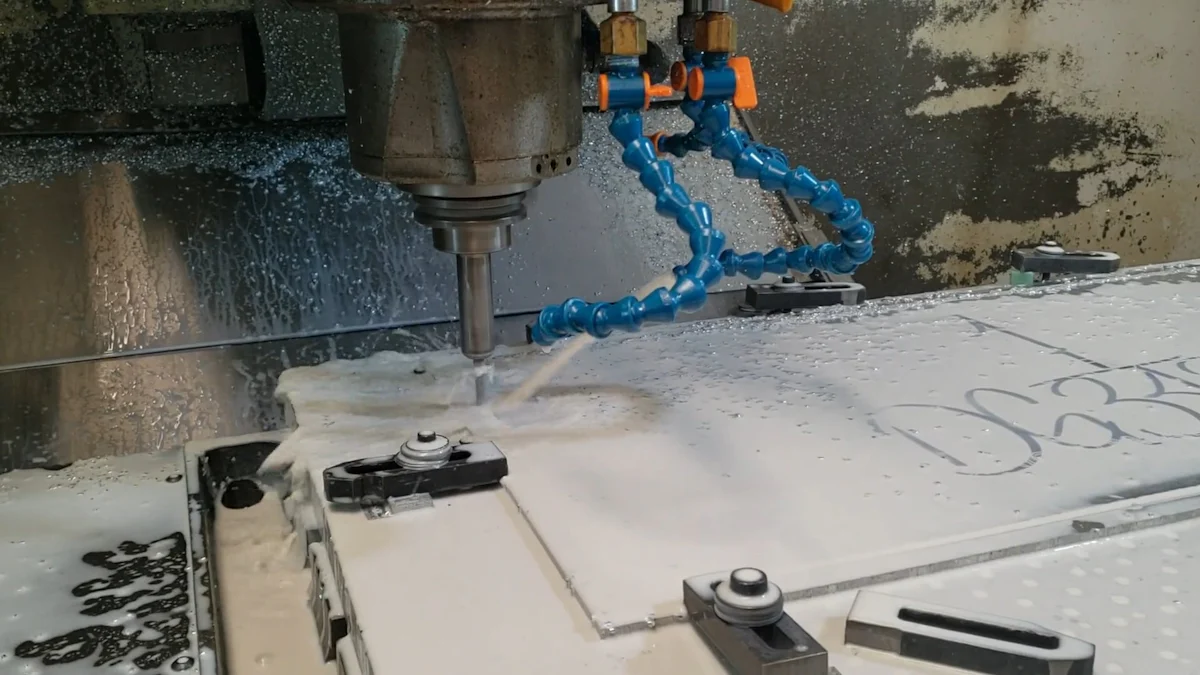
CNC machining plays a vital role in creating high-precision aluminum parts for industries that demand accuracy and reliability. Its efficiency and precision have made it a preferred choice across sectors like aerospace, electronics, and automotive. The global CNC machining market is projected to grow at a CAGR of 6.8%, reaching USD 129.9 billion by 2027. This growth reflects its importance in meeting strict industry standards.
Aluminum stands out as a material due to its lightweight nature and high strength-to-weight ratio. These properties improve fuel efficiency and reduce costs in aerospace applications. Its corrosion resistance ensures durability in harsh environments, making it ideal for critical components like aircraft fittings and engine parts.
Key Takeaways
CNC machining is important for making accurate aluminum parts. These parts are needed in industries like airplanes and cars.
Picking the right aluminum type improves performance. Look at features like strength and rust resistance for your needs.
Following rules like ISO 9001 and AS9100 keeps parts reliable and high-quality.
Using smart methods, like simple designs and less waste, lowers costs a lot.
Working with skilled CNC machining companies helps make better products and ensures great results.
Overview of CNC Machining for Aluminum Parts
Defining CNC Machining
CNC machining is a manufacturing process that uses computer-controlled tools to shape materials like aluminum into precise components. You can rely on this technology to achieve high accuracy and repeatability, which are essential for industries requiring tight tolerances. The process involves three main techniques: milling, turning, and drilling. Milling removes material from an aluminum workpiece using rotary cutters, allowing you to create complex shapes. Turning rotates a cylindrical workpiece while a cutting tool removes material, making it ideal for symmetrical parts. Drilling uses a rotating tool to create holes with exceptional precision. These processes ensure that aluminum parts meet the exact specifications required for their applications.
Advantages of Aluminum in CNC Machining
Aluminum offers several benefits when used in CNC machining. Its lightweight nature makes it easier to handle during manufacturing, reducing production time and costs. The material's excellent machinability allows you to achieve tight tolerances without compromising efficiency. Aluminum also resists corrosion, ensuring durability in harsh environments. This makes it a preferred choice for industries like aerospace and automotive, where components must withstand extreme conditions. Additionally, aluminum's high thermal conductivity helps dissipate heat, which is crucial for parts like engine components and electronic housings.
Industry Standards and Their Importance
Meeting industry standards is critical in CNC machining. Certifications like ISO 9001 and AS9100 ensure that your manufacturing processes comply with strict quality and safety requirements. These standards reduce errors and improve the reliability of your aluminum parts. For example, ISO focuses on enhancing quality and performance, while ASTM specifies material testing methods. ASME establishes guidelines for engineering documents and surface textures, and SAE provides standards for automotive and aerospace applications. Industries such as aerospace, automotive, and marine rely heavily on these standards to produce high-quality aluminum parts. By adhering to these certifications, you can enhance your competitiveness and meet the demands of specialized markets.
Key Design Considerations
Tolerances and Precision in Design
When designing aluminum parts for CNC machining, achieving high accuracy is essential. You must consider tolerances carefully to ensure the parts meet functional and aesthetic requirements. Precision machining allows you to maintain tight tolerances, which are critical for industries like aerospace and automotive. Using advanced CNC machinery equipped with tools like coordinate measuring machines (CMM) and laser scanners ensures consistent dimensional accuracy. Regular calibration of your CNC machines also helps maintain quality over time.
Here’s a quick reference for typical tolerance levels in CNC machining:
Tolerance Type | Value (inches) | Value (mm) |
|---|---|---|
Standard Machining Tolerance | +/- 0.005 | +/- 0.13 |
Precision Machining Tolerance | +/- 0.002 | +/- 0.051 |
Reamed Holes | +/- 0.0005 | +/- 0.0127 |
Feature Locations | +/- 0.002 | +/- 0.051 |
By adhering to these tolerances, you can ensure your aluminum parts meet strict industry standards and perform reliably in their applications.
Wall Thickness and Structural Features
Wall thickness plays a significant role in the structural integrity of CNC machined aluminum parts. You need to balance thickness with design requirements to optimize performance and cost-effectiveness. Thin walls can reduce weight but may compromise strength and dimensional accuracy. On the other hand, overly thick walls can increase material waste and machining time.
Understanding the properties of aluminum alloys is crucial when machining thin-wall components. These properties affect machining precision and surface quality. Tailoring your machining techniques can help prevent issues like deformation or warping, which are critical for maintaining structural integrity. For optimal results, aim for a design that balances strength, functionality, and manufacturability.
Designing for Complex Features and Undercuts
Creating complex features and undercuts in aluminum parts can be challenging. Undercuts, for example, are areas that standard machining tools cannot access due to surrounding material. These features often increase production time and costs. Internal geometries with tight tolerances also pose difficulties during machining.
To overcome these challenges, you can redesign features to avoid deep undercuts or consider angled pockets and external features for better tool access. Simplifying geometries or increasing tolerances for internal features can also improve manufacturability. For intricate designs, consulting with experienced machinists ensures feasibility and helps identify alternatives. By addressing these challenges early in the design phase, you can streamline the CNC machining process and achieve high-quality results.
CNC Machining Processes and Techniques
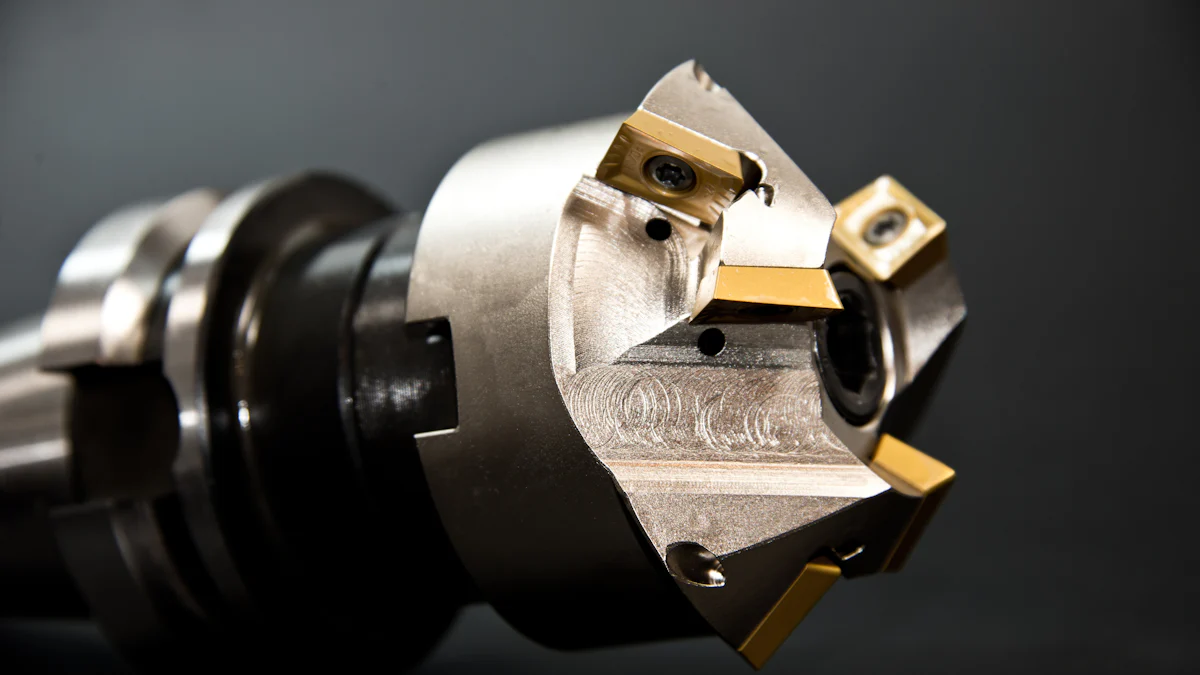
3-Axis vs. 5-Axis CNC Machining
Understanding the differences between 3-axis and 5-axis CNC machining helps you choose the right method for your project. A 3-axis machine moves along three linear axes (X, Y, and Z). It works well for simpler geometries and provides good efficiency and accuracy. However, it requires manual rotation of the workpiece to access multiple sides, which can slow down the cnc machining process.
In contrast, 5-axis CNC machining offers advanced capabilities. It moves along five axes, including two rotational axes, allowing you to machine custom parts from all sides without manual intervention. This method increases freedom of movement, enabling faster production of larger or more complex components. It also delivers excellent precision and efficiency.
Factor | 3-Axis | 5-Axis |
|---|---|---|
Efficiency | Good | Excellent, quick |
Accuracy | Good | Excellent |
By choosing 5-axis CNC machining, you can achieve higher yields and reduce production time for intricate designs.
Handling Undercuts in the CNC Machining Process
Undercuts often present challenges during the cnc machining process. These features require careful planning to ensure successful production. Start by incorporating undercuts into your design early and confirming their feasibility. Use extended-length tools and ensure clear tool paths to improve accessibility. Employ rigid setups and shorter tools to minimize deflection.
Flexible tooling solutions, such as modular systems, can adapt to complex geometries. Running simulations with CAD/CAM software helps you verify tool paths and avoid errors. Tailor cutting speeds and feeds based on the material and geometry to optimize performance. Regularly inspect tools to maintain their condition and ensure consistent results. By following these cnc machining techniques, you can handle undercuts effectively and produce high-quality custom parts.
Surface Finishing Techniques for Aluminum Parts
Surface finishing enhances the performance and appearance of aluminum parts. Anodizing increases the thickness of the natural oxide layer, improving corrosion resistance and durability. It also allows for color customization and enhances hardness, making it ideal for aerospace and automotive applications.
Powder coating provides a smooth, durable finish resistant to scratches and chipping. It works well for exterior components like automotive parts due to its weather-resistant properties. Sandblasting cleans and textures the surface, creating a matte finish that improves coating adhesion. Chrome plating adds a shiny, protective layer, enhancing both aesthetics and corrosion resistance.
These cnc machining techniques ensure your aluminum parts meet functional and aesthetic requirements, making them suitable for demanding environments.
Material Selection and Treatments
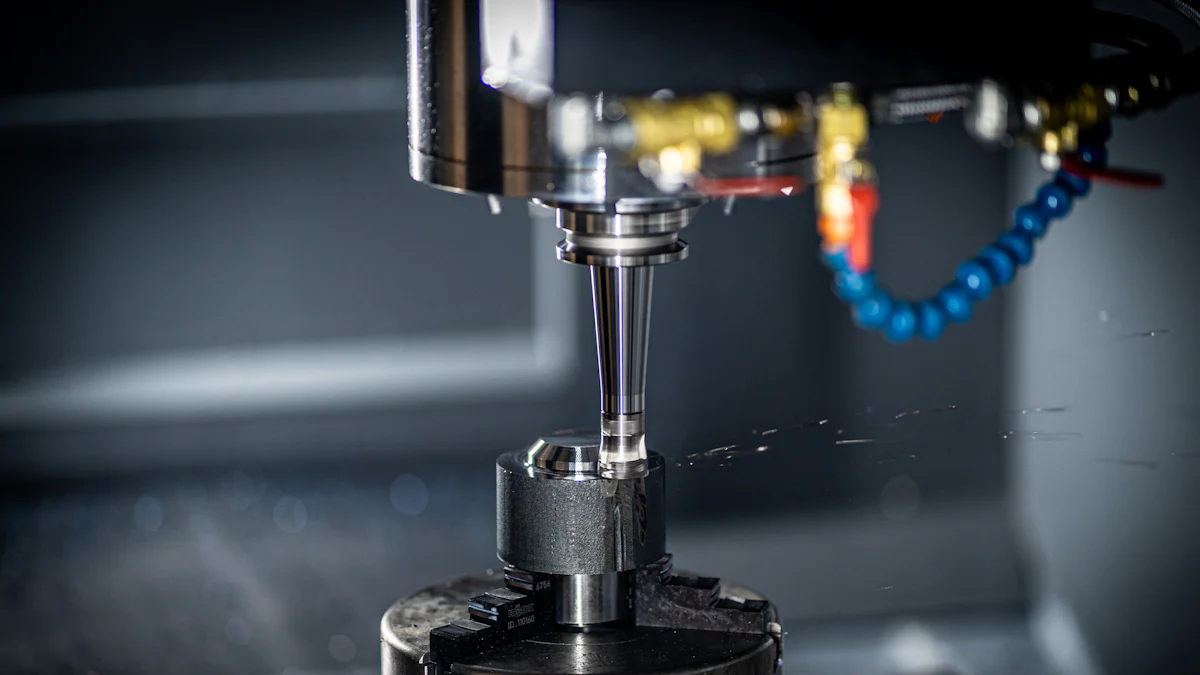
Choosing Aluminum Alloys for CNC Machining
Selecting the right aluminum alloy is crucial for achieving optimal results in cnc machining. Each alloy offers unique properties suited to specific applications.
Aluminum 2024 provides high strength and fatigue resistance, making it ideal for aerospace components.
Aluminum 6061 combines good strength, corrosion resistance, and machinability, making it versatile for automotive and aerospace uses.
Aluminum 7075 delivers exceptional strength, perfect for high-stress applications in aerospace and military sectors.
Aluminum 5052 excels in corrosion resistance, making it suitable for marine environments.
Aluminum 3003 offers excellent formability and corrosion resistance, often used in storage tanks and chemical equipment.
When choosing an alloy, consider the specific requirements of your project, such as strength, corrosion resistance, or machinability. This ensures your aluminum parts meet both functional and industry standards.
Anodizing for Durability and Aesthetics
Anodizing enhances the durability and appearance of aluminum parts. This process creates a protective aluminum oxide layer that resists corrosion and wear. The anodized surface becomes harder than the base metal, extending the lifespan of your components.
The porous nature of the anodized layer allows for dye incorporation, offering a wide range of color options. Unlike traditional coatings, anodizing chemically transforms the surface, ensuring a long-lasting finish. This makes it an excellent choice for applications requiring both durability and aesthetic appeal, such as aerospace and automotive parts.
By anodizing your aluminum parts, you can achieve a balance of functionality and visual appeal, ensuring they perform well in demanding environments.
Heat Treatment for Strength and Performance
Heat treatment significantly improves the strength and performance of aluminum parts. This process increases tensile strength, making the material more resistant to wear. It also enhances malleability, allowing you to create complex shapes without cracking.
Heat-treated aluminum offers rigidity comparable to steel, making it suitable for applications requiring structural integrity. Additionally, it improves corrosion resistance by enhancing the oxide layer, ensuring your parts withstand environmental stress. This treatment is particularly beneficial for aerospace and automotive components, where strength and durability are critical.
Incorporating heat treatment into your cnc machining process ensures your aluminum parts meet the highest performance standards.
Quality Assurance in CNC Machining
Geometric Dimensioning and Tolerancing (GD&T)
Geometric Dimensioning and Tolerancing (GD&T) provides a standardized way to communicate design requirements in cnc machining. It uses symbols to define allowable variations in the form, orientation, and location of features on a part. This system ensures that your design intent is clear and functional interfaces are properly tolerated.
GD&T improves communication between designers and machinists, reducing errors.
It focuses on functional aspects of parts, ensuring they meet performance needs.
Proper use of GD&T enhances quality while reducing delivery time and costs.
By applying GD&T, you can achieve consistent results and maintain high precision. This approach is especially critical in aerospace cnc machining, where even minor deviations can compromise safety and performance.
Inspection Tools and Methods
Inspection ensures that cnc machining processes produce parts that meet strict quality standards. You can use various tools and methods to verify dimensions, surface quality, and structural integrity.
Dimensional Inspection: Tools like calipers and coordinate measuring machines (CMM) measure dimensions such as length, width, and hole diameters.
Surface Quality Inspection: Visual or tactile methods assess surface roughness and detect defects.
Structural Integrity Inspection: Non-destructive testing (NDT) techniques, such as ultrasonic testing, identify internal flaws.
Material Composition Testing: Chemical analysis confirms that the material meets specifications.
Mechanical Performance Testing: Tests like tension and compression evaluate the part's strength and durability.
Heat Treatment and Coating Inspection: These methods ensure compliance with specified processes.
Using these inspection techniques, you can maintain the quality and reliability of your aluminum parts, especially in demanding industries like aerospace cnc machining.
Ensuring Compliance with Aerospace CNC Machining Standards
Compliance with aerospace cnc machining standards is essential for producing safe and reliable components. Certifications like AS9100 set stringent requirements for quality management systems. This standard emphasizes risk management, product traceability, and process validation. It also ensures that every part meets the rigorous demands of the aerospace industry.
To achieve compliance, you should:
Develop a robust Quality Management System (QMS).
Train your team on aerospace quality expectations.
Conduct regular internal audits to identify and address gaps.
Engage certified auditors for comprehensive assessments.
Standards like ISO 9001, FAA certifications, and NADCAP further enhance your ability to meet aerospace cnc machining requirements. By adhering to these guidelines, you can ensure your parts meet the highest safety and performance standards.
Best Practices for Cost-Effective CNC Machining
Optimizing Designs for Manufacturability
To achieve cost-effective CNC machining, you must prioritize design for manufacturing. This approach ensures your designs are practical and efficient to produce. Start by simplifying part designs. Reducing complexity minimizes machining steps and shortens production time. Focus on geometries that are easy to machine and select materials that balance cost with functionality. For example, machinable aluminum alloys like 6061 or 7075 can reduce costs while maintaining performance.
Using standardized components also lowers expenses. Standard parts simplify assembly and reduce the need for custom machining. Efficient tooling strategies, such as optimizing tool paths and selecting durable tools, further decrease machine wear and production time. Adjusting tolerances to meet functional requirements without over-specifying can also save costs. By implementing these strategies, you can streamline manufacturing and improve overall efficiency.
Minimizing Material Waste
Reducing material waste is another key to cost-effective CNC machining. Efficient material usage begins with reusing materials and adopting closed-loop systems. For instance, recycling aluminum scraps from previous projects can lower costs and support sustainability. Adaptive cutting techniques, such as optimizing tool paths, help minimize waste by ensuring precise cuts.
Laser cutting offers high-speed, accurate results with smaller cut widths, reducing material usage. Additionally, adopting circularity in manufacturing by recycling components and reusing materials makes production more sustainable. These practices not only reduce waste but also enhance the cost-effectiveness of your CNC machining processes.
Partnering with Expert CNC Machining Providers
Collaborating with experienced CNC machining providers can significantly improve your manufacturing outcomes. These experts deliver precise measurements and tight tolerances, ensuring minimal defects. They also offer faster design iterations and prototype testing, allowing you to bring products to market quickly.
Expert providers give you access to advanced post-processing options like anodizing and sandblasting, enhancing both functionality and aesthetics. Their comprehensive services, including prototyping, assembly, and finishing, save you time and money. Additionally, their strong supplier relationships ensure high-quality services at competitive prices. By partnering with skilled providers, you can focus on innovation while achieving cost-effective manufacturing.
CNC machining plays a pivotal role in producing aluminum parts that meet industry standards. It ensures high precision, efficiency, and flexibility, making it indispensable for industries like aerospace and automotive. By focusing on effective design, you can optimize material removal rates, enhance tool accessibility, and maintain part rigidity. This approach, combined with careful material selection and rigorous quality assurance, guarantees that your components meet strict specifications and tolerances.
Adopting best practices, such as simplifying designs, using standardized components, and selecting cost-effective materials, further enhances manufacturing efficiency. Partnering with experienced providers and leveraging advanced technologies ensures you achieve high-quality results while controlling costs. By implementing these strategies, you can streamline production and maintain a competitive edge.
FAQ
What industries benefit the most from CNC machining of aluminum parts?
CNC machining of aluminum parts benefits industries like aerospace, automotive, electronics, and marine. You can rely on it for high-precision components, such as aircraft fittings, engine parts, and electronic housings. Its ability to meet strict standards makes it ideal for critical applications.
How do you choose the right aluminum alloy for CNC machining?
You should consider the specific requirements of your project. For example, choose Aluminum 6061 for versatility, 7075 for strength, or 5052 for corrosion resistance. Match the alloy’s properties to your application to ensure optimal performance and durability.
What are the advantages of 5-axis CNC machining over 3-axis?
5-axis CNC machining offers greater precision and efficiency. You can machine complex parts from all sides without manual repositioning. This reduces production time and improves accuracy, making it ideal for intricate designs and high-performance components.
Tip: Use 5-axis machining for aerospace or automotive parts requiring tight tolerances and complex geometries.
How does anodizing improve aluminum parts?
Anodizing creates a protective oxide layer on aluminum. This layer resists corrosion and wear, enhancing durability. You can also add color for aesthetic appeal. Anodized parts perform well in harsh environments, making them suitable for aerospace and automotive applications.
What steps ensure quality in CNC machining?
You can ensure quality by using inspection tools like CMMs, applying GD&T standards, and conducting material tests. Regular machine calibration and compliance with certifications like ISO 9001 or AS9100 also maintain high standards.
Note: Quality assurance is critical for industries like aerospace, where precision and reliability are non-negotiable.
See Also
Understanding CNC Precision Machining Requirements for Components
CNC Machining Aluminum Alloys 6061 and 7075: A 2024 Overview
Achieving Mastery in CNC Machining for Precision Components
Streamlined CNC Machining Solutions for Precision Production
Benefits of Utilizing Aluminum CNC Machining Services Explored
About US
Follow Us
Your prototype holds unparalleled significance, and we deeply value its uniqueness. Collaborating with you during the preparation phase for running your prototype or parts is a commitment we gladly embrace. Whether it's a single part or a complex assembly, we are dedicated to selecting the optimal tools and pathways to bring your envisioned product to life.
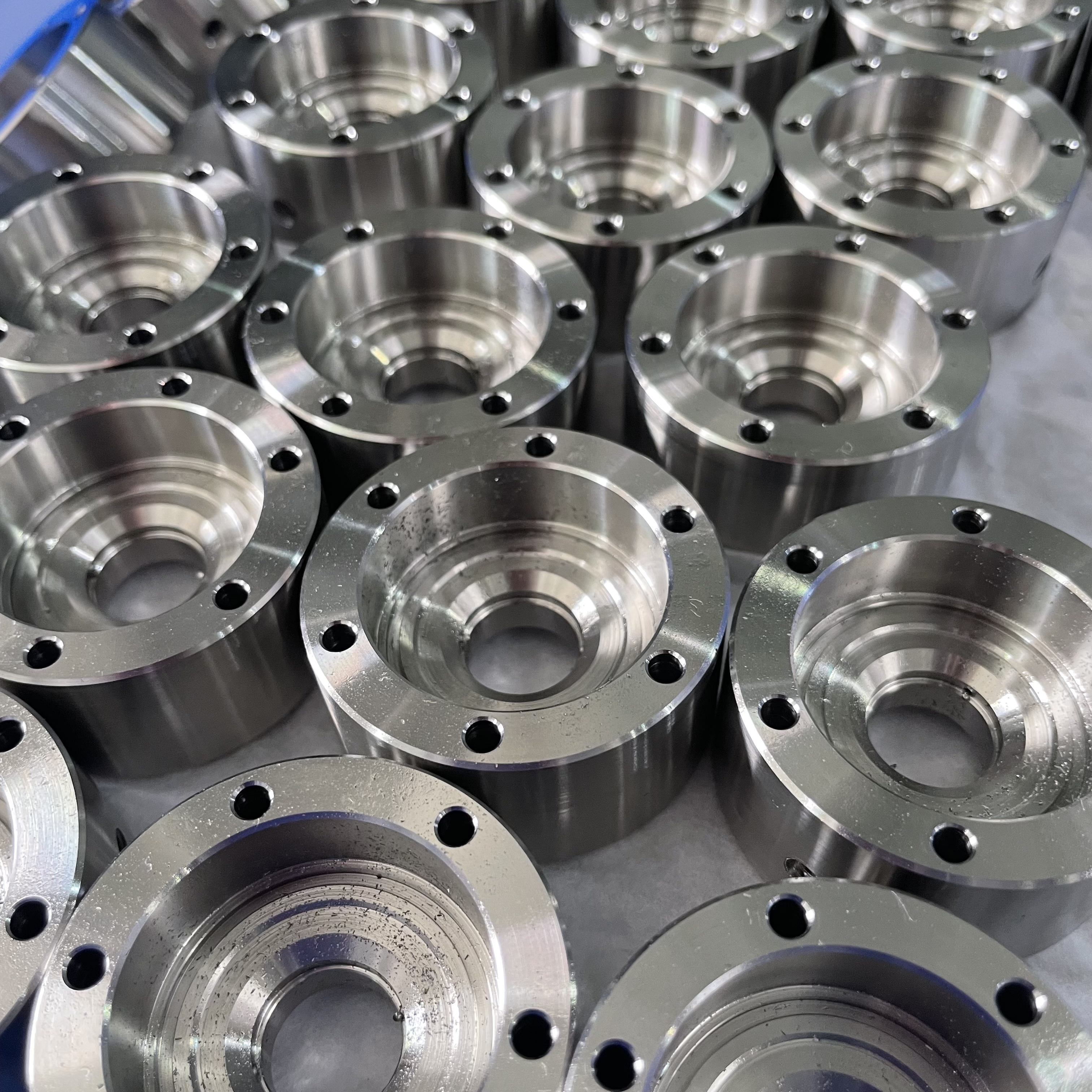
At Precision Fab CNC Machining, we specialize in producing parts for prototypes, short runs, and high-volume production. Our prototyping machine capabilities extend across metal, plastic, and wood machining, with welding fabrication services available to complement and finalize your prototype if required.
Address
Address: Room320 10F, Building A,Nanshan international building, Dayawan District, Huizhou, Guangdong, 516001 China
Contacts
billy@timaycnc.com