How CNC Handles Brittle vs. Ductile Materials

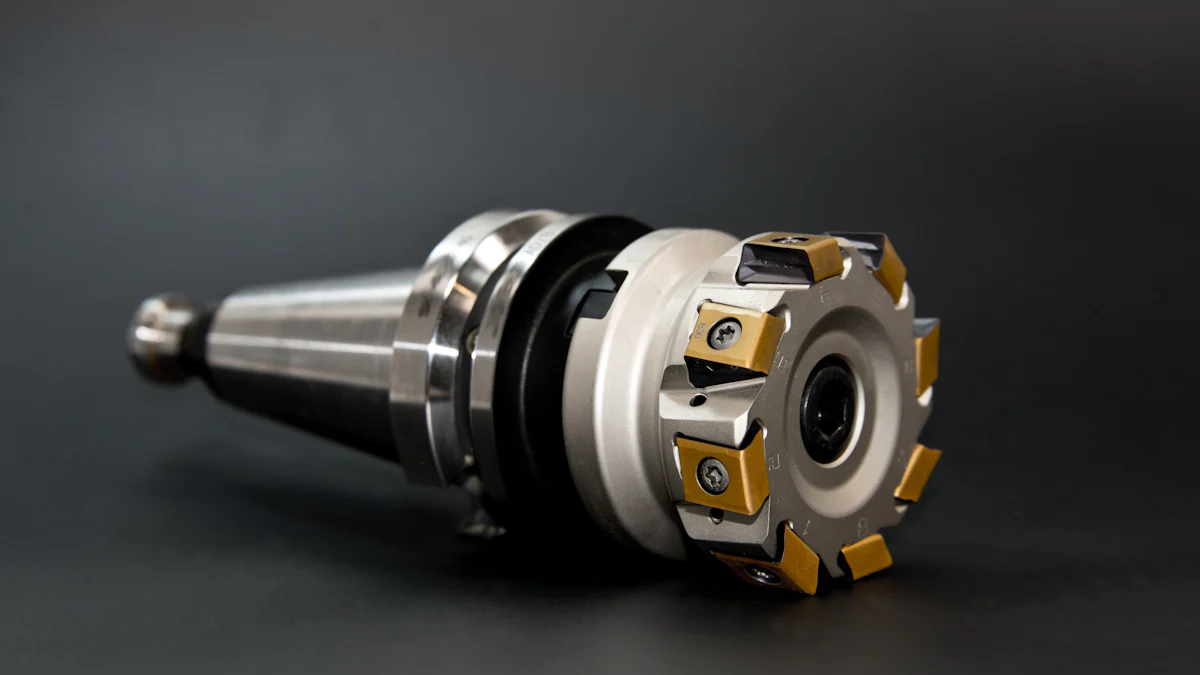
CNC machining adapts to the unique properties of brittle and ductile materials to ensure precision and efficiency. Brittle materials resist plastic deformation and often fracture under stress, creating fragmented chips that complicate removal and increase tool damage risks. Ductile materials, on the other hand, deform significantly before fracturing, forming smoother chips but causing rapid tool wear due to material adhesion. You must carefully manage cutting speeds, feed rates, and tool selection to address these challenges. Understanding how each material behaves during machining helps you optimize processes and achieve high-quality results.
Key Takeaways
Learn how brittle and ductile materials behave. Brittle materials break easily, but ductile ones bend a lot before breaking.
Pick the right tools for each material. Use strong, sharp tools like diamond or CBN for brittle materials. For ductile materials, choose tools that last long and handle heat well.
Change cutting speeds based on the material. Go slower with brittle materials to stop cracks. Use faster speeds for ductile materials to work quicker.
Handle chips properly. Brittle materials make small, broken chips that need careful cleaning. Ductile materials make long chips that can tangle tools, so use chip breakers.
Take care of tools and use software to plan. This keeps tools working well and helps improve machining for both brittle and ductile materials.
Characteristics of Brittle and Ductile Materials
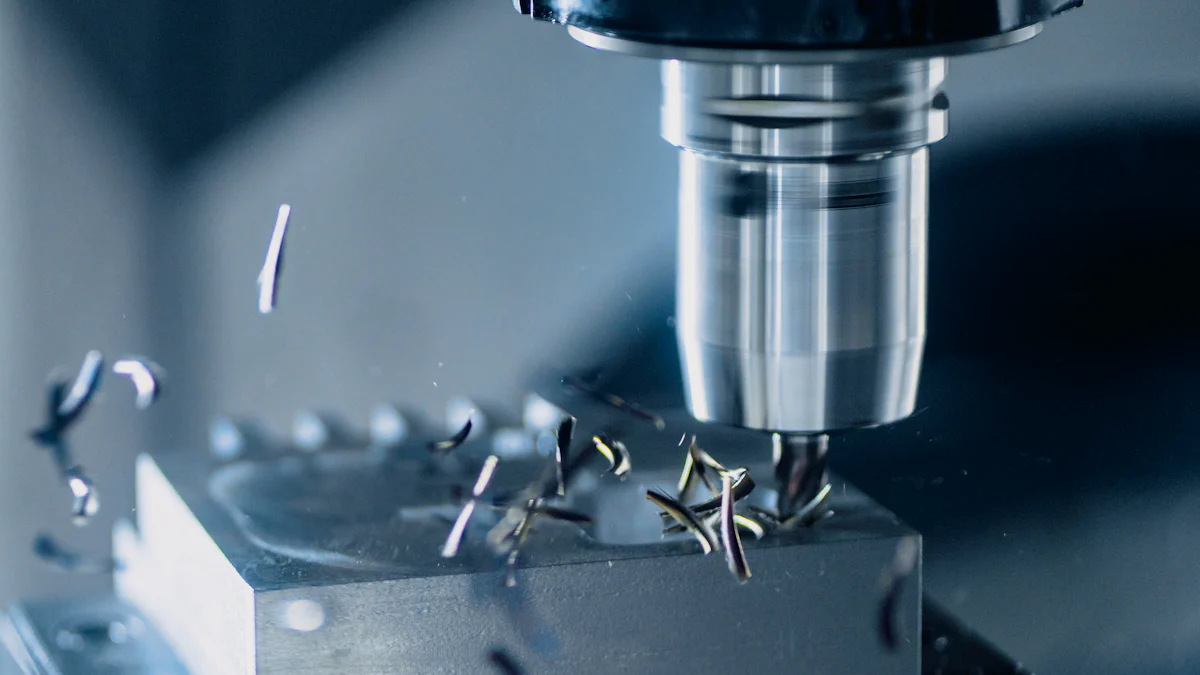
Defining Brittle Materials
Mechanical properties of brittle materials
Brittle materials exhibit unique mechanical properties that influence how they behave during CNC machining. These materials break with minimal deformation under stress, making them challenging to work with. Unlike ductile materials, they absorb very little energy before fracturing. Their fracture surfaces are sharp and sudden, reflecting their inability to stretch or bend. This behavior stems from their atomic structure, which often includes ionic or covalent bonds that restrict atom movement. You must account for these properties when machining brittle materials to avoid cracks or fractures.
Examples of brittle materials in CNC machining
In CNC machining, brittle materials often include ceramics, glass, and certain hard plastics. Ceramics, such as alumina and silicon carbide, are used in applications requiring high wear resistance. Glass is commonly machined for optical components and electronics. Hard plastics, like acrylic and polycarbonate, are also brittle and require careful handling to prevent chipping. These materials demand precision and specific techniques to maintain their structural integrity during machining.
Defining Ductile Materials
Mechanical properties of ductile materials
Ductile materials stand out for their ability to deform significantly before breaking. They absorb a large amount of energy during deformation, making them more forgiving during machining. Their fracture behavior is gradual, often accompanied by necking, which allows you to predict and control the process better. This ductility results from their metallic bonds, which enable atoms to move freely. The stress-strain curve of ductile materials shows a clear yield point, highlighting their capacity for plastic deformation. Measuring ductility helps you understand how much a material can stretch without breaking, which is crucial for optimizing machining strategies.
Examples of ductile materials in CNC machining
Ductile materials are widely used in CNC machining due to their versatility and ease of shaping. Common examples include copper alloys like Copper Alloy 101 and 110, which are ideal for electronic components due to their high ductility and conductivity. Brass, including 360 Brass, is another popular choice for its machinability and corrosion resistance, making it suitable for plumbing and medical applications. Steel variants, such as low carbon steel and alloy steel, are frequently used for motor shafts, fixtures, and industrial components. These materials allow you to achieve precise results while managing challenges like tool wear and heat generation.
CNC Machining Challenges for Brittle Materials
Tool Selection
Importance of sharp, durable tools
When machining brittle materials, tool selection plays a critical role in preventing breakage and ensuring precision. You need sharp, durable tools to minimize cutting forces and reduce the risk of brittle fracture. Sharp tools create clean cuts, reducing stress on the material. Durable tools, such as those made from diamond or cubic boron nitride (CBN), withstand the high hardness of brittle materials without wearing out quickly. These tools also allow for ductile machining methods, which promote localized plastic deformation at the tool-workpiece interface. This approach minimizes surface and sub-surface damage, especially for materials like glass, where the critical depth of cut for brittle fracture can be as low as 10 to 100 nanometers.
Tool materials suited for brittle materials
The material and geometry of the tool significantly influence machining outcomes. Tools made from diamond or CBN are ideal for brittle materials due to their hardness and thermal conductivity. These tools maintain sharp edges and reduce heat generation during cutting. Proper tool geometry, such as sharp angles, further minimizes cutting forces and prevents fractures. For example, diamond turning experiments on BK7 glass have shown that maintaining a critical depth of cut below 100 nanometers prevents brittle fracture.
Cutting Speeds and Feeds
Why slower speeds are critical
Slower cutting speeds are essential when machining brittle materials. High speeds can generate excessive heat, leading to thermal shock and fractures. By maintaining a low feed rate and spindle speed, you can control the cutting process and avoid sudden breakage. This approach ensures a fine surface finish while reducing stress on the material.
Avoiding excessive force to prevent fractures
Excessive force during machining brittle materials often leads to fractures. Brittle materials lack significant plastic deformation, so they fracture when the applied force exceeds a critical threshold. You can avoid this by carefully monitoring cutting forces and staying within the ductile regime. This method allows localized plastic deformation, reducing the risk of breakage. Identifying the critical load below which no fracture damage occurs is crucial for achieving precision.
Chip Management
Managing fragmented chips
Brittle materials produce fragmented chips during machining, which can complicate chip removal. Proper chip management is necessary to maintain surface integrity and prevent tool damage. Using high-stiffness CNC machines helps control chip thickness, reducing the risk of surface damage. For example, experiments on BK7 glass have shown that keeping chip thickness below 40-70 nanometers prevents damage.
Ensuring clean cuts for surface integrity
Clean cuts are vital for preserving the surface integrity of brittle materials. You can achieve this by maintaining precise cutting parameters and using sharp tools. Coolants and lubricants also play a role in reducing cutting temperatures and improving chip evacuation. This approach ensures a smooth surface finish and minimizes sub-surface damage.
CNC Machining Challenges for Ductile Materials
Tool Wear and Heat Management
How ductile materials cause rapid tool wear
Ductile materials present unique machining challenges due to their tendency to adhere to tool surfaces. This adhesion accelerates tool wear, especially during prolonged operations. The flow of these materials often creates work-hardening layers on the cutting tool, further contributing to wear. To mitigate these effects, you should carefully select tool materials, coatings, and geometries. For example, tools with wear-resistant coatings can reduce friction and extend tool life. Proper lubrication also plays a critical role in minimizing wear and maintaining machining efficiency.
Using coolants and lubricants effectively
Coolants and lubricants are essential for managing heat and reducing friction during machining. Synthetic cutting fluids, which are water-based, provide excellent cooling and lubrication, making them ideal for high-speed operations. Neat oils work well for heavy-duty machining but may not suit materials like copper. Vegetable oils offer an environmentally friendly option but can produce smoke at high temperatures. Semi-synthetic fluids combine the benefits of neat oils and synthetics, offering balanced performance. Selecting the right coolant or lubricant based on the material being machined ensures better heat management and improved tool performance.
Chip Formation and Removal
Managing long, continuous chips
Ductile materials often produce long, continuous chips during machining. These chips can complicate disposal and pose safety risks due to their sharp edges. They may also damage the product if they become entangled with the cutting tool. To address these challenges, you can use chip breakers to encourage self-breaking or forced breaking of chips. This approach simplifies chip removal and reduces the risk of tool damage. Proper chip management ensures smoother operations and enhances the overall machining process.
Preventing chip entanglement and tool damage
Preventing chip entanglement requires a combination of strategies. Lubricants reduce friction, while tool coatings minimize metal-on-metal contact. Coolants lower the temperature, preventing chips from sticking to the tool. Breaking chips into manageable sizes further reduces the risk of entanglement. These methods not only protect the tool but also improve machining efficiency and product quality.
Cutting Speeds and Power Requirements
Higher speeds for ductile materials
Ductile materials allow for higher cutting speeds due to their ability to undergo significant plastic deformation. Faster speeds improve machining efficiency and reduce cycle times. However, you must monitor heat generation closely to avoid tool wear and maintain surface quality. Using synthetic cutting fluids can help manage heat effectively during high-speed operations.
Managing power consumption during machining
Efficient power consumption is crucial when machining ductile materials. Good machinability reduces cycle times, lowering energy usage. Proper lubrication and cooling systems enhance heat removal and prolong tool life, further improving energy efficiency. By optimizing these factors, you can achieve precise results while minimizing power consumption.
Comparing CNC Machining for Brittle vs. Ductile Materials
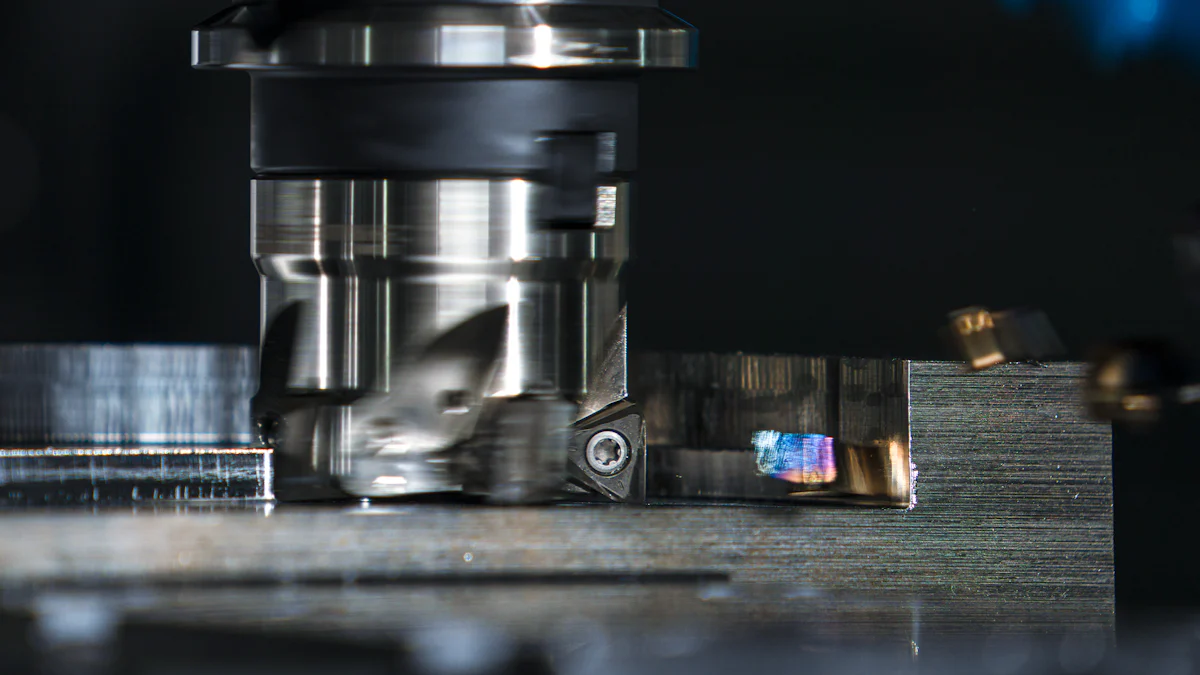
Tool Selection Differences
Precision tools for brittle vs. durable tools for ductile
Tool selection is critical when working with brittle and ductile materials. For brittle materials, you need precision tools that minimize stress and prevent fractures. Tools made from diamond or cubic boron nitride (CBN) are ideal due to their sharpness and resistance to wear. These tools ensure clean cuts and maintain the integrity of materials like ceramics or glass. In contrast, ductile materials require durable tools that can withstand significant deformation and heat. Coated carbide tools or high-speed steel tools work well for machining ductile materials like steel or copper. These tools resist wear caused by material adhesion and prolonged operations.
Cutting Speed and Feed Differences
Slower speeds for brittle vs. higher speeds for ductile
Cutting speeds and feeds vary significantly between brittle and ductile materials. Brittle materials demand slower speeds to avoid fractures and maintain surface quality. Lower feed rates also help control cutting forces, reducing the risk of cracks. For ductile materials, higher speeds improve efficiency and produce smoother surfaces. However, you must monitor heat generation closely to prevent tool wear. The table below highlights these differences:
Material Type | Cutting Parameters | Observations |
|---|---|---|
Ductile | Higher depth of cut (25 µm) | Achieves ductile mode turning with minimal fracture |
Brittle | Lower depth of cut | More prone to fracture during machining |
Chip Management Differences
Fragmented chips vs. continuous chips
Chip management strategies differ based on the material type. Brittle materials produce short, fragmented chips that can complicate removal and damage tools. You must focus on efficient chip evacuation to maintain surface integrity. High-stiffness CNC machines and coolants help manage these chips effectively. Ductile materials, on the other hand, generate long, continuous chips. These chips can entangle tools and disrupt machining. Using chip breakers and lubricants ensures smooth chip flow and prevents clogging. The table below summarizes these differences:
Material Type | Chip Characteristics | Chip Management Strategies |
|---|---|---|
Ductile Materials | Continuous chips, smooth surfaces, less fragmentation | Manage chip flow, prevent clogging, maintain efficiency |
Brittle Materials | Short, fragmented chips, prone to fracture | Address chip removal difficulties, minimize tool damage |
Practical Tips for CNC Machining
Tips for Machining Brittle Materials
Use high-precision tools and slower speeds
When machining brittle materials, precision tools are essential. Sharp tools made from materials like diamond or cubic boron nitride (CBN) help reduce cutting forces and prevent fractures. Slower cutting speeds are equally important. High speeds generate heat, which can cause thermal shock and cracking. By maintaining lower speeds and feed rates, you can achieve clean cuts and preserve the material's integrity. This approach ensures better control over the machining process and minimizes the risk of damage.
Minimize vibrations and tool chatter
Vibrations and tool chatter can compromise the surface quality of brittle materials. To minimize these issues:
Maximize rigidity by supporting the workpiece with filling materials.
Control tool deflection by keeping it below critical values.
Adjust spindle speeds to find optimal settings that reduce chatter.
Additionally, select tools with high vibration resistance and ensure proper tool holding. Adjust cutting parameters like speed, feed rate, and depth of cut to further reduce vibrations. These steps enhance stability and improve machining outcomes.
Tips for Machining Ductile Materials
Use coolants to manage heat
Ductile materials generate significant heat during machining due to their ductility. Coolants play a vital role in managing this heat. Choose the right coolant based on the material. For example:
Use cutting fluids with high lubrication properties, like vegetable oil, for aluminum to prevent galling.
Opt for synthetic or semi-synthetic fluids for high-speed operations, as they provide excellent cooling.
Effective lubrication and cooling prevent galling and reduce friction, ensuring smoother machining and longer tool life.
Optimize chip removal systems
Ductile materials often produce long, continuous chips that can entangle tools. To optimize chip removal:
Direct coolant or mist systems at the cutting zone to flush chips away.
Use tools with chip-resistant coatings like TiN or DLC to minimize adhesion.
Implement high-pressure coolant systems for deep drilling and high-performance machining.
These strategies improve chip clearance, prevent clogs, and enhance machining efficiency.
General Tips for Both Material Types
Regularly inspect and maintain tools
Regular tool maintenance ensures consistent CNC machining performance. Benefits include:
High-end performance: Machines deliver precise results.
Extended operational life: Early issue detection prolongs tool lifespan.
Prevention of downtime: Regular checks avoid unexpected failures.
A structured maintenance plan safeguards profitability and reliability.
Use simulation software to plan machining strategies
Simulation software helps optimize machining strategies for brittle and ductile materials. It allows you to predict material behavior, adjust cutting parameters, and reduce defects. For example, the SPH method provides accurate simulations for cutting processes with negative rake angles. This approach improves tool life, minimizes errors, and enhances overall efficiency.
CNC machining demands tailored strategies to address the unique challenges posed by brittle and ductile materials. For brittle materials, precision is key. You can achieve this by:
Understanding material behavior.
Selecting appropriate tool materials and geometries.
Adjusting feed rates and spindle speeds.
Using coolants and lubricants.
Monitoring and maintaining tool conditions.
Experimenting and optimizing processes.
For ductile materials, understanding their ductility helps you adapt machining strategies. Ductility affects tool wear and chip formation, so adjustments in cutting speeds, tool coatings, and chip management systems are essential for efficiency.
To ensure high-quality results, you can rely on advanced techniques like diamond turning or ductile machining. These methods minimize surface damage and improve geometric accuracy. For example, ductile cutting can achieve tolerances of up to 1 µm and surface finishes below Ra = 0.2 µm. The table below highlights key techniques:
Key Technique | Description |
|---|---|
Ductile Machining | Minimizes damage in brittle materials by allowing localized plastic deformation. |
Diamond Turning | Provides precision for hard materials, ensuring high surface integrity. |
Damage-Free Methods | Focuses on preserving material properties for critical components. |
By understanding material properties, selecting the right tools, and optimizing machining parameters, you can overcome challenges and achieve precision, efficiency, and exceptional results in CNC machining.
FAQ
What is the main difference between brittle and ductile materials in CNC machining?
Brittle materials fracture easily with minimal deformation, while ductile materials deform significantly before breaking. This difference affects how you approach machining, including tool selection, cutting speeds, and chip management.
Why are slower cutting speeds important for brittle materials?
Slower speeds reduce heat and stress, preventing fractures in brittle materials. High speeds can cause thermal shock, leading to cracks or surface damage during machining.
How do you manage long chips when machining ductile materials?
Use chip breakers to shorten chips and prevent entanglement. Direct coolants at the cutting zone to flush chips away. These methods ensure smoother operations and protect tools from damage.
What tools work best for brittle materials in CNC machining?
Diamond or cubic boron nitride (CBN) tools are ideal. These tools maintain sharp edges, reduce cutting forces, and prevent fractures, ensuring precision and surface integrity.
How can you reduce tool wear when machining ductile materials?
Apply coolants and lubricants to minimize friction and heat. Use tools with wear-resistant coatings like titanium nitride (TiN). These strategies extend tool life and improve machining efficiency.
See Also
Grasping Material Needs for CNC Precision Machining Success
Become Proficient in CNC Machining: Technical Drawing and Material Guide
CNC Machining Aluminum Alloys 6061 and 7075: 2024 Insights
CNC Turning Demystified: Key Traits of Precision Machining
Diving into CNC Machining: Precision Manufacturing and Metal Cutting
About US
Follow Us
Your prototype holds unparalleled significance, and we deeply value its uniqueness. Collaborating with you during the preparation phase for running your prototype or parts is a commitment we gladly embrace. Whether it's a single part or a complex assembly, we are dedicated to selecting the optimal tools and pathways to bring your envisioned product to life.
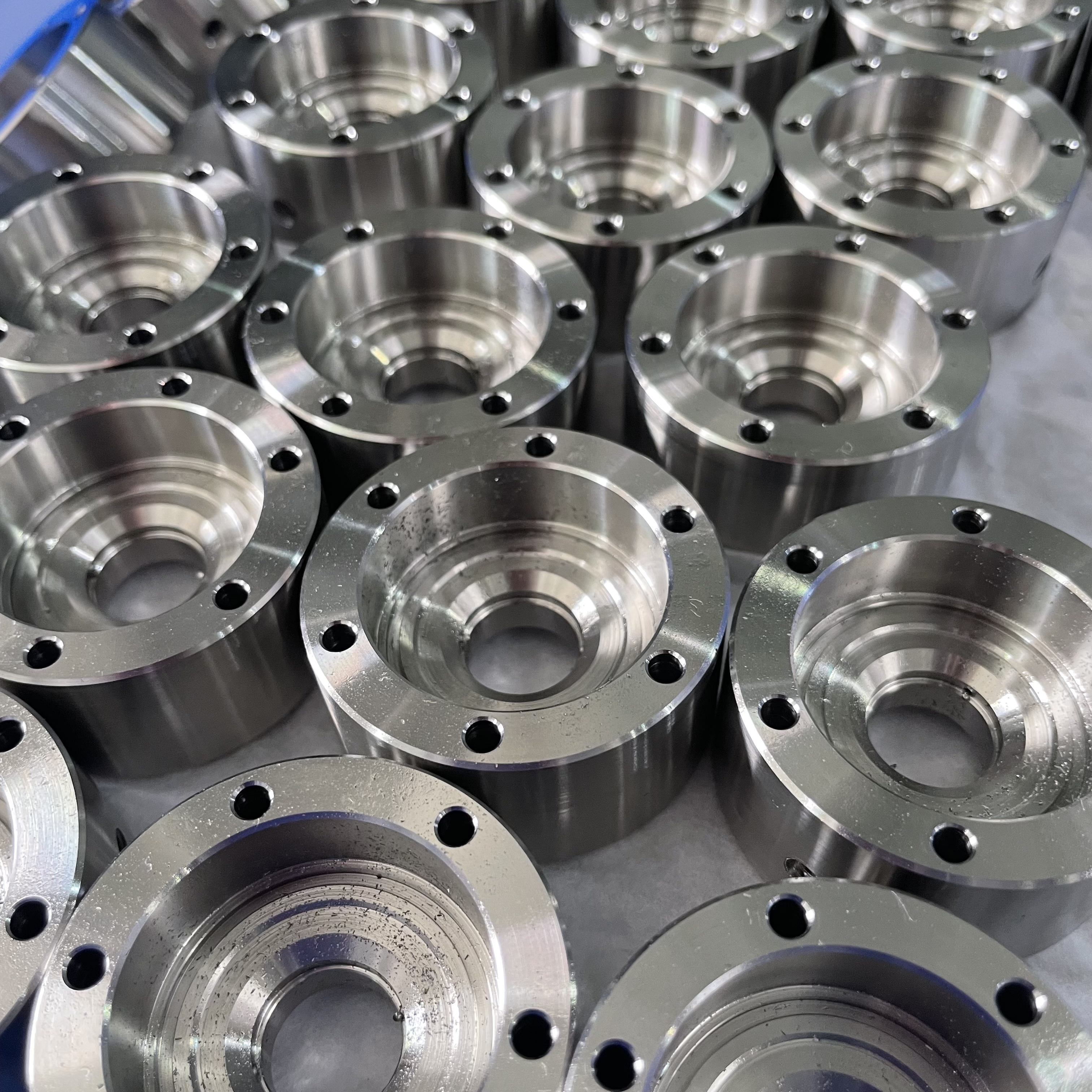
At Precision Fab CNC Machining, we specialize in producing parts for prototypes, short runs, and high-volume production. Our prototyping machine capabilities extend across metal, plastic, and wood machining, with welding fabrication services available to complement and finalize your prototype if required.
Address
Address: Room320 10F, Building A,Nanshan international building, Dayawan District, Huizhou, Guangdong, 516001 China
Contacts
billy@timaycnc.com