How CNC Services Handle Complex Geometries with Precision

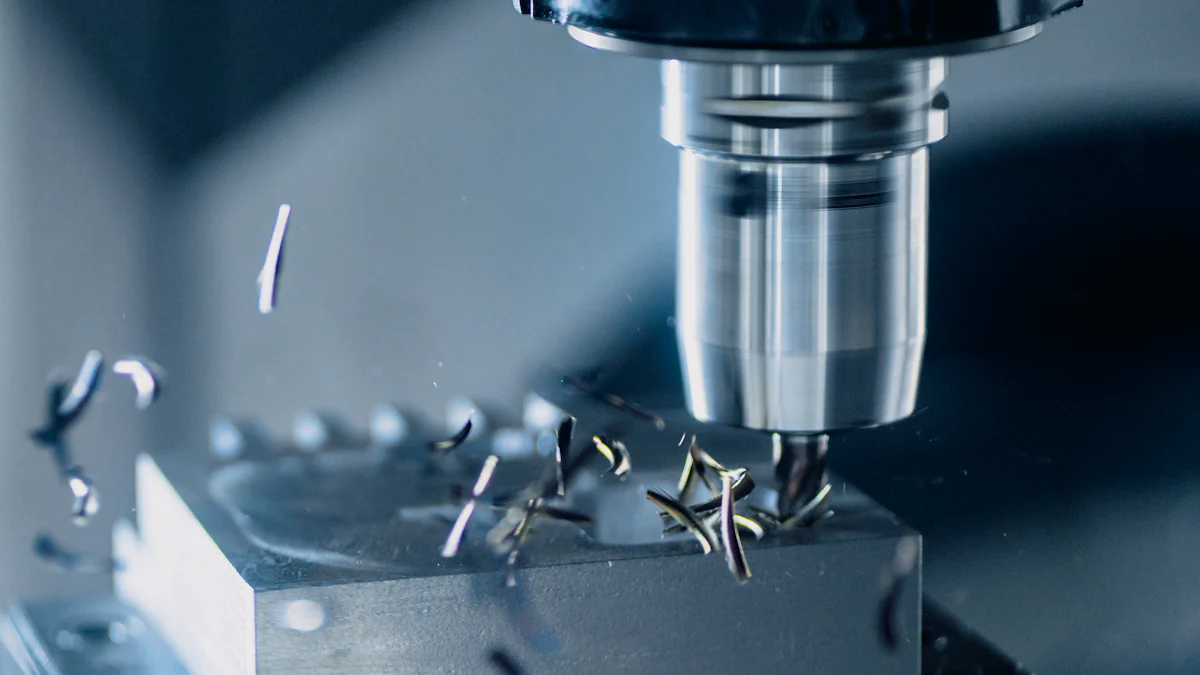
CNC machining services empower you to create intricate designs with unmatched precision. Industries like telecommunications and jewelry manufacturing rely on this technology for high-precision components, such as connectors, antenna parts, and personalized jewelry. Precision CNC machining ensures every detail meets exact specifications, even in complex geometries. Multi-axis systems and advanced tools allow you to achieve tight tolerances, making CNC machining indispensable for applications requiring accuracy and repeatability. Whether crafting custom furniture or medical devices, this technology delivers consistent results across diverse materials and designs.
Key Takeaways
CNC machines use tools automatically, making precise and repeatable designs.
Multi-axis machines create complex shapes quickly and with better accuracy.
Smart tool paths make machining faster and waste less material.
Simulations find problems early, improving accuracy before production starts.
CNC machines work with many materials, fitting industries like cars and planes.
The Role of CNC Machining in Complex Geometries
What is CNC Machining?
CNC machining, or Computer Numerical Control machining, automates the operation of tools like mills, lathes, and grinders. You use pre-programmed software to control these machines, enabling precise and repeatable movements. This process ensures high accuracy, even when working with intricate designs. By automating tasks, CNC machining eliminates human error and increases productivity. It also allows you to create parts with complex geometries that would be impossible to achieve manually. Whether you need tight tolerances or smooth surface finishes, CNC machining delivers consistent results.
To handle complex geometries effectively, you must follow key principles. First, understand how the design impacts machinability. Next, optimize tool paths to improve precision and efficiency. Finally, select the right CNC machine based on the complexity of the part. These steps ensure that even the most intricate designs are manufactured with precision.
Why CNC Machining is Ideal for Complex Geometries
CNC machining excels at producing complex geometries due to its advanced capabilities. Five-axis machining, for example, allows you to work on multiple angles without repositioning the workpiece. This reduces production time and improves accuracy. High-precision machines and skilled operators ensure tight tolerances, which are essential for intricate parts. You can also choose from a wide range of materials, making it easier to match the material to the part's requirements.
This technology is ideal for creating parts with intricate shapes, multi-material compositions, or large sizes. It also provides excellent surface finishes, which are crucial for both functionality and aesthetics. By using CNC machining, you can achieve the precision needed for even the most demanding applications.
Key Industries Benefiting from Complex CNC Parts
Many industries rely on CNC machining for its ability to produce complex parts with precision. In aerospace, you need high accuracy to ensure safety and performance. Automotive manufacturers use CNC machining to create reliable and high-performance components. The medical field depends on this technology for crafting implants and instruments that meet strict safety standards. Defense applications require quick production of intricate parts with exact specifications.
Other sectors, such as energy, marine, and agriculture, also benefit from CNC machining. For example, renewable energy systems demand consistent and precise components. In consumer goods, electronics and appliances rely on CNC machining for small, complex parts. Across all these industries, CNC machining services play a vital role in meeting the challenges of modern manufacturing.
Techniques and Tools for Precision CNC Machining
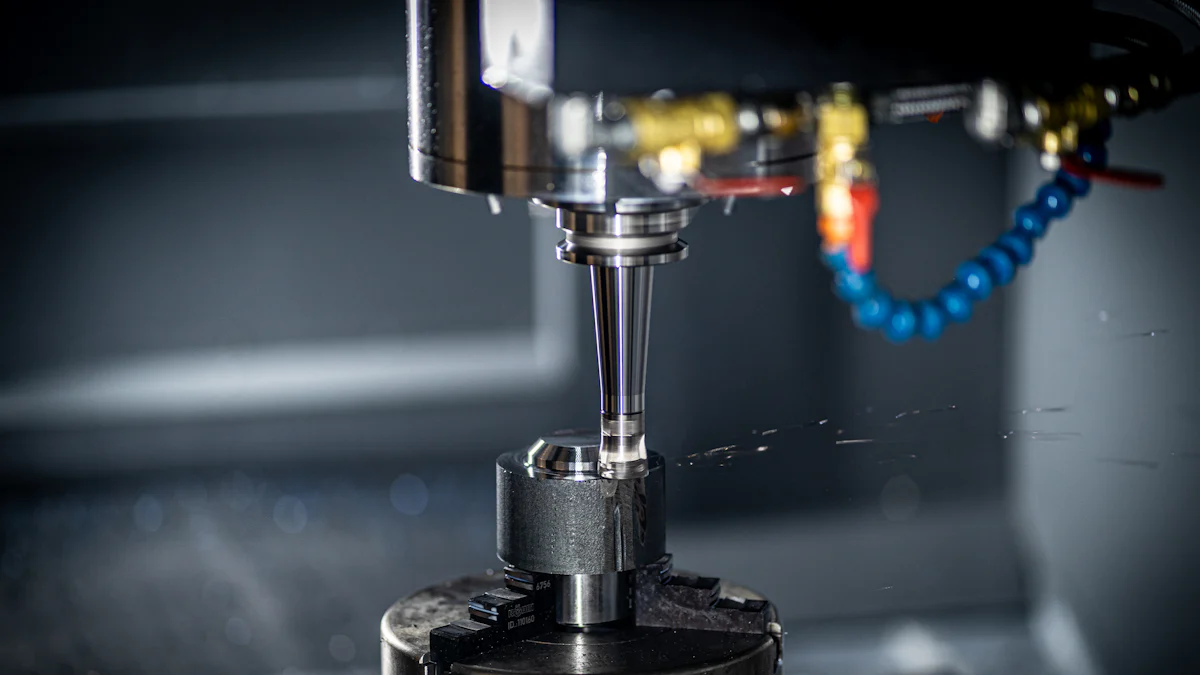
Multi-Axis CNC Machining
Multi-axis CNC machining plays a critical role in achieving high precision cnc machining for complex geometries. With 5-axis cnc machining, you can produce intricate 3D shapes, contours, and profiles with ease. This technique allows the cutting tool to move along multiple axes simultaneously, enabling access to hard-to-reach areas and undercuts without manual repositioning. By reducing the need for repositioning, you minimize human error and improve the overall accuracy of the final product.
This advanced cnc machining technique also enhances efficiency. You can complete highly complex parts in fewer steps, reducing the number of machines and processes required. The simultaneous movement along multiple axes ensures the cutting tool approaches the material from optimal angles, delivering high-quality cnc machining results. Whether you’re working on aerospace components or medical devices, multi-axis machining ensures precision and consistency.
Advanced Tool Path Strategies
Advanced tool path strategies are essential for optimizing cnc machining parts manufacturing. By refining the toolpaths, you can achieve faster machining times and higher precision. These strategies allow you to maximize the capabilities of 5-axis cnc machining, ensuring efficient material removal and reduced waste. Optimized toolpaths also extend tool life, saving costs and improving overall productivity.
The process involves continuous adjustments to find the most efficient path for machining complex parts. For example, dynamic algorithms can adapt to the specific requirements of each project, balancing speed and precision. This approach ensures high-quality cnc machining results while maintaining efficiency. By implementing advanced techniques like toolpath optimization, you can expand the range of applications and designs achievable with cnc machining.
Simulation and Virtual Testing
Simulation and virtual testing are indispensable tools in high precision cnc machining. These technologies allow you to visualize the machining process before production begins. By identifying potential issues such as tool collisions or incorrect tool selections, you can prevent costly errors. Simulation software also provides a realistic preview of the machining process, helping you optimize tool paths and machine settings.
Additionally, virtual testing enhances precision by creating digital twins of cnc machines. These digital models allow you to perform virtual prove-outs, ensuring the accuracy of the machining process. Simulation tools also play a vital role in training, offering a safe environment for operators to learn without risking damage to equipment. By incorporating simulation into your workflow, you can achieve consistent, high-quality cnc machining results.
High-Precision Cutting Tools
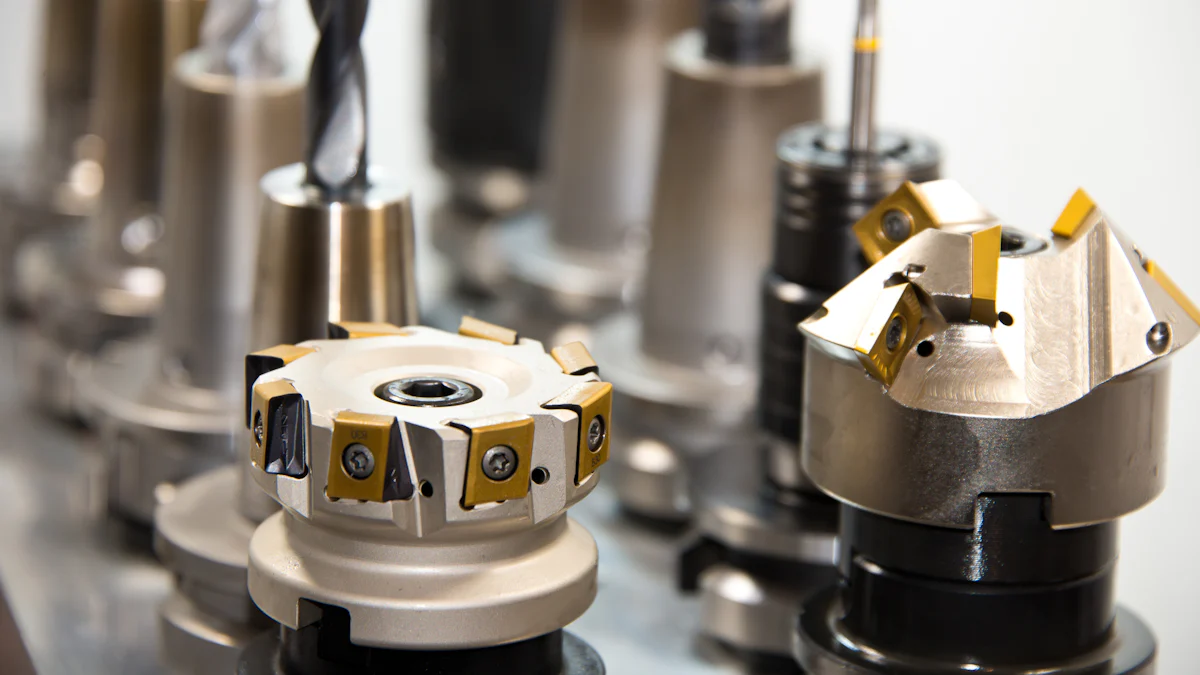
High-precision cutting tools are essential for achieving accurate and consistent results in CNC machining. These tools allow you to handle intricate designs and tight tolerances with ease. Their advanced features ensure reliable performance, even when working with challenging materials or complex geometries.
To deliver exceptional results, high-precision cutting tools possess several key characteristics:
High toughness to withstand demanding machining conditions.
Excellent wear resistance for prolonged use without degradation.
Sufficient compressive strength and ductility to handle high-pressure operations.
High heat resistance to maintain performance during intense cutting processes.
Stable standard specifications for predictable and repeatable outcomes.
These tools also offer practical advantages that enhance your machining efficiency:
Good rigidity and small vibration resistance ensure precise cuts.
Minimal thermal deformation maintains accuracy under varying temperatures.
Long service life reduces the need for frequent replacements.
Easy size adjustment allows for quick tool changes, saving valuable time.
Reliable chip breaking or rolling simplifies chip removal, keeping the workspace clean.
Serialization and standardization make programming and management more straightforward.
By using high-precision cutting tools, you can achieve smoother finishes and reduce material waste. Their durability and stability ensure consistent performance, even in high-volume production. Whether you’re machining aerospace components or medical devices, these tools help you meet the most demanding requirements. Investing in high-quality cutting tools not only improves your results but also enhances the overall efficiency of your CNC machining processes.
Overcoming Challenges in Machining Complex Geometries
Material Limitations and Solutions
When machining complex parts, material limitations often pose significant challenges. You may encounter issues with material thickness, as effective machining typically ranges from 0.020 inches to 0.250 inches for sheet metal. Thicker materials require more time and can accelerate tool wear. Thin walls, especially those as slim as 0.030 inches, can also create difficulties. Softer materials allow for thinner walls, but harder materials need thicker walls to prevent breakage.
Thin walls can flex or vibrate during machining, leading to inaccuracies. To address this, you can use support structures or adjust machining strategies to maintain stability. Understanding these limitations helps you select the right material and optimize the machining process for precision manufacturing.
Managing Tool Wear and Maintenance
Tool wear directly impacts the quality assurance of precision manufacturing. Advanced coatings, such as Aluminum Titanium Nitride (AlTiN) or Diamond-like Carbon (DLC), enhance tool hardness and reduce friction. These coatings improve wear resistance, ensuring consistent performance. Coolants and lubricants, including water-soluble oils and synthetic fluids, help reduce heat and friction, extending tool life.
Real-time monitoring systems, such as vibration sensors and thermographic cameras, allow you to detect tool wear early. Implementing a comprehensive tool management system ensures efficient use and maintenance of tools. Staff training and collaboration with suppliers further enhance tool longevity. By managing tool wear effectively, you maintain the precision required for complex parts.
Addressing Programming and Setup Complexity
Programming and setup for intricate designs often involve high complexity. Understanding part design is crucial for machinability. Geometric complexity requires advanced CNC capabilities, such as multi-axis movement and specialized tooling. Material selection also influences the functionality and complexity of the part.
Complex geometries often demand multiple steps and operations. Advanced programming techniques, such as optimized tool paths, ensure efficient machining. Well-documented designs reduce errors and delays, while knowledge of manufacturer capabilities helps you make informed decisions. Efficient project management ensures that parts meet specifications and maintain quality assurance. By addressing programming challenges, you streamline the production of complex parts.
Ensuring Consistency in High-Volume Production
Maintaining consistency in high-volume production is essential when manufacturing complex CNC parts. You need to ensure that every part meets the same high standards, regardless of the production scale. To achieve this, several methods and strategies come into play, each offering unique benefits for precision and uniformity.
Key Methods for Consistency
Method | Benefit |
|---|---|
Injection Molding | Ensures consistency and uniformity with precise molds for identical parts. |
Die Casting | Offers excellent dimensional accuracy and stability for parts needing precise dimensions. |
CNC Machining | Capable of achieving high precision and tight tolerances beyond other methods. |
Statistical Process Control (SPC) | Maintains quality control through systematic monitoring of production processes. |
Automated Inspection Systems | Enhances quality assurance by automating the inspection of parts during production. |
These methods allow you to maintain precision and quality, even when producing thousands of parts. CNC machining, in particular, stands out for its ability to achieve tight tolerances and handle intricate designs.
Practical Tips for Improved Consistency
You can also implement specific design and machining strategies to enhance consistency:
Simplify wall thickness and deep features to improve material stability and reduce tool wear.
Optimize complex geometries and surface features to minimize machining time and costs.
Reduce internal cavities and limited-access features to avoid complications in machining.
Maintain consistent radii for internal corners to enhance machining efficiency and part durability.
By following these tips, you can streamline the production process and reduce variability between parts. Automated inspection systems further ensure that each part meets the required specifications, eliminating errors before they escalate.
Consistency in high-volume production not only improves quality but also builds trust with your clients. When every part performs as expected, you deliver reliable results that meet industry standards.
Benefits of CNC Machining for Complex Geometries
High Accuracy and Tight Tolerances
CNC machining services excel in delivering high accuracy and tight tolerances, which are essential for producing high-quality parts. This level of precision ensures that even the most complex shapes and features meet exact specifications. You can rely on this technology to achieve a high degree of accuracy, reducing errors and improving overall efficiency.
Benefit | Description |
|---|---|
Improved Production Efficiency | High precision reduces production time and increases output. |
Reduced Need for Rework and Scrap | Accurate machining minimizes errors, leading to less waste and lower costs. |
Ability to Produce Complex Geometries | CNC machining can create intricate designs that traditional methods cannot achieve. |
Flexibility in Design Changes | Quick adjustments can be made to designs without significant downtime or cost. |
Enhanced Surface Finish Quality | High precision results in better surface finishes, reducing the need for additional finishing. |
By achieving high-quality output, you can produce high-quality products that meet industry standards. This capability is especially valuable when working with complex shapes and features, where precision is critical.
Cost Efficiency and Reduced Waste
CNC machining services offer significant cost savings by automating production processes. Automation allows you to operate machines continuously with minimal human intervention, reducing labor costs and cycle times. The precision of CNC machining ensures exact cuts, maximizing material usage and minimizing waste.
CNC machines require less skilled manual labor, as they operate autonomously once programmed.
Tooling costs are lower because the same tools can handle various applications, unlike traditional methods that need custom tooling for each design.
High-quality parts produced by CNC machining are less likely to require rework or repairs, reducing additional costs.
Improved quality leads to fewer customer returns, enhancing profitability.
This combination of reduced waste and efficient production makes CNC machining an economical choice for manufacturing high-quality output.
Faster Prototyping and Production Cycles
CNC machining accelerates prototyping and production cycles, enabling you to bring products to market faster. Prototypes can be produced quickly using the same materials as the final product, ensuring accurate testing and demonstrations. This makes CNC machining ideal for rapid prototyping.
Speed: CAD files convert into cutting files within hours, and cutting time takes only minutes.
Economy: Avoids the need for expensive casting or mold tools, making it cost-effective for small production runs.
Accuracy: Ensures prototypes meet production-quality standards with precise tolerances.
Flexibility: Allows you to produce any quantity, from one to hundreds, which is beneficial for market testing.
By leveraging CNC machining, you can achieve high-quality output while maintaining flexibility and speed in your production process.
Versatility Across Materials and Applications
CNC machining stands out for its ability to work with a wide range of materials, making it suitable for diverse industries and applications. You can rely on this technology to handle everything from metals to ceramics, each offering unique benefits for specific uses.
Metals: CNC machining processes metals like aluminum, steel, and titanium with precision. These materials provide strength and durability, making them ideal for aerospace and automotive components.
Plastics: Lightweight and flexible plastics are easy to machine. You’ll find them in consumer electronics, automotive parts, and even medical devices.
Composites: These materials combine the best properties of different substances. They are perfect for aerospace and sports equipment, where strength and reduced weight are critical.
Wood: CNC machining shapes wood into intricate designs for furniture and construction. Its aesthetic appeal makes it a favorite for custom projects.
Ceramics: Known for their hardness and thermal stability, ceramics are essential in high-precision applications like medical implants and electronics.
Each material brings unique challenges, but CNC machining adapts to meet your needs. For example, metals require high cutting speeds and durable tools, while plastics demand careful handling to avoid deformation. Composites often need specialized tooling to prevent delamination. By understanding these requirements, you can achieve consistent results across all materials.
This versatility extends to applications as well. Whether you’re crafting aerospace components, medical devices, or custom furniture, CNC machining delivers precision and reliability. Its ability to work with such a broad spectrum of materials ensures you can tackle any project with confidence.
Real-World Applications of Precision CNC Machining
Aerospace Components with Complex Geometries
In aerospace, precision is non-negotiable. You rely on CNC machining to produce components with intricate geometries that reduce weight while maintaining strength. These designs also optimize airflow, enhancing performance and efficiency.
Key aerospace parts manufactured using CNC machining include:
Landing gear components like braces and torque links.
Engine parts such as compressors and turbines.
Structural elements like fuselage sections, bulkheads, and airframes.
These parts demand tight tolerances and high accuracy to ensure safety and reliability. CNC machining excels in meeting these requirements, making it indispensable for aerospace manufacturing.
Medical Implants and Devices
CNC machining plays a vital role in creating medical implants and devices. It allows you to produce customized implants tailored to individual patient anatomy, improving compatibility and effectiveness. This level of personalization enhances patient outcomes by ensuring implants integrate seamlessly with the body.
Examples of medical applications include:
Orthopedic implants designed to fit precisely, improving functionality and comfort.
Dental implants crafted from durable materials for long-term use.
Surgical instruments manufactured with high precision to ensure safety and reliability.
The ability to create complex geometries and maintain tight tolerances makes CNC machining ideal for medical applications. You can trust this technology to deliver consistent, high-quality results for life-saving devices.
Automotive Prototypes and Custom Parts
In the automotive industry, CNC machining enables rapid prototyping and the production of custom parts. You can quickly transform CAD designs into physical models, allowing for efficient design verification and testing. This process ensures prototypes meet the exact specifications of the final product.
CNC machining supports the creation of complex geometries essential for modern automotive components. It also ensures tight tolerances, which are critical for performance and safety. Whether you’re developing a new vehicle model or crafting custom parts, CNC machining provides the precision and flexibility you need.
Custom Tooling and Fixtures for Manufacturing
Custom tooling and fixtures play a vital role in modern manufacturing. You can use CNC machining to create these essential components with precision and efficiency. Properly designed fixtures ensure stability and accurate positioning of workpieces during machining. This stability is critical for producing parts that meet exact design specifications. By using CNC fixtures, you can achieve faster operations and maintain consistency across production runs.
Simplifying fixturing processes reduces the complexity of setups. This approach minimizes the manpower required, allowing you to focus on other aspects of production. Simplified fixtures also speed up production cycles and lower the chances of human error. These benefits make CNC machining an excellent choice for creating reliable and efficient fixturing solutions.
CNC machining offers another advantage: versatility. The same set of tools can handle multiple applications, eliminating the need for custom tooling for every new part design. Many CNC machines come equipped with automatic tool changers. These systems allow you to switch between tools seamlessly, streamlining the manufacturing process. This capability saves time and ensures smooth transitions between different machining tasks.
You can also rely on CNC machining to enhance coherence and interchangeability in your production processes. Well-designed fixtures ensure that each part aligns perfectly, reducing the need for manual adjustments. This precision leads to higher-quality output and greater efficiency in manufacturing.
By leveraging CNC machining for custom tooling and fixtures, you can optimize your production workflow. The combination of precision, speed, and versatility ensures that your manufacturing processes remain efficient and reliable. Whether you’re producing small batches or scaling up for high-volume production, CNC machining provides the tools you need to succeed.
CNC machining empowers you to produce intricate designs with unmatched precision, driving innovation across industries. Techniques like multi-axis machining enhance efficiency by reducing manual intervention and enabling the creation of complex 3D geometry. Simulation tools further optimize processes by identifying potential issues and improving machining strategies. These advancements ensure high-quality results while minimizing waste.
Emerging trends, such as multi-tasking machining centers and digital twin technology, continue to redefine modern manufacturing. By adopting energy-efficient machines and eco-friendly materials, you can align with sustainable practices. As technology evolves, CNC machining will remain a cornerstone of precision manufacturing, unlocking new possibilities for intricate designs.
FAQ
What is the maximum complexity CNC machining can handle?
CNC machining can handle highly intricate designs, including complex 3D geometries, undercuts, and tight tolerances. Multi-axis systems and advanced software allow you to produce parts with extreme precision, even for aerospace or medical applications requiring detailed and challenging features.
How do you ensure precision in CNC machining?
Precision comes from advanced programming, high-quality cutting tools, and multi-axis capabilities. Simulation software helps you identify errors before production. Real-time monitoring and regular tool maintenance also ensure consistent accuracy throughout the machining process.
Can CNC machines work with all materials?
Yes, CNC machines can handle a wide range of materials, including metals, plastics, composites, wood, and ceramics. Each material requires specific tools and settings. For example, metals need durable tools, while plastics demand careful handling to avoid deformation.
How long does it take to produce a CNC-machined part?
Production time depends on the part's complexity, material, and quantity. Simple designs may take minutes, while intricate parts with multiple features can take hours. Prototyping is faster since CNC machines eliminate the need for custom molds or tools.
Is CNC machining cost-effective for small production runs?
Yes, CNC machining is ideal for small runs. It eliminates the need for expensive molds and tooling. You can quickly adjust designs without incurring additional costs, making it a flexible and economical choice for prototypes or limited production.
See Also
Discovering CNC Machining Solutions for Accurate Production
Streamlined CNC Machining Solutions for Exact Manufacturing
The Impact of CNC Machining on Premium Precision Production
Perfecting CNC Machining Techniques for Accurate Parts Production
About US
Follow Us
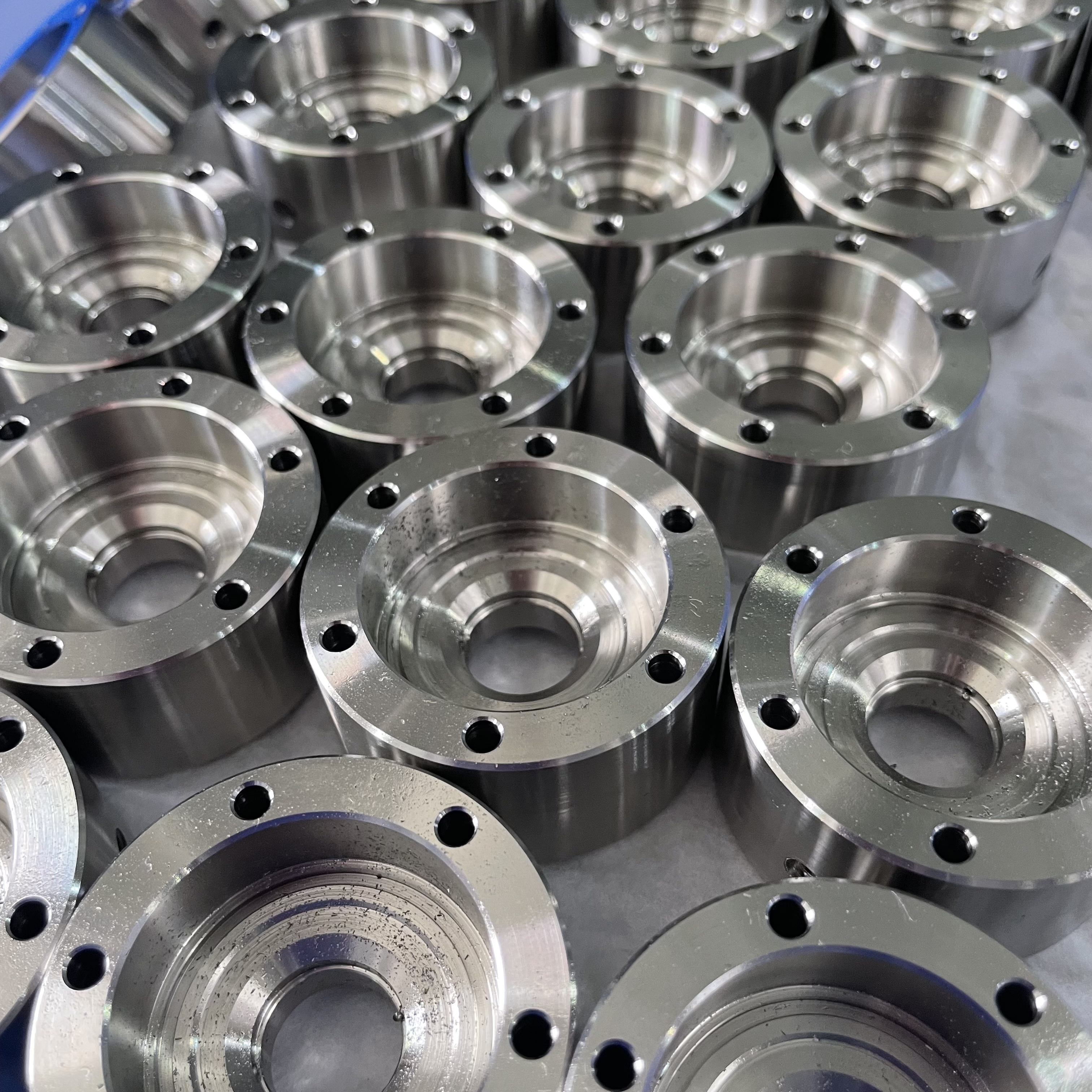
Your prototype holds unparalleled significance, and we deeply value its uniqueness. Collaborating with you during the preparation phase for running your prototype or parts is a commitment we gladly embrace. Whether it's a single part or a complex assembly, we are dedicated to selecting the optimal tools and pathways to bring your envisioned product to life.
At Precision Fab CNC Machining, we specialize in producing parts for prototypes, short runs, and high-volume production. Our prototyping machine capabilities extend across metal, plastic, and wood machining, with welding fabrication services available to complement and finalize your prototype if required.
Address
Address: Room320 10F, Building A,Nanshan international building, Dayawan District, Huizhou, Guangdong, 516001 China
Contacts
billy@timaycnc.com