How CNC Machining Handles Complex Geometry Without Compromising Accuracy

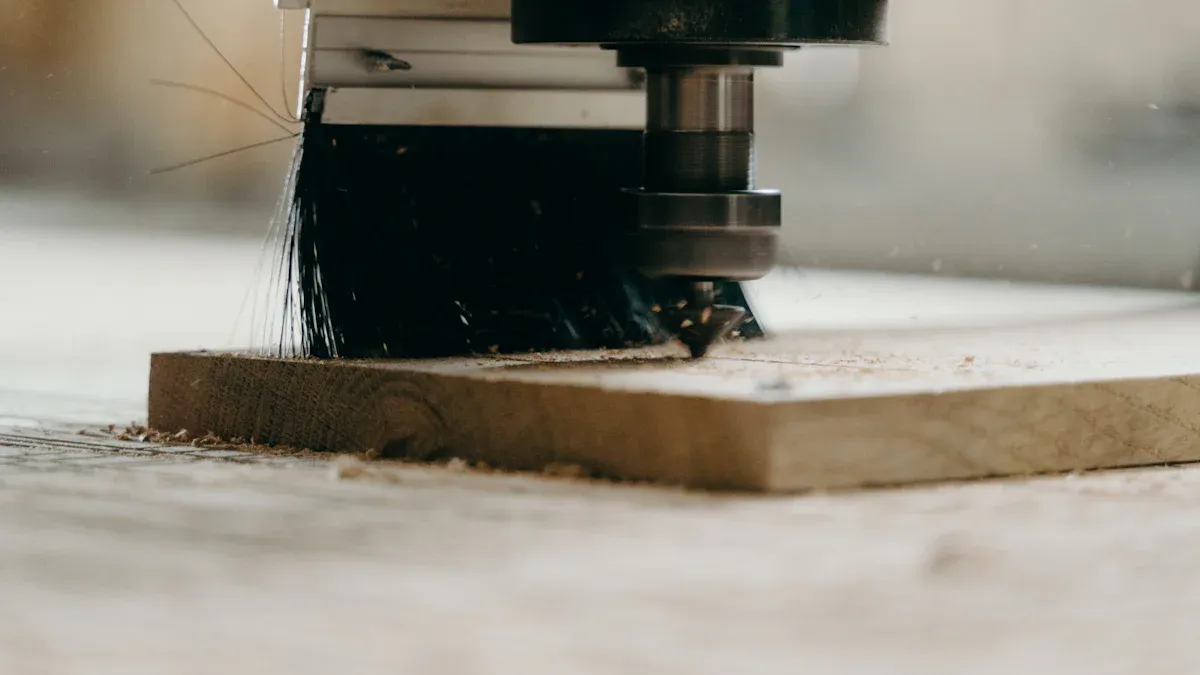
You rely on CNC machining to achieve unmatched precision in manufacturing intricate designs. Modern CNC machines handle complex geometries with ease, thanks to multi-axis capabilities and advanced simulation software. Industries like aerospace demand tight tolerances, which CNC machining consistently delivers. Quality control tools, such as Coordinate Measuring Machines (CMM), ensure every part meets exact specifications.
Key Takeaways
CNC machining is very precise, making it key for fields like airplanes and healthcare tools.
Multi-axis CNC machines handle tricky shapes well, saving time and lowering mistakes.
Checking and fixing CNC machines often keeps them accurate and lasts longer.
Tools and Techniques in CNC Machining
Multi-Axis CNC Machines for Complex Geometries
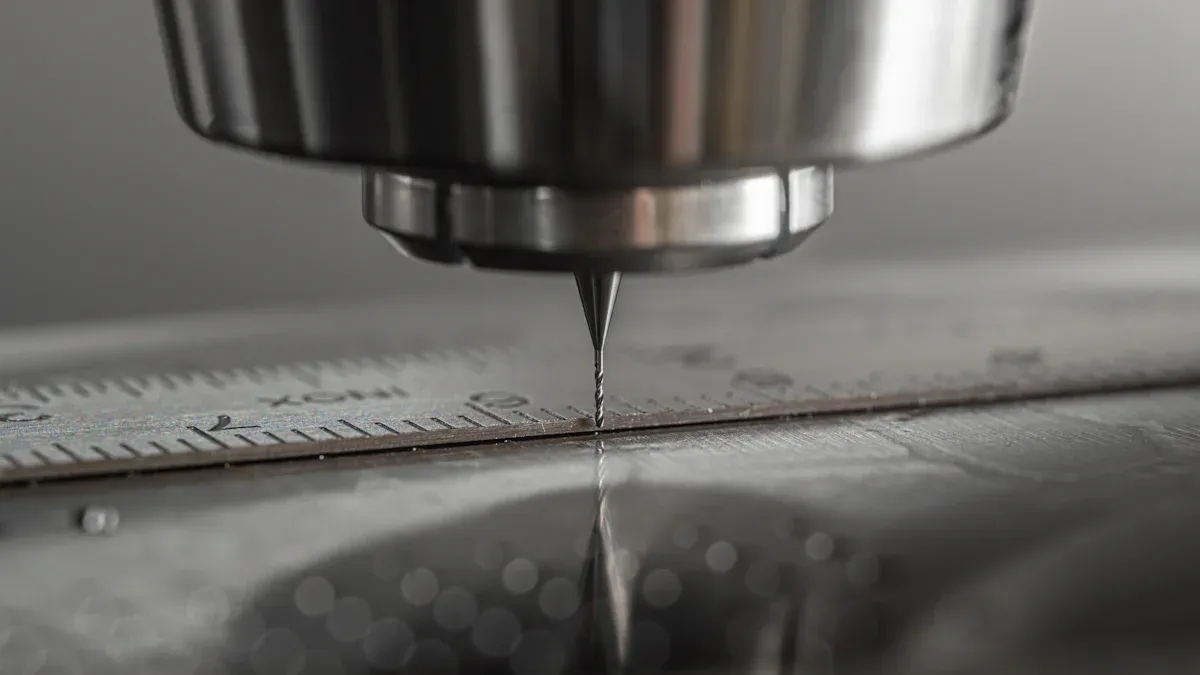
You rely on multi-axis CNC machines to handle intricate geometries with unmatched precision. These machines, especially 5-axis CNC machines, excel at machining five surfaces of a material block simultaneously. This capability makes them indispensable for industries like aerospace and medical device manufacturing, where tight tolerances and complex designs are critical.
Multi-axis machining reduces the need for multiple setups, allowing you to perform several operations in a single setup. This minimizes errors and shortens production times, enhancing efficiency. These machines also enable the creation of precise 3D shapes, contours, and profiles that traditional methods cannot achieve. Their ability to access hard-to-reach areas ensures high-quality CNC machining for complex CNC machined parts.
Specialized Cutting Tools for Precision
Specialized cutting tools play a vital role in maintaining precision during machining. Tools like drill bits, end mills, and face mills are essential for efficient material removal. Reamers and thread mills ensure accuracy when expanding holes or cutting threads. Each tool is designed for specific tasks, optimizing the machining process and improving the quality of CNC milled parts and CNC turned parts.
These tools often feature tailored geometries that enhance material removal while reducing machining durations. For example, adjustable insert-cartridge assemblies maintain micron-level tolerances even as inserts wear out. This ensures consistent accuracy and extends tool life, making them ideal for high-precision manufacturing.
CAD/CAM Software in CNC Machining Technology
CAD/CAM software bridges the gap between part design and production. It automates the process by converting CAD designs into precise instructions for CNC machines. This automation reduces manufacturing times, increases throughput, and minimizes human error. By simulating and testing designs virtually, you can identify potential flaws before production begins.
Modern advancements in CAD/CAM software, such as AI co-pilots and generative design, further enhance multi-axis capabilities. These tools streamline the creation of complex geometries, ensuring high precision and efficiency. With CAD/CAM software, you can achieve tight tolerances and produce high-quality CNC machined parts consistently.
Programming and Simulation for Precision
Toolpath Optimization in Complex Geometries
Toolpath optimization plays a critical role in achieving precision when machining complex geometries. By refining the machining paths, you can significantly reduce errors and improve the quality of the final product. Industries like aerospace and medical rely on advanced optimization techniques to meet tight tolerances and produce high-precision parts.
The optimization process involves iterative improvements, often using algorithms similar to genetic models, to identify the most efficient paths. This approach balances machining objectives such as time, tool wear, and surface finish. For example, dynamic algorithms adapt to various materials and geometries, ensuring consistent accuracy. By implementing these strategies, you can enhance production efficiency without compromising quality.
Simulation for Error Reduction
Simulation software allows you to visualize the entire machining process before production begins. This step helps identify potential issues, such as collisions or axis travel limits, that could lead to costly downtime. By simulating machine behavior, you can optimize machining parameters and ensure accurate programming.
Digital twins take this a step further by enabling real-time monitoring and testing without physical alterations. This technology enhances production resilience and reduces inefficiencies during first runs. Simulations also provide insights into feed rates and tool paths, leading to continuous process improvements. With these tools, you can prevent errors and achieve high-quality CNC machining.
Adaptive Machining Strategies
Adaptive machining strategies use advanced algorithms to dynamically adjust toolpaths based on real-time conditions. These strategies excel at handling complex geometries and varying material properties, ensuring optimal performance. For instance, high-speed machining techniques utilize adaptive toolpaths to clean out corners efficiently and reduce cycle times.
By incorporating deep learning and reinforcement learning, adaptive strategies further enhance precision. These methods allow you to maintain tight tolerances even in challenging manufacturing scenarios. The ability to adapt to changing conditions ensures consistent results and supports the production of complex CNC machined parts.
Machine Capabilities and Process Optimization
Precision Engineering in CNC Machines
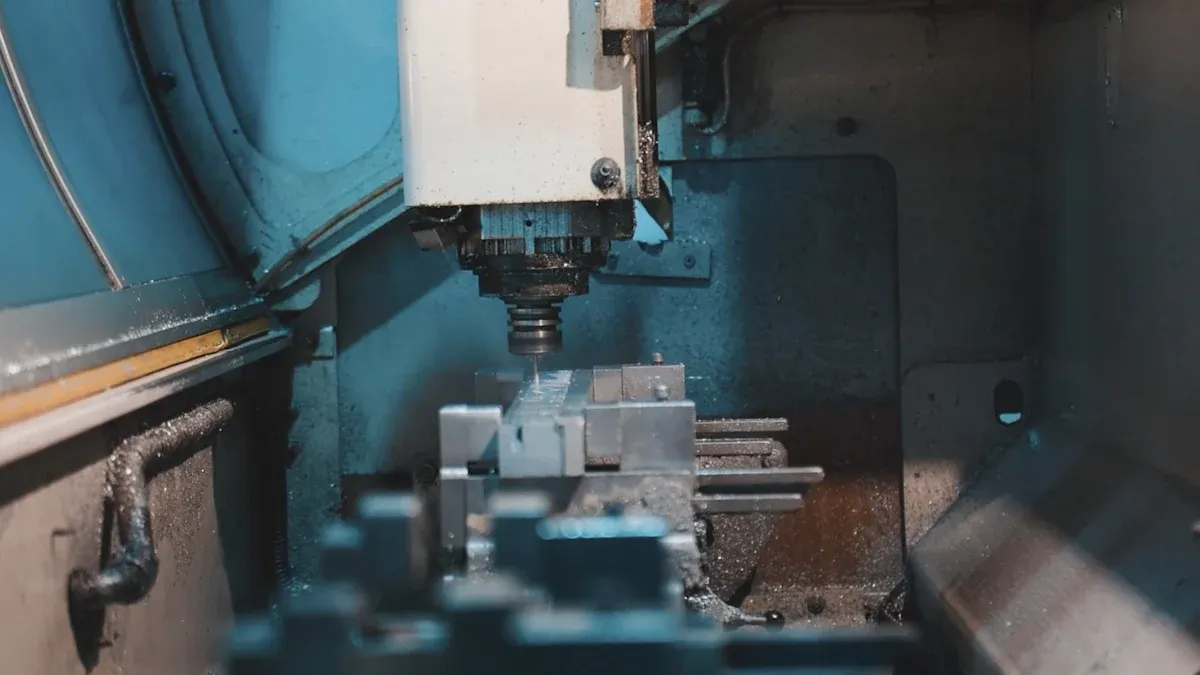
Modern CNC machines excel at handling complex geometries due to their advanced capabilities. These machines combine automation, precision, and flexibility to deliver high-quality CNC machining. Automation minimizes manual intervention, reducing errors and ensuring consistent results. Precision engineering allows you to achieve tight tolerances and repeatability, even for intricate designs. Flexibility enables programming for diverse operations, making CNC machining indispensable in manufacturing industries.
For example, 5-axis CNC machines include two rotational axes alongside the standard X, Y, and Z axes. This configuration allows machining of multiple surfaces simultaneously, which is essential for producing detailed components in aerospace and medical device manufacturing. These capabilities ensure high precision and efficiency, even for the most complex geometries.
Calibration and Maintenance for Accuracy
Regular calibration and maintenance are vital for maintaining accuracy in CNC machining. Calibration ensures the machine operates within desired tolerances by correcting errors that develop over time. Techniques like ballbar calibration detect performance deviations, while laser interferometer calibration measures positioning accuracy with precision. Proactive calibration schedules enhance reliability and consistency, linking measurements to international standards.
Maintenance extends the lifespan of CNC machines and prevents costly repairs. Predictive maintenance strategies monitor the machine's condition, allowing timely interventions. This approach minimizes downtime and ensures consistent performance. Proper upkeep, including securing workpieces and aligning fixtures, further enhances machining accuracy and repeatability.
Optimizing Feed Rates and Cutting Depths
Optimizing feed rates and cutting depths is crucial for achieving high precision in CNC machining. Start by determining the depth of cut, followed by feed rate and cutting speed. This sequence maximizes tool life and machining efficiency. The depth of cut should match the machining allowance to reduce tool passes and improve production efficiency.
For surface roughness requirements, you can use different machining strategies, such as single-pass or multi-step processes, depending on the desired finish. Selecting the right feed rate ensures precision and enhances surface quality. Rigidity in the machine, workpiece, and cutting tools also plays a key role in maintaining accuracy during machining operations.
Quality Control in CNC Machining
In-Process Probing for Real-Time Adjustments
In-process probing enhances the precision of CNC machining by enabling real-time adjustments during production. This process ensures that every part meets design specifications without interrupting the workflow. You can rely on several effective probing techniques to achieve this:
Workpiece Alignment: Ensures accurate positioning of the material, reducing errors.
Tool Setting: Measures tool dimensions precisely, preventing damage and ensuring optimal performance.
Part Inspection: Provides immediate feedback on dimensions and tolerances, allowing for quick corrections.
Adaptive Machining: Adjusts tool paths dynamically based on actual measurements, improving accuracy.
By incorporating in-process probing, you reduce waste and minimize errors. This technology allows you to address issues as they arise, ensuring consistent quality throughout the machining process.
Post-Process Inspection with CMM
Coordinate Measuring Machines (CMM) play a vital role in verifying the accuracy of CNC-machined parts after production. These machines use advanced probing technologies, such as laser sensors, to measure complex geometries without damaging sensitive materials. CMM inspections focus on critical areas, collecting detailed data where precision matters most.
Benefit | Description |
|---|---|
Enhanced Product Quality | Ensures geometric dimensions meet design specifications. |
Increased Production Efficiency | Performs inspections quickly, reducing downtime. |
Reduced Waste | Minimizes errors that lead to scrap and rework. |
Improved Compliance | Ensures adherence to quality and safety standards. |
Data-Driven Decision Making | Provides insights for improving designs and processes. |
Cost Savings | Reduces waste and improves quality control, justifying the investment. |
Application Flexibility | Adapts to various industries and parts. |
Improved Customer Satisfaction | Delivers better quality products, enhancing customer loyalty. |
CMM inspections ensure that even the most intricate geometries meet the required tolerances, making them indispensable in modern manufacturing.
Ensuring Tolerances and Surface Finish
Meeting tight tolerances and achieving the desired surface finish are critical in CNC machining. You can follow these steps to ensure precision:
Understand the functional requirements of the part to determine appropriate tolerances.
Specify tolerances necessary for the part's function and fit.
Use a CNC machine with the capabilities to meet these tolerances.
Consider material behavior during machining to select suitable tolerances.
Partner with experienced CNC machining service providers.
For surface finish, mechanical methods like grinding and sanding help achieve smooth textures, while chemical and thermal treatments enhance surface properties. These processes ensure that parts meet both functional and aesthetic requirements, delivering high-quality results.
CNC machining excels at producing complex geometries with unmatched precision. Its advanced tools, such as multi-axis machines, ensure accurate tool path control, enabling the creation of intricate parts for industries like aerospace and medical devices. Programming innovations and quality control measures further enhance its reliability.
Key Takeaways:
Precision ensures high-quality and functional parts.
Multi-axis machines handle intricate shapes and internal features.
Accurate programming minimizes errors and boosts efficiency.
CNC machining has revolutionized manufacturing by improving efficiency and enabling mass production of high-quality components. Its continuous advancements, including software-driven optimizations and sustainable practices, position it as a cornerstone of modern manufacturing.
CNC machining’s precision, versatility, and adaptability make it indispensable for industries requiring complex designs and tight tolerances.
FAQ
What industries benefit the most from CNC machining?
CNC machining supports industries like aerospace, medical devices, and automotive. You can rely on it for producing intricate parts with tight tolerances and exceptional surface finishes.
How does CNC machining ensure accuracy in complex designs?
It combines multi-axis machines, CAD/CAM software, and real-time probing. These tools allow you to achieve precision while maintaining efficiency during the production of intricate geometries.
Can CNC machining handle small production runs?
Yes, CNC machining is ideal for small production runs. Its flexibility and quick setup make it cost-effective for prototyping and low-volume manufacturing.
💡 Tip: Use CNC machining for prototypes to test designs before scaling up production.
See Also
Enhancing Quality Through Advanced CNC Precision Machining Techniques
Achieving Precision in Parts Manufacturing with CNC Machining
Addressing Machining Challenges: NC Milling and CNC Engraving Solutions
Understanding CNC Cutting Accuracy in Precision Engineering Applications
Transforming Precision Manufacturing with Innovative CNC Machining Technology
About US
Follow Us
Your prototype holds unparalleled significance, and we deeply value its uniqueness. Collaborating with you during the preparation phase for running your prototype or parts is a commitment we gladly embrace. Whether it's a single part or a complex assembly, we are dedicated to selecting the optimal tools and pathways to bring your envisioned product to life.
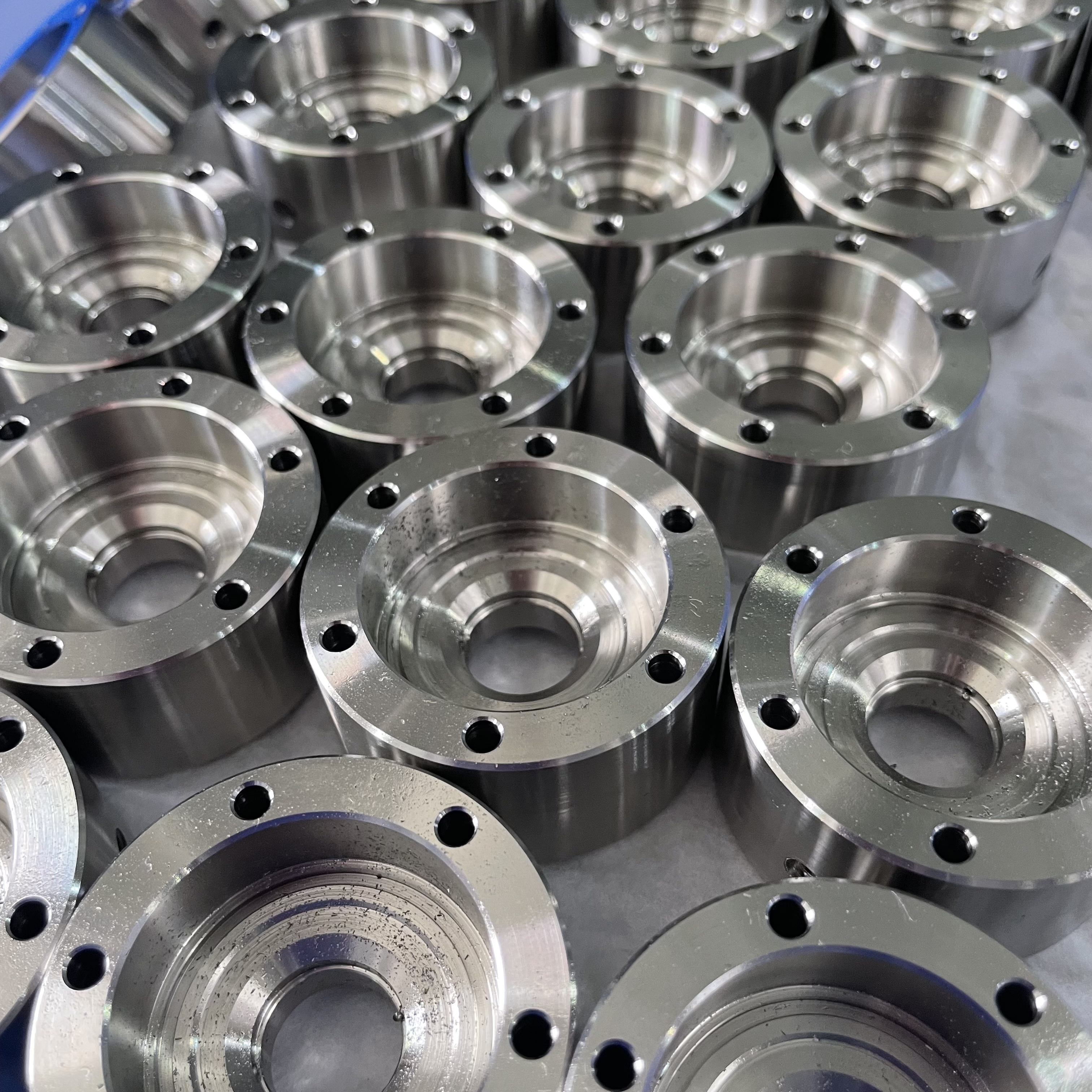
At Precision Fab CNC Machining, we specialize in producing parts for prototypes, short runs, and high-volume production. Our prototyping machine capabilities extend across metal, plastic, and wood machining, with welding fabrication services available to complement and finalize your prototype if required.
Address
Address: Room320 10F, Building A,Nanshan international building, Dayawan District, Huizhou, Guangdong, 516001 China
Contacts
billy@timaycnc.com