How CNC Machining Supports the Construction Industry with Precision Parts

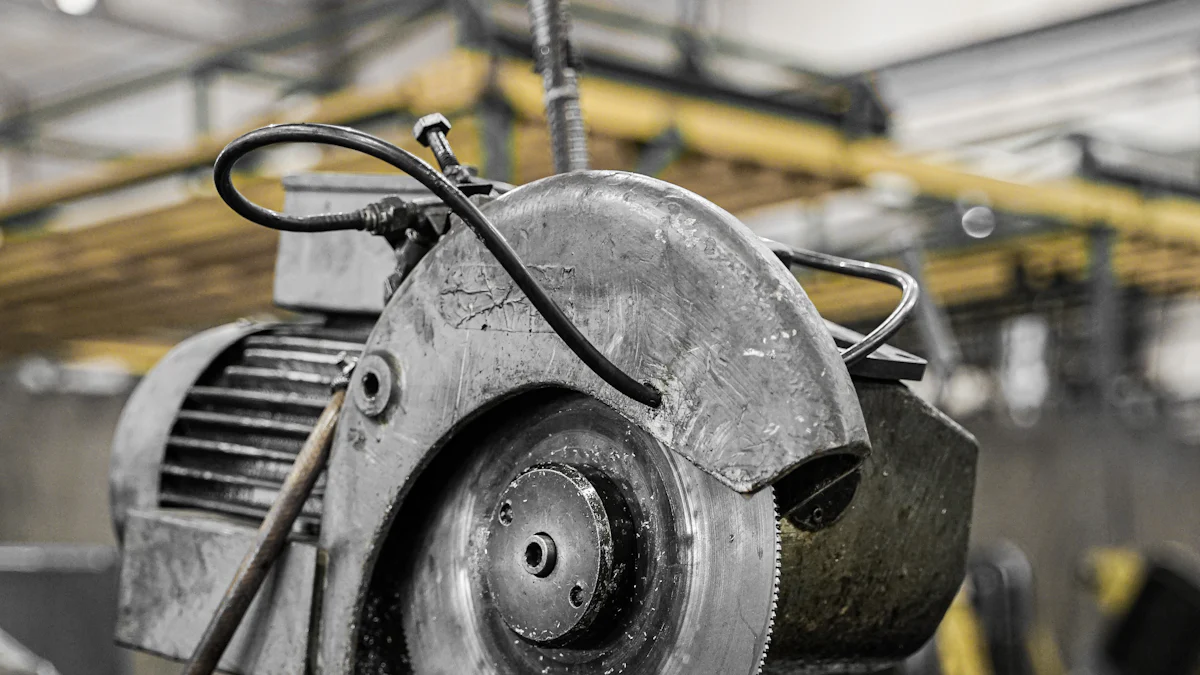
CNC machining has transformed how you approach construction projects. It delivers unmatched accuracy and efficiency, ensuring every component meets exact specifications. Unlike traditional methods, CNC machining uses automated software to create intricate designs with superior precision. This technology reduces material waste and speeds up production, saving you time and resources. You can rely on CNC machining to produce consistent, high-quality parts that enhance structural integrity and meet modern construction demands. Its ability to handle complex operations makes it an essential tool for innovative designs and sustainable practices.
Key Takeaways
CNC machining improves building accuracy, making parts fit perfectly and lowering risks of failures.
This tech speeds up work by automating tasks, helping projects finish faster.
CNC machining cuts down material waste, saving money and helping the environment.
These machines can make complex and custom designs for special building needs.
Using CNC-made tools boosts efficiency and lowers costs for all project sizes.
Understanding CNC Machining and Its Precision
What Is CNC Machining?
Overview of the CNC machining process
CNC machining, short for computer numerical control, automates the operation of manufacturing equipment. It transforms digital designs into precise physical components by controlling tools like drills, lathes, and mills. The process begins with a CAD (Computer-Aided Design) model, which is converted into a set of instructions for the machine. These instructions guide the cutting tools to shape materials with exceptional accuracy. This automation eliminates manual intervention, ensuring consistent results across multiple parts.
Modern CNC machines use advanced sensors and control systems to maintain tolerances within a few micrometers. This level of precision is essential for creating components that meet strict standards. Whether you need intricate geometries or simple designs, CNC machining delivers reliable results every time.
Key features: automation, precision, and versatility
CNC machining stands out due to its core principles:
Automation: Reduces human error and speeds up production.
Precision: Achieves tolerances as tight as .0001 inches, ensuring high-quality parts.
Versatility: Handles complex designs and works with various materials, including metals, plastics, and composites.
These features make CNC machining a cornerstone of modern manufacturing, especially in industries like construction, where precision and efficiency are critical.
The Role of Precision in Construction
Importance of accuracy for structural integrity
Precision plays a vital role in maintaining the structural integrity of buildings. For example, the foundation of One World Trade Center was designed with exceptional accuracy to withstand seismic activity and other forces. On the other hand, a lack of precision can lead to severe issues, as seen in a residential building in Laghouat, Algeria, where poor construction practices caused instability. By using precision CNC machining, you can ensure that every component fits perfectly, reducing the risk of structural failures.
Meeting strict design and safety specifications
Construction projects demand components that meet exact design and safety standards. Precision CNC machining allows you to produce parts with tight tolerances, ensuring they align with these requirements. Advanced tools, such as diamond-tipped cutting instruments, enhance the accuracy of the process. This precision not only improves the quality of the final structure but also minimizes risks, helping you deliver safer and more reliable buildings.
Benefits of Precision CNC Machining for Construction
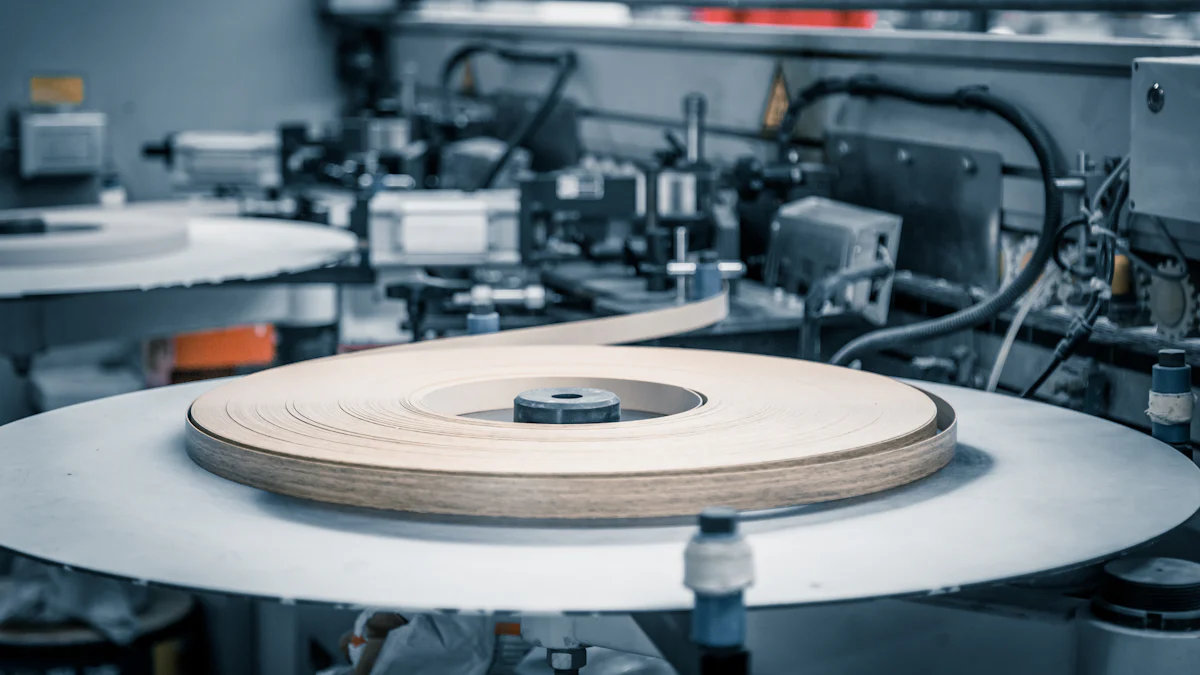
Enhanced Efficiency and Productivity
Faster production of components
CNC machining accelerates the production of construction components by operating continuously without breaks. Unlike traditional methods, this technology ensures uninterrupted manufacturing, allowing you to meet tight deadlines. For example, CNC machines can quickly produce beams, brackets, and prefabricated walls with precise dimensions. These ready-to-assemble parts streamline construction processes, saving you valuable time.
Reduced manual labor and human error
By automating tasks, CNC machining minimizes the need for manual labor. This allows skilled workers to focus on complex tasks that require human expertise. Automation also eliminates errors caused by manual handling. CNC machines follow exact instructions, ensuring consistent results. Whether you need a single part or large quantities, the process delivers high-quality outputs every time.
Creating Complex and Custom Designs
Supporting unique architectural and structural requirements
CNC machining empowers you to bring intricate architectural designs to life. With advanced 3-axis and 4-axis machines, you can create custom staircases, decorative columns, and detailed moldings. These machines translate digital models into physical forms with exceptional precision, enabling you to meet unique project requirements.
Enabling innovative construction techniques
This technology supports innovative construction methods by producing prefabricated components with exact specifications. Prefabricated walls, floors, and other elements fit perfectly during assembly, enhancing structural integrity. CNC machining also allows for the creation of complex architectural features, enabling you to explore bold and creative designs.
Cost-Effectiveness and Sustainability
Minimizing material waste
CNC machining optimizes material usage through precision cutting. This reduces waste, saving you money and lowering the environmental impact of your projects. The process also fosters sustainability by enabling the use of recycled and eco-friendly materials.
Lowering maintenance and rework costs
High-quality components produced by CNC machining reduce the need for frequent maintenance and rework. The precision of the process ensures that parts meet exact specifications, minimizing errors and extending the lifespan of your structures.
Applications of CNC Machining in the Construction Industry
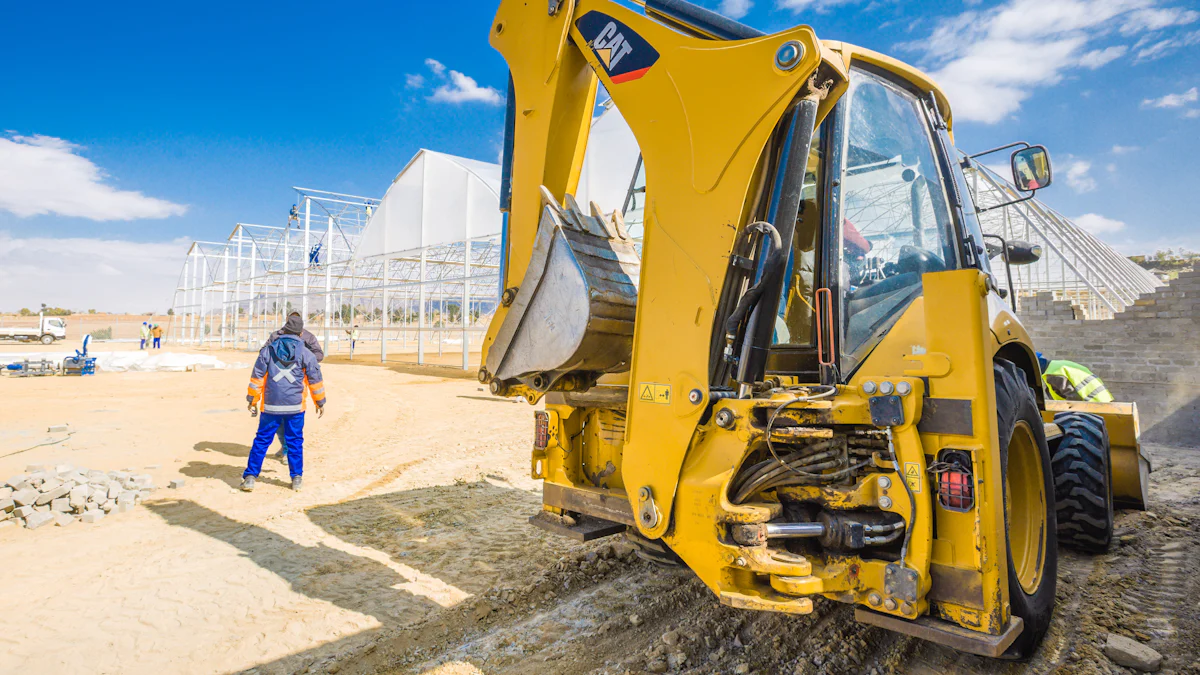
Custom Architectural Components
Intricate facades and decorative elements
CNC machining allows you to create intricate architectural details that enhance the visual appeal of buildings. This technology enables the production of complex features like decorative columns, moldings, and brackets with unmatched precision. Architects often use CNC machines to craft unique facades that combine functionality with aesthetics. For example:
Custom staircases, including floating designs and traditional wooden options with detailed handrails.
Bespoke furniture, such as coffee tables with organic shapes, that add character to spaces.
Detailed scale models of architectural designs, aiding in project visualization.
These components not only elevate the design but also ensure durability and consistency, making them ideal for modern construction projects.
Tailored designs for unique projects
CNC machining supports your vision for unique architectural projects by enabling the creation of custom designs. Whether you need ornamental gates, intricate flooring patterns, or outdoor furniture, this technology delivers precise results. CNC machines minimize material waste, aligning with sustainable practices. They also translate digital models into physical forms with high fidelity, ensuring every detail matches your specifications.
CNC machines offer repeat positioning capabilities ranging from 3.5 microns to 50 microns, allowing you to achieve exceptional accuracy in tailored designs.
Structural Parts and Prefabrication
Precision-cut beams, columns, and connectors
CNC machining ensures that structural components like beams, columns, and connectors are manufactured with precise dimensions. This precision guarantees that parts fit together seamlessly, reducing assembly errors. Prefabricated parts, such as brackets and beams, are designed to match exactly, making the assembly process faster and more efficient. By maintaining consistent quality across multiple parts, CNC machining enhances the structural integrity of your projects.
CNC machines produce beams and brackets with exact measurements, facilitating perfect assembly.
Prefabricated components minimize waste and improve construction speed.
Accurate cuts and measurements reduce errors and inconsistencies during installation.
Components for modular and prefabricated construction
The prefabrication trend in construction relies heavily on CNC machining. This technology allows you to manufacture precise parts off-site, such as walls and floors, which speeds up on-site assembly. CNC machines ensure that these components meet exact specifications, reducing errors and waste. By supporting modular construction, CNC machining improves efficiency and quality control, enabling faster project completion.
Tools and Equipment
Manufacturing durable tools for construction tasks
CNC machining plays a vital role in manufacturing tools designed for heavy-duty construction tasks. These tools include carbide inserts, end mills, turning tools, and drilling bits. They are built with exceptional hardness, heat resistance, and wear resistance, ensuring reliable performance in demanding environments. This durability reduces the need for frequent replacements, saving you time and costs.
Custom jigs and fixtures for on-site use
Custom jigs and fixtures enhance on-site construction processes by improving ergonomics and precision. Lightweight materials, such as carbon, reduce tool weight, making them easier to handle. Modular fixtures allow for rapid reconfiguration, minimizing setup time. Adjustable elements provide flexibility for different part designs, ensuring adaptability for future tasks. By incorporating ergonomic principles, these tools reduce operator fatigue and improve safety.
For example, BMW engineers reported a 25-50% weight reduction in tools, which decreased application errors from 10% to under 4%.
Overcoming Construction Challenges with CNC Machining
Addressing Time Constraints
Faster turnaround for urgent projects
Construction projects often face tight deadlines, requiring quick and efficient solutions. CNC machining accelerates production by creating prefabricated parts that fit together seamlessly. This precision reduces assembly time and minimizes waste, enabling you to meet project timelines without compromising quality. For example, components like beams and brackets are manufactured to exact specifications, ensuring faster construction processes.
Streamlining the supply chain for parts
CNC machining simplifies the supply chain by producing parts with consistent dimensions and high accuracy. This technology ensures that prefabricated components fit perfectly during assembly, saving time and reducing errors.
CNC machining produces parts with exact sizes, enhancing efficiency.
Prefabricated components reduce waste and speed up assembly.
Custom designs improve structural strength and safety.
Ensuring Material Precision and Consistency
Meeting strict tolerances for safety and performance
Tight tolerance is critical in construction to ensure safety and performance. CNC machining achieves this by maintaining precise measurements and using advanced tools. Techniques like Geometric Dimensioning and Tolerancing (GD&T) allow you to meet strict design specifications.
Accurate measurements ensure components meet tight tolerance requirements.
High-precision tools maintain consistency, even during extended use.
CNC machining methods deliver superior control over dimensions.
Adapting to diverse materials used in construction
CNC machining works with a wide range of materials, including wood, stone, and metals. This versatility allows you to create unique patterns and shapes while maintaining tight tolerances. Prefabricated components like walls and floors are crafted off-site to exact specifications, reducing errors and improving quality during on-site assembly.
Supporting Sustainability Goals
Reducing material waste through precise cutting
Precision CNC machining minimizes material waste by optimizing cutting processes. This reduces the environmental impact of construction and preserves natural resources. By using energy-efficient machines and recycling waste materials, you can adopt sustainable practices that align with modern environmental goals.
Enabling the use of eco-friendly materials
CNC machining supports the integration of eco-friendly materials like bamboo and bioplastics. Precision cutting ensures minimal waste, making these materials more viable for construction. Recent advancements in CNC technology have also improved energy efficiency, further promoting sustainability. Durable components produced through this process reduce the need for replacements, lowering the overall environmental footprint.
CNC machining transforms how you approach construction projects. Its unmatched precision and efficiency reduce mistakes, reworks, and material waste. You benefit from faster production, lower costs, and safer processes.
Key advantages include:
Enhanced accuracy ensures fewer errors and consistent quality.
Continuous operation boosts productivity and saves time.
Sustainable practices reduce waste and environmental impact.
Looking ahead, CNC machining will evolve to meet future challenges:
Prefabricated components will speed up construction timelines.
Industry 4.0 technologies will improve efficiency and quality.
Sustainable materials will promote eco-friendly building practices.
As construction grows more complex, CNC machining will remain essential for innovation and progress.
FAQ
What materials can CNC machines work with in construction?
CNC machines handle a variety of materials, including metals, plastics, wood, and composites. You can also use eco-friendly options like bamboo or recycled materials. This versatility allows you to meet diverse project needs while supporting sustainable practices.
How does CNC machining improve construction project timelines?
CNC machining speeds up production by automating processes and creating precise prefabricated components. These parts fit together seamlessly during assembly, reducing delays. Faster production and fewer errors help you meet tight deadlines efficiently.
Is CNC machining cost-effective for small construction projects?
Yes, CNC machining minimizes material waste and reduces rework costs, making it cost-effective even for smaller projects. You can produce custom parts with high precision, ensuring quality without overspending.
Can CNC machining support sustainable construction practices?
Absolutely! CNC machining reduces material waste through precise cutting and supports the use of eco-friendly materials. Energy-efficient machines and durable components further promote sustainability, helping you align with modern environmental goals.
What types of construction tools can CNC machines create?
CNC machines manufacture durable tools like drills, end mills, and custom jigs. These tools improve efficiency and precision during construction tasks. Lightweight and modular designs enhance usability, making them ideal for on-site applications.
💡 Tip: Investing in CNC-machined tools can save you time and reduce replacement costs over the long term.
See Also
Streamlined CNC Machining Solutions for Accurate Manufacturing Needs
Investigating CNC Machining Options for High-Precision Production
The Impact of CNC Machining on Advanced Precision Production
Revealing CNC Machining Accuracy Within the Aerospace Sector
Perfecting CNC Machining Techniques for Precision Component Production
About US
Follow Us
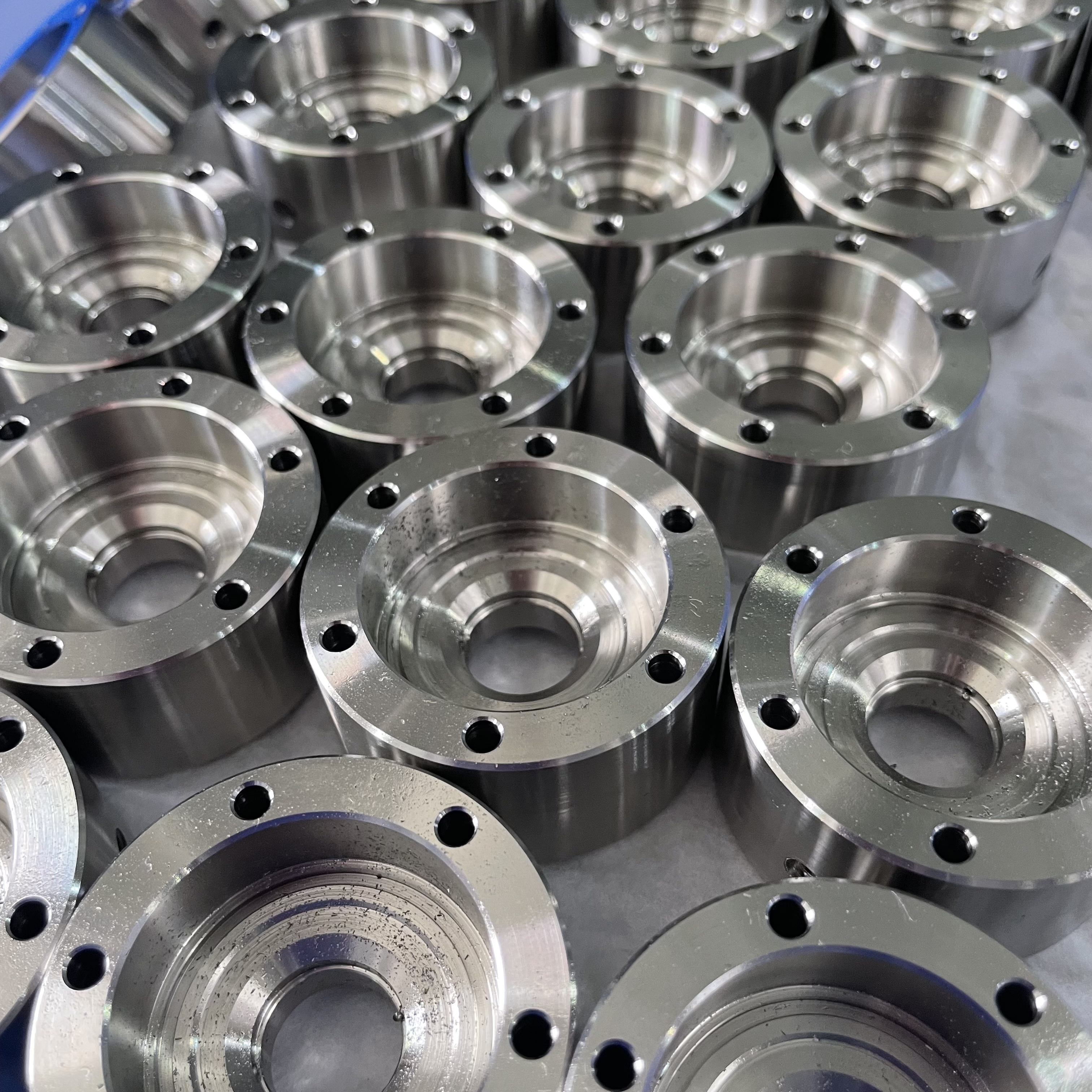
Your prototype holds unparalleled significance, and we deeply value its uniqueness. Collaborating with you during the preparation phase for running your prototype or parts is a commitment we gladly embrace. Whether it's a single part or a complex assembly, we are dedicated to selecting the optimal tools and pathways to bring your envisioned product to life.
At Precision Fab CNC Machining, we specialize in producing parts for prototypes, short runs, and high-volume production. Our prototyping machine capabilities extend across metal, plastic, and wood machining, with welding fabrication services available to complement and finalize your prototype if required.
Address
Address: Room320 10F, Building A,Nanshan international building, Dayawan District, Huizhou, Guangdong, 516001 China
Contacts
billy@timaycnc.com