How CNC Machining Shapes Custom Aerospace Components

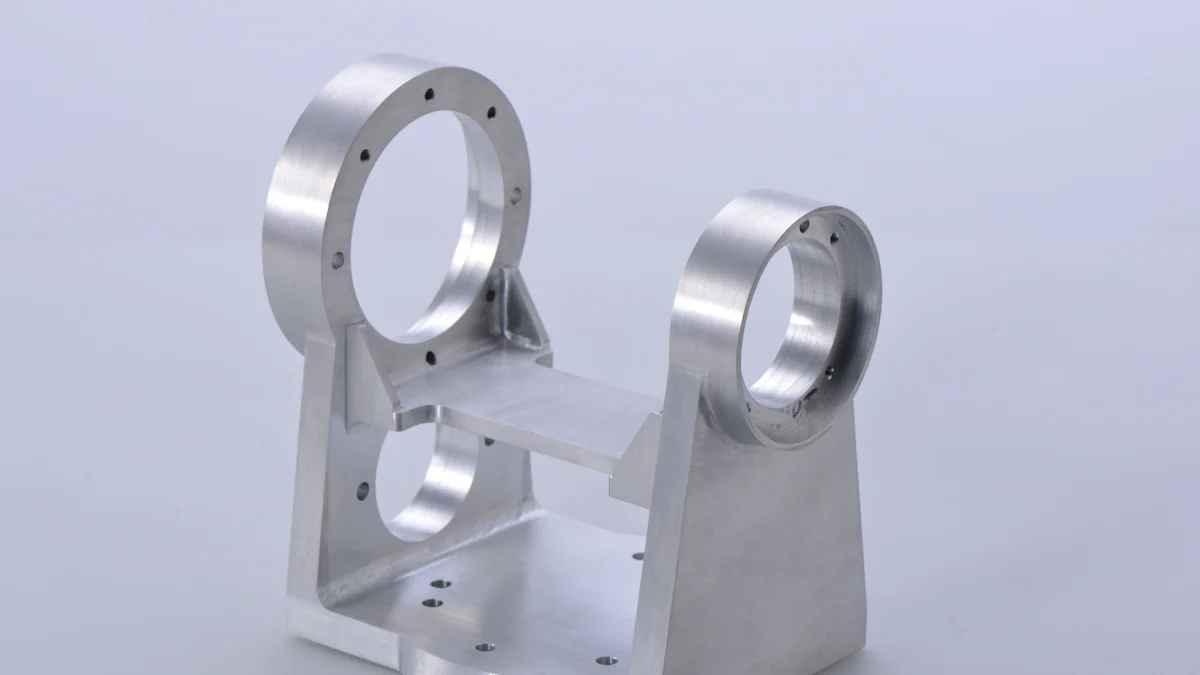
CNC machining plays a pivotal role in aerospace manufacturing by delivering unmatched precision and reliability. Aerospace components, such as turbine blades and structural parts, demand exact tolerances to ensure safety and performance under extreme conditions. CNC machines achieve tolerances within microns, enabling the production of complex geometries that conventional methods cannot replicate. The industry also relies on high-strength materials like titanium and aluminum alloys, which CNC machining processes with remarkable accuracy. As an experienced aerospace manufacturing company, leveraging CNC technology ensures compliance with stringent FAA and EASA standards while meeting the growing demand for innovation and efficiency.
Key Takeaways
CNC machining offers extreme accuracy, measuring tiny details in microns. This is very important for safety and performance in aerospace.
It works well with strong materials like titanium and aluminum. These materials are needed to make lightweight and strong aerospace parts.
Modern CNC machines, like 5-axis ones, can create tricky shapes. These shapes are impossible to make with older methods.
Following strict rules, like AS9100, ensures high quality and trust in aerospace manufacturing.
CNC machining saves time and money by using less material and needing less work. This helps save a lot over time.
CNC Machining for Aerospace: An Overview
What is CNC Machining?
CNC machining is a highly automated manufacturing process that uses computer-controlled cutting tools to shape materials with exceptional precision. This technology enables the production of intricate parts by directing cutting operations along multiple axes. CNC machines can perform complex tasks, such as milling, turning, and drilling, with minimal human intervention. By automating these processes, CNC machining ensures consistent quality and reduces the likelihood of errors.
In aerospace manufacturing, CNC machining plays a critical role in creating components with tight tolerances and complex geometries. The ability to manipulate workpieces along multiple axes simultaneously allows manufacturers to produce parts that meet the industry's stringent requirements.
CNC machining quality control requires process repeatability, and the aerospace industry demands consistency and reliability across production runs. Projects may require a manufacturing partner that is AS9100 certified, which is specific to aerospace and includes comprehensive quality management system requirements.
Why CNC Machining is Vital for Aerospace Manufacturing
CNC machining for aerospace is indispensable due to its ability to meet the industry's high standards for precision, durability, and performance. Aerospace components, such as turbine blades and structural parts, must withstand extreme conditions while maintaining their integrity. CNC machining ensures these parts meet exact specifications, reducing the risk of failure during operation.
The technology also excels in handling high-strength materials like titanium and aluminum alloys, which are essential for lightweight yet durable aerospace components. CNC machining effectively processes these materials, ensuring compliance with strict industry standards. Additionally, the use of advanced 5-axis and 9-axis machines enhances the ability to create complex shapes with unparalleled accuracy.
CNC machines consistently achieve tolerances of just a few microns, ensuring reliability in aerospace components.
Materials like titanium and aluminum alloys are critical for producing lightweight yet durable parts.
CNC machining overcomes challenges posed by these materials, ensuring compliance with industry standards.
Key Features of Aerospace CNC Machining
Aerospace CNC machining stands out due to its unique features designed to meet the sector's demanding requirements. These include:
High Precision and Accuracy: CNC machining achieves tolerances within microns, ensuring components meet exact specifications.
Complex Geometries: Advanced machines, such as 5-axis and 9-axis systems, enable the production of intricate shapes and designs.
Material Versatility: The process handles a wide range of materials, including titanium, aluminum alloys, and nickel-based superalloys.
Repeatability: CNC machining ensures consistent quality across production runs, a critical factor in aerospace manufacturing.
CNC machining technology also incorporates advanced software for design and quality control, further enhancing its capabilities. This combination of precision, versatility, and reliability makes it an essential tool in aerospace manufacturing.
Challenges in CNC Machining for Aerospace Components
Meeting Precision and Tolerance Standards
CNC machining for aerospace components demands exceptional precision to meet the industry's stringent requirements. Aerospace parts often require close tolerances to ensure safety and functionality under extreme conditions. Achieving these tolerances involves selecting materials that meet strict criteria for strength and durability. For example, titanium and aluminum alloys are commonly used due to their lightweight yet robust properties. However, machining these materials to exact specifications can be challenging.
Quality control plays a critical role in maintaining precision. Rigorous testing and inspection processes ensure that each component meets regulatory standards. Manufacturers must also comply with certifications like AS9100, which governs quality management systems in aerospace. These measures guarantee that every part performs reliably in high-stakes environments.
Handling Complex Geometries
Aerospace components often feature complex designs, such as turbine blades, aerodynamic surfaces, and internal structures for stabilizers. These intricate shapes require advanced machining techniques, including multi-axis CNC machining and electrical discharge machining (EDM). The ability to manipulate workpieces along multiple axes allows manufacturers to produce parts with unparalleled accuracy.
Machining complex geometries also involves overcoming challenges related to material removal and tool access. For instance, internal cavities and curved surfaces demand specialized tooling and programming. Advanced software solutions play a vital role in optimizing tool paths and ensuring precision. By leveraging these technologies, CNC machining for aerospace components achieves the intricate shapes necessary for optimal performance.
Machining Heat-Resistant and Tough Materials
Aerospace applications often utilize materials like titanium alloys and heat-resistant superalloys (HRSAs) for their strength and high-temperature performance. However, these materials present unique challenges during machining. Titanium's hardness leads to increased tool wear and heat buildup, while HRSAs require higher cutting forces due to their dynamic shear strength.
Poor thermal conductivity in these materials causes heat to accumulate in the tooling, accelerating wear. Additionally, HRSAs are prone to work hardening, which increases notch wear tendencies. To address these issues, manufacturers use specialized tooling and cutting techniques. Advanced CNC systems also help manage heat and maintain precision, ensuring that aerospace components meet performance and durability standards.
Balancing Cost and Time Efficiency
Balancing cost and time efficiency in aerospace CNC machining requires strategic planning and the adoption of advanced technologies. Manufacturers must optimize every stage of the production process to meet tight deadlines while maintaining high-quality standards. Several strategies have proven effective in achieving this balance.
Tool Selection and Management: Choosing the right tools for specific tasks ensures high-quality results and minimizes unnecessary expenses. Proper tool management also reduces downtime caused by tool wear or failure.
Advanced Tooling Technologies: Leveraging cutting-edge tooling solutions enhances machining efficiency. These technologies improve cutting speeds and extend tool life, leading to significant cost savings.
Implementing Lean Production Techniques: Lean manufacturing principles streamline operations by eliminating waste and improving workflow. This approach creates a seamless flow of materials and information throughout the production process.
Streamlining Workflows: Reorganizing processes ensures smooth transitions between production stages. Efficient workflows reduce delays and improve overall productivity.
Role of Technology in Lean Manufacturing: Advanced software and automation tools support lean initiatives. These technologies enable data-driven decision-making and enhance operational efficiency.
For example, a leading aerospace manufacturer implemented cellular manufacturing and visual management tools. This approach reduced production time by 30% and significantly decreased work-in-progress inventory. Such results demonstrate the impact of well-executed efficiency strategies.
Additional measures include simplifying part designs to reduce machining complexity and costs. Using standardized components also lowers expenses by minimizing custom fabrication requirements. Material selection plays a critical role as well. Opting for cost-effective yet durable materials ensures performance without overspending. Matching part requirements to the capabilities of a CNC machine prevents unnecessary expenditures. Finally, efficient tooling strategies, such as optimizing tool paths, reduce machining time and wear on equipment.
By integrating these practices, aerospace manufacturers achieve a balance between cost and time efficiency, ensuring competitive production without compromising quality.
Benefits of CNC Machining for Aerospace Applications
Achieving High Precision and Accuracy
Aerospace CNC machining delivers unmatched precision, which is critical for ensuring the safety and performance of aircraft components. Precision machining guarantees that parts meet exact dimensions, maintaining structural integrity and operational reliability. This level of accuracy is essential for components operating under extreme conditions, such as high temperatures and pressures.
Safety: Accurate machining ensures parts fit perfectly, reducing the risk of failure during operation.
Performance: High precision enhances the efficiency of components, enabling them to function optimally in demanding environments.
Compliance: Aerospace CNC machining adheres to strict industry standards, ensuring regulatory approval for all parts.
CNC machines achieve this precision by using advanced software to control movements down to fractions of a millimeter. This capability minimizes human error and ensures consistent quality across production runs. The result is high-quality custom machined parts that meet the rigorous demands of the aerospace industry.
Ensuring Efficiency and Repeatability
Efficiency and repeatability are vital in aerospace manufacturing, where consistency is non-negotiable. CNC machining excels in producing identical parts over multiple cycles, eliminating variations common in manual processes. This uniformity ensures that every component meets strict regulatory standards.
CNC machining ensures consistent quality, reducing errors and defects.
Advanced software enables exact replications of part designs, maintaining precision.
Repeatability allows manufacturers to produce thousands of identical parts with minimal variation.
The aerospace industry benefits from this reliability, as even minor imperfections can lead to significant consequences. By automating processes, CNC machining reduces production time and ensures that parts are manufactured efficiently without compromising quality.
Cost-Effectiveness for Custom Aerospace Components
CNC machining offers significant cost advantages for custom aerospace components. Automation reduces labor expenses, which are traditionally high in manufacturing. The precision of CNC machining minimizes material waste and errors, lowering the need for costly rework or scrap.
Long-term cost savings outweigh initial setup expenses.
Improved material utilization enhances efficiency in producing complex parts.
Reduced scrap and lower labor costs contribute to overall savings.
Additionally, the quick and accurate production of components shortens time-to-market, increasing profitability. Aerospace CNC machining ensures that manufacturers can deliver high-quality parts while maintaining cost efficiency, making it an indispensable tool in the industry.
Flexibility in Prototyping and Production
CNC machining offers unmatched flexibility in prototyping and production, making it a cornerstone of aerospace manufacturing. This adaptability allows engineers to experiment with designs and materials, ensuring components meet the industry's rigorous demands for performance and safety.
One of the key advantages of CNC machining lies in its ability to work with a wide range of materials. Engineers can prototype using lightweight aluminum for its versatility or robust titanium for its strength and heat resistance. This material flexibility enables the optimization of aerospace components for durability, weight reduction, and structural integrity.
The precision of CNC machining also supports the creation of intricate and complex designs that traditional methods cannot replicate. Engineers can innovate in areas such as aerodynamics and functionality, producing components with enhanced performance. This capability is particularly valuable in the aerospace sector, where even minor design improvements can lead to significant advancements in efficiency and safety.
CNC prototyping accommodates various materials, including aluminum and titanium, essential for aerospace applications.
The process enables the production of intricate designs, fostering innovation in aerodynamics and functionality.
High precision and consistency reduce errors, accelerating the design cycle and minimizing time-to-market.
CNC machining also enhances production efficiency by ensuring consistent quality across prototypes and final products. The process minimizes errors and rework, streamlining the transition from design to production. This efficiency shortens development timelines, allowing manufacturers to meet tight deadlines without compromising quality.
The versatility of CNC machining empowers aerospace engineers to explore different materials and designs for specific applications. This flexibility is crucial for optimizing components to meet the unique challenges of aerospace environments. By leveraging CNC technology, manufacturers can achieve a seamless balance between innovation, efficiency, and reliability in both prototyping and production.
Materials Used in Aerospace CNC Machining
Titanium: Strength and Heat Resistance
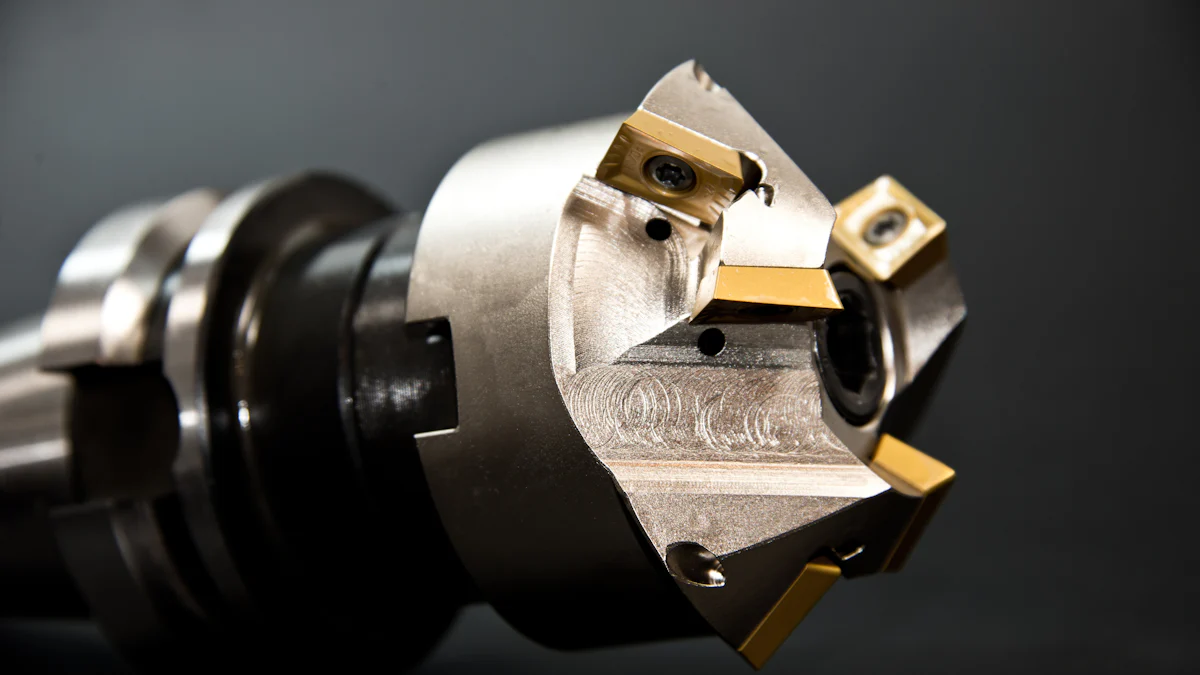
Titanium is a cornerstone material in aerospace CNC machining due to its exceptional properties. Its high strength-to-weight ratio makes it ideal for components requiring both durability and reduced weight. Titanium resists corrosion effectively, even in harsh environments, ensuring long-term reliability. Its heat resistance allows it to perform well under extreme temperatures, a critical requirement for aerospace applications. Additionally, titanium exhibits low thermal expansion, maintaining dimensional stability during temperature fluctuations.
Key advantages of titanium include:
High strength-to-weight ratio
Excellent corrosion resistance
Heat resistance for high-temperature environments
Durability under extreme conditions
Low coefficient of thermal expansion
These attributes make titanium indispensable for manufacturing critical aerospace components like turbine blades and structural parts.
Aluminum Alloys: Lightweight and Versatile
Aluminum alloys are widely used in aerospace CNC machining for their lightweight and versatile nature. These alloys combine strength with reduced weight, making them essential for improving fuel efficiency in aircraft. Their corrosion resistance enhances durability, while their cost-effectiveness makes them a practical choice for large-scale production. Aluminum alloys also exhibit excellent thermal conductivity, which aids in heat dissipation for components like heat exchangers.
Advantage | Description |
|---|---|
Strong | Aluminum alloys provide high strength suitable for aerospace applications. |
Lightweight | They are significantly lighter than many other metals, aiding in weight reduction. |
Corrosion Resistant | Excellent resistance to corrosion, enhancing durability in various environments. |
Cost-effective | Generally more affordable compared to other materials used in aerospace. |
Good Thermal Conductivity | Effective heat dissipation properties, important for aerospace components. |
Fatigue Resistant | Capable of withstanding repeated stress without failure. |
The machinability of aluminum alloys further enhances their appeal, allowing for efficient production of intricate aerospace components.
Nickel-Based Superalloys: High-Temperature Performance
Nickel-based superalloys excel in aerospace CNC machining due to their ability to withstand extreme temperatures. These materials maintain structural integrity at temperatures exceeding 800°C, making them ideal for turbine engines and other high-performance applications. Their creep resistance ensures durability under prolonged stress, while their corrosion resistance enhances longevity in demanding environments.
Characteristic | Description |
|---|---|
High-Temperature Performance | Operates effectively at temperatures above 800°C, unlike iron-based superalloys. |
Creep Resistance | Improves the creep life of turbine disks, essential for high-performance engines. |
Alloying Elements | Elements like Ti, Ta, Nb, and Hf enhance properties and prevent detrimental phase transformations. |
Nickel-based superalloys are irreplaceable in aerospace manufacturing, offering unmatched performance in high-temperature and high-stress conditions.
Composites: Advanced Materials for Aerospace Applications
Composites have revolutionized aerospace manufacturing by offering a unique combination of strength, lightweight properties, and design flexibility. These advanced materials consist of a matrix, such as epoxy resin, reinforced with fibers like carbon or glass. This structure provides exceptional mechanical properties, making composites ideal for aerospace components that require high performance under extreme conditions.
One of the most significant advantages of composites lies in their ability to reduce weight without compromising strength. Aircraft manufacturers prioritize weight reduction to improve fuel efficiency and overall performance. Composites achieve this by offering a superior strength-to-weight ratio compared to traditional metals like steel or aluminum. This property makes them indispensable for structural components, such as fuselage panels, wing spars, and tail assemblies.
CNC machining enhances the potential of composites by enabling precise and efficient production. Manufacturers can machine intricate features with minimal material waste, as only the necessary material is removed during the process. This efficiency not only reduces costs but also aligns with sustainability goals. Additionally, composites allow for customizability, enabling engineers to tailor components for specific applications. This flexibility supports the creation of complex geometries and aerodynamic designs that improve aircraft performance.
Rapid prototyping with composites accelerates the design and production cycle. Engineers can quickly iterate on designs, ensuring components meet stringent aerospace standards. This capability shortens the time required to bring new products to market, giving manufacturers a competitive edge.
Key Benefits of Composites in Aerospace CNC Machining:
Reduced waste through efficient material usage.
Customizable designs for specific applications.
Faster go-to-market timelines due to rapid prototyping.
Composites continue to shape the future of aerospace manufacturing. Their versatility, combined with CNC machining, enables the production of innovative, high-performance components that meet the industry's evolving demands.
Key Processes in CNC Machining for Aerospace Components
CNC Milling for Complex Shapes
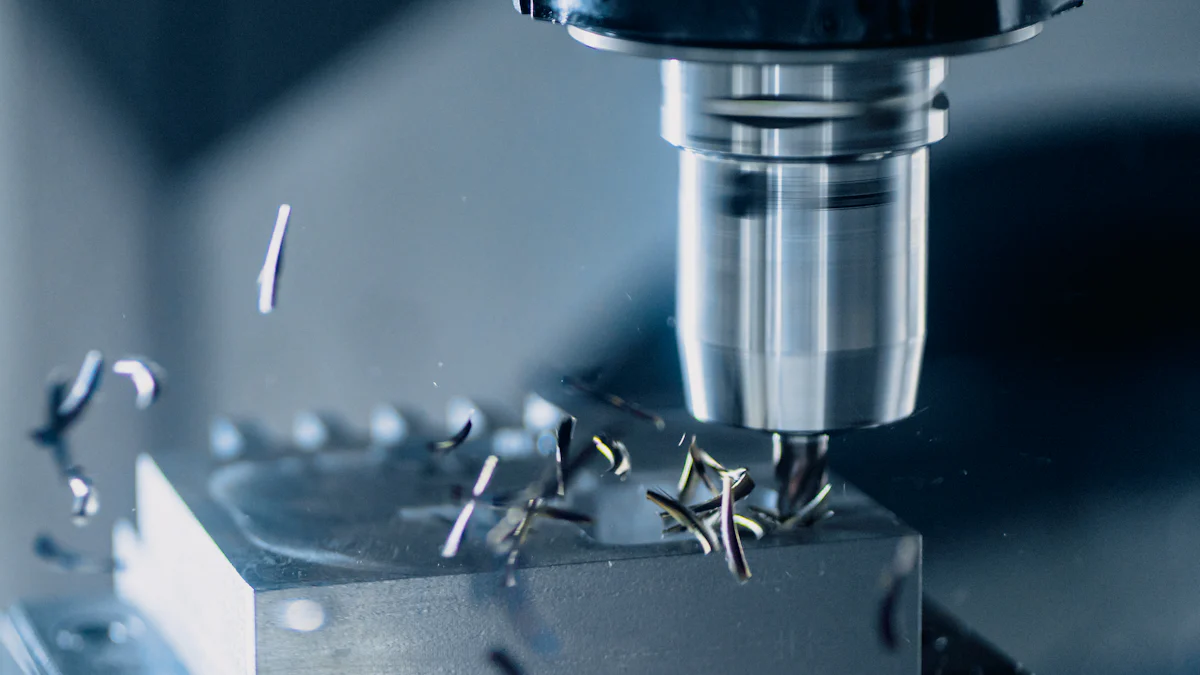
CNC milling plays a vital role in aerospace cnc machining by enabling the creation of intricate and precise components. This process uses multi-axis machines, including advanced 5-axis systems, to shape materials into complex geometries. Aerospace manufacturers rely on CNC milling to produce critical parts such as turbine blades, engine mounts, and aerodynamic surfaces. These components are essential for ensuring aircraft stability and performance under extreme conditions.
The versatility of CNC milling allows for the production of precision parts with consistent wall thickness, which is crucial for reducing weight without compromising strength. Thin-walled machined parts, such as couplers for fluid transport, exemplify the capabilities of this process. Additionally, CNC milling ensures that components meet tight tolerances, enhancing their reliability and functionality.
CNC milling excels in creating complex shapes and thin-walled parts, making it indispensable for aerospace applications. Its ability to handle diverse materials and achieve high precision ensures the production of components that meet stringent industry standards.
CNC Turning for Rotational Parts
CNC turning is a subtractive manufacturing process that shapes rotating workpieces into cylindrical components with exceptional precision. This method is essential for producing screws, nuts, shafts, and other rotational parts critical to aerospace applications. By controlling the feed and speed of the cutting tool, CNC turning achieves dimensional accuracy and superior surface quality.
Aerospace cnc machining frequently uses CNC turning to manufacture fasteners, connector pins, and bearing seats. These components play a pivotal role in ensuring the structural integrity and functionality of aircraft systems. The process also supports the production of threads and shaft sleeves, which require precise machining to meet performance requirements.
CNC turning's ability to process workpieces with high precision makes it ideal for creating rotational parts. Its efficiency and accuracy contribute to the reliability of aerospace components.
5-Axis Machining for Intricate Geometries
5-axis machining stands out in aerospace cnc machining for its ability to produce intricate and complex geometries. Unlike traditional 3-axis machines, 5-axis systems move in three linear axes and two rotary axes, allowing the cutting tool to approach the workpiece from virtually any angle. This capability eliminates the need for manual repositioning, reducing production time and improving accuracy.
Advantage | Description |
|---|---|
Higher Precision and Accuracy | 5-axis CNC machines deliver smoother, accurately machined parts that meet tight tolerances. |
More Complex Part Geometries | These machines handle complex angles, creating intricate designs with premium finishes. |
The standout feature of 5-axis machining is its ability to create parts with unique geometries and tight tolerances. This process is invaluable for manufacturing components like turbine blades and aerodynamic surfaces, which require precise shaping to optimize performance.
5-axis machining enhances aerospace manufacturing by enabling the production of complex parts with unmatched precision. Its advanced capabilities support innovation and efficiency in the industry.
EDM for Precision Cutting
Electrical Discharge Machining (EDM) plays a critical role in aerospace manufacturing by delivering unparalleled precision for cutting and shaping complex components. This non-contact machining process uses electrical discharges to erode material, enabling the creation of intricate designs that meet the aerospace industry's stringent requirements.
Wire EDM, a specialized form of EDM, is particularly effective for machining high-strength materials like titanium and superalloys. These materials are essential in aerospace applications due to their durability and heat resistance. Wire EDM ensures precision without compromising the structural integrity of these materials.
Key Advantages of Wire EDM in Aerospace CNC Machining:
Minimizes mechanical stresses, reducing risks of distortion.
Produces lower residual stresses, enhancing component reliability.
Experiences minimal tool wear, ensuring consistent cutting performance.
Offers high repeatability, crucial for manufacturing identical parts with tight tolerances.
The non-contact nature of EDM eliminates the physical forces typically associated with traditional machining methods. This feature reduces the likelihood of material deformation, making it ideal for producing delicate or thin-walled aerospace components. Additionally, the process generates minimal residual stress, which enhances the durability and performance of machined parts under extreme conditions.
Wire EDM also excels in efficiency. Its ability to maintain consistent cutting performance reduces the need for frequent tool changes, saving time and resources. This efficiency, combined with its high repeatability, ensures that aerospace manufacturers can produce components with exceptional accuracy across multiple production runs.
By leveraging EDM technology, aerospace manufacturers can achieve the precision and reliability required for critical components. This process complements other CNC machining techniques, ensuring the production of high-quality parts that meet the industry's exacting standards.
Certifications and Quality Standards in Aerospace CNC Machining
Importance of Aerospace Industry Standards (e.g., AS9100)
The aerospace industry demands strict adherence to quality standards to ensure safety, reliability, and performance. Certifications like AS9100 play a pivotal role in maintaining these standards. AS9100, an extension of ISO 9001, incorporates additional clauses specific to aerospace manufacturing. It ensures consistency and reliability across production processes, making it a critical requirement for aerospace cnc machining.
Other essential standards include ITAR regulations, which govern the manufacture and distribution of defense-related technologies, and AS9102 First Article Inspection Reports, which verify that components meet specifications before full-scale production begins. These standards collectively enhance traceability and accountability in aerospace manufacturing.
Standard | Description |
|---|---|
AS9100 Certification | A standard for quality assurance in aerospace, extending ISO 9001. |
ITAR Regulations | Governs the manufacture and distribution of defense technologies. |
AS9102 First Article Inspection | Ensures components meet specifications before production. |
By adhering to these standards, aerospace cnc machining ensures that every component meets the rigorous demands of the aerospace industry.
Inspection and Testing for Quality Assurance
Inspection and testing are integral to maintaining quality in aerospace cnc machining. Manufacturers employ a variety of methods to ensure components meet precise specifications. Dimensional inspections, using tools like calipers and micrometers, verify tolerances with high accuracy. Coordinate Measuring Machines (CMM) measure complex geometries, ensuring compliance with design requirements.
Quality assurance processes include first article inspections, in-process inspections, and final inspections. First article inspections confirm that initial components meet specifications before production begins. In-process inspections monitor quality throughout machining, while final inspections ensure components are defect-free before delivery.
Additional testing methods include:
Visual inspection: Identifies surface defects.
Non-destructive testing (NDT): Detects material flaws without causing damage.
Material testing: Confirms material properties meet aerospace standards.
Performance testing: Assesses functionality under extreme conditions.
These rigorous inspection and testing protocols ensure traceability and uphold the high standards required in the aerospace industry.
Role of Advanced Software in Meeting Quality Standards
Advanced software plays a crucial role in achieving the precision and traceability required in aerospace cnc machining. CAD/CAM software facilitates the design of complex parts, optimizing machining processes for efficiency and accuracy. These tools enable engineers to simulate and validate designs, identifying potential issues before production begins.
CNC machining software ensures components meet stringent aerospace requirements by controlling tool paths with exceptional precision. Virtual testing and simulations further enhance quality assurance by predicting performance under real-world conditions. This proactive approach minimizes errors and reduces production costs.
The evolution of software technology has transformed aerospace manufacturing. By integrating advanced software, manufacturers can meet the aerospace industry's exacting standards while maintaining efficiency and reliability.
CNC machining has revolutionized aerospace manufacturing by enabling the production of high-quality, custom components with exceptional precision. Its ability to achieve tight tolerances and create intricate geometries ensures reliable performance under extreme conditions. This technology supports the use of high-strength materials like titanium and aluminum alloys, which are essential for lightweight and durable aerospace parts. Future advancements, such as AI integration and sustainable practices, promise to further optimize production processes, reduce waste, and enhance efficiency. These innovations position CNC machining as a cornerstone of aerospace manufacturing, driving progress and innovation in the industry.
FAQ
What makes CNC machining suitable for aerospace manufacturing?
CNC machining ensures precision, repeatability, and the ability to handle complex geometries. These qualities meet the aerospace industry's strict requirements for safety and performance. The process also supports high-strength materials like titanium and superalloys, which are essential for lightweight, durable components.
How does 5-axis machining benefit aerospace applications?
5-axis machining enables the creation of intricate geometries by allowing the cutting tool to approach the workpiece from multiple angles. This capability reduces production time, eliminates manual repositioning, and ensures tight tolerances. It is ideal for manufacturing turbine blades and aerodynamic surfaces.
Why is AS9100 certification important in aerospace CNC machining?
AS9100 certification ensures compliance with aerospace-specific quality management standards. It guarantees that manufacturers follow rigorous processes to produce reliable, high-quality components. This certification enhances traceability, reduces defects, and ensures safety in critical aerospace applications.
What materials are commonly used in aerospace CNC machining?
Aerospace CNC machining frequently uses titanium, aluminum alloys, nickel-based superalloys, and composites. Titanium offers strength and heat resistance, while aluminum alloys provide lightweight versatility. Nickel-based superalloys excel in high-temperature environments, and composites deliver strength with reduced weight.
How does CNC machining improve cost efficiency in aerospace manufacturing?
CNC machining reduces labor costs through automation and minimizes material waste with precise cutting. It also lowers rework expenses by ensuring accuracy in the first production run. These factors contribute to long-term cost savings and faster time-to-market for aerospace components.
See Also
Discovering CNC Machining's Role in Aerospace Precision Engineering
Streamlined CNC Machining Solutions for Accurate Production Needs
Investigating CNC Machining Options for High-Precision Production
Perfecting CNC Machining Techniques for Precision Component Creation
The Impact of CNC Machining on Advanced Precision Manufacturing
About US
Follow Us
Your prototype holds unparalleled significance, and we deeply value its uniqueness. Collaborating with you during the preparation phase for running your prototype or parts is a commitment we gladly embrace. Whether it's a single part or a complex assembly, we are dedicated to selecting the optimal tools and pathways to bring your envisioned product to life.
At Precision Fab CNC Machining, we specialize in producing parts for prototypes, short runs, and high-volume production. Our prototyping machine capabilities extend across metal, plastic, and wood machining, with welding fabrication services available to complement and finalize your prototype if required.
Address
Address: Room320 10F, Building A,Nanshan international building, Dayawan District, Huizhou, Guangdong, 516001 China
Contacts
billy@timaycnc.com