How CNC Machining Supports the Production of Custom Electronic Enclosures

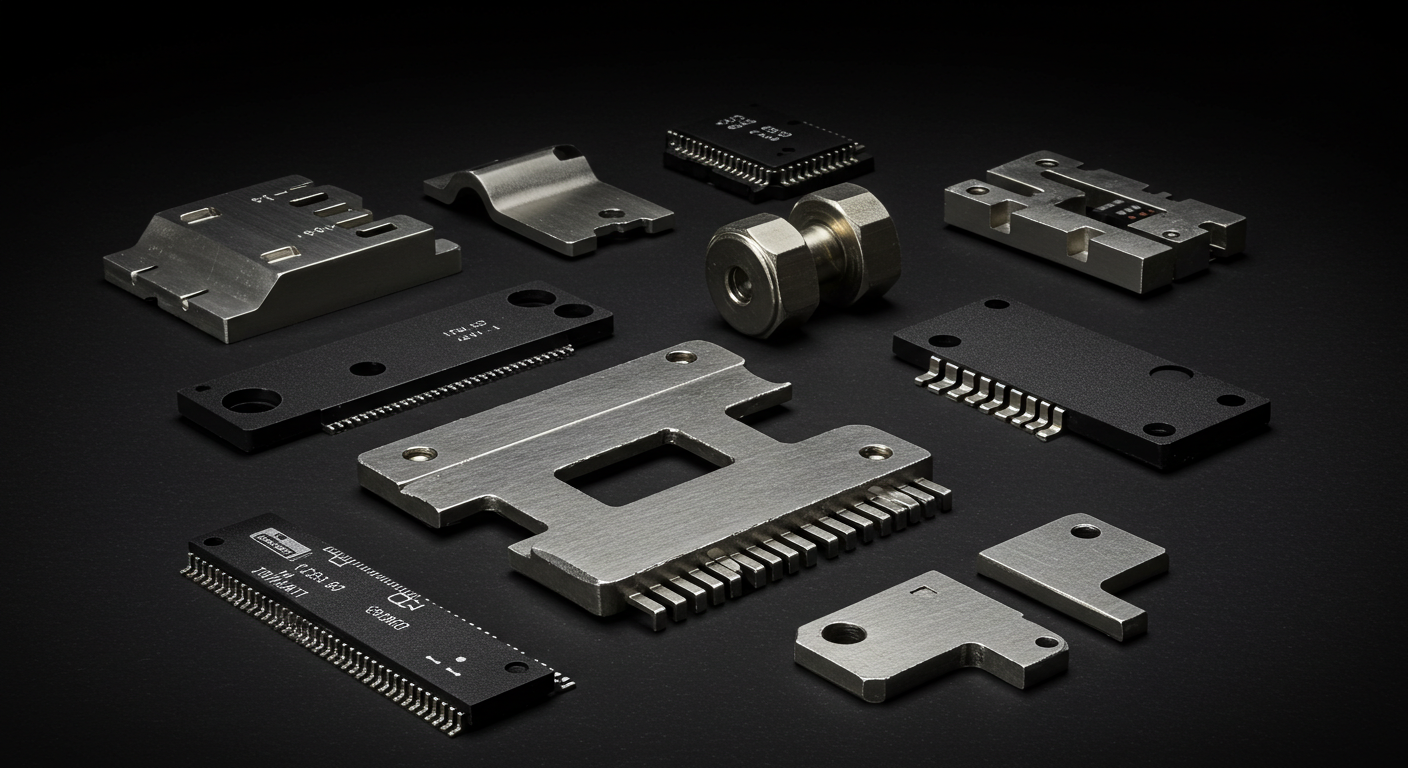
CNC machining delivers unmatched precision and efficiency for producing custom electronic enclosures. You can rely on it to meet the growing demand for miniaturized, high-density electronics. This method ensures enclosures are tailored to your exact specifications, offering durability and protection for sensitive components while reducing lead times and production costs.
Key Takeaways
CNC machining is very accurate, making parts fit and work well.
It helps create special designs that look good and work better.
This process works for small samples or big batches, meeting needs fast.
Benefits of CNC Machining for Custom Electronic Enclosures
High Level of Precision and Accuracy
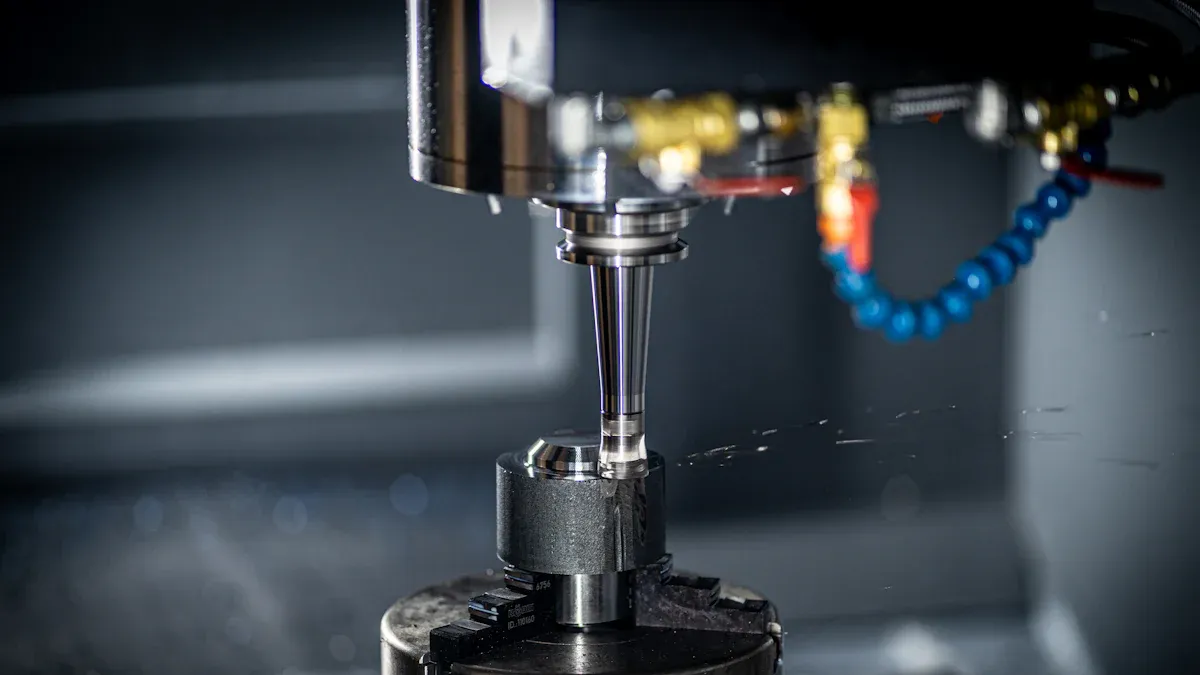
CNC machining ensures a high level of precision, making it ideal for manufacturing custom electronic enclosures. This process achieves tight tolerances, often within microns, ensuring that parts fit perfectly and function as intended. For example, tolerances as tight as +/- 0.0025 mm are critical for maintaining the integrity of electronic components. Regular calibration and advanced measurement tools further enhance precision, ensuring consistent results.
Modern CNC machines also use sophisticated CAD/CAM software to optimize tool paths, reducing deviations from specified measurements. This precision is essential for industries like medical devices and aerospace, where reliability and functionality are non-negotiable. By maintaining exact measurements, CNC machining supports the durability and high reliability of electronic parts machining.
Customization and Design Flexibility
CNC machining offers unmatched flexibility in creating custom electronic enclosures. You can design enclosures of any shape, size, or profile to meet specific application needs. Advanced CAD software enables detailed 3D modeling, allowing you to incorporate features like ventilation slots, mounting holes, and ergonomic designs.
This flexibility ensures that enclosures not only protect electronic components but also enhance their functionality and aesthetics. For instance, custom casings can include thermal management features to prevent overheating or branding elements to improve product appeal. CNC machining allows you to tailor every detail, ensuring the final product meets both functional and aesthetic requirements.
Scalability for Small and Large-Scale Manufacturing
CNC machining adapts seamlessly to both small and large-scale production. Whether you need a single prototype or thousands of units, this method ensures consistent quality without requiring significant machine reconfiguration. Manufacturers can quickly adjust output to meet changing market demands, making CNC machining a cost-effective solution for businesses of all sizes.
On-demand production capabilities further enhance scalability, allowing you to produce custom electronic enclosures as needed. This flexibility supports business growth while maintaining productivity and minimizing waste. Continuous operation with minimal supervision ensures high efficiency, even during peak demand periods.
The CNC Machining Process for Custom Electronic Enclosures
Key Steps in the CNC Machining Workflow
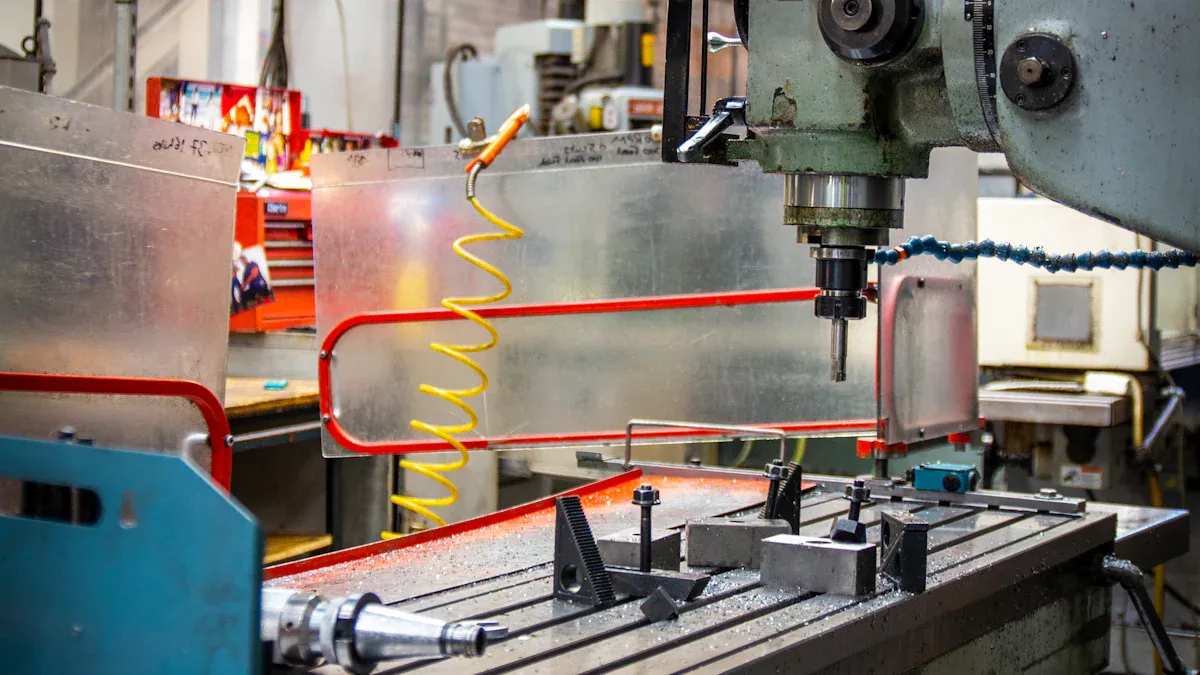
Creating custom electronic enclosures through CNC machining involves several critical steps to ensure precision and quality:
Measure Your PCB and Components: Begin by recording the dimensions of your printed circuit board (PCB) and other electronic components. Include details like button positions, port locations, and mounting holes.
Create a Design Using CAD Software: Use computer-aided design (CAD) software to develop a 2D or 3D model of your PCB. Build the enclosure around this model, incorporating features like ventilation slots or mounting brackets.
Material Selection and Preparation: Choose the appropriate material based on the enclosure's intended use and prepare it for machining.
Machining and Prototyping: Program the CNC machine to cut, drill, and shape the material according to the CAD design. Create prototypes to test fit and functionality.
Final Production and Assembly: Once the design is validated, proceed with full-scale production and assemble the enclosures.
These steps ensure a high level of precision, allowing you to produce enclosures that meet exact specifications and protect sensitive electronic components effectively.
Common Materials Used for Enclosures
Selecting the right material is crucial for the durability and functionality of your enclosures. Common options include:
Aluminum: Lightweight, corrosion-resistant, and excellent for heat dissipation. Ideal for applications requiring thermal management.
Stainless Steel: Strong and corrosion-resistant, suitable for industrial environments.
Plastics: Lightweight and cost-effective, offering good electrical insulation. High-grade plastics are often used for consumer electronics.
Copper: Exceptional thermal and electrical conductivity, often used for specialized components.
Composites: High strength and excellent insulation properties, perfect for structural parts.
Each material offers unique benefits. For example, aluminum provides a balance of strength and weight, while plastics are ideal for lightweight casings. Your choice should align with the specific requirements of your electronic components.
Quality Control and Finishing Techniques
Maintaining quality during CNC machining involves rigorous control measures:
Precision Manufacturing: Ensures components meet exact specifications with tight tolerances.
Repeatability: Guarantees consistent quality across all units.
Rigorous Testing: Includes inspections to verify dimensional accuracy, material strength, and surface finish.
Finishing techniques further enhance the appearance and performance of your enclosures:
Anodizing: Improves corrosion resistance and adds a decorative finish.
Powder Coating: Creates a durable, scratch-resistant surface.
Chemical Conversion Coating: Adds a protective layer to metal surfaces.
These processes ensure your enclosures not only protect electronic components but also maintain a professional appearance, enhancing their overall functionality and durability.
Applications of CNC Machining in Custom Electronic Enclosures
Industrial Equipment Enclosures
CNC machining plays a vital role in producing enclosures for industrial equipment. These enclosures protect sensitive electronic components from environmental hazards like dust, moisture, and electromagnetic interference (EMI). They also serve as heat sinks, ensuring optimal device performance in demanding conditions.
You can find CNC-machined enclosures in applications such as:
Telecommunication cases
Control panels in hazardous environments
Solar battery storage units
Wastewater treatment systems
Aluminum enclosures are particularly popular in industrial settings due to their durability and ability to maintain dimensional tolerances. This precision ensures seamless assembly and reliable performance, even in harsh environments. CNC machining also allows you to customize designs to meet specific requirements, such as EMI shielding or enhanced aesthetics.
Tip: For industrial applications, prioritize materials that balance durability and functionality to ensure long-term reliability.
Consumer Electronics Housings
CNC machining supports the production of sleek and functional housings for consumer electronics. It enables you to create precise casings for products like laptops, smartphones, and gaming accessories. These housings not only protect electronic components but also enhance the product's aesthetic appeal.
For example, CNC machining ensures that wearable technology, such as fitness trackers and smartwatches, meets high standards of design and usability. The process also allows for intricate detailing, ensuring that your products stand out in a competitive market. By using CNC machining, you can achieve both durability and high reliability in your electronic parts machining.
Medical Device Casings
Medical devices demand precision and reliability, and CNC machining excels in meeting these requirements. This process allows you to work with specialty plastics and biocompatible materials, ensuring compliance with strict FDA regulations. CNC machining delivers the exact tolerances needed for intricate designs, making it ideal for diagnostic equipment, imaging devices, and surgical instruments.
For instance, CNC-machined casings for MRI components and orthotic devices provide the durability and precision necessary for patient care. The superior surface finishes achieved through CNC machining also enhance the functionality and safety of medical devices. By leveraging this technology, you can produce casings that meet the highest standards of quality and reliability.
Cost and Time Considerations for CNC Machined Enclosures
Comparing CNC Machining to Other Manufacturing Methods
CNC machining stands out for its ability to produce custom electronic enclosures with unmatched precision and flexibility. This method excels in low to medium production volumes, where complex designs and tight tolerances are essential. Unlike sheet metal fabrication or diecasting, CNC machining allows you to create intricate features and tailored dimensions without compromising quality.
However, for larger production runs, alternative methods like diecasting may offer more cost-effective solutions. These methods reduce per-unit costs by spreading setup expenses across high volumes. While CNC machining provides significant customization benefits, it may not always be the most economical choice for mass production.
Note: CNC machining remains the preferred option when precision and functionality are critical, especially for industries requiring high-quality electronic parts machining.
Factors Influencing Cost and Lead Time
Several factors impact the cost and lead time of CNC-machined enclosures:
Material Selection: Aluminum offers excellent machinability and durability, while stainless steel provides strength for demanding environments.
Customization Requirements: Complex designs with precise cutouts or tailored dimensions increase production time and cost.
Batch Size: Producing parts in batches reduces the cost per unit and minimizes machine downtime.
Production Timeline: Tight deadlines may require additional resources, affecting overall expenses.
By carefully considering these factors, you can optimize your manufacturing process to balance cost and efficiency. For example, using batch processing for smaller runs can improve productivity and reduce lead times.
Long-Term Value of CNC Machined Enclosures
Investing in CNC-machined enclosures offers long-term advantages that outweigh the initial costs. These enclosures provide robust protection for electronic components, shielding them from environmental hazards like moisture and dust. Durable materials like aluminum and stainless steel ensure long-lasting performance, reducing maintenance expenses over time.
The precision of CNC machining also enhances the functionality of your enclosures. Accurate cutouts and tailored dimensions ensure a secure fit for electronic parts, improving overall product reliability. By choosing CNC machining, you gain durable, high-quality casings that extend the lifespan of your electronics and deliver a strong return on investment.
Tip: Consider the advantages of machined enclosures when evaluating long-term costs. Their durability and precision can significantly enhance the lifecycle of your products.
CNC machining provides unmatched precision and flexibility for creating custom electronic enclosures. You can achieve tailored dimensions, precise cutouts, and durable designs that meet your specific needs.
Key Benefits:
High precision ensures components fit perfectly.
Material versatility enhances durability and performance.
Customization allows for unique designs and features.
Tip: Leverage CNC machining to produce enclosures that combine functionality, aesthetics, and long-term cost savings. Its adaptability makes it ideal for industries like consumer electronics, medical devices, and industrial equipment.
By adopting CNC machining, you ensure your electronic enclosures meet the highest standards of quality and reliability.
FAQ
What industries benefit most from CNC machined electronics casings?
Industries like medical devices, aerospace, consumer electronics, and industrial equipment benefit greatly. These sectors demand precision, durability, and customization for their electronic enclosures.
How does CNC machining ensure durability in electronic enclosures?
CNC machining uses high-quality materials like aluminum and stainless steel. These materials provide excellent strength, corrosion resistance, and long-lasting performance for electronic enclosures.
Can CNC machining handle complex designs for electronic enclosures?
Yes, CNC machining excels at creating intricate designs. It allows you to incorporate features like ventilation slots, mounting brackets, and ergonomic shapes with high precision.
See Also
Streamlined CNC Machining Solutions for Accurate Production Needs
Investigating CNC Technology and Precision Engineering in Electronics
Delving Into CNC Machining Solutions for Precise Production
Upcoming CNC Precision Machining Innovations for Consumer Electronics
The Impact of CNC Machining on Advanced Precision Manufacturing
About US
Follow Us
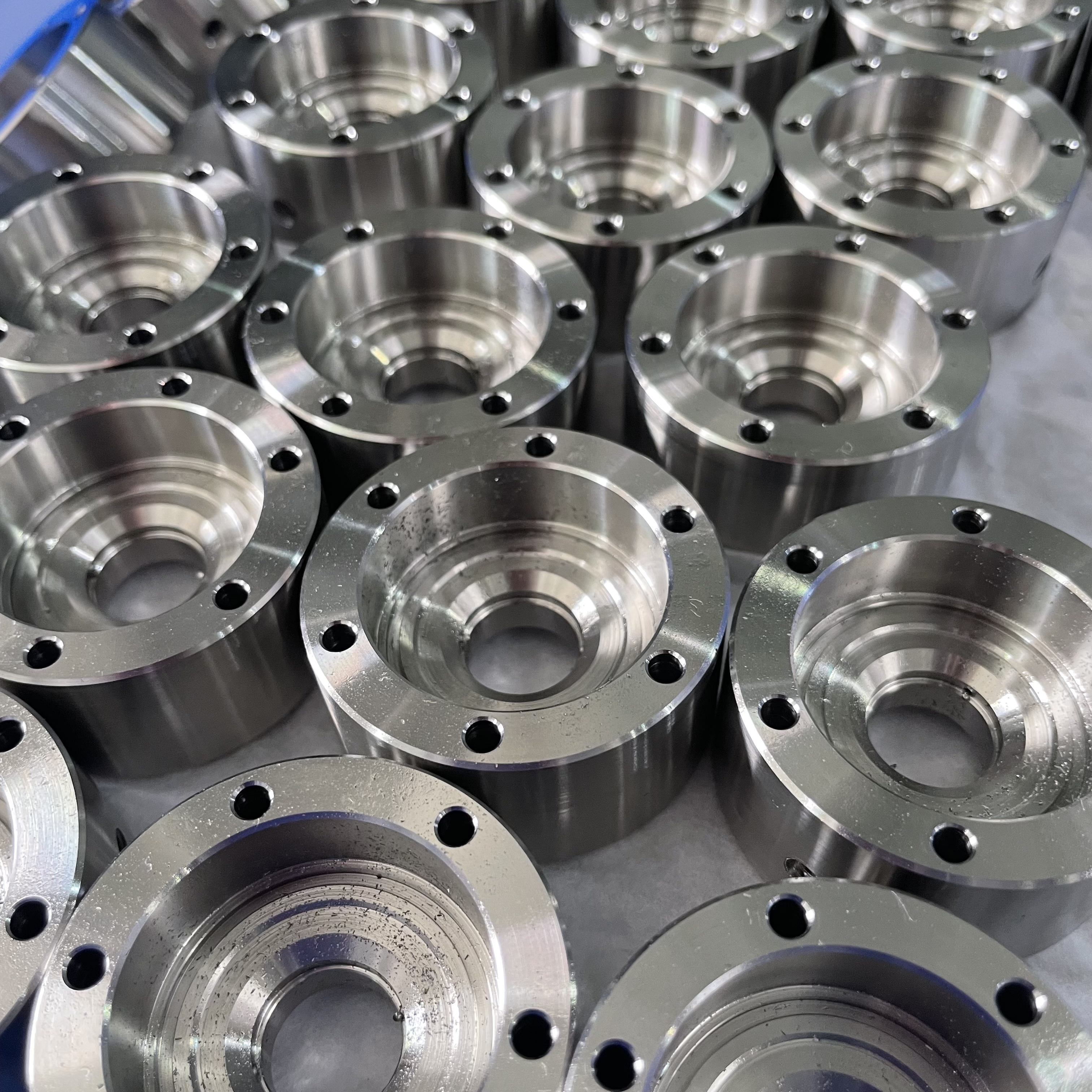
Your prototype holds unparalleled significance, and we deeply value its uniqueness. Collaborating with you during the preparation phase for running your prototype or parts is a commitment we gladly embrace. Whether it's a single part or a complex assembly, we are dedicated to selecting the optimal tools and pathways to bring your envisioned product to life.
At Precision Fab CNC Machining, we specialize in producing parts for prototypes, short runs, and high-volume production. Our prototyping machine capabilities extend across metal, plastic, and wood machining, with welding fabrication services available to complement and finalize your prototype if required.
Address
Address: Room320 10F, Building A,Nanshan international building, Dayawan District, Huizhou, Guangdong, 516001 China
Contacts
billy@timaycnc.com