CNC Machining Customization for Aerospace and Defense

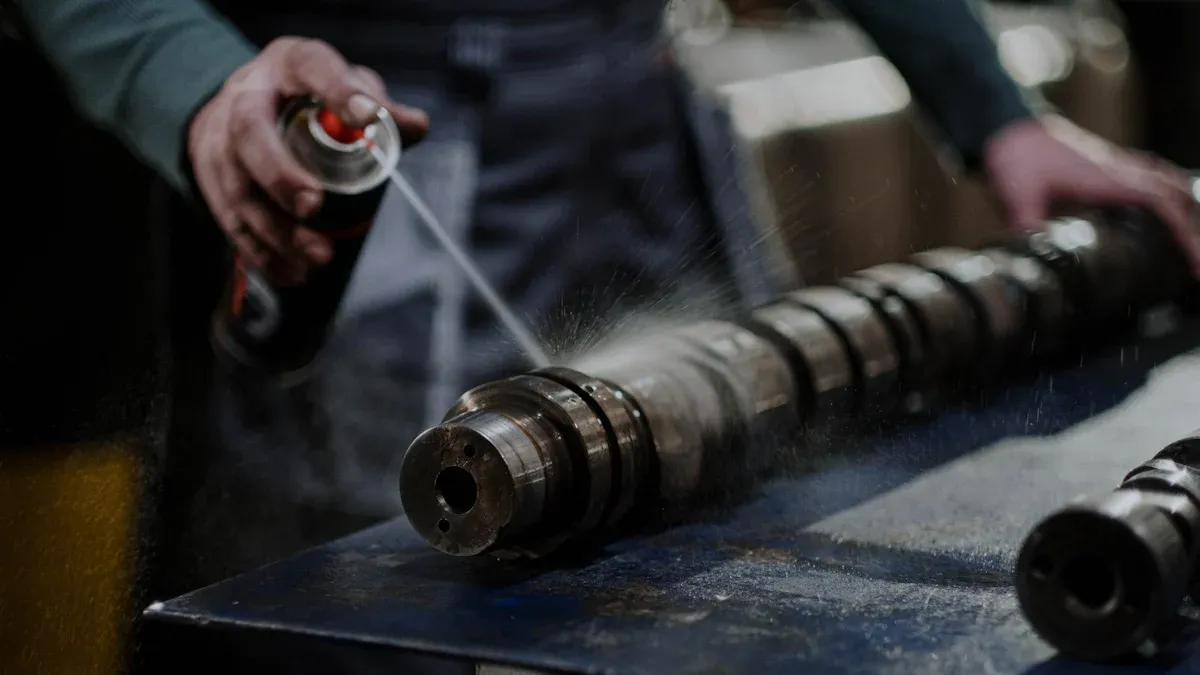
In aerospace and defense, precision and durability are non-negotiable. CNC machining ensures components like turbine blades and engine parts meet exact specifications, critical for safety and performance. Customization allows you to create intricate designs using advanced 5 and 9-axis milling machines, addressing the sector's demand for strict tolerances and unparalleled reliability.
Key Takeaways
CNC machining provides exact results and strong parts, important for airplane and defense items like turbine blades and engine pieces.
Custom designs and materials improve how parts work and last, while following tough industry rules.
Using CNC tools helps create new ideas, making quick models and easily building tricky parts.
Overview of CNC Machining and Customization
Defining CNC Machining
CNC machining, or Computer Numerical Control machining, is a manufacturing process that uses pre-programmed software to control machinery. This technology allows you to produce highly precise and complex components by automating cutting, drilling, and shaping tasks. In aerospace and defense, CNC machining plays a critical role in creating parts that meet strict performance and safety standards. Its ability to deliver consistent results with minimal human intervention makes it indispensable for these industries.
Key principles of CNC machining include high precision, repeatability, and the ability to work with advanced materials. These features ensure that components like military aircraft parts and radar systems meet exact specifications. Multi-axis machining, such as 5-axis or 9-axis setups, enables the production of intricate designs in a single operation, reducing errors and improving efficiency.
The Role of Customization in Aerospace and Defense
Customization in CNC machining aerospace applications addresses the unique challenges of these industries. You often need components that can withstand extreme conditions, such as high temperatures, pressure, or corrosive environments. Customization allows you to tailor designs and materials to meet these demands, ensuring durability and performance.
For defense applications, customization enhances functionality and reliability. For example, missile parts require precise geometries to ensure accuracy and stability. By leveraging CNC machining, you can achieve these specifications while maintaining cost efficiency and production speed.
Tip: Customization through CNC machining not only improves performance but also reduces lead times, helping you meet tight deadlines without compromising quality.
Why Aerospace CNC Machining Requires Customization
Aerospace CNC machining demands customization due to the industry's stringent requirements. Aircraft components, such as turbine blades and engine mounts, must adhere to tight tolerances to ensure safety and efficiency. Customization enables you to optimize designs for weight reduction, fuel efficiency, and structural integrity.
Additionally, the use of advanced materials like titanium and carbon composites in aerospace requires specialized machining techniques. CNC machining allows you to work with these materials effectively, ensuring high-quality results. Automated processes further enhance precision and reduce the risk of human error, making CNC machining a cornerstone of modern aerospace manufacturing.
Key Features of CNC Machining Customization
Precision Engineering and Tight Tolerances
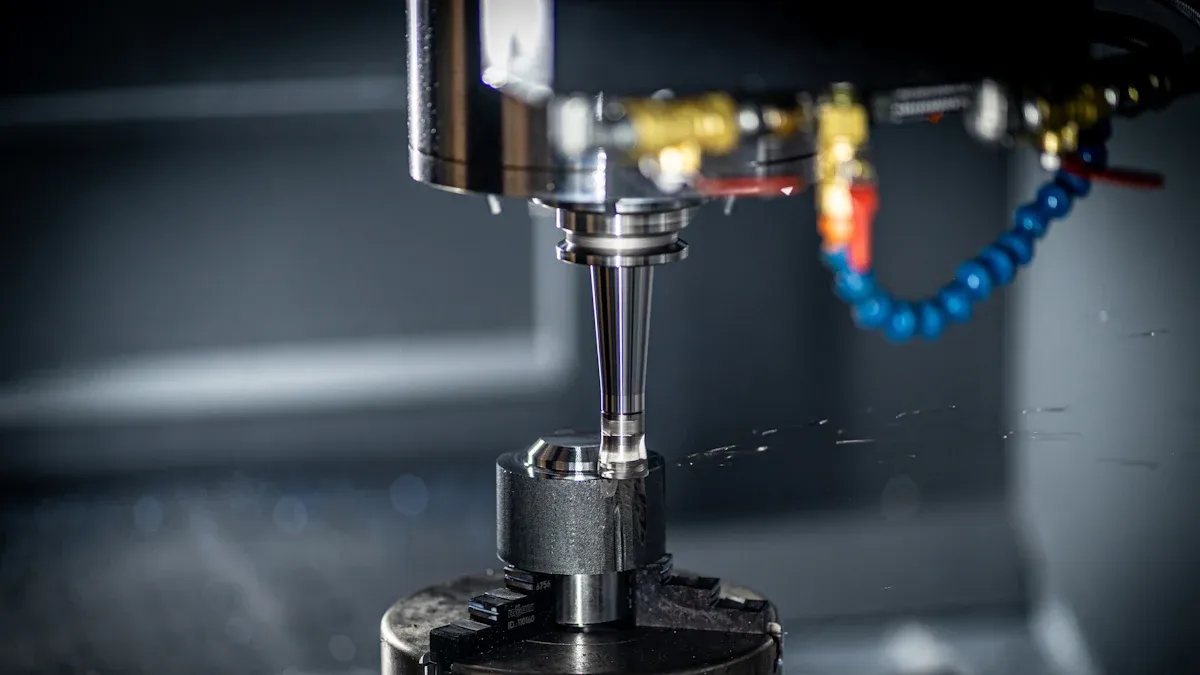
Precision is the backbone of CNC machining in aerospace applications. You rely on precision engineering to ensure components meet exact specifications, which is critical for safety and performance. For example:
Safety: Precision machining prevents catastrophic failures by adhering to strict tolerances.
Performance: Components function flawlessly under extreme conditions, ensuring efficiency.
Compliance with Standards: Precision machining helps meet stringent aerospace regulations.
Tight tolerances are essential for parts like turbine blades and engine mounts, where even the smallest deviation can compromise functionality. CNC machining delivers the accuracy you need, ensuring every component performs reliably under demanding conditions.
Material Selection for Aerospace Applications
Choosing the right material is crucial for aerospace components. CNC machining supports a wide range of materials, each selected for its unique properties:
Aluminum Alloys: Lightweight and strong, ideal for structural components like wings and fuselage.
Titanium Alloys: High strength-to-weight ratio and corrosion resistance, perfect for airframes and engine parts.
Inconel Superalloys: Exceptional heat resistance, used in jet engines.
Carbon Steel: Strong and versatile, often used in landing gear.
Copper: Excellent thermal and electrical conductivity, suitable for cooling systems and wiring.
These materials ensure durability, performance, and compliance with aerospace standards. CNC machining allows you to work with these advanced materials effectively, producing high-quality results.
Design Flexibility and Prototyping in Defense
CNC machining offers unmatched design flexibility, which is invaluable for prototyping in the defense sector. You can quickly adapt to changing requirements, enabling rapid production and customization. This minimizes downtime and enhances operational readiness. Precision CNC machining also supports rapid prototyping and testing, allowing you to iterate and optimize designs efficiently. This process improves the performance and reliability of defense components, ensuring they meet the highest standards. By leveraging CNC technology, you drive innovation and maintain cutting-edge capabilities in military equipment production.
Compliance and Standards in Aerospace CNC Machining
Meeting Aerospace and Defense Regulations
In aerospace and defense, compliance with regulations is non-negotiable. You must adhere to strict standards to ensure safety, environmental responsibility, and operational efficiency. Several key regulations govern this sector:
ITAR Compliance: You need to register with the Directorate of Defense Trade Controls (DDTC) and implement security protocols to control access to defense-related technologies.
ISO 14001: This standard requires an Environmental Management System (EMS) to minimize environmental impact and manage risks effectively.
ISO 45001: Workplace safety is critical. This certification focuses on risk assessments and implementing an Occupational Health and Safety Management System (OHSMS).
These regulations ensure that aerospace and defense manufacturing processes meet global standards. By aligning your operations with these requirements, you not only avoid penalties but also enhance your reputation as a reliable supplier.
Ensuring Compliance Through CNC Technology
CNC technology plays a pivotal role in meeting stringent aerospace standards. Precision machining ensures that components comply with regulations set by authorities like the FAA and EASA. Achieving certifications such as AS9100 requires a robust Quality Management System (QMS). CNC machining supports this by enabling:
Risk Management: Automated processes reduce errors and improve consistency.
Traceability: CNC systems maintain detailed records of production, ensuring accountability.
Supplier Management: CNC machining integrates seamlessly with supply chain requirements, ensuring compliance with client specifications.
Additionally, CNC machining and inspection processes meet standards like AS9100D and ISO 9001:2015. This ensures that your components pass audits and meet safety requirements. By leveraging CNC technology, you can maintain compliance while delivering high-quality aerospace components.
Benefits of Customization in CNC Machining
Cost Efficiency and Faster Production
Customization in CNC machining offers significant cost-saving benefits for aerospace component manufacturing. By tailoring processes to specific requirements, you reduce waste and optimize material usage. Faster production times further enhance cost-effectiveness, allowing you to meet tight deadlines without compromising quality. CNC milling services minimize defects and manual labor, streamlining production processes. This efficiency makes it ideal for both large-scale and low-volume production runs.
Additionally, CNC turning services reduce setup times, enabling you to produce aerospace CNC machined parts with unmatched precision. These advantages translate into lower operational costs and faster delivery, ensuring you stay competitive in the aerospace industry.
Enhanced Performance and Reliability
Custom aerospace machining ensures that components meet the highest standards of performance and reliability. Precision engineering allows you to create parts that function flawlessly under extreme conditions, such as high temperatures or intense pressure. For example, CNC milling services produce turbine blades and engine mounts with tight tolerances, ensuring optimal performance.
By leveraging CNC turning services, you can manufacture aerospace components with consistent quality. This reliability is critical for applications where safety and efficiency are paramount. Customization also enables you to select materials that enhance durability, ensuring your components withstand the rigors of aerospace operations.
Driving Innovation in Aerospace and Defense
CNC machining customization drives innovation in aerospace and defense by enabling rapid prototyping and design flexibility. Engineers can quickly test and refine designs, accelerating the development of new technologies. Multi-axis machining capabilities provide greater production flexibility, allowing you to adapt swiftly to customer needs.
The evolution of CNC machining has modernized aerospace component manufacturing, making it more efficient and precise. This innovation not only improves existing processes but also opens the door to groundbreaking advancements in aerospace and defense technologies.
Real-World Applications of Aerospace CNC Machining
Aerospace Components: Turbine Blades and Engine Mounts
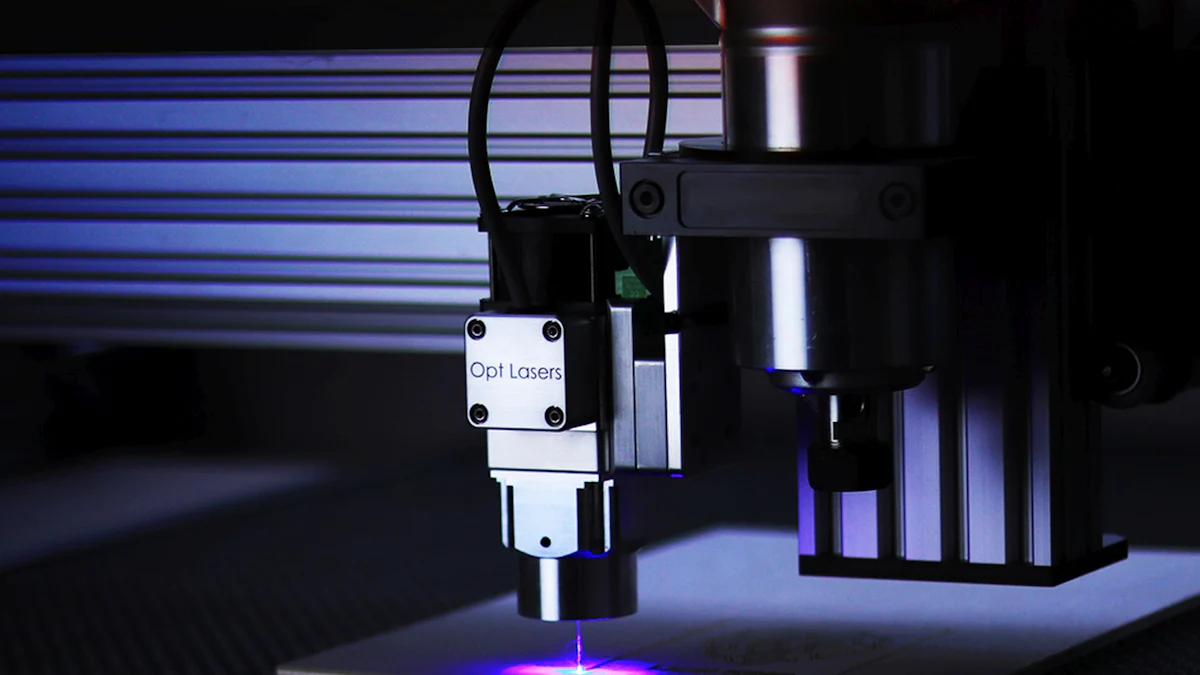
Aerospace cnc machining plays a vital role in producing critical components like turbine blades and engine mounts. These parts demand exceptional precision and durability to ensure optimal performance under extreme conditions. CNC machining enables the creation of intricate geometries required for turbine blades, which are essential for efficient airflow and energy conversion. Engine mounts, on the other hand, secure the engine to the airframe and must withstand significant flight stresses.
Component | Description |
|---|---|
Turbine Blades | Have complex geometries essential for performance. |
Engine Mounts | Secure the engine to the airframe, designed to handle flight stresses. |
Engine Pylons | Connect engines to wings or fuselage, precisely machined to withstand loads and vibrations. |
The cnc machining process ensures these components meet stringent aerospace standards, delivering unmatched quality and reliability.
Defense Components: Missile Parts and Vehicle Systems
In defense, cnc machining enhances the functionality of missile parts and vehicle systems. Precision machining ensures these components meet strict performance standards. For example:
CNC milling produces complex parts with smooth finishes and tight tolerances.
Multi-axis machining creates intricate parts in a single setup, reducing errors and improving reliability.
High-speed machining increases production rates while maintaining precision.
The use of 4-axis CNC machines in developing Tomahawk missiles demonstrates how advanced machining techniques improve functionality. These machines produce complex parts in one workflow, ensuring reliability under extreme conditions. This capability is critical for military operations where performance cannot be compromised.
Improving Functionality Through Customization
Customization in aerospace cnc machining drives innovation and improves functionality. By tailoring designs and materials, you can optimize components for specific applications. For instance, intricate structural parts benefit from 5-axis machining, which allows for precise and efficient manufacturing. Customization also enhances quality control practices, ensuring every component meets the highest standards.
The cnc machining process supports rapid prototyping, enabling you to test and refine designs quickly. This flexibility accelerates the development of advanced technologies, ensuring your components remain at the forefront of aerospace and defense innovation.
CNC machining customization plays a pivotal role in aerospace and defense, ensuring components meet the highest standards of precision and reliability. You can achieve compliance with stringent regulations while driving innovation through advanced machining techniques. Companies like Lockheed Martin rely on CNC technology to produce critical parts, such as the composite skins of the F35, with unmatched accuracy.
By leveraging CNC machining, you can create complex designs using advanced materials like titanium and superalloys. Techniques like multi-axis machining allow you to produce intricate parts in a single setup, reducing errors and lead times. Whether you need precision milling, turning, or tapping, CNC machining offers the flexibility and efficiency required to meet your specific aerospace needs.
Note: Embracing CNC machining customization not only enhances performance but also positions you at the forefront of aerospace and defense innovation.
FAQ
What makes CNC machining essential for aerospace and defense industries?
CNC machining ensures precision, durability, and compliance with strict industry standards. It allows you to produce complex components that perform reliably under extreme conditions.
Can CNC machining handle advanced materials like titanium and superalloys?
Yes, CNC machining excels at processing advanced materials. You can achieve high-quality results with materials like titanium, Inconel, and carbon composites, ensuring durability and performance.
How does customization improve CNC machining for aerospace applications?
Customization tailors designs and processes to meet specific requirements. It helps you optimize weight, enhance fuel efficiency, and ensure components meet tight tolerances for safety and performance.
See Also
Discovering CNC Machining's Accuracy in Aerospace Applications
Streamlined CNC Machining Solutions for Accurate Production
Investigating CNC Machining Options for High-Precision Production
Perfecting CNC Machining Techniques for Precision Component Creation
About US
Follow Us
Your prototype holds unparalleled significance, and we deeply value its uniqueness. Collaborating with you during the preparation phase for running your prototype or parts is a commitment we gladly embrace. Whether it's a single part or a complex assembly, we are dedicated to selecting the optimal tools and pathways to bring your envisioned product to life.
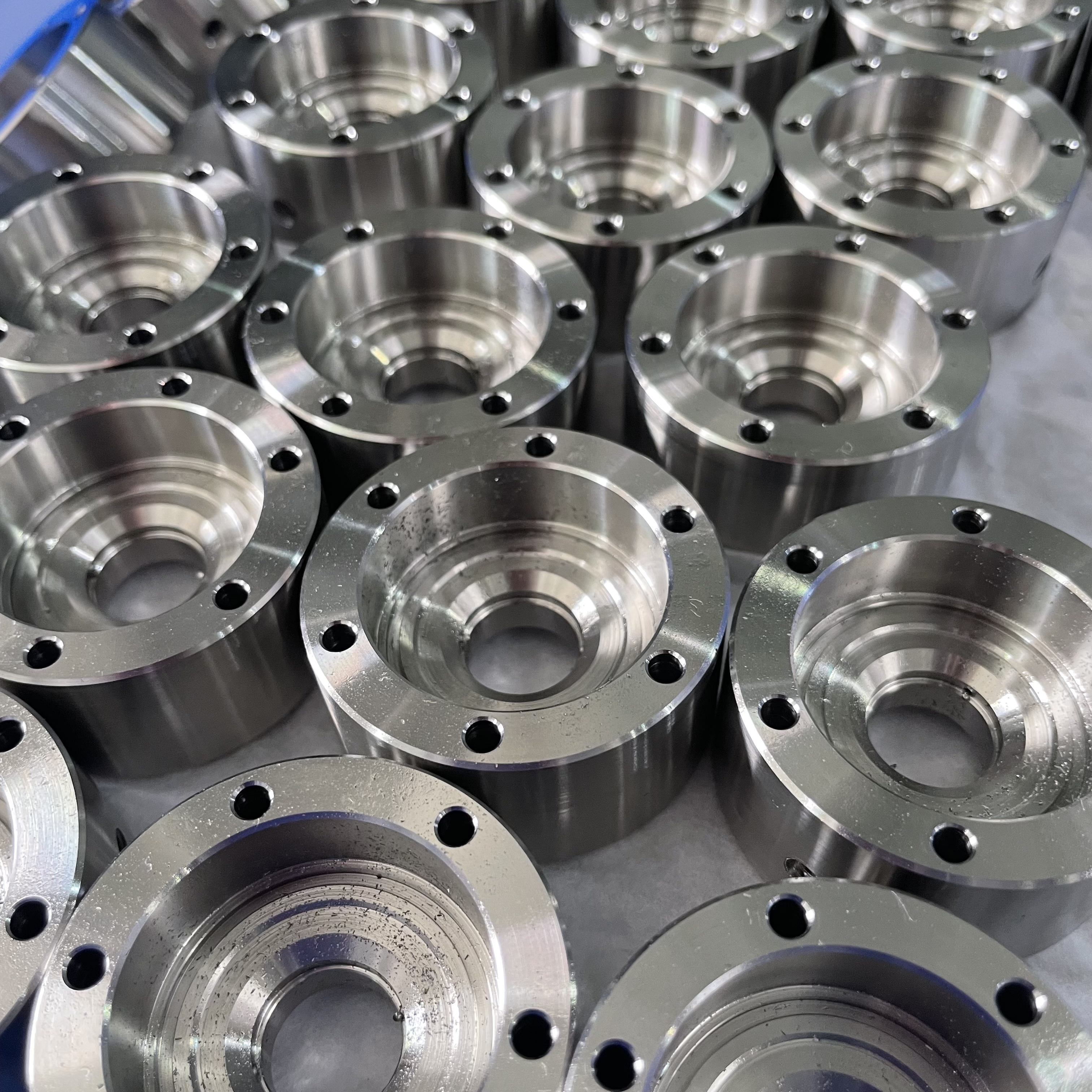
At Precision Fab CNC Machining, we specialize in producing parts for prototypes, short runs, and high-volume production. Our prototyping machine capabilities extend across metal, plastic, and wood machining, with welding fabrication services available to complement and finalize your prototype if required.
Address
Address: Room320 10F, Building A,Nanshan international building, Dayawan District, Huizhou, Guangdong, 516001 China
Contacts
billy@timaycnc.com