Unlocking Creativity with CNC Machining Customization in 2025

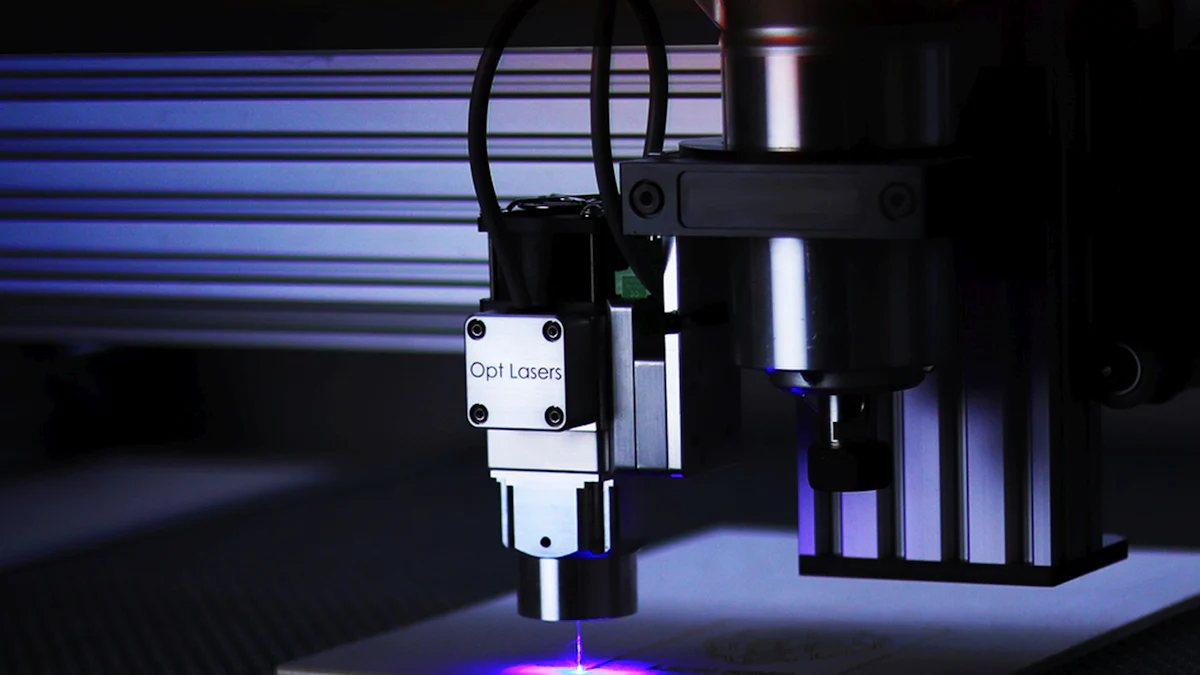
Creativity is thriving in 2025, fueled by trends like AI-driven artistry and sustainable practices. CNC machining plays a vital role in this landscape. It helps transform your ideas into reality with precision and efficiency. Whether you're crafting custom parts and components or finished products, this technology empowers you to bring your ideas to life.
Key Takeaways
CNC machining turns ideas into real things quickly and accurately. It is very important for creators in 2025.
With CNC machining, designs can be tested and improved fast. This helps people come up with new and creative ideas.
Making custom parts and producing more items is easy with CNC machining. It is useful for big companies and small businesses alike.
The Evolution of CNC Machining and Customization
CNC Machining: A Foundation for Precision
CNC machining has come a long way since its inception in the 1940s. Back then, it revolutionized manufacturing by automating complex tasks with unmatched precision. Before this, manual processes dominated production, often leading to errors and inefficiencies. The introduction of punched tape technology in the mid-20th century was a game-changer. It allowed machines to follow detailed instructions, boosting accuracy and productivity.
By the 1980s, CNC machining took another leap forward with the integration of Computer-Aided Design (CAD) and Computer-Aided Manufacturing (CAM). This innovation bridged the gap between design and production, making it easier to create intricate designs with fewer errors. Today, CNC machining remains the backbone of precision manufacturing, enabling industries to produce high-quality components with incredible accuracy.
Advancements in Customization for Modern Needs
Modern CNC machining solutions have evolved to meet the diverse demands of today’s industries. Multi-axis machining centers and automation have transformed how you can approach production. These advancements allow for tighter tolerances and greater flexibility, making it possible to create highly customized parts.
You can now produce parts quickly, whether for rapid prototyping or large-scale production.
Advanced materials enable the creation of components that perform well in extreme conditions, such as in aerospace or medical applications.
Low-volume specialization is also achievable, making CNC machining cost-effective for niche markets and bespoke products.
This level of customization ensures that CNC machining solutions cater to a wide range of industries and applications.
How CNC Machining Solutions Empower Creators
CNC machining solutions are a dream come true for creators like you. They make it easier to turn your ideas into reality with precision and speed. For instance, you can create production-ready prototypes that look and function just like the final product. This is perfect for testing and refining your designs.
The scalability of CNC machining is another huge advantage. Whether you need a single prototype or a small batch, you can scale up production as demand grows. Plus, the ability to make rapid changes to prototypes encourages experimentation. You can tweak your designs without worrying about high costs, fostering creativity and innovation.
CNC machining solutions empower you to innovate with confidence, knowing that your designs will be brought to life with precision and efficiency.
Transforming Ideas into Reality with CNC Machining
From Concept to CAD: Designing Your Vision
Turning your idea into a tangible product starts with a solid design. The CNC machining process begins with creating a CAD (Computer-Aided Design) model. This digital blueprint serves as the foundation for your project. Here’s how you can transform your concept into a CAD design:
Design for Manufacturability: Think about how the part will be machined. Consider tool accessibility and material removal strategies.
Formulate CNC Processing Technology: Plan the CNC machining process to ensure efficiency.
Select Cutting Tools: Choose tools that match the material and machining requirements.
Define Cutting Parameters: Optimize feed rates, spindle speeds, and depth of cut.
Plan Cutting Paths: Map out the paths to achieve machining accuracy and efficiency.
Write CNC Programs: Use CAM software to convert your CAD design into G-code.
Prepare Technical Drawings: Include dimensions, tolerances, and views to guide the manufacturing process.
By following these steps, you can bridge the gap from design to production with ease.
Material Selection for Customization
Choosing the right material is critical for achieving the best results in CNC machining. The material you select impacts the performance, appearance, and durability of your final product. Here are some factors to consider:
Functional Requirements: Does your part need to be strong, lightweight, or heat-resistant?
Aesthetics: How important is the visual appeal of the material?
Material Properties: Evaluate characteristics like hardness, flexibility, and machinability.
For example, metals like aluminum and steel are great for strength and durability, while plastics like ABS or nylon work well for lightweight applications. Matching the material to your project’s needs ensures optimal machining accuracy and performance.
Prototype CNC Machining: Rapid Iterations for Innovation
Prototyping is where your ideas truly come to life. CNC machining excels at rapid prototyping, allowing you to test and refine your designs quickly. Here’s why it’s so effective:
It delivers high-precision parts, helping you assess functionality and design feasibility.
The speed of the CNC machining process means you can produce parts in hours or days, enabling multiple iterations in a short time.
CNC machines ensure consistency across prototypes, so you can make informed design decisions with confidence.
This rapid prototyping capability empowers you to innovate faster and respond to market demands with agility. Whether you’re creating a single prototype or preparing for full-scale production, CNC machining helps you move seamlessly from design to production.
Benefits of CNC Machining Customization
Precision and Efficiency in Manufacturing
CNC machining delivers unmatched precision, making it a cornerstone of modern manufacturing. You can rely on it to produce parts with high precision and consistency, which is especially important in industries like aerospace and medical devices. This accuracy ensures that every component meets strict quality standards, reducing errors and improving reliability.
Efficiency is another key advantage. CNC machining enhances product quality while streamlining manufacturing processes. Automated operations minimize material waste, cutting costs and boosting sustainability. Plus, the ability to produce parts rapidly shortens lead times, helping you accelerate product development and stay competitive.
With CNC machining, you can achieve precision and efficiency that drive innovation and success.
Versatility Across Materials and Industries
CNC machining stands out for its versatility. It supports a wide range of processes like milling, grinding, and turning, allowing you to create intricate components for various industries. Whether you’re working in aerospace, automotive, or medical fields, CNC machining adapts to your needs.
You can also work with diverse materials, from metals like aluminum and steel to plastics like ABS and nylon. This flexibility makes it possible to tackle complex ideas and bring them to life, no matter the application. From custom auto parts to delicate medical devices, CNC machining handles it all with ease.
Scalability: From Prototypes to Full Production
CNC machining offers seamless scalability, making it ideal for both prototypes and full-scale production. You can start with one-off prototypes or small batches without major reconfiguration. As demand grows, scaling up production becomes effortless.
This scalability ensures consistency and quality across all units, whether you’re producing automotive components or consumer goods. It also reduces the risk of delays and cost overruns, keeping your projects on track. With CNC machining, you can transition smoothly from prototype to production, supporting your product development journey every step of the way.
Real-World Applications of CNC Machining
Aerospace: Custom Components for Innovation
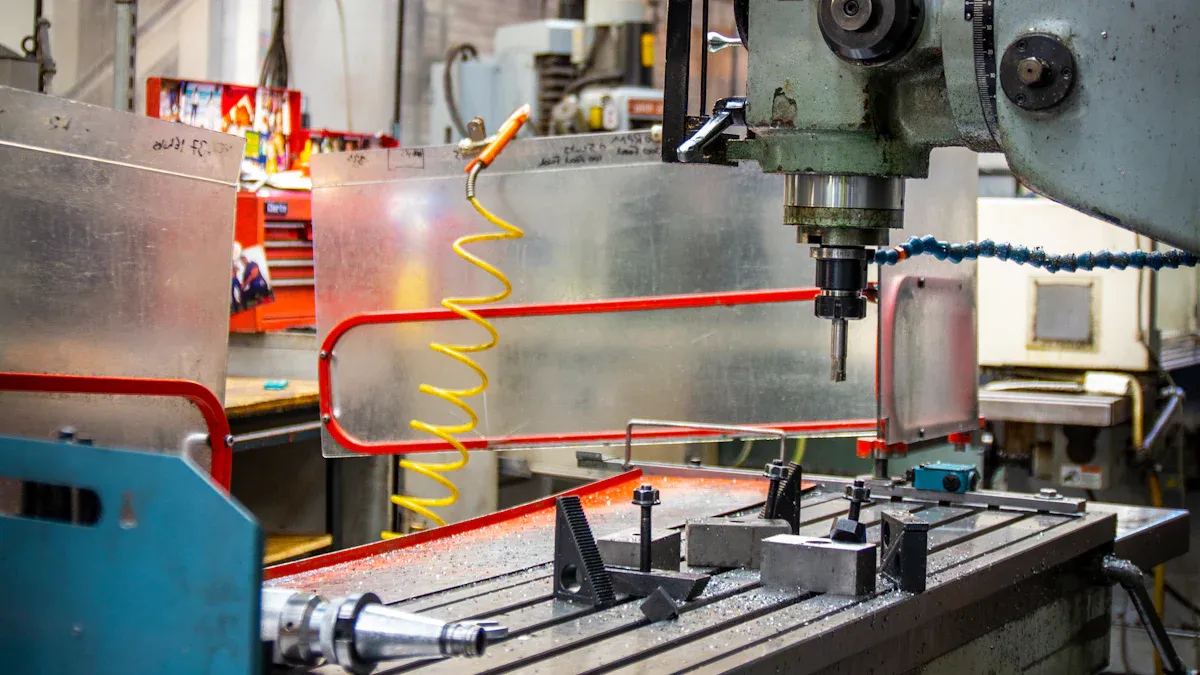
In aerospace, precision and reliability are non-negotiable. CNC machining plays a critical role in meeting these demands. You can use it to create lightweight, high-strength components that withstand extreme conditions. For example, turbine blades, engine parts, and structural components benefit from the precision and consistency of CNC machining.
The ability to work with advanced materials like titanium and carbon fiber makes this technology indispensable. You can also produce complex geometries that would be impossible with traditional methods. This level of customization drives innovation, helping aerospace engineers push the boundaries of design and performance.
Medical Industry: Tailored Solutions for Patient Care
CNC machining has revolutionized healthcare by enabling the creation of patient-specific solutions. You can now produce custom implants and surgical guides with incredible accuracy. This customization improves implant fit, reduces surgical time, and enhances patient satisfaction.
Here’s how CNC machining contributes to better patient care:
Rapid prototyping of medical device prototyping ensures faster development of patient-specific implants.
Custom implants improve compatibility and effectiveness, leading to better outcomes.
Wearable medical devices offer comfort and reliability for proactive healthcare management.
Smart implants enable real-time health monitoring and personalized treatment adjustments.
These advancements make CNC machining a cornerstone of modern medicine, empowering you to deliver tailored solutions that improve lives.
DIY and Small Businesses: Empowering Creativity
CNC machining isn’t just for large industries. It’s also a game-changer for DIY enthusiasts and small businesses. You can use it to bring your creative ideas to life, whether you’re crafting custom furniture or unique gifts.
Take Artisan Woodworks, for example. By switching from manual tools to a CNC router, they doubled their revenue in just six months. They now offer personalized furniture and engraved signs with unmatched precision. Similarly, Creative Gifts Co. integrated CNC machining to boost production capacity. During peak holiday seasons, they fulfilled 20% more orders while maintaining higher profit margins.
With CNC machining, you can scale your creativity and turn your passion into profit. It’s a tool that empowers you to innovate and thrive in today’s competitive market.
CNC machining customization is your gateway to creativity in 2025. It lets you turn ideas into functional products with precision and speed. Rapid prototyping and advanced materials expand your design possibilities. Start exploring solutions today by showcasing your work on social media, selling on e-commerce platforms, or connecting with customers at local markets.
FAQ
What is prototype CNC machining, and why is it important?
Prototype CNC machining helps you create accurate prototypes quickly. It lets you test designs, refine ideas, and ensure functionality before full production. This saves time and reduces costs.
Can CNC machines handle different materials?
Yes, CNC machines work with metals, plastics, and composites. You can choose materials based on your project’s needs, like strength, weight, or heat resistance.
How does prototyping benefit small businesses?
Prototyping allows small businesses to test ideas affordably. You can refine designs, impress clients, and scale production confidently, knowing your prototype meets expectations.
See Also
CNC Journey: Understanding Its Past, Present, and Future
Overcoming Obstacles: Improving CNC Prototyping Precision and Speed
Creative Inspirations: Unique CNC Designs for Jewelry Making
CNC Precision Machining: Benefits and Upcoming Innovations Ahead
Investigating CNC Machining Solutions for Accurate Manufacturing
About US
Follow Us
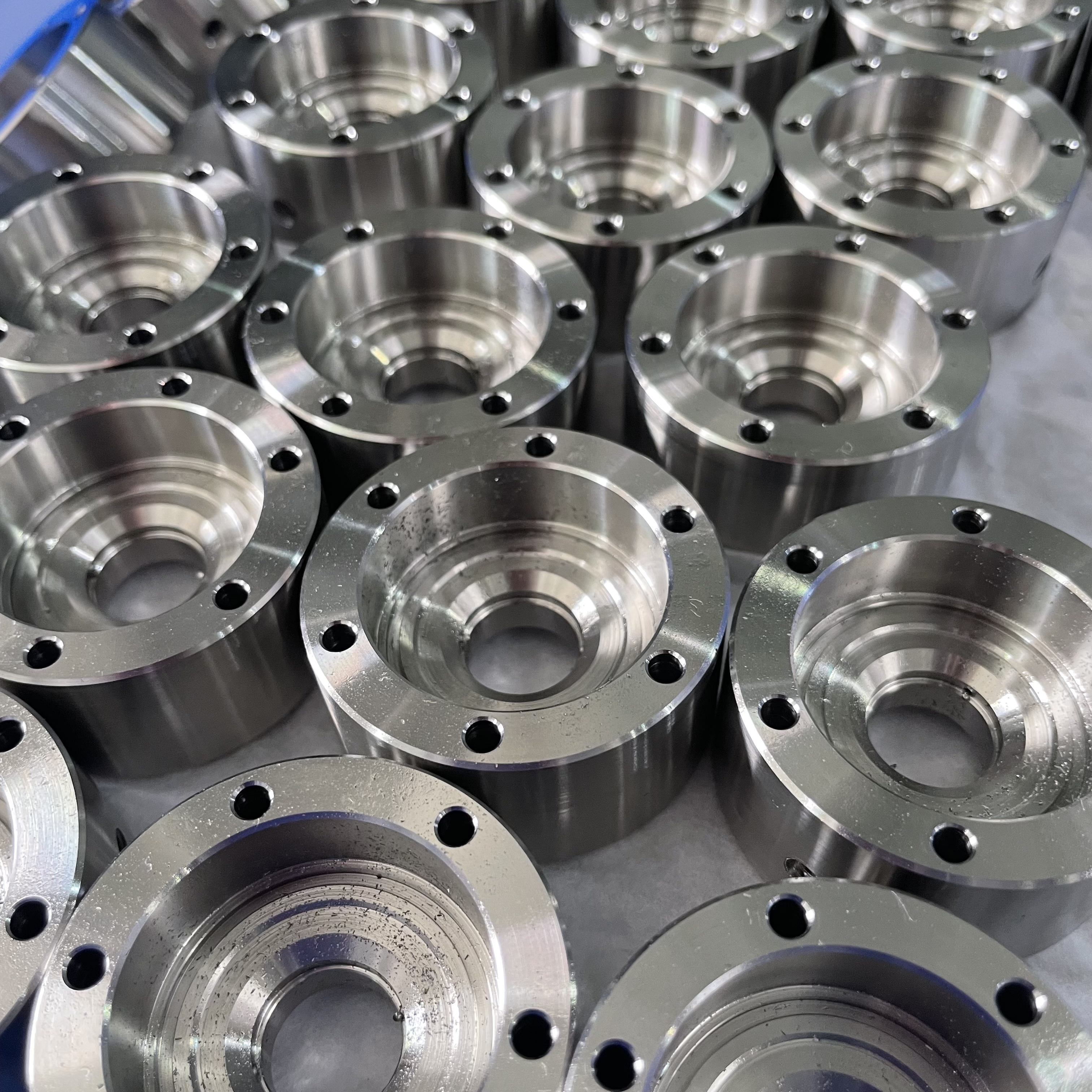
Your prototype holds unparalleled significance, and we deeply value its uniqueness. Collaborating with you during the preparation phase for running your prototype or parts is a commitment we gladly embrace. Whether it's a single part or a complex assembly, we are dedicated to selecting the optimal tools and pathways to bring your envisioned product to life.
At Precision Fab CNC Machining, we specialize in producing parts for prototypes, short runs, and high-volume production. Our prototyping machine capabilities extend across metal, plastic, and wood machining, with welding fabrication services available to complement and finalize your prototype if required.
Address
Address: Room320 10F, Building A,Nanshan international building, Dayawan District, Huizhou, Guangdong, 516001 China
Contacts
billy@timaycnc.com