the difference between CNC machining processes like drilling, milling, and turning

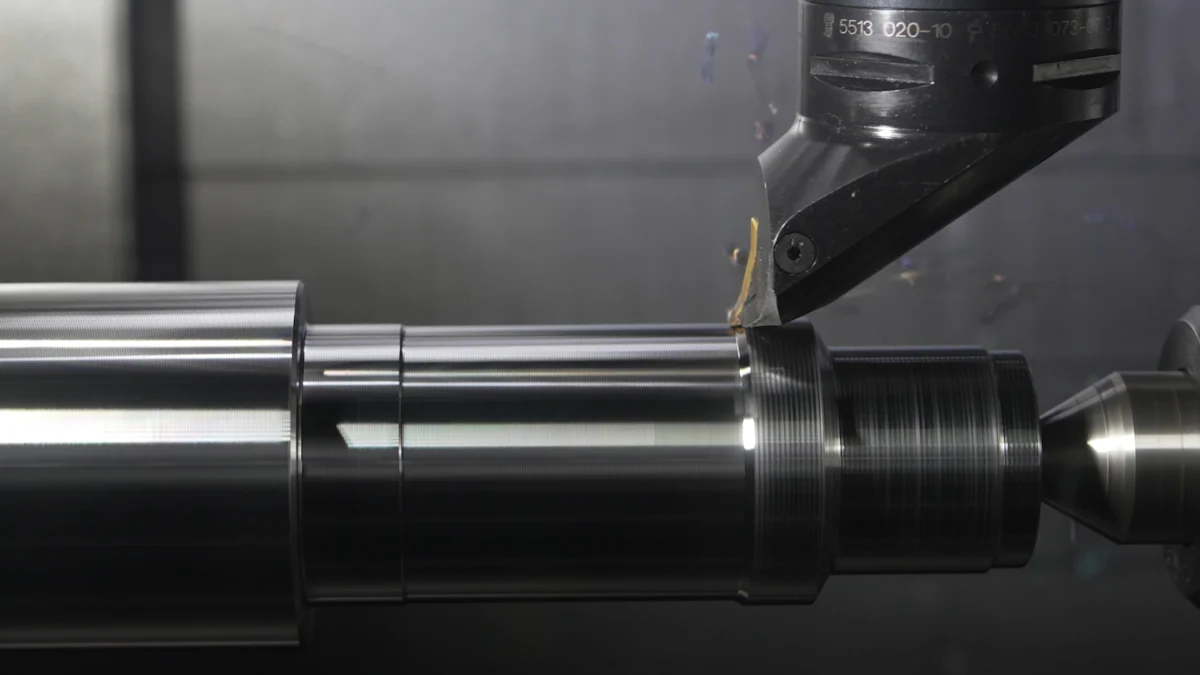
CNC machining is a subtractive manufacturing process that uses precise tools to shape materials. Drilling, milling, and turning are three core CNC machining processes, each with unique characteristics. Drilling excels in efficiency, making it ideal for creating uniform holes quickly. Milling offers unmatched precision and versatility, perfect for complex geometries. Turning specializes in shaping cylindrical parts with high accuracy. Understanding these differences helps you select the right process for your project. Accurate choices ensure proper dimensions, consistent quality, and high-performance results, meeting industry demands effectively.
Key Takeaways
Drilling is great for making holes fast and accurately. It is very useful in factories and electronics work.
Milling is flexible and precise for shaping tricky designs. It can make detailed shapes and works with many materials.
Turning is best for making round parts with accuracy. It is good for items like shafts and nozzles.
Picking the right CNC process depends on your project needs. Think about material, design difficulty, and how much you need to make.
Knowing how drilling, milling, and turning differ improves work speed. It also helps create high-quality products.
Drilling in CNC Machining
What is Drilling?
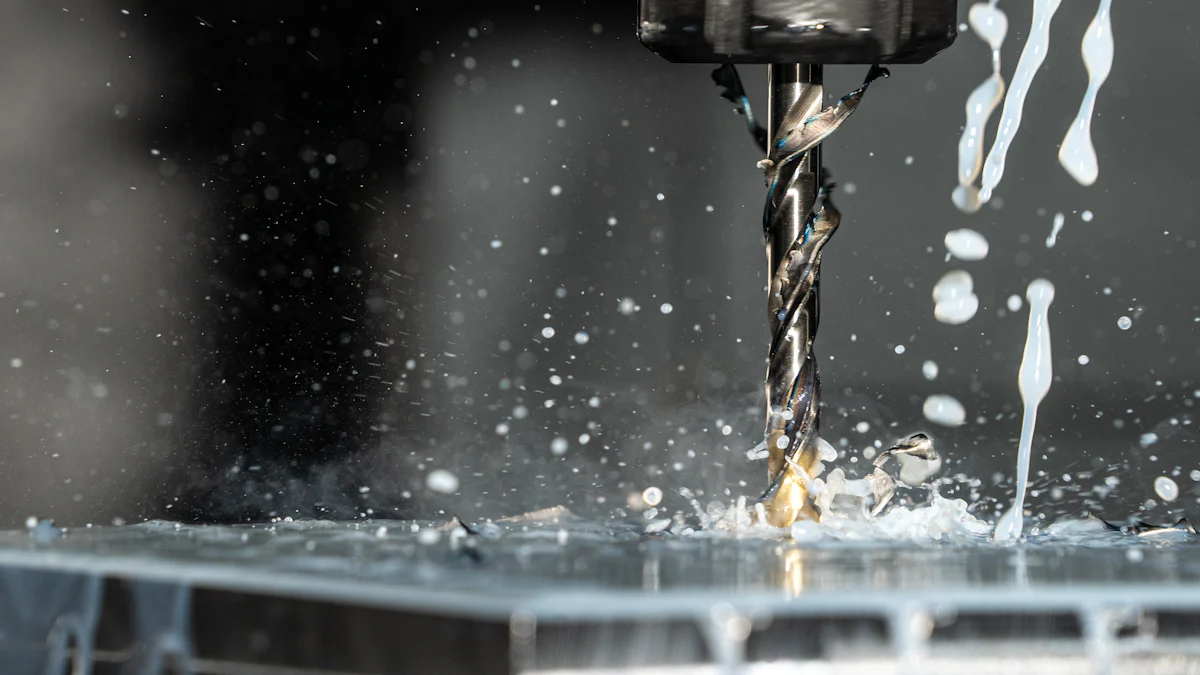
Drilling is a fundamental CNC machining process used to create precise, cylindrical holes in a material. It involves the use of a rotating drill bit that cuts into the workpiece to remove material. This process is essential for applications requiring uniform holes, such as in manufacturing, construction, and electronics. Drill bits come in various shapes and sizes, allowing you to achieve specific hole dimensions and geometries. The rotational speed of the drill bit plays a critical role in the success of the drilling process, as it must match the material and tool being used.
How Drilling Works
The drilling process begins with securing the workpiece in place on the CNC machine. The drill bit, mounted on the spindle, rotates at a high speed while moving vertically into the material. The CNC system ensures precise control over the depth, diameter, and position of the hole. The rotational speed and feed rate depend on the material being drilled. For example, metals like steel require slower speeds compared to softer materials like plastics. CNC drilling offers exceptional accuracy, making it ideal for producing consistent results in high-volume production.
Common materials used in CNC drilling include metals, plastics, composites, wood, and even ceramics. Metals like aluminum and steel are popular due to their strength and machinability. Plastics such as acrylic and nylon are chosen for their ease of processing, while composites like carbon fiber provide excellent strength-to-weight ratios. Each material requires specific tools and settings to achieve optimal results.
Applications of Drilling
Drilling operations are widely used across industries. In manufacturing, you can use drilling to create holes for fasteners, such as screws and bolts. In electronics, it helps produce circuit boards with precise hole patterns. Aerospace and automotive industries rely on drilling for lightweight components made from aluminum or composites. Even woodworking and construction benefit from CNC drilling for creating clean, accurate holes in wood and other materials. This versatility makes drilling an indispensable part of CNC machining processes.
Advantages of Drilling
Drilling offers several advantages that make it a vital process in CNC machining. You can rely on it for precision and efficiency when creating holes in various materials. Here are some key benefits:
High Accuracy
CNC drilling ensures precise hole placement and consistent dimensions. The automated system eliminates human error, giving you reliable results every time. This accuracy is essential for industries like aerospace and electronics, where even minor deviations can cause issues.Speed and Efficiency
Drilling operations are fast and efficient. The process removes material quickly, making it ideal for high-volume production. You can save time and reduce costs while maintaining quality.Versatility
Drilling works with a wide range of materials, including metals, plastics, and composites. You can use it for various applications, from creating bolt holes in manufacturing to producing intricate patterns in circuit boards. This versatility makes cnc drilling suitable for many industries.Cost-Effectiveness
The efficiency of drilling reduces production time, which lowers overall costs. Additionally, the durability of CNC tools minimizes wear and tear, saving you money on maintenance and replacements.Customizability
CNC drilling allows you to customize hole sizes, depths, and patterns with ease. The flexibility of the process helps you meet specific project requirements without compromising quality.
Tip: To maximize the benefits of drilling, always choose the right drill bit and settings for your material. Proper tool selection ensures optimal performance and extends tool life.
Drilling remains a cornerstone of CNC machining due to its precision, speed, and adaptability. Whether you're working on small-scale projects or large industrial tasks, this process delivers consistent and high-quality results.
Milling in CNC Machining
What is Milling?
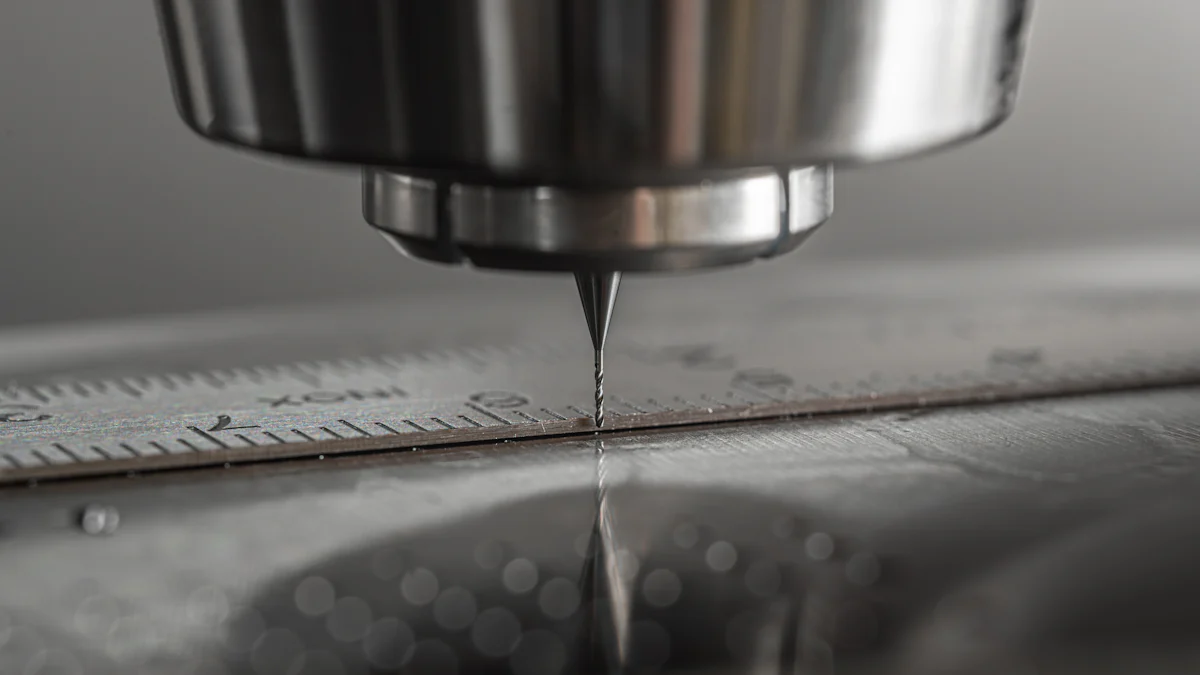
Milling is a CNC machining process that uses rotary cutters to remove material from a workpiece. Unlike drilling, which creates holes, milling shapes the surface of the material to achieve complex geometries. You can use this process to create slots, grooves, and intricate patterns. Milling is highly versatile, making it suitable for a wide range of industries and applications. The process can handle various materials, including metals, plastics, and composites, with precision and efficiency.
How Milling Works
The milling process begins by securing the workpiece on the machine's table. The cutting tool, mounted on a rotating spindle, moves along multiple axes to shape the material. CNC milling machines can operate in three, four, or five axes, depending on the complexity of the task. The table below highlights the defining characteristics of different types of CNC milling machines:
Type of CNC Milling Machine | Description |
|---|---|
3-axis milling machines | Can move in x, y, and z axes, suitable for vertical cuts in any direction. |
4-axis milling machines | Can rotate along the X-axis or A-axis, suitable for complex milling operations. |
5-axis milling machines | Allows rotation along two axes, capable of working on several parts simultaneously. |
Vertical Milling Machine | Suitable for complex operations and working on vertical surfaces. |
Horizontal Milling Machine | More suitable for heavy machining, with a spindle oriented horizontally. |
The choice of machine depends on your project requirements. For example, 5-axis machines are ideal for intricate designs, while horizontal machines excel in heavy-duty tasks. The CNC system ensures precise control over the cutting tool's movement, delivering consistent and accurate results.
Applications of Milling
Milling operations are essential across various industries. You can find this process in applications ranging from agriculture to healthcare. Here are some common industries and their specific uses for CNC milling:
Agriculture: Tractor components, irrigation system parts, harvesters.
Food and Beverage: Molds, die casting, food processing machine tools.
Metal Fabrication: Cutting large metal sheets, forging into shapes.
Energy: Valves, turbine blades, generator housings.
Dental Equipment: Dental prostheses, crowns, implants.
Niche Manufacturing: Jewelry (rings, engravings), furniture (carvings, metal frames), musical instruments (guitar necks, pianos).
Electronics: Electronic components, PCBs, casings.
Smartphones: Smartphone bodies, touch-sensitive screens, internal housing.
Military and Defense: Weapon bodies, missile components, helicopter parts.
Healthcare: Bone screws, surgical instruments, prosthetics.
The versatility of the milling process allows you to create both functional and decorative components. Whether you need precision parts for electronics or artistic designs for jewelry, CNC milling delivers exceptional results.
Tip: Always select the right type of milling machine and cutting tool for your material and design. This ensures optimal performance and extends the life of your equipment.
Advantages of Milling
The milling process offers several advantages that make it a cornerstone of CNC machining. You can rely on it for precision, versatility, and efficiency when shaping materials. Here are the key benefits of milling:
High Precision
CNC milling delivers exceptional accuracy. The automated system ensures precise control over the cutting tool's movement. This precision allows you to create intricate designs and meet tight tolerances. Whether you're working on functional parts or decorative components, milling guarantees consistent results.Versatility
Milling operations work with a wide range of materials, including metals, plastics, and composites. You can use it to create complex geometries, slots, grooves, and even 3D shapes. This versatility makes it suitable for industries like aerospace, healthcare, and electronics.Efficiency
Milling removes material quickly and efficiently. The process reduces production time, especially when using advanced CNC milling machines. You can complete high-volume tasks without compromising quality, saving both time and resources.Customizability
With CNC milling, you can easily customize designs to meet specific project requirements. The ability to adjust cutting speeds, tool paths, and machine settings gives you complete control over the final product. This flexibility is invaluable for prototyping and small-batch production.Durability of Tools
Milling tools are designed to withstand high stress and wear. Proper tool selection and maintenance extend their lifespan, reducing replacement costs. This durability ensures consistent performance over time.Scalability
Whether you're producing a single prototype or thousands of units, milling adapts to your needs. The process scales efficiently, making it ideal for both small-scale and large-scale manufacturing.
Tip: To maximize the benefits of CNC milling, always choose the right cutting tool and machine settings for your material. Proper preparation ensures optimal performance and extends the life of your equipment.
Milling stands out as a reliable and versatile machining process. Its ability to handle complex designs, diverse materials, and high production volumes makes it an essential tool in modern manufacturing.
Turning in CNC Machining
What is Turning?
Turning is a subtractive manufacturing process where you machine a workpiece to achieve the desired diameter by removing excess material from its external surface. This process is particularly effective for creating cylindrical shapes. During turning operations, the workpiece rotates while a cutting tool removes material, resulting in a smooth and precise finish. CNC turning enhances this process by automating the movements of the tool and workpiece, ensuring consistent accuracy and efficiency. This makes it ideal for producing components with tight tolerances and high-quality finishes.
How Turning Works
The turning process begins by securing the workpiece onto a rotating chuck or spindle. As the workpiece spins, a stationary cutting tool moves along its surface to remove material. The CNC system controls the tool's movement, ensuring precise cuts and consistent results. You can adjust the speed of rotation, depth of cut, and feed rate based on the material and desired outcome. For example, metals like steel require slower speeds, while softer materials like aluminum allow faster operations. CNC turning machines can perform various turning operations, such as facing, threading, and tapering, making them versatile for different manufacturing needs.
Applications of Turning
Turning operations are essential for creating cylindrical components used in various industries. Common products made through CNC turning include:
Rollers
Ball Joints
Nuts and Bolts
Shafts
Flanges
Nozzles
Firearms
Turbines
These components are vital in industries like automotive, aerospace, and manufacturing. For example, shafts and flanges are crucial in machinery, while nozzles and turbines play key roles in energy and aerospace applications. The precision and efficiency of CNC turning make it a preferred choice for producing these critical parts.
Tip: To achieve the best results in turning operations, always select the appropriate cutting tool and machine settings for your material. Proper preparation ensures optimal performance and extends tool life.
Advantages of Turning
Turning offers several benefits that make it a vital process in CNC machining. You can rely on turning operations for precision, efficiency, and versatility when working with cylindrical components. Here are the key advantages:
Exceptional Precision
CNC turning delivers high accuracy. The automated system ensures precise control over the cutting tool and workpiece. This precision allows you to achieve tight tolerances and smooth finishes. Whether you're producing shafts, nozzles, or other cylindrical parts, turning operations guarantee consistent results.High Efficiency
Turning operations remove material quickly. The process minimizes production time while maintaining quality. You can handle high-volume tasks efficiently, making it ideal for industries like automotive and aerospace.Versatility
Turning works with a wide range of materials, including metals, plastics, and composites. You can use it to create various shapes, such as threads, tapers, and grooves. This versatility makes turning operations suitable for diverse applications.Cost-Effectiveness
CNC turning reduces waste by precisely removing only the necessary material. This efficiency lowers production costs. Additionally, the durability of turning tools minimizes wear and tear, saving you money on replacements.Customizability
Turning operations allow you to customize designs easily. You can adjust settings like rotation speed and feed rate to meet specific project requirements. This flexibility ensures that you achieve the desired results without compromising quality.Scalability
Whether you're producing a single prototype or thousands of units, turning adapts to your needs. The process scales efficiently, making it suitable for both small-scale and large-scale manufacturing.
Tip: To maximize the benefits of CNC turning, always select the right cutting tool and machine settings for your material. Proper preparation ensures optimal performance and extends tool life.
Turning remains a cornerstone of CNC machining due to its precision, speed, and adaptability. By understanding its advantages, you can make informed decisions and achieve high-quality results in your projects.
Comparing Types of Machining Processes
Movement Differences
Understanding how each machining process moves helps you choose the right one for your project. Drilling involves a rotating drill bit that moves vertically into the workpiece along the Z-axis. This motion creates precise cylindrical holes. In turning, the workpiece rotates while the cutting tool moves linearly along its surface. This combination shapes the material into cylindrical forms. Milling, on the other hand, uses a rotating cutting tool that moves across multiple axes (X, Y, and Z). This allows you to create complex geometries, such as slots, grooves, and 3D shapes.
Tip: If your project requires intricate designs, milling offers the most flexibility due to its multi-axis movement.
Tool Differences
The tools used in these processes differ in design and functionality. Drilling employs multi-point tools, such as drill bits with helical cutting edges, to create or refine holes. Turning uses single-point tools that move linearly while the workpiece rotates. These tools are ideal for shaping cylindrical parts. Milling tools, like rotary cutters, are versatile and can handle complex machining tasks. They rotate and move across the workpiece, enabling you to achieve detailed designs and smooth finishes.
Each tool is specialized for its process. For example, drilling tools excel at creating uniform holes, while milling cutters are perfect for shaping intricate patterns. Turning tools, with their various profiles, allow you to perform operations like threading and tapering.
Note: Always select the right tool for your material and design to ensure precision and efficiency.
Material Differences
The materials you work with significantly impact the machining process. Metals, such as steel and aluminum, are common in all three processes due to their strength and machinability. Plastics are lightweight and easy to machine, making them suitable for drilling and milling. Ceramics, with their high hardness, require careful tool selection to minimize wear. Composites combine properties of different materials, adding complexity to machining. Wood, often used in drilling and milling, has natural variability that affects the finish.
Each material has unique properties that influence the process. For instance, metals demand slower speeds in turning, while plastics allow faster operations. Understanding these differences helps you optimize your CNC machining setup for the best results.
Tip: Match your material with the appropriate machining process and settings to achieve high-quality outcomes.
Application Differences
Each CNC machining process serves specific applications based on its unique capabilities. Understanding these differences helps you choose the right method for your project.
Drilling Applications
Drilling is ideal for creating precise holes. You can use it in industries like construction, electronics, and manufacturing. For example, drilling helps you produce bolt holes in machinery or intricate patterns in circuit boards. It also works well for woodworking projects, where clean and accurate holes are essential.Milling Applications
Milling excels at shaping complex geometries. You can rely on it for tasks like creating grooves, slots, and 3D designs. Industries such as aerospace, healthcare, and electronics benefit from milling. For instance, you can use it to craft turbine blades, dental implants, or smartphone casings. Milling also allows you to produce decorative components like jewelry or furniture carvings.Turning Applications
Turning specializes in machining cylindrical parts. You can use it to create shafts, nozzles, and ball joints. This process is common in automotive, aerospace, and energy industries. For example, turning helps you manufacture engine components, turbines, or flanges with high precision. It’s also effective for producing threaded parts like screws and bolts.
Tip: Consider the shape and complexity of your design when selecting a machining process. Drilling suits simple holes, milling handles intricate designs, and turning works best for cylindrical shapes.
Summary Table of Key Differences
Here’s a quick comparison of the three CNC machining processes:
Feature | Drilling | Milling | Turning |
|---|---|---|---|
Primary Motion | Rotating drill bit (Z-axis) | Rotating cutter (X, Y, Z) | Rotating workpiece |
Tool Type | Multi-point drill bits | Rotary cutters | Single-point cutting tools |
Best For | Creating holes | Complex geometries | Cylindrical parts |
Common Materials | Metals, plastics, wood | Metals, plastics, composites | Metals, plastics, composites |
Applications | Bolt holes, circuit boards | Turbine blades, casings | Shafts, nozzles, threads |
This table simplifies the decision-making process. Use it to match your project’s requirements with the most suitable machining method.
Note: Always evaluate your material, design, and production volume before finalizing a machining process. This ensures efficiency and quality in your results.
Understanding the differences between drilling, milling, and turning helps you make informed decisions for your projects. Drilling creates precise holes, milling shapes complex geometries, and turning specializes in cylindrical parts. To select the right CNC machining process, consider factors like material requirements, technical capabilities, and quality assurance. Evaluate lead times, pricing, and flexibility to ensure the process aligns with your goals.
Mastering these processes enhances manufacturing efficiency. Accuracy ensures proper fit, while precision guarantees consistent quality. By choosing the right CNC method, you can meet industry demands and deliver high-performance results.
FAQ
What is the main difference between drilling, milling, and turning?
Drilling creates holes by moving a rotating drill bit vertically. Milling shapes materials using a rotating cutter that moves across multiple axes. Turning shapes cylindrical parts by rotating the workpiece while a stationary tool removes material. Each process serves unique purposes.
Can you use the same tools for all three processes?
No, each process uses specialized tools. Drilling requires multi-point drill bits, milling uses rotary cutters, and turning relies on single-point cutting tools. Selecting the right tool ensures precision and efficiency for your project.
Which CNC process is best for complex designs?
Milling is the best choice for intricate designs. Its multi-axis movement allows you to create grooves, slots, and 3D shapes. This versatility makes it ideal for industries like aerospace, healthcare, and electronics.
How do you choose the right CNC machining process?
Consider your project’s requirements. For holes, use drilling. For complex geometries, choose milling. For cylindrical parts, rely on turning. Evaluate material, design, and production volume to make the best decision.
Are CNC machining processes cost-effective?
Yes, CNC machining reduces waste and ensures precision. Automated systems minimize errors, saving time and material costs. Processes like drilling, milling, and turning scale efficiently, making them suitable for both small and large production runs.
Tip: Always consult with a machining expert to optimize your process and reduce costs further.
See Also
Exploring CNC Precision Machining: A Guide to Turning
An Overview of CNC Machining: Turning and Milling Insights
Key Processes in CNC Precision Machining Explained Clearly
Top 5 Skills for CNC Drilling Precision Parts Mastery
CNC Milling Mastery: Processes, Equipment, and Real-World Uses
About US
Follow Us
Your prototype holds unparalleled significance, and we deeply value its uniqueness. Collaborating with you during the preparation phase for running your prototype or parts is a commitment we gladly embrace. Whether it's a single part or a complex assembly, we are dedicated to selecting the optimal tools and pathways to bring your envisioned product to life.
At Precision Fab CNC Machining, we specialize in producing parts for prototypes, short runs, and high-volume production. Our prototyping machine capabilities extend across metal, plastic, and wood machining, with welding fabrication services available to complement and finalize your prototype if required.
Address
Address: Room320 10F, Building A,Nanshan international building, Dayawan District, Huizhou, Guangdong, 516001 China
Contacts
billy@timaycnc.com