Why CNC Machining is the Key to Efficient Prototyping and Product Development

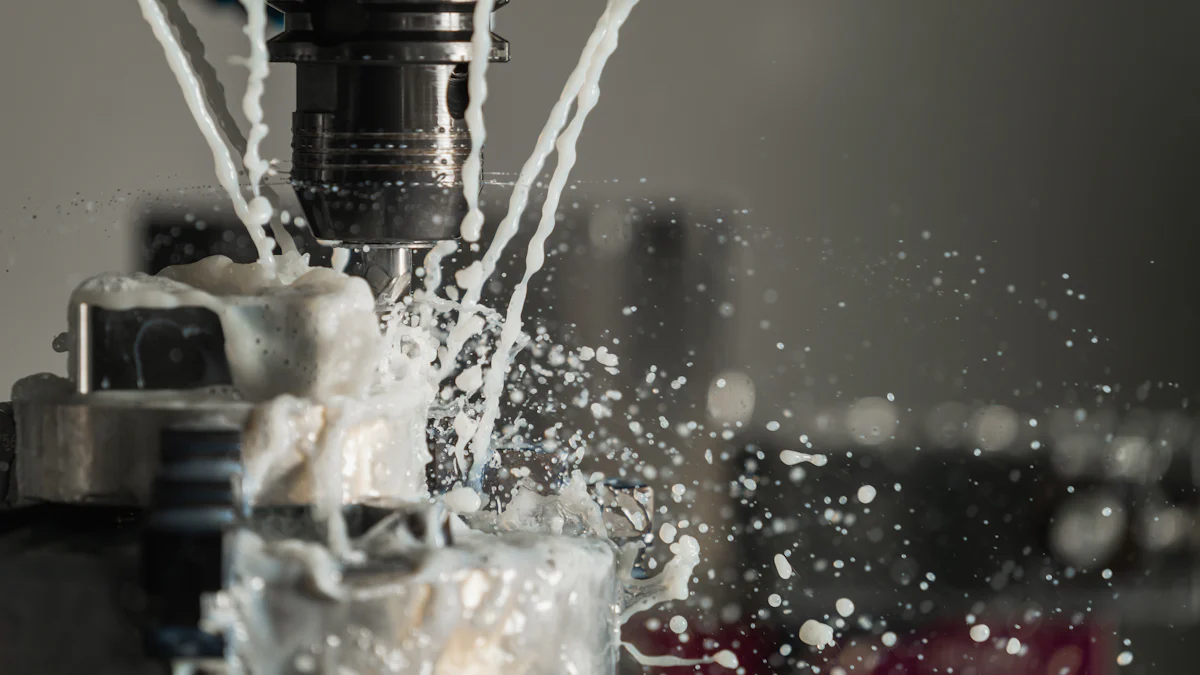
CNC machining transforms how you approach prototyping and product development. It delivers unmatched precision, achieving tolerances as tight as ±0.001 inches. This level of accuracy ensures that every prototype meets exact design specifications. CNC machining also speeds up production by automating processes, reducing the need for manual intervention. You can create intricate designs faster and more efficiently than with traditional methods. Its ability to maintain consistency across multiple parts makes it a reliable choice for high-quality product creation.
Key Takeaways
CNC machining is very precise, with accuracy up to ±0.001 inches. This ensures prototypes are made exactly as planned.
It makes production faster, helping create prototypes and test ideas quickly. This speeds up getting products ready for sale.
CNC machining removes the need for expensive molds. This makes it a cheaper way to test many design ideas.
It can use different materials, so prototypes can be like the final product.
CNC machining works for both small and large production needs. This improves how much can be made efficiently.
CNC Machining and Its Role in Prototyping
What is CNC Machining?
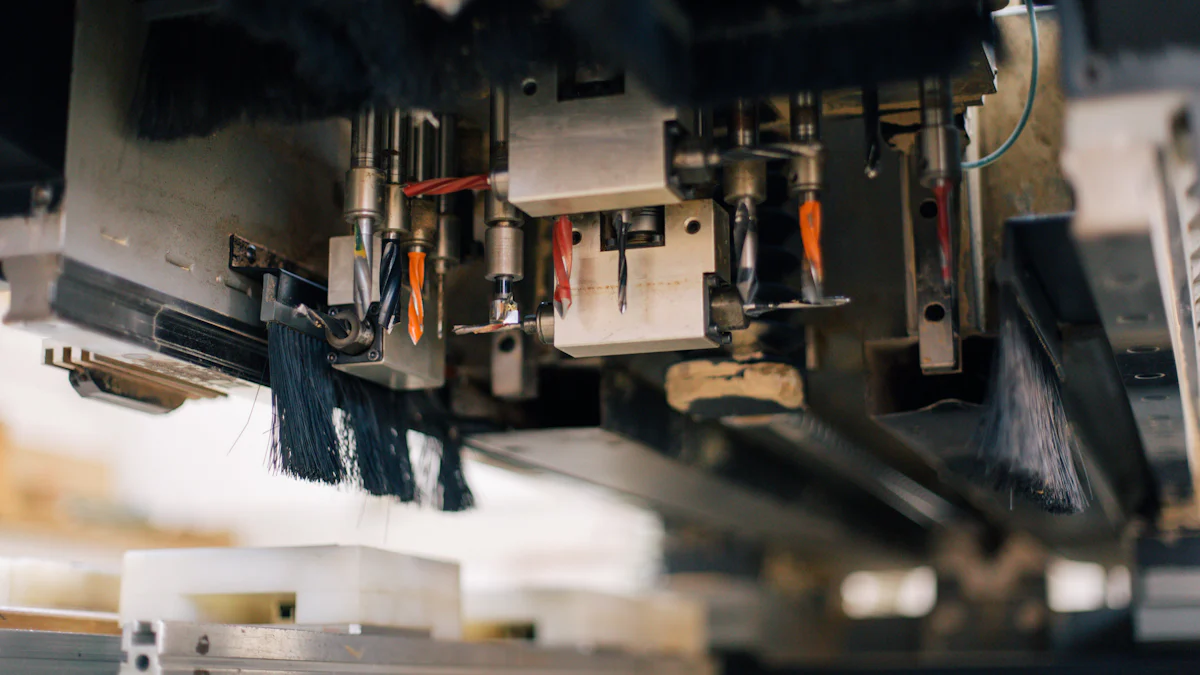
CNC machining, or Computer Numerical Control machining, uses computer-controlled machines to manufacture parts with high precision. These machines follow programmed instructions to cut, shape, and finish materials into desired designs. A CNC system consists of several key components:
Control Unit: Acts as the brain, translating instructions into machine movements.
Drive System: Powers the cutting tool and ensures smooth motion.
Tooling System: Includes cutting tools and changers for different operations.
Work Holding Device: Secures materials for stability during machining.
Coolant System: Reduces heat and removes debris.
Axis System: Provides precise control over the machine's movements.
This combination of advanced systems allows CNC machining to produce intricate designs with exceptional accuracy.
Why CNC Machining is Ideal for Prototyping
Prototype CNC machining stands out as a top choice for prototyping due to its efficiency and precision. It eliminates the need for costly molds or tooling, significantly reducing upfront expenses. By operating on CAD and CAM programmed code, CNC machining prototyping can quickly transform raw materials into finished prototypes. This rapid process ensures you can test designs without delays.
Additionally, CNC machining prototyping requires minimal manual intervention, guaranteeing consistent quality across prototypes. Its computerized control ensures every prototype matches your exact specifications, making it ideal for creating accurate and reliable designs.
The Importance of CNC Machining in Product Development
CNC machining plays a vital role in the product development lifecycle. It accelerates the prototyping phase, enabling faster time-to-market. High precision ensures prototypes closely resemble the final product, allowing you to identify and resolve design flaws early. CNC machining prototyping also supports material versatility, letting you test various materials for durability and performance.
By streamlining the development process, CNC machining enhances productivity and scalability. Faster lead times mean you can complete more projects, improving customer satisfaction and increasing revenue. Its ability to adapt to different designs and production needs makes it an essential tool for modern product development.
Key Benefits of CNC Machining for Prototyping and Product Development
Speed and Efficiency in Prototype Creation
CNC machining revolutionizes fast prototyping by significantly reducing production time. Traditional methods often take weeks or months to create prototypes, but CNC technology can produce parts in just days. This rapid turnaround allows you to test multiple designs quickly and refine them without delays. For example, in the automotive industry, CNC machining enables the creation of high-precision prototypes for functional parts, allowing for rapid testing and modifications. Similarly, aerospace companies use CNC machining to develop complex components like turbine blades, ensuring they meet strict industry standards.
By automating processes, CNC machining minimizes manual intervention, which enhances efficiency and consistency. You can rely on this technology to streamline your product development process, saving valuable time and resources.
Precision and Accuracy for Complex Designs
CNC machining sets a new standard for precision, making it ideal for intricate designs and complex geometries. The technology ensures reduced error margins and improved repeatability, which leads to higher-quality prototypes. For instance, CNC electric discharge machines (EDM) specialize in creating shapes that are difficult to achieve with traditional tools. This level of accuracy guarantees that your prototypes closely match your design specifications, reducing the need for rework.
When you use CNC machining, you can trust that every prototype will meet exact tolerances, ensuring reliability and functionality. This precision is essential for industries like medical device manufacturing, where components must adhere to strict regulations.
Material Versatility in CNC Machining Prototyping
CNC machining offers unmatched material versatility, allowing you to create prototypes from a wide range of metals and plastics. Common materials include aluminum, brass, ABS, and PEEK. For example:
Material Type | Common Materials | Key Characteristics |
|---|---|---|
Metals | Aluminum, Brass, Steel | Aluminum 6061 offers excellent machinability. |
Plastics | ABS, Acetal, PEEK | ABS provides high impact strength; PEEK resists abrasion. |
This versatility ensures you can test prototypes using the same materials as the final product, guaranteeing similar performance. Whether you need lightweight plastics or durable metals, CNC machining adapts to your prototyping needs, making it a cornerstone of advanced manufacturing.
Cost-effectiveness in Prototype CNC Machining
Prototype CNC machining offers a cost-effective solution for creating high-quality prototypes. Unlike traditional manufacturing methods, it eliminates the need for expensive molds or tooling. This reduction in upfront costs makes it an ideal choice for prototyping, especially when you need to test multiple iterations of a design. By using CNC machines, you can produce prototypes directly from CAD files, saving both time and money.
The precision of CNC machining ensures minimal material waste. Every cut and movement is calculated, which reduces errors and prevents the need for rework. This efficiency not only lowers production costs but also improves the overall quality of your prototypes. For example, if you are developing a product with intricate features, CNC machining allows you to achieve the desired design without additional expenses.
Another advantage is its ability to work with a wide range of materials. You can choose cost-effective options like ABS plastic for initial prototypes or switch to more durable materials like aluminum for advanced testing. This flexibility helps you manage your budget while maintaining the quality of your prototypes.
Additionally, CNC machining supports small-batch production. You can create a limited number of prototypes without incurring the high costs associated with mass production. This scalability makes it a valuable tool for product development, allowing you to refine your design before committing to large-scale manufacturing.
Scalability for Product Development Needs
CNC machining adapts seamlessly to the evolving needs of product development. Whether you require a single prototype or a small production run, it provides the flexibility to scale your operations. This adaptability ensures that you can meet the demands of each stage of development without unnecessary delays.
When you need to test a new design, CNC machining allows you to create prototypes quickly. Once the design is finalized, you can use the same setup to produce additional units. This continuity streamlines the transition from prototyping to production, saving you time and resources.
The technology also supports iterative development. If you need to make changes to your design, CNC machines can implement these adjustments with minimal downtime. This capability is especially useful in industries like consumer electronics, where rapid innovation is essential. By using CNC machining, you can stay ahead of market trends and deliver high-quality products to your customers.
Furthermore, CNC machining ensures consistent quality across all prototypes and production units. This reliability is crucial for maintaining customer satisfaction and building trust in your brand. Whether you are developing a medical device or an automotive component, CNC machining provides the scalability and precision needed to meet your product development goals.
CNC Machining vs. Traditional Manufacturing Methods
Speed and Turnaround Time Comparison
CNC machining offers a significant advantage in speed and turnaround time. Automation drives the process, enabling machines to operate continuously without manual intervention. This efficiency allows you to produce prototypes in days rather than weeks. Traditional manufacturing methods, on the other hand, rely heavily on manual operations and adjustments. These steps slow down production and increase the time required to complete a prototype.
For example, CNC machining eliminates the need for extensive setup or part transfers, which are common in traditional methods. This streamlined approach ensures faster delivery of high-quality prototypes. If you need to test multiple designs quickly, CNC machining provides the speed necessary to keep your project on schedule.
Precision and Tolerance Differences
CNC machining excels in precision manufacturing, delivering unparalleled accuracy and consistency. Automated software controls every cut and measurement, ensuring tight tolerances and minimal material waste. You can achieve tolerances as precise as ±0.005 inches or even ±0.0005 inches with high-precision CNC machining. This level of accuracy is essential for industries requiring intricate designs, such as aerospace or medical devices.
In contrast, traditional methods depend on manual labor, which introduces variability. The final product's quality often hinges on the operator's skill, leading to inconsistencies. CNC machining eliminates this variability, producing parts that meet exact specifications every time. This reliability ensures your prototypes maintain the highest quality standards.
Cost Analysis: CNC Machining vs. Traditional Methods
While CNC machining requires an initial investment in machinery, it offers long-term cost savings. Automation reduces labor costs since one operator can manage multiple machines. Faster production speeds also increase profitability by allowing you to complete more projects in less time. Additionally, CNC machining minimizes material waste through optimized cutting paths, further lowering expenses.
Traditional methods often involve higher labor costs and material waste due to manual operations. Adjustments to molds or tooling can add significant expenses, especially during iterative design cycles. CNC machining eliminates these costs by enabling quick modifications through software control. This flexibility ensures you can refine your prototypes efficiently without incurring additional expenses.
Flexibility in Design Iterations with CNC Machining
CNC machining gives you the ability to refine your designs quickly and efficiently. When developing a product, you often need to test multiple iterations to achieve the best results. CNC machines make this process seamless by allowing you to adjust designs directly through CAD software. Once you update the design file, the machine can immediately produce the revised prototype without requiring new molds or tools.
This capability ensures improved design flexibility during the prototyping phase. You can experiment with different shapes, sizes, or materials without significant delays. For example, if you discover a flaw in your initial prototype, you can modify the design and create a new version within hours. This rapid turnaround helps you identify and fix issues early, saving time and resources.
CNC machining also supports iterative development by maintaining consistency across all prototypes. Each version will meet the same high standards of precision and accuracy, ensuring reliable testing results. This consistency is especially valuable in industries like aerospace or medical devices, where even minor errors can have serious consequences.
Tip: Use CNC machining to test various materials for your prototypes. This approach helps you evaluate performance and durability before finalizing your design.
Another advantage is the scalability of CNC machining. Whether you need a single prototype or a small batch, the process adapts to your requirements. This flexibility allows you to refine your design at your own pace, ensuring the final product meets your expectations.
By leveraging CNC machining, you gain the freedom to innovate and perfect your designs. Its ability to support rapid iterations and maintain quality makes it an essential tool for modern product development.
Applications of CNC Machining in Various Industries
Automotive Prototyping and Product Development
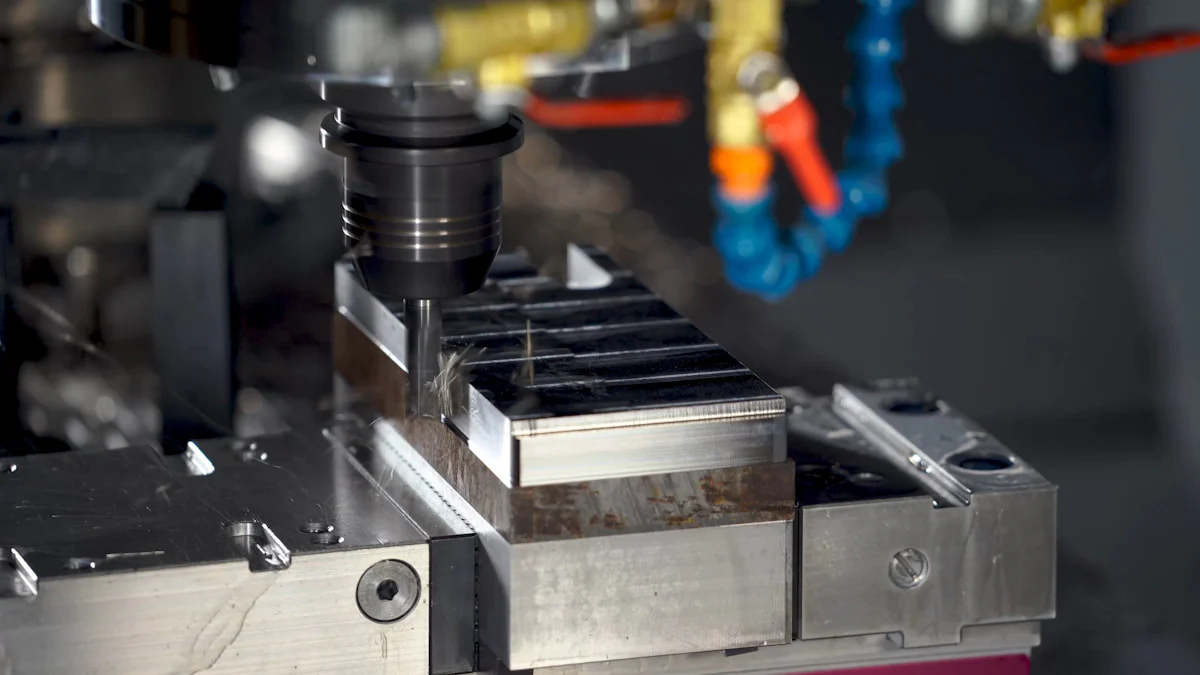
CNC machining plays a critical role in automotive prototyping by enabling the creation of precise and functional components. You can use this technology to develop parts like suspension components, cylinder heads, and exhaust systems. These prototypes allow you to test designs for reliability, safety, and performance. For example:
Component Type | Description |
|---|---|
Suspension Components | Development of springs, shock absorbers, and linkages for reliability and safety. |
Cylinder Heads and Blocks | Precise cutting for combustion chamber and coolant passages to test engine configurations. |
Exhaust System Components | Fine-tuning headers and catalytic converters for improved exhaust flow and emission compliance. |
Interior Panels | Experimentation with materials and designs for enhanced aesthetics and functionality. |
Crankshafts | Precise material removal for balance and durability to optimize engine performance. |
CNC machining ensures that each prototype meets exact specifications, helping you refine designs before moving to production.
Aerospace and Defense Applications
In aerospace and defense, CNC machining provides unmatched precision for prototyping. You can create high-quality functional prototypes to test the performance of critical components. This process supports rapid prototyping, allowing engineers to refine designs quickly. For example, you can test turbine blades or structural components with minimal waste and defects. CNC machining also adapts to both large-scale and custom production, making it ideal for aerospace applications where precision and reliability are paramount.
Medical Device Prototyping
CNC machining is indispensable in medical device prototyping. It allows you to produce components like screws, plates, and rods for orthopedic surgery with precision. You can also create customized implants tailored to individual anatomy, ensuring better compatibility. Surgical instruments such as scalpels and forceps benefit from CNC machining’s accuracy, meeting the exacting standards required for delicate procedures. Additionally, the technology supports the development of durable enclosures for electronic medical equipment, ensuring reliable performance in critical settings. This versatility makes CNC machining a cornerstone of medical innovation.
Consumer Electronics and CNC Machining
CNC machining plays a vital role in the consumer electronics industry. It allows you to create precise and intricate components for devices like smartphones, laptops, and wearables. The demand for sleek designs and compact parts makes CNC machining an ideal solution. You can achieve tight tolerances and consistent quality, ensuring your products meet high consumer expectations.
For example, CNC machining helps you manufacture aluminum casings for laptops and smartphones. These casings require smooth finishes and precise dimensions to fit internal components perfectly. CNC machining also supports the production of heat sinks, which are essential for cooling electronic devices. By using materials like aluminum or copper, you can ensure efficient heat dissipation and improve device performance.
Tip: Use CNC machining to prototype new designs for consumer electronics. This approach helps you test functionality and aesthetics before mass production.
Another advantage is the ability to work with a variety of materials. Whether you need lightweight plastics for wearables or durable metals for structural components, CNC machining adapts to your needs. You can also experiment with innovative materials like carbon fiber composites to create cutting-edge products.
CNC machining supports rapid prototyping, allowing you to test multiple iterations of a design. This flexibility speeds up product development and helps you stay ahead in a competitive market. By leveraging CNC technology, you can deliver high-quality electronics that meet modern consumer demands.
Emerging Applications in Other Industries
CNC machining continues to expand into new industries, offering innovative solutions for unique challenges. In the renewable energy sector, you can use CNC machining to create components for wind turbines and solar panels. Precision manufacturing ensures these parts perform efficiently and withstand harsh environmental conditions.
In the robotics industry, CNC machining enables you to produce custom parts for robotic arms and joints. These components require high accuracy to ensure smooth movement and functionality. CNC machining also supports the development of lightweight materials, improving the efficiency of robotic systems.
Note: CNC machining is becoming a key player in the production of electric vehicle (EV) components. You can create battery enclosures, motor housings, and lightweight chassis parts with precision and durability.
The food processing industry also benefits from CNC machining. You can manufacture stainless steel components for food-grade machinery, ensuring hygiene and compliance with safety standards. Additionally, CNC machining supports the creation of custom molds for packaging, helping you innovate in product presentation.
Emerging applications highlight the versatility of CNC machining. By adopting this technology, you can explore new opportunities and drive innovation in your industry.
Challenges and Future Trends in CNC Machining
Current Challenges in Prototype CNC Machining
CNC machining faces several challenges that can impact its effectiveness in prototyping and product development. Geometrical restrictions limit the ability to create prototypes with intricate internal components. The subtractive nature of CNC machining often results in material waste, increasing costs. Additionally, the high cost of equipment and software can be prohibitive for small to medium-sized businesses.
Operating CNC machines requires technical expertise. You need skilled professionals to design CAD and CAM files and program the machines. This steep learning curve can slow down development processes. Furthermore, CNC machining is often more expensive than 3D printing when focusing on precision and detail, making it less accessible for some projects.
Innovations and Advancements in CNC Technology
Recent advancements in CNC technology are addressing many of these challenges. Automation and robotics are enhancing efficiency by streamlining tool changes and material handling. High-resolution sensors now provide extraordinary precision, which is crucial for industries like medical device manufacturing.
The integration of AI and machine learning is optimizing machining processes. These technologies improve production control and reduce errors. Cloud computing enables remote access and real-time monitoring, allowing you to oversee operations from anywhere. Additionally, new materials and processes are expanding the capabilities of CNC machining, making it more versatile for modern manufacturing needs.
CNC Machining in Industry 4.0
CNC machining is evolving as part of Industry 4.0. Enhanced automation and connectivity improve data collection and analysis, helping you make informed decisions. Predictive maintenance reduces downtime by identifying potential issues before they occur. Real-time monitoring facilitates quicker adjustments, ensuring consistent quality in your prototypes and products.
Technologies like IoT, AI, and Big Data analytics are transforming CNC machining. These innovations increase efficiency and flexibility, allowing you to meet the demands of modern product development. By adopting these practices, you can improve quality control and reduce operational costs.
Future Trends in Prototyping and Product Development
The future of prototyping and product development is evolving rapidly, driven by advancements in technology and changing industry demands. Staying informed about these trends can help you remain competitive and innovative.
1. Integration of AI and Machine Learning
Artificial intelligence (AI) and machine learning are transforming prototyping. These technologies analyze data to optimize designs and predict potential flaws. For example, AI can suggest design improvements based on performance simulations. This reduces the time you spend on trial-and-error processes and enhances the overall efficiency of product development.
2. Growth of Additive Manufacturing
Additive manufacturing, such as 3D printing, is becoming a key player in prototyping. It complements CNC machining by enabling you to create complex geometries that were previously impossible. Hybrid systems combining CNC machining and 3D printing are emerging, offering the best of both worlds. These systems allow you to produce intricate prototypes with high precision and speed.
3. Sustainable Prototyping Practices
Sustainability is gaining importance in manufacturing. You can expect a shift toward eco-friendly materials and processes. CNC machining is adapting by reducing material waste through optimized cutting paths. Additionally, recyclable materials are being integrated into prototyping, helping you meet environmental goals without compromising quality.
Tip: Consider using biodegradable plastics or recycled metals in your prototypes to align with sustainability trends.
4. Cloud-Based Collaboration
Cloud technology is revolutionizing how you manage prototyping projects. Cloud-based platforms allow teams to collaborate in real time, regardless of location. You can share CAD files, monitor progress, and make updates instantly. This improves communication and accelerates the development process.
5. Customization and Personalization
The demand for personalized products is growing. CNC machining and advanced software enable you to create customized prototypes tailored to specific customer needs. This trend is especially relevant in industries like healthcare and consumer electronics, where individual preferences play a significant role.
By embracing these trends, you can enhance your prototyping capabilities and stay ahead in a competitive market. The future of product development is full of opportunities for innovation and growth.
CNC machining stands as a cornerstone of efficient prototyping and product development. It produces prototypes quickly, enabling rapid iterations and faster launches. You can achieve exceptional precision, often down to microns, ensuring functional and reliable designs. Its scalability supports both small-batch and mass production, making it adaptable to your evolving needs. Whether you aim to refine a prototype or create high-quality products, CNC machining delivers unmatched speed, accuracy, and cost-effectiveness. As technology advances, this process will continue to drive innovation and accelerate product development across industries.
FAQ
What materials can you use in CNC machining?
CNC machining works with metals like aluminum, steel, and brass, as well as plastics like ABS, PEEK, and nylon. You can also use composites and specialty materials depending on your project needs. This versatility ensures you can test prototypes with materials similar to the final product.
How does CNC machining compare to 3D printing?
CNC machining offers higher precision and better surface finishes. It works well for durable materials and tight tolerances. 3D printing excels at creating complex geometries and reducing material waste. You should choose based on your design complexity, material needs, and budget.
Can CNC machining handle small production runs?
Yes, CNC machining is ideal for small production runs. You can create a few prototypes or limited batches without the high costs of mass production. This flexibility allows you to refine designs and test functionality before scaling up.
How long does it take to create a prototype with CNC machining?
CNC machining produces prototypes quickly, often within a few days. The exact time depends on the design complexity, material, and machine availability. This speed helps you test and iterate designs faster than traditional methods.
Is CNC machining suitable for intricate designs?
Absolutely! CNC machining excels at creating intricate designs with tight tolerances. Advanced tools and software ensure high precision, making it perfect for industries like aerospace, medical devices, and electronics where complex geometries are essential.
Tip: Use CNC machining for prototypes requiring high accuracy and durability. It ensures reliable results for even the most detailed designs.
See Also
Overcoming Obstacles: Improving CNC Prototyping Precision And Speed
Streamlined CNC Machining Solutions For Accurate Production
Recognizing The Significance Of Precision In CNC Machining
Investigating CNC Machining Options For High-Quality Production
Excelling In CNC Machining: Tolerances, Prototyping, And Materials
About US
Follow Us
Your prototype holds unparalleled significance, and we deeply value its uniqueness. Collaborating with you during the preparation phase for running your prototype or parts is a commitment we gladly embrace. Whether it's a single part or a complex assembly, we are dedicated to selecting the optimal tools and pathways to bring your envisioned product to life.
At Precision Fab CNC Machining, we specialize in producing parts for prototypes, short runs, and high-volume production. Our prototyping machine capabilities extend across metal, plastic, and wood machining, with welding fabrication services available to complement and finalize your prototype if required.
Address
Address: Room320 10F, Building A,Nanshan international building, Dayawan District, Huizhou, Guangdong, 516001 China
Contacts
billy@timaycnc.com