How CNC Services Reduce Energy Consumption in Manufacturing

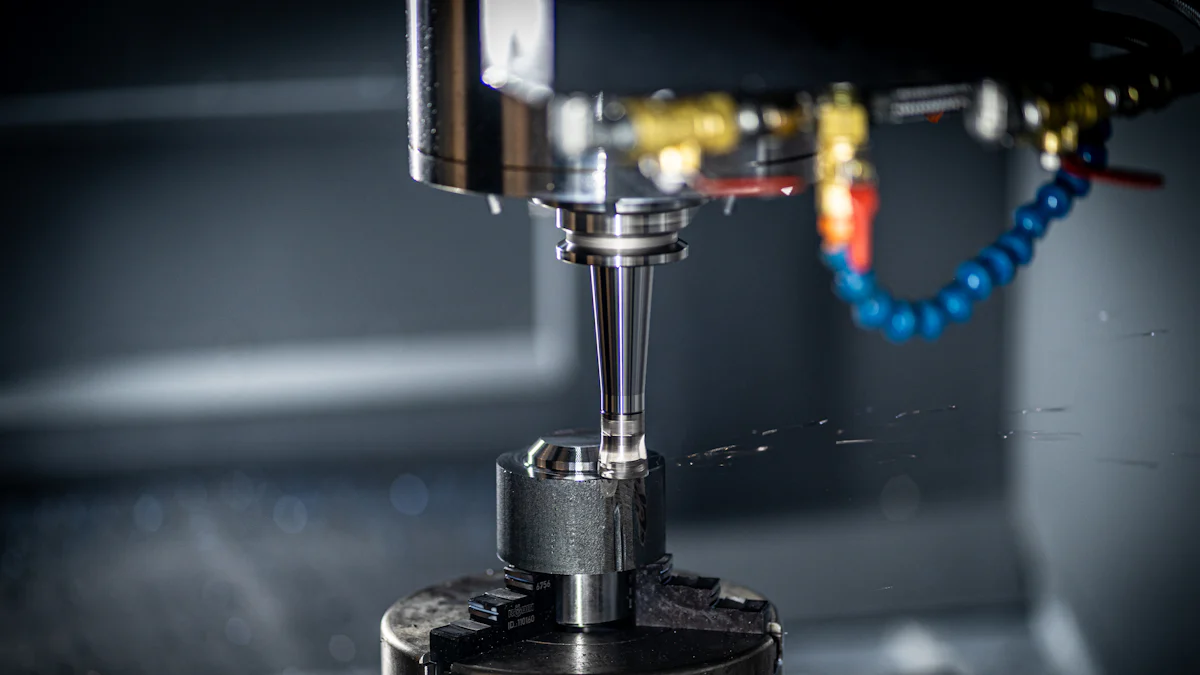
CNC machining offers an energy-saving option that transforms how you approach manufacturing. By using precision and automation, CNC machines reduce energy consumption in manufacturing processes. For example, optimizing tool paths can lower electricity use by 15%, while upgrading to energy-efficient motors cuts it by 25%. These machines also minimize waste by maximizing material utilization, which supports sustainability and eco-friendly practices. Additionally, CNC technologies enable green manufacturing facilities to integrate energy-saving technology, such as renewable energy systems. This shift not only reduces energy consumption but also promotes sustainable manufacturing and lowers operational costs.
Key Takeaways
CNC machines save energy by improving tool paths, cutting power use by 15%.
Smart tech and automation in CNC machines make work faster and save energy.
Energy-saving motors and parts in CNC machines can lower power use by 25%.
Real-time monitors find wasted energy and fix it quickly to save power.
Using renewable energy with CNC machines reduces pollution and helps the planet.
Energy-Efficient Features of CNC Machining
Precision and Accuracy
Reducing energy waste through precise machining
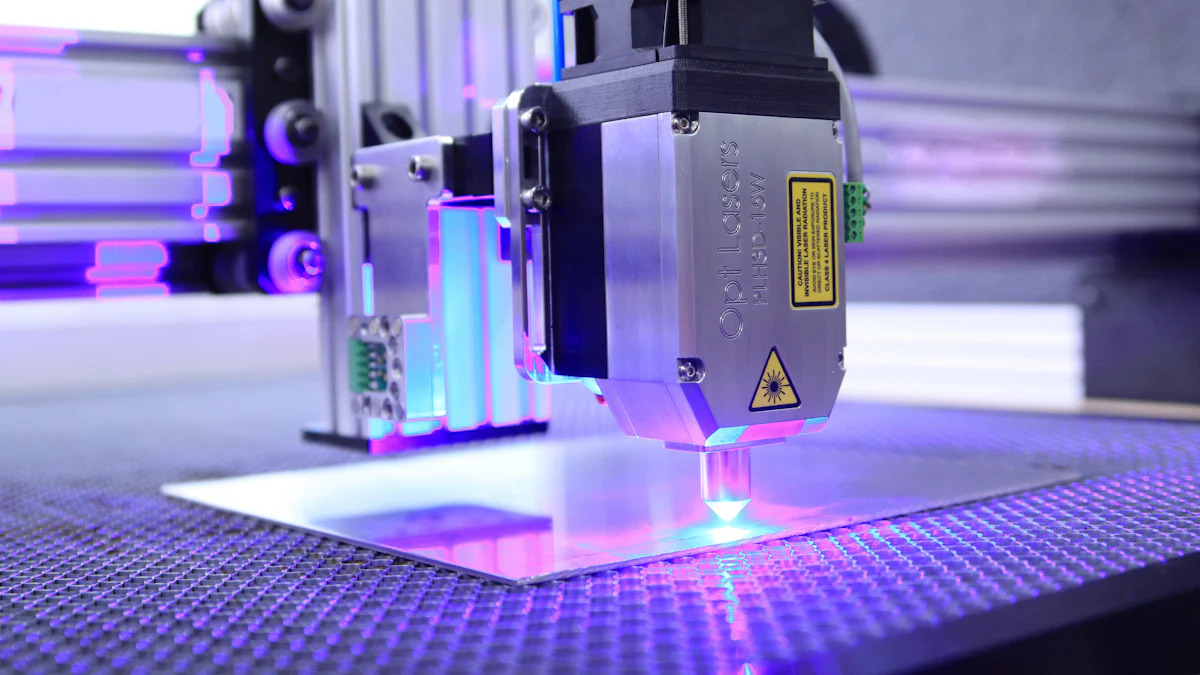
CNC machining excels in precision, which directly reduces energy waste. By programming CNC machines to remove only the necessary material, you can achieve exact cuts with minimal effort. This precision eliminates unnecessary energy consumption during machining operations. Modern CNC machines also include features like automatic shut-off when idle, further conserving energy. Advanced programming ensures efficient material removal, reducing waste and resource usage.
Minimizing rework and errors
Rework and errors often lead to wasted energy and materials. CNC machines minimize these issues by delivering consistent accuracy. With precise cutting parameters and high-efficiency tools, you can avoid costly mistakes. This not only saves energy but also enhances productivity. By reducing the need for corrections, CNC machining supports sustainable and energy-efficient manufacturing practices.
Automation and Smart Technology
Energy savings through automated operations
Automation in CNC machining optimizes energy use by streamlining operations. Automated toolpath planning ensures efficient material removal, reducing energy consumption compared to traditional methods. These advanced manufacturing processes also maintain high productivity levels while consuming less energy. By automating repetitive tasks, you can focus on improving overall efficiency.
Smart sensors for energy-efficient performance
Smart technologies, such as sensors and real-time monitoring systems, enhance the energy efficiency of CNC machines. Sensors track energy usage and adjust operations to minimize waste. For example, variable speed drives (VSDs) allow machines to operate at speeds tailored to the workload, conserving energy. These innovations make CNC machining a cornerstone of energy-efficient machinery.
Advanced Machine Design
Energy-efficient motors and components
Modern CNC machines feature energy-efficient motors that optimize operational parameters. High-efficiency motors, combined with variable frequency drives (VFDs), adjust speed and torque based on demand. This reduces electricity consumption without compromising performance. Upgrading to energy-efficient machines can significantly lower operational costs while maintaining productivity.
Reduced idle energy consumption
Idle energy consumption is a hidden cost in manufacturing. Advanced CNC machines address this issue with features like regenerative braking systems and energy recovery mechanisms. These systems capture and reuse energy during operations, reducing overall energy consumption. By investing in energy-efficient machinery, you can achieve both economic and environmental benefits.
Optimizing CNC Processes for Energy Savings
Role of CNC Software
Effective toolpath planning to reduce energy use
CNC software plays a critical role in optimizing cnc processes. It allows you to design efficient toolpaths that minimize unnecessary movements and idle times. By reducing these inefficiencies, you can lower energy consumption during machining. Advanced software also lets you set precise cutting parameters and feed rates, ensuring that cnc machines operate at peak energy efficiency. This level of control not only saves energy but also improves the overall productivity of your operations.
Simulation tools for energy-efficient planning
Simulation tools within CNC software give you the ability to plan machining processes before actual production begins. These tools help you identify potential energy drains and optimize workflows accordingly. For example, you can simulate different toolpaths to find the one that uses the least energy. This proactive approach ensures that your cnc machining processes are both cost-effective and environmentally friendly.
Real-Time Monitoring and Adjustments
Monitoring energy usage during production
Real-time monitoring systems provide valuable insights into the energy consumption of cnc machines. These systems track machine performance and energy usage, helping you identify areas where energy is being wasted. By analyzing this data, you can make informed decisions to improve energy efficiency. For instance, predictive maintenance can prevent unexpected breakdowns, ensuring consistent production and reducing downtime.
Adjusting operations to minimize energy waste
With real-time data, you can adjust machining operations on the fly to minimize energy waste. If a machine is consuming more energy than expected, you can modify its settings or schedule maintenance to address the issue. This level of control not only reduces energy consumption but also enhances the quality of your products by catching potential issues early.
Streamlined Production Workflows
Reducing downtime and energy-intensive setups
Streamlining production workflows is another effective way to optimize cnc processes. By reducing downtime and simplifying machine setups, you can lower the energy required to restart or recalibrate cnc machines. Efficient workflows ensure that machines spend more time producing and less time idling, which directly contributes to energy savings.
Enhancing overall production efficiency
A well-organized production workflow enhances the efficiency of your entire operation. When machines, tools, and materials are coordinated effectively, you can achieve faster production cycles with less energy consumption. This not only reduces operational costs but also supports sustainable manufacturing practices. By focusing on workflow optimization, you can maximize the potential of cnc machining while minimizing its environmental impact.
Material Efficiency and Waste Reduction in CNC Machining
Precision Cutting and Material Utilization
Reducing material waste through exact cuts
CNC machines excel at precision cutting, which helps you reduce waste and improve material utilization. By programming these machines to follow optimized toolpaths, you can avoid unnecessary movements and idle times. This approach not only ensures exact cuts but also minimizes energy consumption during machining. Advanced CNC machining technologies allow you to achieve high productivity while maintaining energy efficiency. These features make precision cutting a cornerstone of waste reduction strategies in manufacturing.
Lowering energy use by minimizing scrap
Minimizing scrap material directly lowers energy consumption. CNC machining removes material with unmatched accuracy, ensuring minimal waste. This precision leads to better resource utilization and reduces the need for additional raw materials. Implementing scrap recycling programs further enhances sustainability by conserving resources and requiring less energy than processing new materials. By reducing waste, you also lower your carbon footprint in CNC manufacturing.
Recycling and Reusing Materials
CNC compatibility with recycled materials
Many CNC machines are compatible with recycled materials, making them an excellent choice for eco-friendly practices. Using green materials made from recycled resources supports sustainability and reduces waste. This strategy not only lowers energy consumption but also enhances your brand reputation. Customers increasingly value companies that adopt sustainable practices, making this a smart move for both the environment and your business.
Energy savings from reduced raw material processing
Recycling and reusing materials save energy by reducing the need for raw material processing. Sustainable CNC machining optimizes resource utilization, which increases productivity and lowers operational costs. By incorporating recycled materials into your processes, you can achieve significant energy savings while contributing to waste reduction. This approach aligns with modern waste reduction strategies and supports long-term sustainability goals.
Lightweight Material Processing
Energy-efficient machining of lightweight materials
Processing lightweight materials with CNC machines requires less energy, making it an energy-efficient option. These materials often demand less cutting force, which reduces the overall energy consumption of your operations. CNC machining ensures precise handling of lightweight materials, further enhancing energy efficiency. This method supports your efforts to reduce waste and improve sustainability in manufacturing.
Supporting sustainable material choices
Choosing lightweight and sustainable materials helps you lower the carbon footprint in CNC manufacturing. These materials often align with eco-friendly practices, making them ideal for companies focused on sustainability. CNC machines handle these materials with precision, ensuring minimal waste and maximum efficiency. By prioritizing sustainable material choices, you contribute to a greener manufacturing process while maintaining high-quality production standards.
Lower Carbon Emissions Through Renewable Energy Integration
CNC Machines Powered by Renewable Energy
Solar and wind energy integration in facilities
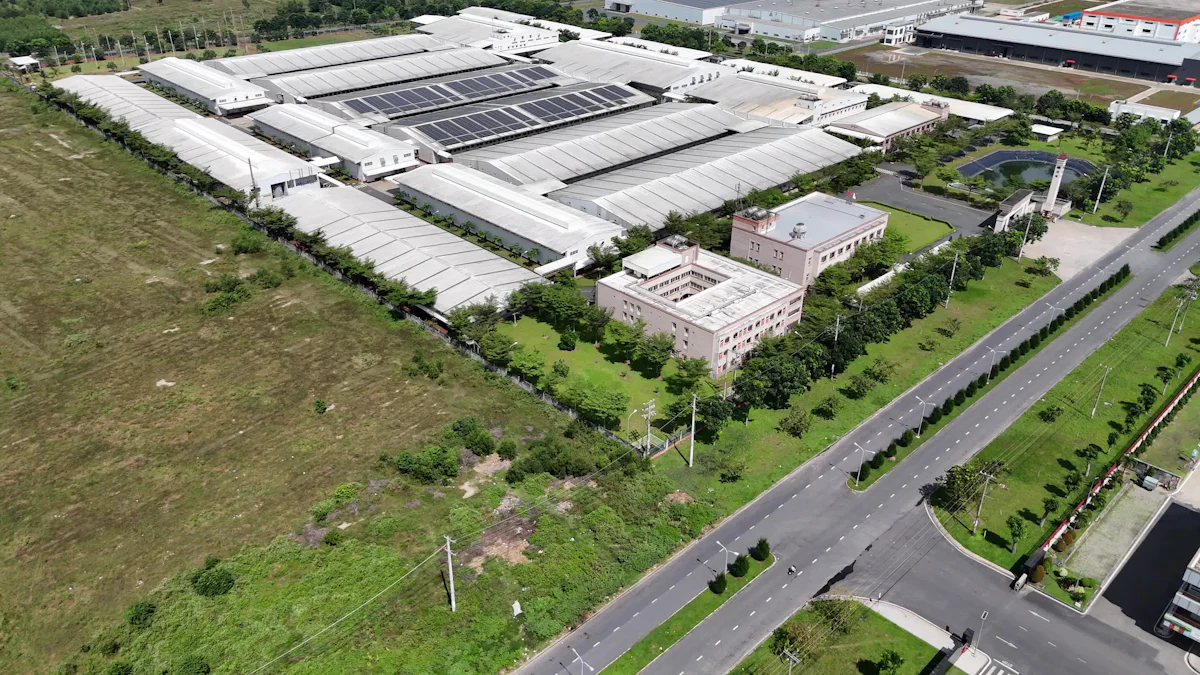
Integrating renewable energy sources like solar and wind power into your CNC machining facilities enhances sustainability. Solar panels and wind turbines generate clean energy, which powers CNC machines efficiently. This approach reduces your facility's dependence on traditional energy grids. Many manufacturers, such as Beska Mold, have already adopted renewable energy solutions, showcasing their commitment to eco-friendly practices. By using renewable energy, you significantly lower carbon emissions and contribute to a greener manufacturing process.
Reducing reliance on non-renewable energy sources
Switching to renewable energy sources decreases your reliance on non-renewable resources like coal and natural gas. Energy-efficient CNC machines optimize energy usage, making them ideal for facilities powered by solar or wind energy. This shift not only reduces your carbon footprint but also aligns with sustainable manufacturing goals. Facilities powered by renewable energy demonstrate leadership in sustainability while lowering operational costs.
Energy Recovery Systems
Capturing and reusing heat energy from CNC operations
Energy recovery systems capture heat generated during CNC operations and convert it into reusable energy. For example, regenerative braking systems collect energy during deceleration and transform it into electricity. You can use this recovered energy to power other equipment or reduce overall energy consumption. This method improves energy efficiency and supports eco-friendly practices in your facility.
Lowering overall energy consumption in facilities
By implementing energy recovery systems, you reduce the total energy consumption of your manufacturing operations. These systems ensure that no energy goes to waste, helping you achieve both economic and environmental benefits. Lower energy consumption directly contributes to lower carbon emissions, making your facility more sustainable.
Smart Facility Management
Coordinating CNC operations with energy-efficient facility systems
Smart facility management integrates CNC operations with energy-efficient systems like automated lighting and HVAC. These systems adjust based on occupancy and conditions, minimizing unnecessary energy use. Coordinating these systems with CNC machines ensures optimal energy efficiency throughout your facility.
Leveraging IoT for energy optimization
IoT technology transforms how you manage energy in CNC machining facilities. IoT-enabled sensors monitor energy consumption in real time, identifying inefficiencies and optimizing usage. For example, the Advantech iFactory application visualizes energy data, helping you address abnormal energy usage. Smart meters and automated systems further enhance energy efficiency by reducing waste during peak periods. This approach supports sustainability and lowers carbon emissions in your operations.
CNC machining transforms your manufacturing processes by reducing energy consumption and waste. You can achieve sustainability by maximizing raw material use, extending tool lifespan, and adopting energy-efficient machines. Recycling strategies and closed-loop systems further promote a circular economy. Integrating renewable energy sources into your operations lowers emissions and supports sustainable manufacturing. These practices not only reduce environmental impact but also enhance economic efficiency. By investing in CNC machines and sustainable practices, you contribute to a greener future while optimizing your production processes.
FAQ
What makes CNC machining energy-efficient?
CNC machining uses precision, automation, and advanced software to reduce energy waste. It minimizes material waste, optimizes toolpaths, and uses energy-efficient motors. These features lower electricity consumption and improve overall efficiency.
Can CNC machines work with renewable energy?
Yes, CNC machines can operate on renewable energy sources like solar or wind power. Many facilities integrate these energy systems to reduce reliance on non-renewable resources and lower carbon emissions.
How does CNC machining reduce material waste?
CNC machines cut materials with high precision, ensuring minimal scrap. They also support recycling and reusing materials, which reduces the need for raw material processing and saves energy.
Are lightweight materials better for energy savings?
Yes, lightweight materials require less cutting force, which reduces energy consumption. CNC machines handle these materials efficiently, supporting sustainable manufacturing practices.
What role does software play in CNC energy efficiency?
CNC software optimizes toolpaths, cutting parameters, and feed rates. It also uses simulation tools to plan energy-efficient machining processes, helping you save energy and improve productivity.
See Also
Streamlined CNC Machining Solutions For Accurate Production
Understanding CNC Technology: Innovations And Uses In Manufacturing
How CNC Precision Processing Affects Overall Manufacturing Expenses
Comparing CNC And Traditional Manufacturing Across Various Sectors
Investigating CNC Machining Options For High-Precision Production
About US
Follow Us
Your prototype holds unparalleled significance, and we deeply value its uniqueness. Collaborating with you during the preparation phase for running your prototype or parts is a commitment we gladly embrace. Whether it's a single part or a complex assembly, we are dedicated to selecting the optimal tools and pathways to bring your envisioned product to life.
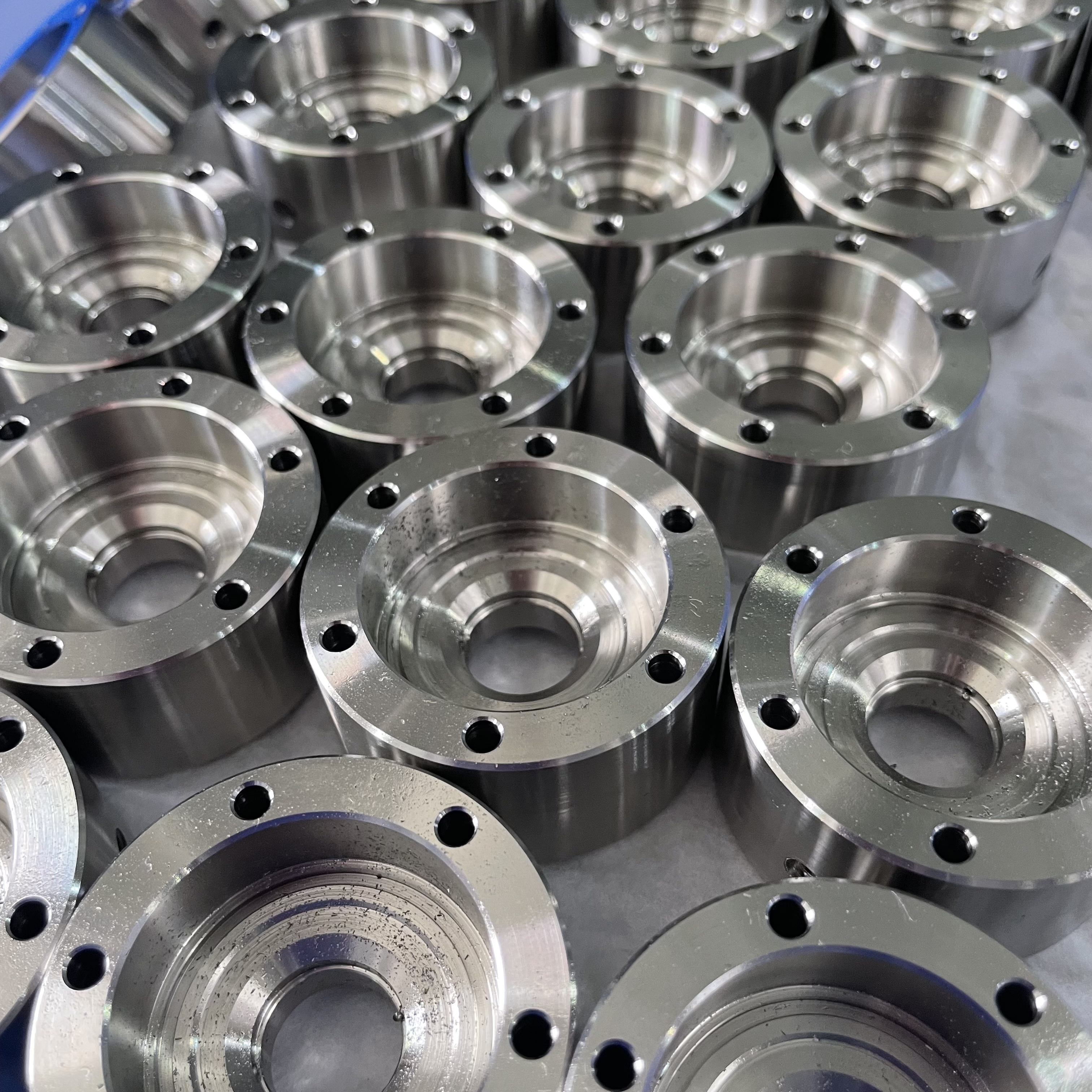
At Precision Fab CNC Machining, we specialize in producing parts for prototypes, short runs, and high-volume production. Our prototyping machine capabilities extend across metal, plastic, and wood machining, with welding fabrication services available to complement and finalize your prototype if required.
Address
Address: Room320 10F, Building A,Nanshan international building, Dayawan District, Huizhou, Guangdong, 516001 China
Contacts
billy@timaycnc.com