The Environmental Benefits of CNC Optimized Material Use

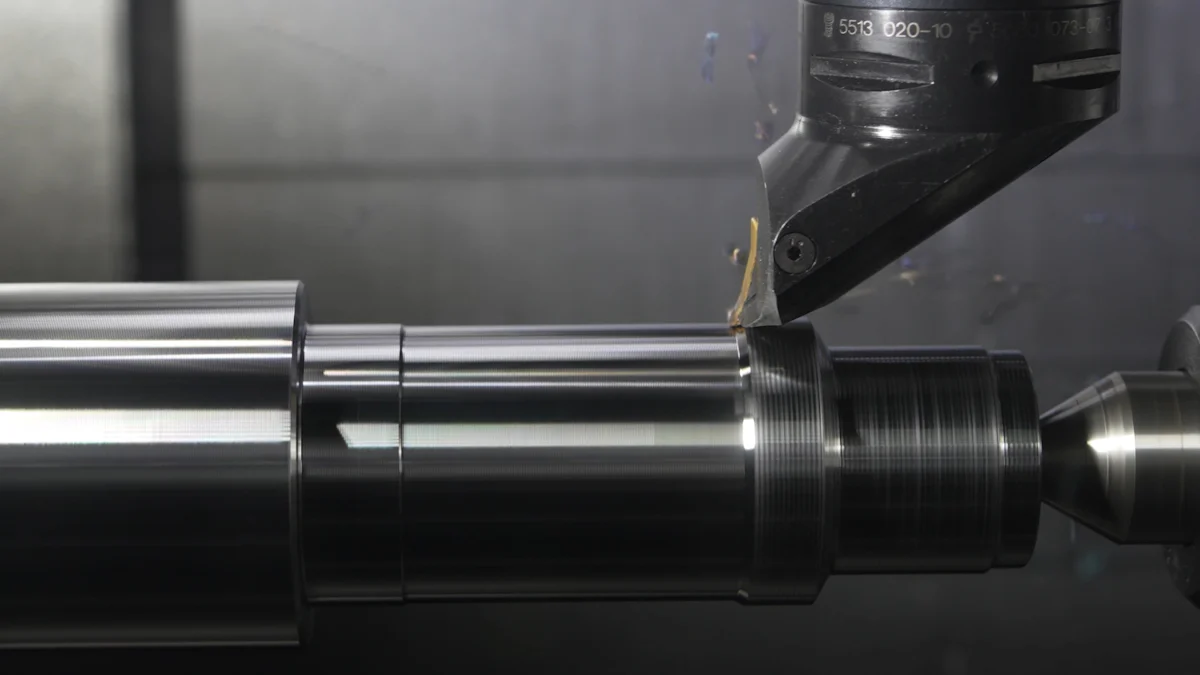
You might not realize it, but CNC machining has revolutionized manufacturing by making it more sustainable. Unlike traditional methods, CNC machining produces less scrap and maximizes raw material usage. This precision reduces waste, conserves resources, and lowers the need for landfills. Chips and leftover materials from machining can often be recycled, further minimizing environmental harm. By avoiding overproduction and optimizing energy use, CNC machining supports eco-friendly practices. These cutting-edge trends in sustainable CNC machining not only protect the planet but also save costs for manufacturers.
Key Takeaways
CNC machines cut waste by using materials more efficiently. This helps the environment.
Energy-saving CNC machines use less power and cost less to run. This supports sustainability.
Using green materials, like recycled metals and eco-friendly plastics, helps the planet.
Recycling leftover materials saves resources and lowers production expenses.
Better CNC processes reduce waste and use materials wisely, aiding a circular economy.
CNC Machining and Sustainability
Defining CNC Machining
CNC machining, or Computer Numerical Control machining, uses pre-programmed software to control tools and machinery. This technology allows you to create precise parts by automating processes like cutting, drilling, and milling. Unlike manual methods, CNC machining ensures consistency and accuracy in every production cycle. It eliminates human error and reduces material waste. By optimizing CNC processes, manufacturers can achieve high-quality results while minimizing environmental harm.
The Role of Optimized Material Usage in Sustainability
Optimized material usage plays a critical role in sustainable CNC machining. When you use materials efficiently, you reduce waste and conserve resources. CNC machines excel at this by planning toolpaths and cutting operations with precision. This approach minimizes leftover material and maximizes raw material utilization.
Sustainability principles align closely with CNC machining practices. For example, manufacturers often adopt energy-efficient technologies and eco-friendly materials. They also implement waste reduction strategies, such as recycling scrap materials. The table below highlights key sustainability principles that CNC machining supports:
Principle | Description |
|---|---|
Energy Efficiency | Manufacturers are investing in energy-efficient CNC machines and technologies to minimize environmental impact. |
Eco-Friendly Materials | Exploration of sustainable and durable materials, considering their life cycle from extraction to disposal. |
Waste Reduction Strategies | Implementing closed-loop systems to minimize waste generation and promote recycling within the production cycle. |
Renewable Energy Sources | Utilizing solar or wind power to reduce reliance on non-renewable energy and decrease carbon footprint. |
Reduction of Hazardous Substances | Responsible disposal or recycling of coolants and lubricants to prevent contamination and promote sustainability. |
By optimizing machining processes, you contribute to these principles and reduce the environmental impact of CNC machining.
Environmental Advantages of CNC Precision
CNC machining offers several environmental benefits through its precision. First, it reduces material waste by maximizing raw material usage. This helps conserve natural resources and lowers the need for excessive extraction. Second, precise cutting operations and toolpath planning improve energy efficiency. CNC machines consume only the energy required for specific tasks, and features like automatic shut-off reduce idle energy consumption.
Additionally, CNC precision minimizes mistakes during production. Fewer errors mean less material waste and lower disposal costs. For example:
CNC machines use recycled materials to reduce the demand for raw resources.
They decrease landfill waste, which reduces pollution and contamination risks.
Their energy-efficient technologies lower the carbon footprint of manufacturing operations.
By adopting sustainable CNC machining practices, you can achieve cost savings while protecting the environment.
Material Efficiency and Waste Reduction
How CNC Machines Achieve Material Efficiency
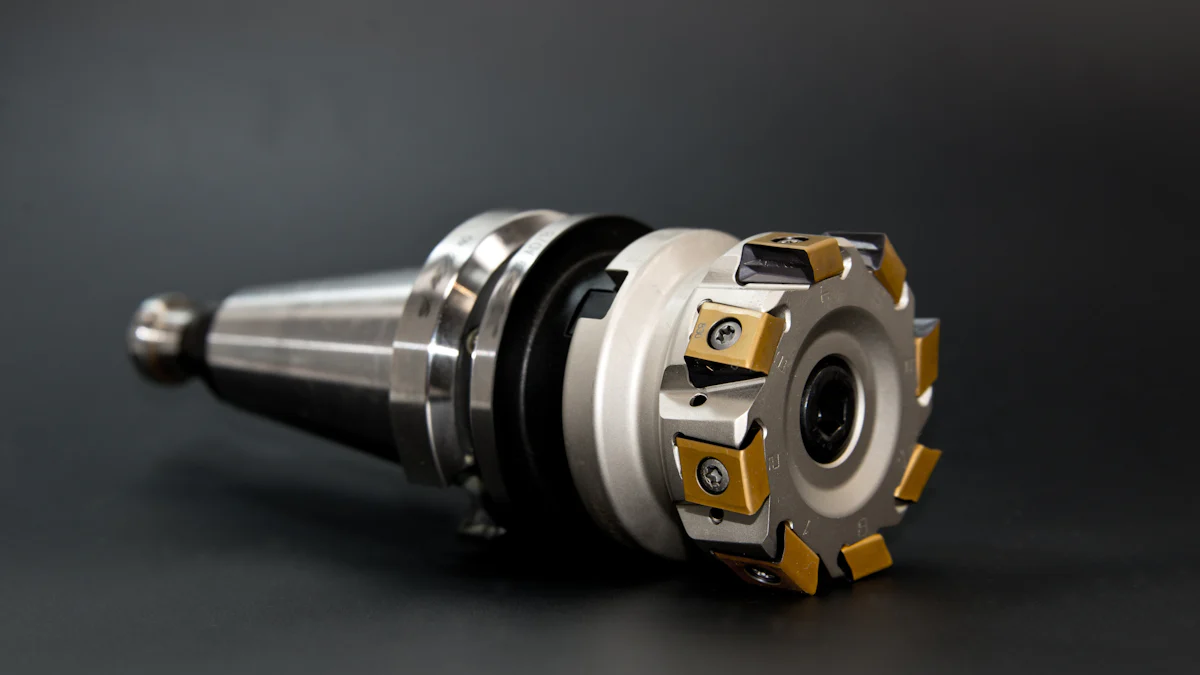
CNC machines excel at achieving material efficiency through their precision and accuracy. You can rely on these machines to produce parts that meet exact specifications, which reduces the need for rework and minimizes waste. Unlike manual machining, CNC machining follows intricate toolpaths with high accuracy. This approach removes only the necessary material, leaving minimal excess.
Here’s how CNC machining enhances material efficiency:
It uses advanced programming to optimize cutting paths, reducing material waste.
It eliminates errors caused by manual processes, ensuring consistent results.
It minimizes the need for additional raw materials by producing precise parts on the first attempt.
By adopting CNC machining, you can significantly reduce the environmental impact of manufacturing while conserving resources.
Material Selection and Waste Reduction in CNC Processes
The materials you choose for CNC machining play a vital role in waste reduction. Using recycled or recyclable materials reduces the demand for new raw resources and promotes sustainability. For example, recycled metals like aluminum, brass, and steel are common in CNC machining. These materials not only perform well but also support sustainable CNC machining practices.
You can also explore biodegradable plastics made from renewable resources like corn starch or vegetable oils. These materials break down naturally, reducing long-term waste. To ensure effective material selection and waste reduction, consider these steps:
Evaluate the extraction and production processes of materials.
Assess the disposal methods to ensure they align with sustainability goals.
Opt for durable, eco-friendly alternatives whenever possible.
By focusing on material selection and waste reduction, you contribute to a more sustainable manufacturing process.
Industry Examples of Waste Reduction Through CNC
Many industries have embraced CNC machining to achieve waste reduction. In aerospace manufacturing, CNC machines produce lightweight components with minimal material waste. This reduces both production costs and environmental impact. Similarly, the automotive industry uses CNC machining to create precise parts from recycled metals, cutting down on raw material usage.
In the medical field, CNC machining enables the production of custom implants and devices with minimal waste. By using advanced programming and efficient material selection, these industries demonstrate how CNC machining supports waste reduction and sustainability.
When you implement CNC machining in your operations, you join a growing number of industries committed to reducing waste and protecting the environment.
Energy Efficiency in CNC Machining
Energy-Saving Features of CNC Machines
Modern CNC machines come equipped with advanced energy-saving features that help you reduce energy consumption and improve efficiency. Energy management systems monitor electricity usage, allowing you to identify inefficiencies and make adjustments. These systems not only save energy but also lower operational costs.
Several features enhance energy efficiency in CNC machining:
Variable Frequency Drives (VFDs) control motor speed and torque, reducing energy consumption during low-load operations.
Energy-efficient motors consume less electricity while maintaining high performance.
Software optimization ensures tool paths and feed rates are designed to minimize energy usage.
The table below highlights additional energy-saving technologies:
Energy-Saving Feature | Description |
|---|---|
Regenerative Braking Systems | Captures kinetic energy during braking and converts it into electrical energy for reuse. |
Variable Speed Drives (VSDs) | Adjusts machine speed based on load, reducing energy consumption during low-demand periods. |
Energy Recovery Technologies | Reuses energy generated during deceleration, enhancing overall energy efficiency. |
By using these features, you can achieve lean manufacturing while lowering the carbon footprint in CNC manufacturing.
Automation and Reduced Energy Consumption
Automation in CNC machining plays a key role in reducing energy consumption. CNC machines operate with precision, consuming only the energy required for each task. Unlike traditional methods, automated systems regulate energy usage through advanced control mechanisms.
Here’s how automation contributes to energy efficiency:
Machines dynamically adjust power consumption based on load requirements.
Energy-efficient motors and VFDs further reduce waste.
Optimized processes ensure minimal idle time, saving energy.
These improvements not only lower carbon emissions but also lead to significant cost savings. By investing in energy-efficient machinery, you can offset initial expenses and enjoy long-term benefits.
Integrating Renewable Energy in CNC Operations
Integrating renewable energy sources into CNC machining operations enhances sustainability. Solar and wind power reduce reliance on non-renewable energy, helping you lower carbon emissions. Many CNC machines are compatible with renewable energy, making it easier to adopt eco-friendly practices.
CNC machining also supports renewable energy technologies by creating efficient components for solar panels and wind turbines. This synergy drives advancements in sustainability.
By integrating renewable energy sources, you contribute to sustainable CNC machining and reduce the carbon footprint in CNC manufacturing. This approach aligns with lean manufacturing principles, ensuring efficient and eco-friendly production.
Sustainable CNC Machining Practices
Using Eco-Friendly Materials in CNC Processes
You can make CNC machining more sustainable by using eco-friendly materials. Many manufacturers now prioritize sustainable materials to reduce environmental impact. For example:
Biodegradable cutting fluids replace traditional options, minimizing harmful waste.
Recyclable metals like aluminum and steel support eco-friendly production.
Biodegradable plastics derived from renewable resources, such as corn starch, offer a greener alternative.
These materials not only perform well but also align with sustainable manufacturing practices. By choosing sustainable materials, you contribute to reducing waste and promoting eco-friendly production.
Recycling and Reusing Scrap Materials
Recycling of metal and plastic waste is a cornerstone of sustainable CNC machining. Scrap materials like metal shavings and cuttings can be repurposed to save resources and reduce costs. Here’s how you can implement effective recycling:
Recycle metal shavings to recover valuable materials.
Repurpose cuttings for other manufacturing processes.
Adopt proper waste management systems to streamline recycling efforts.
Reusing these materials supports the principles of a circular economy. It also promotes low-cost manufacturing by reducing the need for new raw materials. This approach ensures that your operations remain both cost-effective and environmentally friendly.
Case Studies of Sustainable CNC Machining
Real-world examples highlight the success of sustainable manufacturing practices in CNC machining. A European manufacturer reduced energy consumption by 30% by integrating servo motors and renewable energy sources. Another company achieved a 40% reduction in material waste through additive manufacturing.
Green machining practices have also led to significant improvements. One company reported a 30% reduction in both energy use and waste. These examples demonstrate how sustainable CNC machining can lower costs while protecting the environment. By adopting similar strategies, you can achieve measurable benefits in your operations.
CNC Machining and the Circular Economy
Supporting a Circular Economy Through Material Efficiency
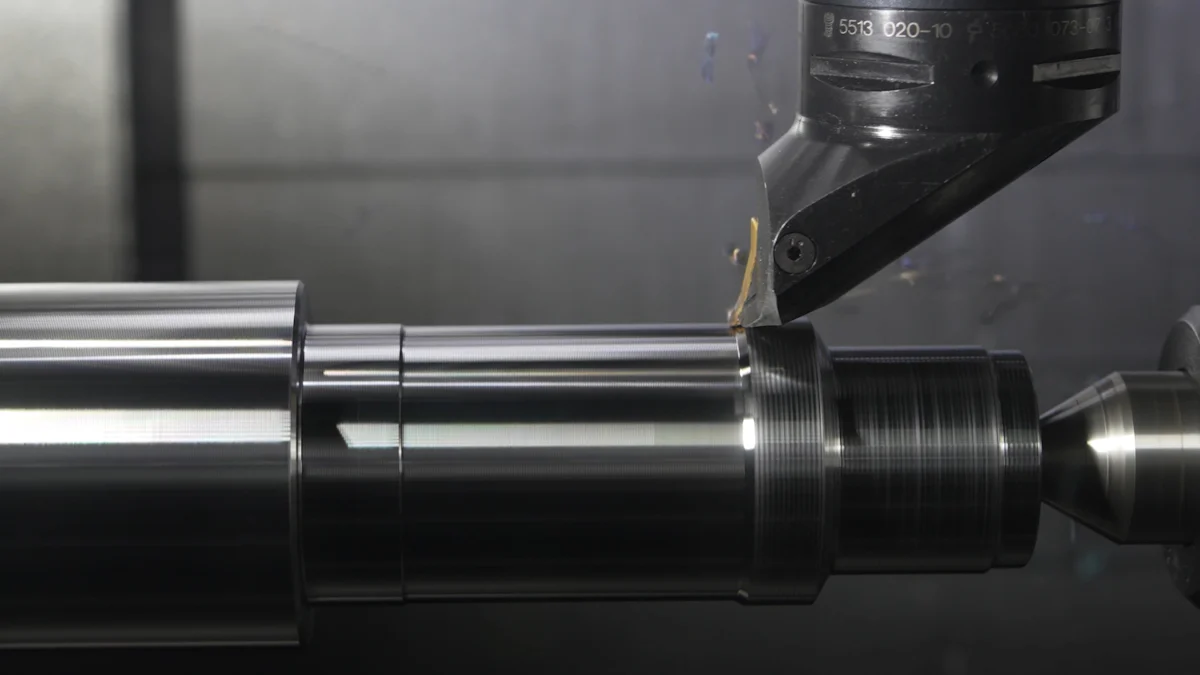
CNC machining plays a vital role in supporting the principles of a circular economy by maximizing material efficiency. This technology minimizes waste through precise coding that guides machines to operate accurately. You can rely on CNC machining to reduce errors that often lead to unusable materials. By determining optimal cutting patterns, it ensures you produce the maximum number of parts from a single piece of material.
Advanced CAM software further enhances material efficiency. It allows you to nest parts efficiently on raw materials, reducing scrap. CNC machining also provides precise control over material removal, leaving minimal waste behind. These practices align with the circular economy’s goal of reducing resource consumption and promoting sustainability.
CNC’s Contribution to Green Manufacturing
CNC machining advances green manufacturing by reducing environmental impact in several ways. Recycling metal scraps is one of the most effective methods. This process conserves raw materials and requires less energy than creating new materials. By adopting energy-efficient CNC machines, you can also minimize energy consumption during operations, lowering your carbon footprint.
Here are some ways CNC machining contributes to green manufacturing:
Optimizing cutting parameters to reduce energy usage.
Recycling material waste to conserve resources.
Using eco-friendly coolants to limit harmful emissions.
Additionally, smart software solutions optimize processes, enhance precision, and minimize waste. These advancements make CNC machining a cornerstone of sustainable manufacturing practices.
Long-Term Environmental Benefits of CNC Optimization
Optimizing CNC machining processes offers long-term environmental benefits. By reducing waste and conserving resources, you help preserve natural ecosystems. Energy-efficient machines lower electricity consumption, which reduces greenhouse gas emissions. Over time, these practices contribute to a significant decrease in the overall environmental impact of manufacturing.
Sustainable CNC machining also supports renewable energy technologies. For example, CNC machines produce components for solar panels and wind turbines with high precision. This synergy accelerates the adoption of renewable energy, creating a positive feedback loop for sustainability. By embracing CNC optimization, you not only improve efficiency but also contribute to a greener future.
CNC machining offers significant environmental benefits by reducing waste, conserving energy, and optimizing material use. These practices protect natural resources and lower carbon emissions. Sustainable CNC machining ensures long-term industrial productivity while addressing ecological concerns. It also aligns with consumer demand for eco-friendly manufacturing, enhancing your brand value and customer trust.
Adopting sustainable CNC machining practices is essential for a greener future. You can reduce operational costs, conserve resources, and meet environmental goals. By prioritizing sustainability, industries can maintain efficiency and contribute to a healthier planet.
FAQ
What is CNC machining, and how does it help the environment?
CNC machining uses computer-controlled tools to create precise parts. It reduces waste by optimizing material usage and energy consumption. This process minimizes resource extraction and lowers emissions, making it an eco-friendly manufacturing method.
Can CNC machines recycle leftover materials?
Yes, CNC machines allow you to recycle scrap materials like metal shavings and plastic cuttings. Recycling reduces the need for new raw materials and supports sustainable manufacturing practices. It also helps lower production costs.
How do CNC machines save energy?
CNC machines use energy-efficient motors, variable speed drives, and regenerative braking systems. These features reduce electricity consumption during operations. Automation further optimizes energy use by minimizing idle time and adjusting power based on workload.
Are there eco-friendly materials for CNC machining?
You can use eco-friendly materials like recycled metals, biodegradable plastics, and sustainable cutting fluids. These materials reduce environmental impact while maintaining high performance. Choosing such options supports green manufacturing practices.
How does CNC machining support a circular economy?
CNC machining promotes a circular economy by maximizing material efficiency and recycling waste. Precise cutting and nesting reduce scrap, while reused materials conserve resources. These practices align with the goal of minimizing waste and promoting sustainability.
See Also
Grasping Environmental Standards for CNC Ultra-Precision Machining
Discovering Seven Essential Advantages of CNC Machining in Manufacturing
Comprehending Material Specifications for CNC Precision Machining
CNC Precision Machining Effects: Benefits and Upcoming Trends
Enhancing Processing Excellence Through CNC Precision Machining Techniques
About US
Follow Us
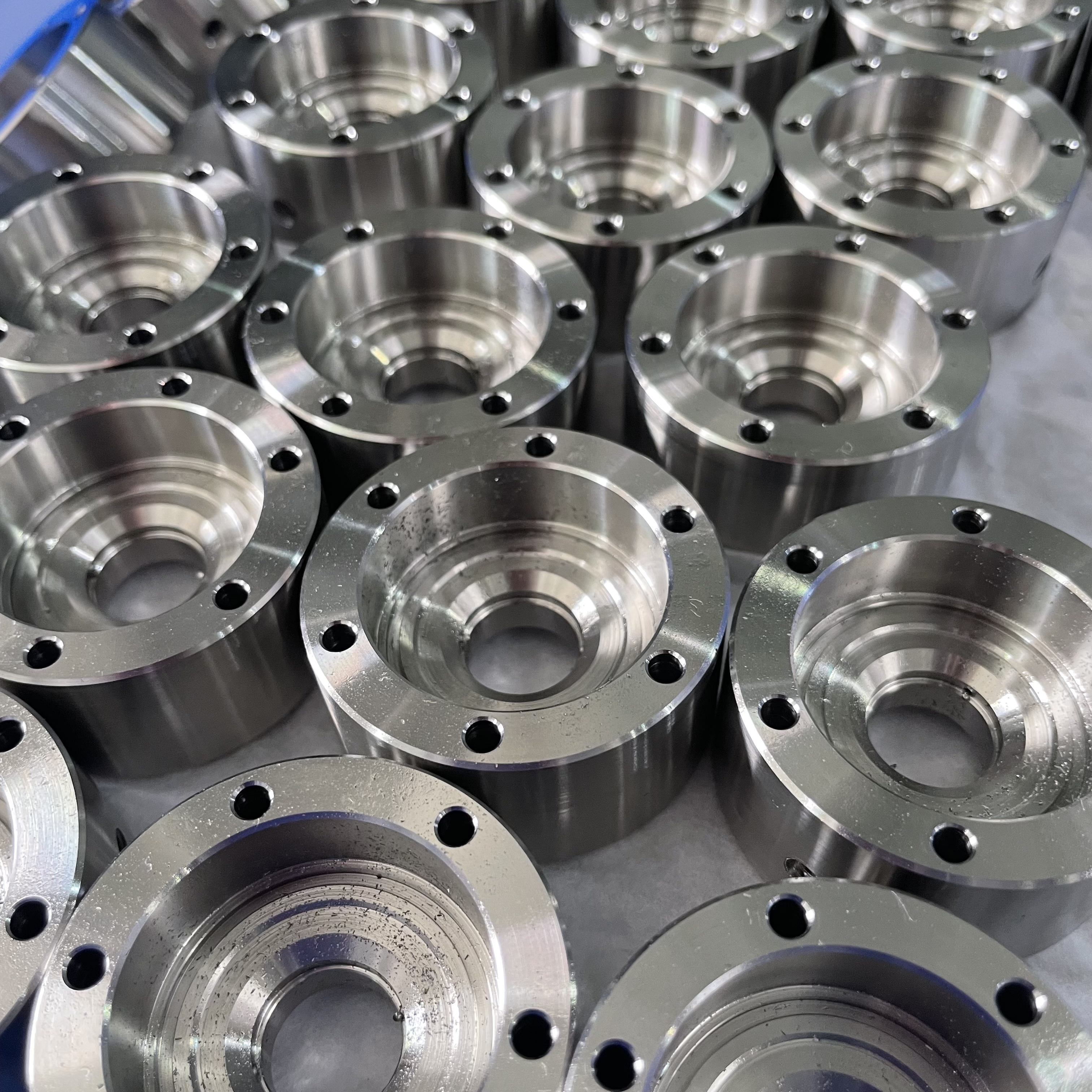
Your prototype holds unparalleled significance, and we deeply value its uniqueness. Collaborating with you during the preparation phase for running your prototype or parts is a commitment we gladly embrace. Whether it's a single part or a complex assembly, we are dedicated to selecting the optimal tools and pathways to bring your envisioned product to life.
At Precision Fab CNC Machining, we specialize in producing parts for prototypes, short runs, and high-volume production. Our prototyping machine capabilities extend across metal, plastic, and wood machining, with welding fabrication services available to complement and finalize your prototype if required.
Address
Address: Room320 10F, Building A,Nanshan international building, Dayawan District, Huizhou, Guangdong, 516001 China
Contacts
billy@timaycnc.com