How CNC Machining Supports Businesses with Flexible Manufacturing Needs

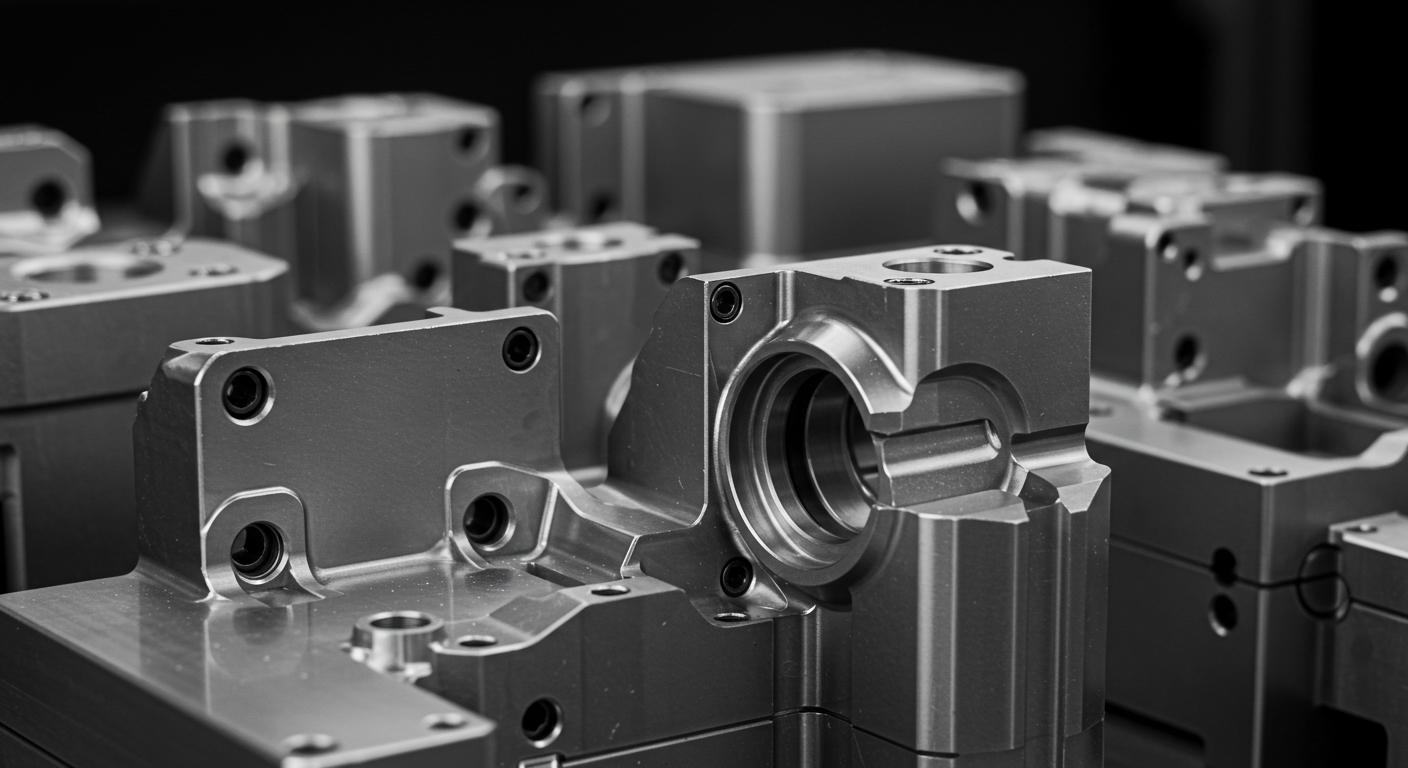
CNC machining plays a vital role in modern manufacturing by offering unmatched adaptability and precision. You can rely on this technology to meet changing demands and create high-quality products efficiently. CNC machines automate processes, reducing labor costs and minimizing errors. They optimize cutting paths, which decreases material waste and improves resource utilization. This efficiency makes CNC machining a cost-effective solution for both small-batch and large-scale production. Whether you need to scale operations or produce custom parts, CNC technology ensures consistent results while saving time and resources.
Key Takeaways
CNC machines do work automatically, cutting labor costs and mistakes. This makes them a smart choice for businesses to save money.
These machines can handle many materials like metal, plastic, and more. This helps make parts for different uses.
CNC machines work fast and keep quality steady. They are great for making both small and large amounts of products.
CNC machines can quickly change designs or how much they make. This helps businesses keep up with what customers want.
Using CNC machines helps create new ideas. They make tricky parts that meet high standards and customer needs.
What Is CNC Machining and Its Role in a Flexible Manufacturing System?
Defining CNC Machining
Overview of CNC technology and how it works
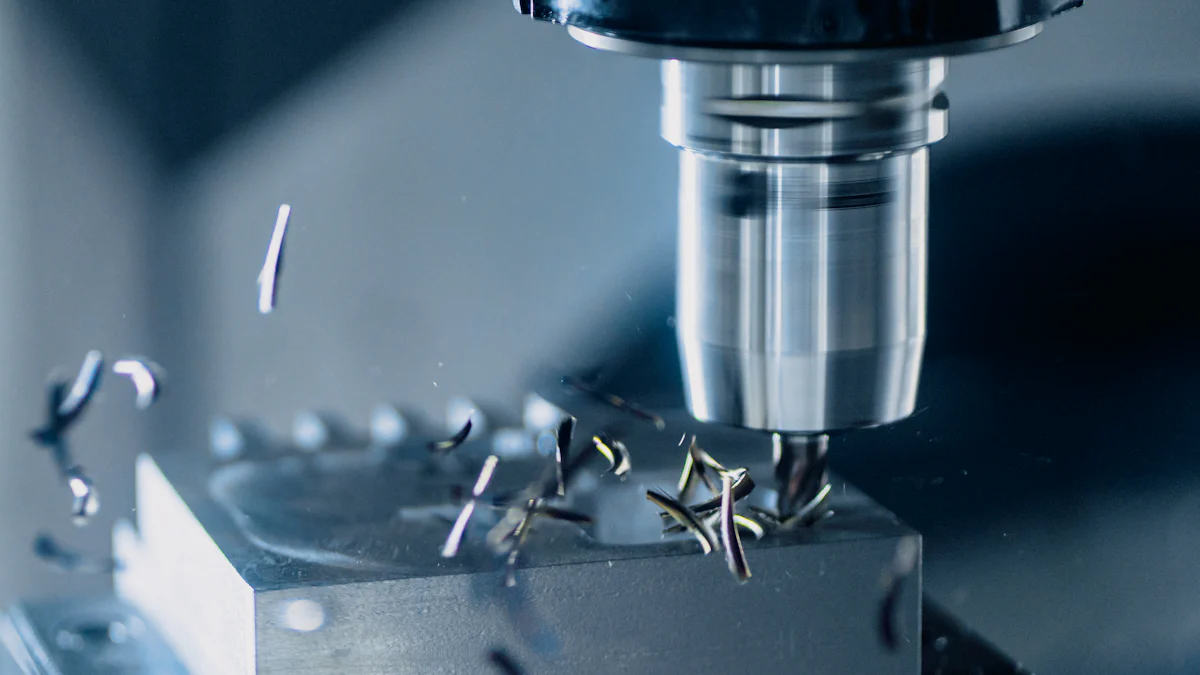
CNC machining uses computer-controlled systems to automate the operation of machine tools. You can program these systems to follow precise instructions, ensuring consistent and accurate results. This technology eliminates the need for manual intervention, allowing you to produce complex parts with high precision. CNC machines interpret digital designs, such as CAD files, and translate them into physical products. By automating processes, CNC machining enhances efficiency and reduces errors, making it a cornerstone of modern manufacturing systems.
Key components of CNC machines
CNC machines consist of several essential components that work together to deliver precise results. The controller serves as the brain of the machine, processing instructions and guiding the tool's movements. The cutting tools perform the actual machining, shaping materials into the desired form. Motors and drive systems ensure smooth and accurate motion, while the worktable holds the material securely in place. Sensors and feedback systems monitor performance, ensuring the machine operates within specified tolerances. These components enable CNC machine tools to deliver reliable and repeatable results.
The Concept of a Flexible Manufacturing System
Explanation of flexible manufacturing and its importance
A flexible manufacturing system allows you to adapt quickly to changes in product designs, materials, or production volumes. This adaptability is crucial in industries where demand fluctuates or innovation drives frequent updates. Flexible manufacturing systems integrate automated processes and machinery, enhancing efficiency and reducing manual intervention. By embracing this approach, you can streamline workflows, minimize downtime, and respond to market demands with agility.
How CNC machining aligns with flexible manufacturing principles
CNC machining aligns perfectly with the principles of a flexible manufacturing system. It allows you to adjust production processes quickly, accommodating new designs or materials without significant retooling. By integrating multiple CNC machine tools, you can handle diverse tasks within a single system, reducing the need for separate setups. This adaptability ensures you can meet changing demands while maintaining efficiency. CNC machining also supports automation, a core principle of flexible manufacturing, by minimizing human involvement and ensuring consistent quality.
Key Features of CNC Machining That Enable a Flexible Manufacturing System
Material Versatility
Ability to work with metals, plastics, composites, and more
CNC machining offers unmatched material versatility, allowing you to work with a wide range of options. From metals like aluminum, stainless steel, and titanium to plastics such as ABS and polycarbonate, this technology supports diverse applications. You can also use composites and specialized materials to meet unique project requirements. This flexibility ensures that you can address various manufacturing needs efficiently, whether you're creating durable industrial parts or lightweight components for electronics.
CNC machining is compatible with both metals and non-metals.
It serves industries like medical, aerospace, and consumer goods.
The ability to use different materials enables custom and precise part production.
Examples of industries benefiting from material flexibility
Many industries rely on CNC machining's material versatility to meet their specific demands:
Medical: Produces implants, orthotic devices, and FDA-approved products.
Aerospace: Creates high-precision components from titanium and aluminum.
Petrochemical: Ensures leak-proof valves and efficient operations.
Electronics: Manufactures intricate, lightweight parts with tight tolerances.
Automation and Precision
How automation reduces human error and increases efficiency
Automation in CNC machining eliminates human error and boosts efficiency. Computer-controlled systems ensure consistent results by following pre-programmed instructions. Advanced sensors monitor each step, detecting and correcting errors immediately. This process reduces waste and increases productivity. Automated CNC machines also operate faster than manual methods, allowing you to produce high volumes of components with minimal downtime.
Automation ensures consistent product quality.
Pre-programmed toolpaths allow efficient high-volume production.
Reduced human error minimizes rework and scrap, saving costs.
The role of precision in meeting complex design requirements
Precision is a cornerstone of CNC machining. It ensures that even the most complex designs are accurately translated into physical parts. This capability is essential in industries like aerospace and medical devices, where tight tolerances are critical. For example, surgical robots require exact precision to function safely, while turbine blades must meet strict specifications to perform reliably. CNC machining achieves this through its ability to reproduce parts consistently and accurately, meeting the highest industry standards.
Customization and Adaptability
Rapid prototyping and custom part production
CNC machining excels in rapid prototyping, enabling you to transform CAD designs into physical models quickly. This capability allows you to test functionality, fit, and form before committing to large-scale production. For example, in the automotive industry, rapid prototyping helps engineers refine designs and create custom parts for specialized vehicles. This process reduces time-to-market and ensures that your final product meets all requirements.
CNC machining plays a pivotal role in prototyping by reducing costs and complexity. It allows manufacturers to create mock-ups and refine designs effectively.
Adjusting production for different product designs
CNC machining offers unparalleled adaptability, making it easy to adjust production for new designs. You can reprogram the machine to accommodate changes without significant downtime or retooling. This flexibility is ideal for high mix – low volume production, where you need to switch between different products frequently. Whether you're producing custom parts or scaling up for mass production, CNC machining ensures seamless transitions and consistent quality.
Consistent and Repeatable Machining Processes
Ensuring uniformity in large-scale production
CNC machining ensures uniformity in large-scale production by delivering exceptional precision and consistency. You can achieve tolerances within microns, which is critical for industries requiring high accuracy. Automated systems monitor each production step, detecting and correcting errors instantly. This capability minimizes waste and ensures that every part meets the same quality standards. Continuous operation, enabled by automation, further enhances consistency, allowing you to produce identical components efficiently.
CNC machining achieves tight tolerances for precise results.
Automated monitoring systems detect and fix errors in real time.
Continuous operation reduces variability and maintains quality.
Reducing errors and maintaining quality standards
CNC machining employs advanced tools and techniques to reduce errors and maintain high-quality standards. You can rely on Coordinate Measuring Machines (CMM) to measure complex geometries with precision. Tools like gauge blocks and thread gauges ensure accurate dimensions, while surface roughness testers assess the finish of machined parts. Non-destructive testing methods, such as ultrasonic and X-ray inspections, help identify defects without damaging the product. Statistical Process Control (SPC) software monitors process stability, ensuring consistent results. These methods work together to deliver reliable and repeatable machining processes.
CMM and gauge blocks ensure dimensional accuracy.
Surface testers and NDT methods verify part quality.
SPC software maintains process stability and consistency.
Scalability
Scaling production volumes up or down as needed
CNC machining supports scalability by adapting to varying production needs. You can modify designs or adjust production volumes without significant delays. Automation allows machines to operate continuously, enabling 24/7 production with minimal supervision. Technologies like robotic loaders and automated tool changers enhance efficiency, ensuring deadlines are met while maintaining quality. This flexibility makes CNC machining an ideal choice for businesses requiring a flexible manufacturing system.
CNC machining adapts quickly to design or volume changes.
Automation enables continuous operation for high efficiency.
Robotic loaders and tool changers streamline production.
Supporting both small-batch and mass production
CNC machining excels in both small-batch and mass production scenarios. For short runs, it offers cost-effective manufacturing and high precision, reducing time to market. You can produce custom parts with consistent quality, minimizing inventory risks. For mass production, CNC technology ensures speed and efficiency by eliminating human labor constraints. Automation reduces rejections, saving costs and maintaining quality. This versatility allows you to meet diverse manufacturing demands effectively.
Cost-effective for short runs with high precision.
Custom parts maintain consistent quality.
Automation ensures speed and reduces rejections.
Benefits of CNC Machining for Businesses
Cost Savings
Reducing labor costs through automation
CNC machining significantly reduces labor costs by automating the manufacturing process. Machines equipped with automatic tool changers and robotic systems handle tasks like part loading and unloading. This automation minimizes the need for manual intervention, allowing you to streamline production and focus on other critical operations. By reducing reliance on human labor, you can save time and improve productivity. Automation also eliminates human error, ensuring precise and accurate results in every production cycle.
Minimizing material waste with precise machining
CNC machining helps you minimize material waste through its precision and advanced techniques. Effective material selection and stock management ensure you use the right materials and standard-sized stock, reducing excess. Nesting software optimizes material usage by arranging multiple parts on a single sheet, leaving minimal scrap. Adaptive toolpaths and high-speed machining further enhance efficiency by optimizing material removal. Recycling programs and coolant systems also promote sustainability by reducing waste and reusing resources.
Improved Efficiency
Faster production cycles and reduced lead times
CNC machining accelerates production cycles by leveraging automated procedures and high-speed machining techniques. Automated systems reduce setup times and allow machines to operate continuously, maximizing production time. High-performance cutting tools and optimized tool geometries shorten machining cycles by enabling faster material removal. These advancements ensure you can meet tight deadlines and deliver products to market faster, boosting overall productivity.
Streamlined workflows with minimal downtime
CNC technology ensures streamlined workflows by integrating automation and adaptive control systems. Machines operate with minimal supervision, reducing downtime and maintaining consistent output. Continuous operation and efficient toolpath programming eliminate unnecessary delays, allowing you to achieve higher productivity levels. This seamless workflow enhances your ability to meet production goals while maintaining quality standards.
Enhanced Product Quality
Consistent and accurate production of parts
CNC machines deliver consistent and accurate results by following precise toolpaths and maintaining tight tolerances. This consistency ensures that every part meets the required specifications, reducing defects and improving reliability. Automated systems eliminate variations caused by manual machining, allowing you to produce identical components in large quantities. Whether you need custom parts or mass production, CNC machining guarantees high-quality results every time.
Meeting stringent quality standards across industries
CNC machining enables you to meet stringent quality control standards required in industries like aerospace and automotive. Tools like Coordinate Measuring Machines (CMMs) ensure dimensional accuracy and geometric perfection. Compliance with certifications such as ISO 9001 and AS9100 demonstrates a commitment to quality and safety. By adhering to these standards, you can deliver products that meet industry requirements and exceed customer expectations.
Competitive Advantage
Faster response to market demands
CNC machining empowers you to respond swiftly to changing market demands. Its ability to make real-time adjustments in production ensures you can adapt quickly to customer needs. For example, if a client requests a design modification, you can reprogram the machine without significant delays. This flexibility reduces lead times and helps you deliver products faster.
You can also benefit from fast production with low minimums. This capability minimizes excess inventory and allows you to produce only what is needed. By reducing waste and optimizing resources, CNC machining supports efficient manufacturing processes. Additionally, its precision ensures consistent quality and customization, which are essential for meeting specific market requirements.
Tip: Leveraging CNC technology can help you stay agile in a competitive market by reducing downtime and improving turnaround times.
Ability to innovate and stay ahead of competitors
CNC machining fosters innovation by enabling you to create complex and precise components. Industries like aerospace rely on this technology to produce parts such as landing gear and airfoils with tight tolerances. Similarly, the automotive sector uses CNC machining for engine components and interior panels, enhancing vehicle functionality and reliability. These advancements allow businesses to introduce cutting-edge products that meet high standards.
Leading companies like DMG Mori, Mazak Corporation, and Okuma Corporation demonstrate how CNC machining drives innovation. DMG Mori’s state-of-the-art equipment helps optimize production capabilities. Mazak Corporation pioneers advanced machine tooling, setting new benchmarks for precision and efficiency. Okuma Corporation focuses on reliability and innovation, offering industry-leading CNC solutions. By adopting similar strategies, you can stay ahead of competitors and maintain a strong market position.
Note: Investing in CNC machining not only enhances your production capabilities but also positions your business as a leader in innovation.
Industries Leveraging CNC Machining for Flexible Manufacturing
Aerospace and Defense
High-precision components for aircraft and military equipment
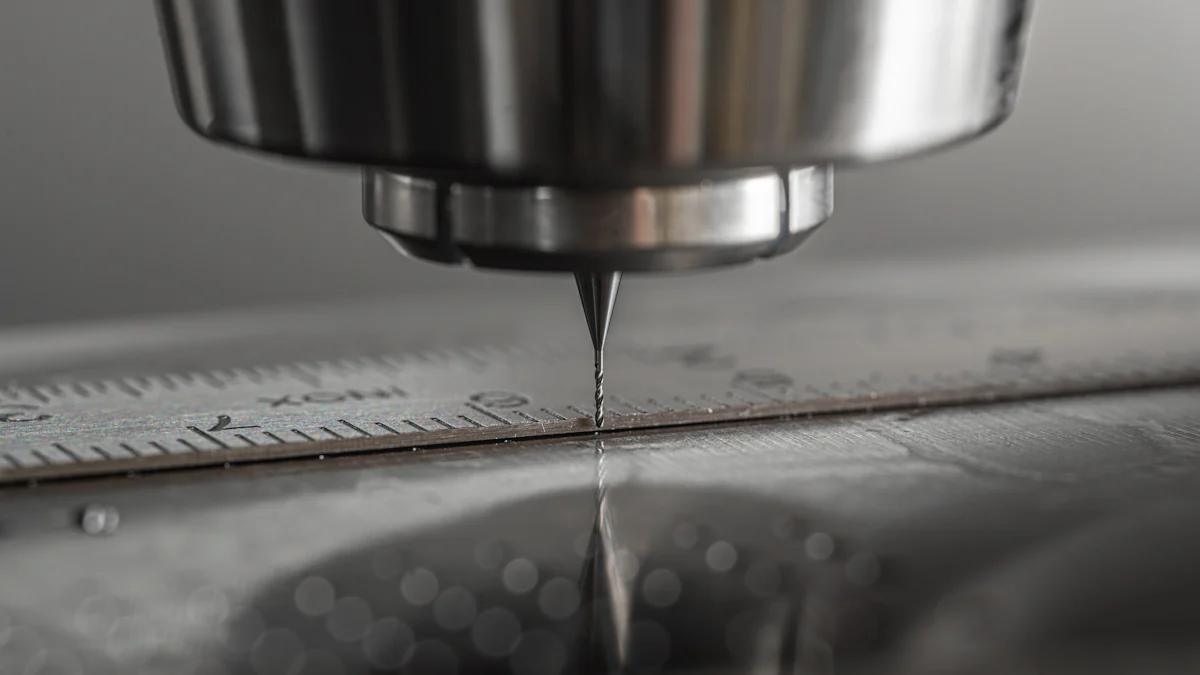
CNC machining plays a critical role in aerospace and defense by delivering high-precision components essential for safety and performance. You can rely on this technology to produce parts like the composite skin of the F-35 aircraft or the fuselage skins of the B-2 Stealth Bomber. CNC machines also handle core cutting for Predator drones and create components for radar systems that require smooth finishes and durability under battlefield conditions. Materials such as aluminum, titanium, and nickel alloys are commonly used due to their lightweight, strength, and resistance to extreme conditions.
CNC machining techniques like milling and turning ensure the production of complex parts with tight tolerances. For example, gun cradles and turret rings for military vehicles, as well as communication system components for naval craft, are fabricated with precision. This capability ensures that every part meets the stringent requirements of the aerospace and defense industries.
Customization for unique project requirements
You can achieve unparalleled customization for unique aerospace and defense projects with CNC machining. This technology supports the creation of complex designs and advanced geometries that reduce weight while enhancing strength. For instance, CNC machining allows you to optimize the design of aircraft components for better efficiency. Its high precision and repeatability ensure that even the most intricate parts meet exact specifications. Additionally, the speed and automation of CNC machining reduce lead times, enabling you to meet tight deadlines without compromising quality.
Automotive
Prototyping and production of vehicle parts
CNC machining excels in prototyping and the production of vehicle parts. You can quickly evaluate design iterations through rapid prototyping, which compresses development cycles and ensures that prototypes mirror final part specifications. This process allows you to test components rigorously and identify design flaws early. For example, safety-critical parts like engine components and braking systems benefit from the precision and repeatability of CNC machining.
By integrating CNC machining into your production process, you can also achieve high accuracy and customization. This capability supports the creation of specialized vehicle parts tailored to specific requirements. Functional testing of prototypes ensures reliability under real-world conditions, making CNC machining an indispensable tool in automotive manufacturing.
Adapting to new designs and materials
CNC machining offers the flexibility to adapt to new designs and materials in the automotive sector. You can quickly adjust production processes to accommodate design changes, ensuring that you stay competitive in a fast-evolving market. CNC machines handle a wide range of materials, including metals, plastics, and composites, making them ideal for producing diverse components like engine parts and body panels.
This adaptability also supports innovation in car design. You can produce customized parts with high precision, meeting specific customer demands. The repeatability of CNC machining ensures that every component meets rigorous safety and performance standards, helping you maintain the integrity of mechanical systems in vehicles.
Medical and Healthcare
Manufacturing surgical instruments and implants
CNC machining is vital in manufacturing surgical instruments and implants with exceptional precision. You can produce tools like scalpels and forceps, which are essential for delicate surgeries. Orthopedic implants, such as hip and knee replacements, benefit from CNC machining’s ability to create complex geometries with tight tolerances. Dental implants and tools also rely on this technology for customization, enhancing success rates in procedures.
Application Type | Description |
|---|---|
Surgical Instruments | CNC machining produces precise tools like scalpels and forceps, essential for delicate surgeries. |
Orthopedic Implants | Used for creating complex geometries in hip and knee replacements, ensuring tight tolerances. |
Dental Implants and Tools | Supports the customization of implants and tools for dental procedures, enhancing success rates. |
Customized Patient Implants | Enables the production of personalized implants tailored to individual anatomy for better outcomes. |
Meeting strict regulatory standards
CNC machining helps you meet strict regulatory standards in the medical and healthcare industries. It complies with requirements set by governing bodies like the FDA and ISO 13485. By working with experienced CNC machining providers, you can ensure compliance and reduce risks. Advanced quality control systems monitor production processes continuously, ensuring that every device meets exact specifications. Certifications like ISO 13485 and 9001 demonstrate a commitment to high-quality management systems, giving you confidence in the safety and reliability of your products.
Consumer Electronics
Producing intricate components for devices
CNC machining plays a vital role in creating intricate components for consumer electronics. You can rely on this technology to produce parts with complex geometries and precise dimensions. For example, CNC machines manufacture casings and enclosures for electronic devices, ensuring durability and aesthetic appeal. They also create heat sinks with intricate designs to improve heat dissipation in computer towers. Additionally, CNC machining supports the production of customized enclosures for specialized electronics like servers and audio equipment.
You can also use CNC machining to fabricate intricate pathways and cutouts in printed circuit boards (PCBs). This precision ensures reliable connections and optimal performance. Semiconductor parts, such as wafer carriers and precision housings, benefit from the accuracy of CNC machining. Even sockets and connectors, which require exact dimensions for dependable functionality, are crafted using this technology. These capabilities make CNC machining indispensable in the consumer electronics industry.
Scaling production for new product launches
CNC machining offers unmatched flexibility for scaling production during new product launches. Whether you need a small batch of prototypes or full-scale manufacturing, this technology adapts seamlessly to your requirements. You can modify designs or adjust production volumes without delays, ensuring you meet market demands efficiently.
Automation enhances scalability further by enabling continuous operation. Robotic loaders and automated tool changers allow machines to run 24/7 with minimal supervision. IoT-enabled monitoring systems ensure consistent quality while meeting tight deadlines. CNC machining also accelerates production by eliminating the need for tooling stages, which reduces lead times. This speed and adaptability make it an ideal solution for launching new consumer electronics products.
Industrial Equipment
Creating durable parts for heavy machinery
CNC machining excels in producing durable parts for heavy machinery. You can use this technology to create components that withstand extreme conditions and heavy loads. For instance, CNC machines manufacture gears, shafts, and bearings with high precision, ensuring reliable performance in industrial equipment. The ability to work with robust materials like steel and titanium further enhances the durability of these parts.
The precision of CNC machining ensures that every component meets exact specifications. This accuracy reduces wear and tear, extending the lifespan of heavy machinery. By using CNC machining, you can produce parts that maintain their integrity even under demanding conditions, making it a cornerstone of industrial manufacturing.
Supporting diverse manufacturing needs in industrial sectors
CNC machining supports a wide range of manufacturing needs in industrial sectors. You can rely on this technology to produce custom parts for specialized equipment. For example, CNC machines create molds and dies used in injection molding and metal stamping processes. They also fabricate components for conveyor systems, pumps, and turbines, ensuring seamless operation across various industries.
The adaptability of CNC machining allows you to switch between different production tasks effortlessly. This flexibility is essential for industries that require frequent design changes or small-batch production. By integrating CNC machining into your operations, you can meet diverse manufacturing demands while maintaining efficiency and quality.
CNC machining provides you with the tools to adapt to ever-changing manufacturing demands. Its precision ensures consistent results, while its efficiency helps you save time and resources. You can scale production effortlessly, whether for small batches or large-scale operations. This technology empowers you to maintain high-quality standards and stay competitive in your industry. By integrating CNC into your processes, you gain the flexibility to innovate and meet customer needs effectively. CNC machining remains an essential part of modern production systems, offering unmatched value for businesses like yours.
FAQ
What are CNC machining services, and how do they benefit businesses?
CNC machining services involve using computer-controlled machines to produce precise parts. These services help businesses by reducing errors, increasing efficiency, and enabling the production of custom machined parts. They also support scalability, making them ideal for both small-batch and mass production needs.
How does a flexible manufacturing cell improve shop-floor productivity?
A flexible manufacturing cell integrates automated machinery to handle multiple tasks efficiently. It reduces downtime by allowing quick adjustments for different products. This setup enhances shop-floor productivity by streamlining manufacturing processes and ensuring consistent quality across various production runs.
Why is machine flexibility important in the manufacturing industry?
Machine flexibility allows you to adapt quickly to design changes or material requirements. This capability ensures you can meet customer demands without significant delays. It also supports prototype machining and small-batch production, making it essential for innovation and competitiveness in the manufacturing industry.
How do automated solutions enhance manufacturing processes?
Automated solutions improve manufacturing processes by reducing manual intervention and increasing precision. They enable continuous operation, minimize errors, and optimize resource utilization. This efficiency leads to faster production cycles, lower costs, and higher-quality outputs, making automation a cornerstone of modern manufacturing.
What role does CNC machining play in creating custom machined parts?
CNC machining excels in producing custom machined parts with high precision. It allows you to create complex geometries and unique designs tailored to specific needs. This capability is crucial for industries requiring specialized components, such as aerospace, medical, and automotive sectors.
See Also
Streamlined CNC Machining Solutions for Accurate Production
Investigating CNC Machining Options for Precise Production
Uncovering Seven Major Advantages of CNC Machining in Manufacturing
CNC Technology in Manufacturing: Understanding Its Progress and Uses
About US
Follow Us
Your prototype holds unparalleled significance, and we deeply value its uniqueness. Collaborating with you during the preparation phase for running your prototype or parts is a commitment we gladly embrace. Whether it's a single part or a complex assembly, we are dedicated to selecting the optimal tools and pathways to bring your envisioned product to life.
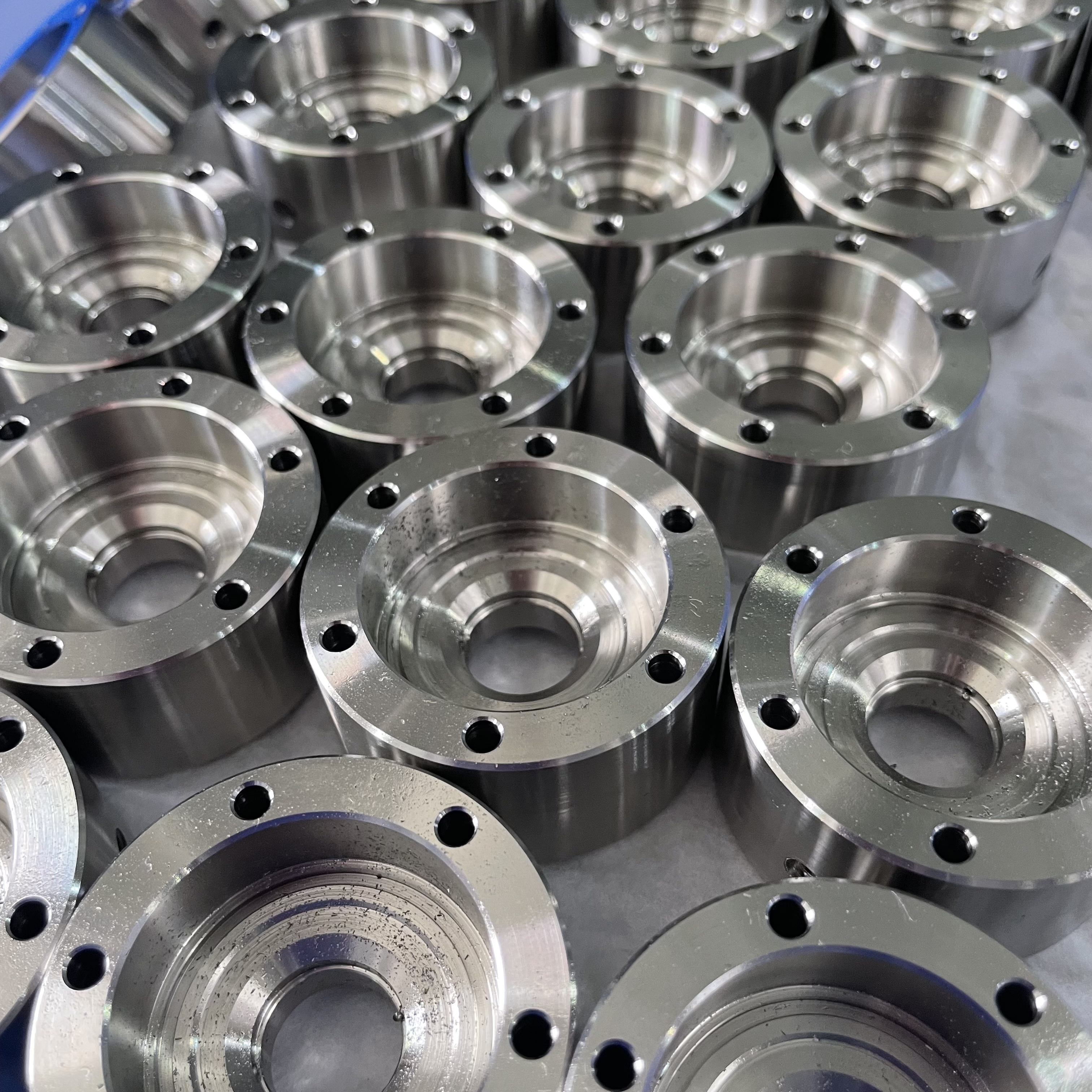
At Precision Fab CNC Machining, we specialize in producing parts for prototypes, short runs, and high-volume production. Our prototyping machine capabilities extend across metal, plastic, and wood machining, with welding fabrication services available to complement and finalize your prototype if required.
Address
Address: Room320 10F, Building A,Nanshan international building, Dayawan District, Huizhou, Guangdong, 516001 China
Contacts
billy@timaycnc.com