The Role of CNC in Creating Functional and Accurate Prototypes for Testing

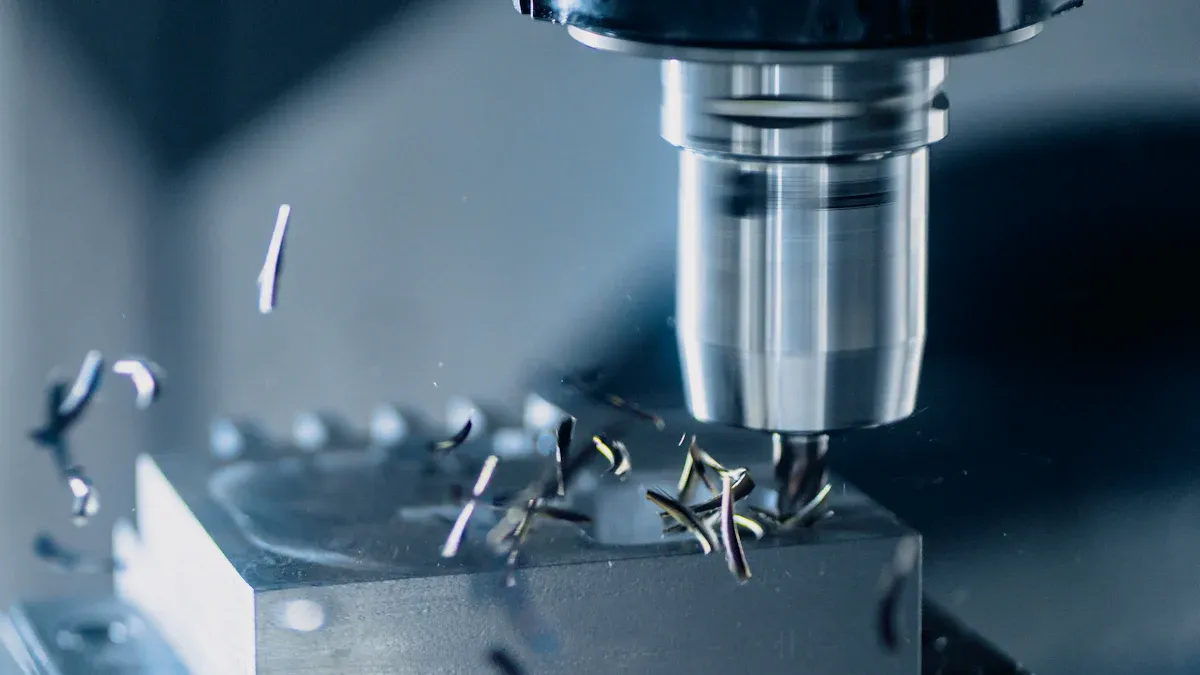
CNC machining plays a vital role in modern rapid prototyping. It allows you to create highly accurate and functional prototypes with exceptional mechanical properties. Industries like aerospace, automotive, healthcare, and electronics depend on CNC rapid prototyping to develop innovative products. By automating tools and machinery, CNC ensures precision and efficiency, making it indispensable for prototyping.
Key Takeaways
CNC machining makes accurate prototypes fast, helping in product creation for fields like airplanes and medicine.
It uses different materials, so you can pick the right one for your prototype, like metal, plastic, or mixed materials.
CNC machining allows quick changes, letting you test and improve designs easily, which helps launch products sooner.
Understanding CNC Machining in Prototyping
What is CNC Machining?
CNC machining is a subtractive manufacturing process that uses computer-controlled tools to shape materials into precise parts. You start with a solid block of material, and the machine removes excess material to create the desired shape. This process relies on pre-programmed software to control the movement of tools, ensuring consistent results. CNC machining stands out for its ability to achieve tight tolerances, making it ideal for intricate designs.
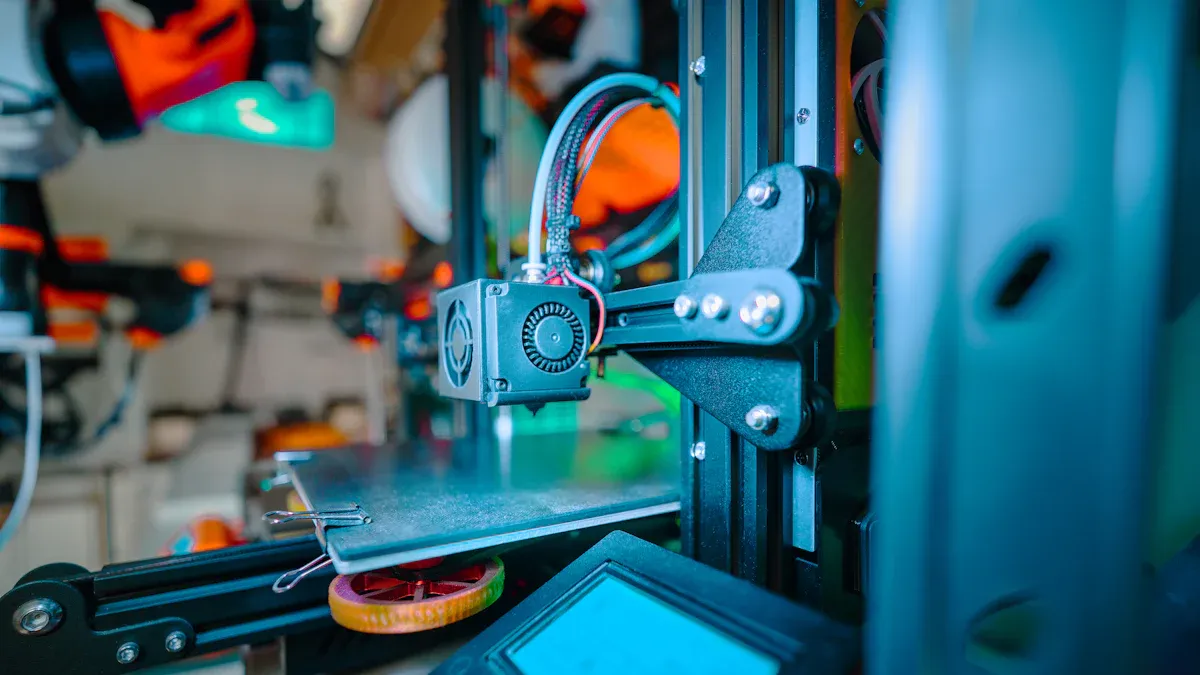
Unlike 3D printing, which builds parts layer by layer, CNC machining removes material to form parts. This difference allows CNC to work with a wider range of materials, including metals, plastics, and composites. It also produces parts with higher precision, often down to micrometers. While CNC machining generates more waste compared to 3D printing, it excels in creating larger parts without size limitations.
Why CNC Machining is Ideal for Prototyping
CNC machining offers several advantages that make it perfect for rapid prototyping. Its speed and efficiency allow you to produce prototypes quickly, accelerating your product development process. The high precision of CNC ensures that your prototypes meet exact specifications, reducing material waste and improving quality. You can also rely on CNC to create consistent prototypes, which is crucial for functional testing.
Another benefit is material versatility. CNC machining supports a wide variety of materials, enabling you to tailor prototypes for specific applications. Whether you need a durable metal part or a lightweight plastic component, CNC can handle it. Additionally, CNC machining easily transitions from prototyping to full-scale production, making it a scalable solution for your manufacturing needs.
Tip: If you're working on complex designs, CNC machining's ability to handle intricate geometries will help you achieve the desired results with unmatched accuracy.
Key Advantages of CNC Rapid Prototyping
Precision and Accuracy in Prototyping
CNC machining delivers unmatched precision, making it ideal for creating prototypes with exact specifications. You can achieve tolerances as tight as ±0.001 inches, ensuring every part meets your design requirements. This level of accuracy reduces errors and enhances the reliability of your prototypes. Traditional methods, like 3D printing, often fall short in precision, holding tolerances only within a few thousandths of an inch. CNC machining bridges this gap, offering the consistency needed for functional testing.
Industries such as aerospace, medical, and automotive rely heavily on this precision. For example:
Aerospace demands high-precision prototypes to meet rigorous performance standards.
Medical devices require exact dimensions to ensure safety and efficacy.
Automotive components must undergo accurate testing to perform under various conditions.
By using CNC machining, you can create prototypes that meet these critical standards, ensuring functionality and reliability.
Material Versatility for Functional Prototypes
CNC rapid prototyping supports a wide range of materials, allowing you to tailor prototypes for specific applications. Whether you need durable metals, lightweight plastics, or flexible elastomers, CNC machining can handle it all. Common materials include:
Plastics: ABS and PLA for lightweight and versatile designs.
Metals: Aluminum and titanium for strength and durability.
Rubber/Elastomers: Silicone for flexibility.
Composites: Carbon fiber for industry-specific needs.
This versatility enables you to test different materials quickly, compare their performance, and select the best option for your project. For instance, you can experiment with titanium for aerospace prototypes or aluminum for consumer electronics. This adaptability accelerates innovation and ensures your prototypes meet the desired mechanical properties.
Speed and Efficiency in Rapid Prototyping
CNC machining significantly enhances the speed and efficiency of rapid prototyping. Automated processes reduce the need for constant supervision, allowing you to produce prototypes faster. Multi-axis systems perform multiple operations simultaneously, saving valuable time. Additionally, reusable programs minimize setup time, ensuring quick transitions between projects.
For example, CNC turning services streamline the iterative design process. You can modify prototypes quickly without creating new molds or fixtures. This efficiency reduces development time and helps you bring products to market faster. By leveraging CNC machining, you can maintain high-quality standards while meeting tight deadlines.
CNC Machining in Functional Testing
Creating Prototypes for Real-World Testing
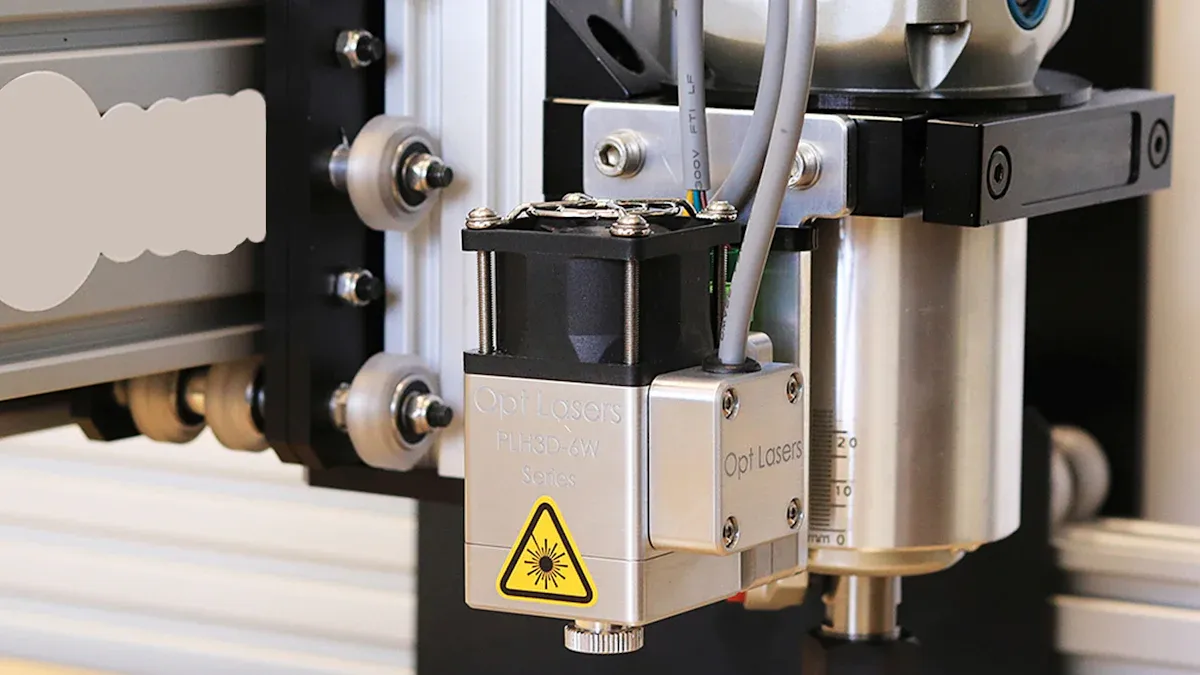
CNC machining enables you to create prototypes that closely mimic the final product, making them ideal for real-world testing. To achieve this, you must consider several key factors:
Refine your CAD models to align with manufacturing constraints.
Choose materials that replicate the mechanical properties of the final product.
Tailor the machining strategy to match the complexity of the part and the required tolerances.
Inspect prototypes to verify that they meet dimensional accuracy standards.
Conduct functional tests to evaluate performance under real-world conditions.
By following these steps, you can ensure that your prototypes are ready for rigorous testing. For example, if you're developing a medical device, CNC machining allows you to create a prototype with precise dimensions and material properties. This ensures the device performs as expected during clinical trials. The ability to test prototypes in real-world scenarios helps you identify potential issues early, saving time and resources in the long run.
Iterative Design and Refinement with CNC
CNC machining plays a crucial role in the iterative design process. It allows you to produce high-precision prototypes quickly, enabling continuous testing and refinement. With tolerances as tight as ±0.001 inches, CNC machining ensures that each iteration meets exact specifications. This precision is essential for assessing functionality and design feasibility.
The speed of CNC machining further enhances the iterative process. You can produce parts within days or even hours, allowing you to test multiple iterations in a short time. For instance, if a prototype fails a functional test, you can quickly modify the design and create a new version. This rapid prototyping capability accelerates product development and ensures that the final design meets all requirements.
By leveraging CNC machining, you can refine your prototypes based on testing and user feedback. This iterative approach not only improves the quality of your product but also reduces the risk of costly errors during production.
CNC machining stands out as a cornerstone of modern prototyping. Its precision ensures prototypes meet exact specifications, while its efficiency accelerates product development. You can rely on CNC for cost-effective solutions, quick iterations, and consistent results. The versatility of CNC machining also allows you to work with various materials, making it ideal for diverse prototyping needs.
Note: CNC machining not only creates high-quality prototypes but also supports seamless scalability from prototyping to full-scale production.
FAQ
What types of materials can CNC machining handle?
CNC machining works with metals, plastics, composites, and elastomers. You can choose materials like aluminum, titanium, ABS, or carbon fiber based on your prototype's requirements.
How accurate are CNC-machined prototypes?
CNC machining achieves tolerances as tight as ±0.001 inches. This precision ensures your prototypes meet exact specifications, making them suitable for functional testing and real-world applications.
Can CNC machining support iterative prototyping?
Yes, CNC machining allows quick modifications to designs. You can produce multiple iterations rapidly, enabling continuous testing and refinement to perfect your prototype.
Tip: Use CNC machining for projects requiring high precision and material versatility. It ensures reliable results and accelerates your product development process.
See Also
Overcoming Obstacles: Improving Accuracy and Efficiency in CNC Prototyping
Achieving Excellence in CNC Machining: Tolerances and Material Choices
CNC Precision Parts Processing: Its Impact on Manufacturing Industry
Perfecting CNC Machining Techniques for Precision Parts Production
Investigating CNC Machining Options for High-Precision Manufacturing
About US
Follow Us
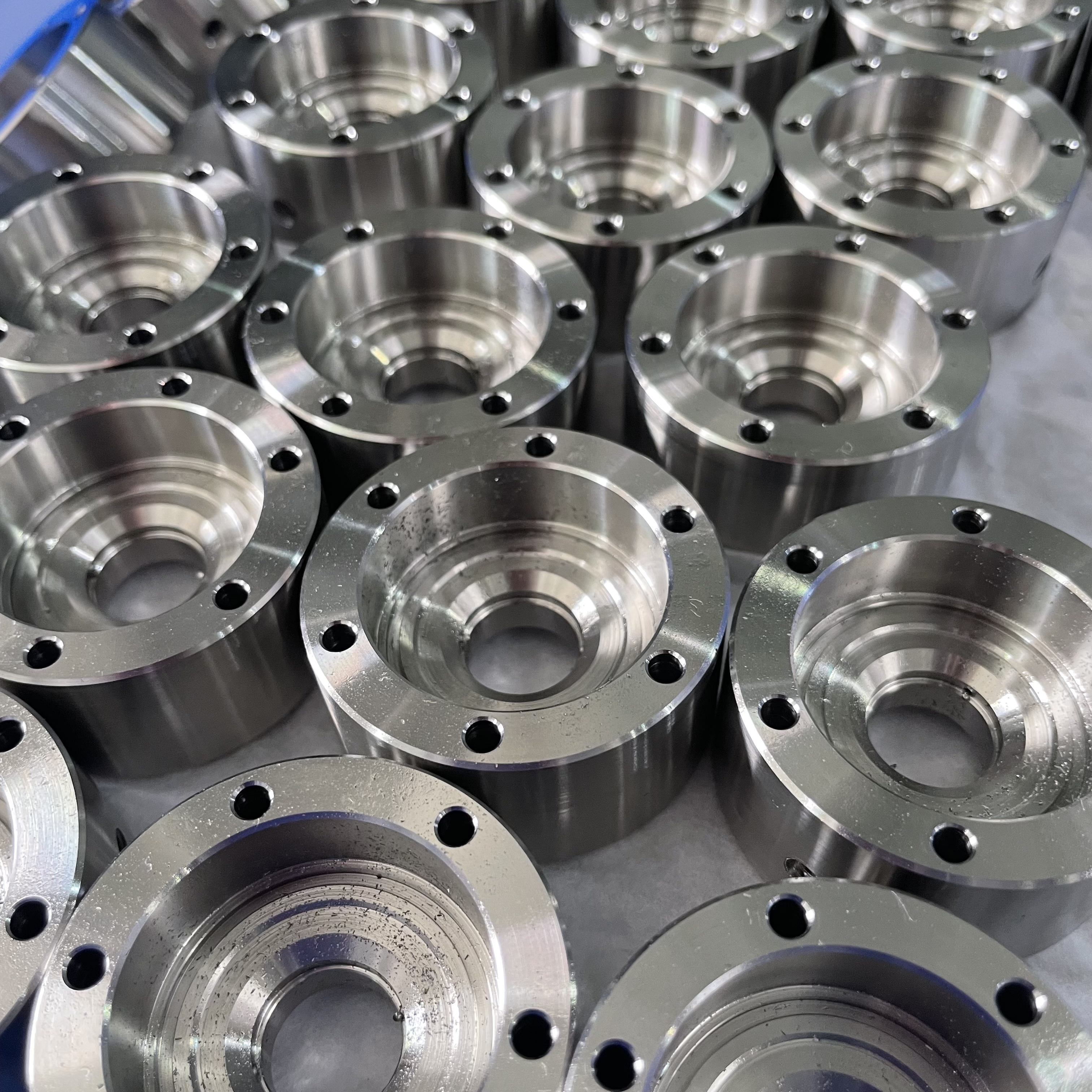
Your prototype holds unparalleled significance, and we deeply value its uniqueness. Collaborating with you during the preparation phase for running your prototype or parts is a commitment we gladly embrace. Whether it's a single part or a complex assembly, we are dedicated to selecting the optimal tools and pathways to bring your envisioned product to life.
At Precision Fab CNC Machining, we specialize in producing parts for prototypes, short runs, and high-volume production. Our prototyping machine capabilities extend across metal, plastic, and wood machining, with welding fabrication services available to complement and finalize your prototype if required.
Address
Address: Room320 10F, Building A,Nanshan international building, Dayawan District, Huizhou, Guangdong, 516001 China
Contacts
billy@timaycnc.com